
















Another Lost Phone: Laura's Story is an indie casual narrative investigation game for PC in which players examine the contents of a smartphone belonging to a young woman named Laura. The experience centers on piecing together her daily life through digital fragments to understand the circumstances of her disappearance.
Gameplay
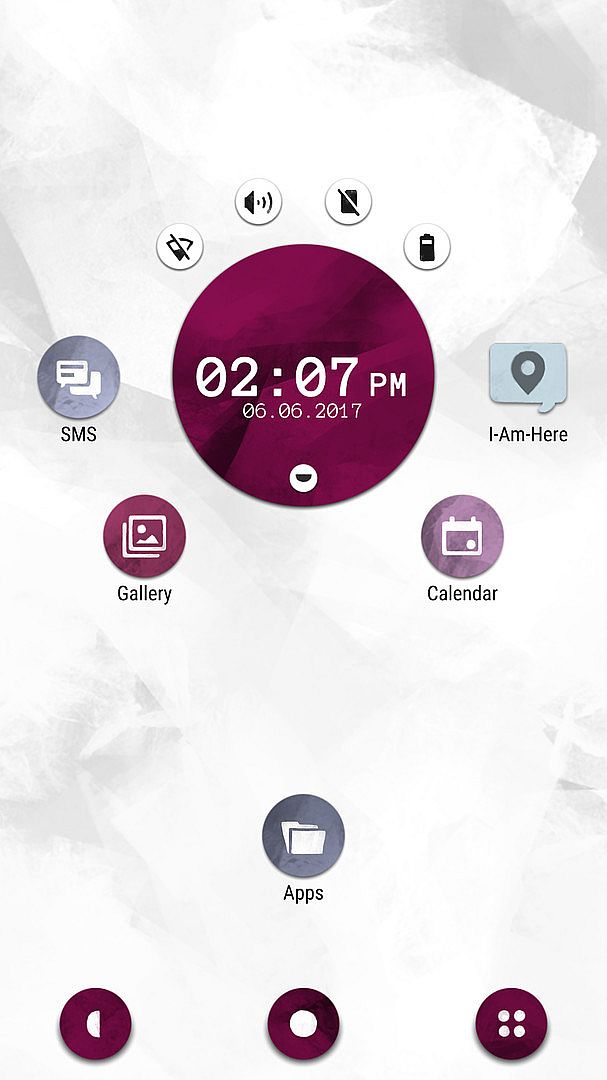
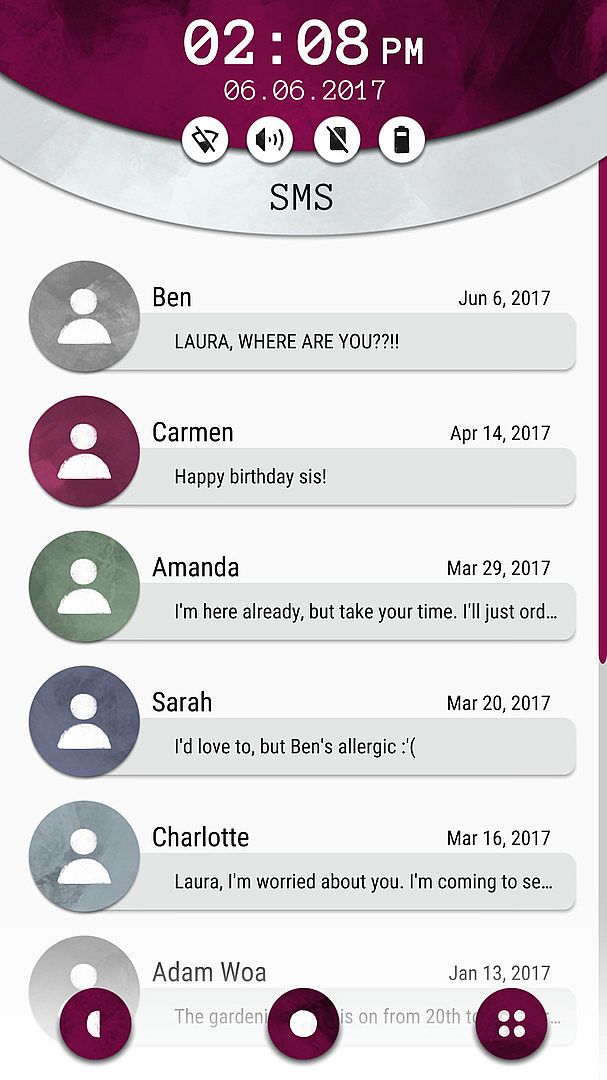
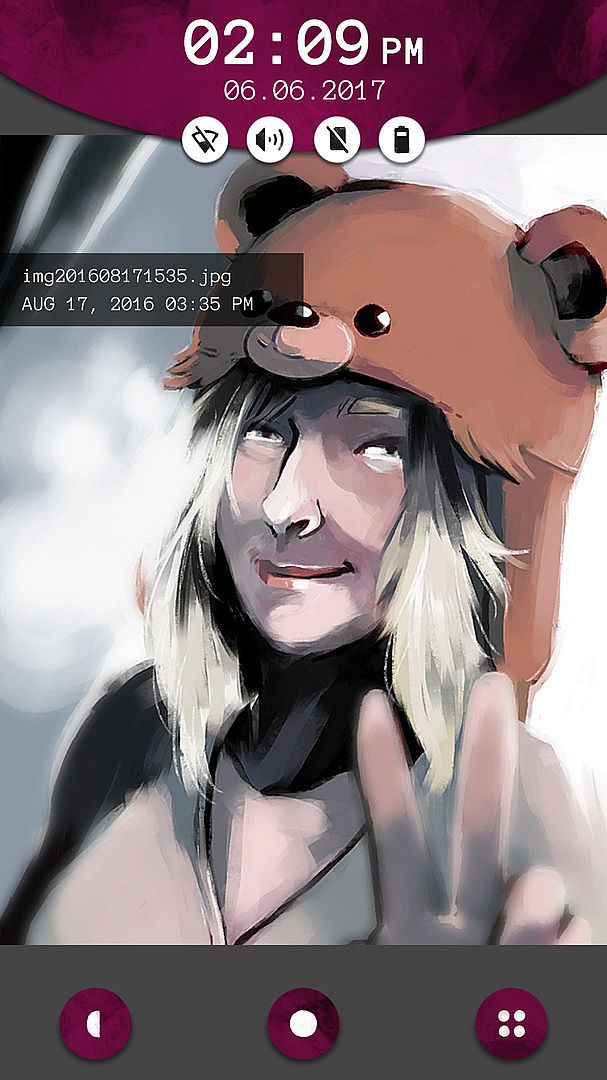
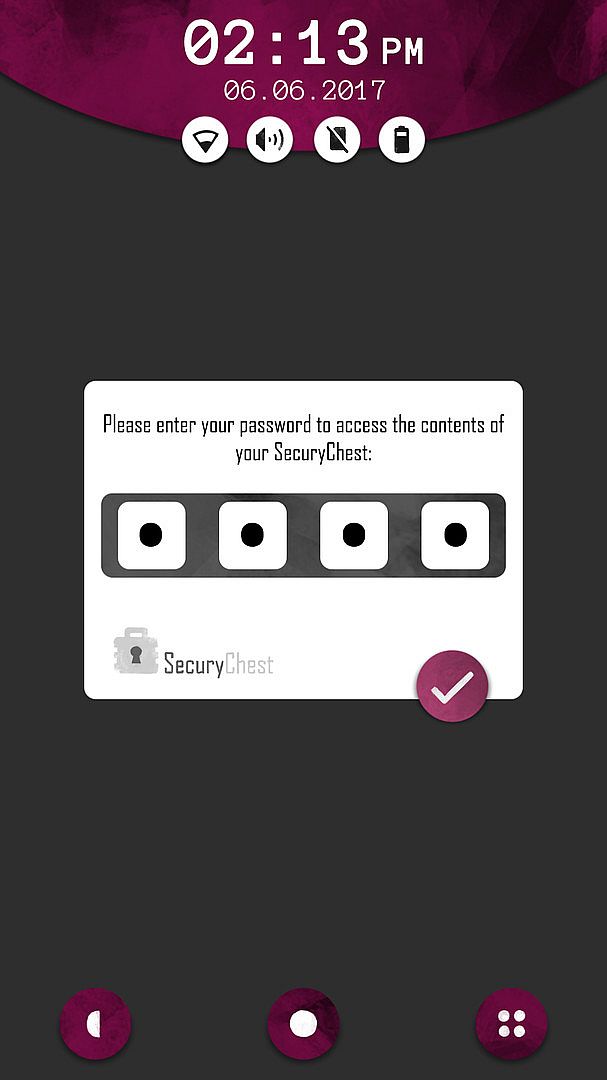
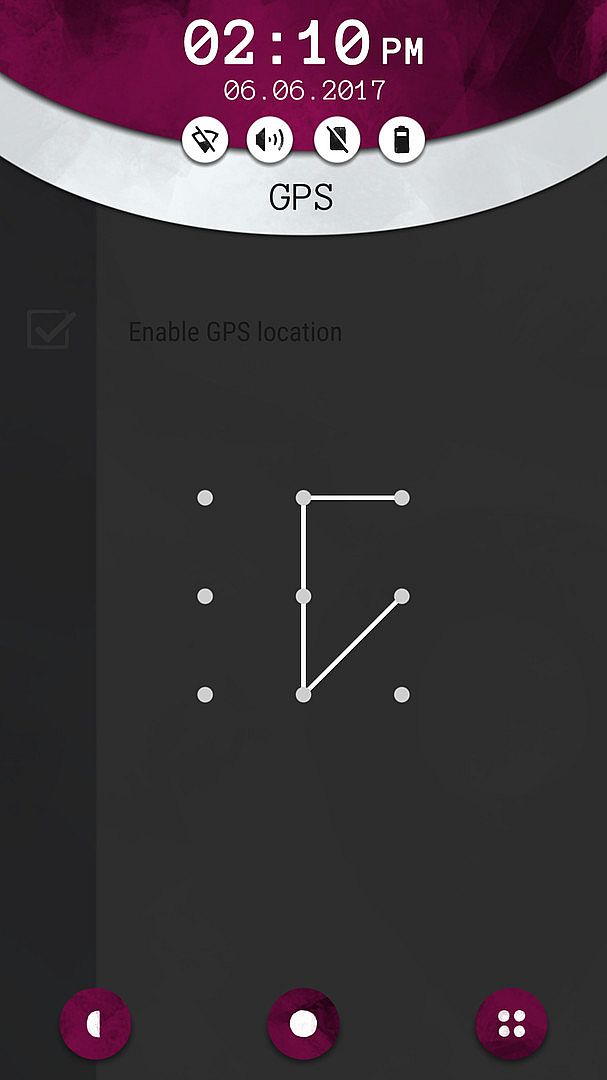
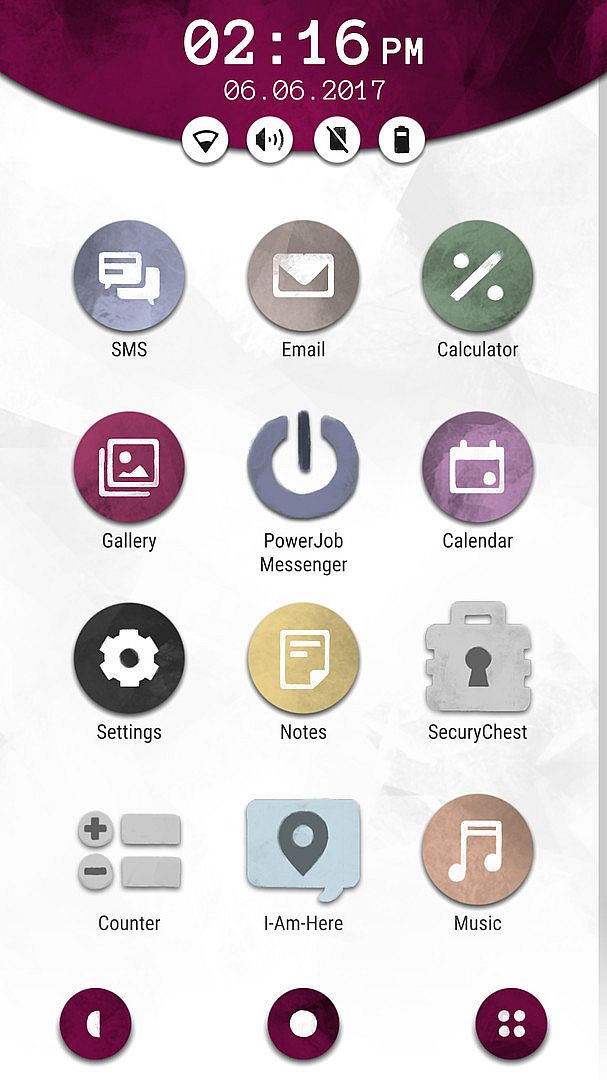
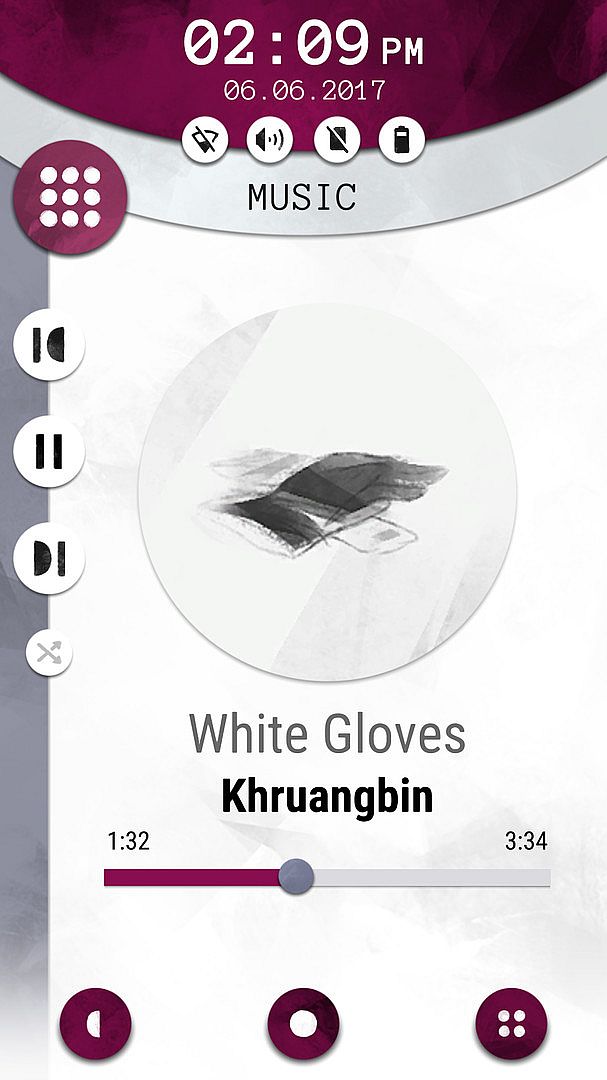
The core loop involves scrolling through a realistic phone interface that includes messaging apps, email, photo galleries, and other standard applications. Players examine individual items such as text conversations, images, and notes, then combine observations across these elements to advance the story. Progress occurs by identifying connections between contacts, events, and personal details that reveal Laura's friendships, work situation, and social patterns. The interface mimics a real device, requiring careful attention to dates, reply chains, and visual clues rather than traditional controls or timers.
This approach creates a slow, deliberate pace suited to the casual genre. Sessions typically involve revisiting sections of the phone after new information surfaces, allowing players to form their own interpretations of the events leading to the phone's loss. The design emphasizes observation and deduction over action or resource management.
Game Modes
The game consists of a single linear narrative experience with no separate modes or branches. All content unfolds through the same phone exploration system from start to finish. There are no multiplayer options, competitive elements, or alternate play styles such as time trials or creative tools. The structure remains consistent regardless of player choices, focusing entirely on uncovering the central story in sequence.
Story and Themes
The narrative follows Laura's professional responsibilities, personal relationships, and everyday digital habits as reconstructed from the phone. Players encounter evidence of her interactions with friends, colleagues, and family while tracing the sequence of events that led to her absence. The story touches on relatable aspects of young adult life in a connected world, including workplace pressures and social dynamics, presented through authentic-feeling messages and images rather than direct exposition.
Exploration encourages empathy by presenting information without explicit judgment, leaving players to draw conclusions about the characters involved. The short overall length keeps the focus tight on these interpersonal elements and the mystery at the center.
Is It Worth Playing?
This title suits players who enjoy short, story-focused interactive fiction and puzzle games built around observation and deduction. The phone-based format delivers a distinct way to engage with character backstories and social issues through everyday digital artifacts. Reception among those who have completed it often highlights the relatable premise and the way small details build a coherent picture of the protagonist's world.
Because the game offers no replay incentives or additional content layers, it appeals most to those seeking a one-time narrative experience rather than ongoing engagement. Its availability on PC makes it accessible for anyone interested in this specific style of investigation without requiring additional hardware or subscriptions. The straightforward mechanics and contained scope mean it can be finished in a few focused sessions, providing a complete arc for the right audience.