


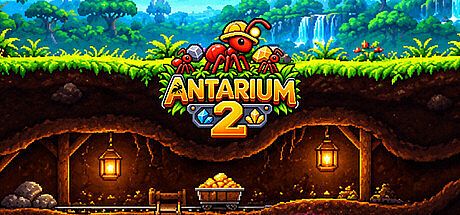


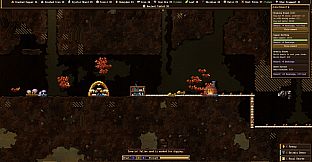
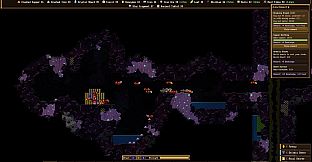
Antarium 2 is a single-player strategy and simulation game that blends active incremental mechanics with colony automation. Players manage an ant colony as its guiding mind, starting small and expanding through layered underground environments while balancing manual control and automated systems.
Gameplay
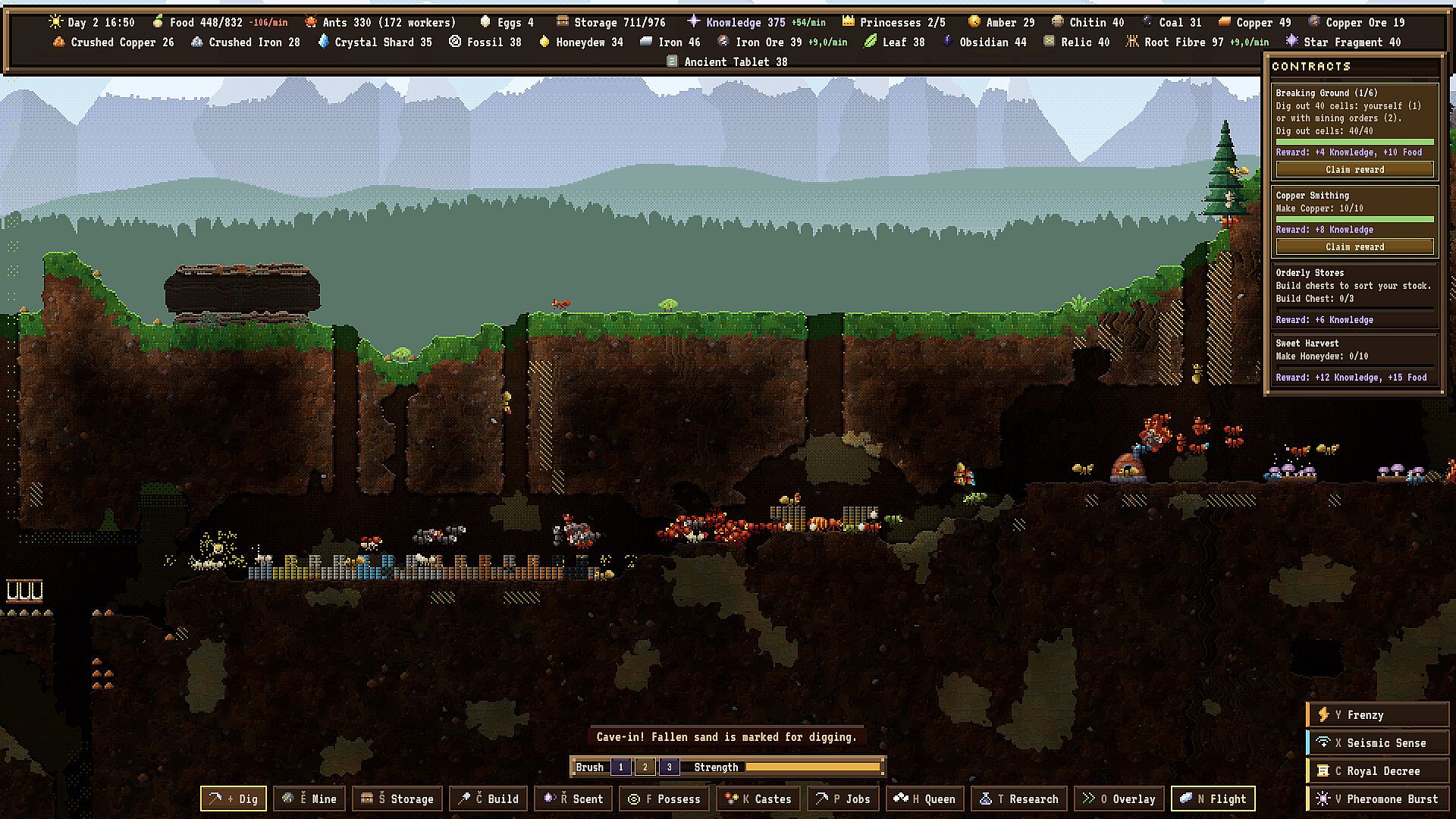
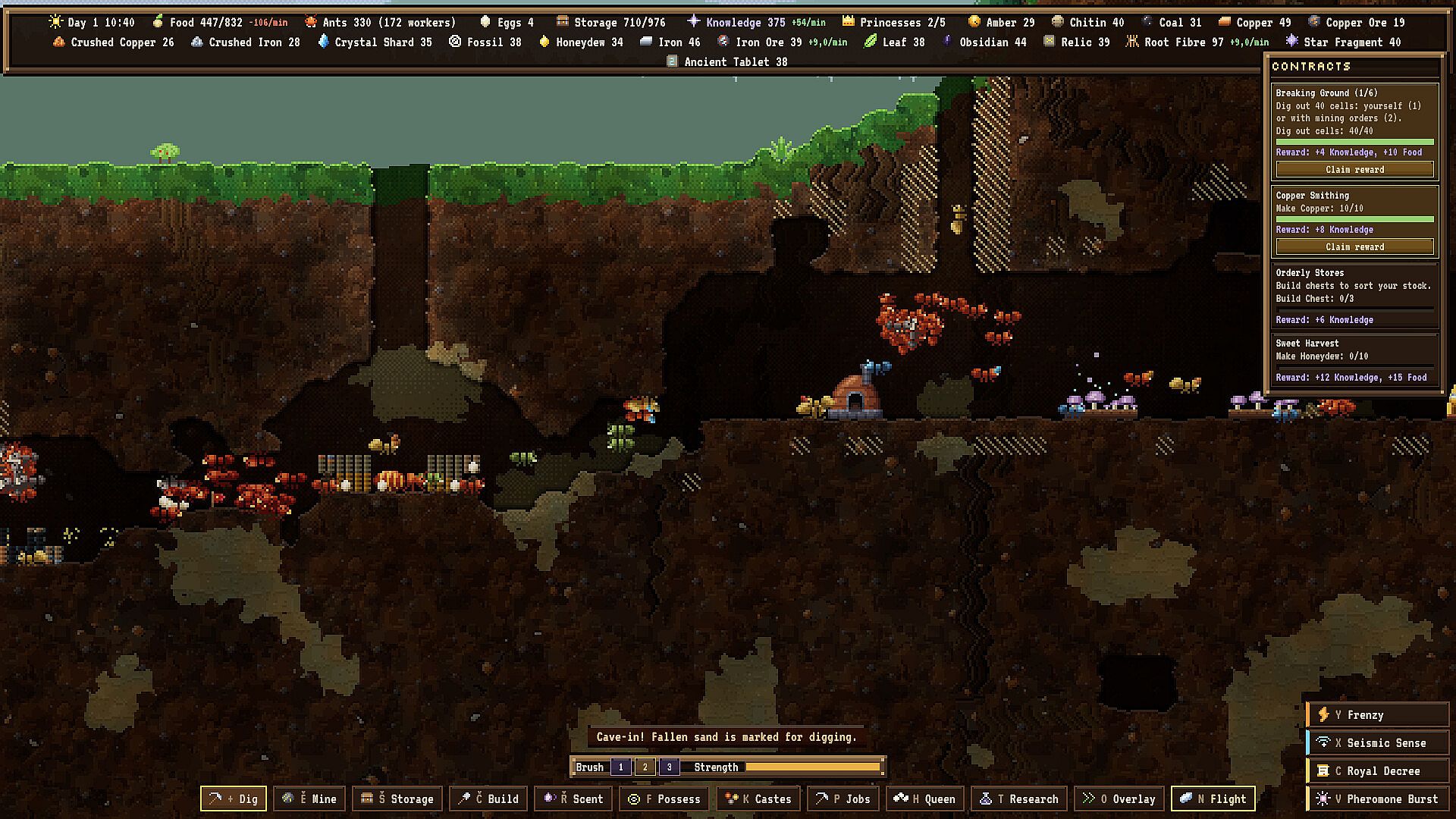
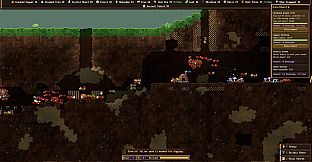
The core loop centers on digging tunnels by hand or directing workers through painted orders. Click and hold to break rock directly, building combos as debris scatters and the view reacts. Switch brush sizes to adjust excavation scale and strength. Mark areas for mining or designate storage zones so ants haul resources home, climbing walls and ceilings as needed. Every item behaves physically, piling up naturally or traveling along belts and lifts.
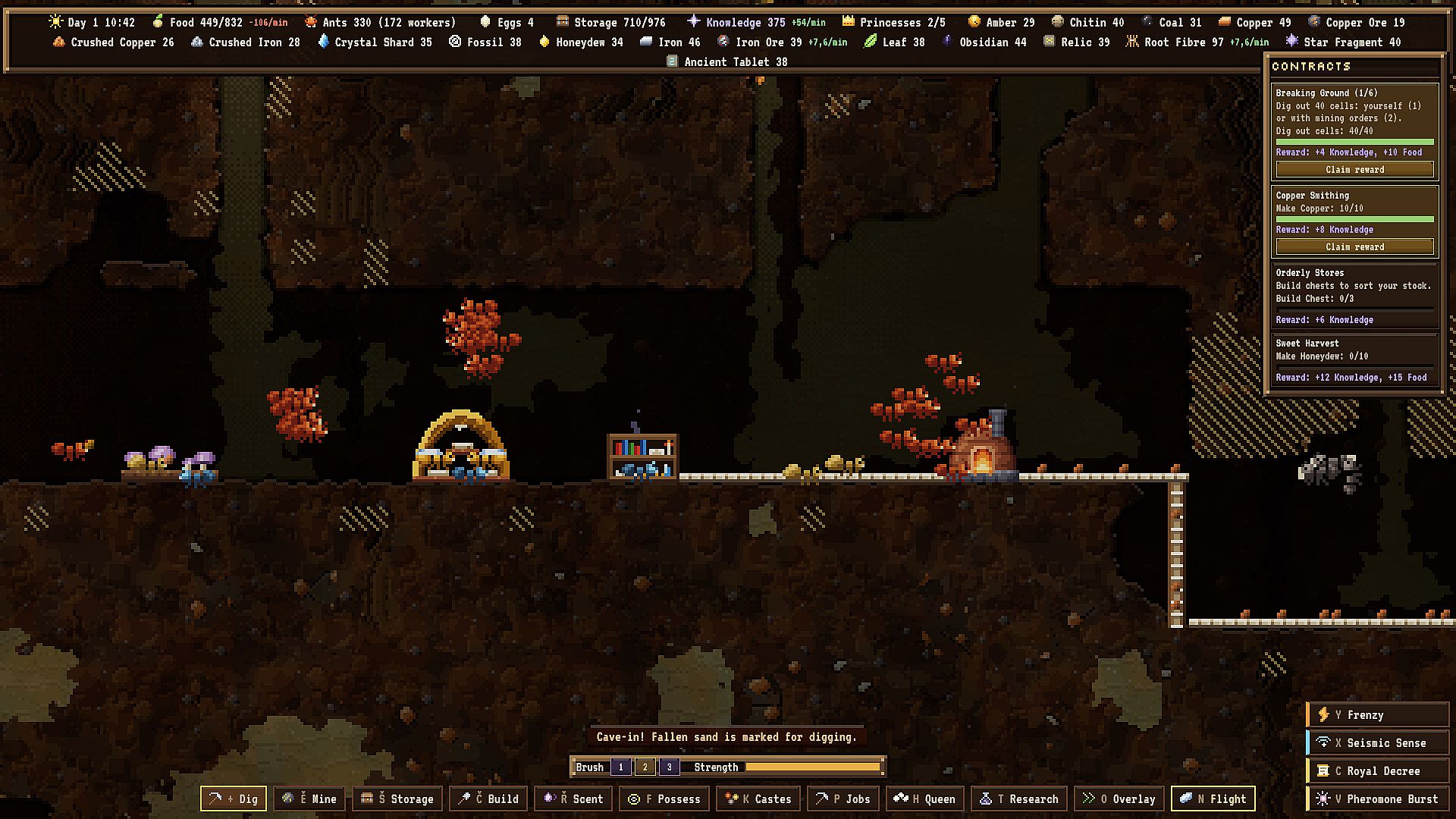
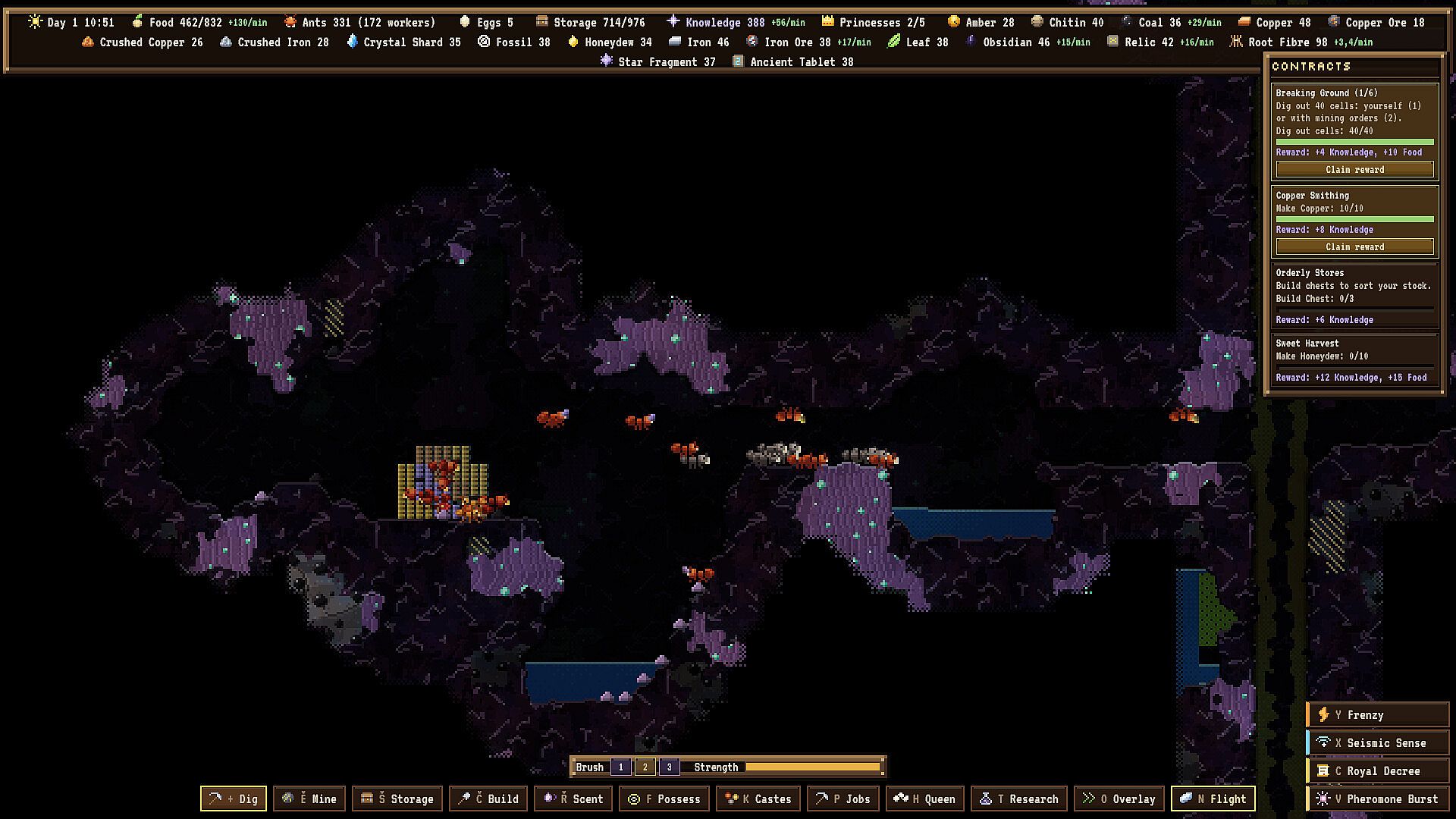
Automation builds through silk and iron belts, splitters, filters, and machines such as smelters, crushers, fungus gardens, and aphid ranches. These convert raw materials into copper, iron, food, honeydew, knowledge, and new royalty. Environmental elements add depth: pumps handle water, water wheels boost nearby devices, and magma-based smelters eliminate coal needs. Overlays reveal flow, light levels, and ore deposits to help refine production lines.
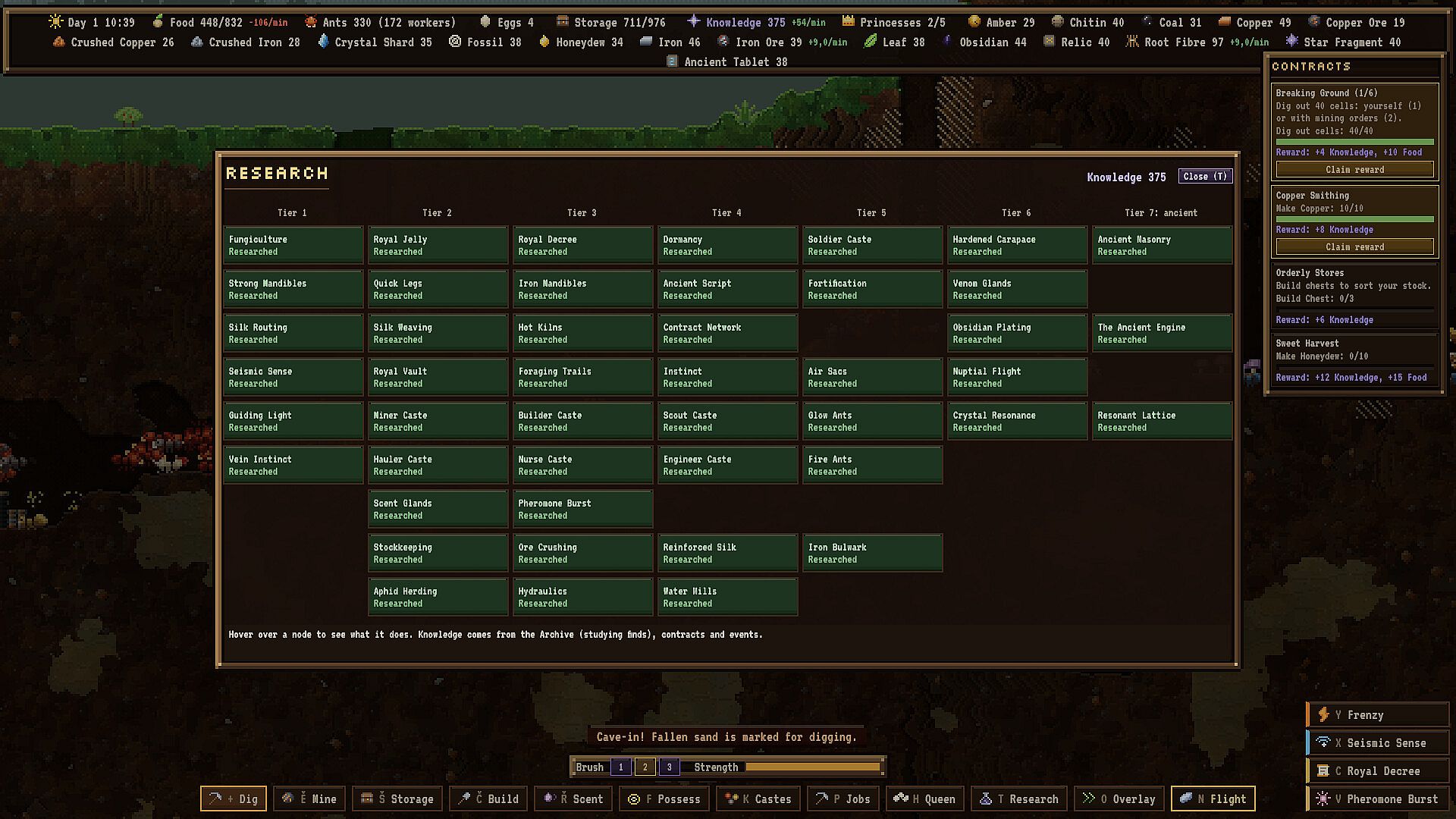
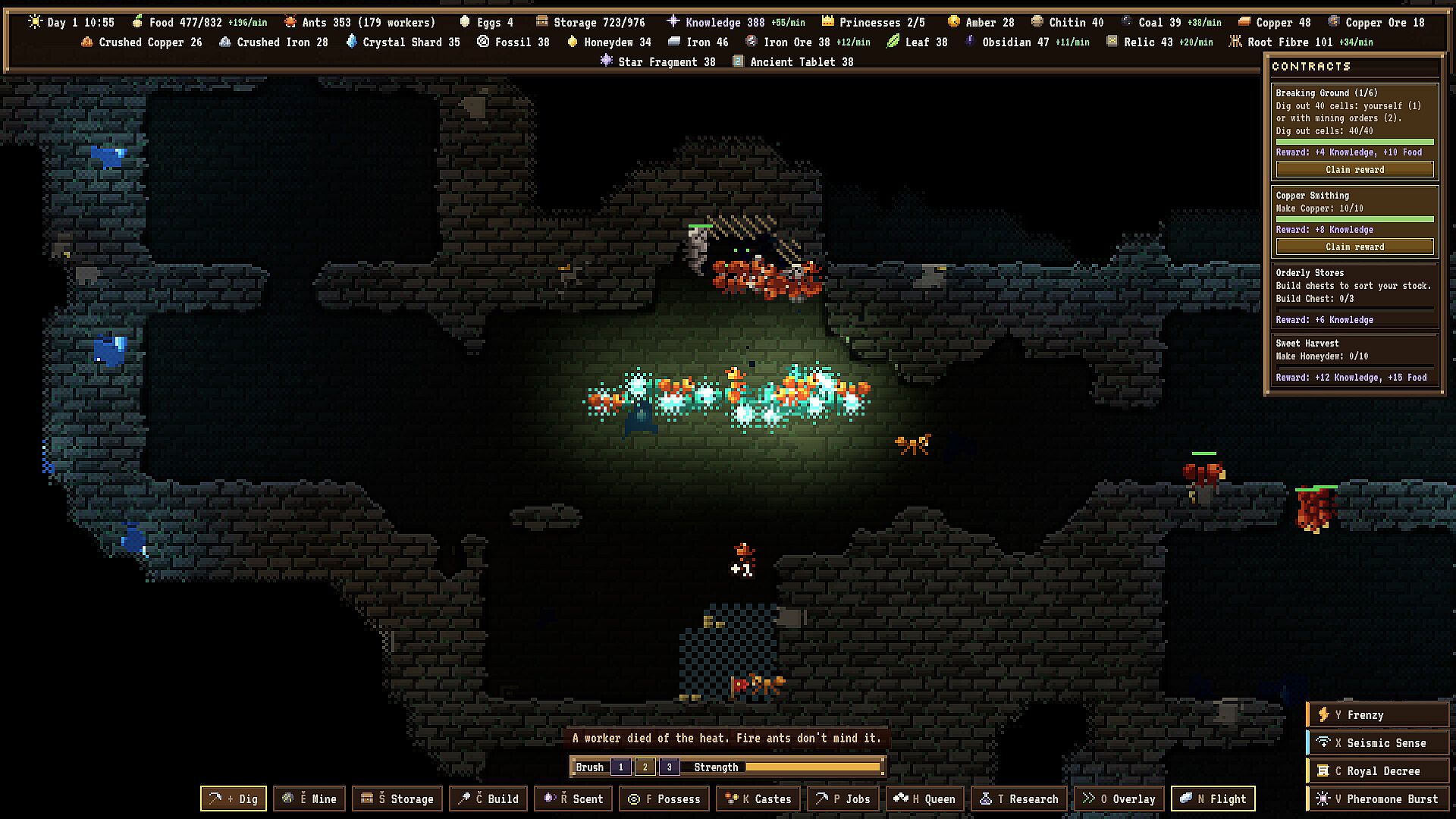
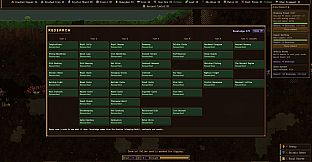
Ten castes handle specialized roles including workers, miners, haulers, builders, nurses, scouts, engineers, soldiers, glow ants, and fire ants. The queen produces them according to player-set ratios. Individual ants gain levels and traits over time. Possession allows direct control of any ant for tunneling, carrying, or combat. Pheromone painting creates trails that influence speed, task focus, or avoidance zones. Research unlocks 46 discoveries across castes, buildings, abilities, and upgrades.
Game Modes
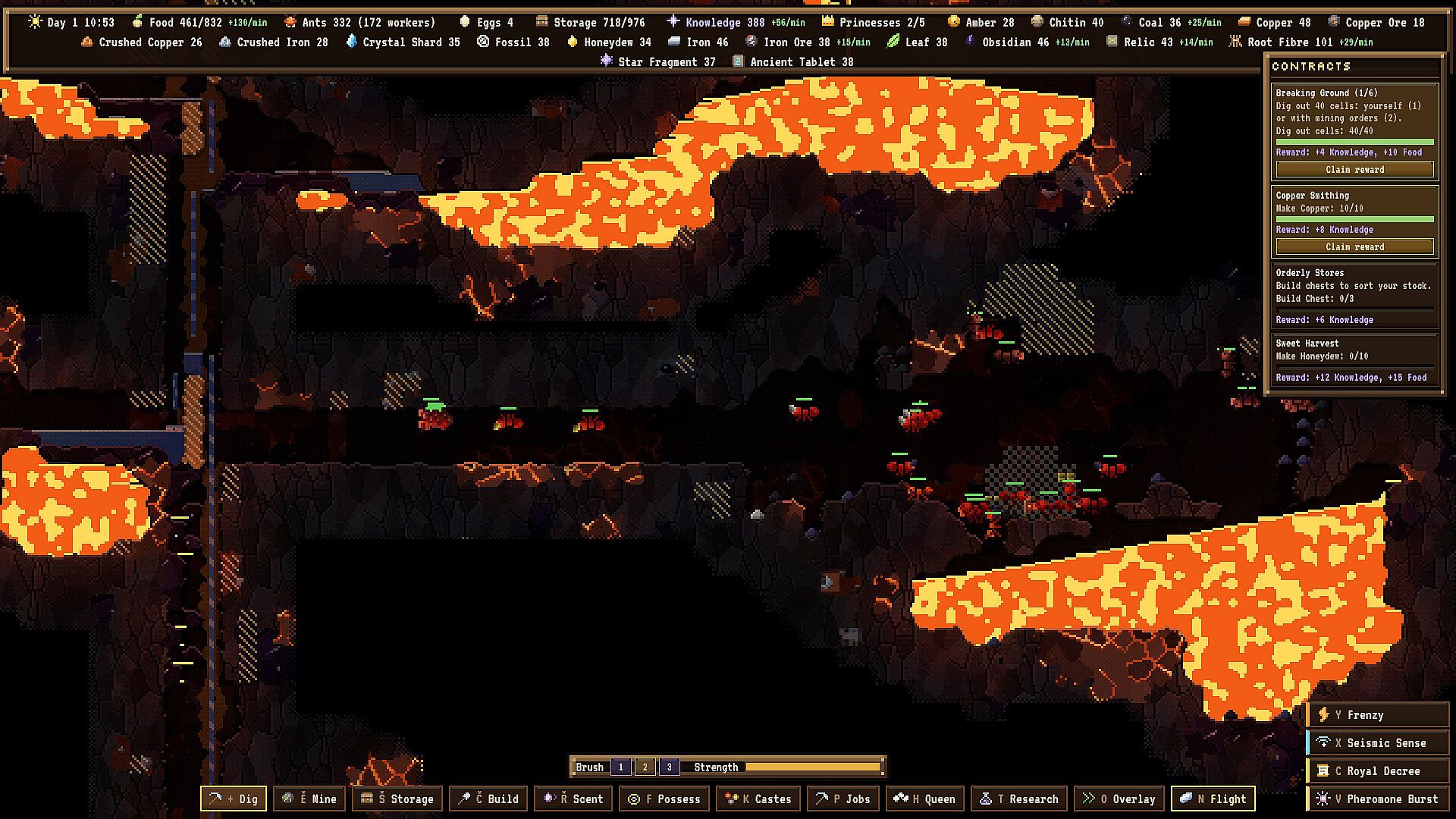
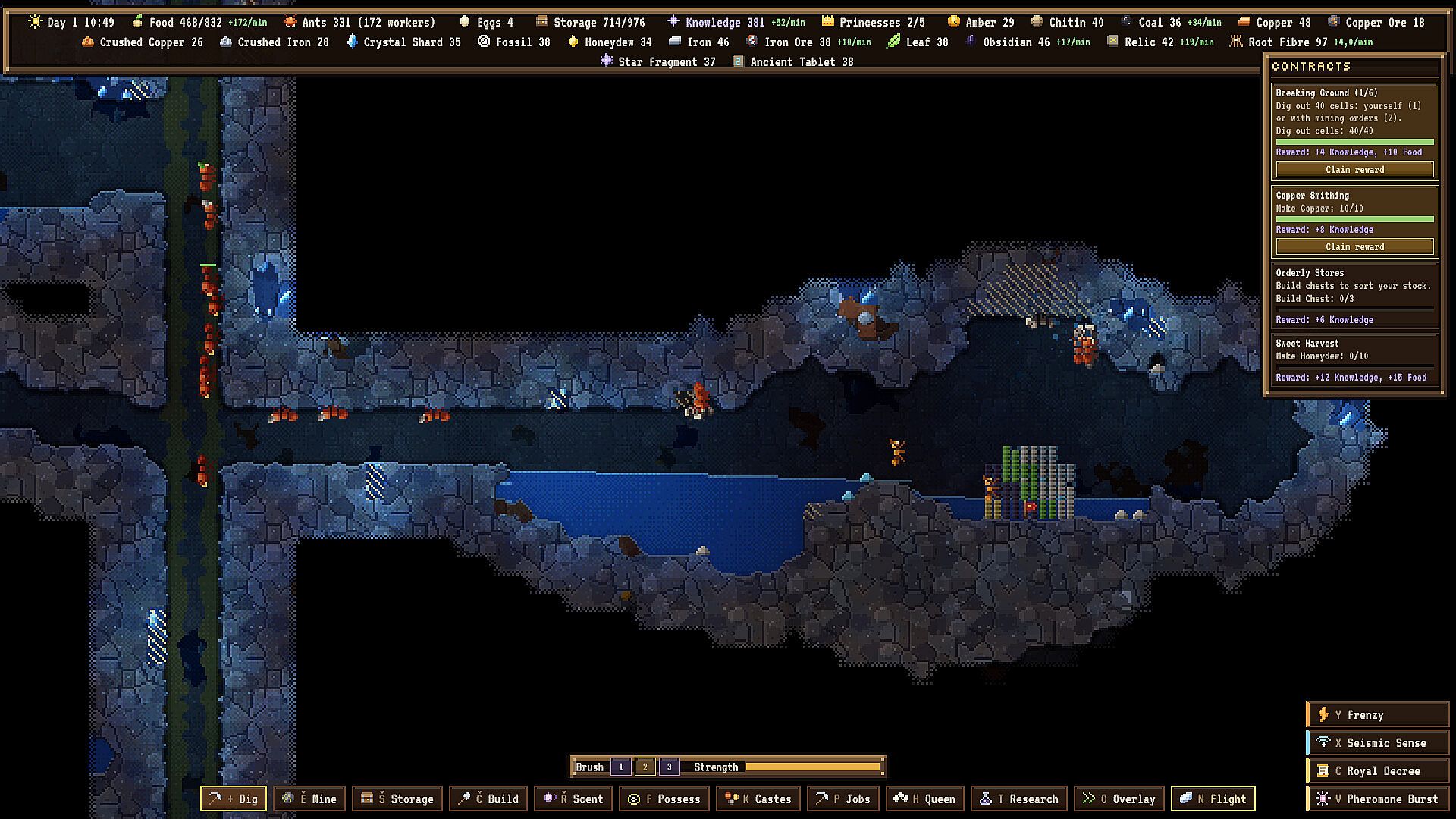
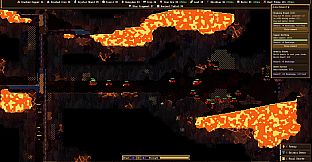
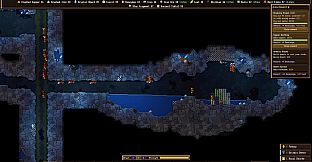
The game operates as a unified single-player experience without separate multiplayer or competitive modes. Progression unfolds across seven distinct layers, from topsoil and clay through stone, crystal caverns, fungal depths, magma zones, and ancient ruins. Each layer introduces unique hazards like flooding, cave-ins, spore gas, lava interactions, and layer-specific threats including termite raids, rival ants, mole crickets, earthworms, centipedes, cave spiders, fungal mites, fire beetles, and ruin guardians.
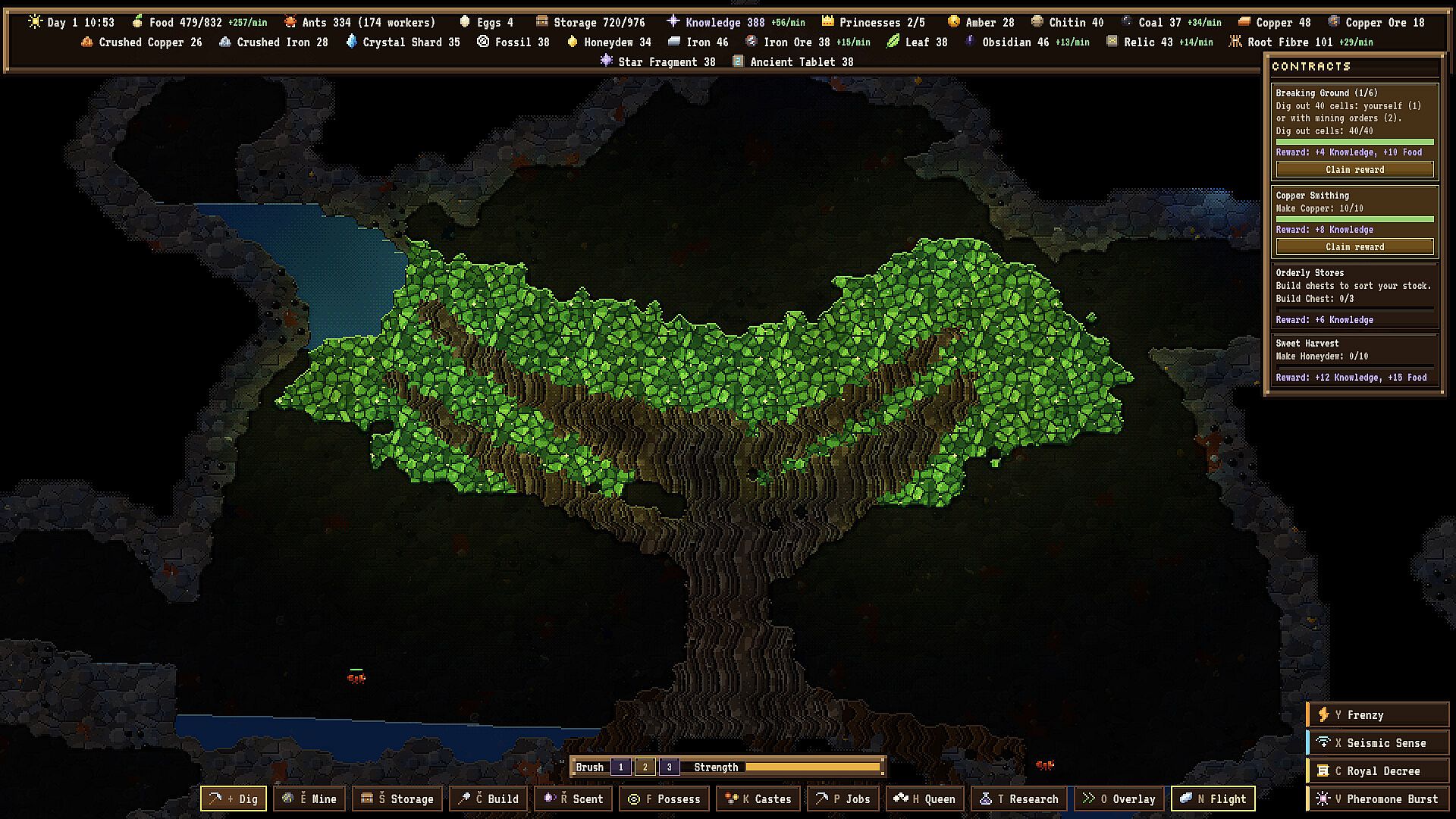
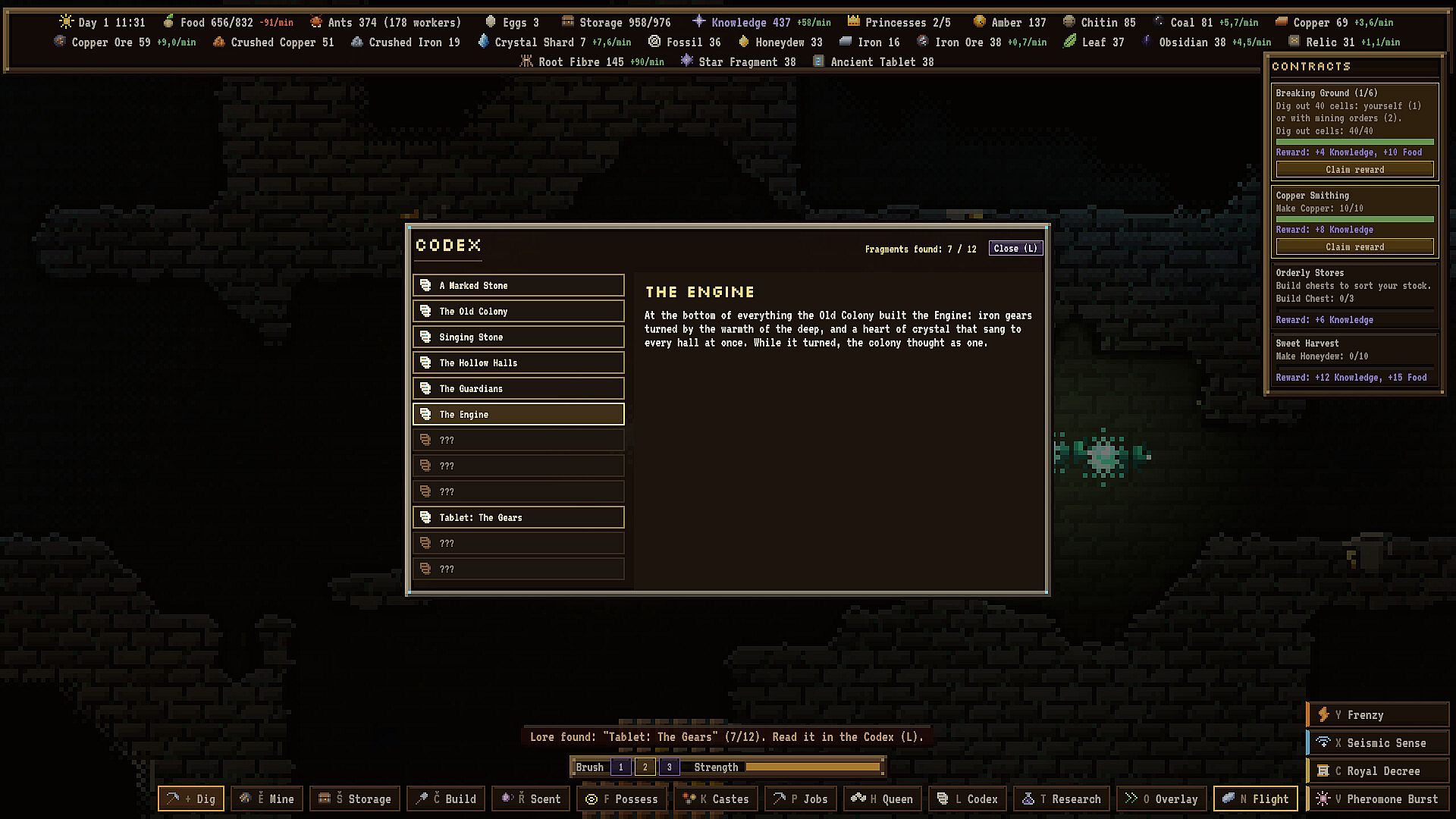
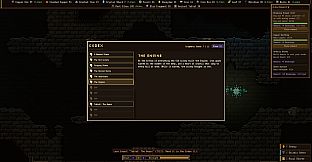
Defense integrates into the main loop through soldier castes, gates, traps, walls, and chokepoint design. Story elements tie into exploration of ruins, where relics and tablets reveal the Old Colony's history across twelve fragments stored in a codex. This opens ancient research paths leading to crystal resonators and restoration of the Ancient Engine. Surface foraging, weather events, and day-night cycles further shape daily colony management.
Colony cycles conclude with princesses undertaking nuptial flights. Genetic memory carries forward into 23 permanent traits that alter future runs, such as brood size or caste options. Players select from 12 world modifiers for subsequent colonies, with harder settings yielding stronger legacies. Offline progress supports up to eight hours of continued activity.
World and Progression
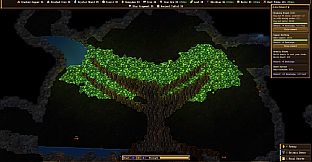
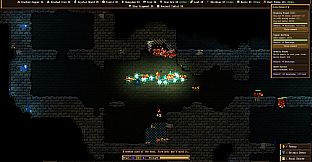
A living surface world sits above the colony, featuring rolling hills, trees, lakes, rivers, and a visible horizon. Rain and storms affect tunnels, while starfall nights bring shooting stars and alter surface activity. Foraging yields seeds, berries, and glowing mushrooms, though birds and wolf spiders pose risks. Light mechanics require glow ants in dark zones and fire ants near lava.
Evolution of the queen, job priorities, and ability use like frenzy or seismic sense add layers to long-term strategy. Events such as meteorite strikes or rich veins provide opportunities and challenges. The pixel art style maintains a strict grid with dynamic lighting that fades through tunnels and glows in deeper areas. Music shifts with each reached layer.
Is It Worth Playing?
Antarium 2 suits players who enjoy incremental strategy games combined with colony simulation and light automation elements. The blend of direct digging, order painting, and factory-style belts creates a hands-on yet scalable experience across multiple restarts. Features like individual ant progression, pheromone control, and genetic traits reward repeated playthroughs with meaningful changes. Three save slots support separate bloodlines, and 49 achievements track progress. The game remains in development ahead of its planned December 2026 release, with no player reviews available yet. Those drawn to pixel-art colony builders that emphasize physical item handling and layered exploration will find the described systems align closely with that preference.











