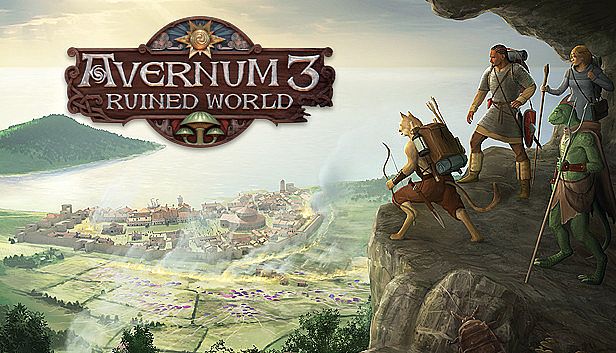









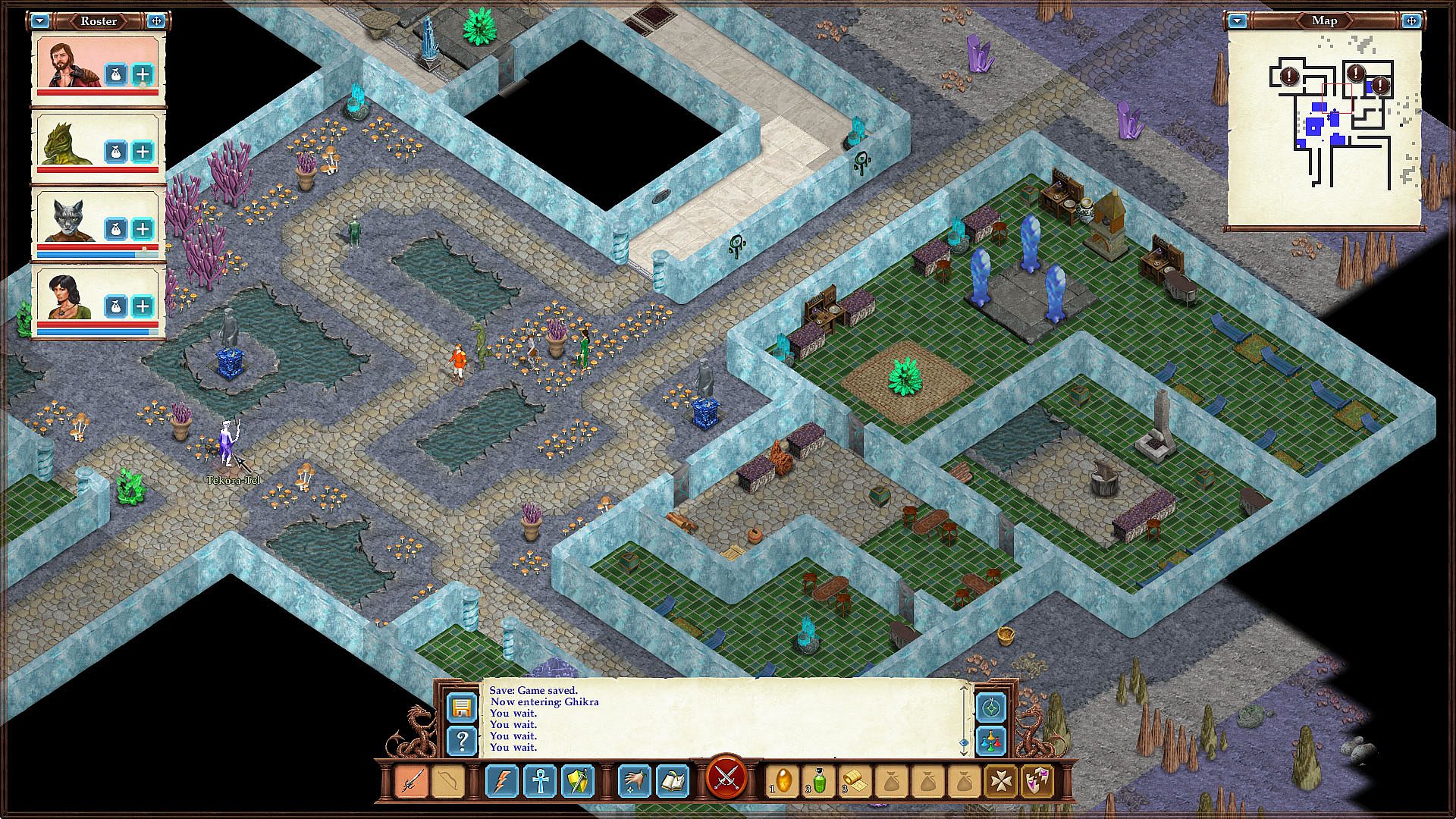
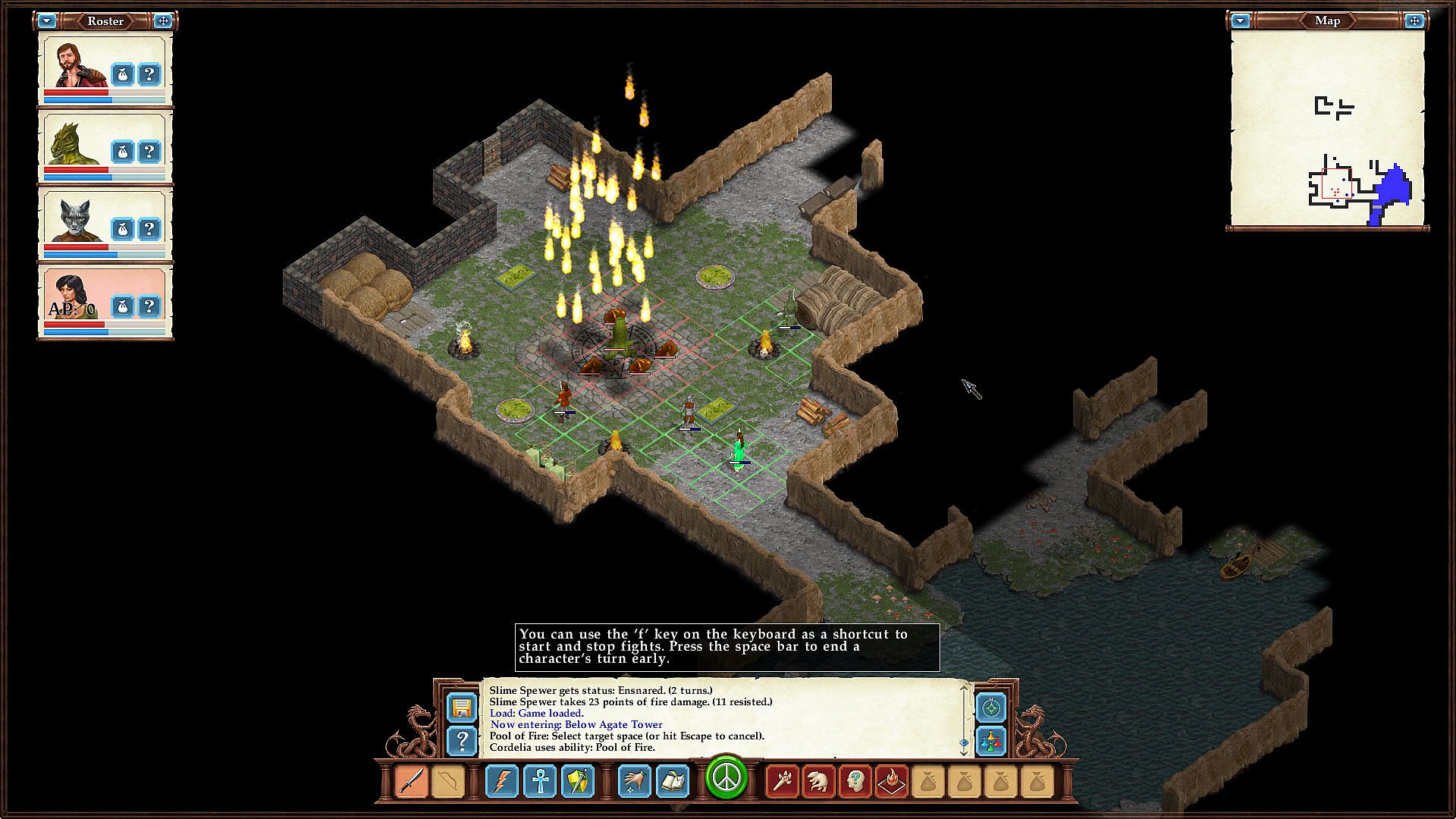
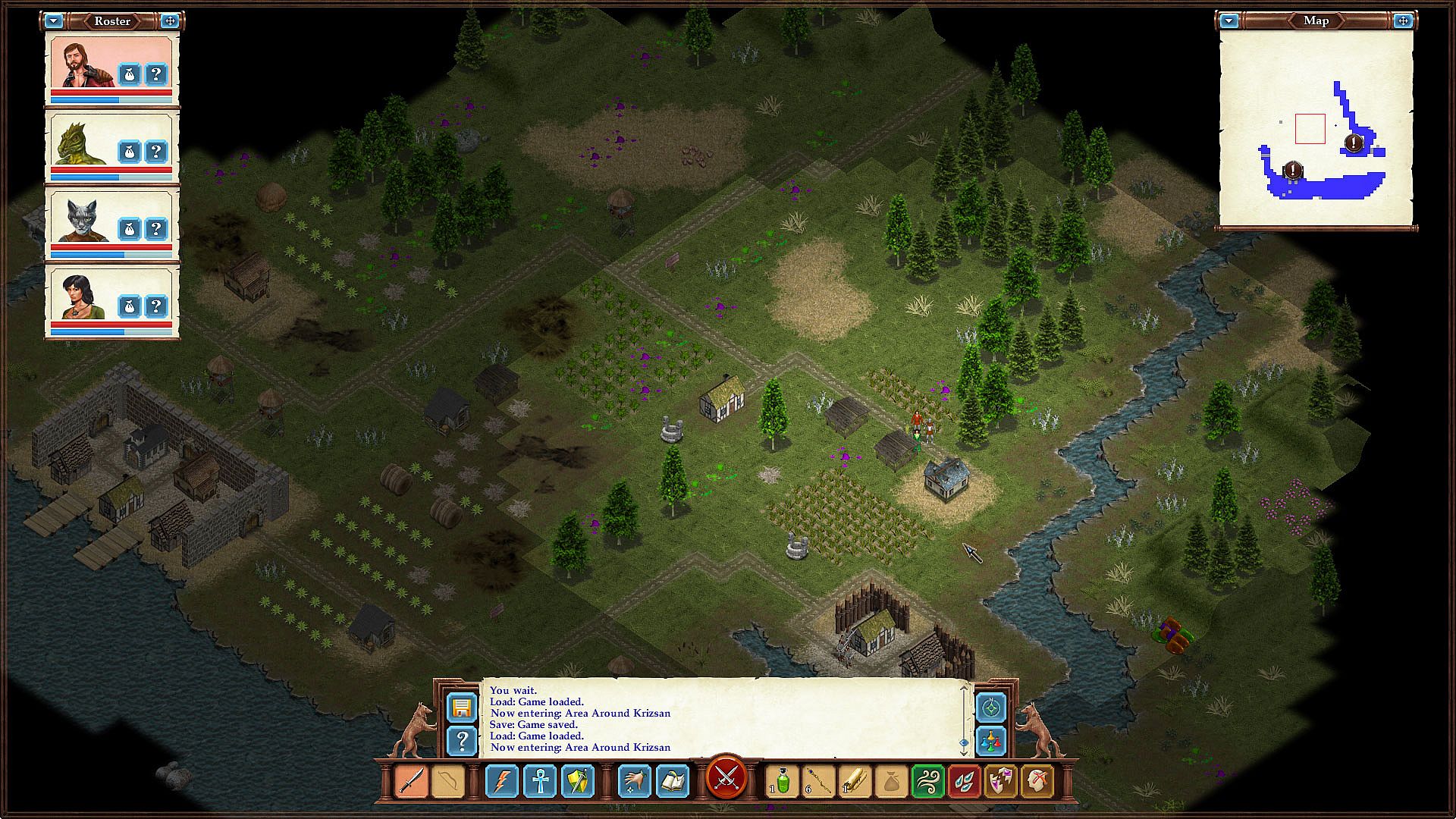
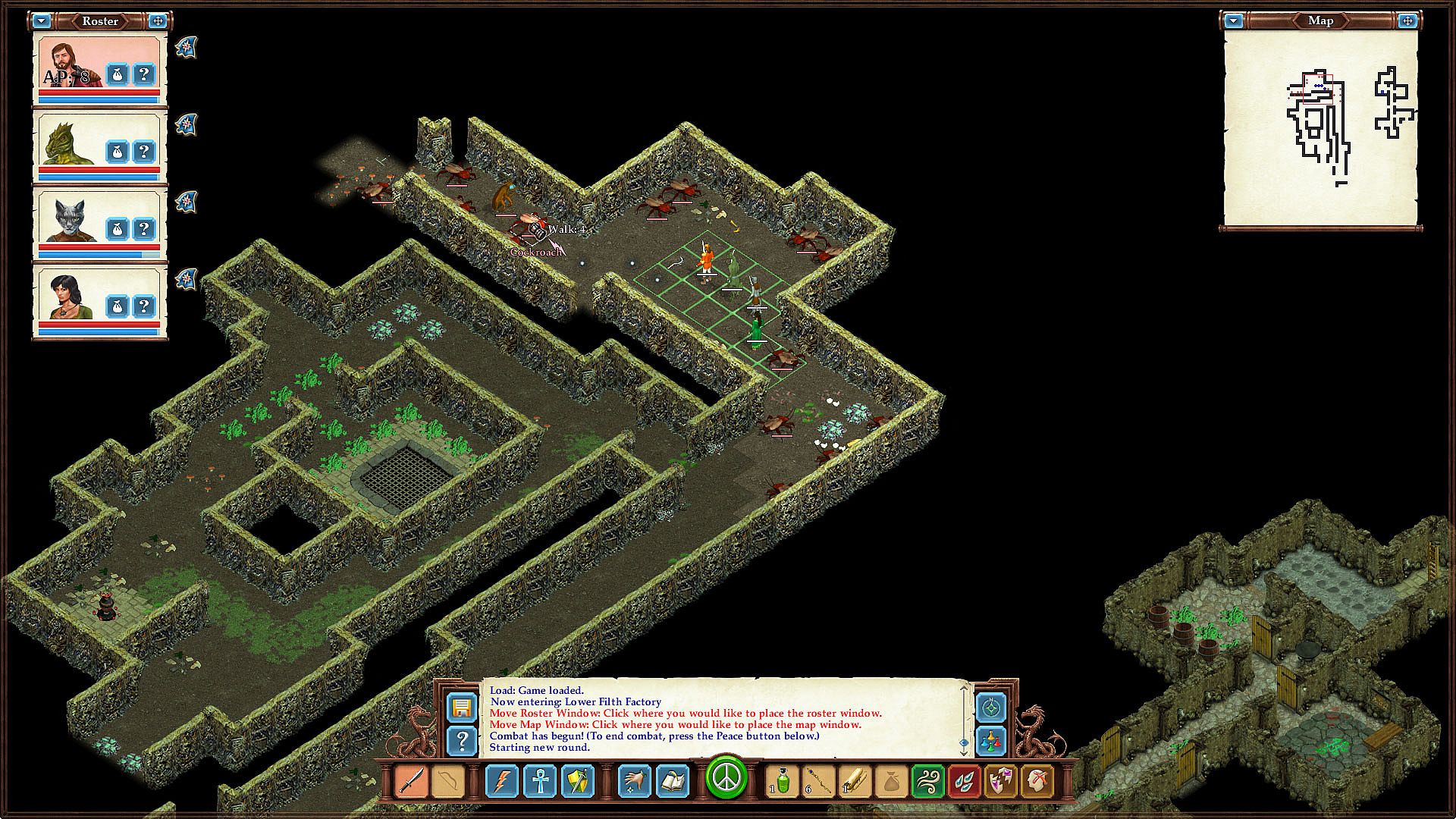
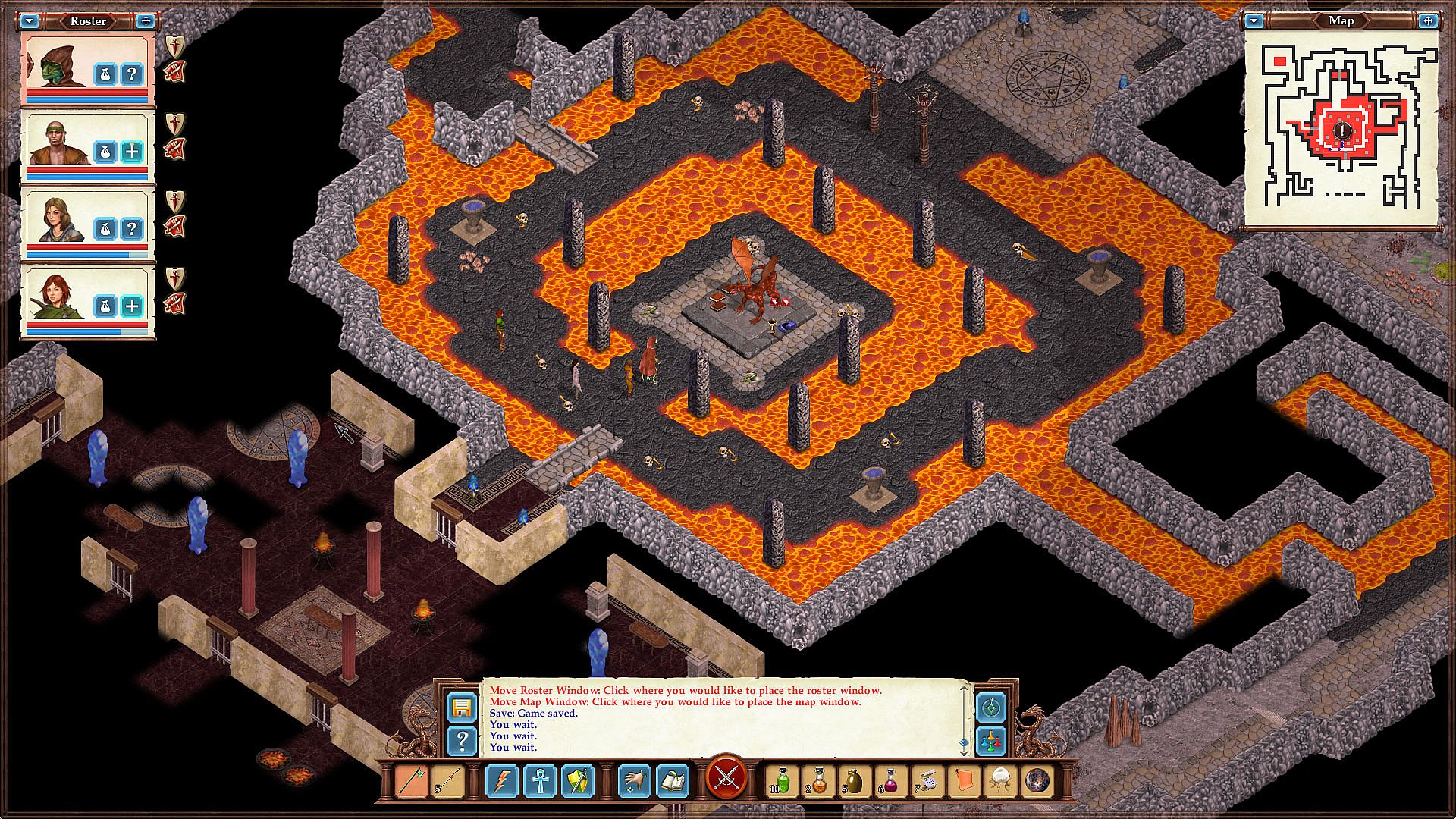
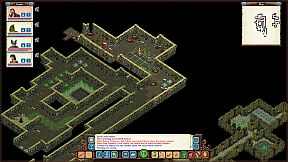
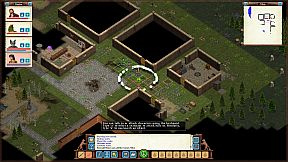
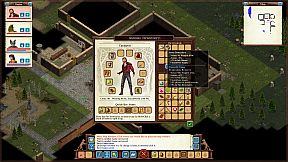
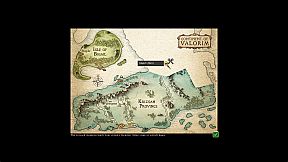
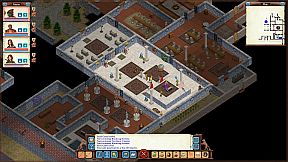
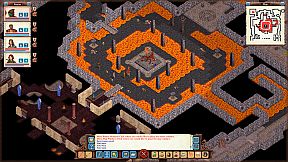
Avernum 3: Ruined World is a turn-based indie role-playing game available on PC that blends strategy, adventure, and exploration in a fantasy setting. Players form a party of four characters and navigate a large world filled with quests, combat, and changing environments. The title stands alone, requiring no prior knowledge of related games, and emphasizes freedom in how the story unfolds through player choices and actions.
Gameplay
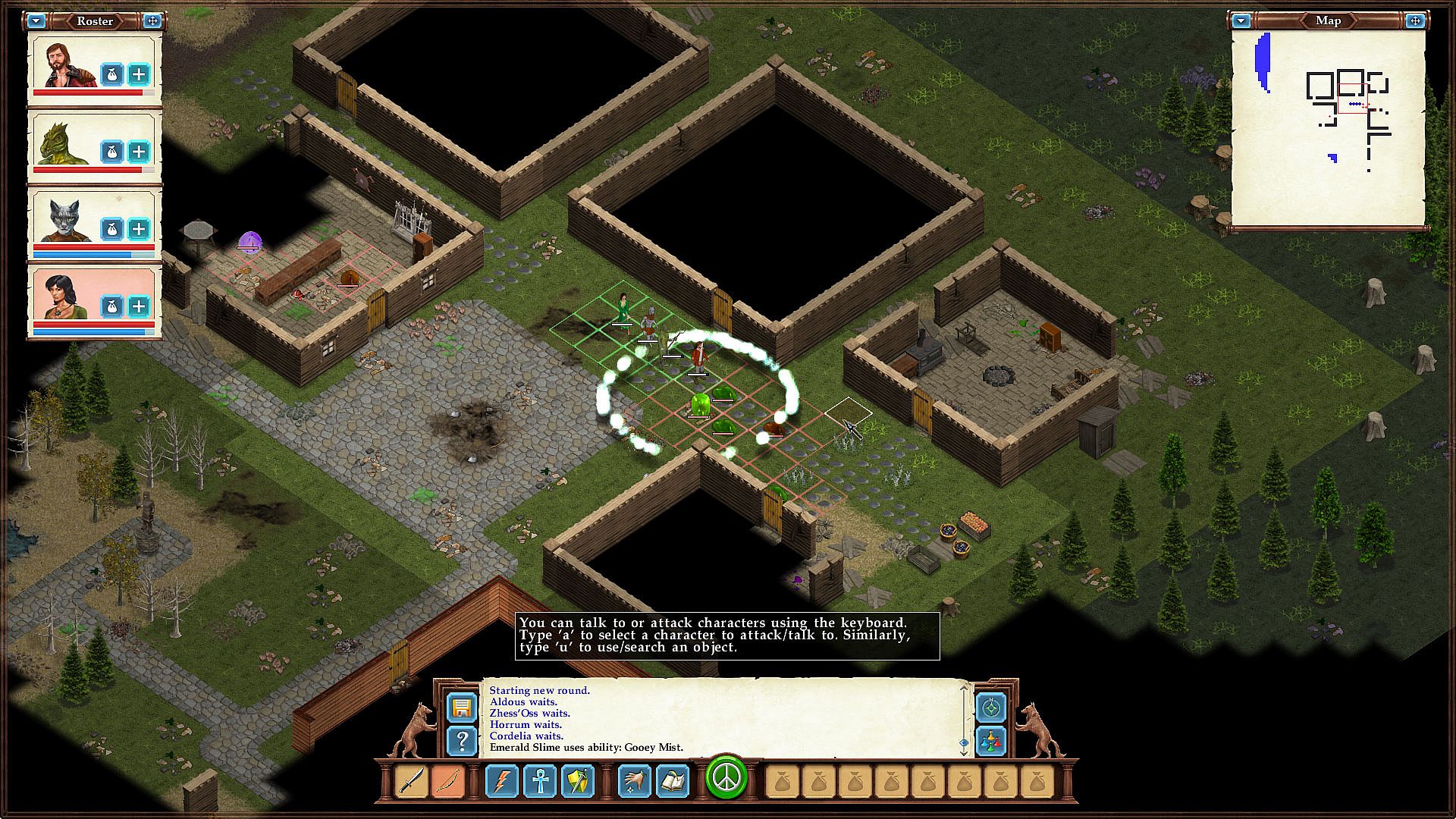
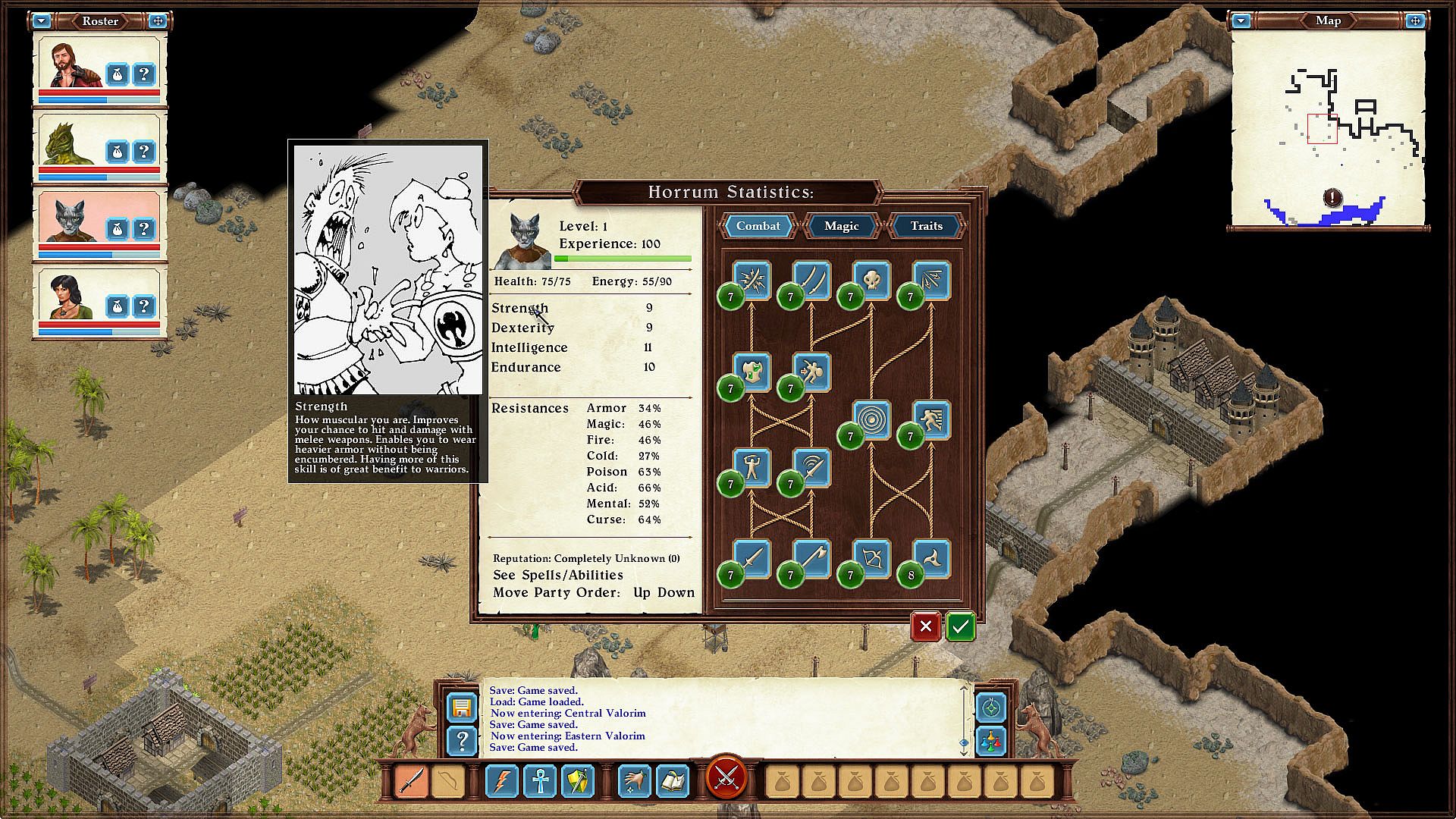
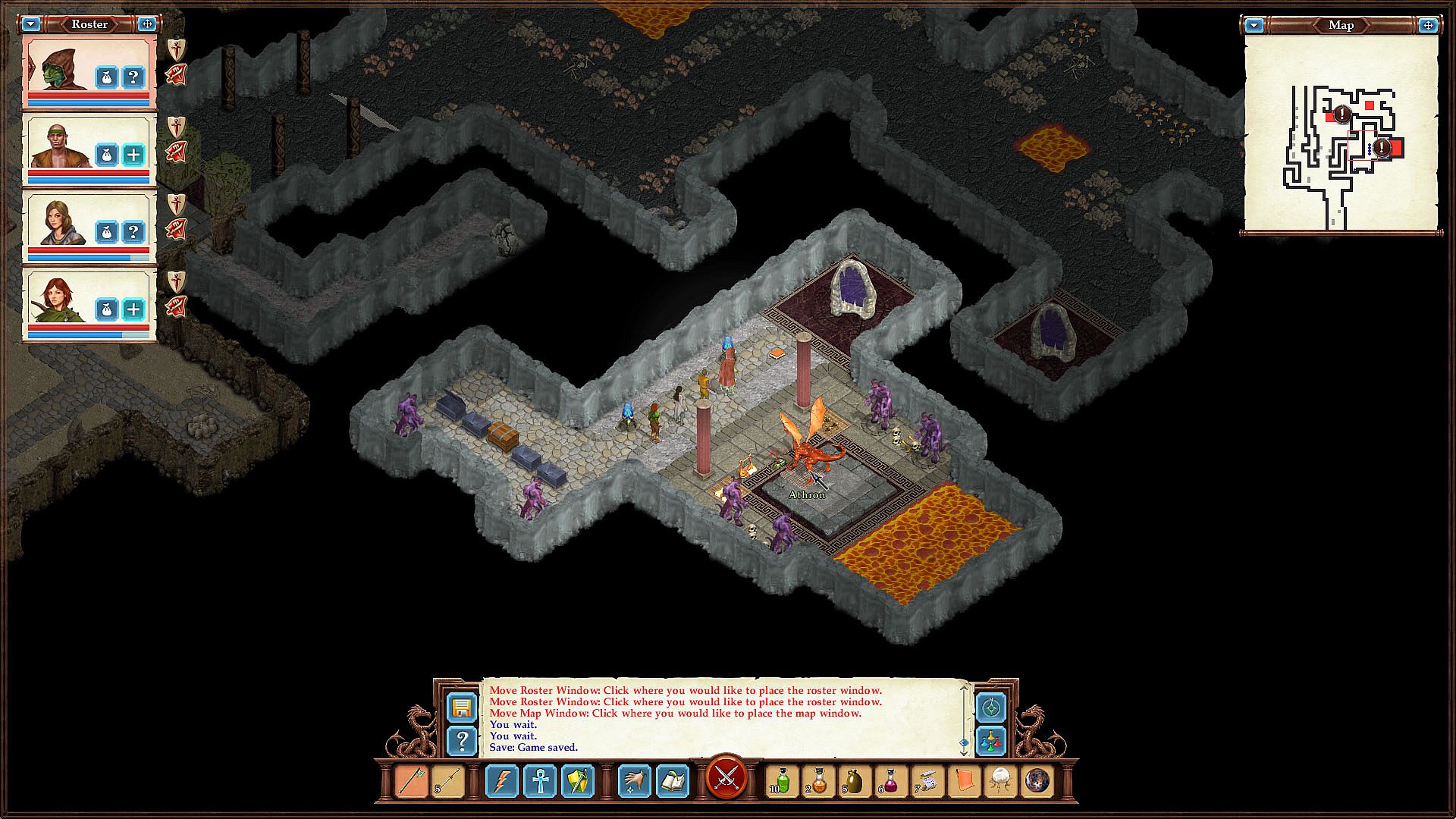
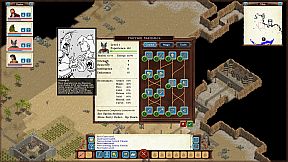
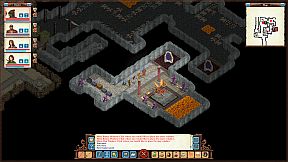
Core gameplay centers on party management and tactical combat. Characters are created with choices among a few races, each offering minor advantages, and players can select pre-set classes or distribute points freely for a custom approach. Combat occurs in turn-based encounters on a grid, where positioning, abilities, and spells determine outcomes. The system includes dozens of spells and battle disciplines that allow for varied strategies against enemies.
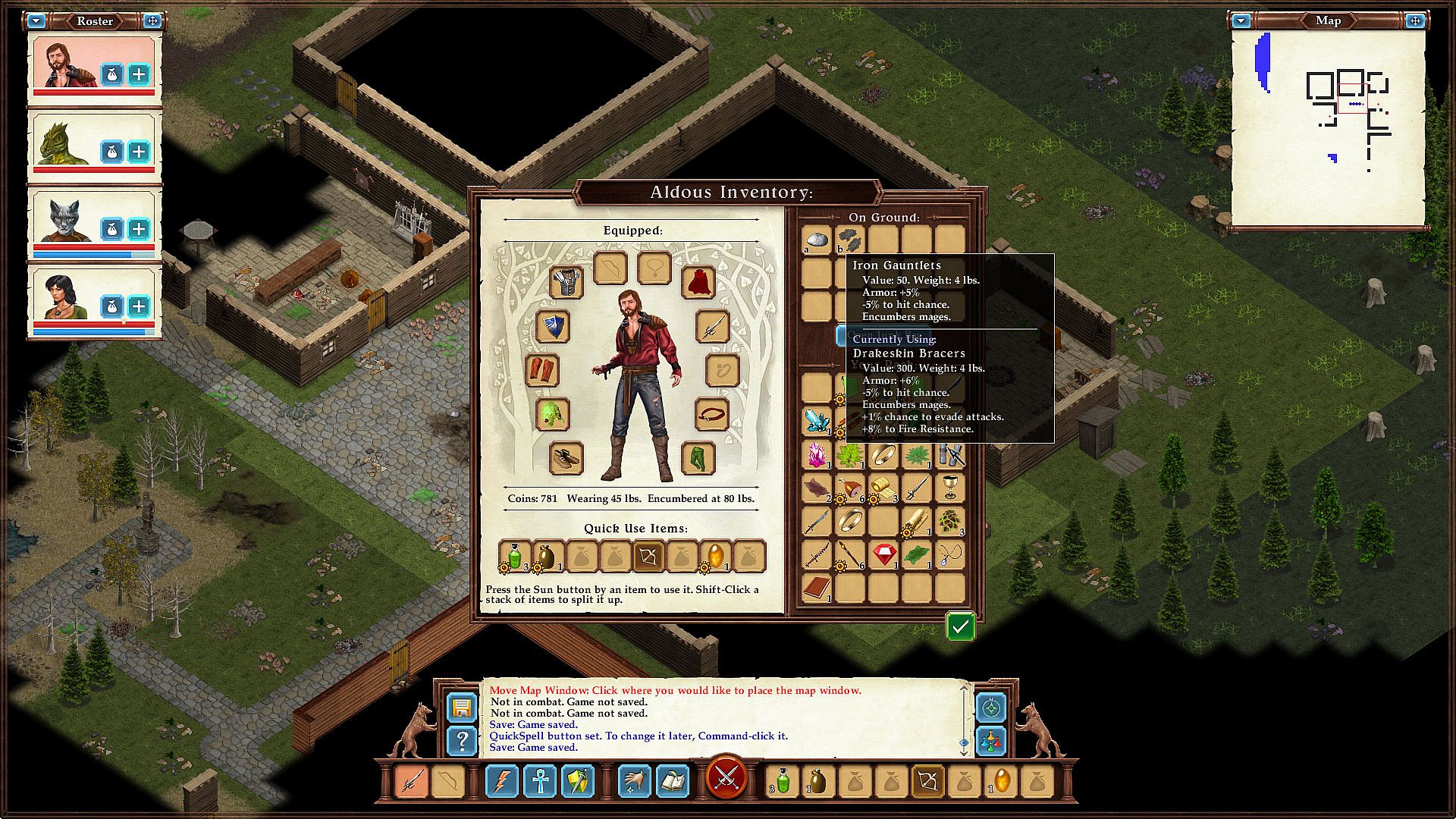
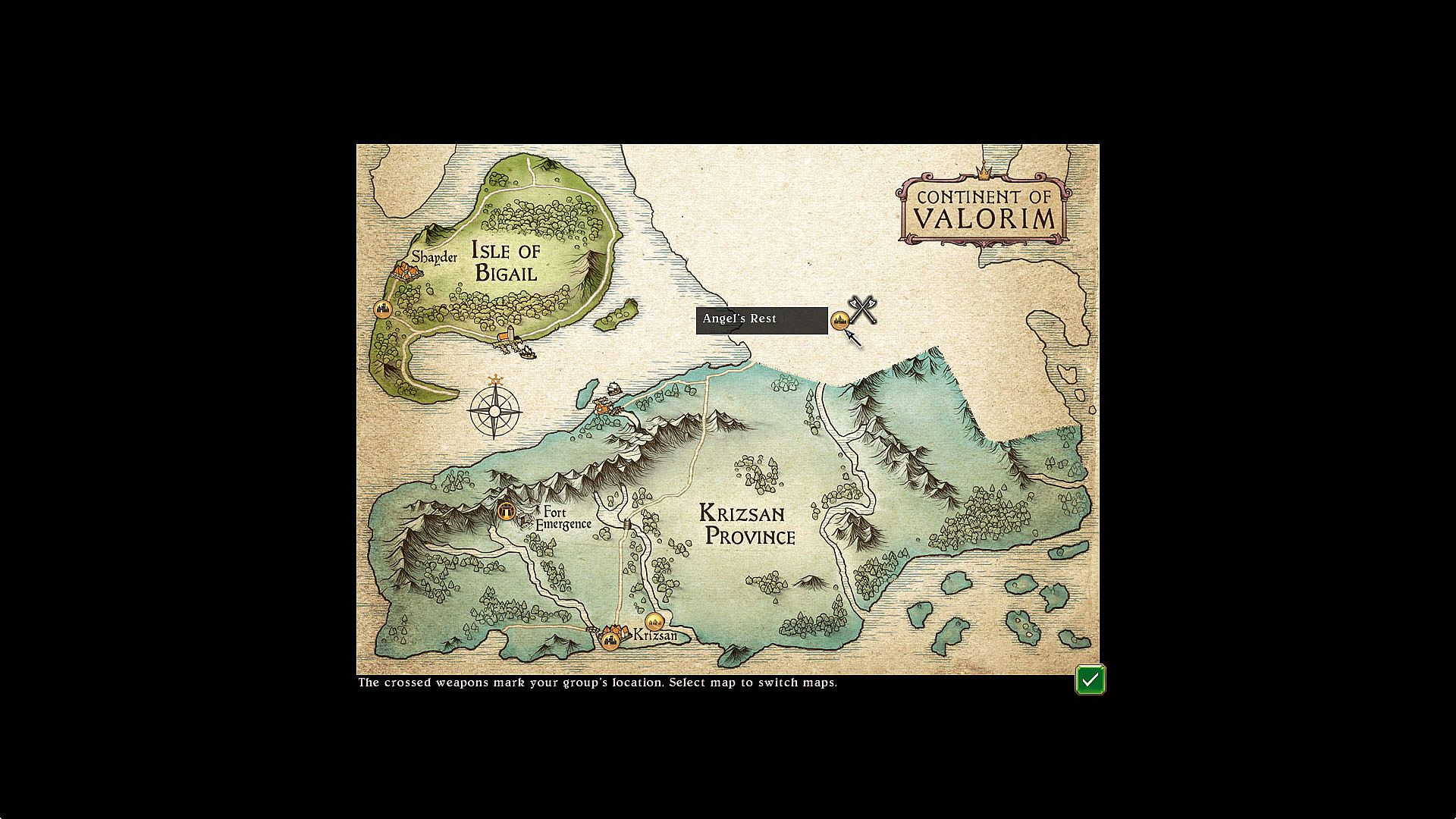
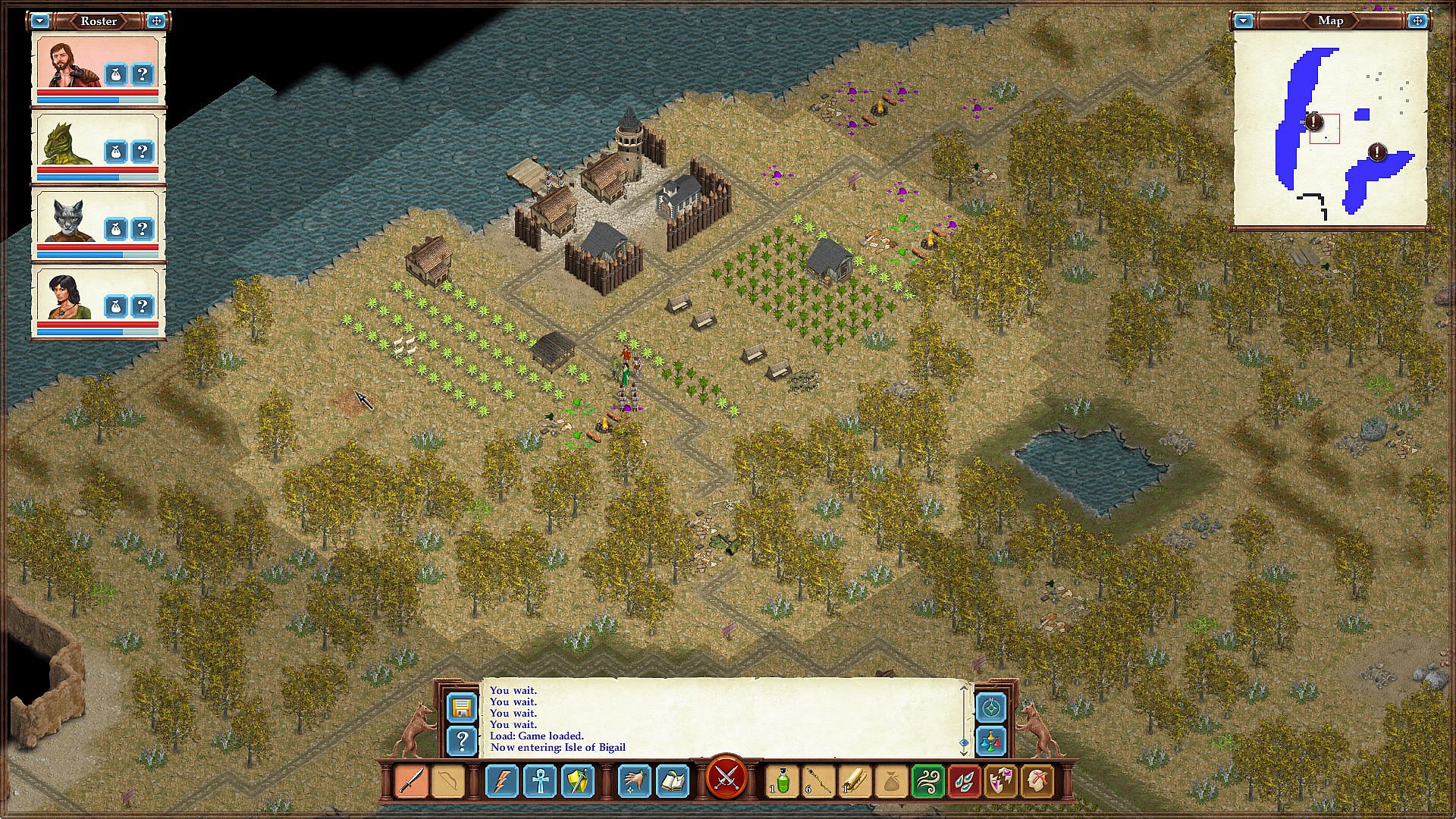
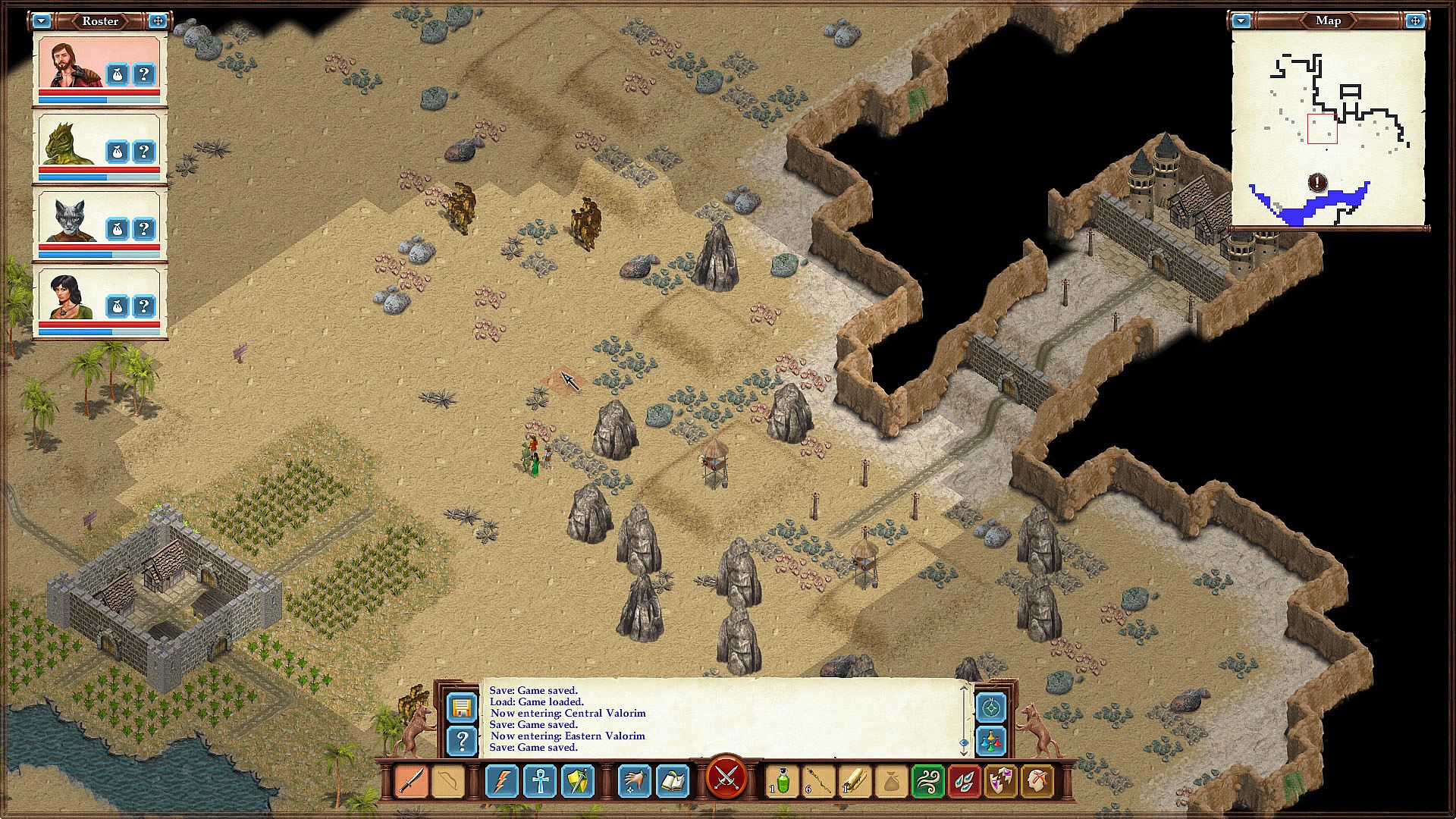
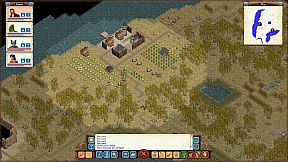
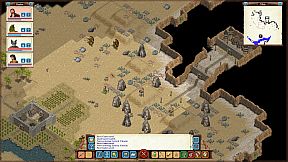
Exploration drives much of the experience. The game features an expansive underworld and surface areas with more than 100 towns and dungeons. These locations evolve independently as time passes, with events such as battles between settlements or monster incursions altering the map. Players gain experience through combat, quest completion, and activities like lockpicking. Character progression involves selecting from numerous traits that provide ongoing benefits, alongside collection of magical artifacts that enhance capabilities.
Non-combat activities add depth. Options include purchasing property, taking on odd jobs, pursuing bounty hunting, or engaging in trade. Side content exceeds 100 quests, encouraging thorough investigation of the world rather than linear progression.
Game Modes
The game functions entirely as a single-player experience with no multiplayer components. The main campaign allows free-form play within the evolving world, where players decide the pace and focus. Different approaches emerge naturally from the systems, such as prioritizing combat challenges, completing side quests, or focusing on economic activities like merchant work.
Progression remains consistent across playthroughs, though outcomes vary based on decisions regarding the central conflict between the underworld inhabitants and surface threats. No separate modes exist for competitive or cooperative play, keeping the emphasis on solo tactical decision-making and long-term world interaction.
Story and Setting
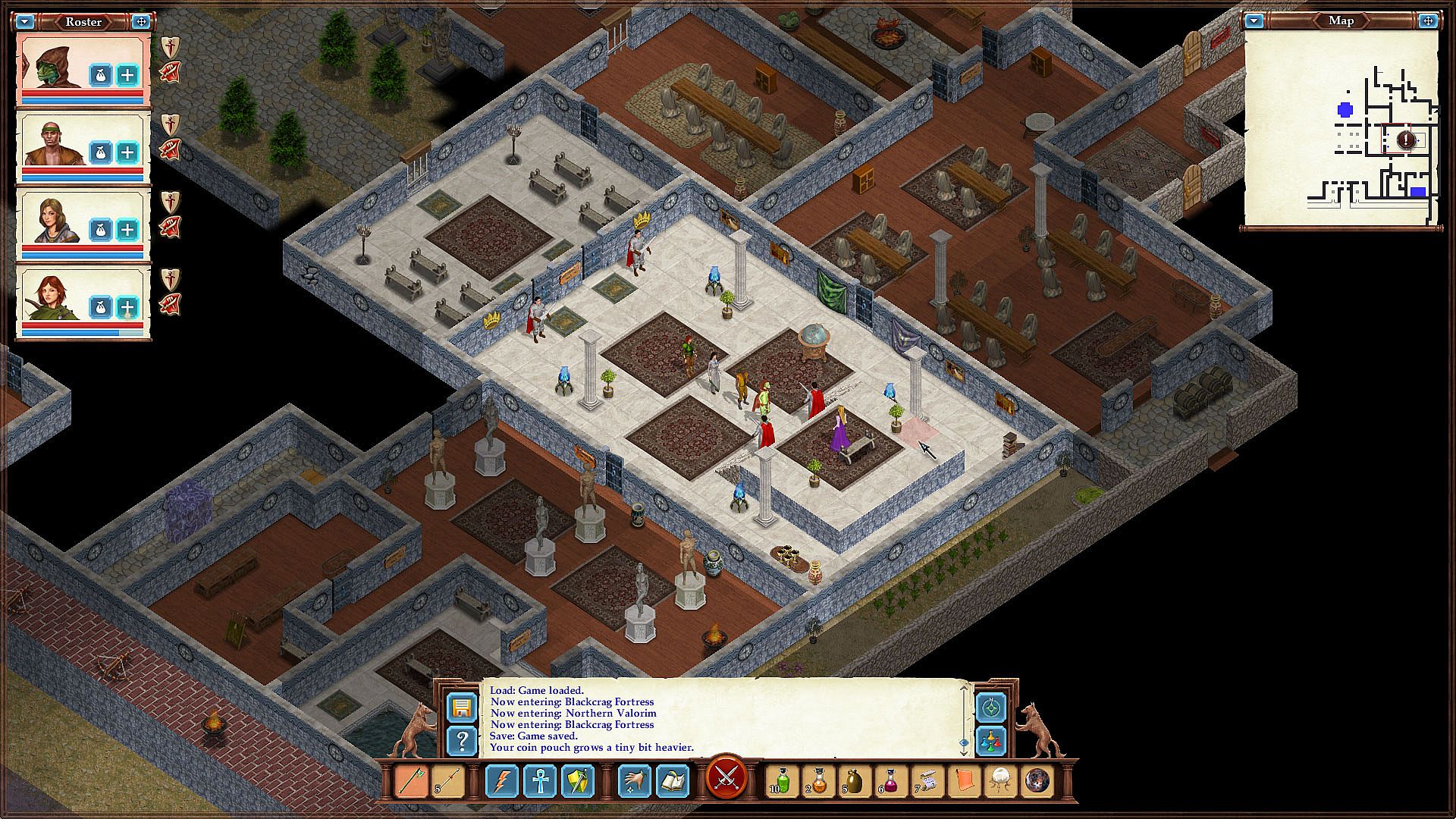
The narrative follows a group seeking escape from an underground prison realm while the surface world faces destruction from advancing plagues and conflicts. Unique races and cultures distinguish the setting from standard fantasy tropes. Towns and regions react to the passage of time and player involvement, creating a sense of a living environment where disasters and migrations occur without direct intervention.
Dialogue and quest design highlight individual stories within the larger conflict. The self-contained plot resolves the trilogy arc but stands complete on its own, with hundreds of artifacts and environmental details supporting immersion through discovery rather than exposition alone.
Is It Worth Playing?
Player feedback has been very positive overall, with the majority of reviews recommending the title after extended sessions. Reported playtimes often reach 40 to 60 hours or more for those who explore thoroughly and complete side content. The combination of tactical combat, open exploration, and reactive world elements appeals to fans of classic role-playing games who value strategic depth over fast-paced action.
Updates have addressed bugs and balance since release, leaving the game in a stable state for new players. It suits those interested in deliberate pacing, party customization, and a self-directed adventure rather than guided linear stories. Individuals seeking short sessions or modern graphics may find the retro presentation and deliberate systems less engaging, while others appreciate the freedom and longevity provided by the mechanics.