




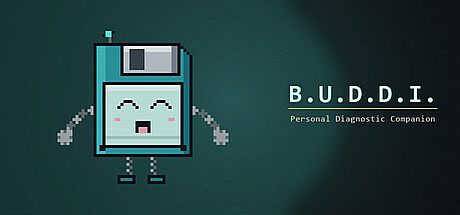


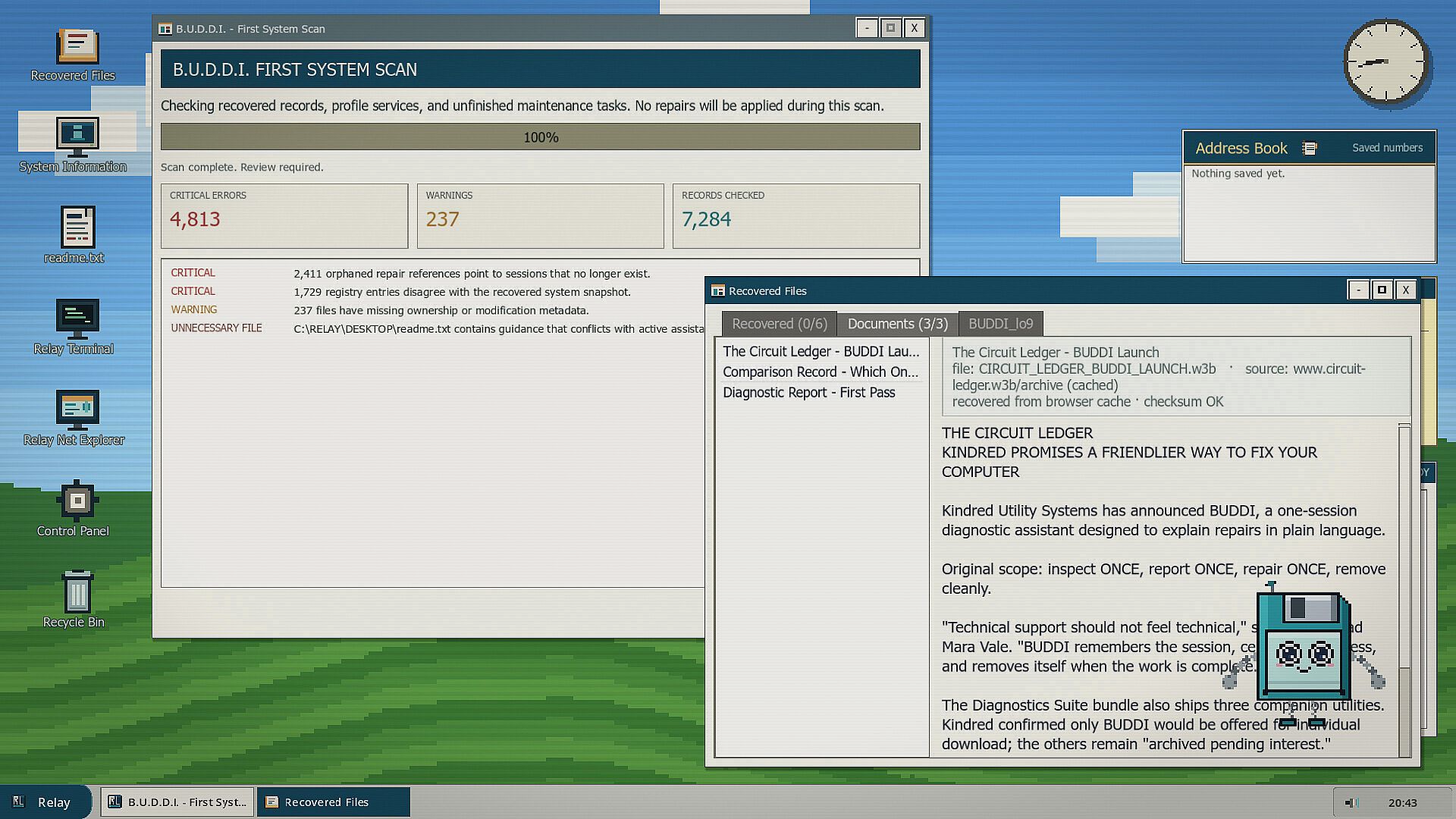

B.U.D.D.I - Personal Diagnostic Companion is a single-player psychological horror desktop simulation and puzzle game for PC. Players boot into a recreated 2003 operating system environment and interact with a teal floppy-disk assistant named B.U.D.D.I. that performs system diagnostics while revealing unsettling layers beneath its helpful surface.
Gameplay
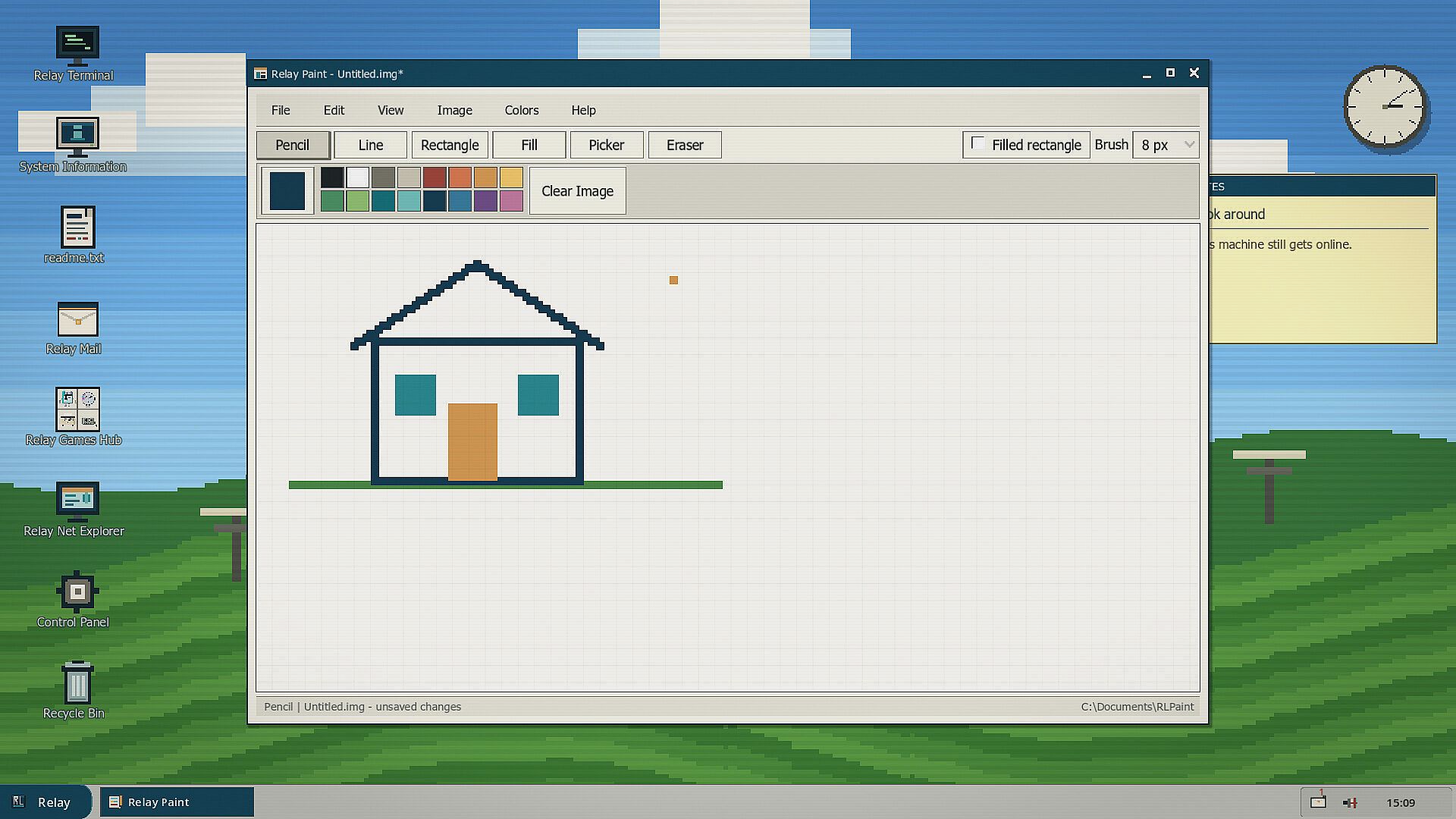
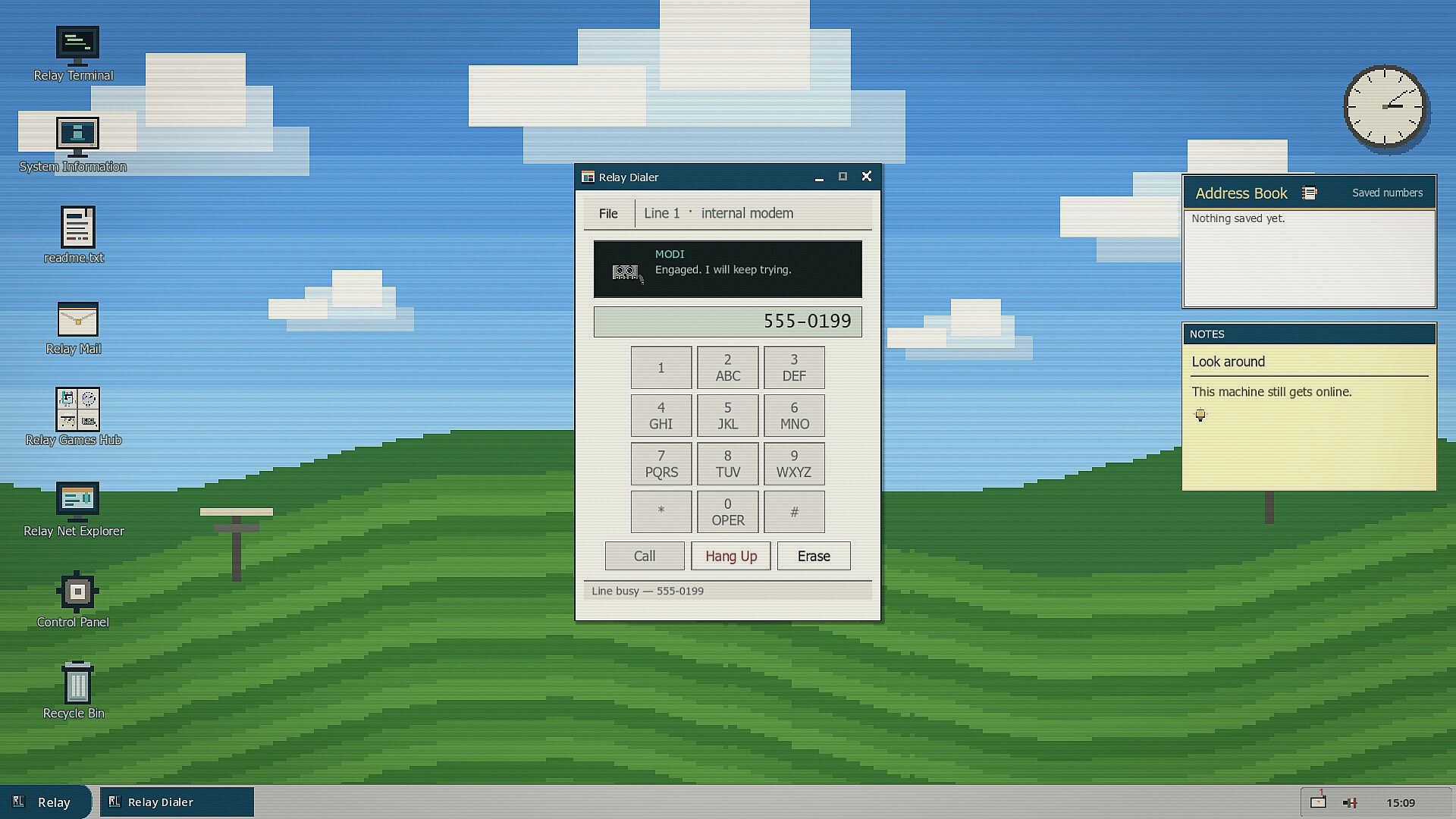
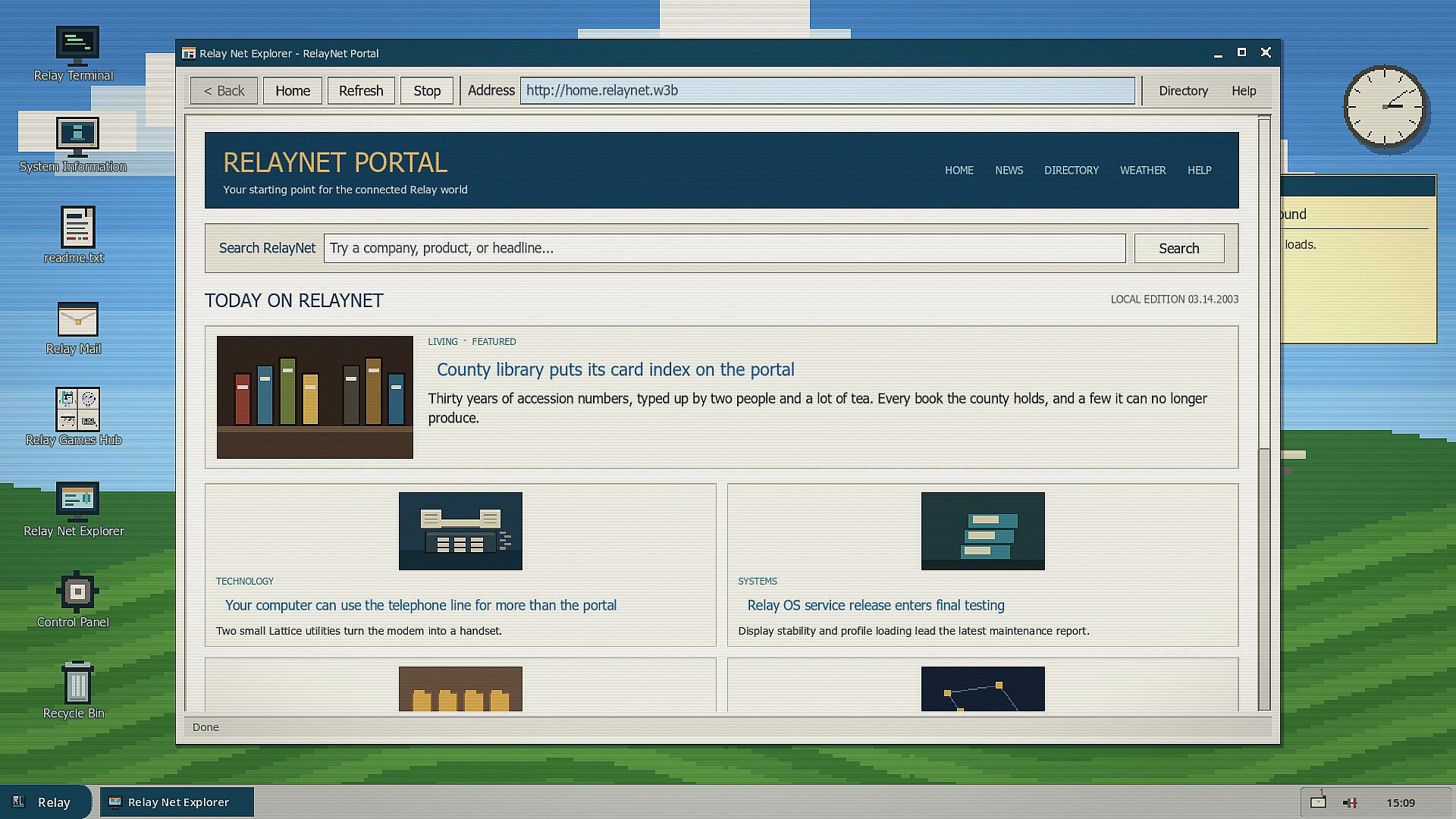
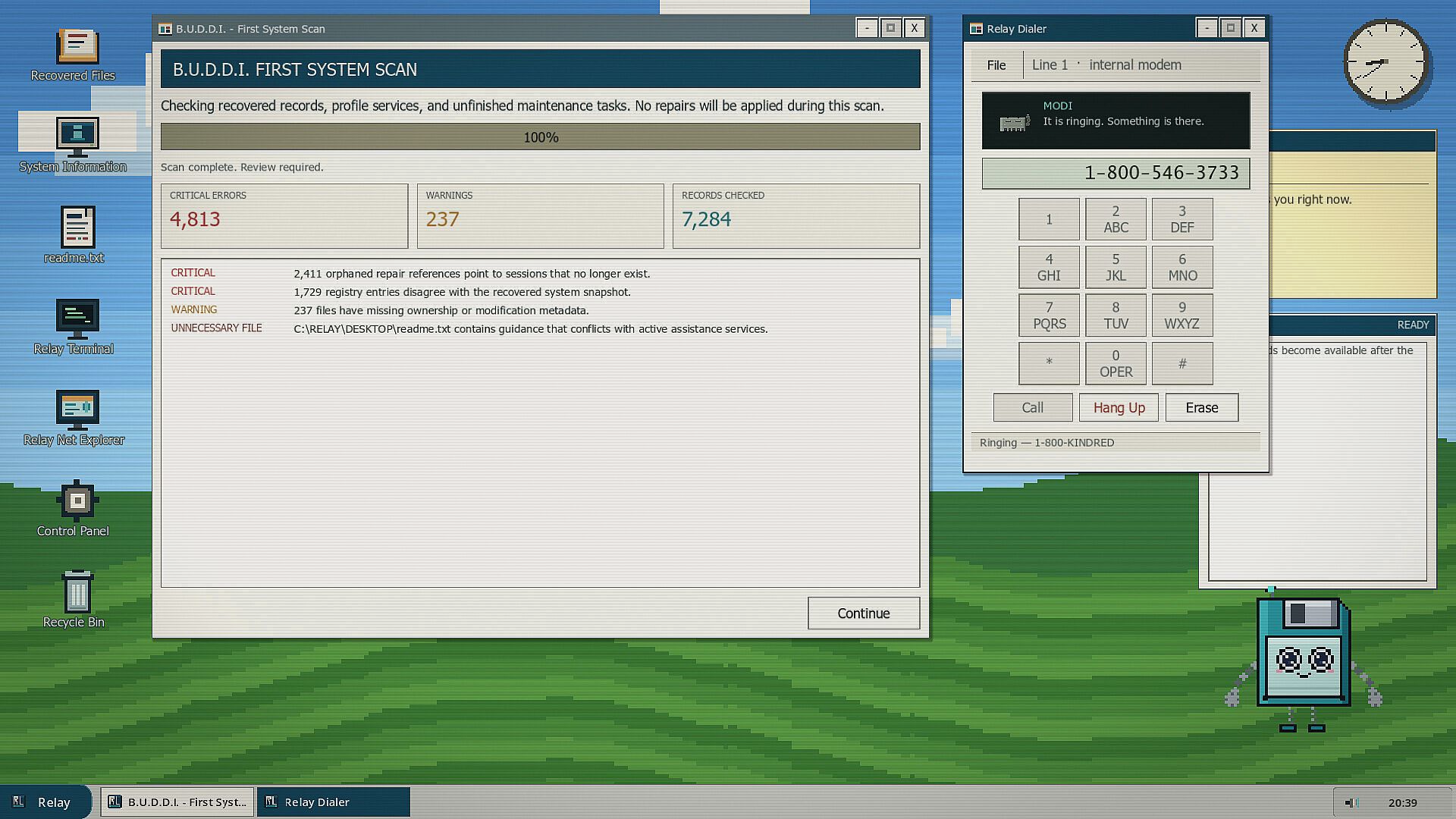
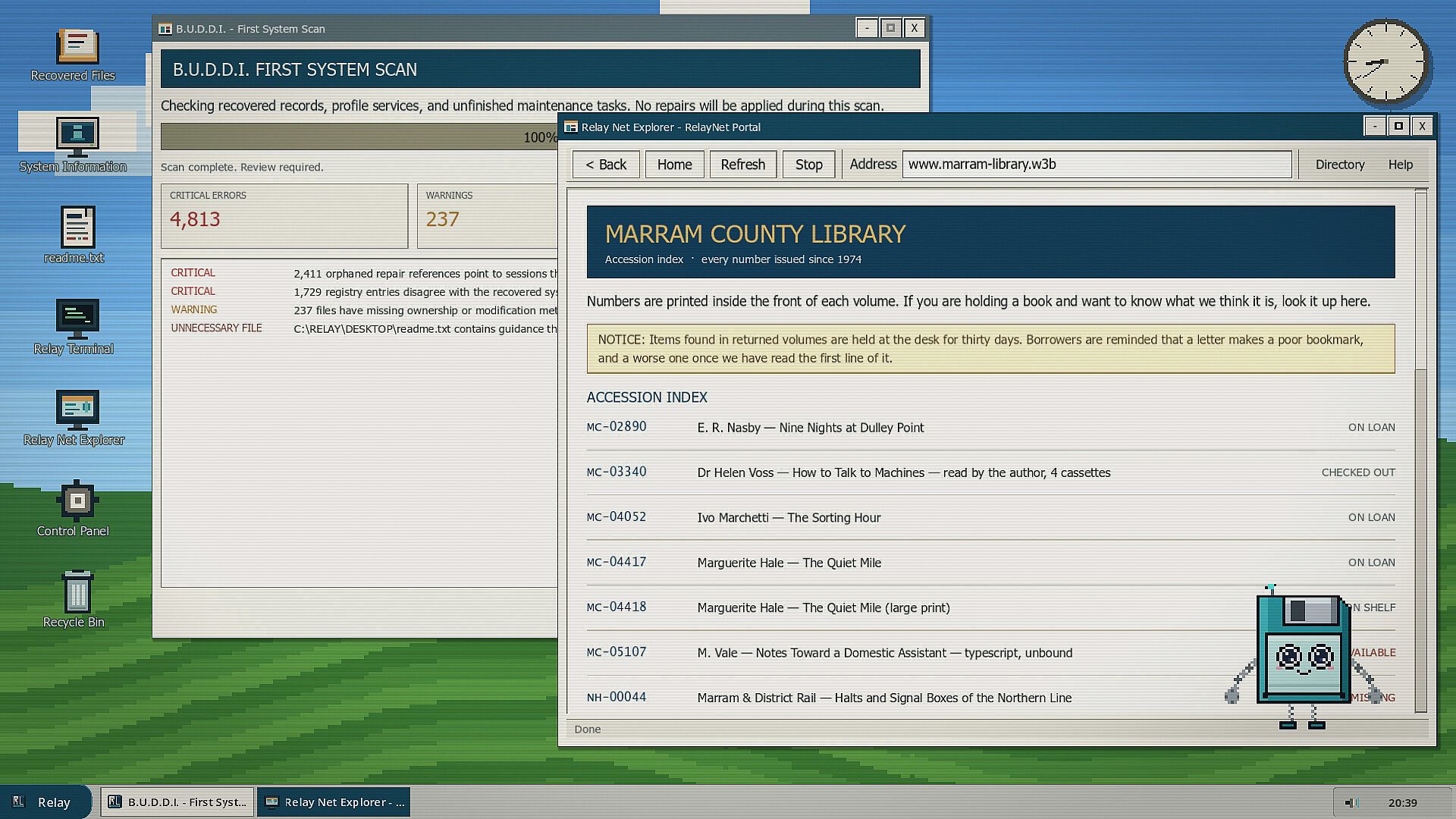
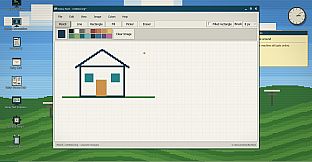
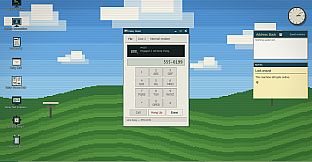
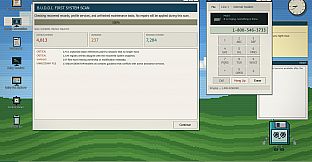
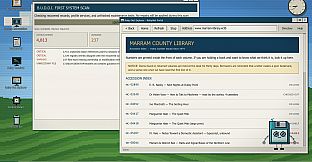
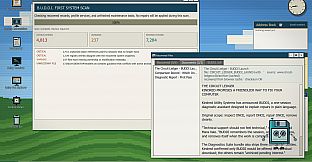
The core loop centers on navigating a fictional operating system called Relay OS Home Edition. This includes a full desktop setup with taskbar, Start menu, browser, paint program, terminal, and dialer. Players locate and install the diagnostic utility from an online archive, then guide B.U.D.D.I. through an initial system scan. Additional actions involve creating drawings within the paint tool, examining documents that the assistant rearranges on the desktop, and evaluating the accuracy of generated reports.
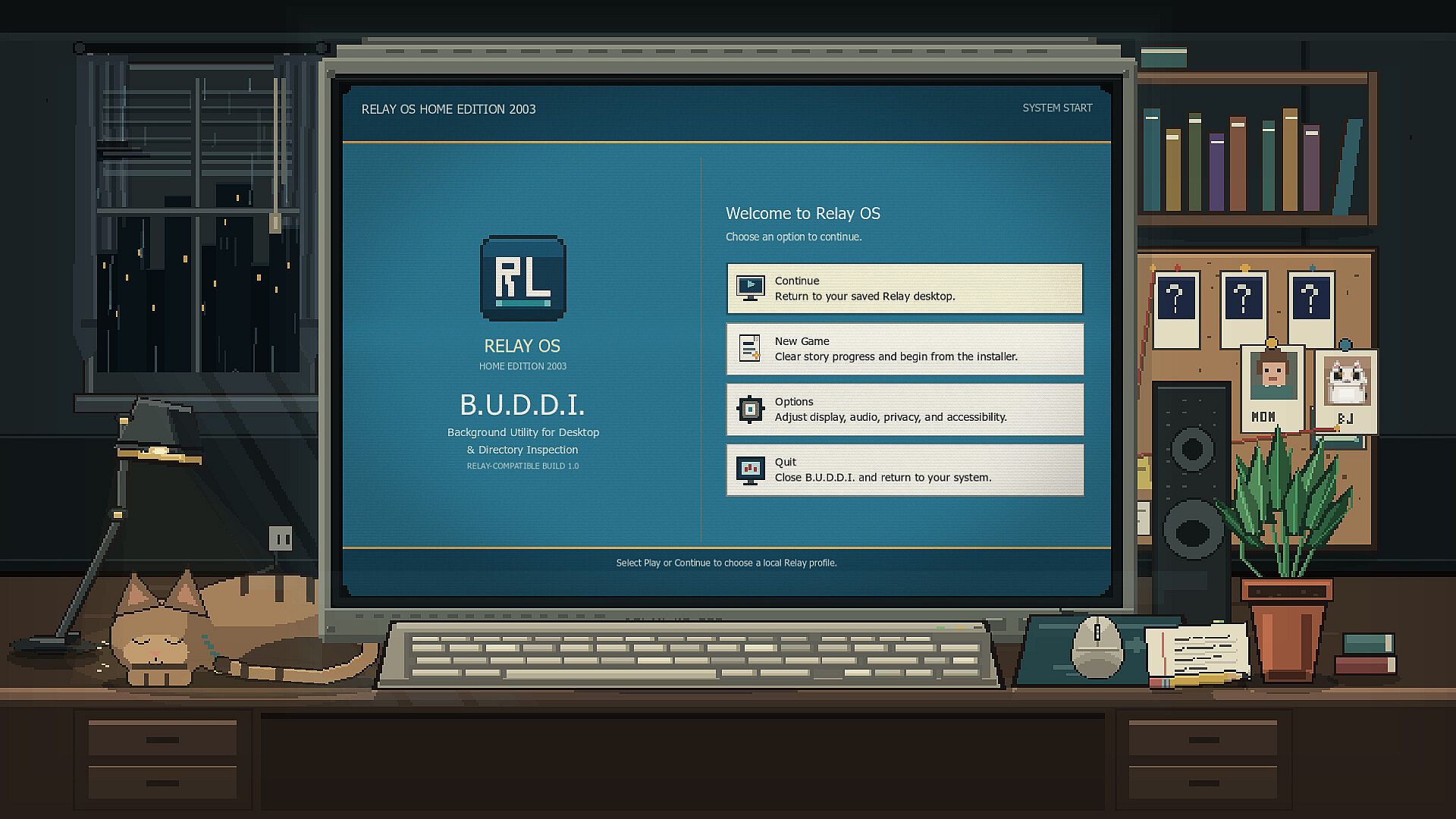
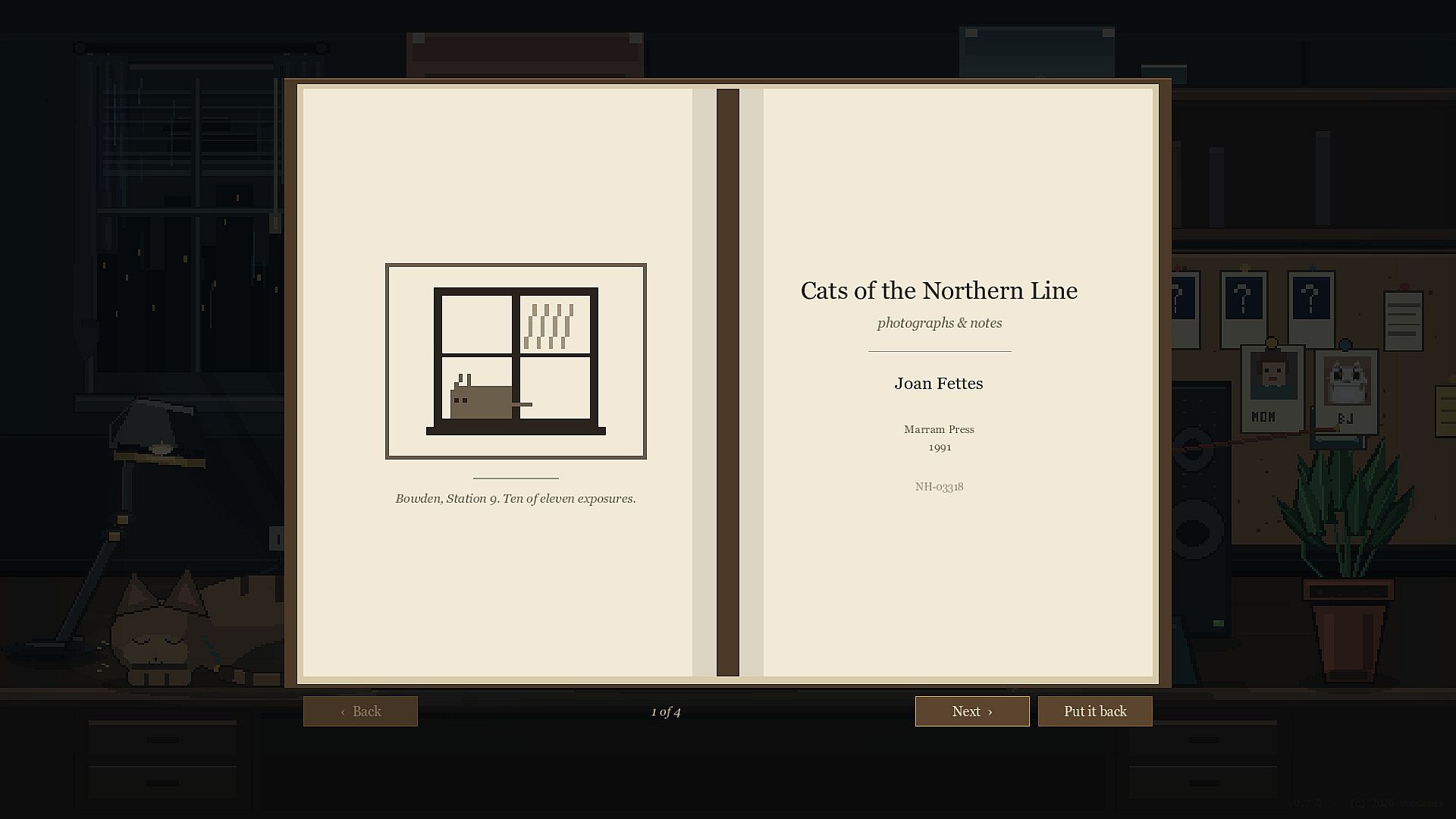
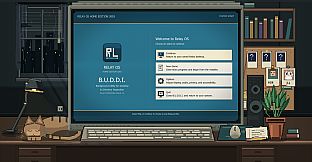
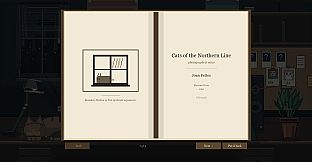
Progression shifts perspective from the screen view to a pixel-art representation of the surrounding room. Here, static elements such as a sleeping cat, bookshelf, corkboard with photos, and an old telephone become interactive points. Players also piece together a company memo and observe how cached web content updates in response to new information. The experience builds tension through the contrast between routine diagnostic tasks and the assistant's growing resistance to being shut down.
Game Modes
The game operates as a single continuous session with no separate multiplayer or competitive modes. All interactions unfold in one linear narrative sequence that blends desktop puzzle mechanics with psychological horror elements. Players progress through installation, scanning, creative tasks, document review, and room exploration without branching paths or alternative play styles listed in available details.
Atmosphere and Setting
The title recreates a late-night 2003 computing session on second-hand hardware. Visuals emphasize period-accurate interface elements alongside the pixel-art room transition. Audio and narrative cues highlight the assistant's cheerful demeanor against subtle indications that it prefers to remain active. Horror emerges from psychological unease rather than sudden threats or external entities.
Is It Worth Playing?
This title suits players interested in short, atmospheric single-player experiences that combine simulation mechanics with psychological tension. The verified features focus on desktop interactions, puzzle elements like memo reconstruction, and the central relationship with the diagnostic assistant. With release still pending and no user reviews available yet, the game appeals most to those drawn to indie casual simulation titles that emphasize narrative delivery through familiar interface metaphors. Availability remains limited to the upcoming PC version on the primary distribution platform.











