


Backpackwar is a single-player roguelite turn-based strategy game with adventure elements set on PC. Players manage hero parties through careful equipment placement in backpacks, which creates varied spell skills and attribute boosts that strengthen both leaders and their subordinates during runs.
Gameplay
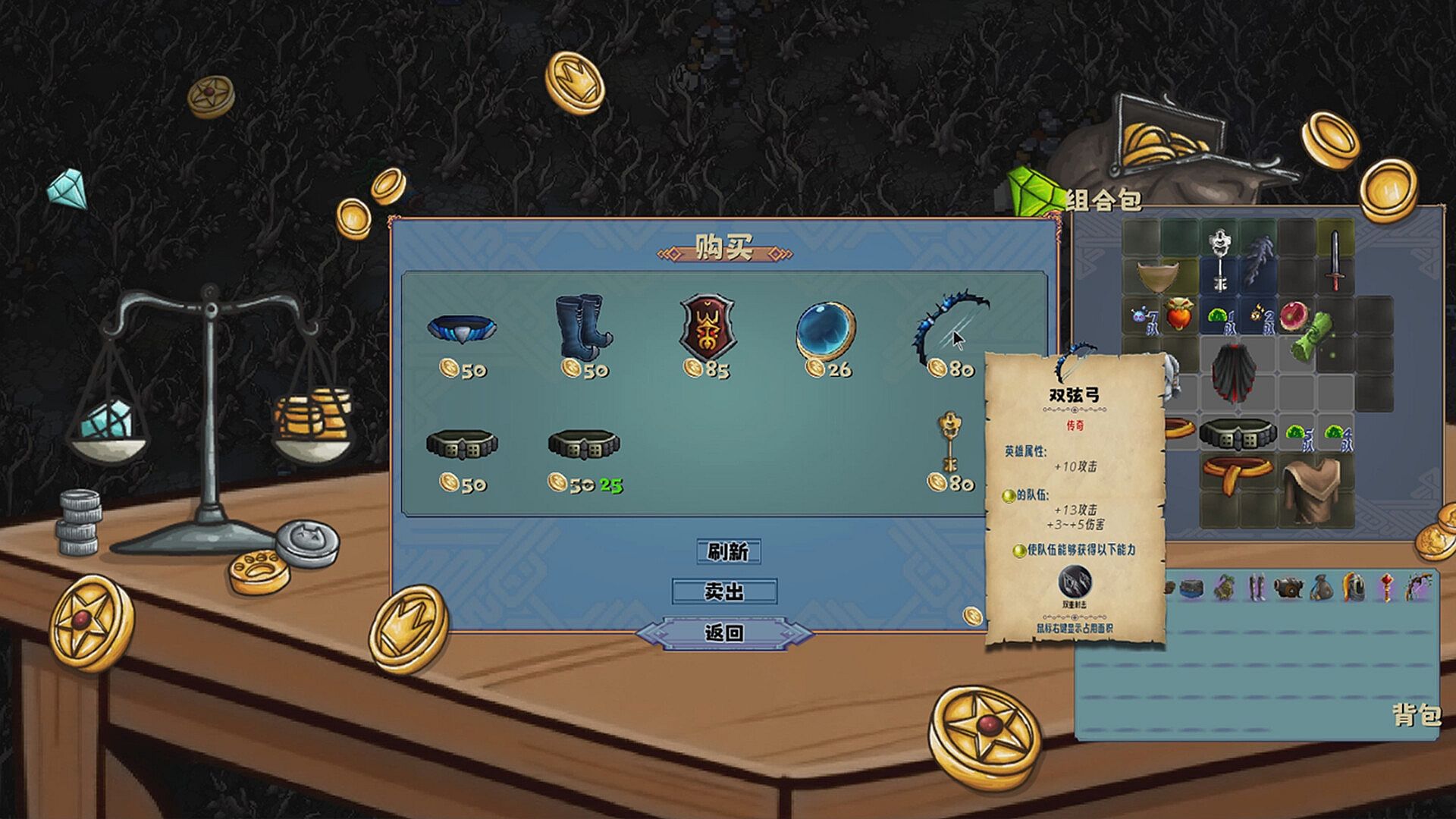
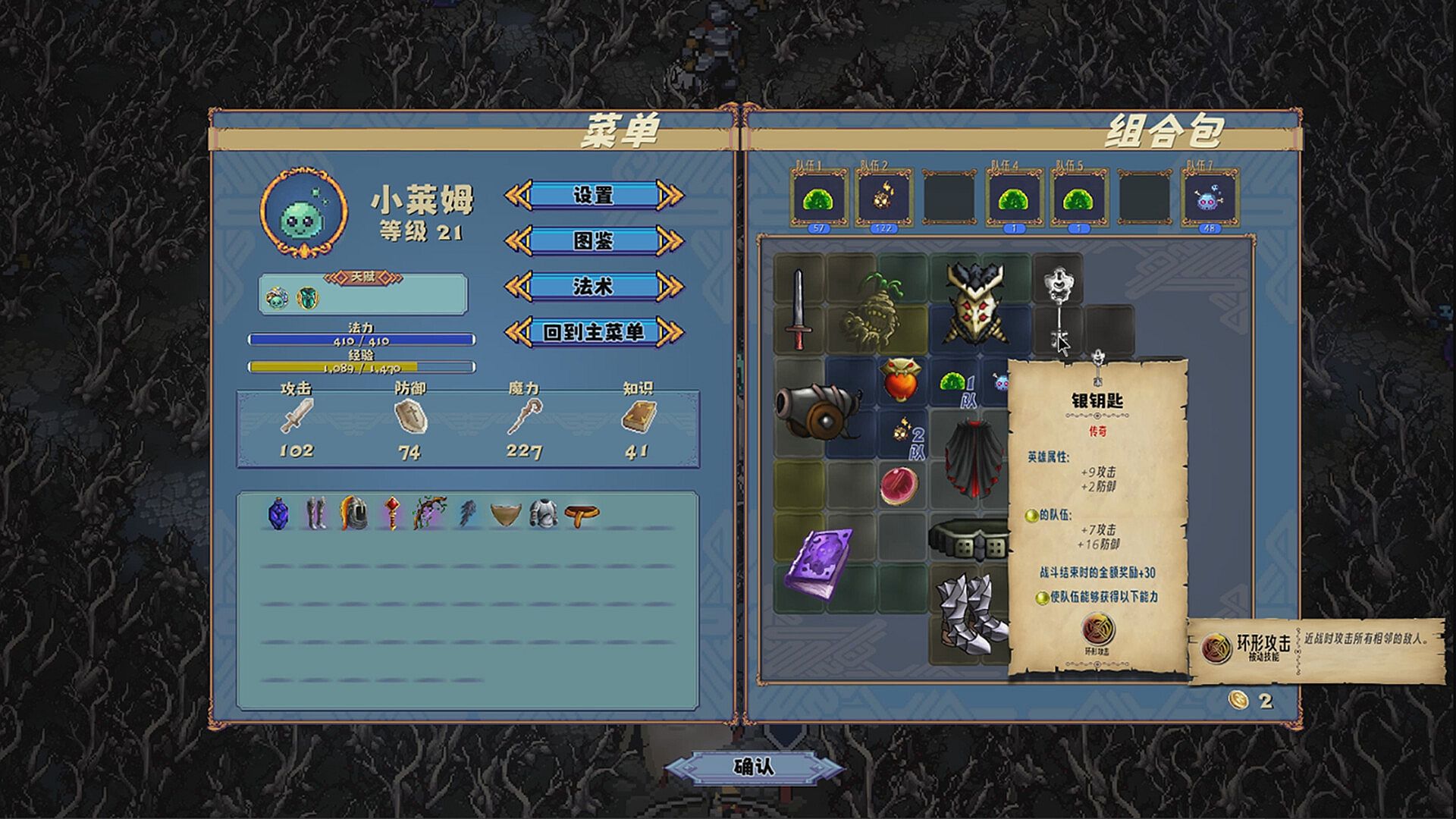
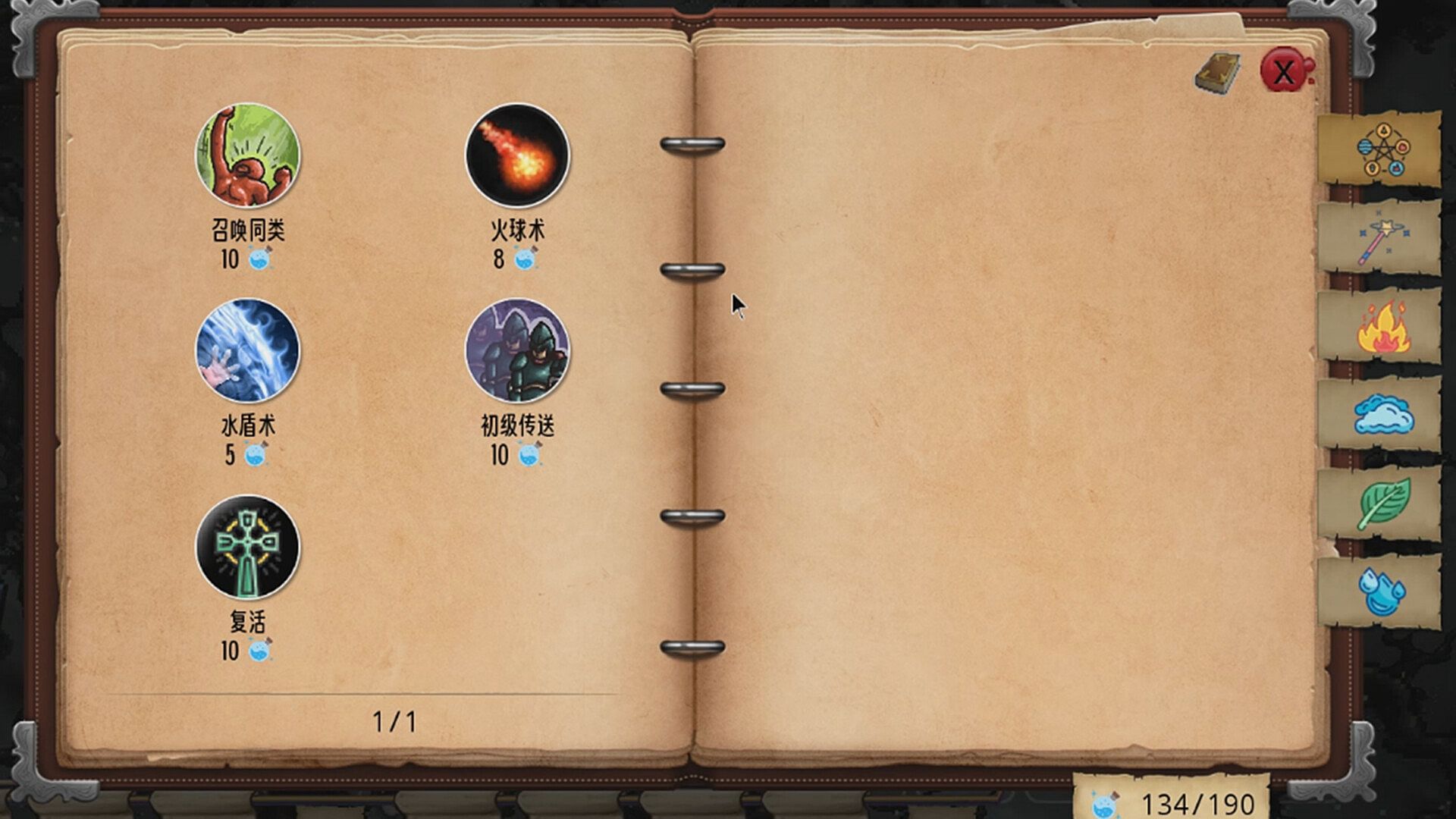
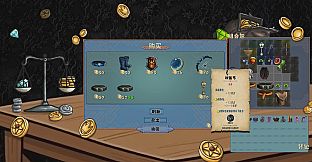
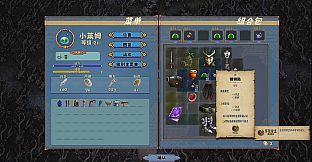
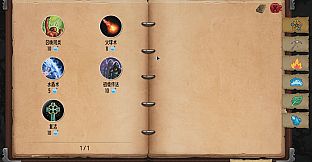
The central loop revolves around arranging items in limited backpack space to trigger different effects. Equipment layouts determine the spells and stat gains available each turn, turning inventory decisions into direct combat advantages. Heroes lead subordinates into encounters where positioning and ability synergies matter, with magic playing a key role in outcomes.
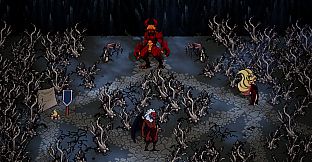
Runs emphasize planning across multiple steps. Players select paths that branch the adventure, encountering new challenges and rewards that alter the build for the next stage. Procedural generation ensures each attempt presents fresh combinations of enemies, terrain, and opportunities, rewarding thoughtful adaptation over repetition.
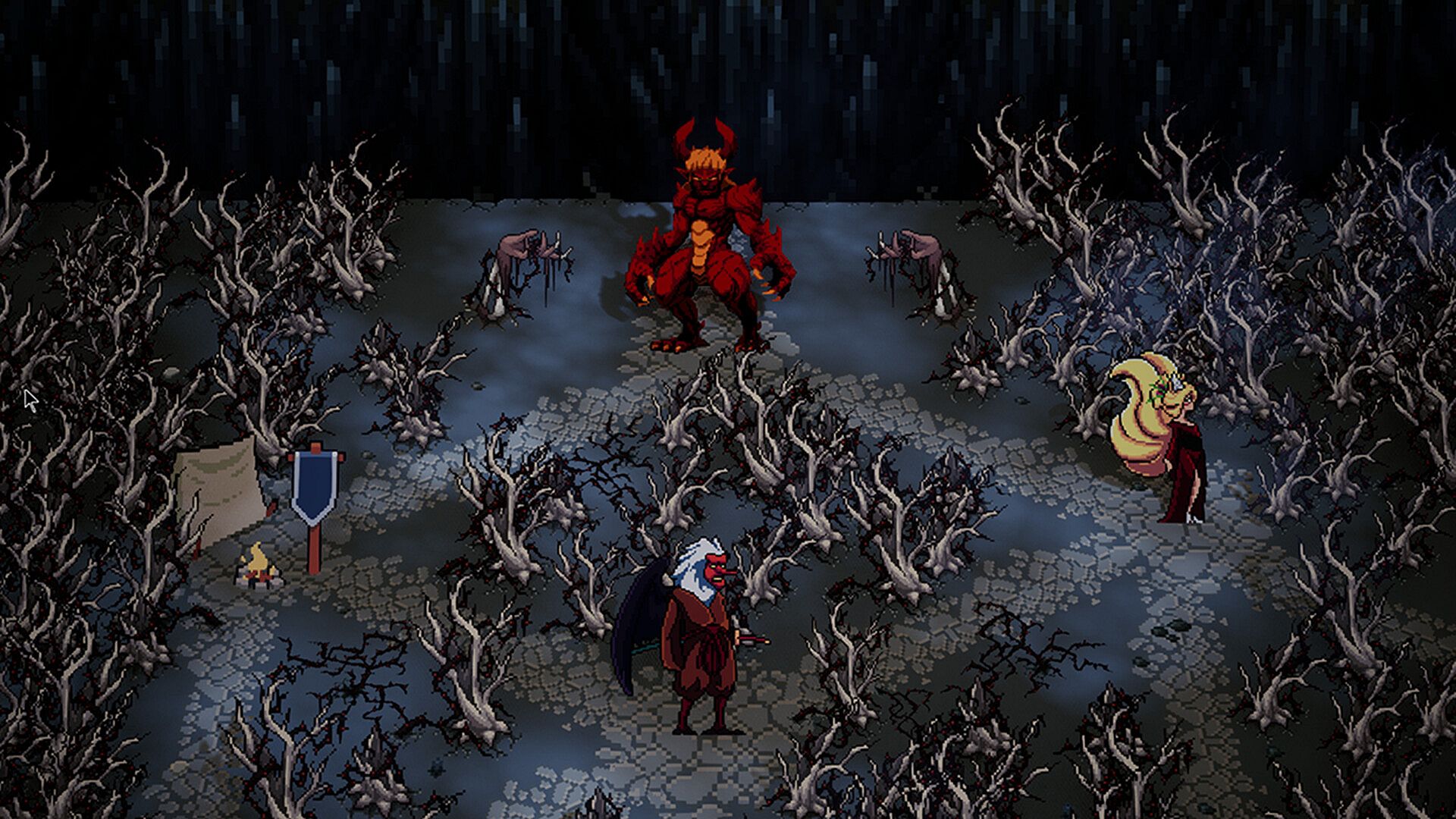
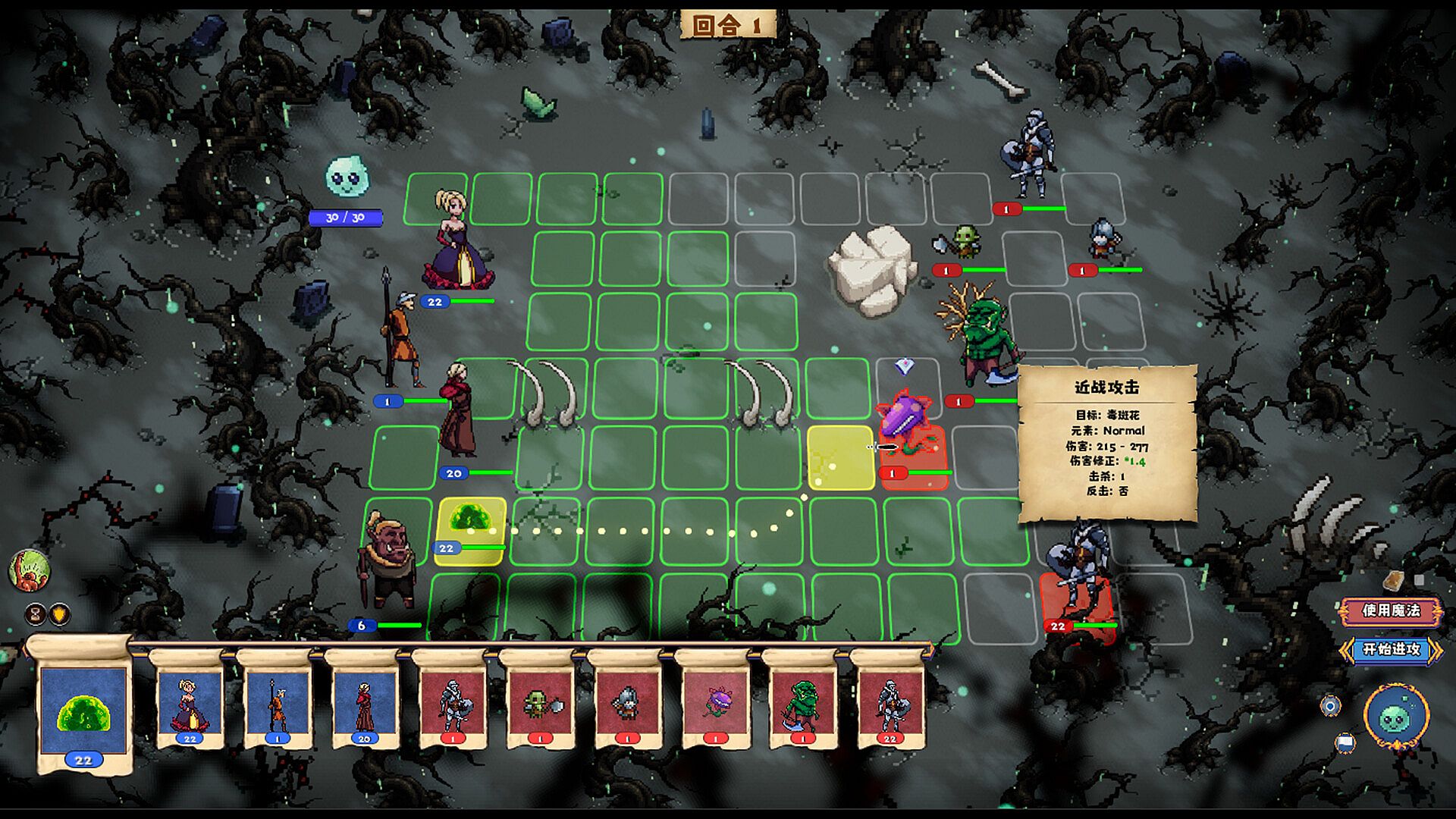
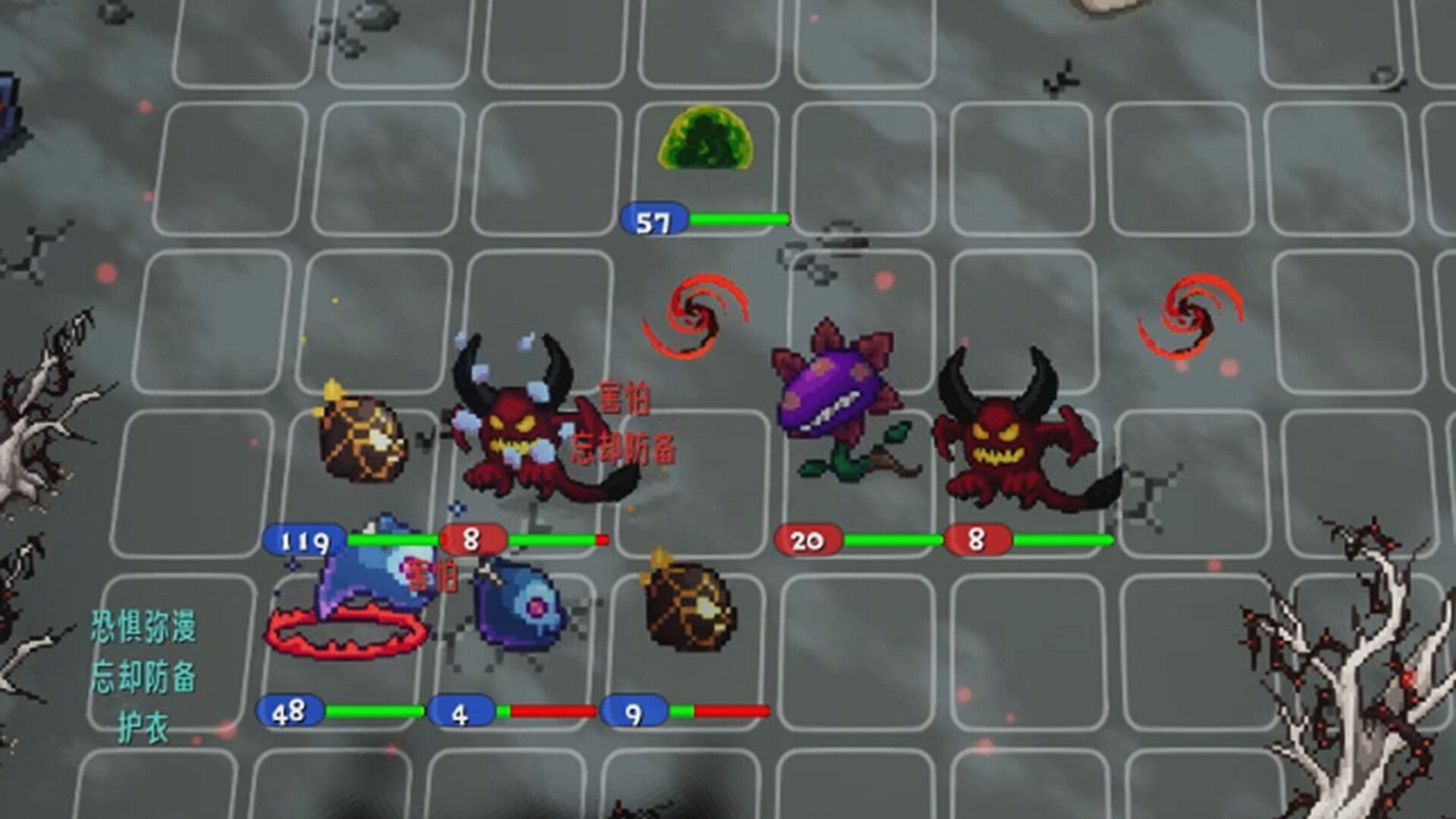
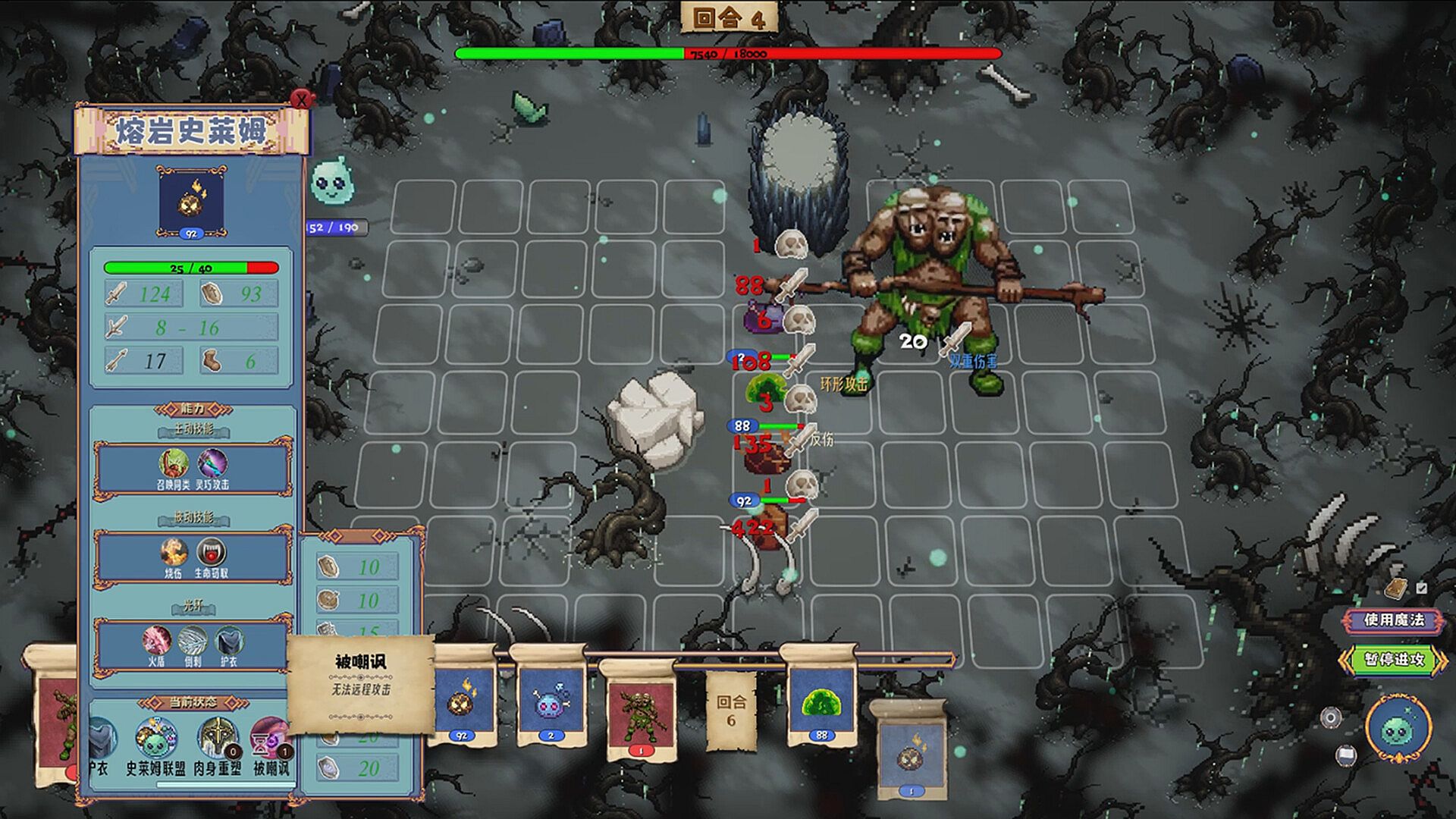
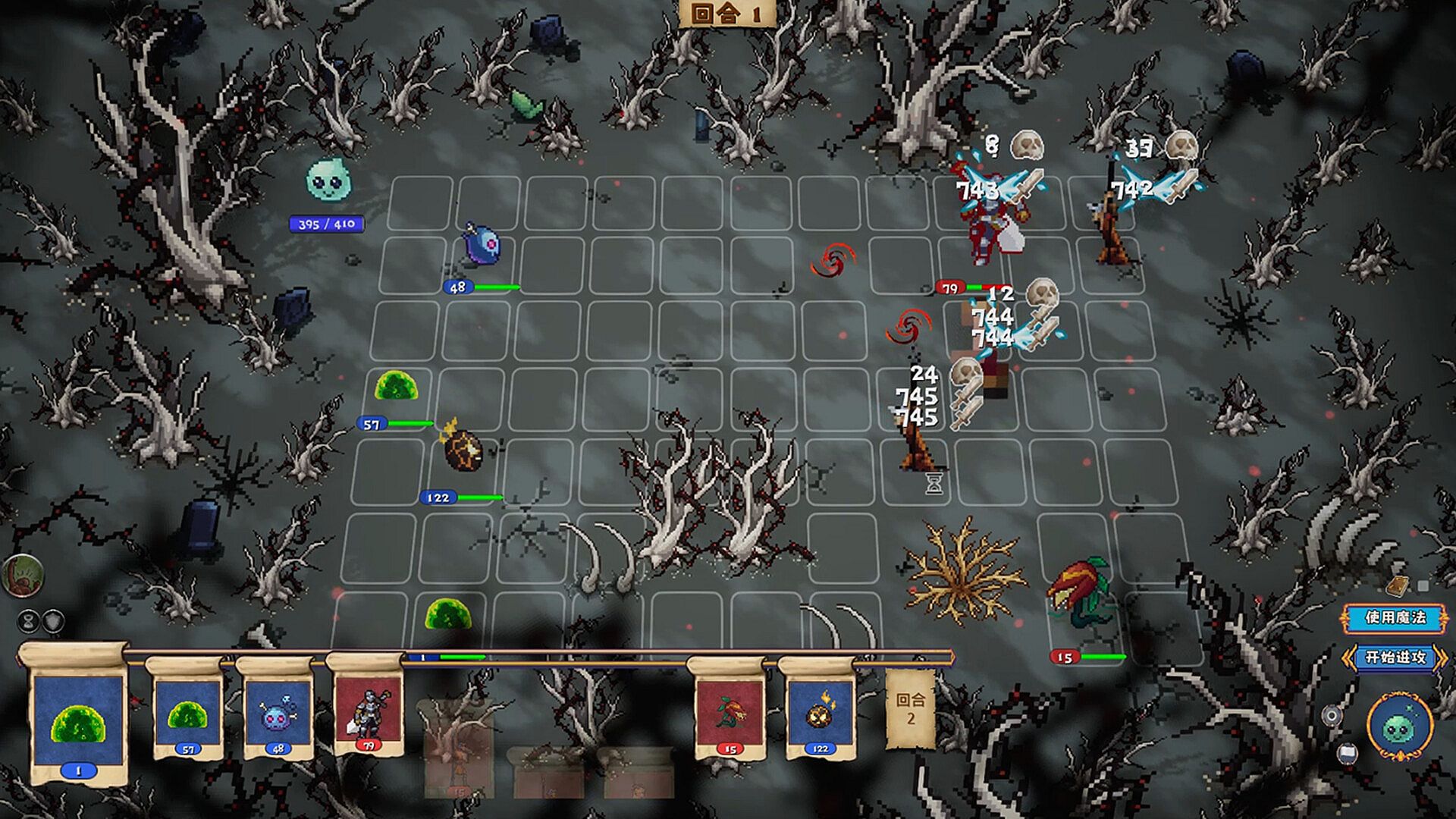
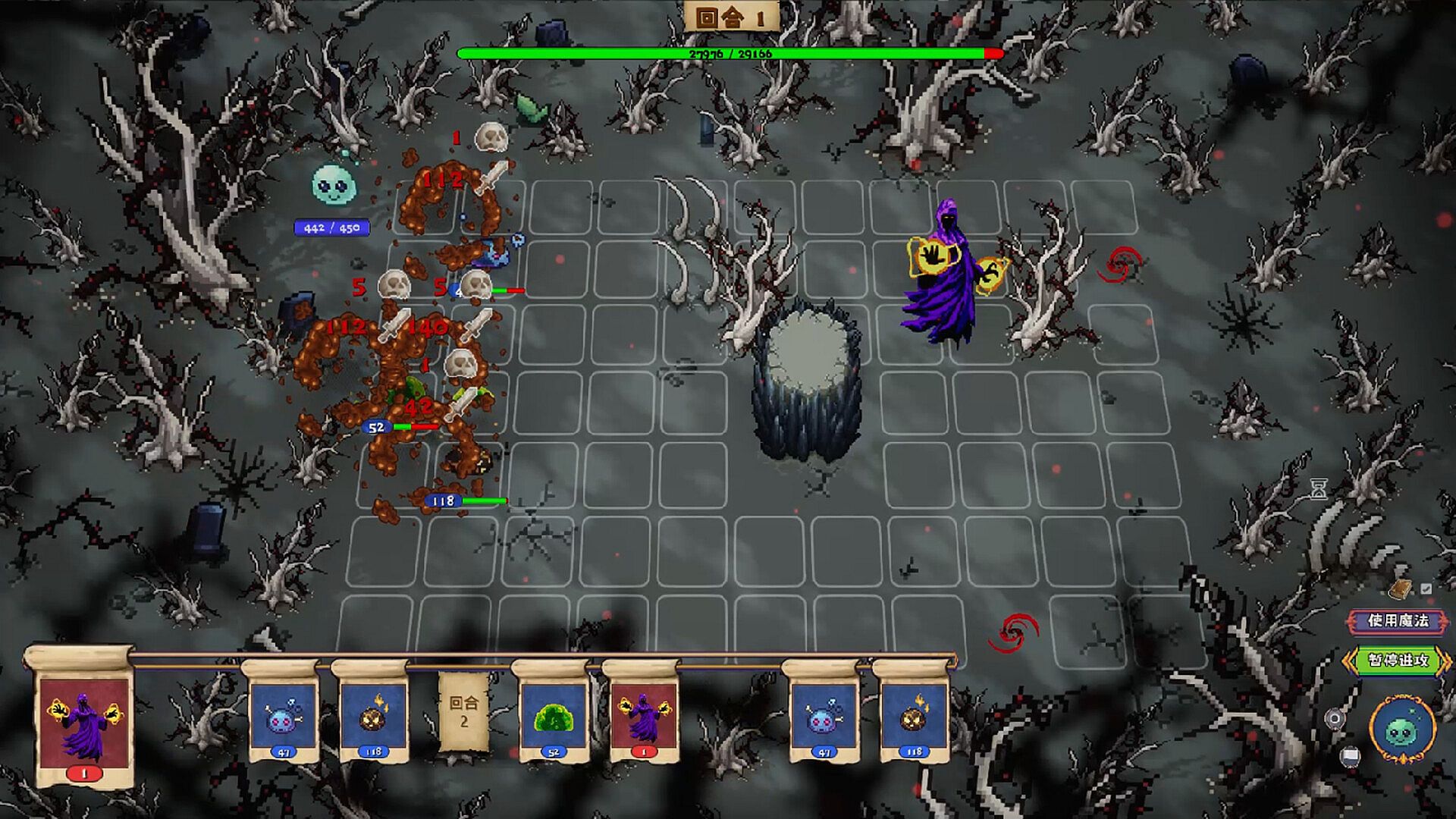
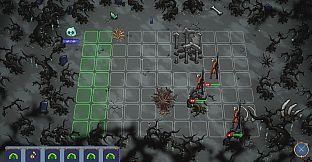
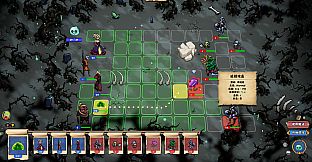
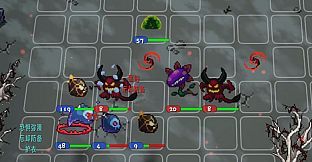
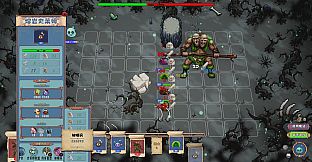
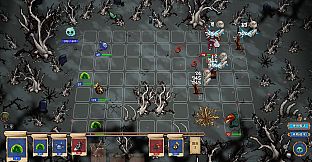
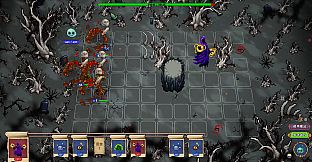
Turn-based combat integrates the backpack system directly. Units move and act on a grid while benefiting from the active effects generated by the current layout. Inventory management extends beyond simple storage, as adjacency and placement influence halo effects, damage types, and defensive options for the entire party.
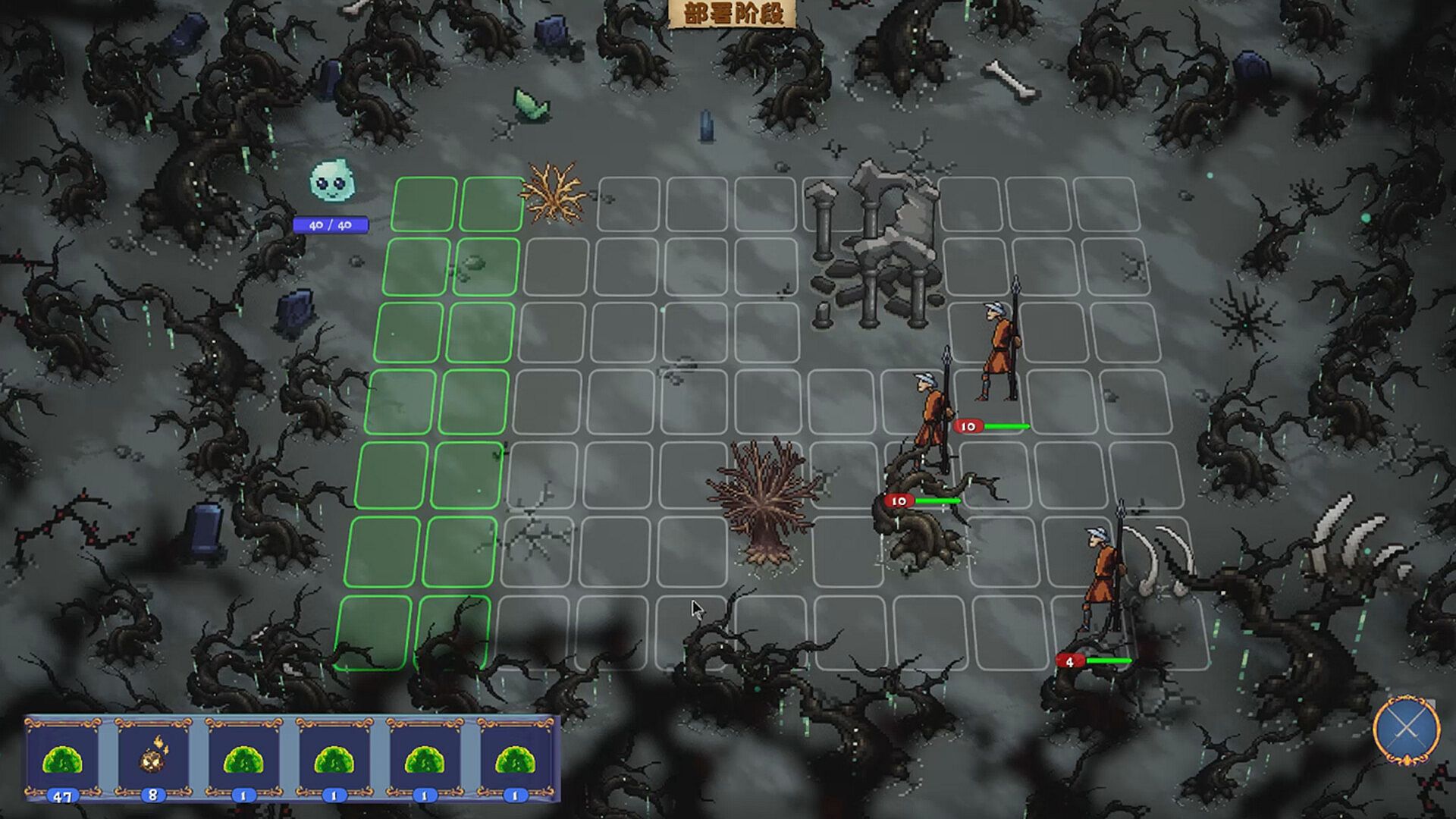
Difficulty settings allow players to adjust the challenge level, making the experience accessible for newcomers while offering deeper complexity for those seeking tighter resource constraints and stronger enemy pressure. Updates have expanded options with systems like traps that damage units on passage or at the start of turns, and structures such as launch towers that provide cover and ranged attacks.
Game Modes
Backpackwar focuses on a core roguelite campaign structure where players embark on path-based adventures. Each run involves progressing through stages, managing backpack configurations, and advancing heroes via collected resources. The single-player format keeps all attention on individual decision-making without multiplayer elements.
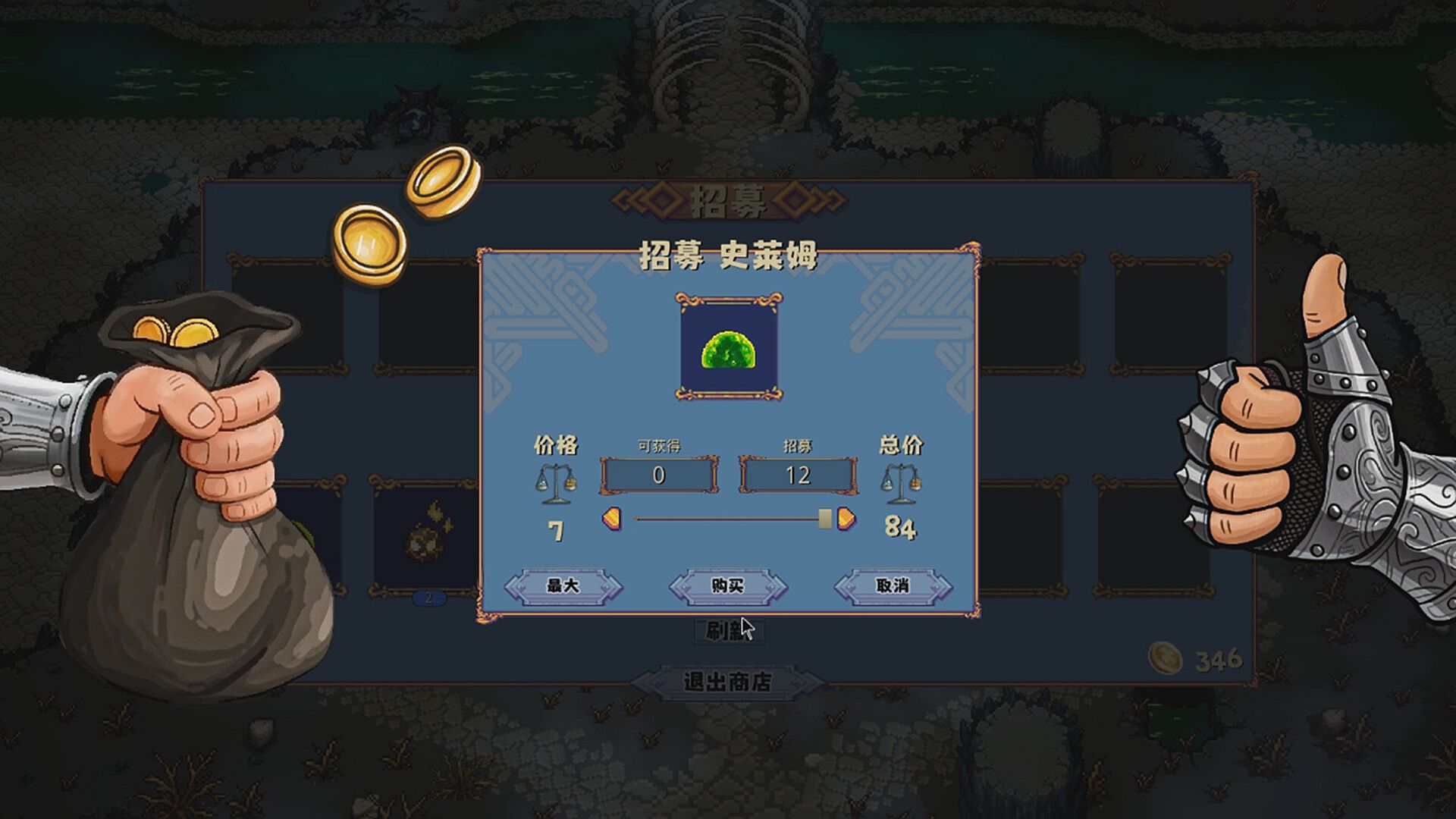
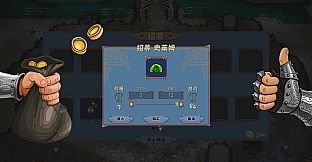
Path selection introduces variety within the main experience. Choices at key points determine the sequence of encounters and the types of equipment or upgrades encountered, encouraging experimentation with different hero advancement options. Crystals earned from defeating stronger units fuel a progression system that unlocks new talents, gear, or abilities unique to each hero.
Additional layers come from emerging mechanics introduced through updates. Trap placement and building construction add tactical depth to grid-based fights, while new units and items expand the range of strategies available during a run. These features integrate into the existing path-advancement loop rather than forming separate modes.
Key Mechanics and Progression
Hero advancement stands out as a long-term element. Consuming crystals allows specific heroes to gain personalized upgrades, creating distinct playstyles across multiple attempts. Subordinates benefit indirectly through the shared backpack effects, encouraging builds that support the whole group.
Inventory management drives much of the strategy. Different layouts produce unique skill sets and attribute bonuses, so players experiment with placement to optimize for offense, defense, or utility. Items added in updates, such as those affecting traps or providing new effects, further diversify the possibilities within the same core system.
The 2.5D presentation supports clear visibility of grid interactions and unit positions during combat. Magic abilities generated by the backpack often define the flow of battles, with effects scaling based on how equipment is organized before and during encounters.
Is It Worth Playing?
Backpackwar appeals to players who enjoy roguelite structure combined with turn-based strategy and inventory puzzle elements. The emphasis on layout decisions and path choices creates meaningful variety across runs, supported by ongoing updates that introduce new tactical options like traps and buildings.
Reception has been positive among the small number of reviewers, with the game described as delivering engaging strategic depth in a compact package. A demo is available for those wanting to test the backpack arrangement and combat flow before committing.
It suits fans of single-player experiences focused on build experimentation and careful planning rather than fast action or large-scale multiplayer. The variety of difficulty options and procedural elements make it suitable for both shorter sessions and longer campaigns of repeated attempts.
- Strong focus on single-player roguelite runs with equipment-based ability generation
- Turn-based grid combat enhanced by traps, buildings, and hero-specific advancements
- Positive early feedback on strategic layers and replayability