



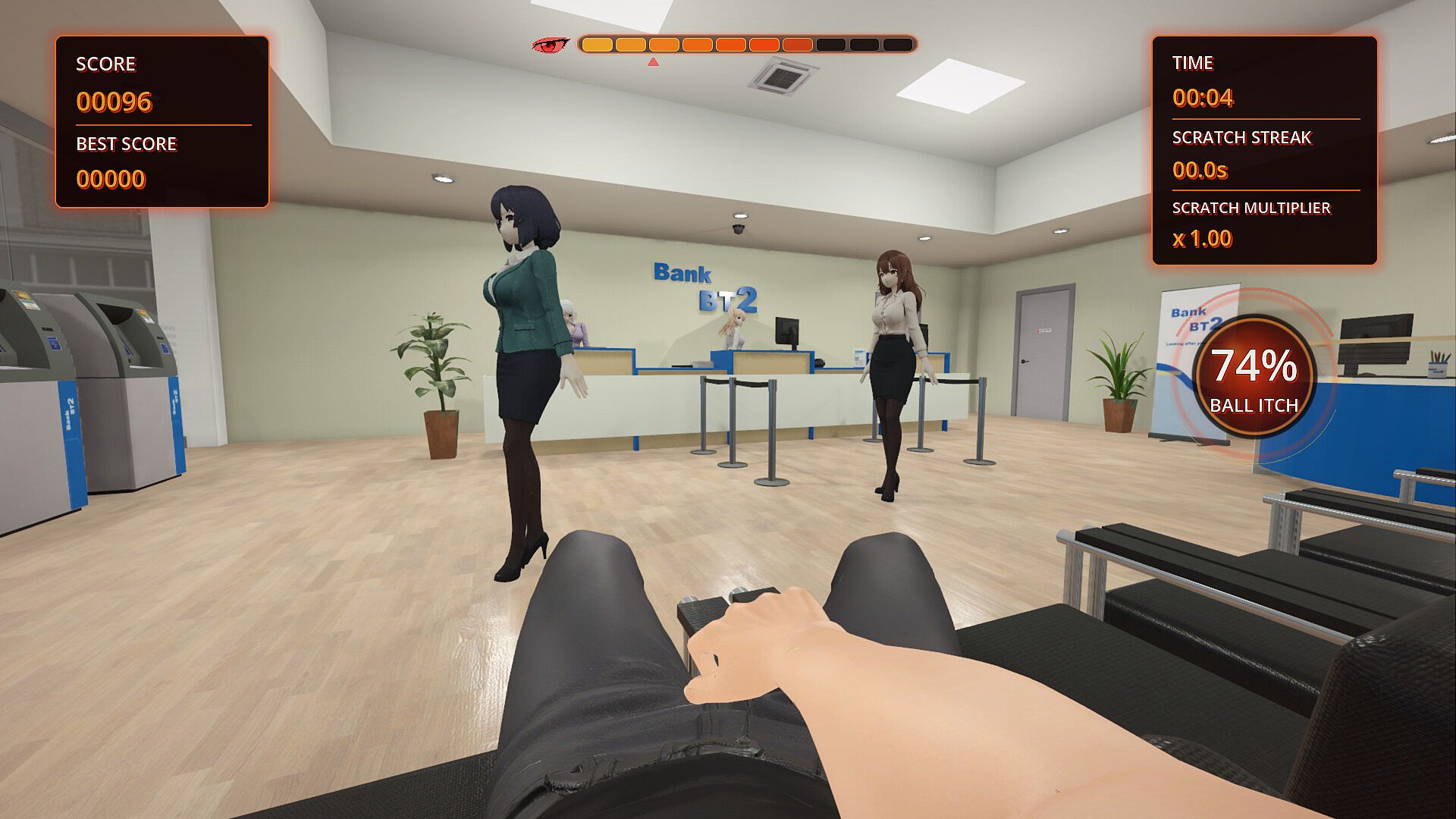
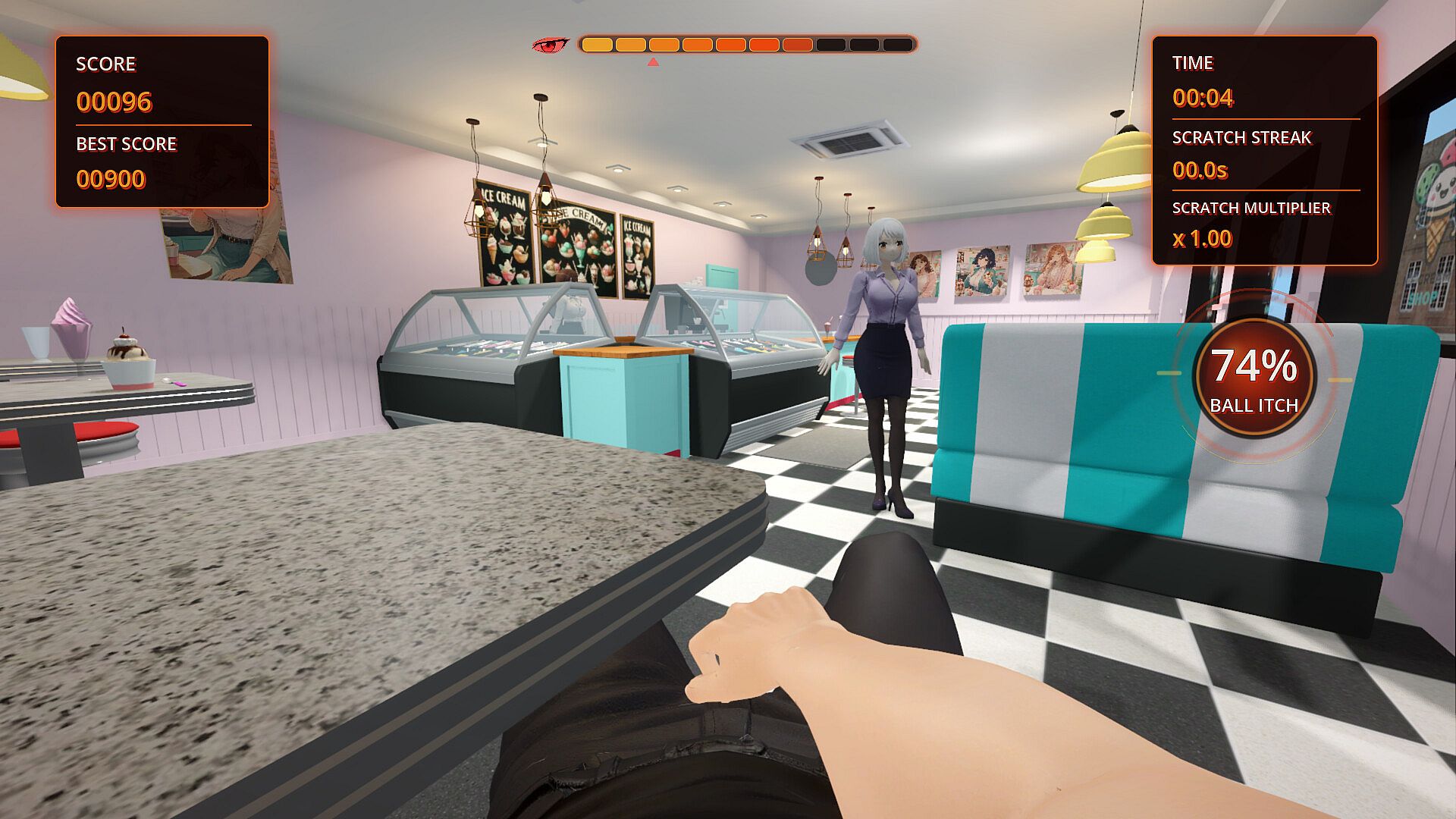
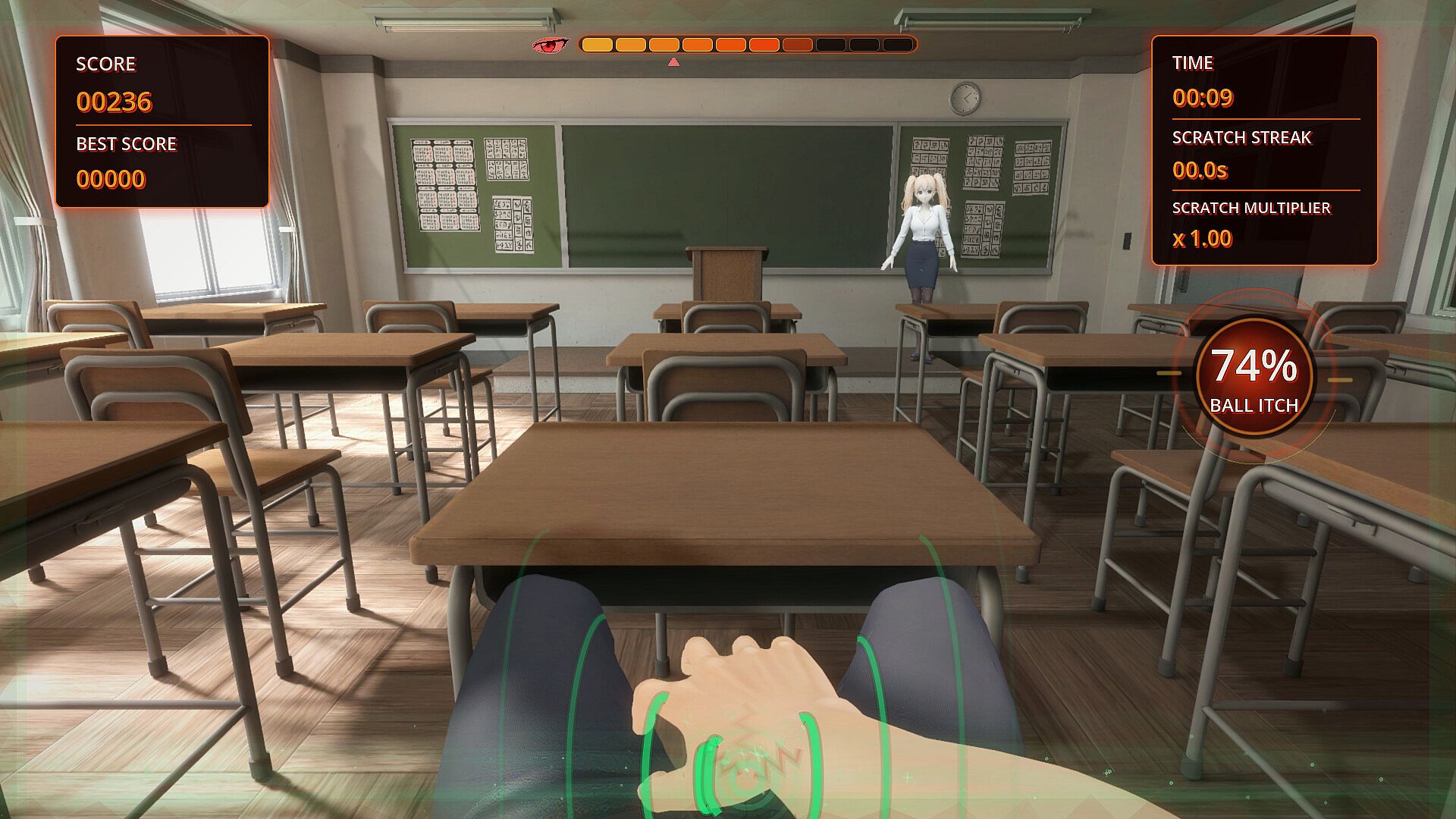
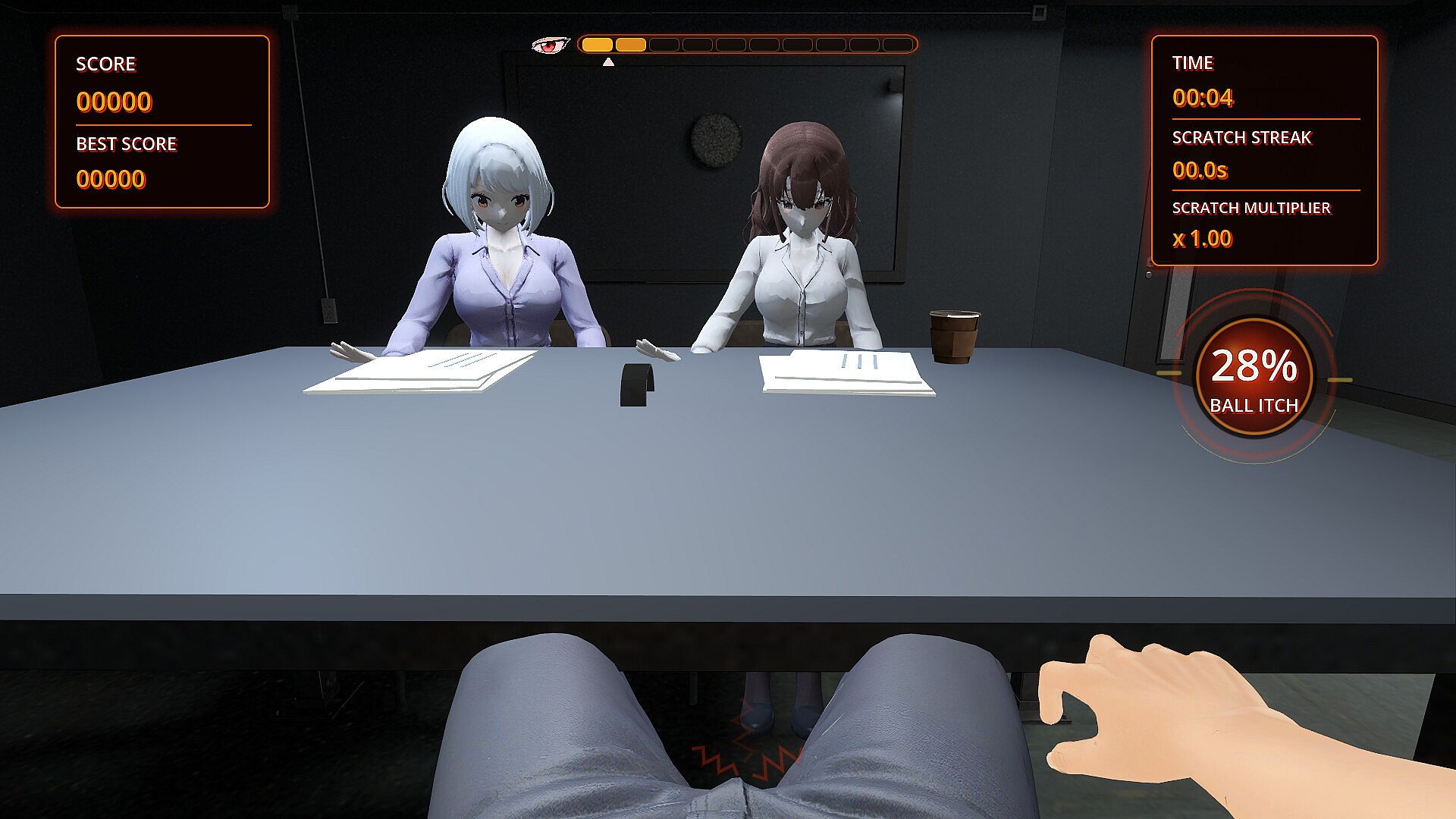
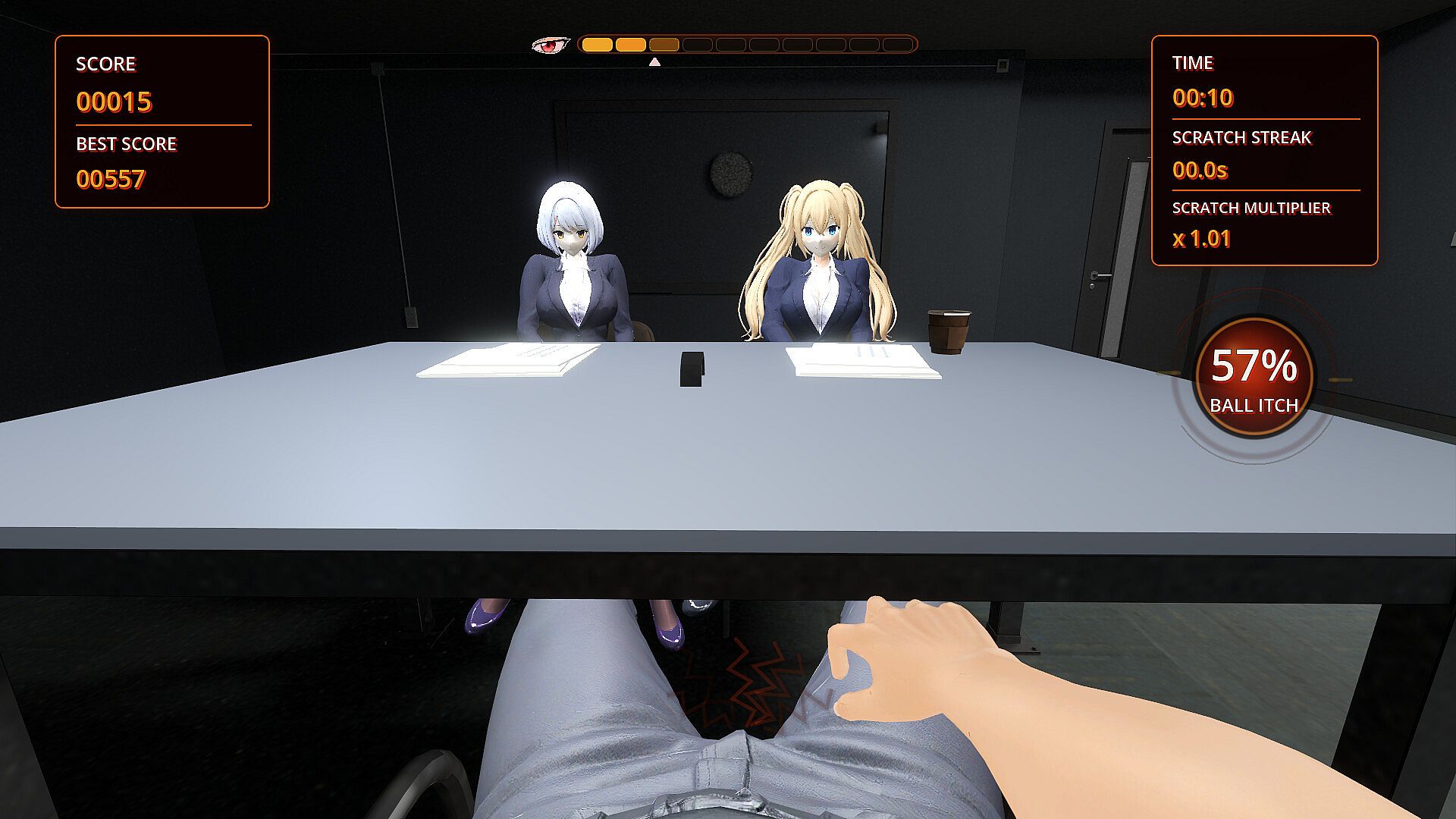
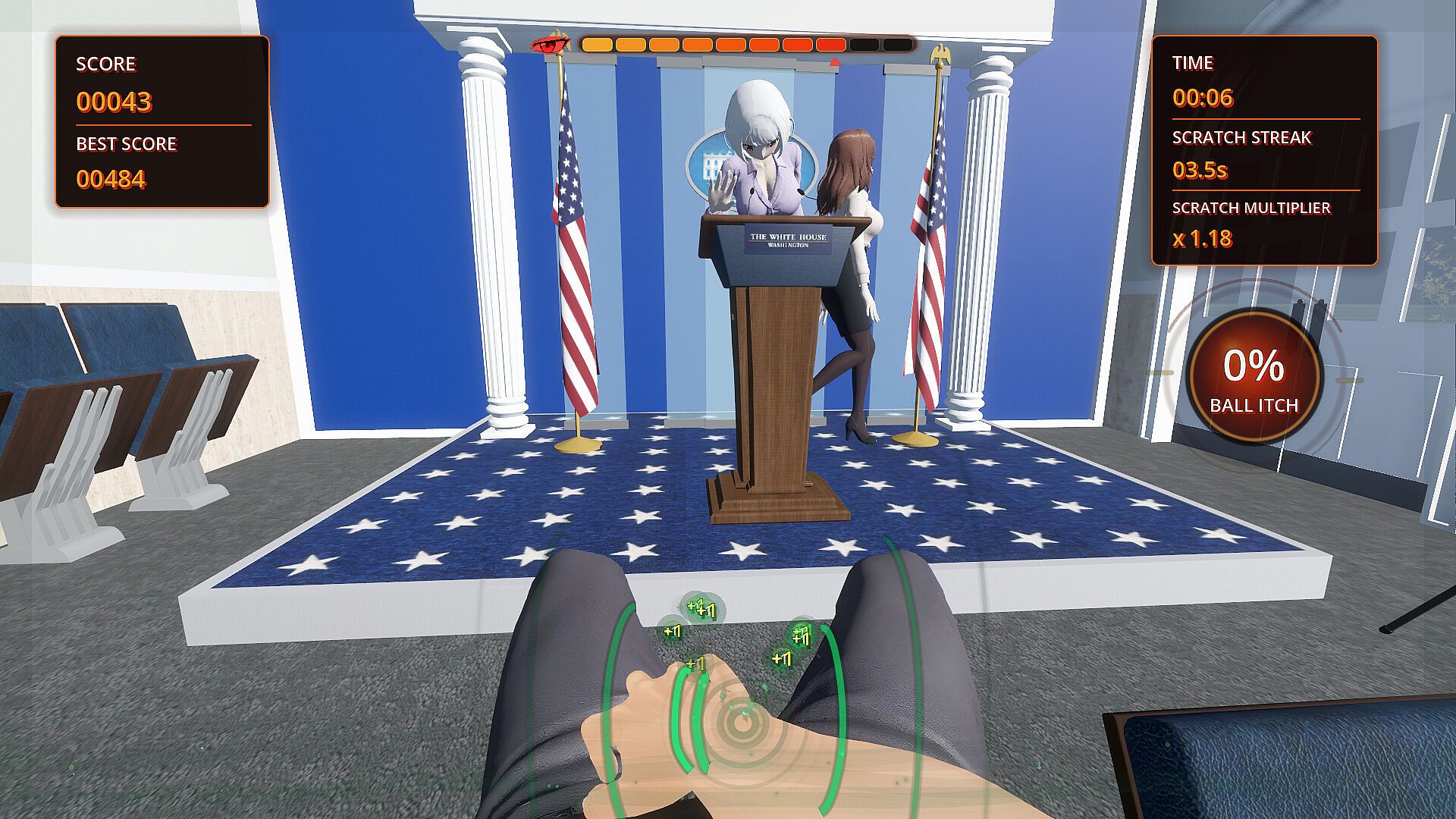
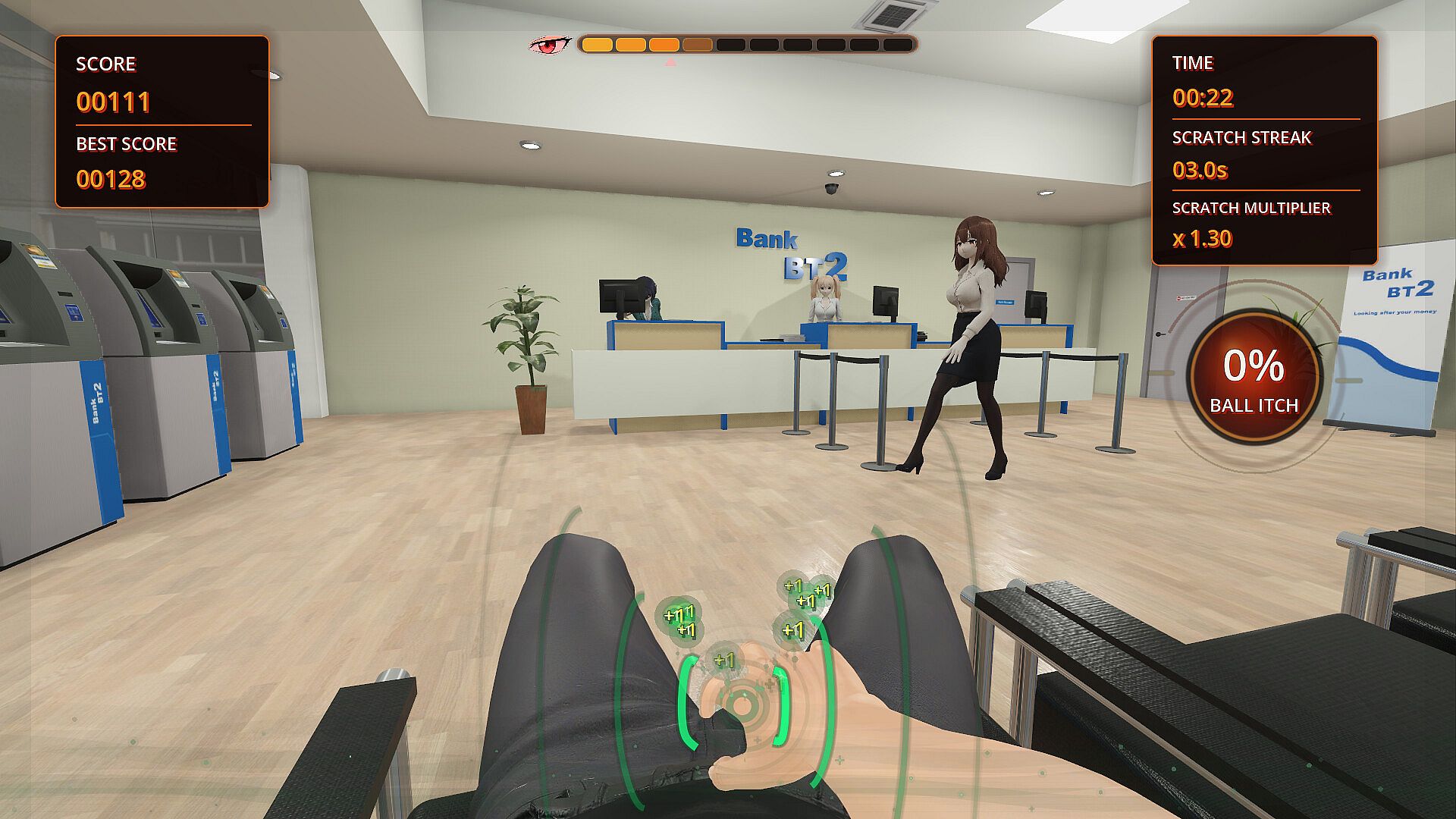
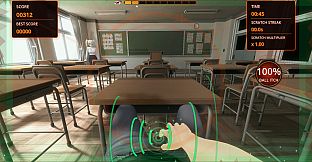
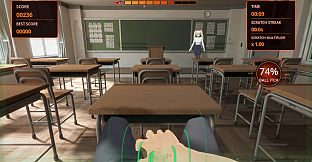
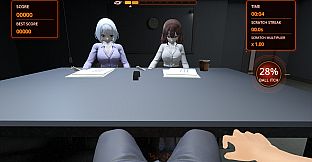
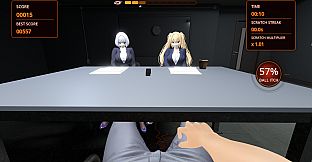
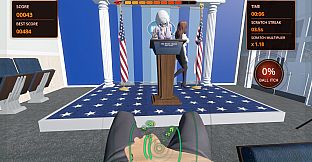
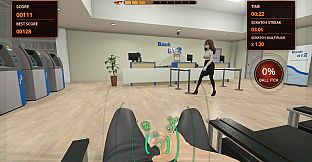
Ball Scratch Simulator stands out as a simulation game built around the tension of managing an insistent itch while surrounded by strangers on PC. Players step into scenarios where discretion becomes the central challenge, balancing the urge to scratch against the risk of drawing unwanted attention. The experience emphasizes timing, observation, and the growing discomfort that comes from prolonged attempts to stay unnoticed.
Gameplay
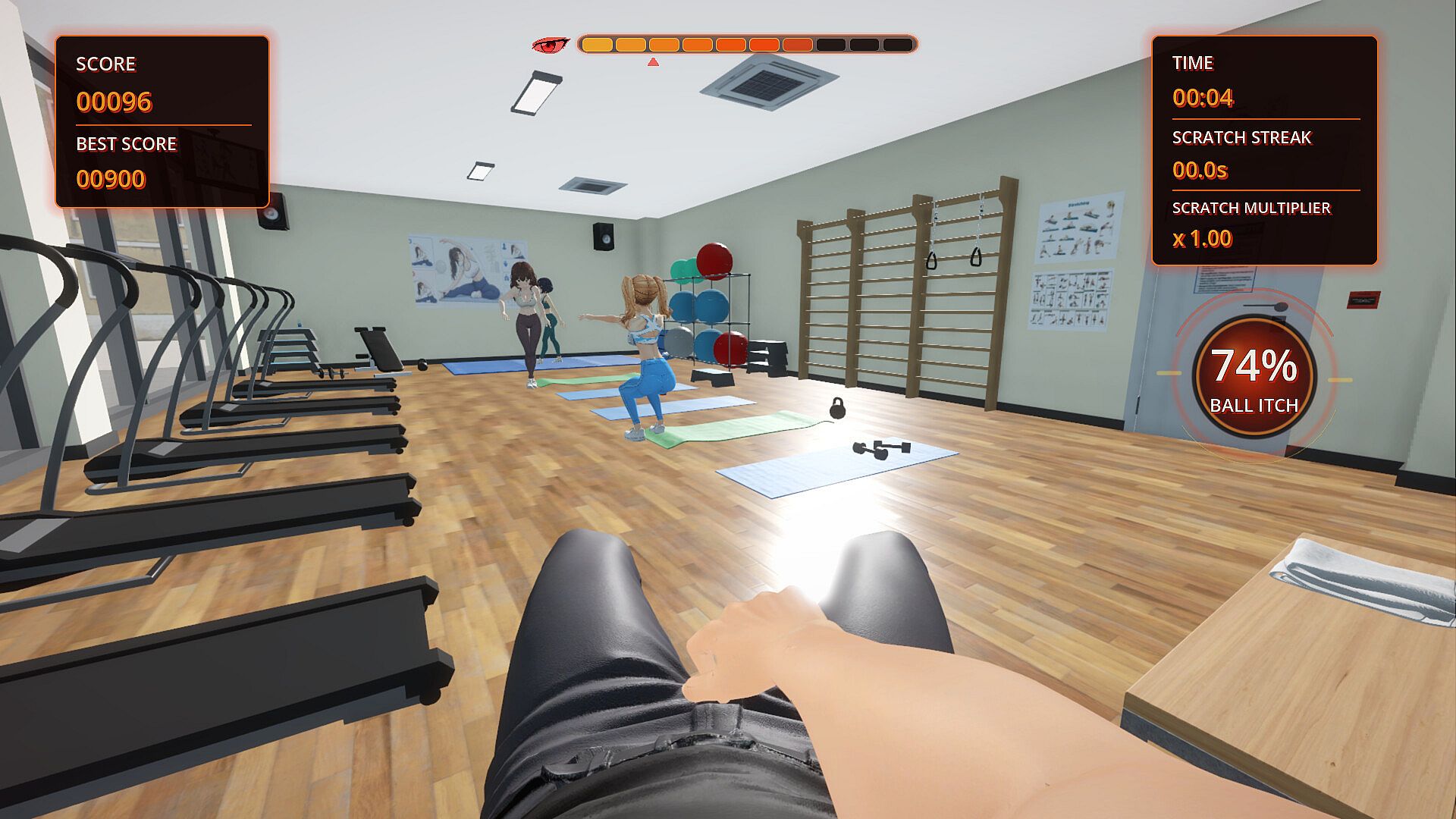
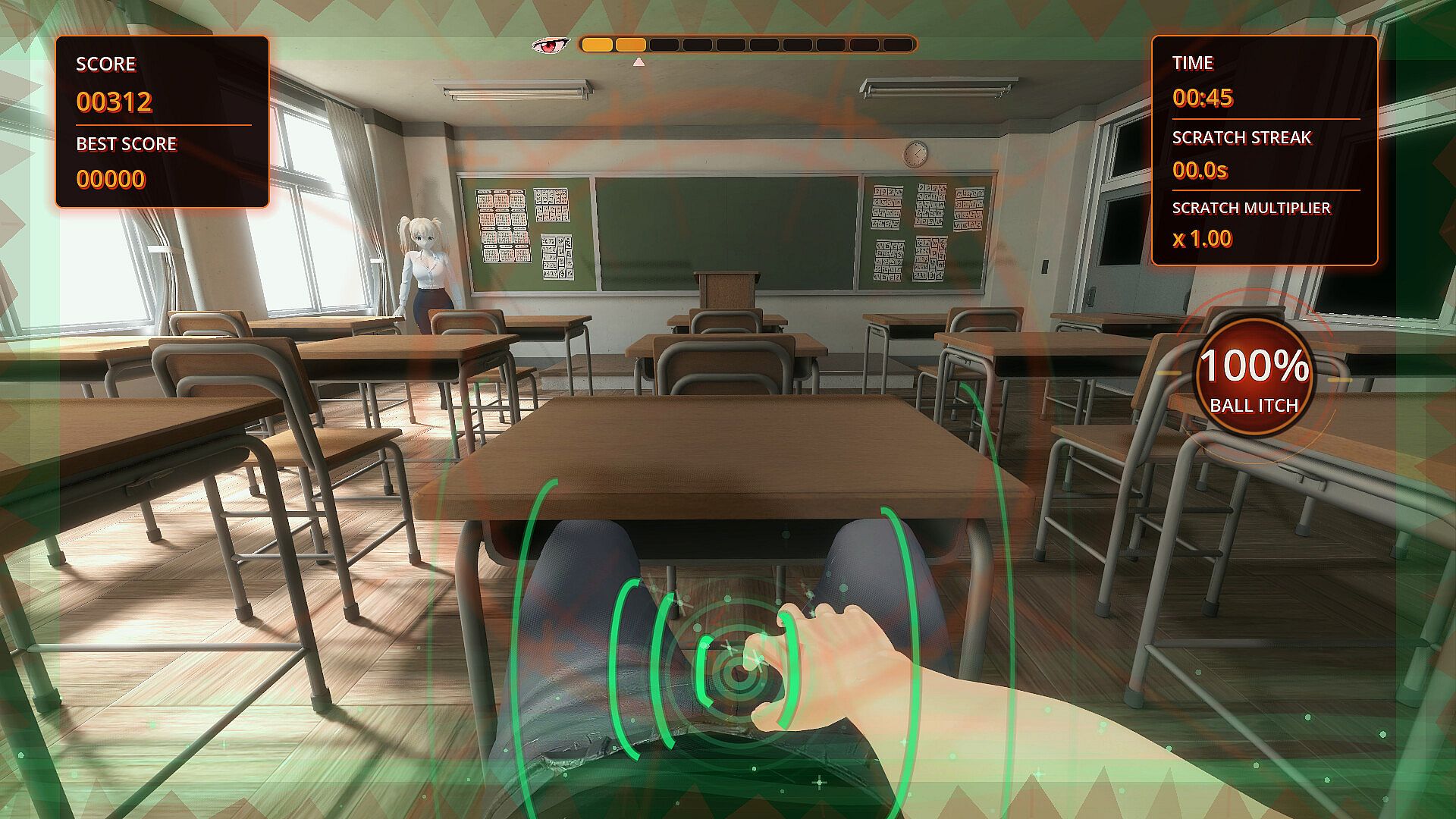
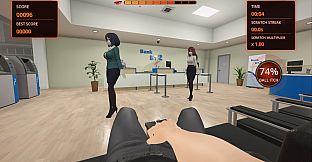
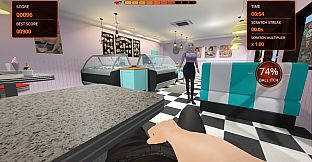
The core loop revolves around scratching for extended periods without detection. Success builds a score that increases with duration, yet longer sessions introduce greater pressure as witnesses move through the environment. The hand model itself adds friction through its delayed, wobbly responses that require careful positioning and steady movement to maintain the illusion of normal behavior. Failure arrives suddenly when a glance lands at the wrong moment, forcing an immediate reset or continuation from the last safe point.
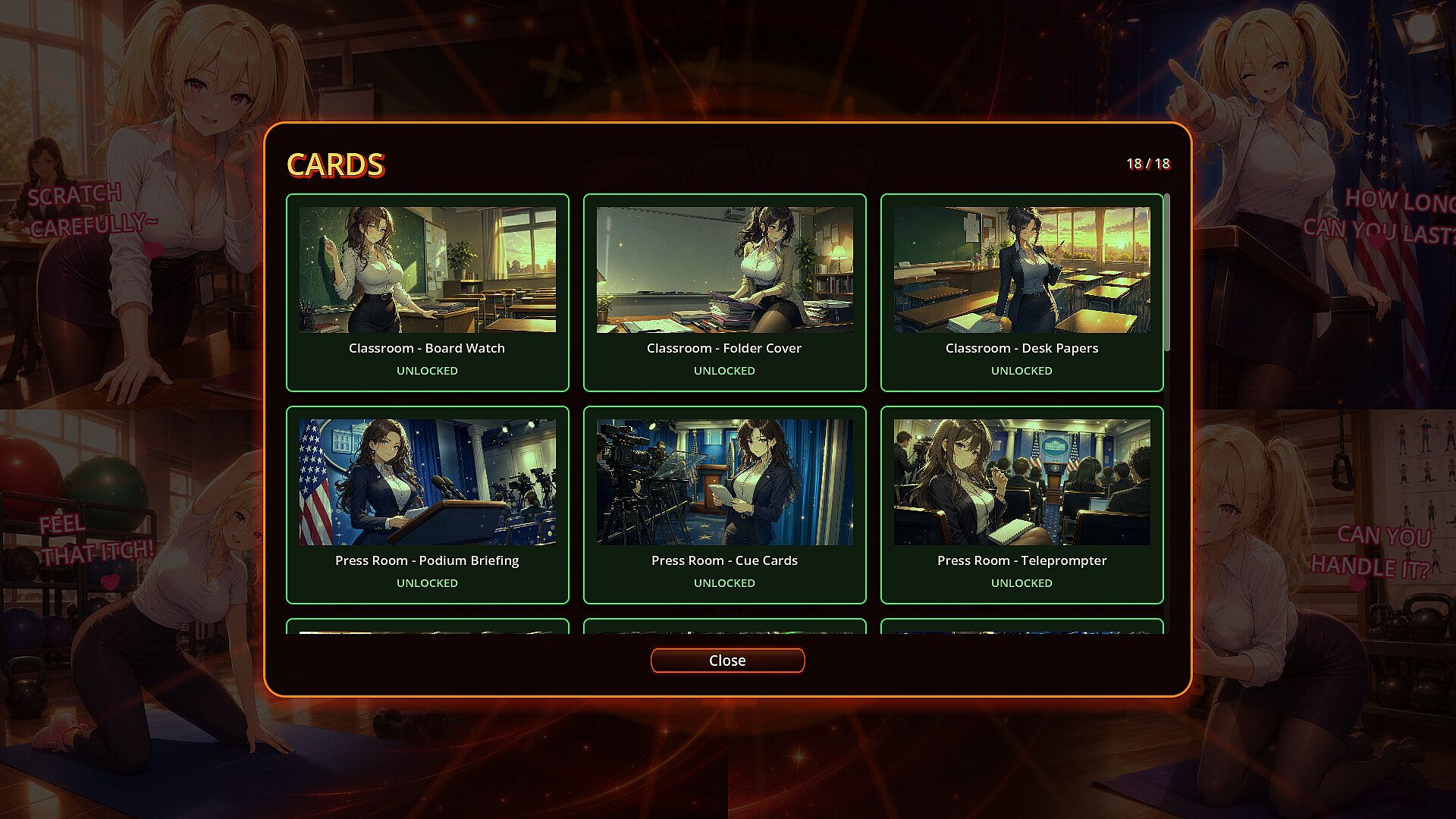
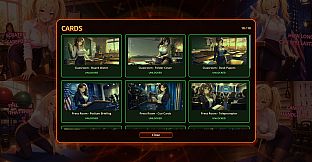
Each attempt demands constant vigilance. Players must read subtle cues from passersby who either continue on their path or pause in ways that heighten the stakes. The awkward physicality of the controls mirrors real hesitation, turning every successful stretch into a small victory of restraint and quick thinking. Rewards appear in the form of collectibles unlocked through repeated risky choices, serving as markers of how far each run progressed before the inevitable exposure.
Game Modes
Play centers on single-player sessions that reward persistence through global high score competition and personal streak tracking. One approach focuses on clean runs that avoid any interruptions, while another encourages pushing further by risking additional scratches during narrowing windows of safety. The optional VR support transforms these efforts into a more immediate test of spatial awareness, where head movement and room scanning become part of the decision process.
These variations emerge naturally from the same underlying systems rather than separate labeled modes. Desktop play emphasizes precise mouse or controller input for hand alignment, whereas VR adds physical turning and closer observation of the surrounding figures. Both paths lead to the same collection of commemorative items that document particularly poor judgment calls made during a session.
Locations and Scenarios
Six distinct public settings form the backbone of the experience, each populated with its own patterns of movement and observation. Witnesses follow routines that players learn to anticipate, creating opportunities for longer scratches in one area while demanding quicker stops in another. The variety ensures that familiarity with one location does not guarantee success elsewhere, as lingering figures or sudden turns introduce fresh variables.
Failure states differ across these zones, ranging from instant recognition to drawn-out moments of mounting suspicion. This structure encourages experimentation with different approaches to the same itch, whether through conservative timing or bolder extensions that test the limits of the hand's reliability.
Is It Worth Playing?
Ball Scratch Simulator delivers a focused simulation that appeals to players drawn to short, repeatable challenges built on precise timing and humorous tension. Its single-player format and optional VR layer provide clear entry points for those comfortable with awkward mechanics and score-driven repetition. With no user reviews available ahead of its August 13, 2026 release, the game stands on its described systems of hand control, witness avoidance, and collectible progression.
Those who enjoy simulation titles centered on everyday discomfort amplified to absurd levels will find the core loop engaging through its emphasis on observation and restraint. The absence of multiplayer elements keeps the focus squarely on personal mastery and the satisfaction of extending a run just a little further before the next reset. Availability on PC with Steam achievements and cloud support rounds out a package suited to quick sessions or longer attempts at leaderboard placement.