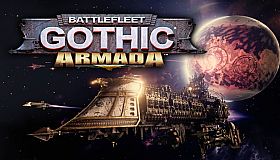

























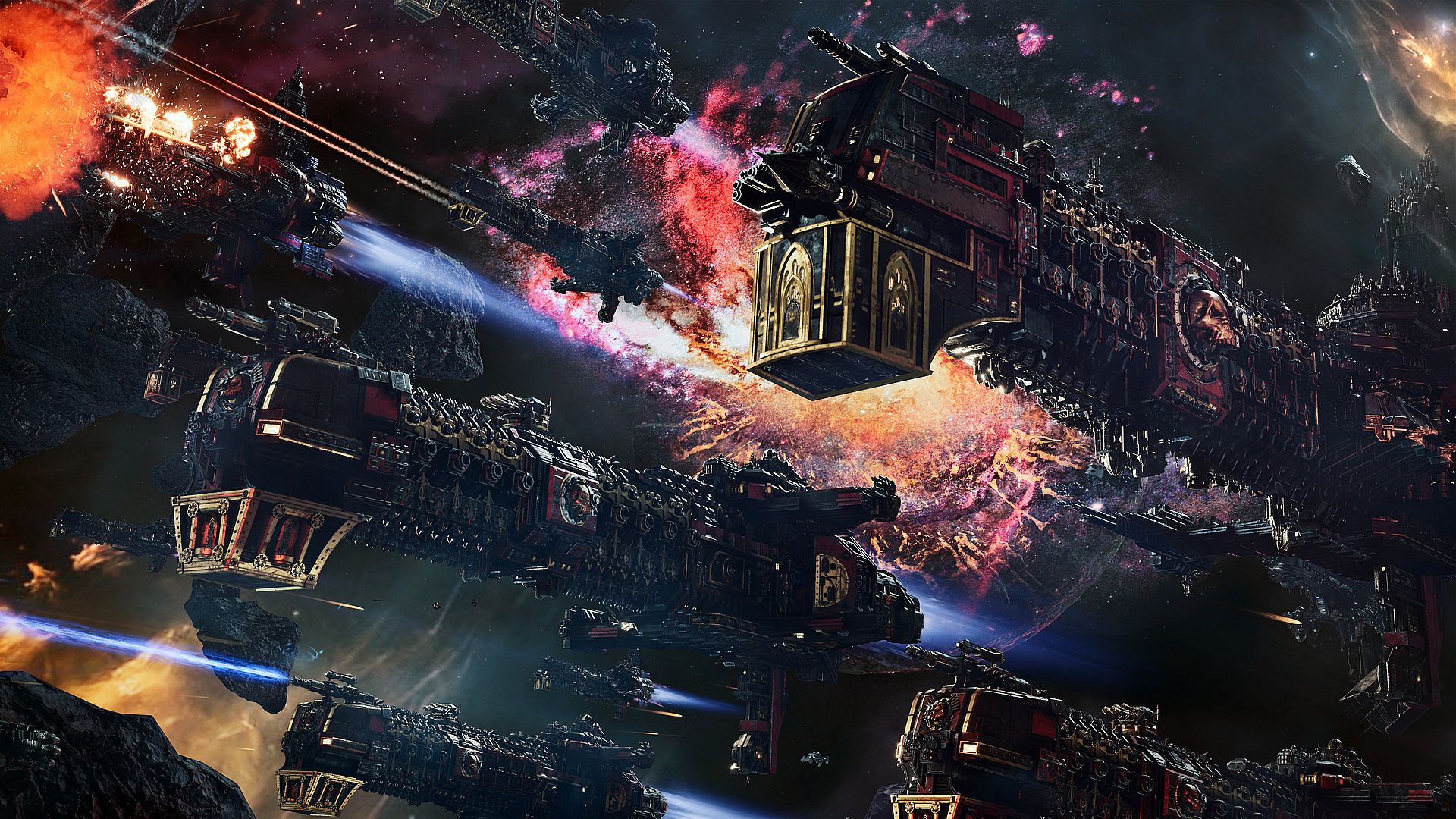
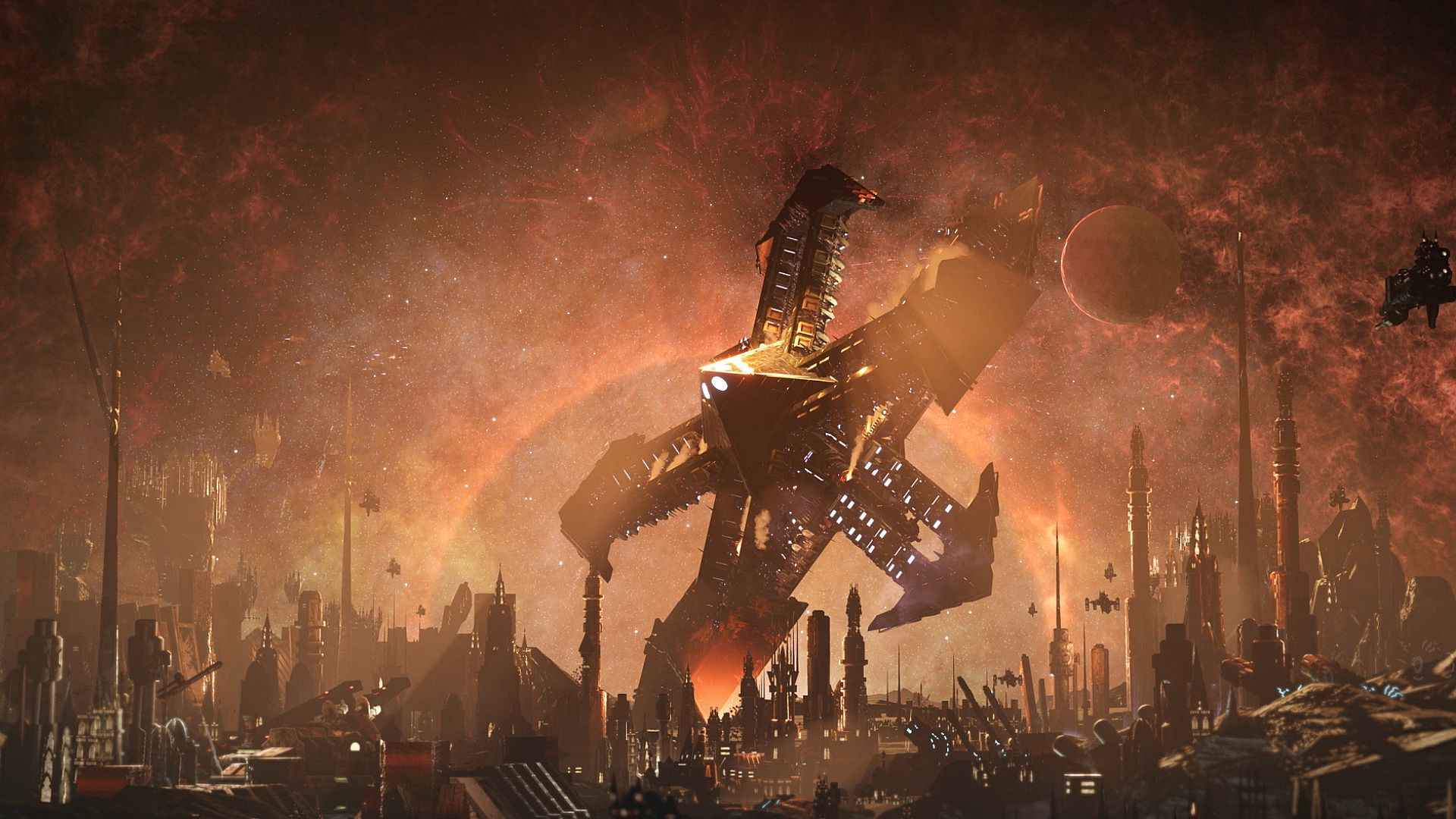
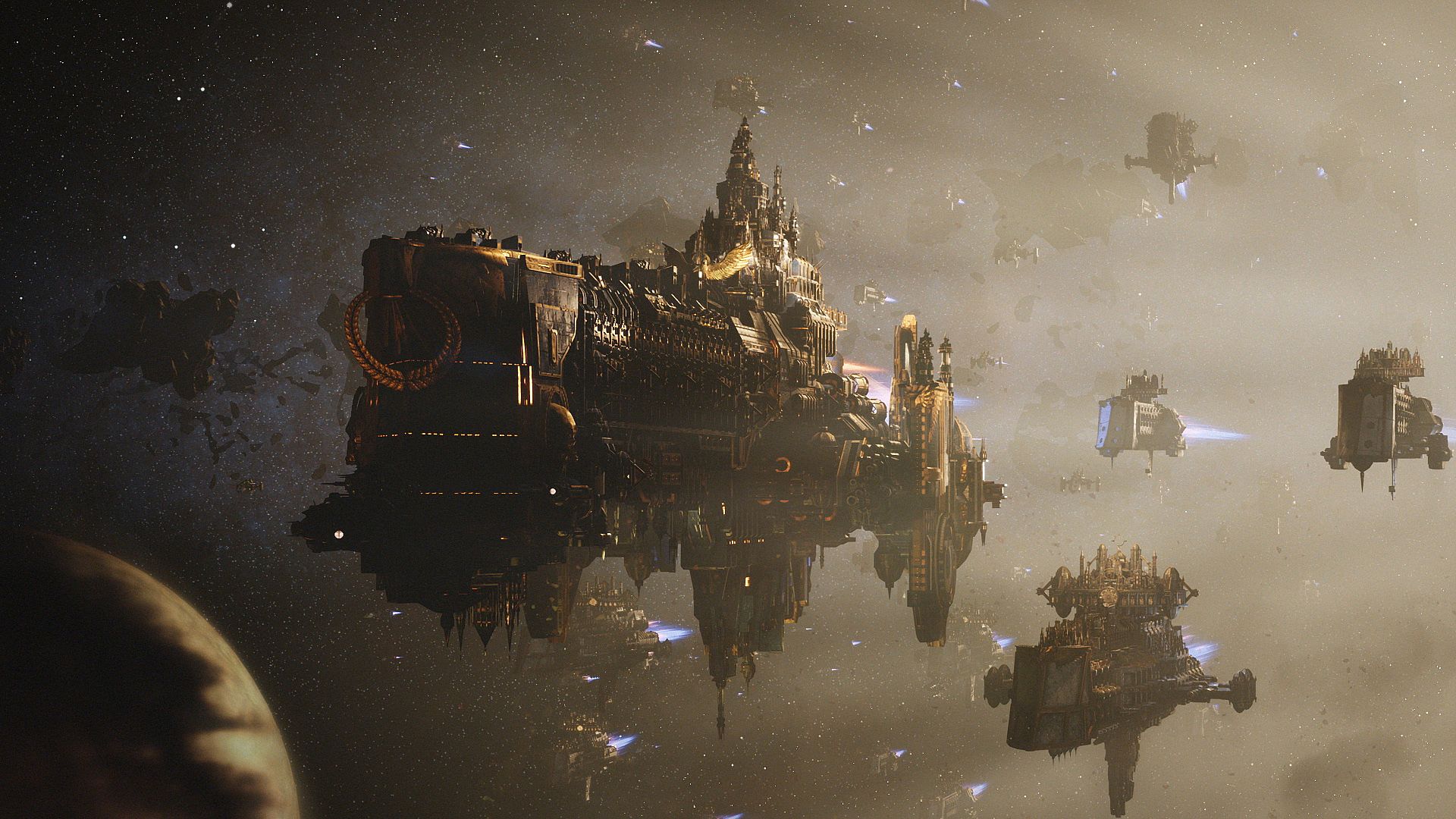
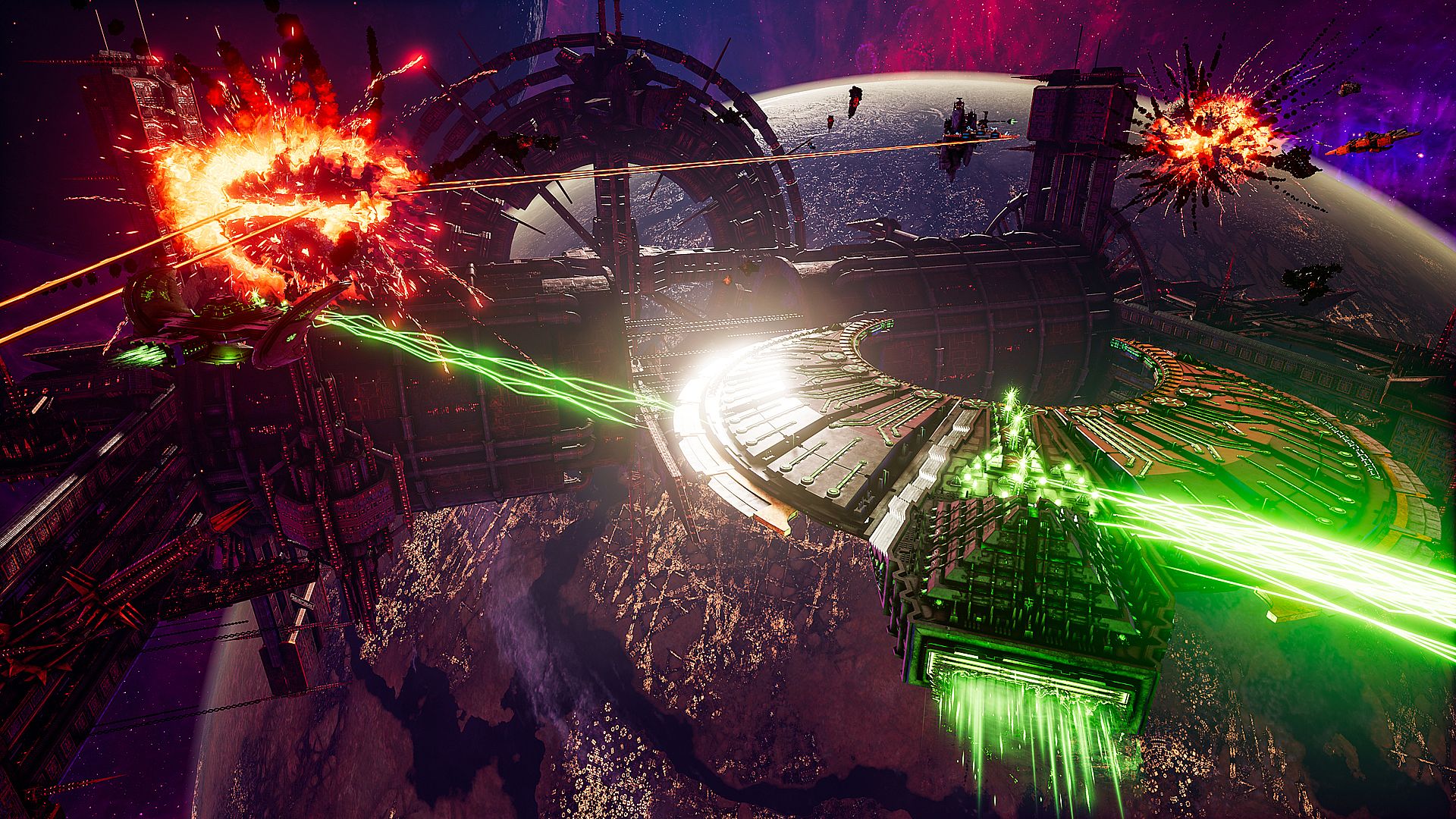
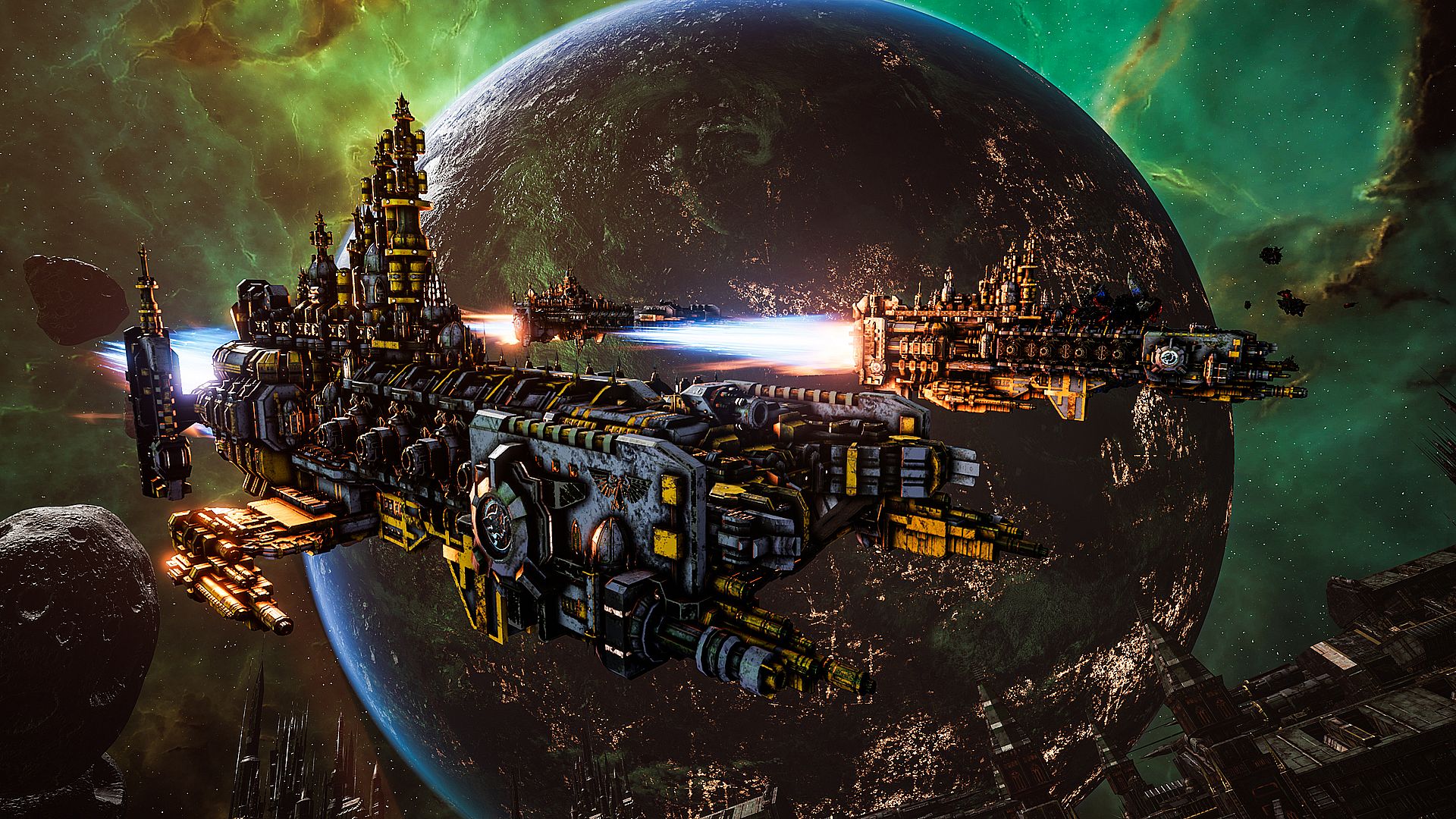
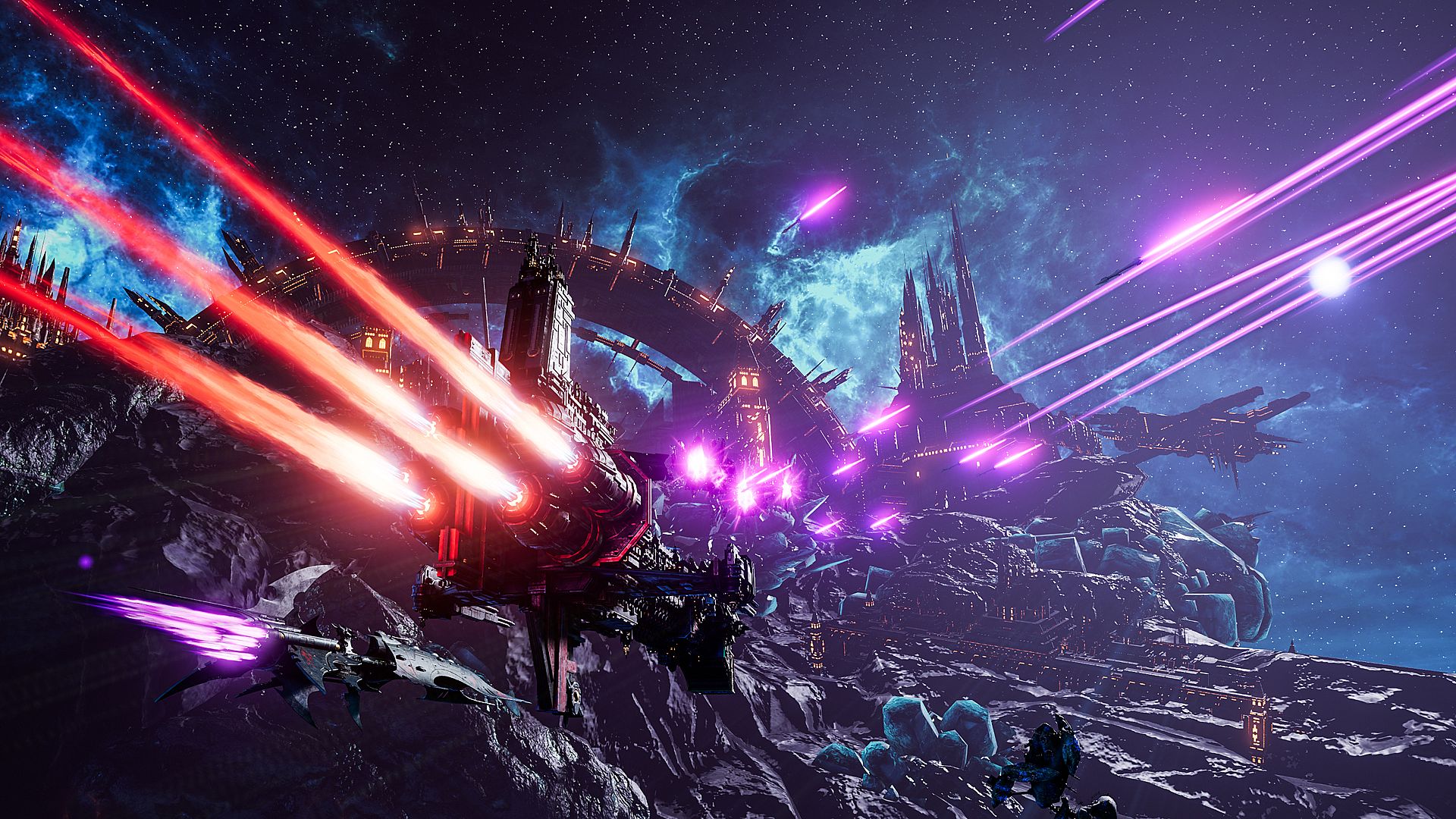
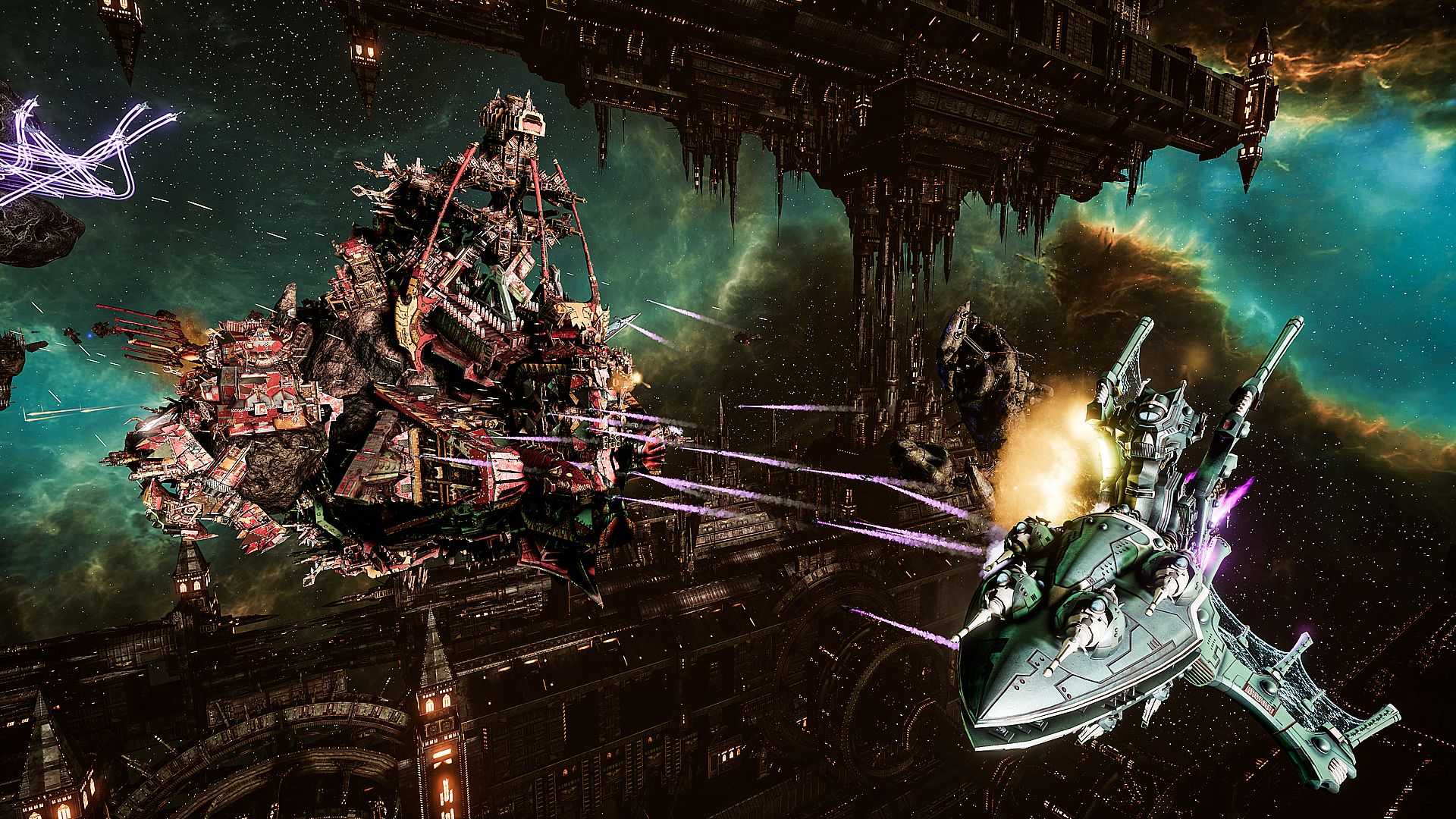
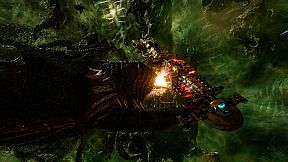
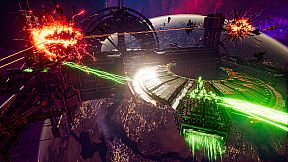
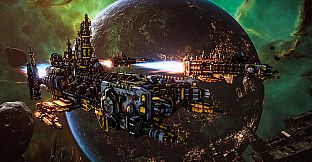
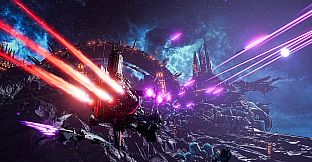
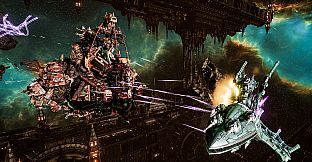
Battlefleet Gothic: Armada 2 is a real-time strategy game that places players in command of massive fleets during space combat in the Warhammer 40,000 setting. The title expands on its predecessor with larger engagements, more factions, and a focus on naval tactics drawn directly from the source tabletop rules.
Gameplay
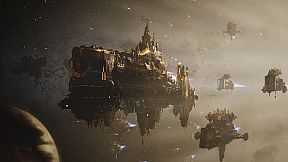
Combat unfolds in real time with direct control over individual ships and squadrons. Each vessel belongs to a specific class that determines its role, armament, and vulnerabilities, requiring commanders to position forces carefully to exploit enemy weaknesses while protecting their own lines. Ship customization allows adjustments to weapons, defenses, and support systems before battles begin, which influences how fleets perform across different engagements.
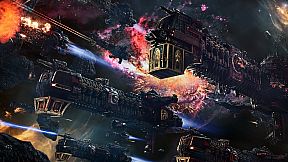
Campaign play introduces additional layers of management. Fleets must endure sequences of missions, so decisions about repairs, reinforcements, and resource allocation carry forward and shape later encounters. This contrasts with quicker standalone battles where aggressive maneuvers carry less long-term risk. The core loop centers on maneuvering capital ships, coordinating broadsides and boarding actions, and responding to the unique abilities of opposing factions during fleet engagements.
Game Modes
Three separate campaigns form the main single-player experience, each tied to a different faction and set against the backdrop of the 13th Black Crusade. These campaigns feature map-based progression with branching objectives and narrative events that unfold across multiple systems in the Eye of Terror region.
Custom battle mode supports flexible skirmishes where players assemble fleets and face off against chosen opponents on preset maps. Multiplayer options include ranked matches and more open formats, with support for 1v1 and 2v2 formats that emphasize fleet composition and tactical coordination. Cross-platform functionality connects participants across different storefronts for these online sessions.
Factions and Customization
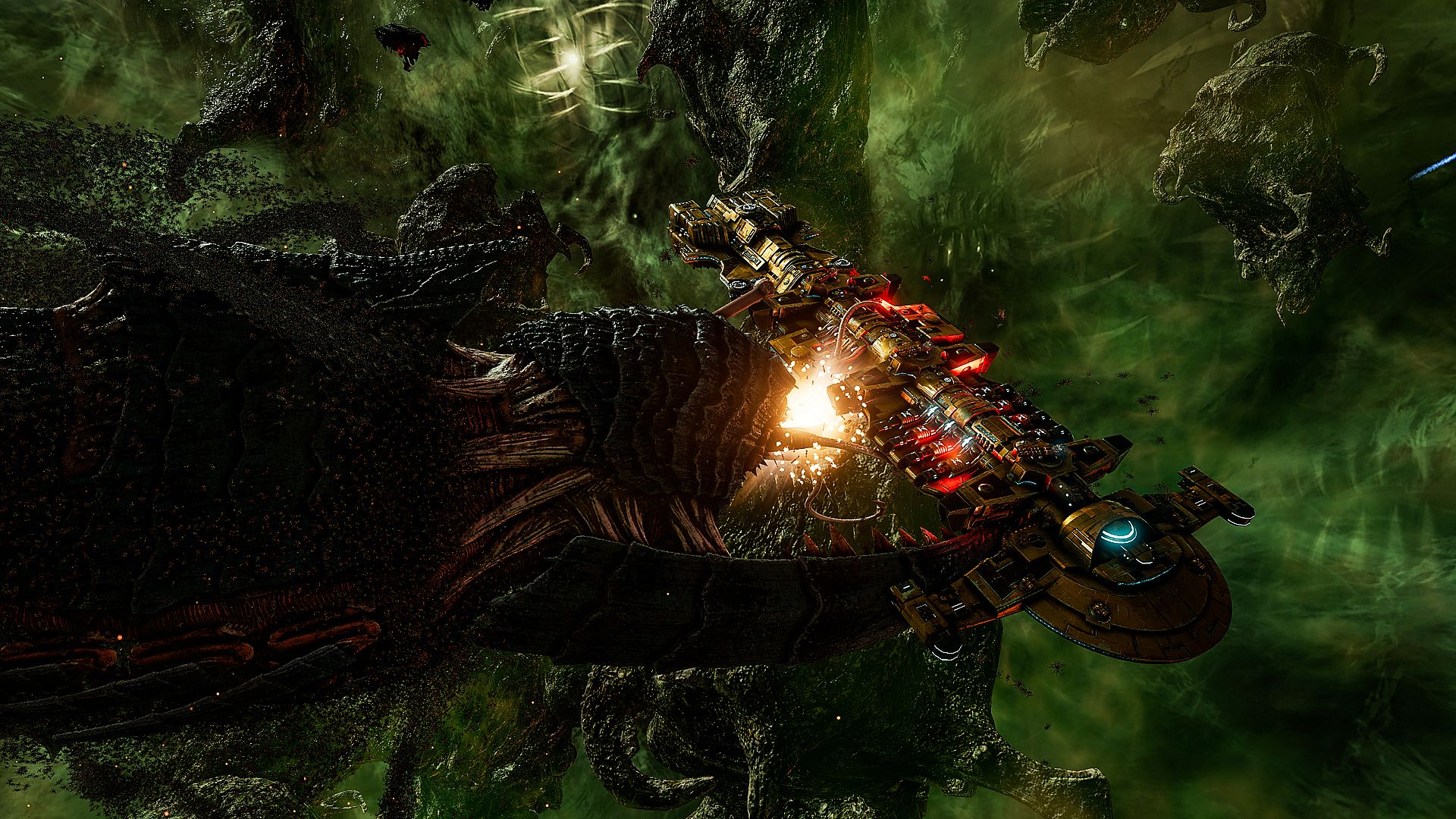
All twelve factions from the tabletop game appear at launch, each with distinct ship designs and playstyles. The Imperial Navy emphasizes disciplined formations and heavy firepower, while the Tyranids rely on swarm tactics and boarding swarms. Necron fleets feature durable vessels with regenerative capabilities, and the Orks favor ramshackle but aggressive boarding and close-range assaults. Aeldari forces bring speed and precision strikes, Drukhari add raiding elements, and the T'au fleets incorporate ranged firepower with supporting drones.
Customization extends beyond individual ships to fleet composition and doctrine choices. These options allow tailoring forces to preferred strategies, whether focusing on long-range artillery duels or aggressive boarding actions. The variety ensures that matches against different opponents demand adaptation rather than a single dominant approach.
Is It Worth Playing?
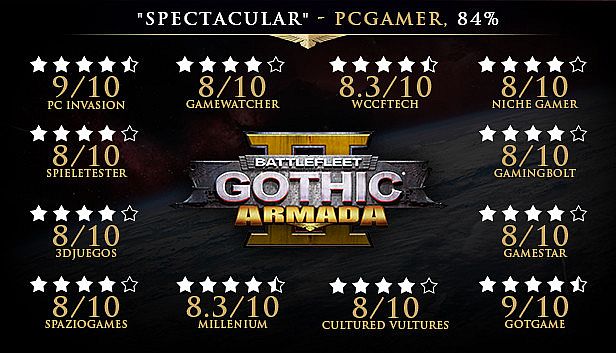
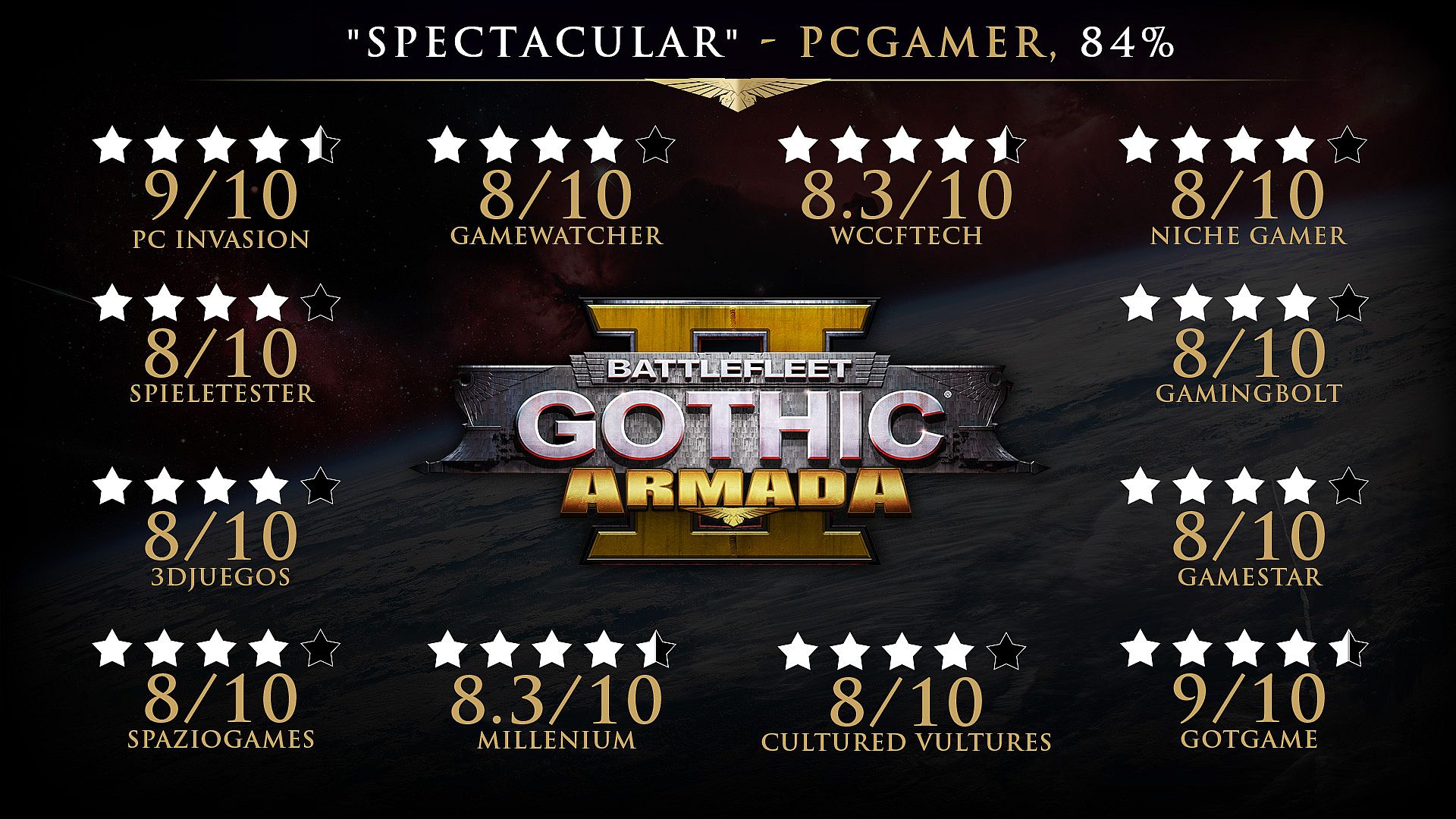
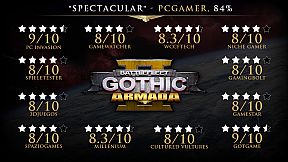
The game delivers substantial single-player content through its three core campaigns, each offering dozens of hours of fleet command across varied missions and strategic layers. Multiplayer provides ongoing matches with the full roster of twelve factions, supported by ongoing balance adjustments after launch. Reception highlights the depth of the campaigns and the satisfaction of large-scale battles for fans of deliberate, positioning-focused strategy. Those who enjoy managing resources across extended campaigns alongside competitive fleet combat will find the most value, particularly if they appreciate the Warhammer 40,000 aesthetic and naval combat mechanics. The title remains available with its original scope intact, including cross-platform multiplayer support.