


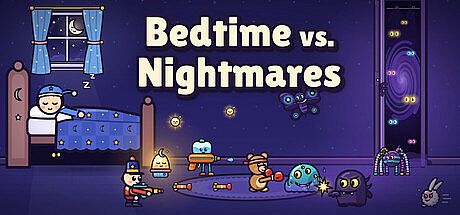


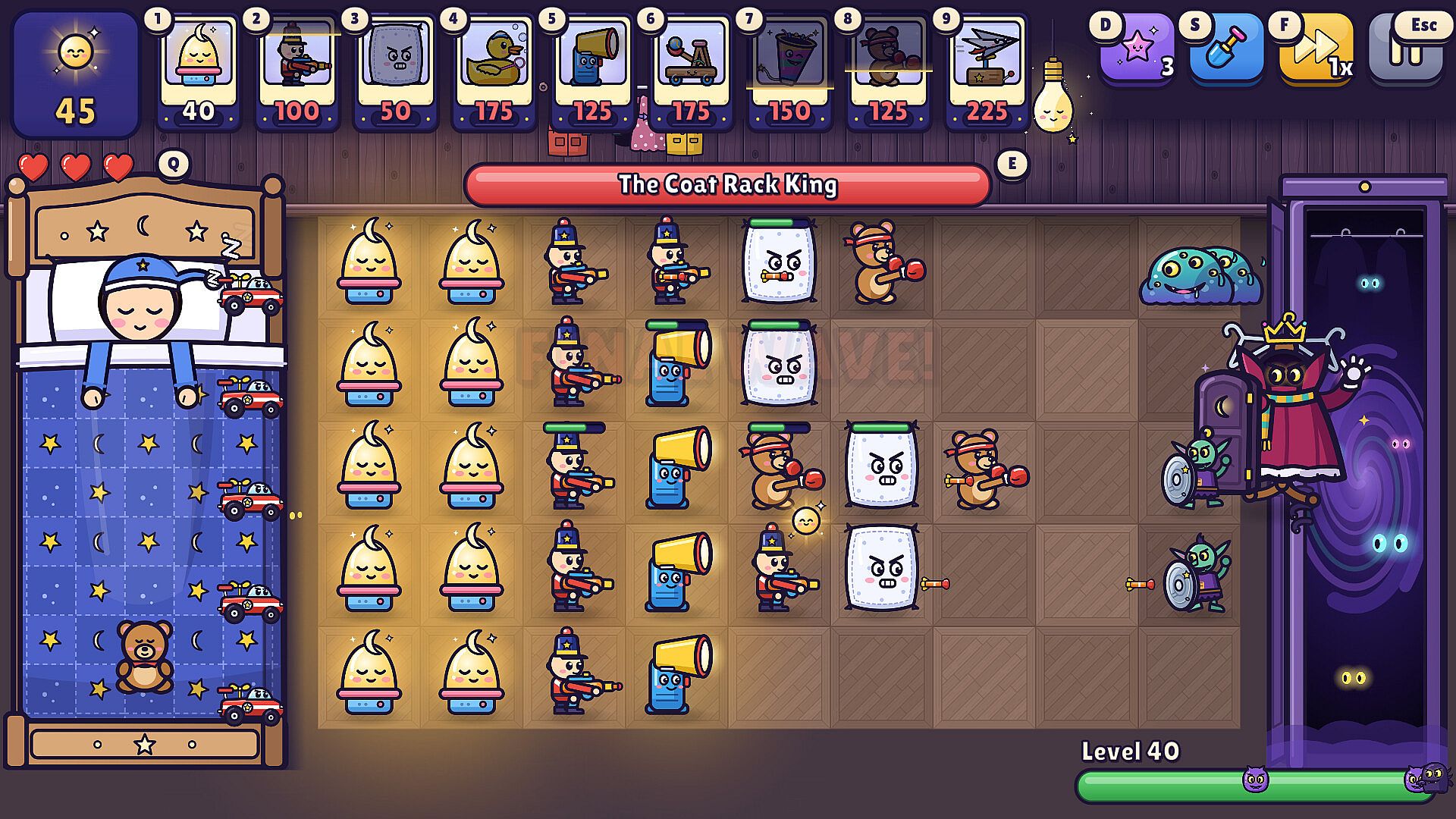
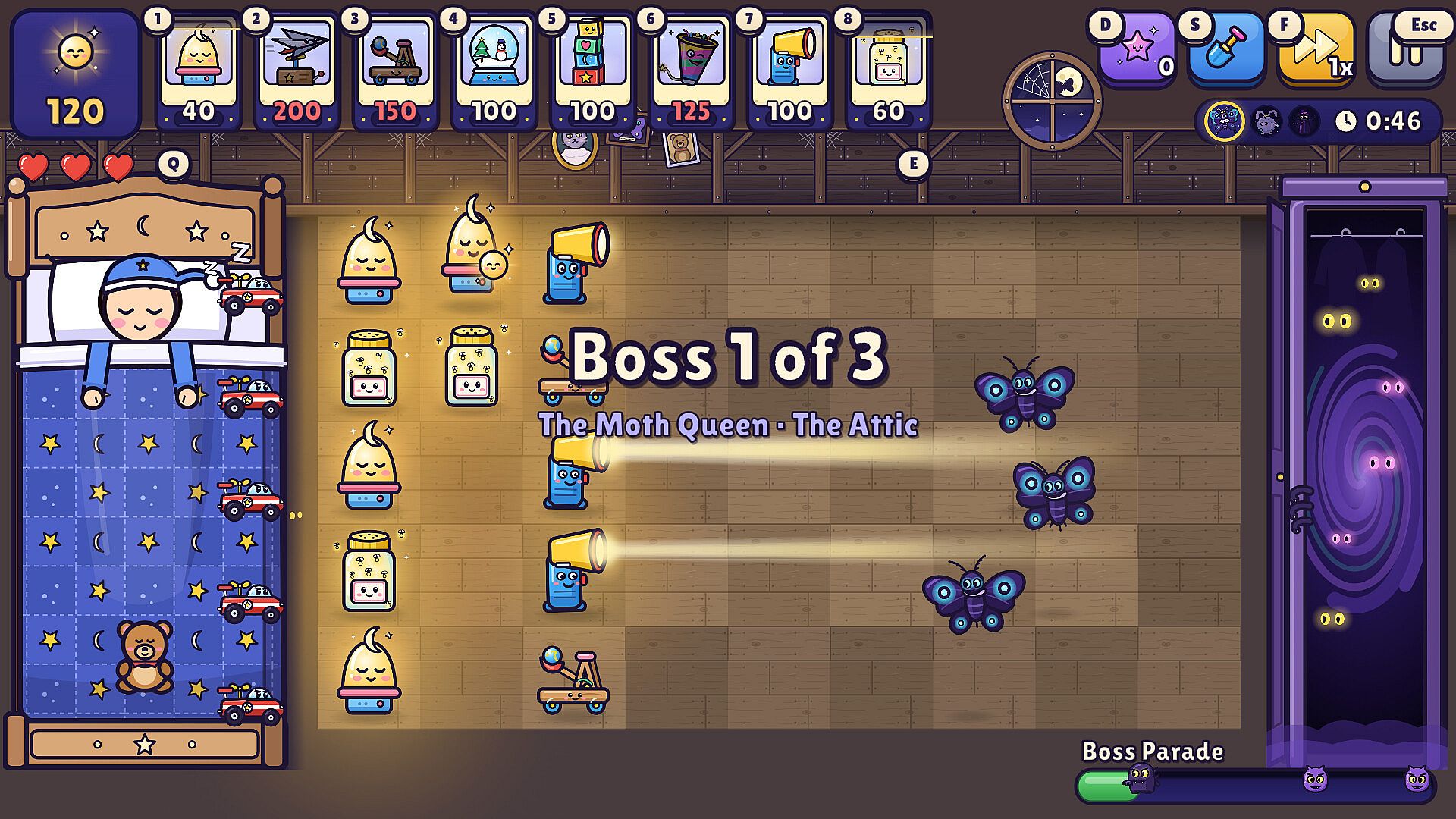
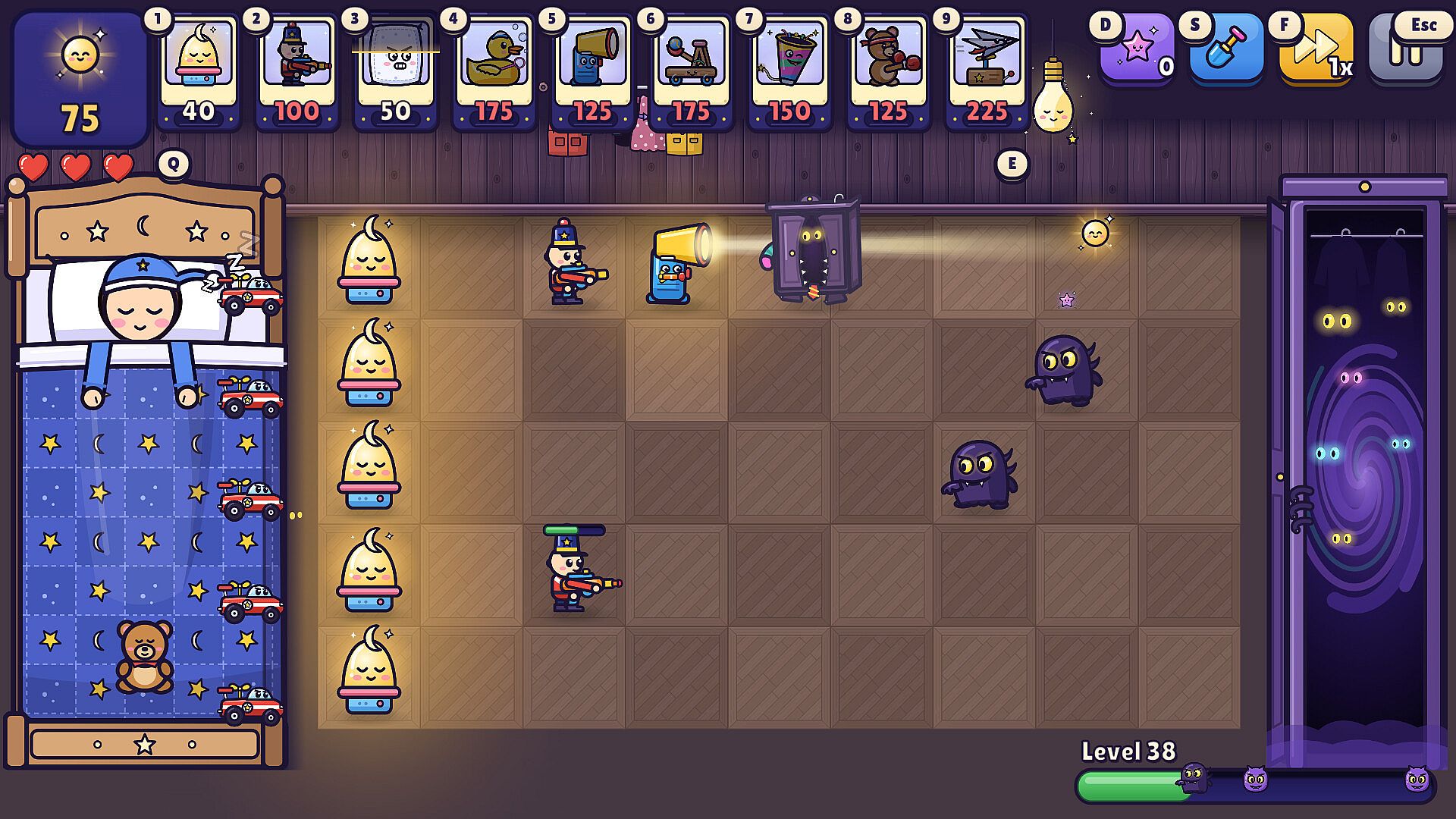
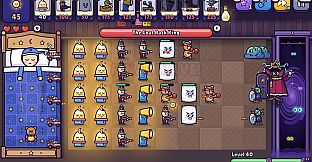
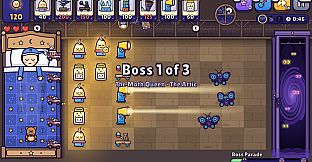
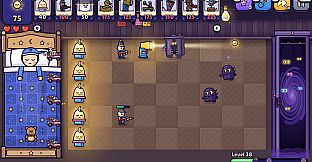
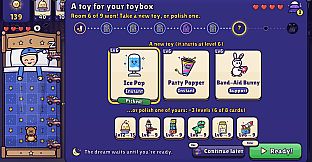
Bedtime vs. Nightmares is a strategy game that blends lane defense mechanics with a whimsical theme of toys protecting a sleeping child from nighttime threats. Players position toys across bedroom floors to block advancing nightmares, collecting Glow from nightlights and moonbeams to fund additional placements and upgrades. The core loop centers on strategic placement of 49 distinct toys, each serving roles such as blasters, brawlers, blockers, floor traps, magnets, or toy trains, against 24 varieties of monsters that include armored, shielded, flying, jumping, splitting, and shadowy types. Light plays a key role, as nightlights not only generate resources but also dispel fog and weaken certain enemies that resist damage in darkness. Three hits on the bed end the night, requiring careful management of defenses across multiple lanes.
Gameplay
The single-player experience unfolds through a storybook campaign spanning 240 nights across 12 rooms in a dreaming house. These rooms range from the starting Bedroom and Closet to more distant areas like the Midnight Kitchen, Dreamland's Edge, and the Nightmare Realm. A new toy unlocks every few nights, building toward full access to the entire collection in the final world. Each world concludes with a boss encounter, adding variety to the defensive challenges. Hard Mode unlocks for completed nights, introducing tougher enemy waves and bosses that activate earlier with reduced health thresholds. A coach system provides targeted tips for repeated failures on specific nights.
Visual customization lets players design the child in the bed with options for skin tone, hair, pajamas, headwear like a nightcap or durag, and a name. Earned cosmetic looks for toys, race cars, and Glow effects serve purely aesthetic purposes without affecting gameplay balance. The game runs on PC with support for mouse and keyboard shortcuts, multiple controller types including Xbox, PlayStation, Switch, and Steam Deck layouts, plus display options from 1280x800 up to ultrawide resolutions and Steam Cloud integration.
Game Modes
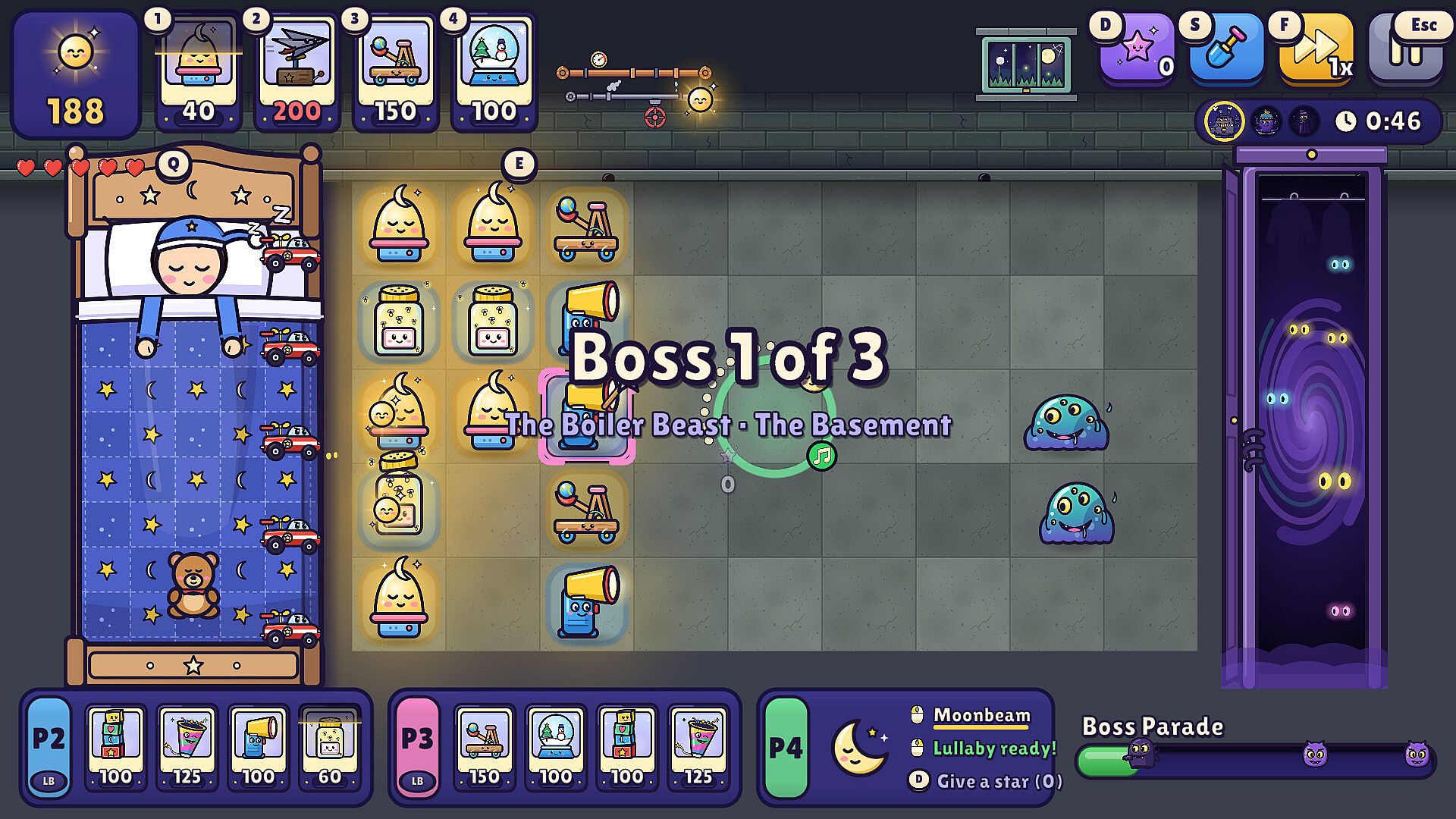
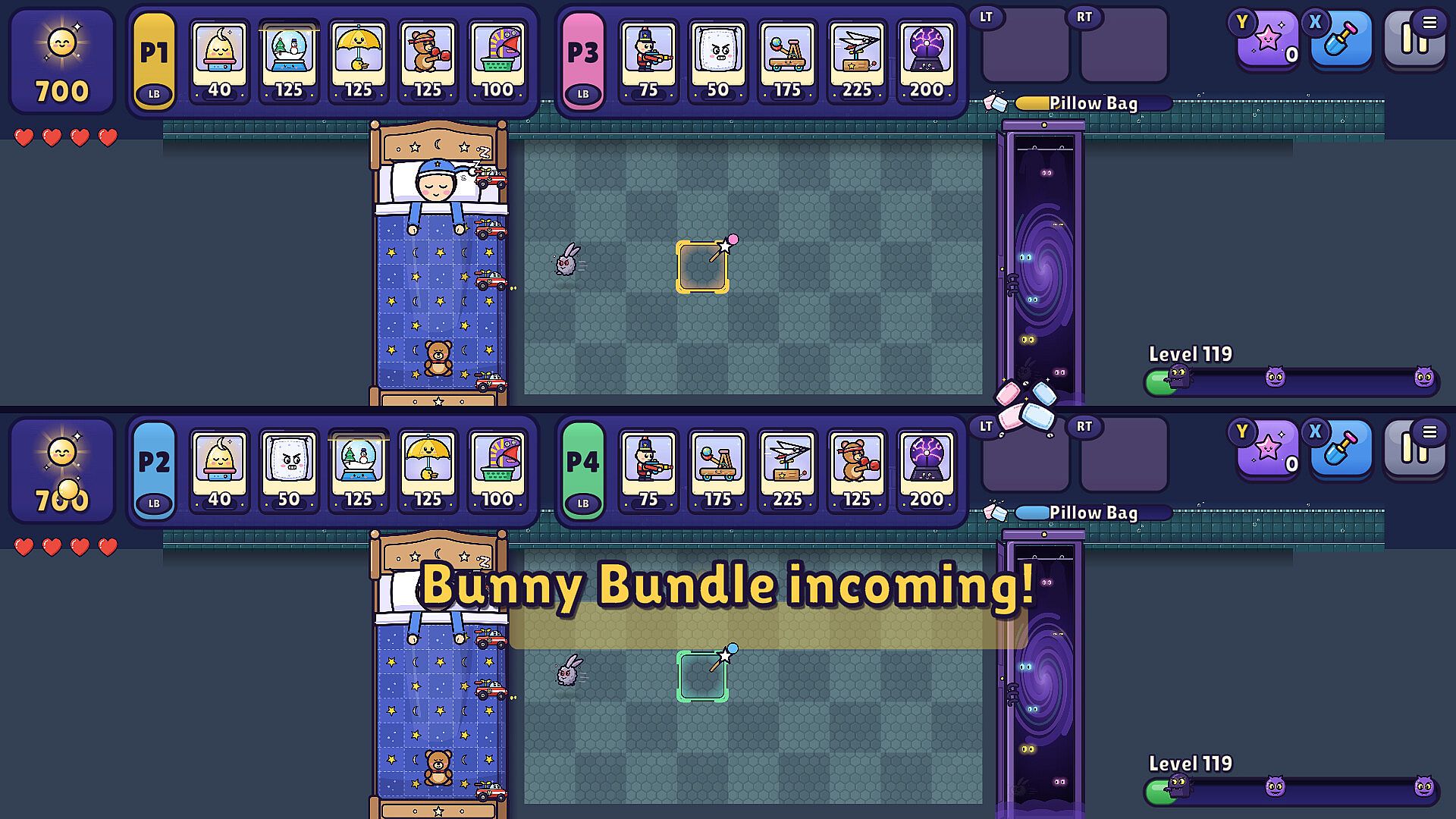
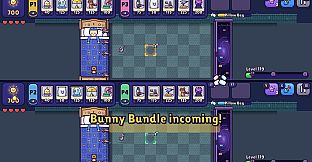
Beyond the main campaign, several modes expand the experience. Sleepover supports 2 to 4 players defending a shared bedroom floor, with each participant controlling their own toys and one optional role as the Moon that gathers Glow, illuminates the space, and slows enemies. Bunk Beds connects two separate rooms sharing a single set of hearts, allowing gifts to be sent between players for assistance. Pillow Fight enables 1v1 or 2v2 competition where stopping nightmares fills prank bags that can be mailed into opponents' lanes. Closet Keeper lets one player control the closet to send monsters toward friends or toward Teddy, the toys' built-in defender.
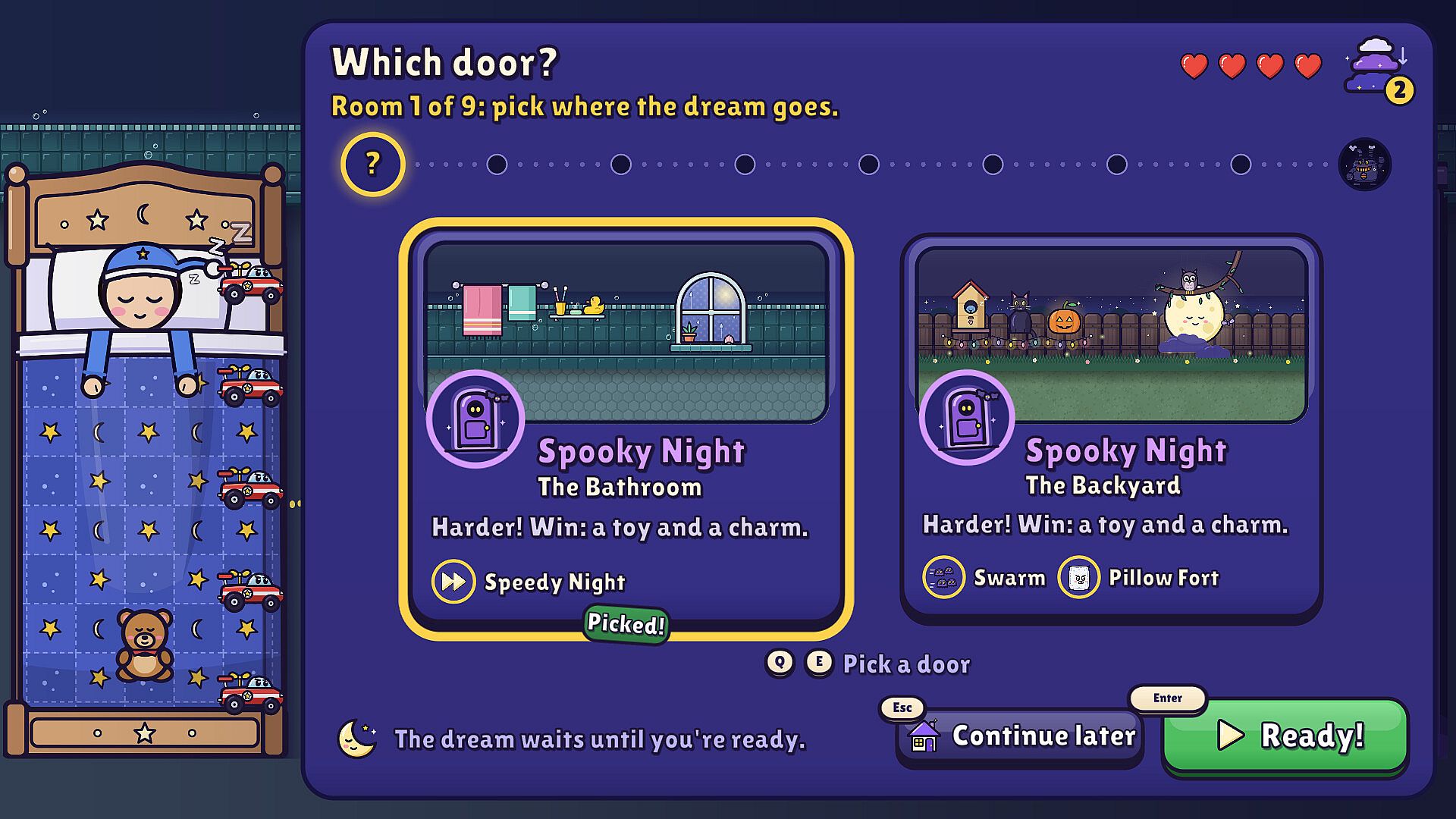
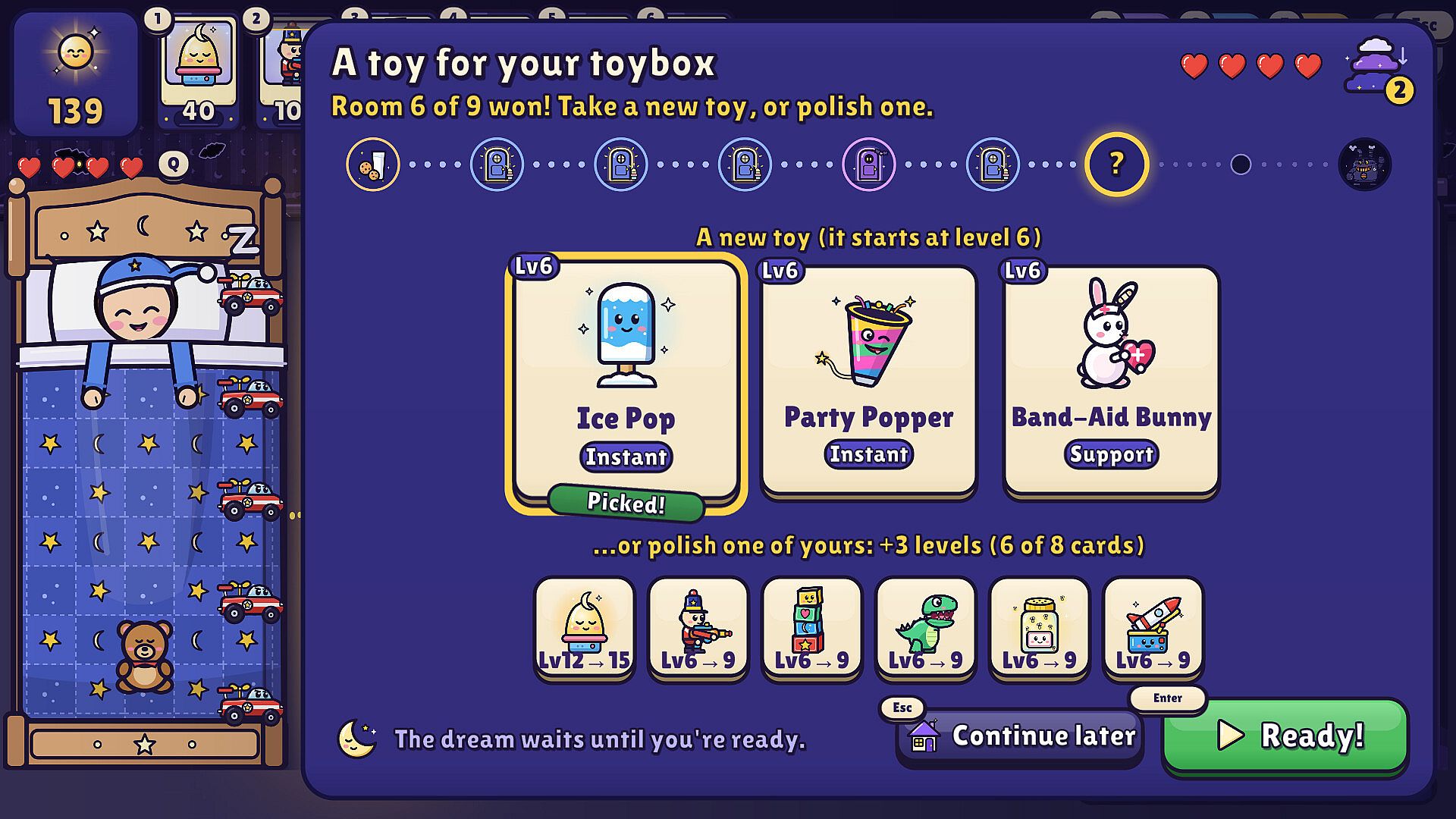
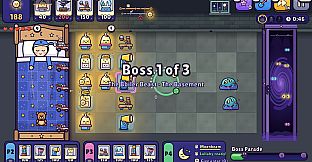
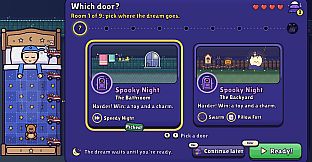
Additional modes include Daily Dream and Weekly Nightmare events that present the same challenge to all players with leaderboards, Endless for testing survival duration on the Longest Night, Sleepwalk for drafting toys and collecting charms while progressing through a dream house, Boss Parade for facing three or all twelve bosses in sequence under time pressure, Nightmare Riddles as 36 puzzles with the player acting as the closet against pre-placed toys, and Custom Night for creating personalized scenarios with chosen rooms, waves, monsters, rules, and toys that can be shared via code. Dream Postcards allow sending completed nights to others for viewing or replay.
Multiplayer and Accessibility
Local play accommodates multiple controllers on one PC along with keyboard and mouse input, featuring split-screen support specifically for Pillow Fight. Online options connect through home networks or Steam friends. The design emphasizes approachability with features like a 2x speed option, quick Glow collection by dragging, a brief undo window for toy placements, and a hearts system that provides multiple chances instead of immediate failure. These elements suit both solo sessions and group play without requiring prior experience in the genre.
Is It Worth Playing?
Bedtime vs. Nightmares delivers a focused strategy experience centered on thoughtful toy placement and resource management in a lighthearted setting. The campaign provides substantial progression through its night-by-night structure and toy unlocks, while the range of modes supports varied playstyles from cooperative defense to competitive versus matches. As a premium title with no ads or microtransactions and all content earned through play, it appeals to players seeking a complete package without ongoing costs. Those who enjoy casual strategy games with defensive mechanics and light co-op or versus elements will find consistent engagement across its single-player depth and social options. The verified mechanics and modes align directly with the game's design priorities, making it a solid choice for fans of the genre on PC.












