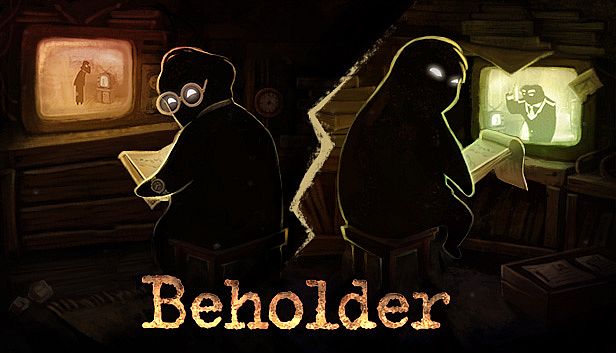



























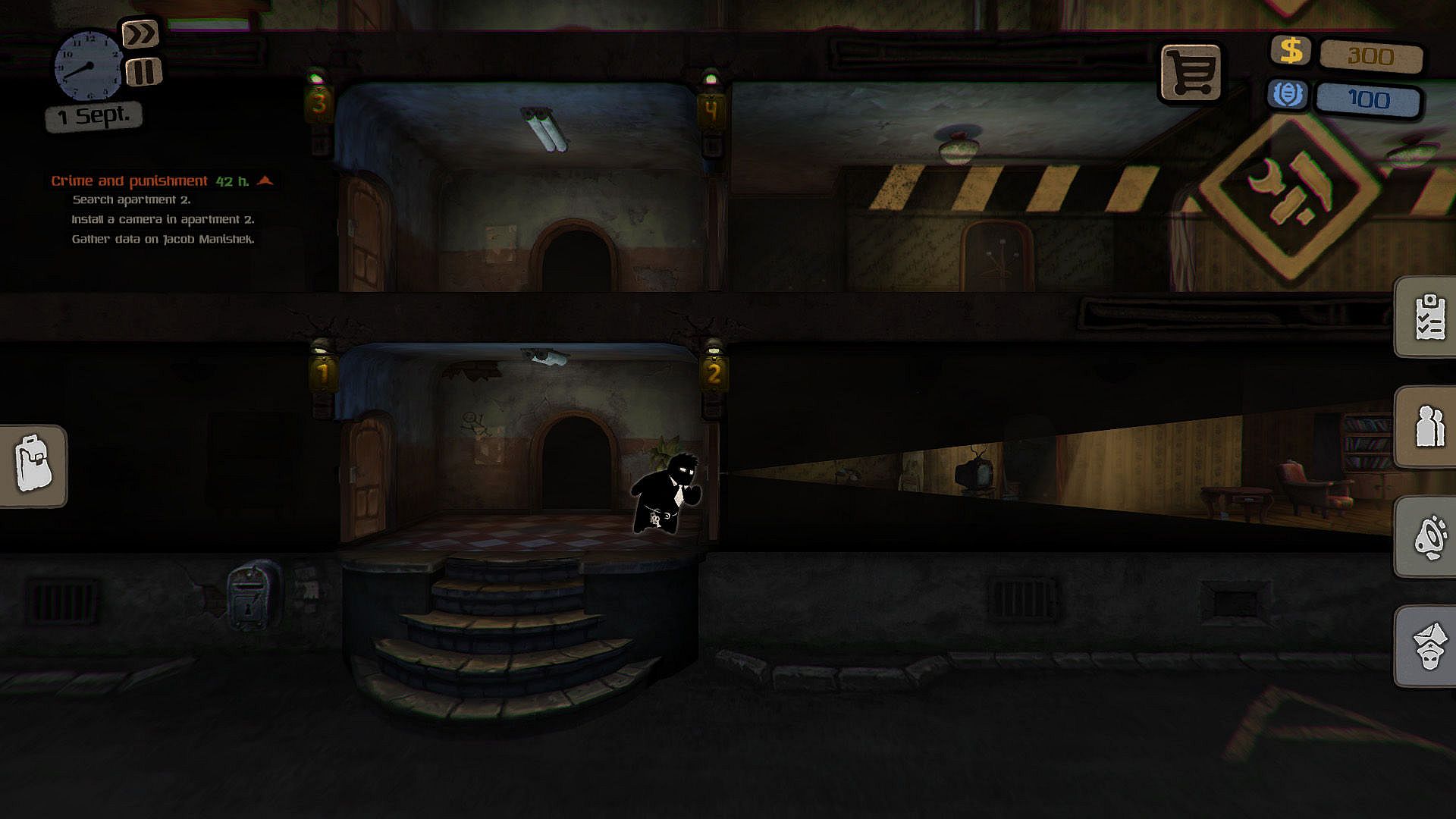
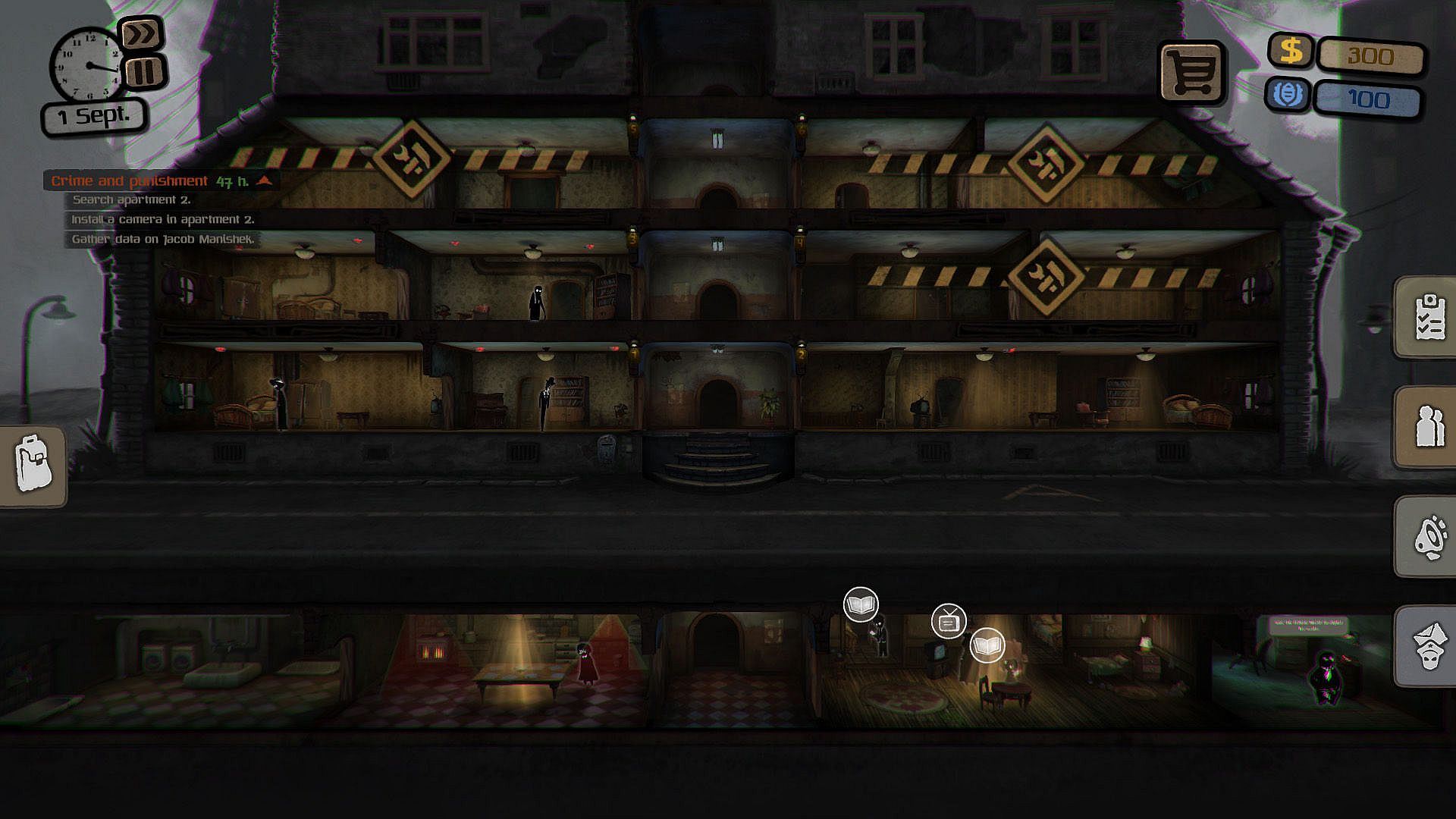
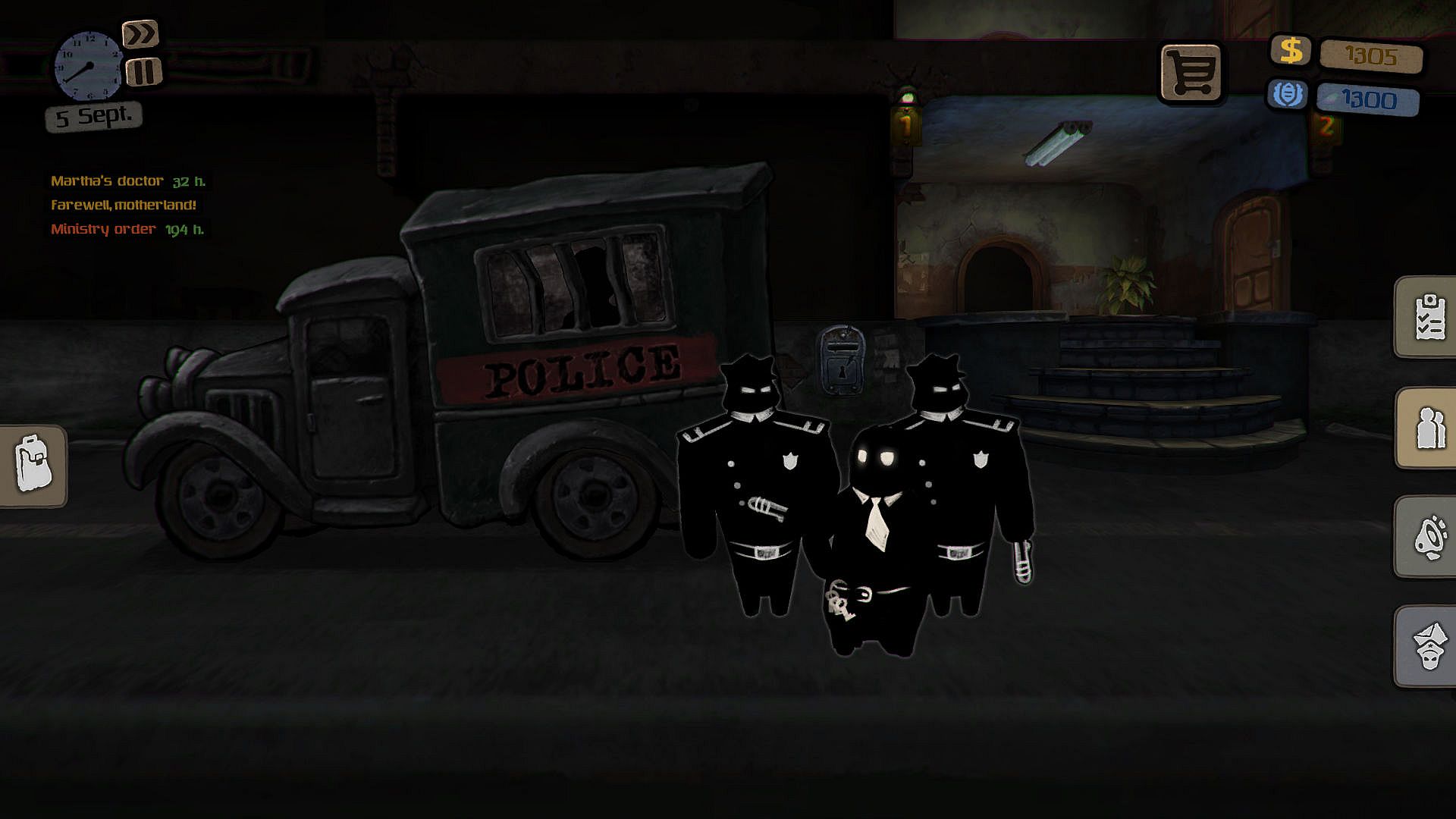
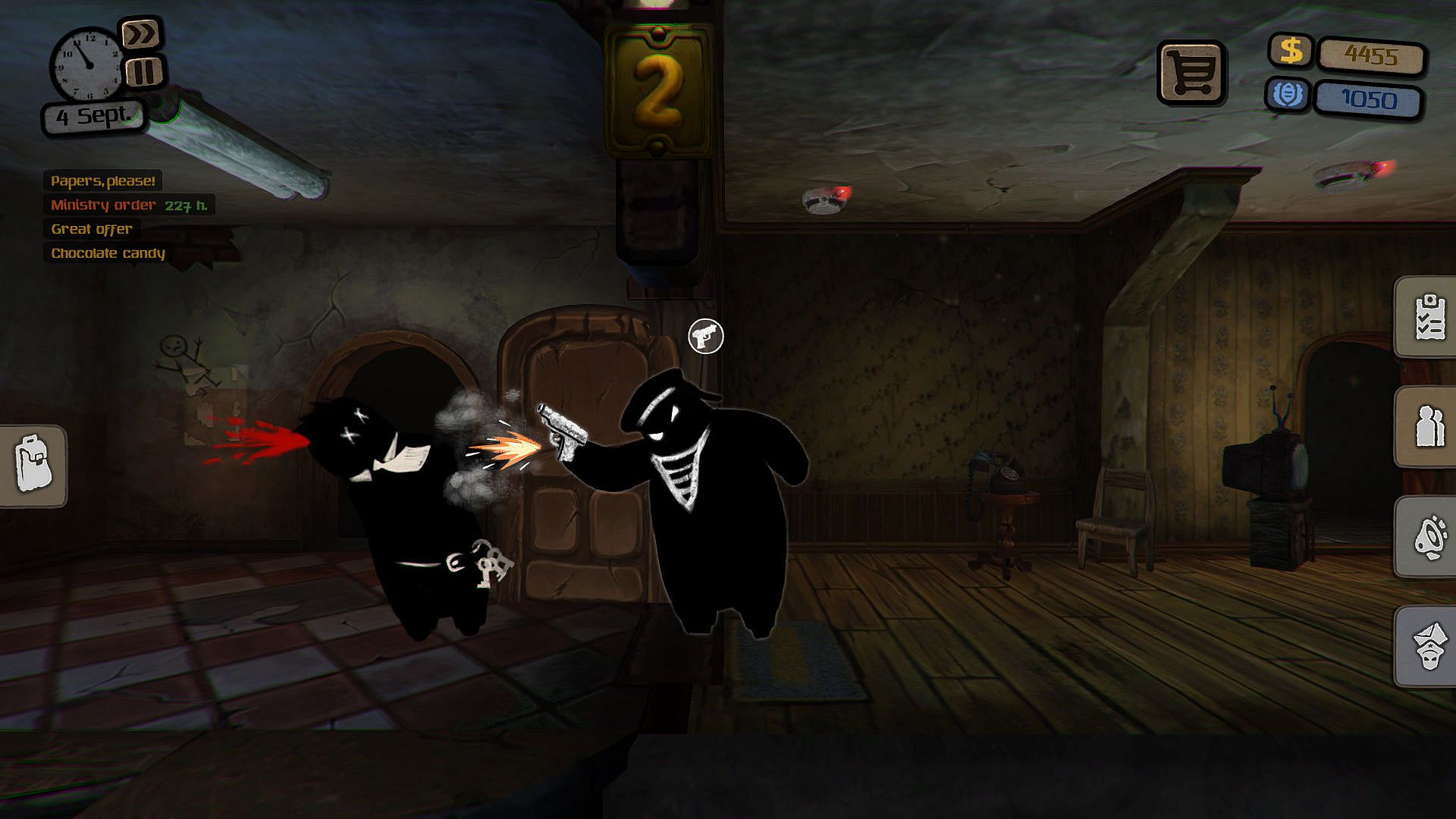
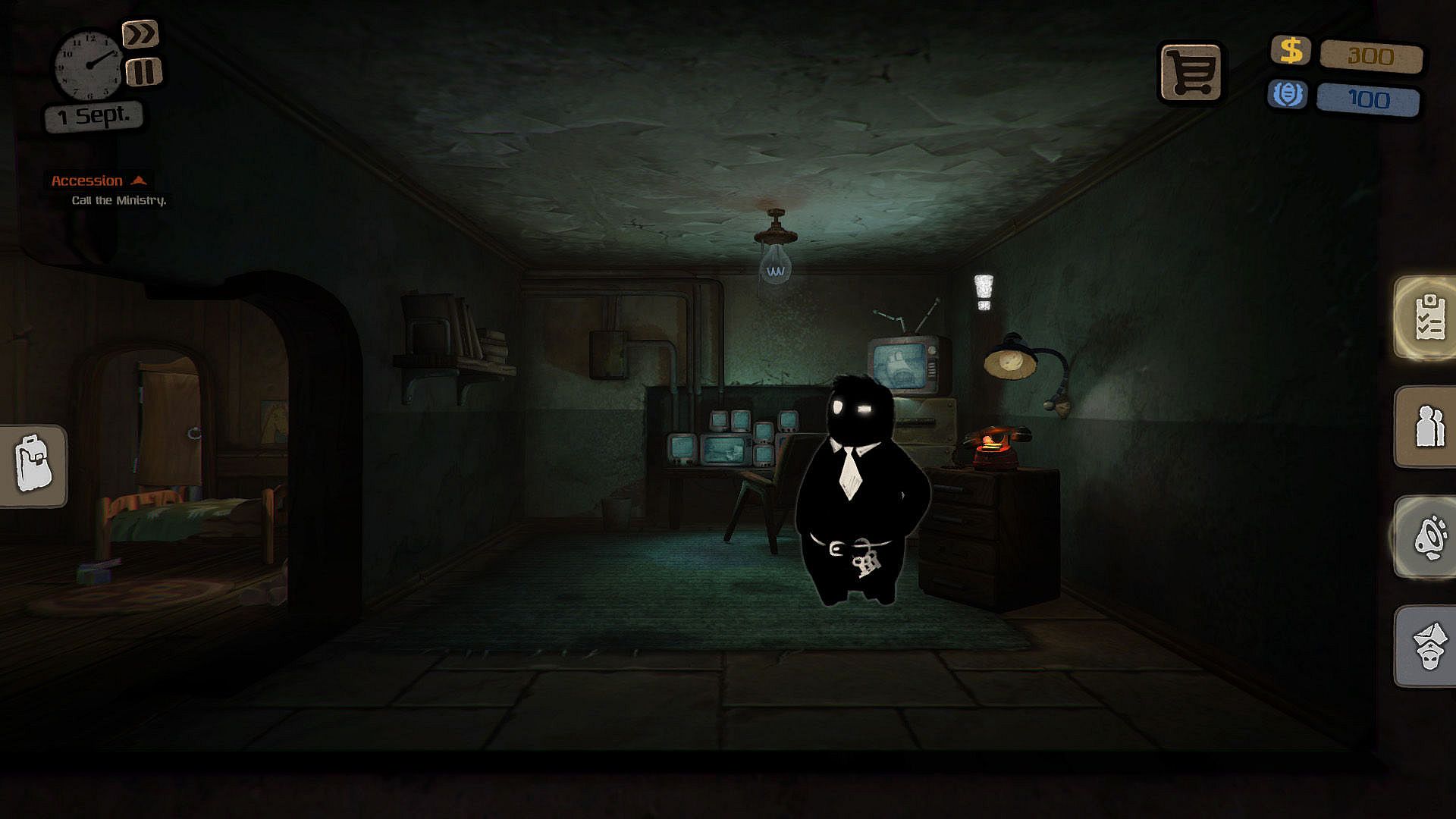

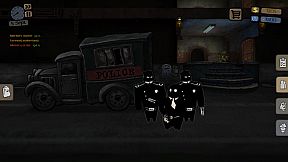
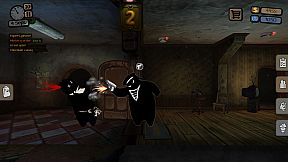
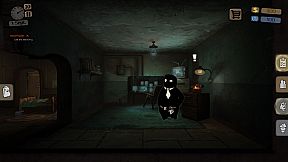
Beholder stands out as a single-player strategy adventure game that places you in the role of an apartment building manager in a oppressive totalitarian regime. Released back in 2016, it combines elements of surveillance, decision-making, and resource management in a dark, dystopian world where every choice carries weight. You handle everyday tasks while secretly monitoring tenants, all under the watchful eye of the state. This setup creates a tense atmosphere, perfect for those who enjoy narrative-driven experiences with moral complexity.
Gameplay
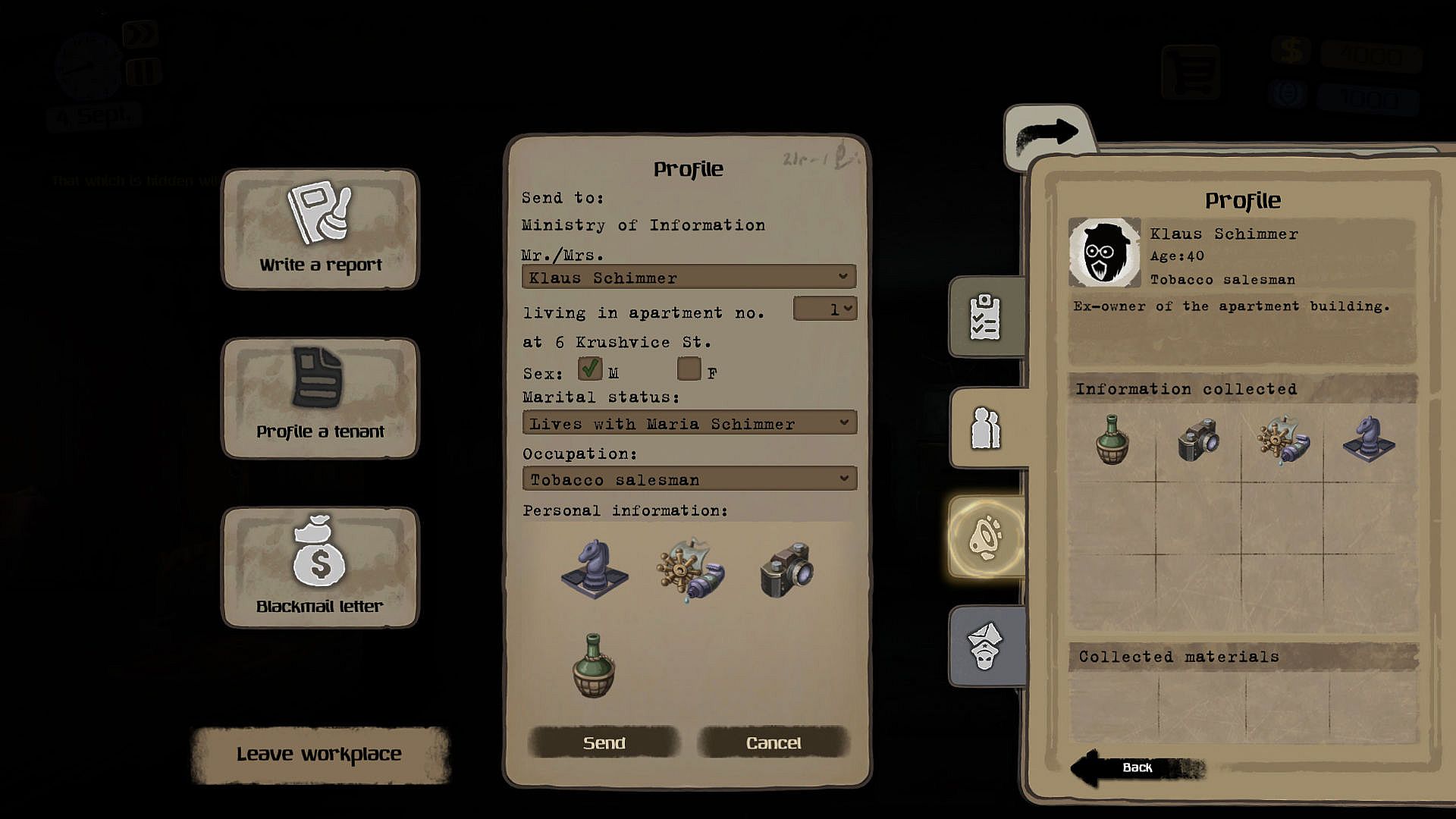
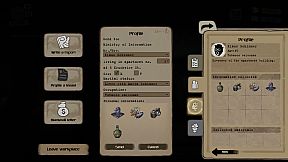
In Beholder, the core mechanics revolve around managing an apartment building while fulfilling your duties as a state informant. You install bugs in tenants' rooms, search their possessions when they step out, and compile profiles on their behaviors. These actions feed into larger decisions, like whether to report suspicious activities or turn a blind eye. Balancing this with your family's needs adds layers, as resources are scarce and time management becomes crucial. Interactions with characters drive quests that branch based on your choices, leading to unexpected consequences. The game emphasizes strategic planning, where eavesdropping and observation help you navigate the regime's demands without losing your grip on humanity.
Mechanics include handling tenant complaints, repairing building issues, and allocating limited funds. Moral dilemmas arise frequently, forcing you to weigh loyalty to the state against personal ethics. For instance, ignoring a tenant's minor infraction might save a family but risk your own position. This creates a gameplay loop of observation, decision, and fallout, all wrapped in a compact experience that lasts a few hours per playthrough.
Game Modes
Beholder focuses on a single-player campaign without traditional multiplayer options. The main mode is the story mode, where you progress through a narrative shaped by your decisions, aiming for one of several possible endings. Replayability comes from exploring different paths, as each run allows you to test alternative choices and outcomes. Additional content expands the story, offering fresh perspectives on the game's world through separate narratives that tie into the main events.
Moral Choices and Endings
The heart of Beholder lies in its branching storylines, driven by the decisions you make. You might choose to blackmail a tenant for personal gain, or cover up their secrets to protect them, each option rippling through the lives of everyone involved. These choices affect not just individual characters but the overall fate of your family and the building. With multiple endings available, the game rewards experimentation, encouraging players to revisit scenarios to see how small changes lead to vastly different conclusions.
Characters you encounter have their own backstories and motivations, making interactions feel personal. Quests range from simple errands to high-stakes interventions, all influencing the dystopian society's fragile balance.
Is It Worth Playing?
For fans of strategy games with strong narrative elements and ethical puzzles, Beholder remains a compelling choice even years after its release. Critics scored it at 75 on Metacritic, praising its concept and moral depth, while users rated it 7.6 based on over 400 reviews, highlighting its replay value and atmospheric tension. The game has seen bug fixes as recently as 2025, keeping it stable for new players. If you appreciate short, impactful stories where your actions matter, it's worth diving in, especially if dystopian themes appeal to you. However, those seeking fast-paced action or extensive multiplayer might look elsewhere, as its strength lies in thoughtful, consequence-heavy gameplay.
- Suits players who enjoy moral decision-making in games.
- Offers replayability through varied endings.
- Maintains a dedicated following with positive feedback on its unique premise.