


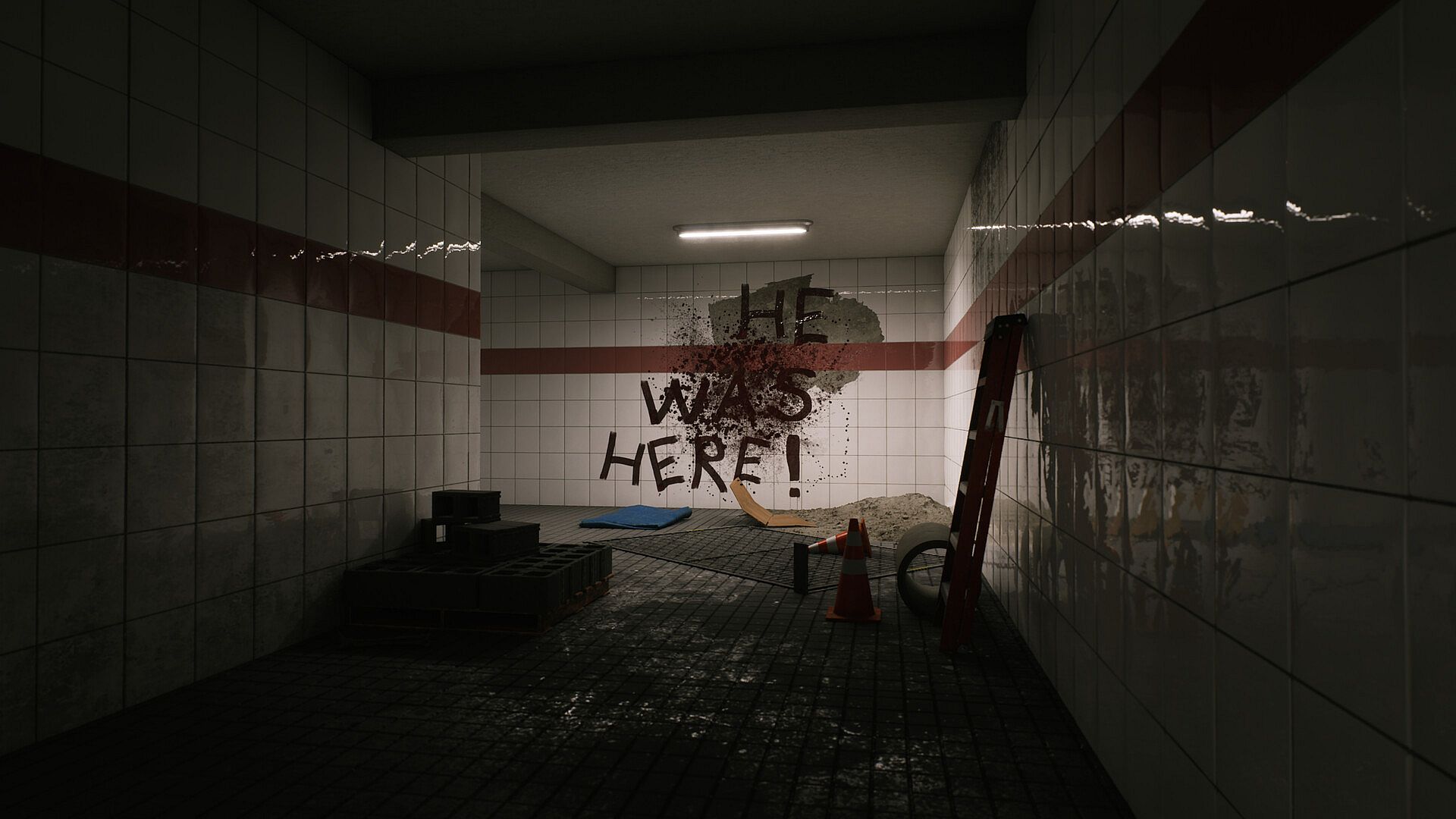
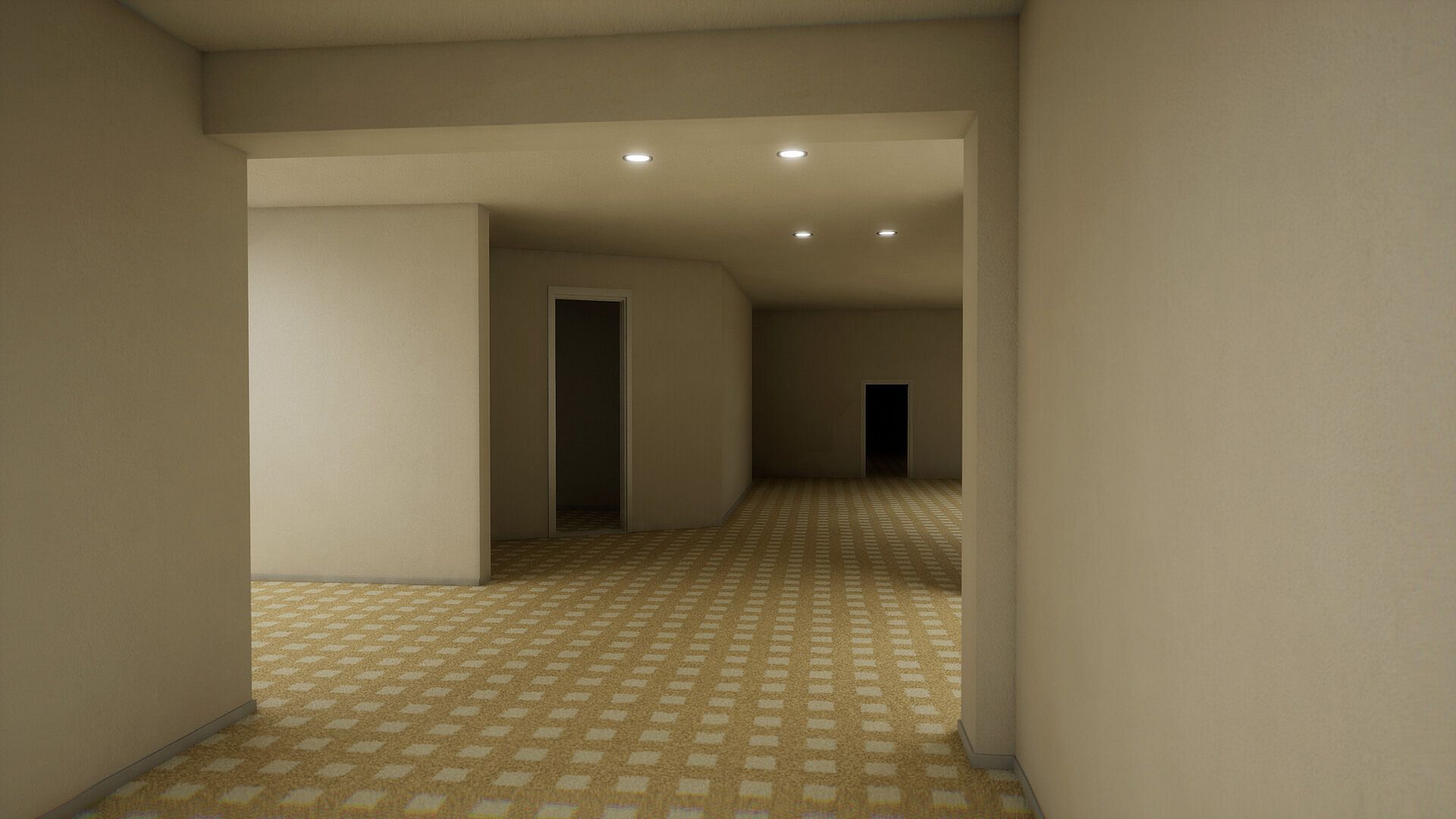


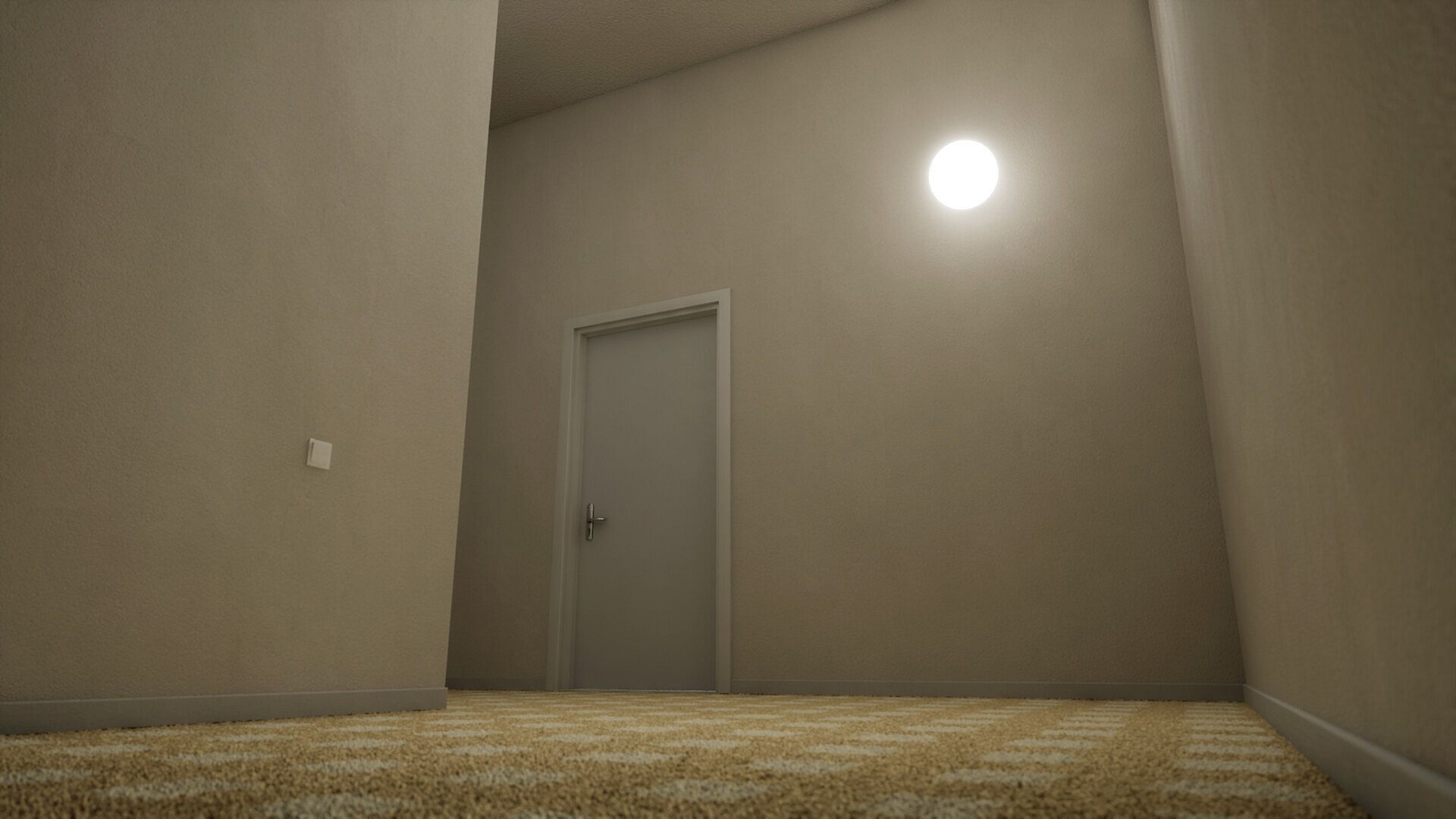





Beyond Acrimony is a first-person psychological horror game developed for PC that places players inside the fractured mind of someone processing grief. The experience centers on exploration through environments that distort and shift, blending elements of action, simulation, and adventure as reality frays around the protagonist.
Gameplay
The core loop involves careful navigation of liminal spaces that start familiar but grow increasingly warped. Players examine details in each area to locate fragments of memory, using observation and interaction to progress. Environmental changes occur based on emotional context, requiring players to adapt their approach as rooms rearrange or pathways alter without warning.
Puzzle solving forms a central part of advancement. These challenges combine logic elements with spatial awareness, such as aligning objects or interpreting clues hidden in the surroundings. Success reveals additional layers of the narrative while heightening tension through the uncertain nature of the setting. Movement remains deliberate, encouraging players to pause and absorb the atmosphere rather than rush forward.
Atmosphere builds through subtle audio cues and visual distortions that intensify as the story deepens. The simulation aspects appear in how the world responds to player actions and discoveries, creating a sense of personal investment in the unfolding events. No combat systems are present, keeping the focus on discovery and emotional weight.
Game Modes
Beyond Acrimony offers a single-player experience only. The entire journey unfolds in one continuous narrative sequence without separate modes or multiplayer components. Players progress at their own pace through the distorted environments, with no branching paths or competitive elements to alter the structure.
The design emphasizes a linear yet layered progression where each section builds on the last. Exploration rewards thorough searching, but the path forward remains guided by the puzzles and memory fragments encountered along the way. This focused format suits sessions where uninterrupted attention to story and atmosphere takes priority.
Story and Narrative
The plot follows a deeply personal arc centered on buried memories and the process of confronting loss. Players uncover details piece by piece, with each solved puzzle or explored area adding context to the protagonist's past. The narrative avoids direct exposition, instead letting environmental storytelling and fragmented recollections convey the emotional core.
As perception fractures, the distinction between memory and present reality blurs. This approach creates a sense of unease that grows organically from the gameplay rather than relying on external threats. The story concludes based on the accumulation of these revelations, leaving players to interpret the final truths uncovered.
Visuals and Atmosphere
Environments draw from liminal aesthetics, featuring empty or transitional spaces that feel both ordinary and unsettling. Lighting and geometry shift in response to narrative beats, reinforcing the theme of a mind in turmoil. Details reward close inspection, with hidden elements scattered to encourage repeated examination of the same locations.
Sound design supports the tension through ambient layers that evolve with the surroundings. The overall presentation maintains a restrained style that prioritizes immersion over spectacle, aligning with the psychological focus of the genre.
Is It Worth Playing?
Beyond Acrimony targets players who enjoy narrative-driven single-player horror centered on atmosphere and puzzle solving rather than action or combat. Its emphasis on emotional storytelling and shifting environments appeals to those seeking introspective experiences in the psychological horror space.
The game remains unreleased with no available reviews or player ratings at this stage. Those interested in first-person exploration titles with strong thematic focus may find value in following its development, particularly if they appreciate games that use environmental changes to reflect internal states. Availability on PC positions it for a broad audience once it launches, though the exact reception will depend on how the full experience delivers on its described mechanics.