


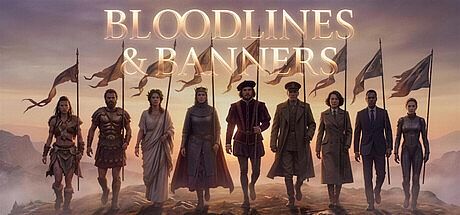


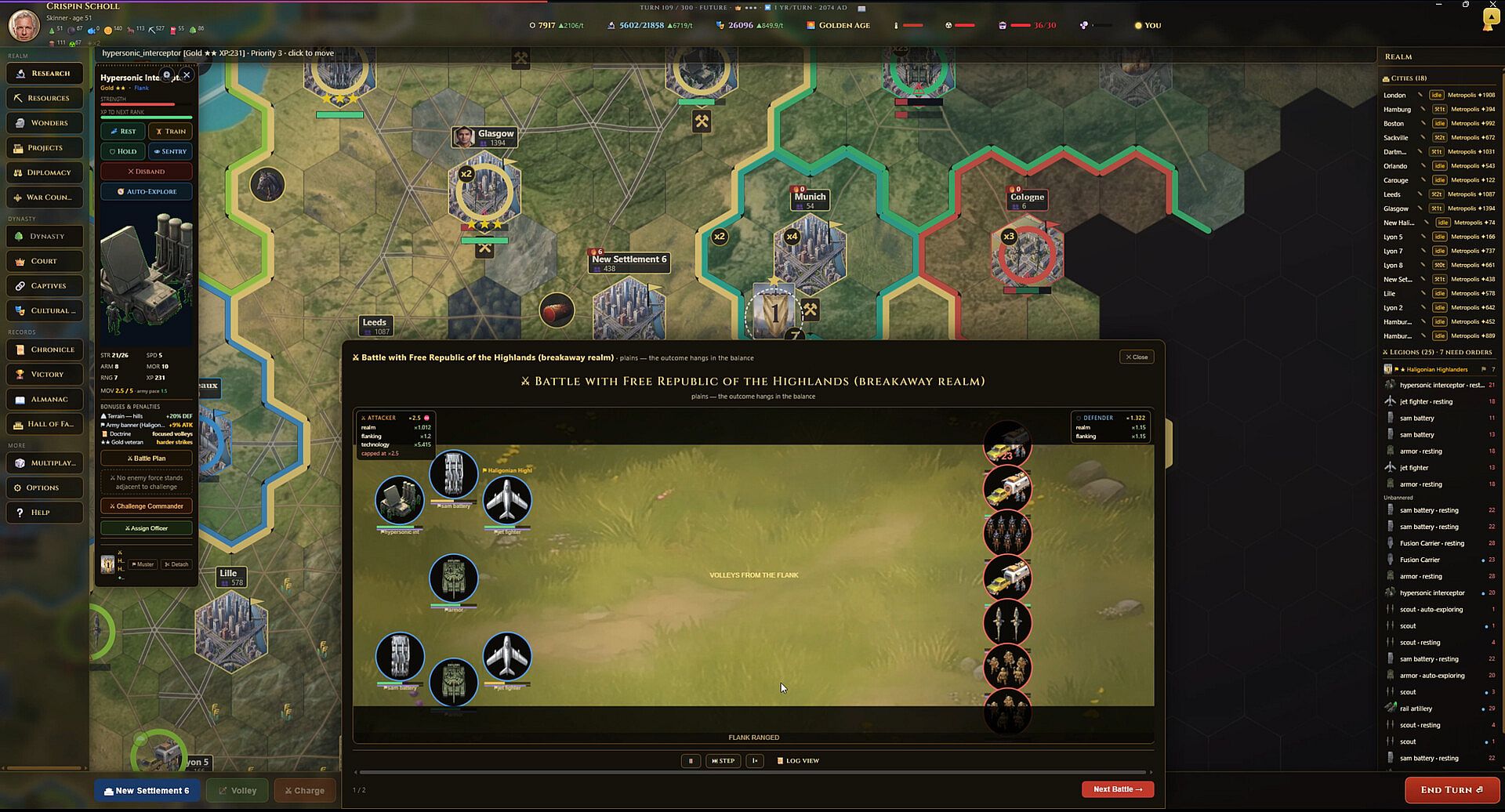
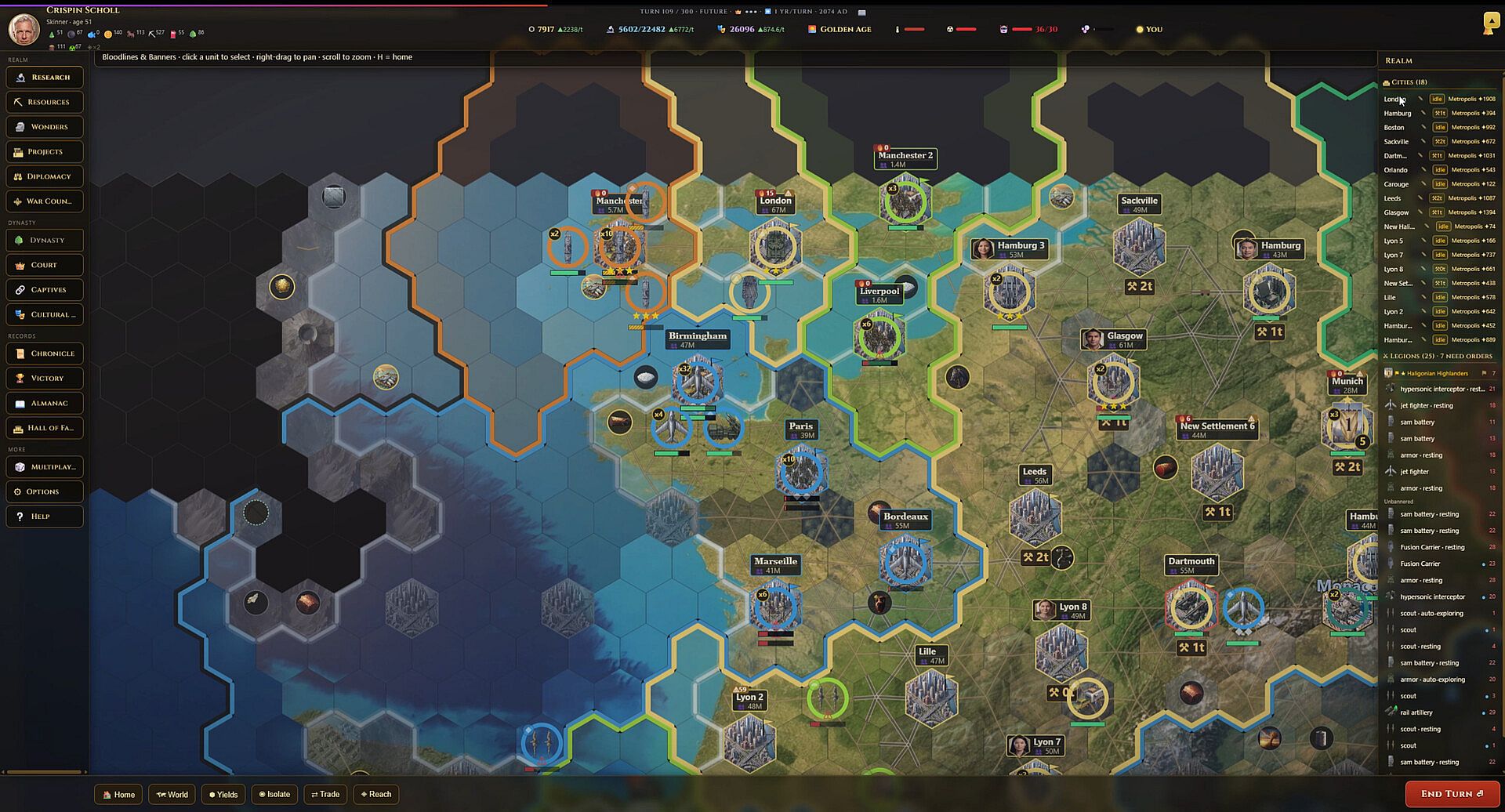
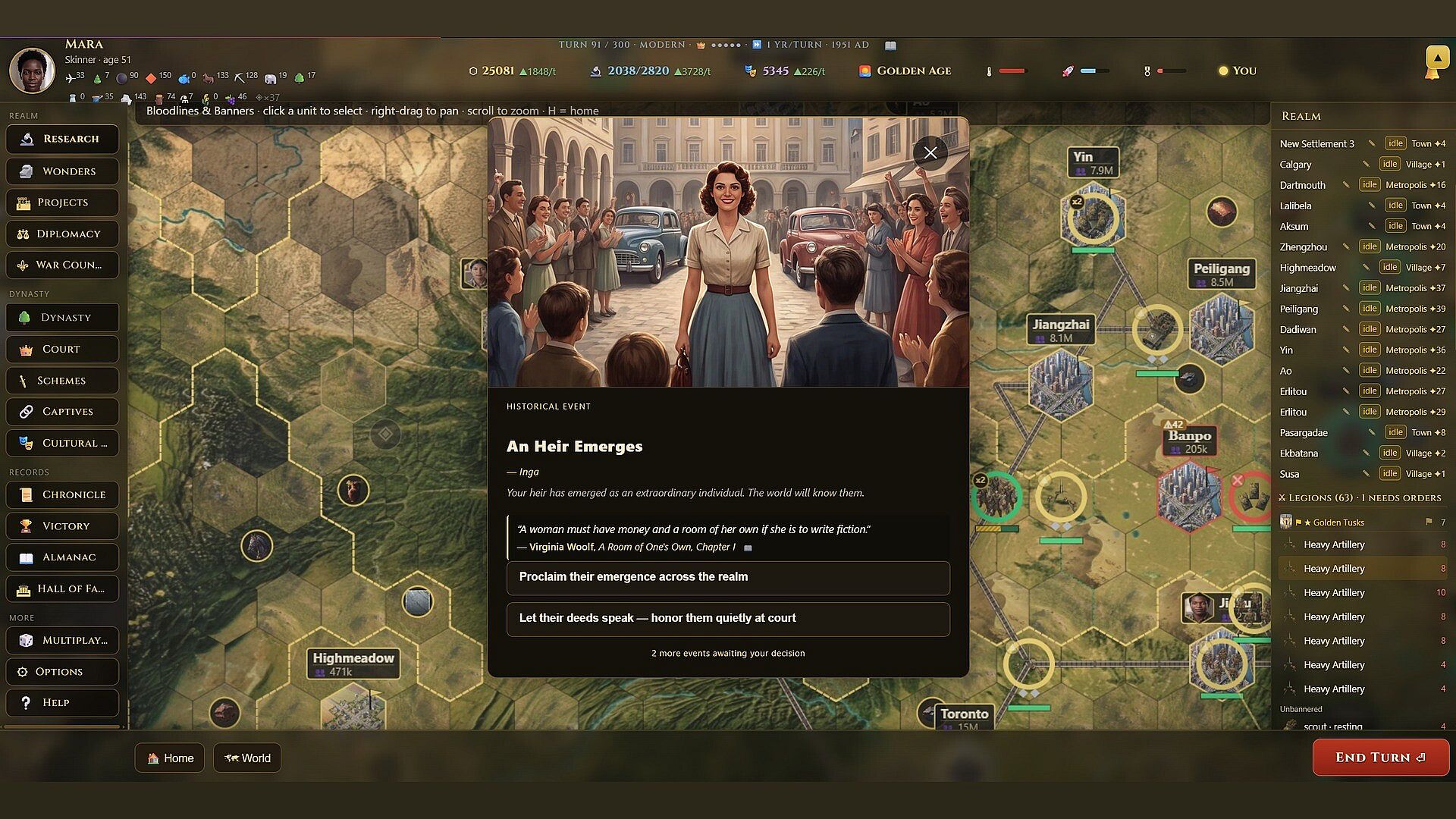
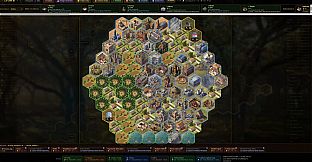
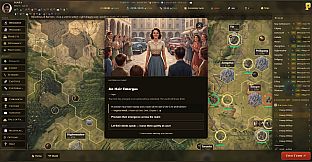
Bloodlines & Banners is a historical 4X grand strategy game that places the player in control of a dynasty across thousands of years rather than focusing solely on empire expansion. Rulers appear as named individuals with distinct faces, families, and limited lifespans, shifting emphasis from abstract nation management to generational continuity and personal decisions that shape future leaders.
Gameplay
The core loop centers on guiding a ruling family through successive generations while directing civilization growth. Each ruler ages, builds stress, and eventually dies, at which point control passes to an heir raised during childhood. Upbringing choices influence six core stats, and arranged marriages between civilizations allow children to inherit mixed heritage traits and bloodline bonuses. A detailed family tree displays portraits that progress through nine life stages, giving visual weight to lineage decisions.
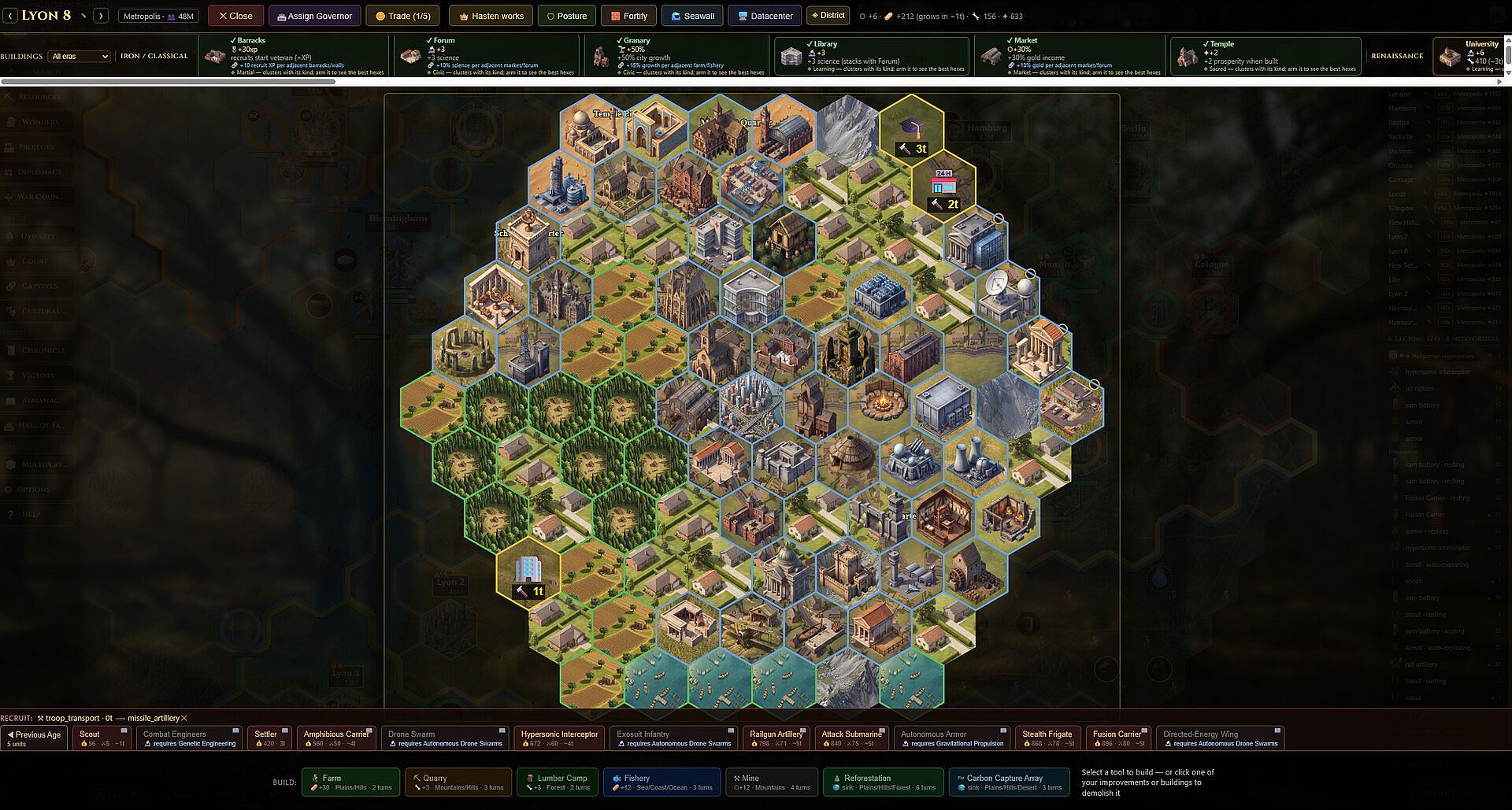
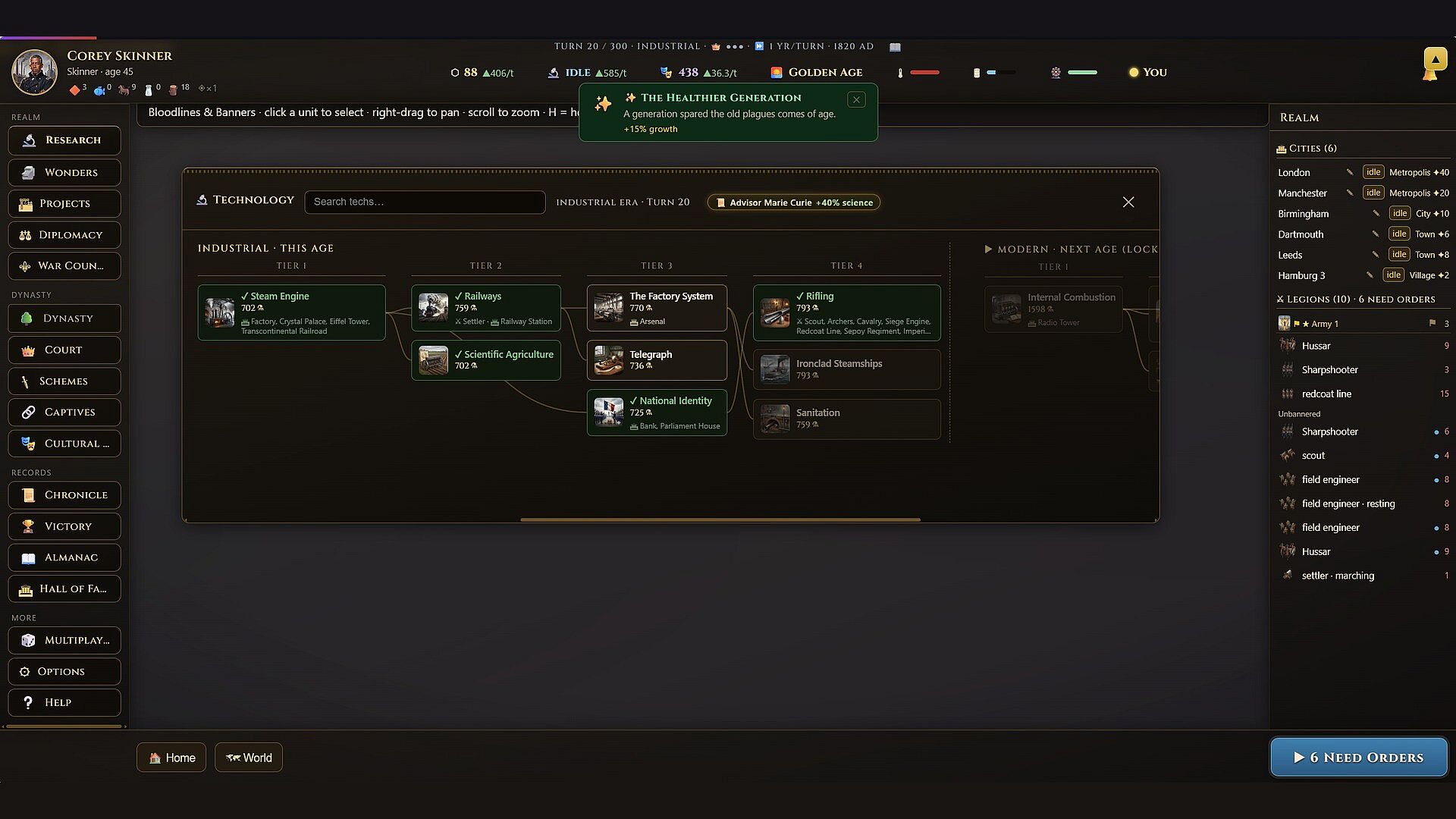
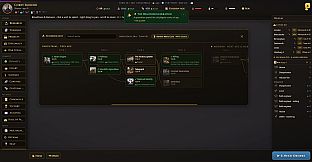
Civilization management operates on a large scale with 88 total civilizations spanning 10 eras from the Neolithic to the Information Age. Forty-eight start available, while others unlock through technological progress. A 146-technology research tree gates advancement by era, supported by 54 buildings and 40 world wonders that each include a narrated historical note. Twenty-one resource types connect to cities through tier-based reach systems, encouraging careful placement and expansion planning.
Internal politics add depth through courts, advisors, faction loyalty mechanics, and the potential for coups or civil wars. These elements tie directly into dynasty survival, as poor management of advisors or factions can destabilize rule even when external threats remain contained. Victory opens through more than ten paths, including domination, wonder construction, dynasty prestige, cultural influence, and diplomatic achievements.
Art direction draws from historical sources. Each civilization features unique portraits, music, and unit designs that differentiate groups such as Rome from Carthage or Macedon from Kush. Nine voiced narrators guide progression across eras, and the research tree incorporates data from real historical records to ground technological and societal shifts.
Game Modes
Single-player campaigns run entirely against AI opponents on the local machine with no internet connection required. This setup supports uninterrupted long sessions focused on dynasty building and civilization development.
Hot-seat mode allows multiple players to share one campaign on a single computer by passing control between turns. It suits groups who want to experience the same dynasty or rival civilizations in sequence without separate installations.
Asynchronous online multiplayer lets players invite others via code and advance their turns independently when time allows, even in short sessions of around ten minutes. This format accommodates schedules that differ while maintaining a shared campaign world.
Family and Political Systems
Succession mechanics require active investment in heirs rather than menu selection. Players arrange marriages across civilizations, manage upbringing stances, and monitor inherited traits that affect future performance. Bloodline bonuses carry forward, rewarding long-term planning over short-term gains.
Court and advisor interactions create ongoing tension. Faction loyalty can shift, opening routes to coups or civil wars that test dynasty resilience. These systems integrate with broader strategy, where internal stability often determines whether external expansion succeeds.
Is It Worth Playing?
Bloodlines & Banners suits players who enjoy grand strategy games that emphasize personal lineage and generational consequences alongside traditional 4X elements. The focus on named rulers, family trees, and cross-civilization marriages provides a distinct layer of narrative connection not found in many empire-focused titles.
Early Access status means core systems such as ruler mortality, research progression, and multiplayer options are available, though further refinements may occur. Single-player and hot-seat modes deliver complete local experiences, while asynchronous play supports flexible online sessions.
Those drawn to historical settings with unique art and music per civilization, combined with multiple victory conditions and deep political layers, will find substantial depth. The game rewards careful heir management and long-term dynasty decisions, making it a strong choice for strategy enthusiasts who value continuity and personal stakes over purely territorial conquest.











