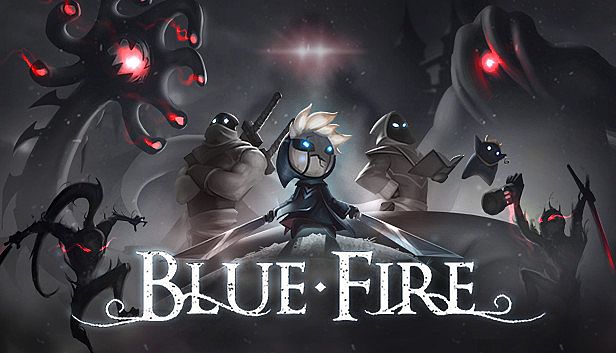




















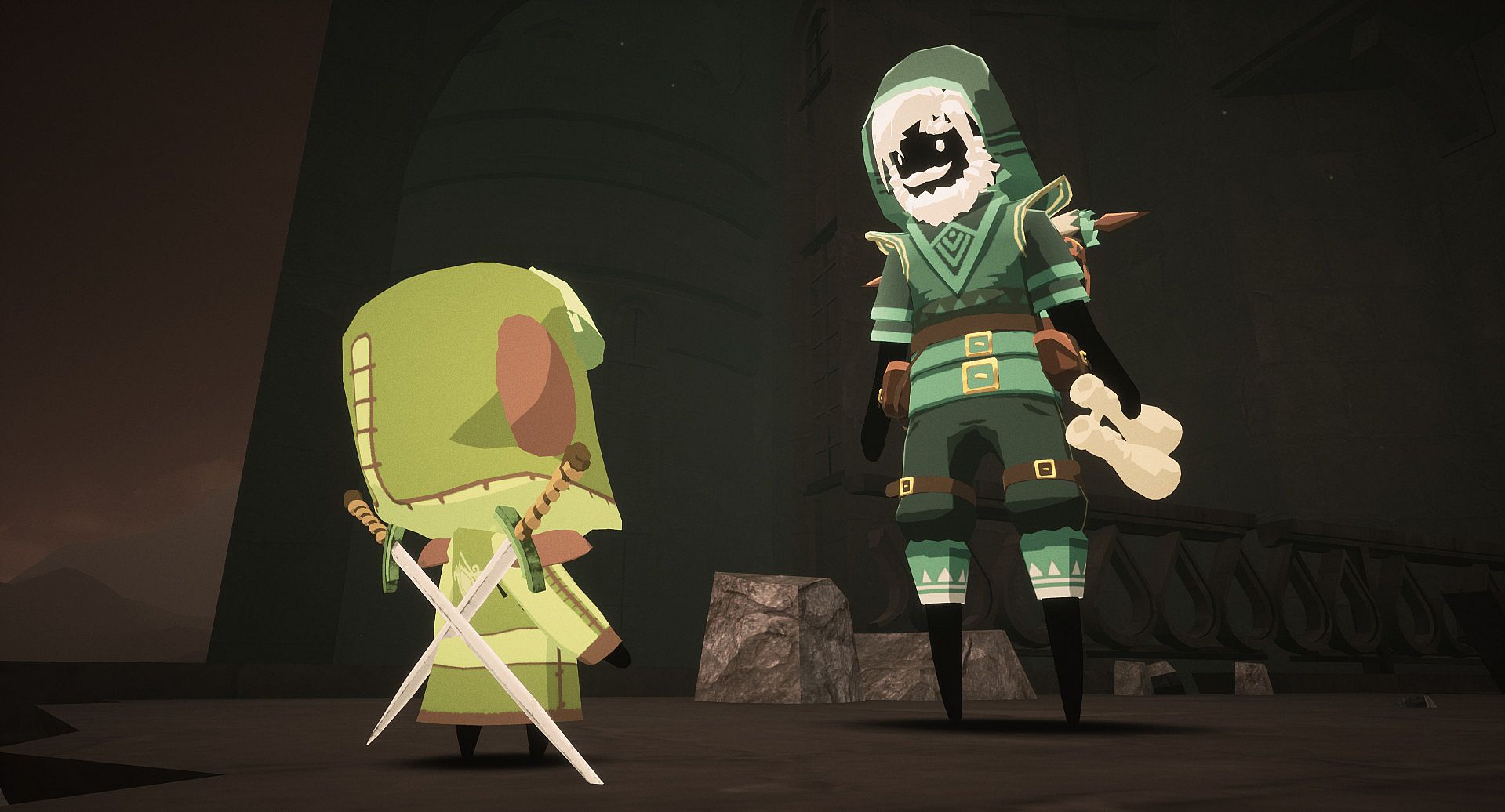
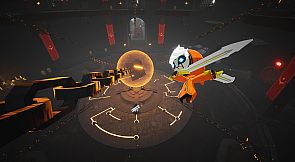
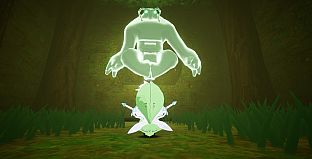
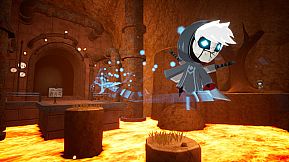

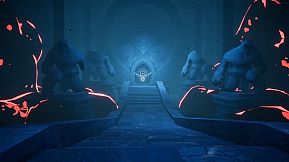
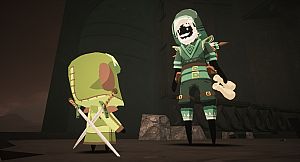
Blue Fire is a 3D metroidvania platformer that combines precise movement, fast combat, and exploration across the ruins of a fallen kingdom called Penumbra. Players control a character who must master fluid traversal and sword-based attacks to progress through interconnected areas filled with traps, enemies, and hidden paths. The experience centers on single-player progression where every action demands timing and skill rather than relying on external assistance or random elements.
Gameplay
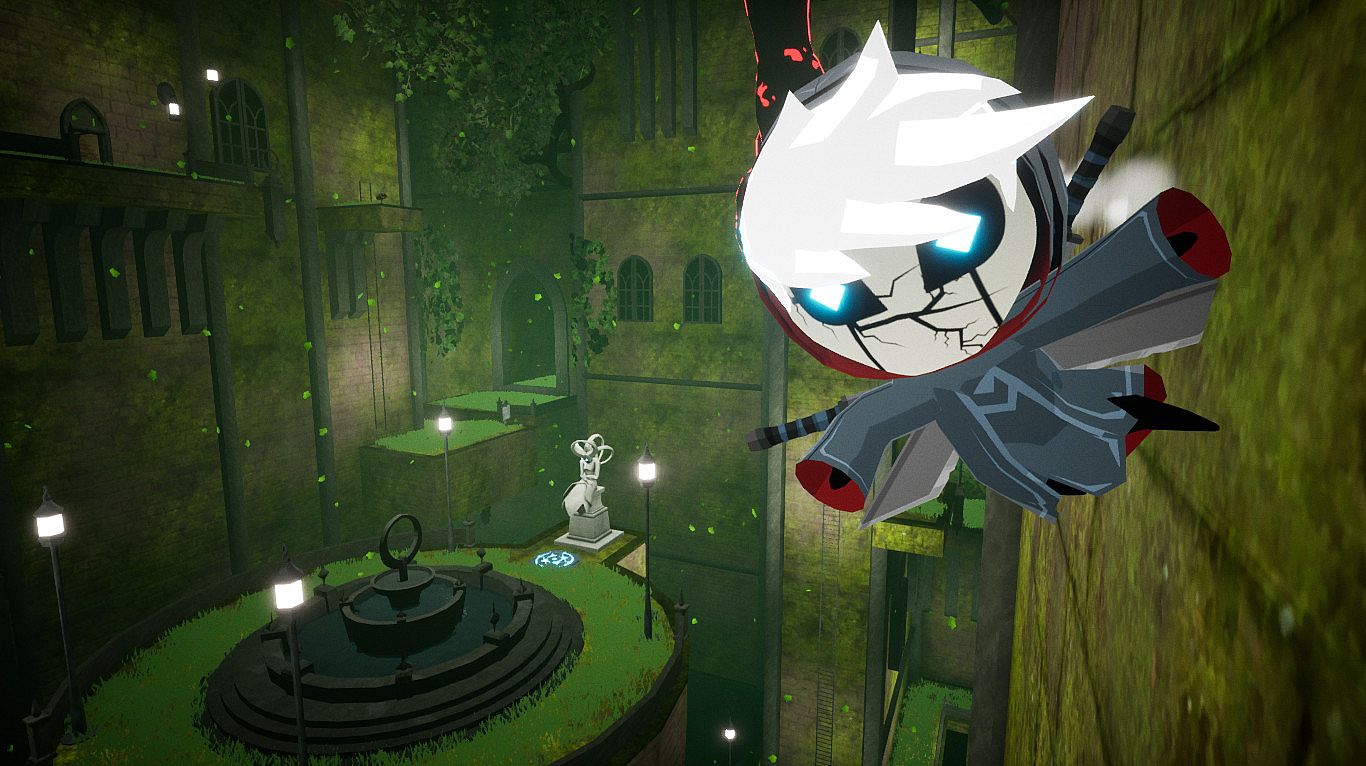
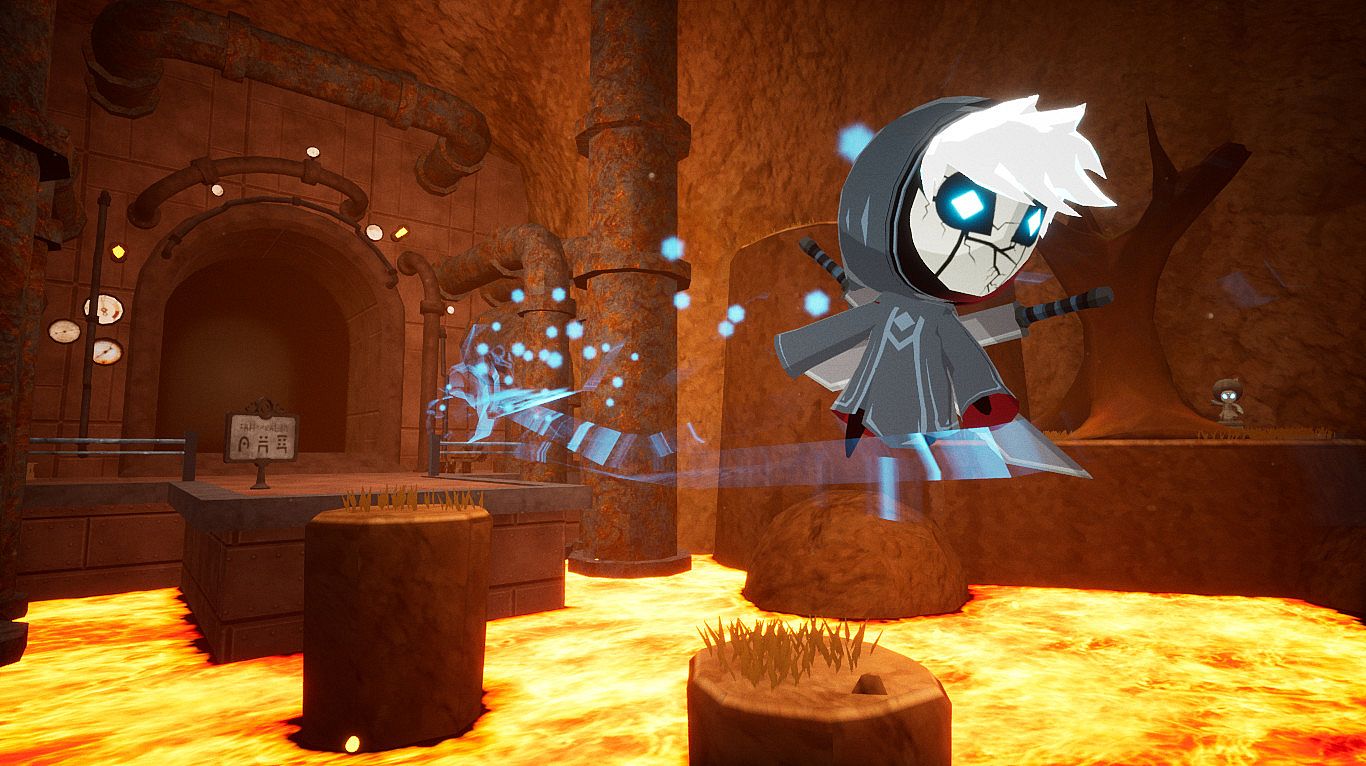
The core loop revolves around high-speed movement that lets the character dash, jump, and wall-run through deadly sequences. Precision platforming forms the backbone, with gauntlets that require exact timing to avoid spikes, moving platforms, and environmental hazards. Combat integrates directly into traversal, as enemies patrol the same spaces and must be dispatched quickly to maintain momentum.
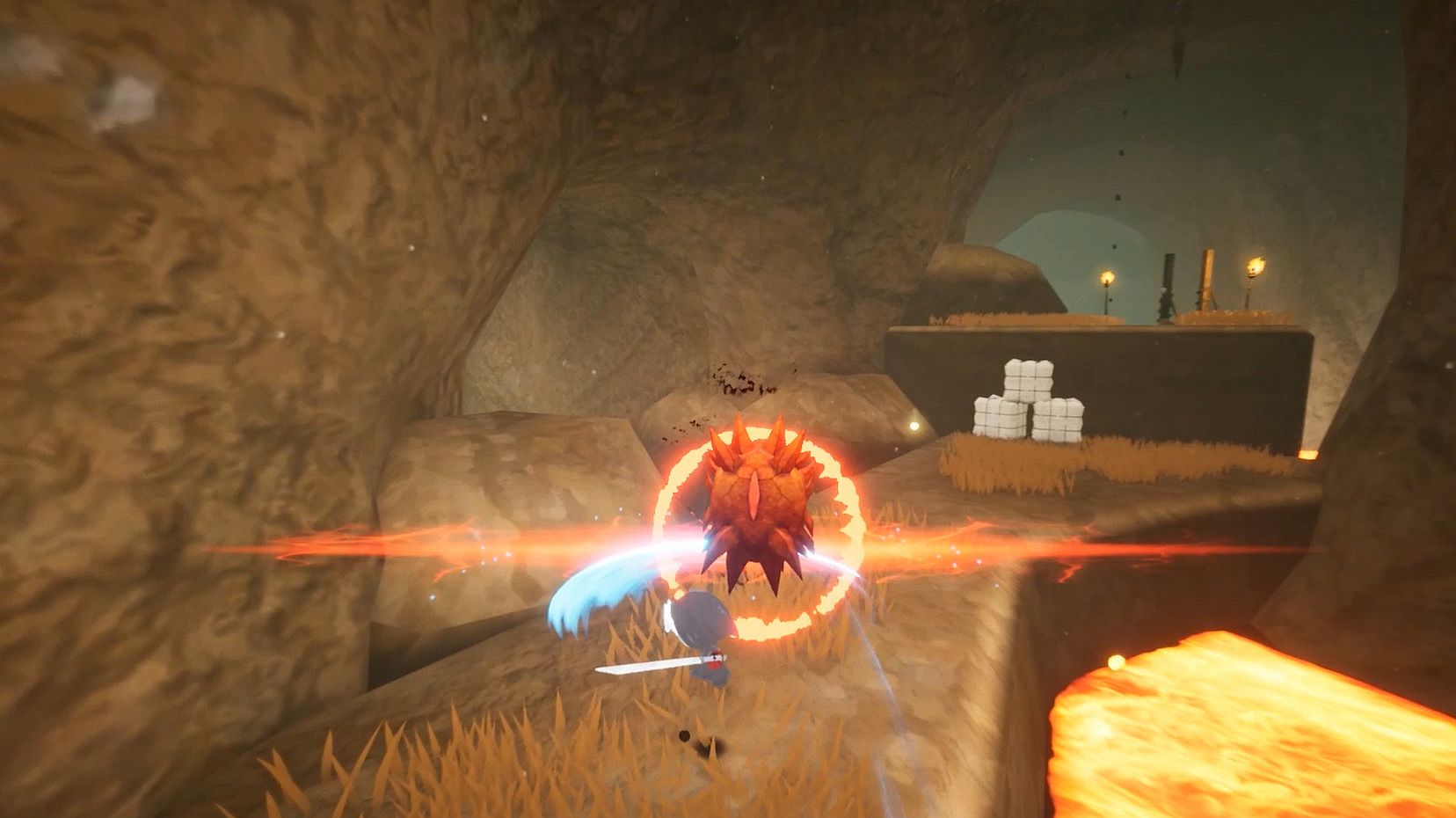
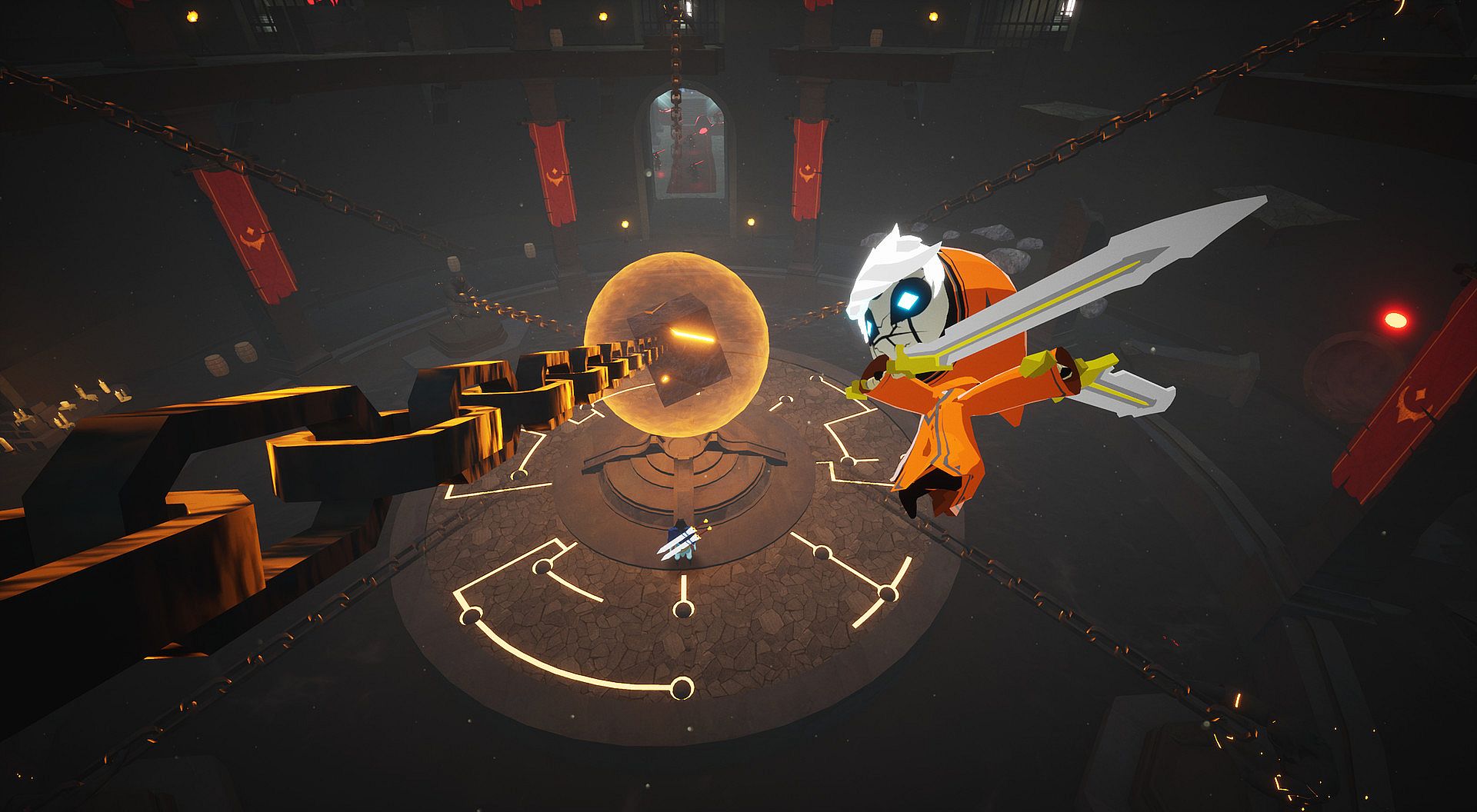
Fast-paced encounters feature foes with distinct attack patterns, forcing players to strike, dodge, and counter in close quarters. Boss fights against armored knights emphasize reading tells and exploiting openings while managing limited resources. These battles test both reaction speed and positioning within confined arenas.
Exploration rewards careful searching with new swords, spirit collectibles, and upgrade materials. Abilities unlock gradually, expanding movement options such as double jumps or air dashes that open previously inaccessible routes. Builds can be customized through gear choices that alter combat reach or defensive capabilities.
Game Modes
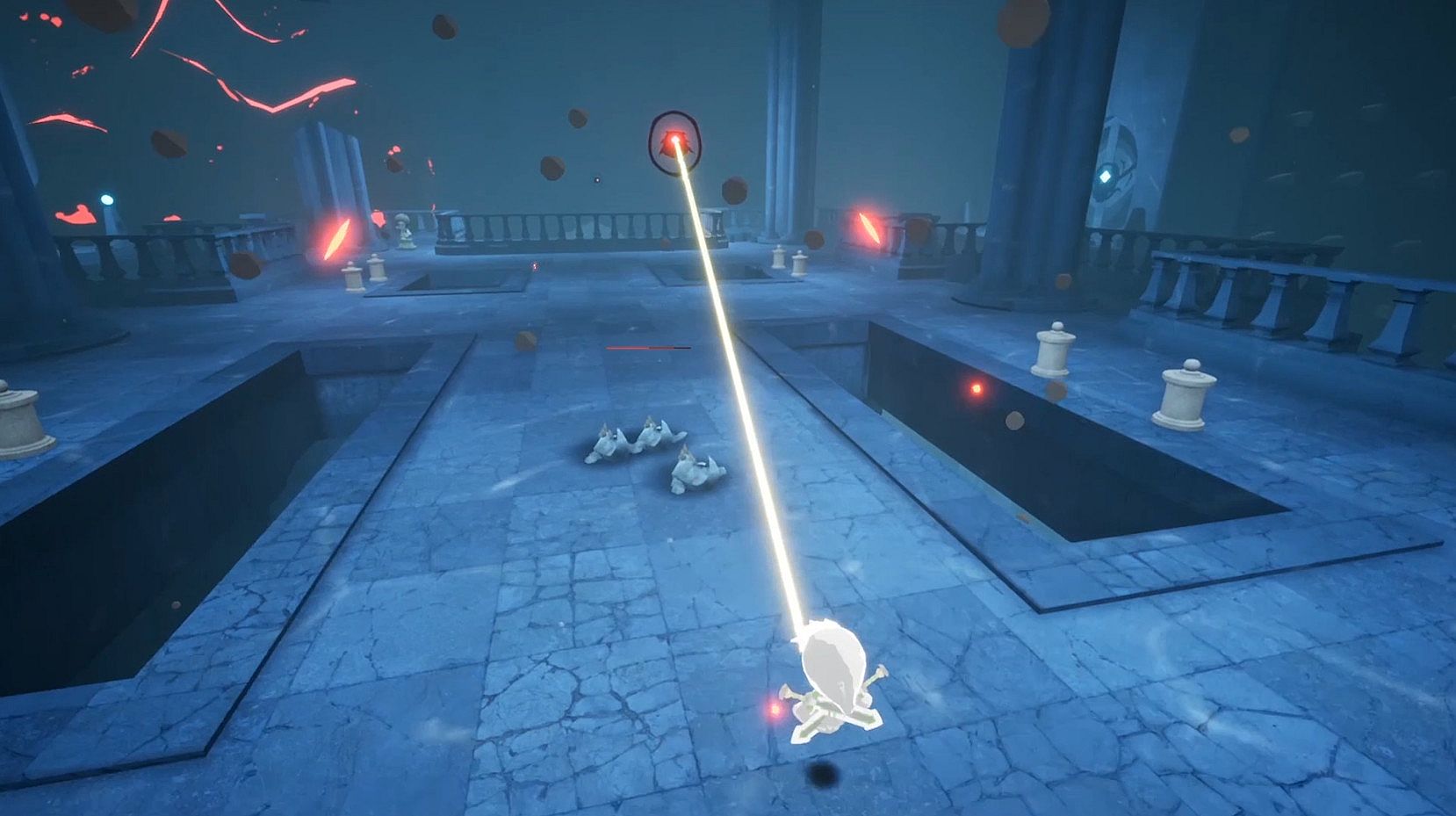
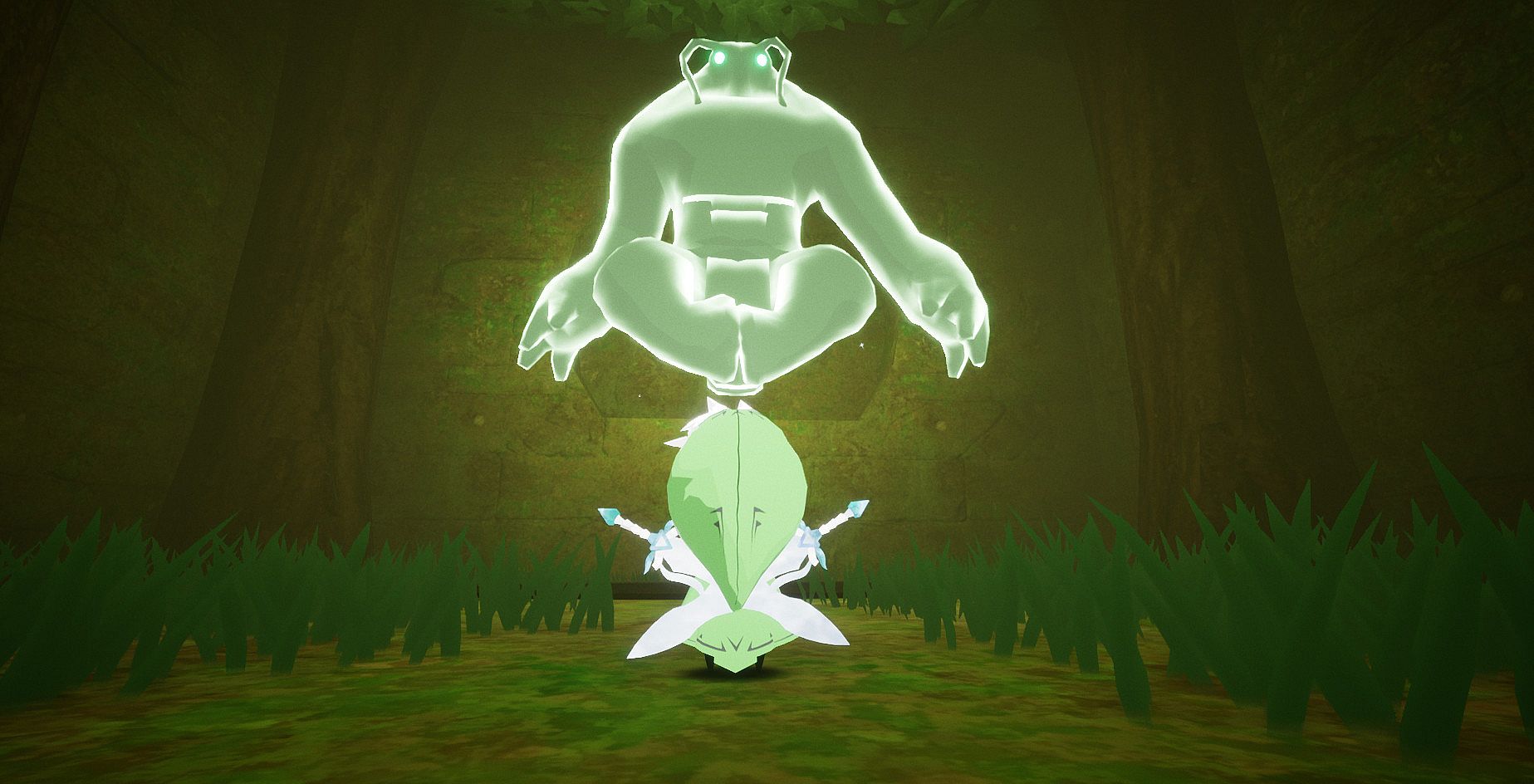
Blue Fire operates entirely as a single-player title with no multiplayer or co-op components. The main experience unfolds as a continuous journey through Penumbra, blending linear story beats with optional detours for collectibles and upgrades. The Voids serve as distinct side challenges, each presenting a self-contained platforming trial that strips away combat to focus purely on movement mastery.
These Void trials appear as hidden entrances scattered throughout the world. Completing them grants substantial rewards but demands flawless execution of advanced techniques learned earlier. No separate difficulty settings or alternative campaigns exist beyond the standard path, keeping the focus on one cohesive adventure.
Exploration and Progression
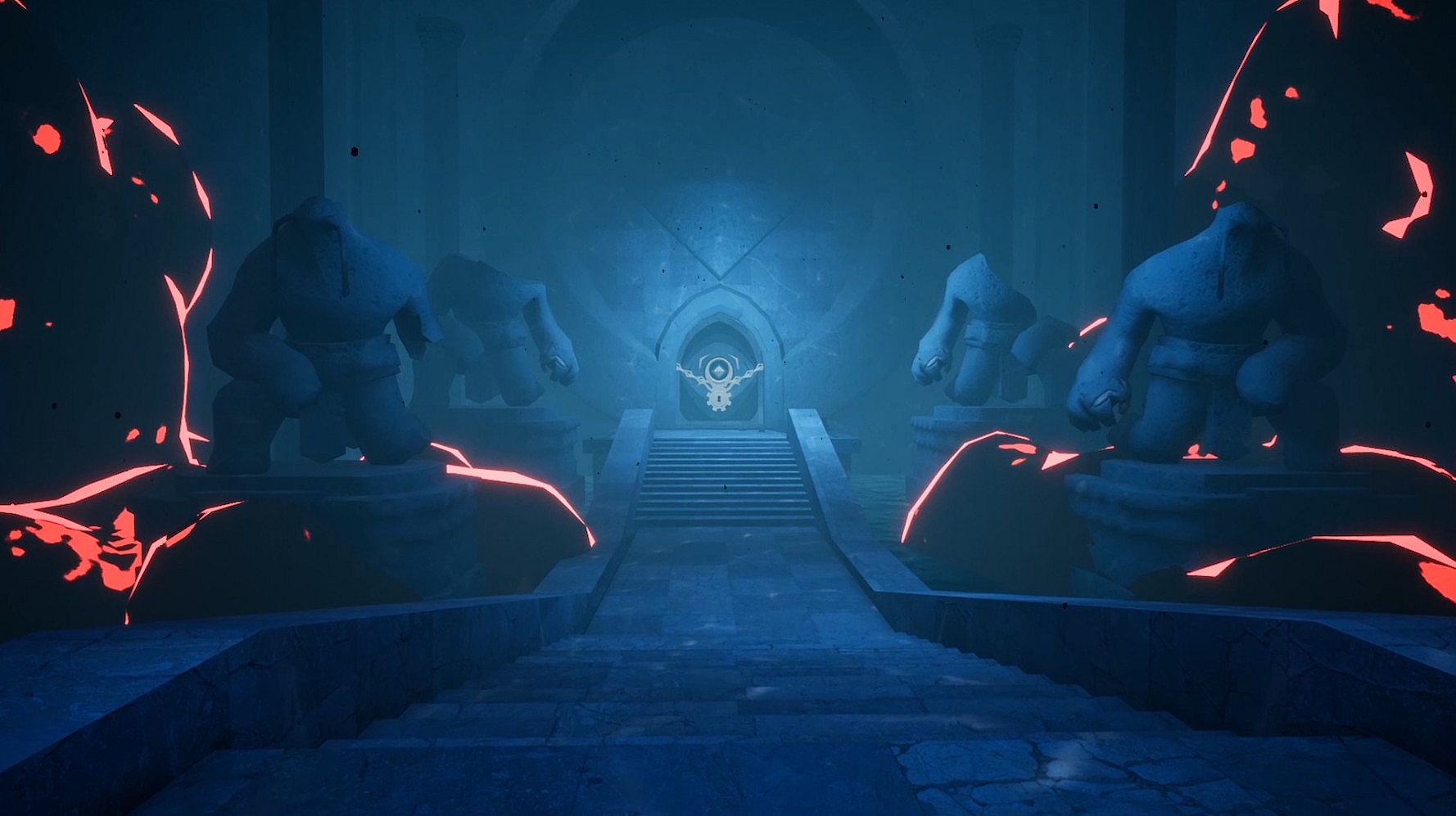
Penumbra unfolds as a interconnected map where backtracking becomes essential after acquiring new abilities. Hidden spirits scattered in out-of-reach locations encourage thorough searches, while loot drops from defeated enemies and breakable objects fund upgrades. Sword variants change attack speed and range, allowing players to adapt their approach to different enemy types.
Upgrade paths emphasize choice rather than linear power growth. Investing in mobility improves traversal efficiency, while combat-focused upgrades increase damage output or add special moves. This system supports multiple playstyles without forcing a single optimal route.
Is It Worth Playing?
Blue Fire suits players who enjoy deliberate platformers that reward practice over speedrunning or casual jumping. The emphasis on mastery through repeated attempts at tricky sections creates a satisfying loop for those comfortable with trial-and-error mechanics. Combat adds tension without overwhelming the traversal focus, resulting in a balanced action-adventure package.
Those seeking dense exploration with meaningful upgrades will find consistent progression that feels earned. The absence of multiplayer keeps the experience intimate and uninterrupted, appealing to fans of solo metroidvania titles. Overall, the game delivers a focused challenge that stands on its movement and combat systems alone.