

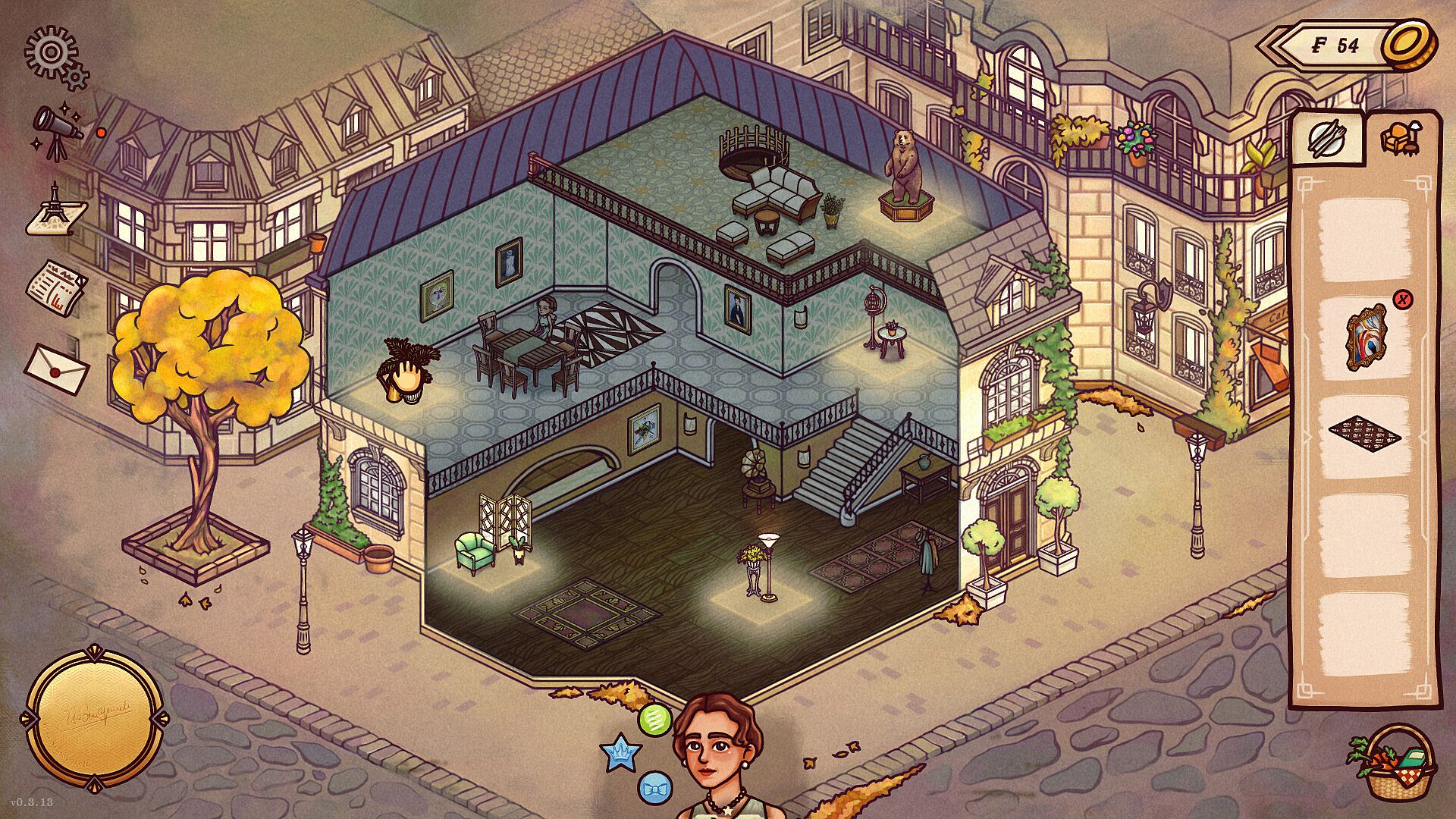



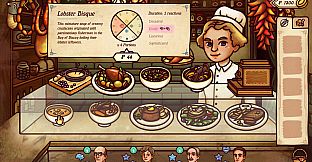

Bon Vivant: Plan the Perfect Party is a single-player strategy game set in 1920s Paris. Players rent a house for a year and work to build a reputation through careful planning of social events and personal connections. The core loop revolves around balancing resources, selecting guests with complementary traits, and managing party outcomes to achieve high hospitality ratings on a three-star scale.
Gameplay
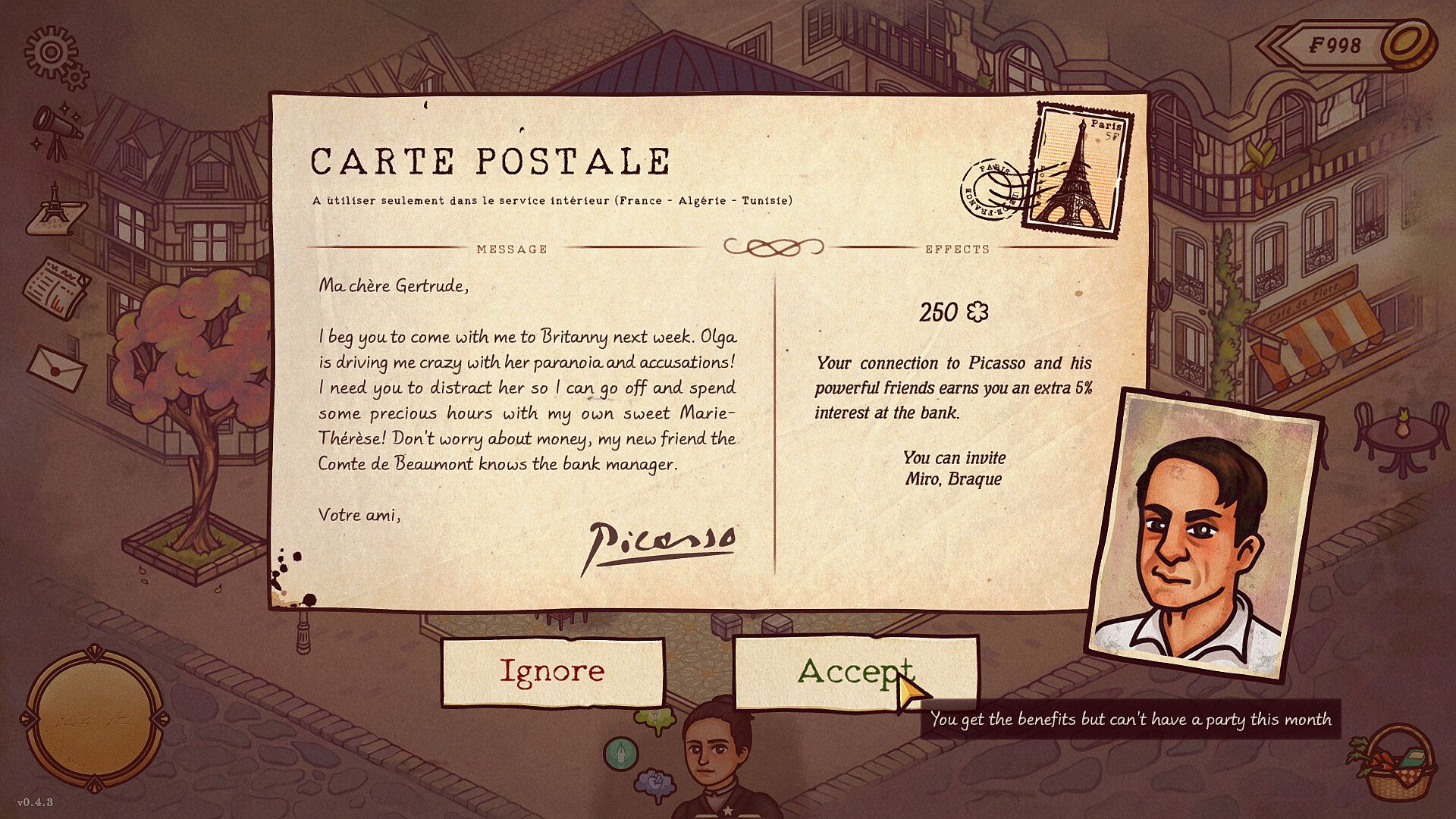
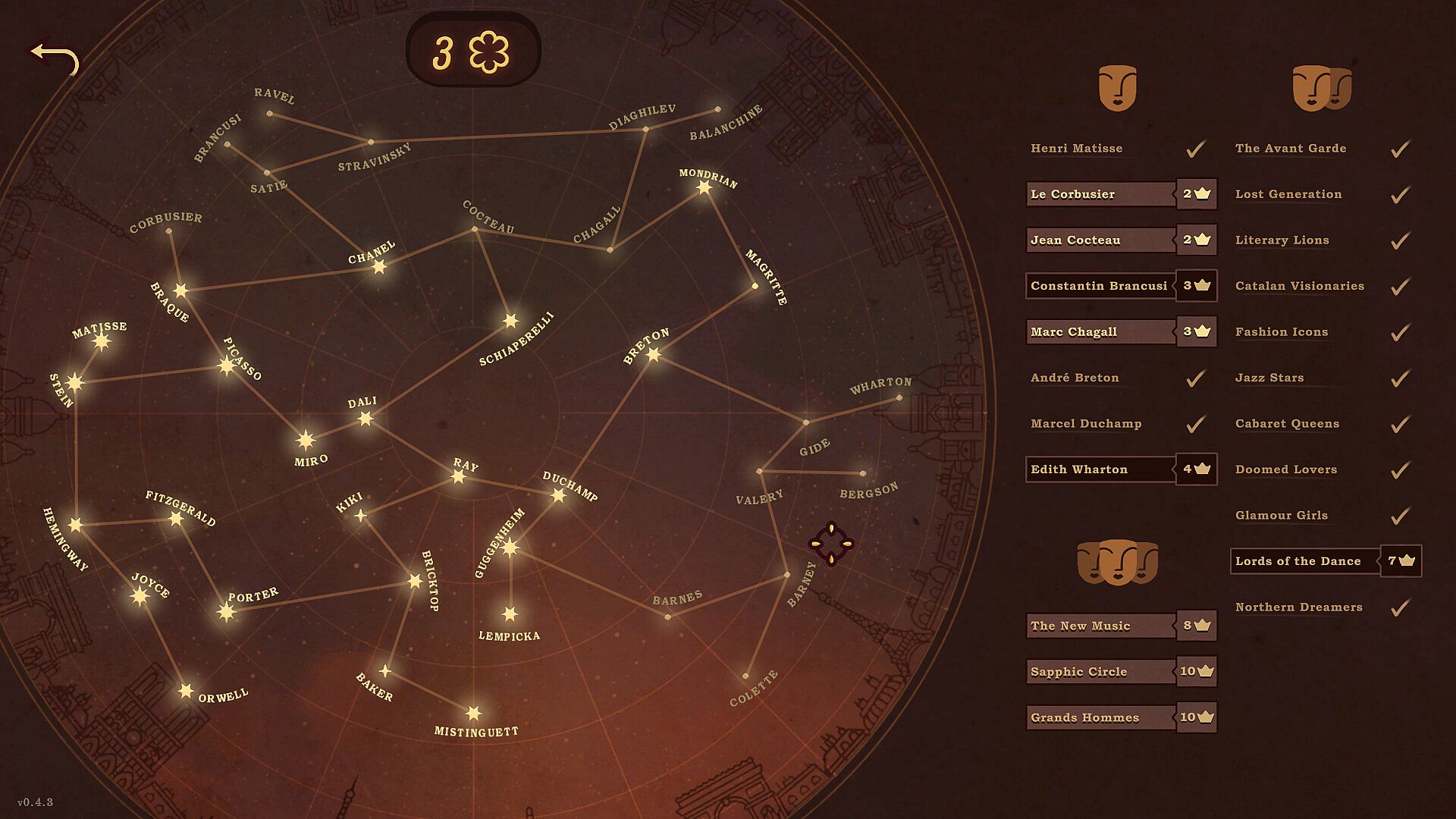
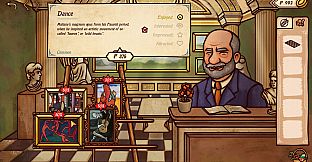
Each of the twelve months offers a choice between hosting a party or taking a trip with a friend to gain a perk. Parties begin with assembling a guest list from available characters, aiming for a mix of glamour, wit, and romance while seeking shared interests such as art, writing, or music. As the year progresses, new introductions expand options and allow more selective invitations.
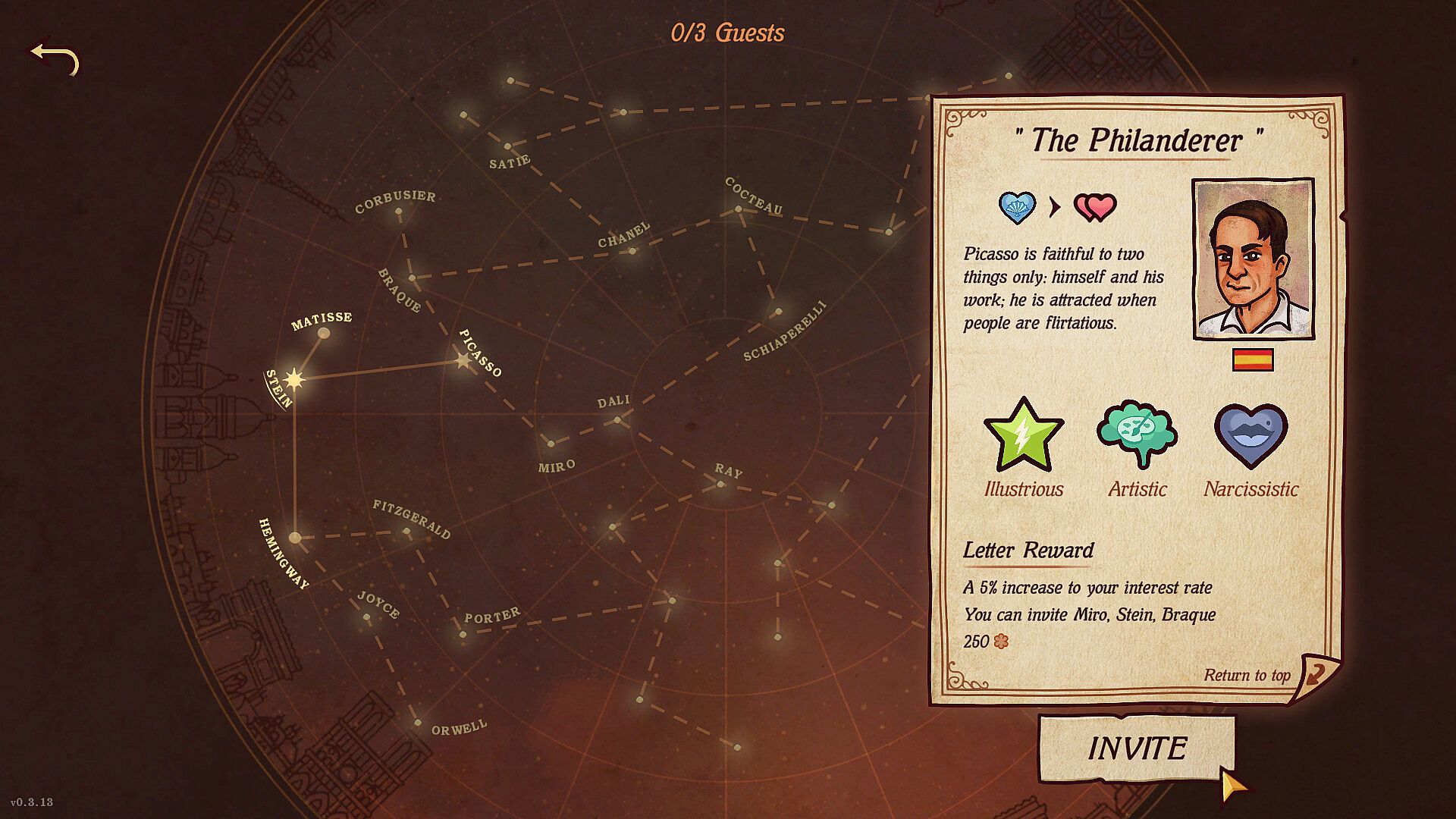
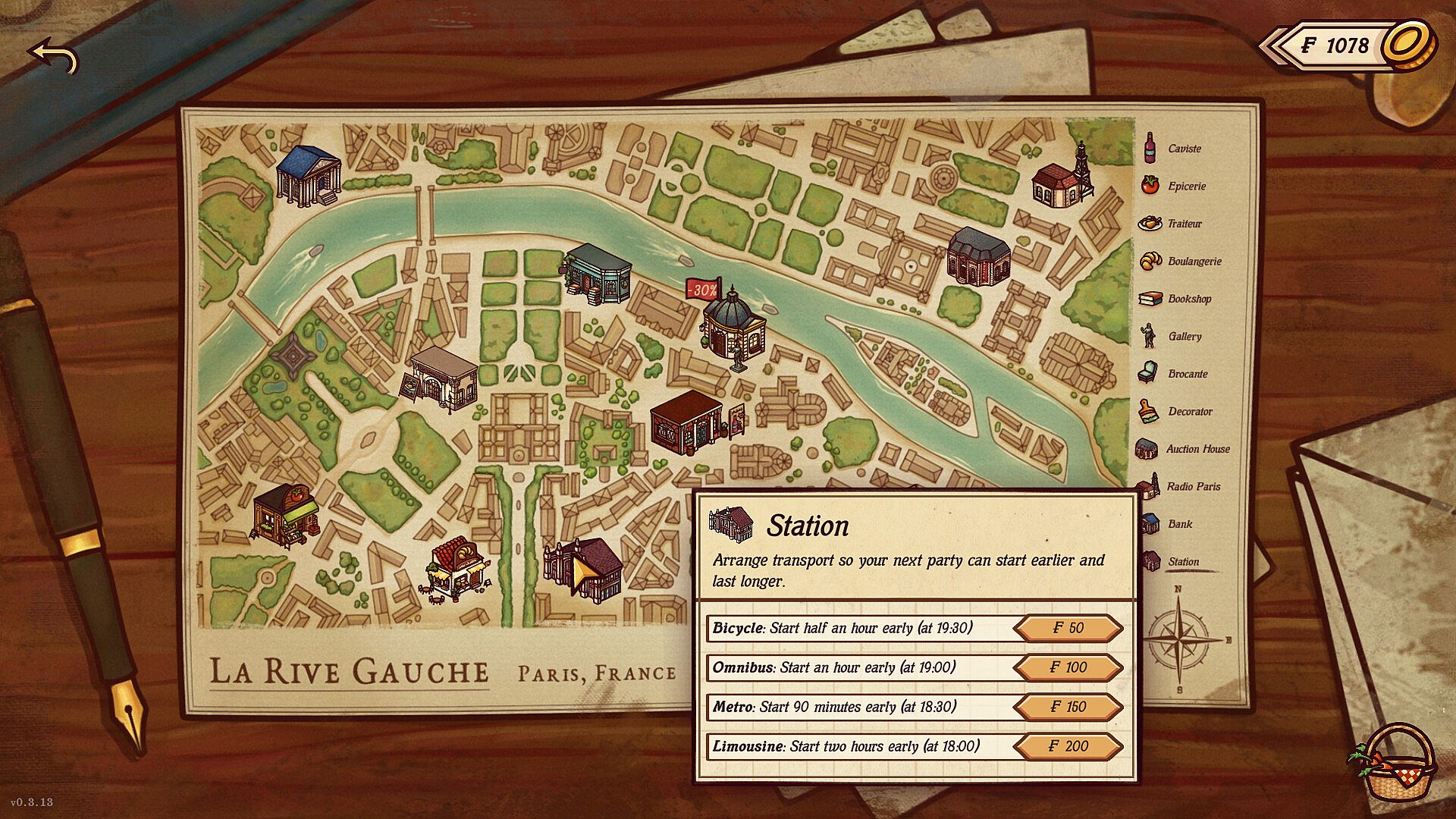
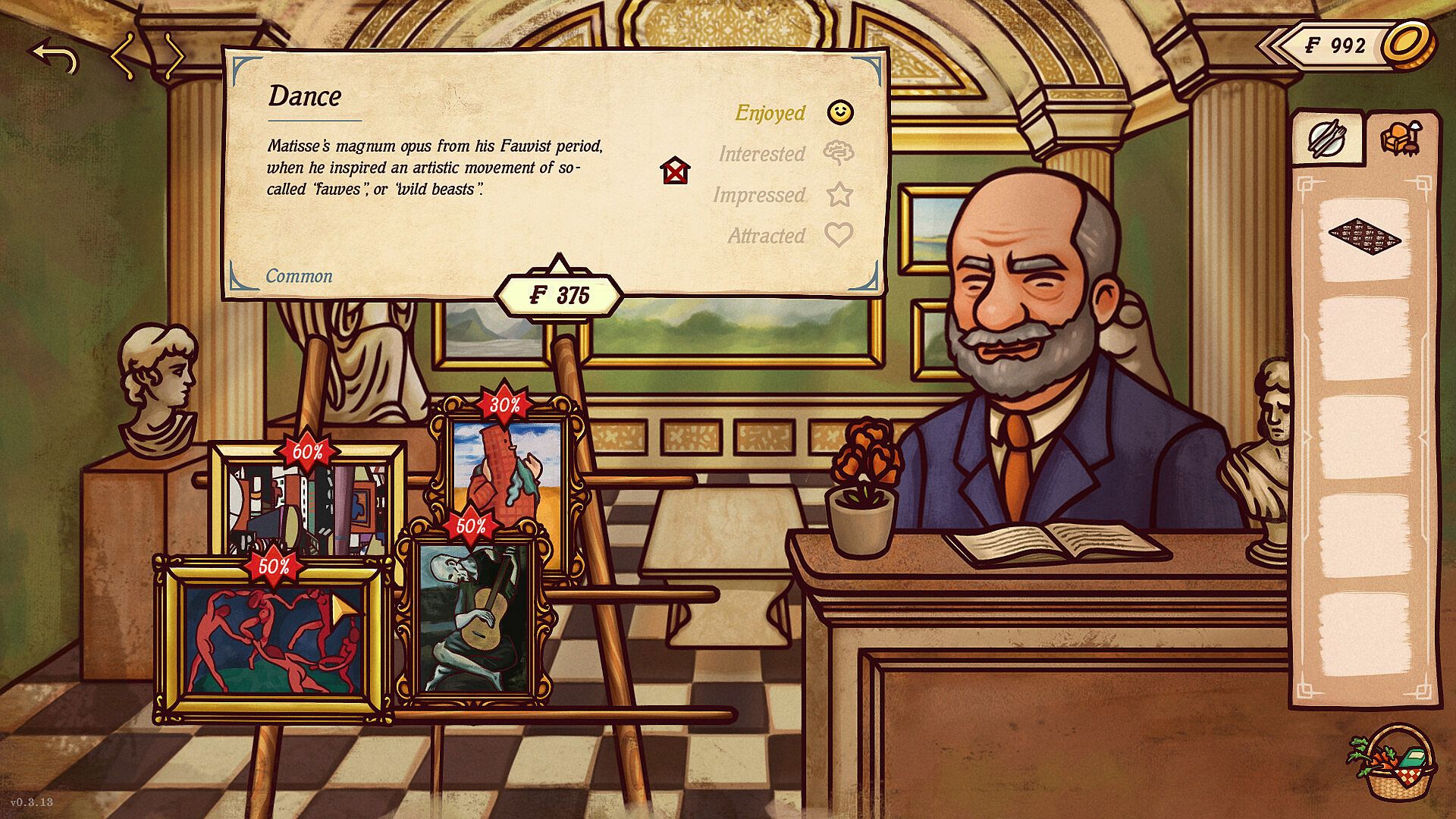
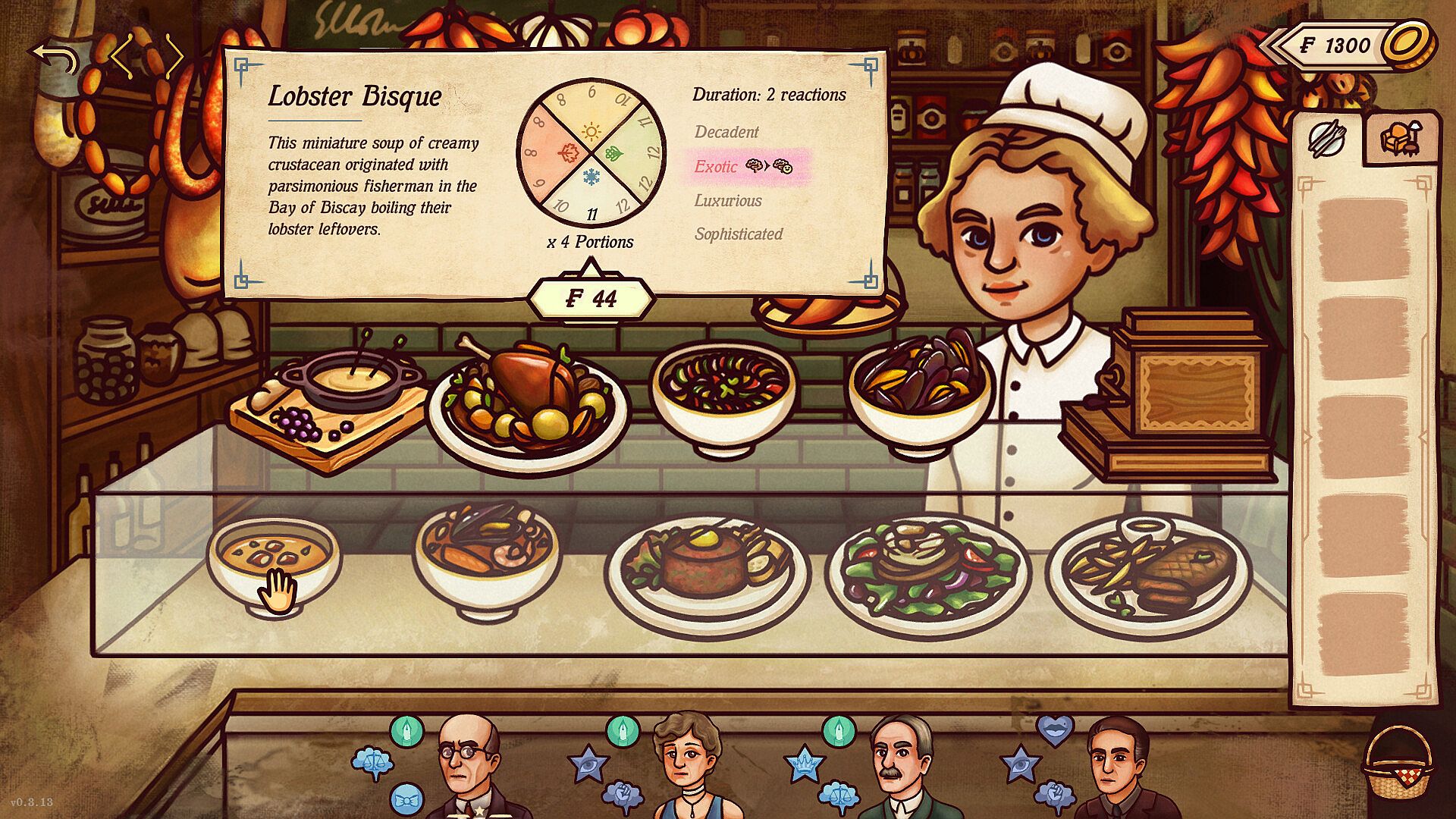
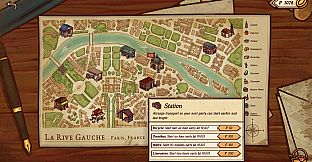
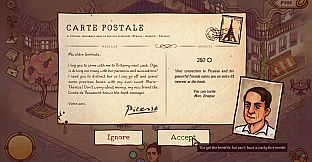
Forty characters from the era, including figures like Picasso, Chanel, and Orwell, can be unlocked through meetings. Each brings unique traits that influence conversations, special roles that activate during events, and different starting resources in friends and currency. Shopping for furniture, food, and drinks occurs through local businesses that open at various points, creating opportunities to manage budgets strategically across the year.
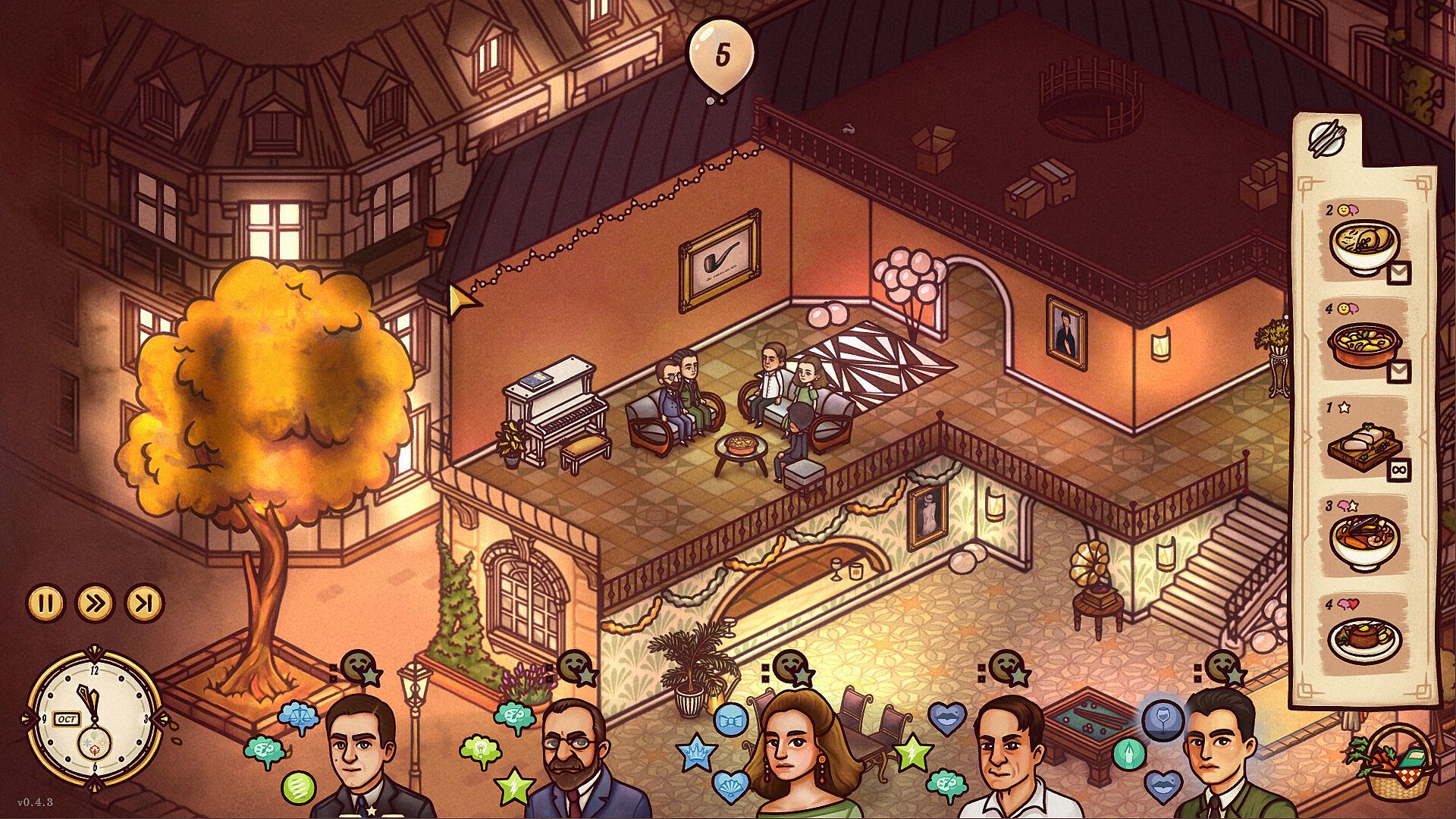
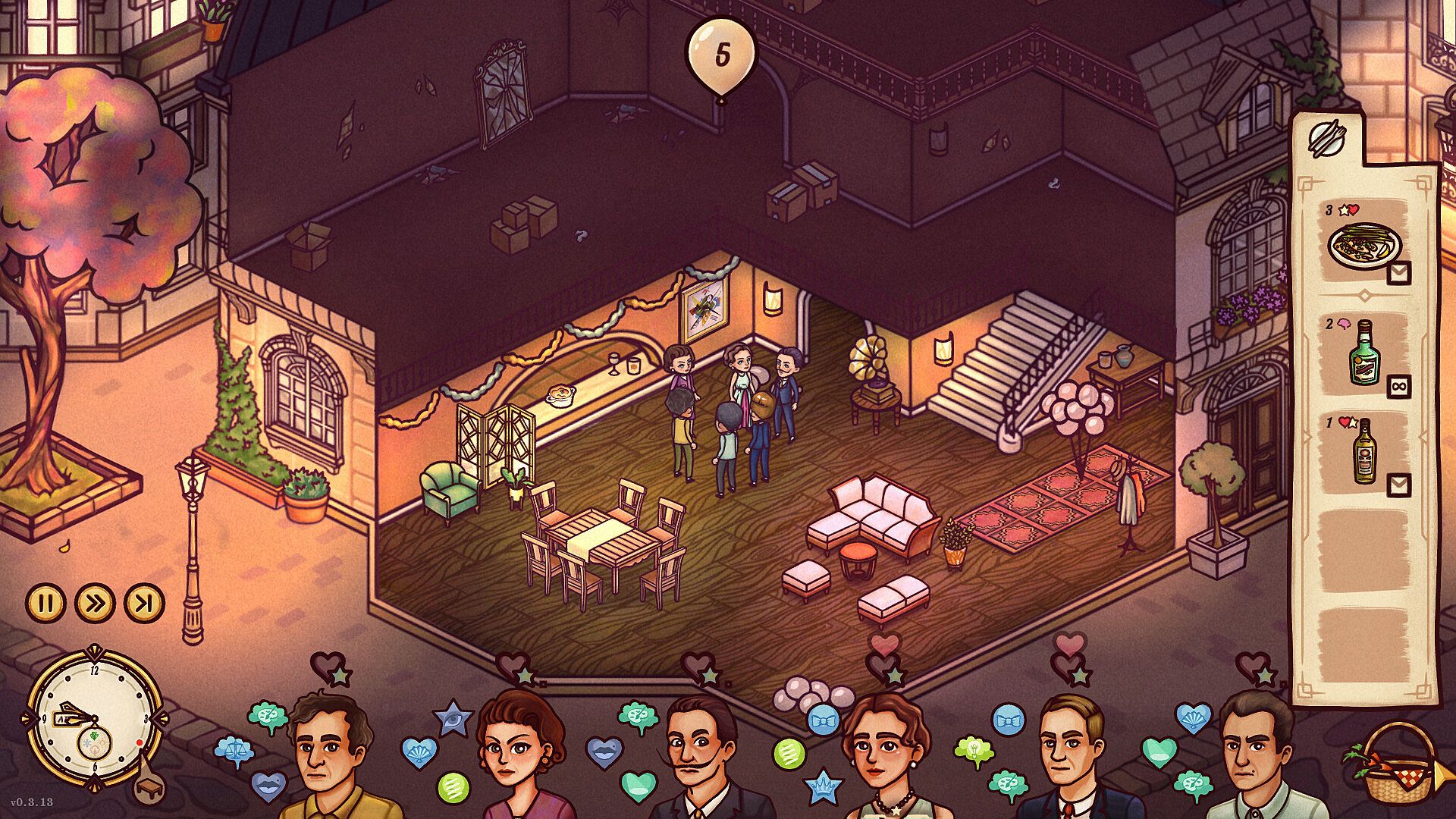
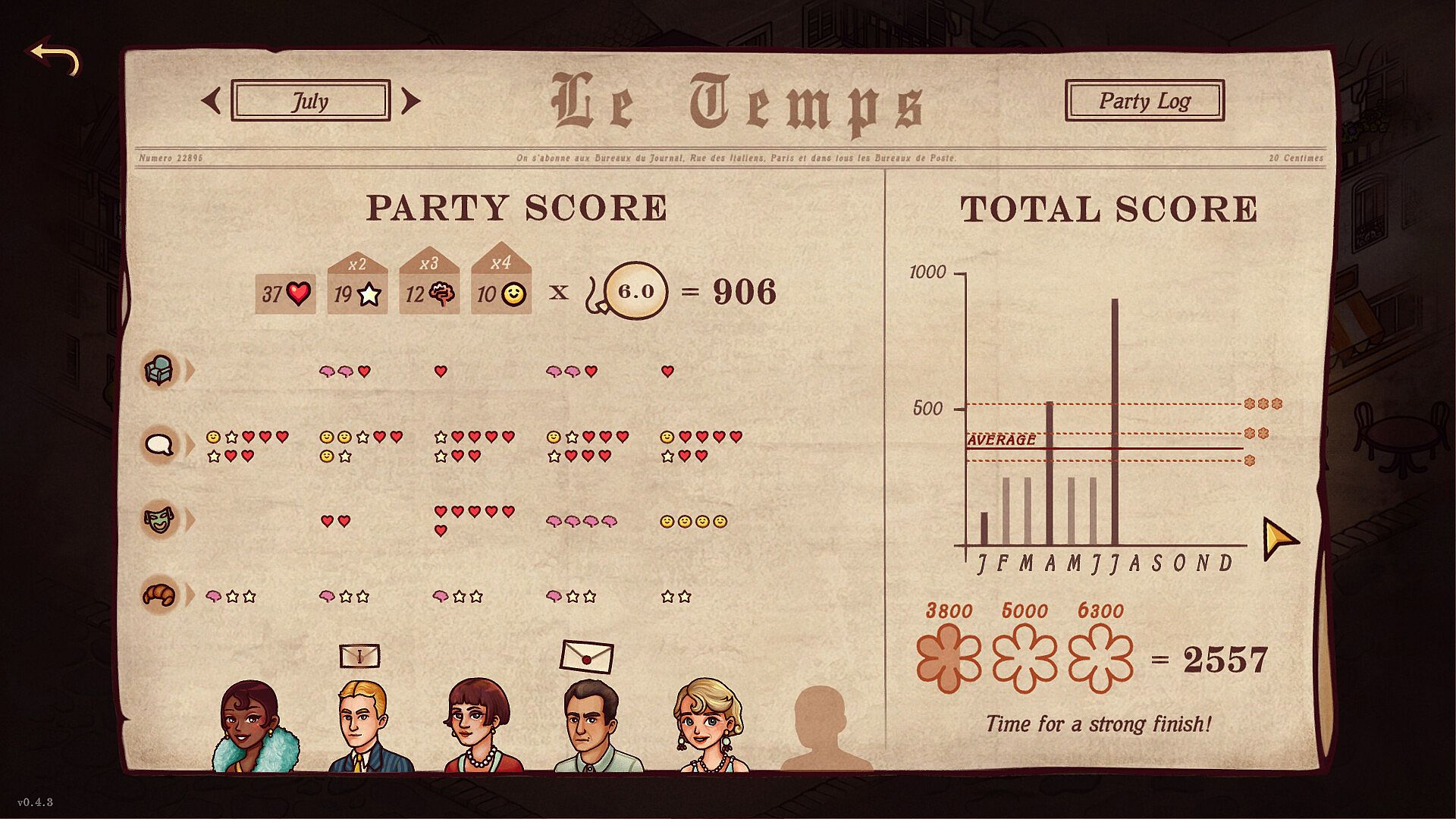
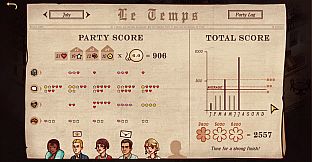
During parties, guests move through the space, react to decor and offerings, and share insights tied to their traits. Positive reactions generate points, with the highest scores coming from balanced reaction types and timely service of food and drinks to keep the mood elevated. The game emphasizes adaptability, as different character perks suit varied approaches to reaching top ratings.
Game Modes
The experience centers on a single continuous campaign spanning twelve months. Players alternate between party hosting and perk-earning trips, with no separate competitive or cooperative structures. Success depends on unlocking characters, experimenting with guest combinations, and refining resource allocation to maximize the final hospitality evaluation.
Monthly decisions create branching paths, as trip perks alter available strategies for subsequent parties. The structure rewards repeated playthroughs with different starting characters, each offering distinct friend networks and trait sets that shift how events unfold.
Characters and Progression
Progression ties directly to meeting and unlocking the cast of historical creatives. Initial limited guest pools expand through introductions, encouraging players to foster connections that reveal new options. Traits expressed in conversation affect party scoring, while special roles provide tactical advantages when triggered at the right moment.
Resource management extends beyond the guest list. Furniture and provisions purchased in Paris influence guest reactions, and businesses with timed availability add layers to budget planning. The goal remains consistent across playthroughs: sustain a strong mood and diverse reactions to climb toward the highest rating.
Is It Worth Playing?
Bon Vivant suits players who enjoy thoughtful strategy games with social simulation elements and historical flavor. The single-player format allows focused experimentation with character combinations and monthly choices without time pressure from opponents. Since the title remains in development with no released version or user reviews available, prospective players can follow updates through the developer's channels to assess fit once it launches.
The approachable design, drawn from the studio's prior work on compact strategy titles, suggests accessibility for those new to the genre while offering depth through trait interactions and resource trade-offs. Those drawn to 1920s Paris settings and party-planning mechanics will find the core systems align closely with that theme.