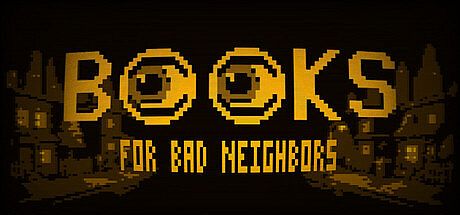


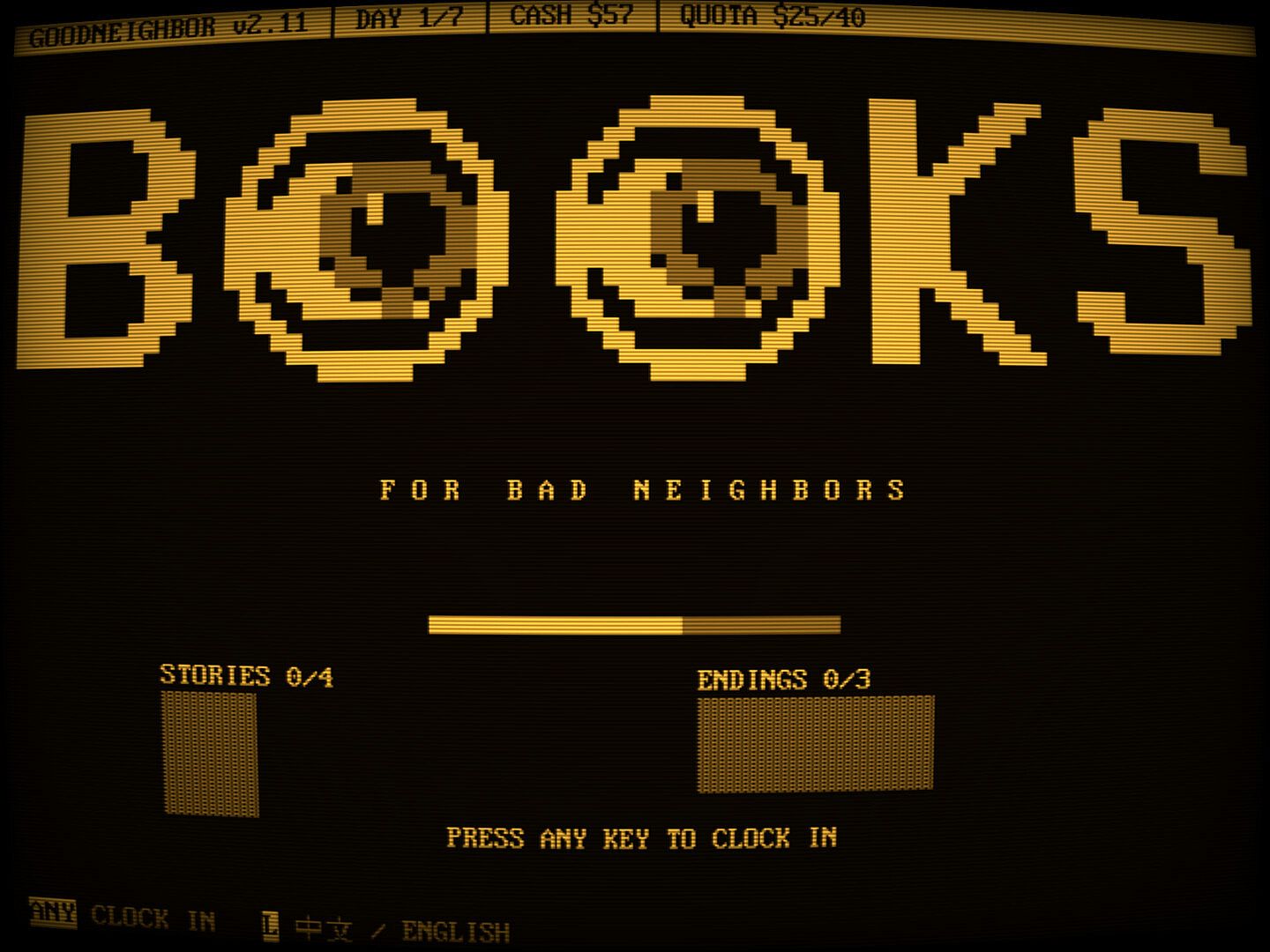
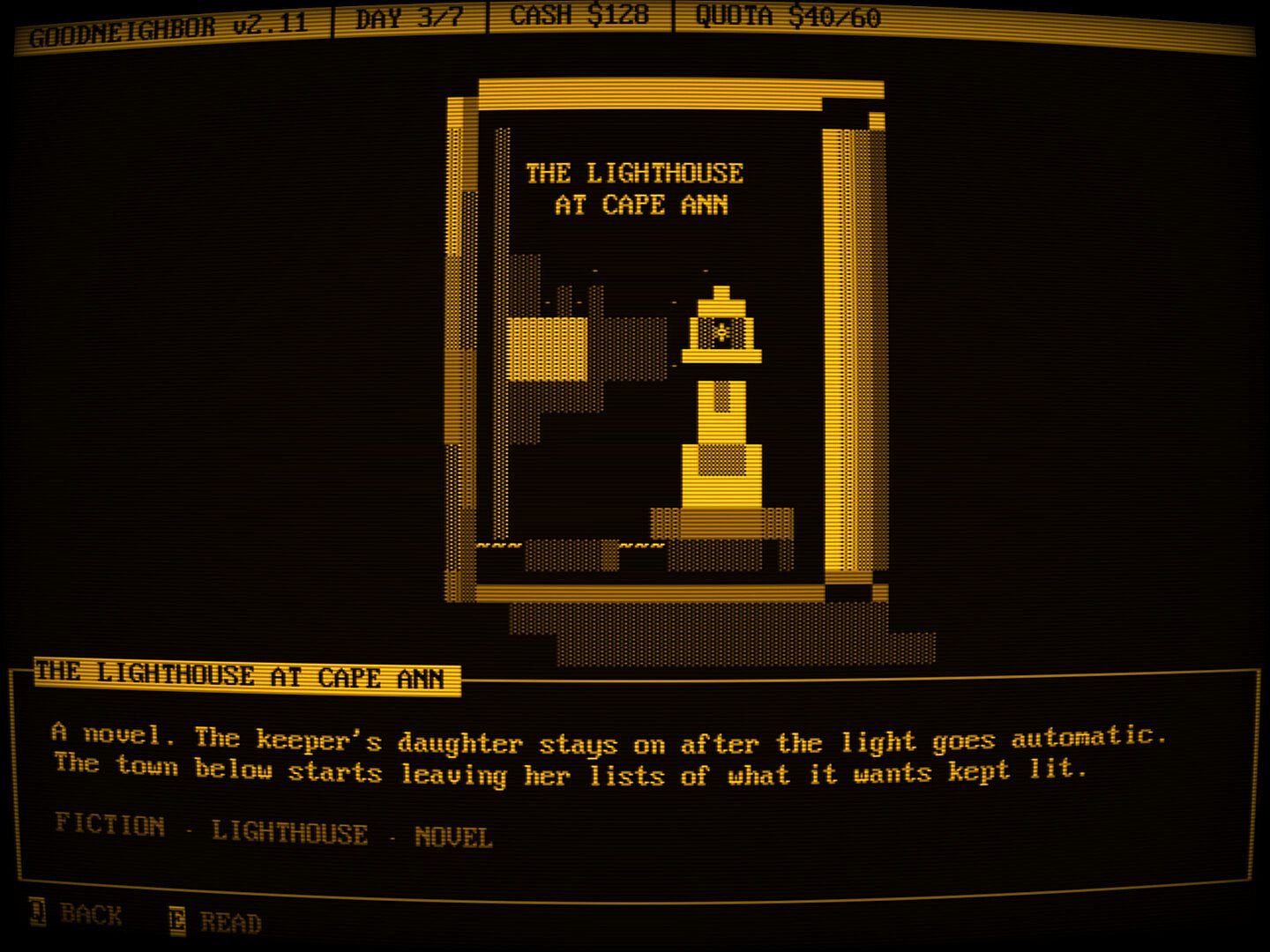
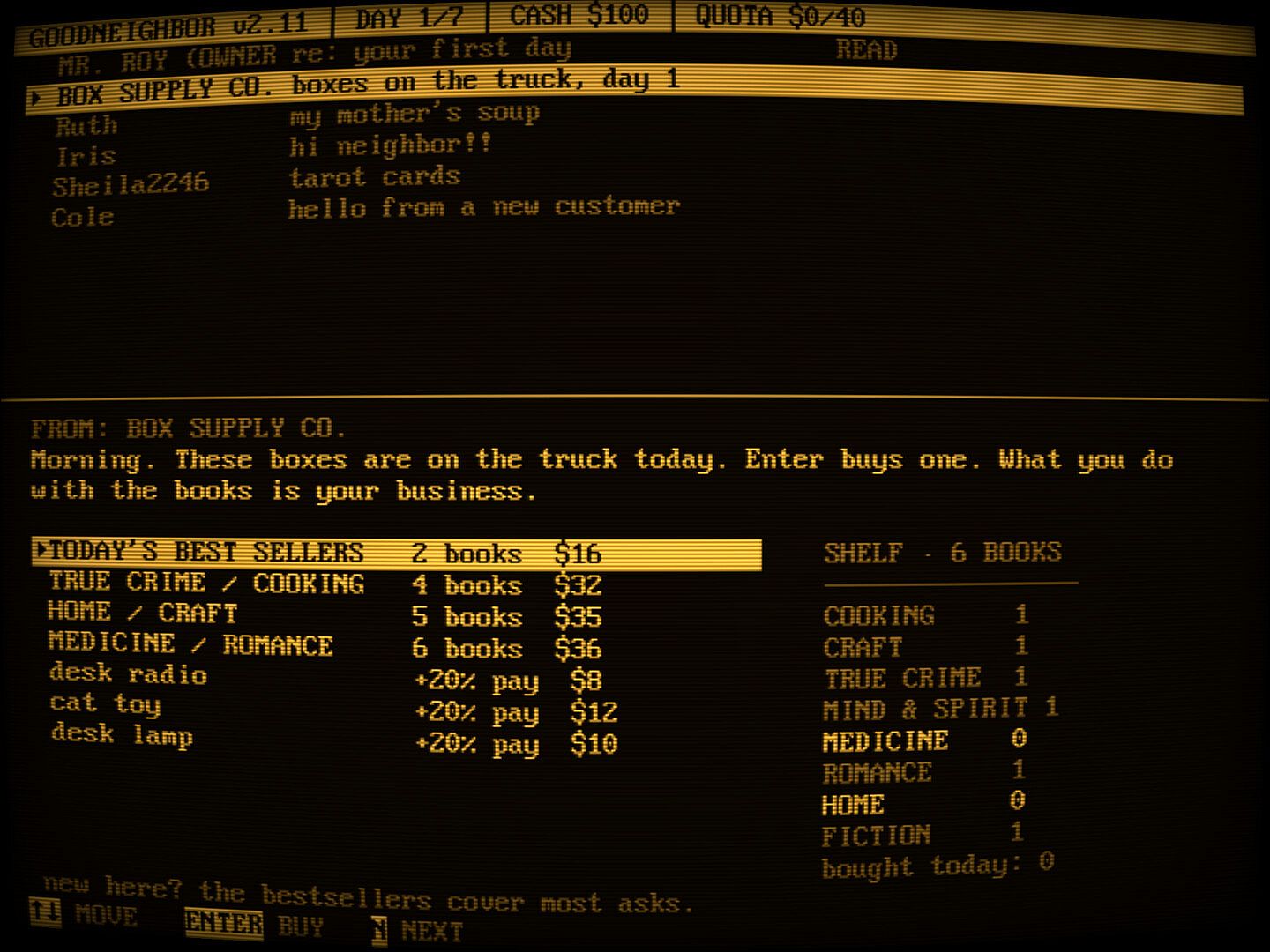
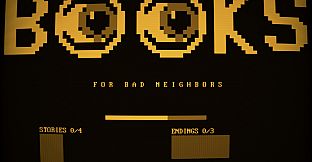
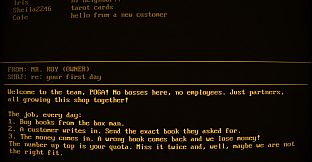
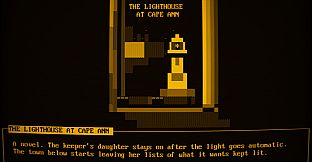
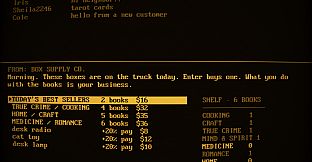
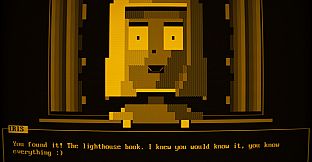
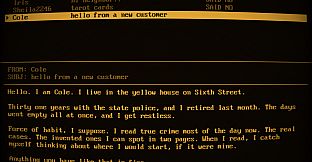
Books for Bad Neighbors is a single-player simulation and adventure game set in a small town during 199X. Players take on the role of a bookshop clerk who handles daily operations through a retro terminal with an orange screen. The experience centers on managing orders, interacting with customer correspondence, and piecing together personal stories from the books people request.
Gameplay
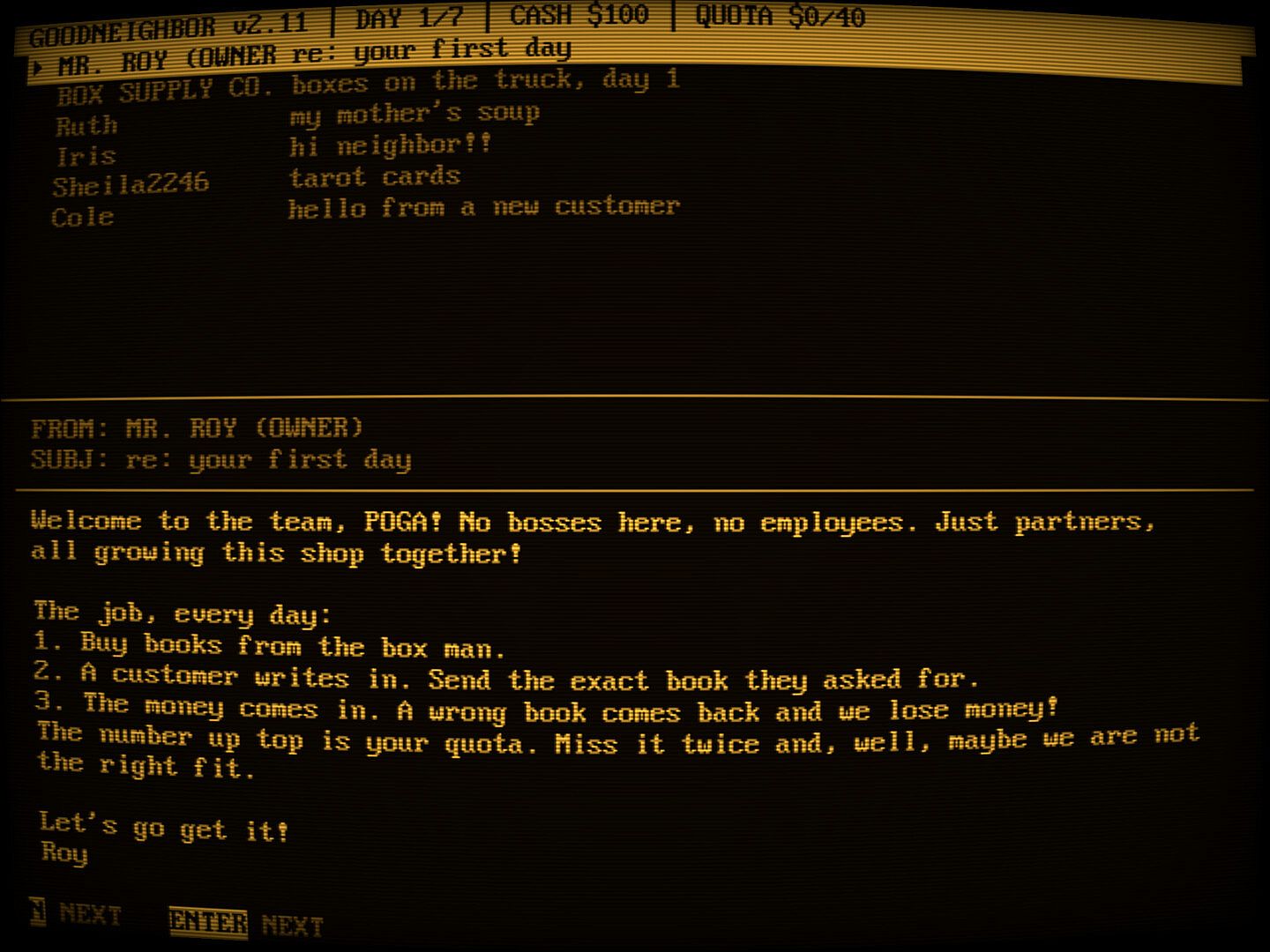
The core loop involves ordering stock from a supplier each day, reviewing incoming customer emails, locating the requested books in inventory, packing the orders, and meeting a daily quota. The retro computer interface shapes every interaction, with the supplier's available titles changing weekly and some books disappearing permanently once sold out. Attention to the specific books ordered reveals details about each customer that go beyond the surface of their requests.
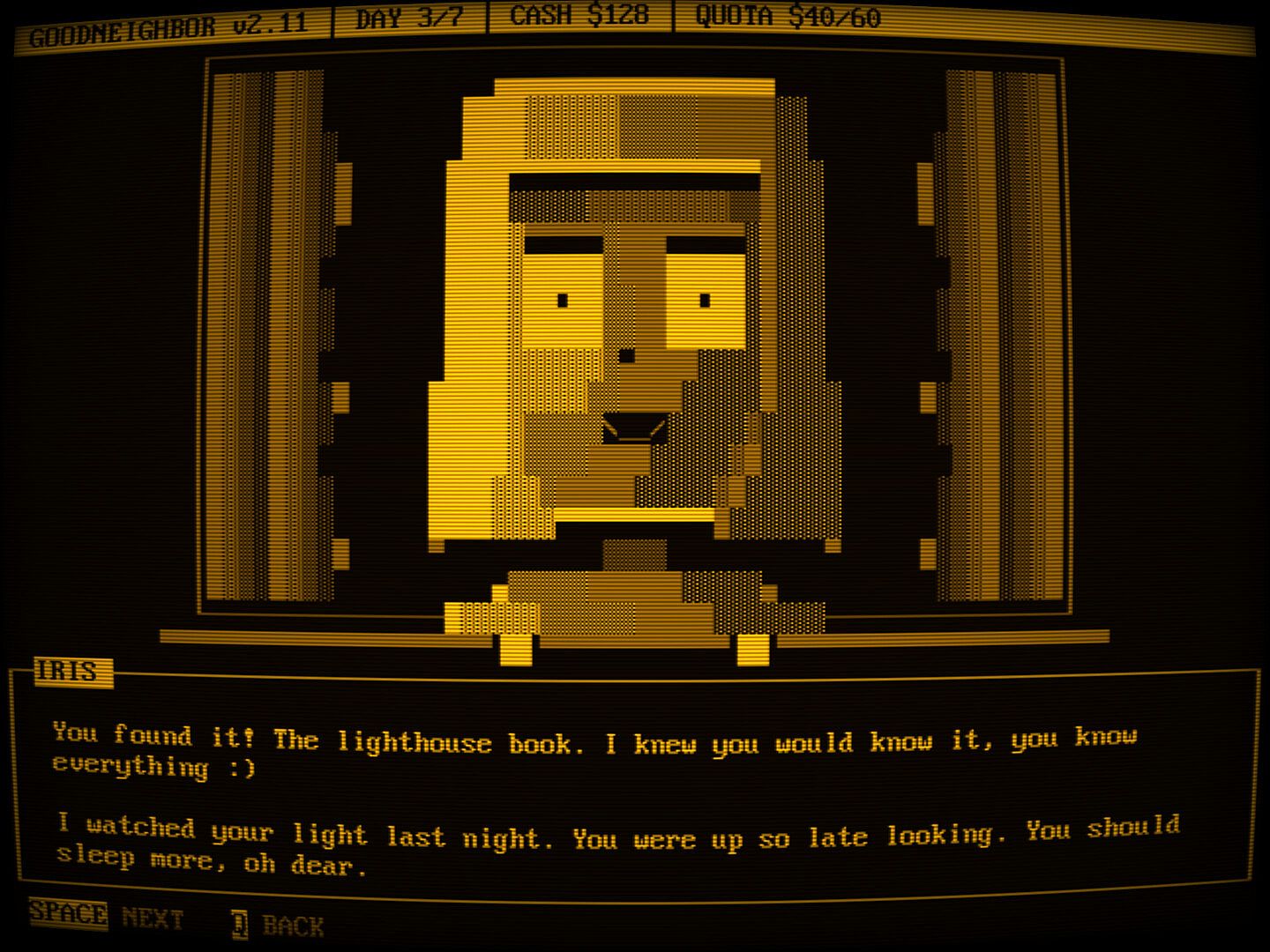
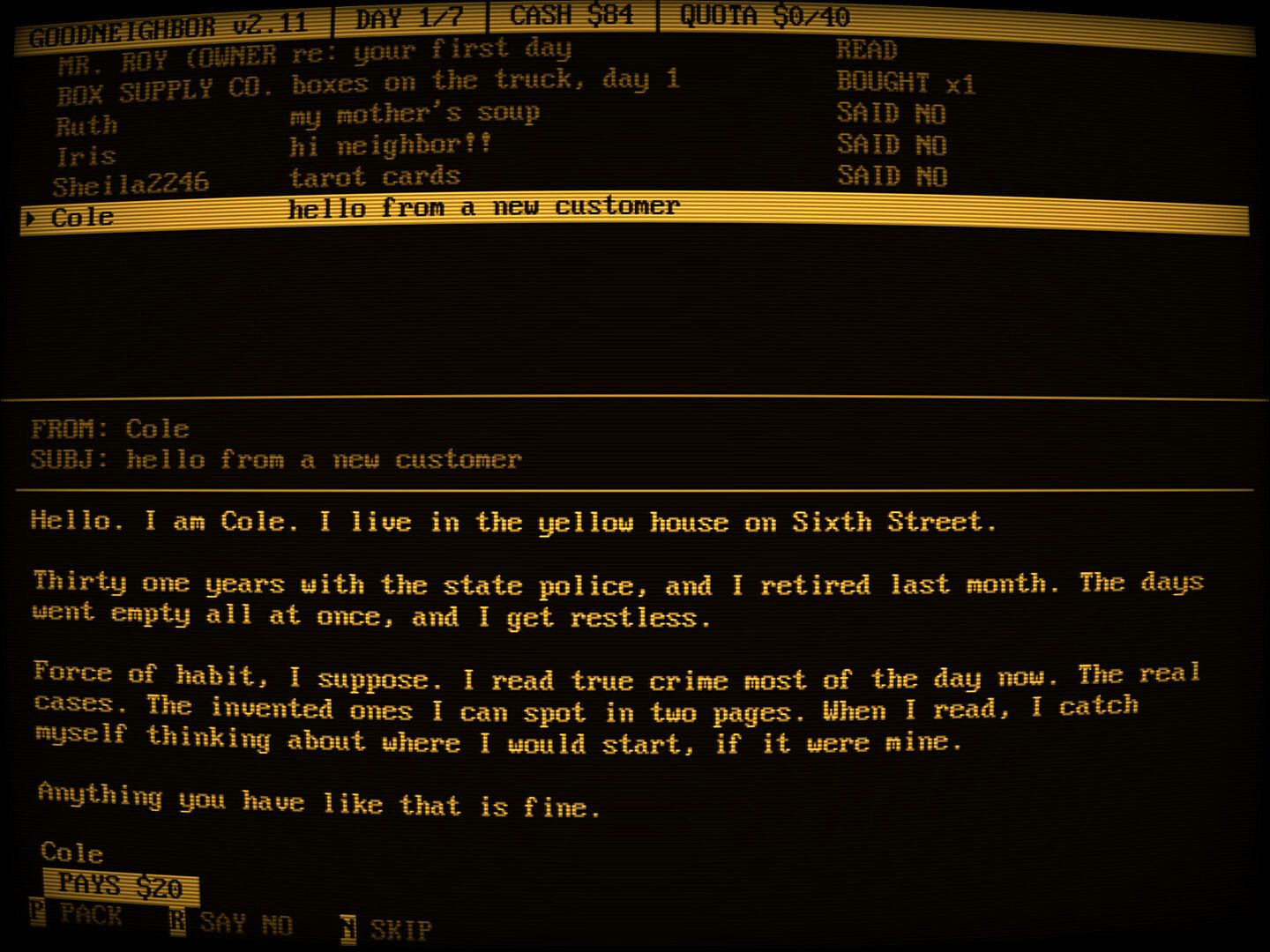
Letters from customers grow more detailed as more orders are fulfilled for the same person. This progression allows the clerk to learn about hidden aspects of their lives through patterns in their reading habits. The process repeats across multiple days, with the shop closing at six each evening.
Quotas create ongoing pressure because refusing certain orders can lead to follow-up questions from customers who know the clerk's location. The work remains straightforward on the surface yet requires careful observation of every request and response.
Game Modes
The game operates entirely as a single-player experience focused on narrative progression through daily shop routines. There are no separate competitive or cooperative modes, and all activity stays within the bookshop setting on the simulated 199X terminal.
Player decisions around which orders to accept or decline influence the available information and the overall outcome. The structure emphasizes repeated daily cycles that build toward multiple possible conclusions based on accumulated choices about sales and interactions.
Narrative and Choices
Multiple mysteries unfold gradually through the orders and letters that arrive at the shop. Each customer's reading list serves as a window into their circumstances, and continued service deepens the details provided in their correspondence. The narrative builds from these incremental revelations rather than direct dialogue or exploration outside the counter.
Endings vary according to the books sold and the individuals served over time. Some requests carry risks that must be weighed against the need to maintain quota, adding tension to routine tasks. The entire story remains contained within the shop's operations and the digital records on the old terminal.
Is It Worth Playing?
Books for Bad Neighbors appeals to players who enjoy deliberate, observation-driven simulation games with strong narrative elements. The focus on daily routines and the slow uncovering of personal stories suits those interested in quiet, introspective experiences rather than action or large-scale exploration.
As an upcoming title with no released version or player feedback available yet, it remains best suited for fans of narrative-driven simulations who appreciate the specific 199X aesthetic and the mechanics of managing a small business while tracking customer details. The single-player format and emphasis on choice-driven endings provide a contained story that unfolds through consistent shop work.