








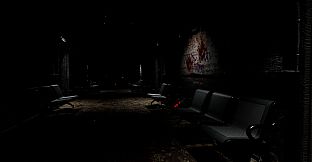
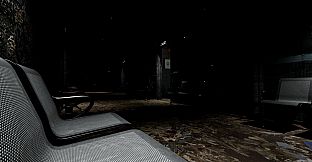


Broken Drive is a first-person psychological horror title that blends indie simulation and adventure elements on PC. Players step into the role of a father grappling with the aftermath of a tragic loss, navigating a reality warped by grief and mental decline.
Gameplay
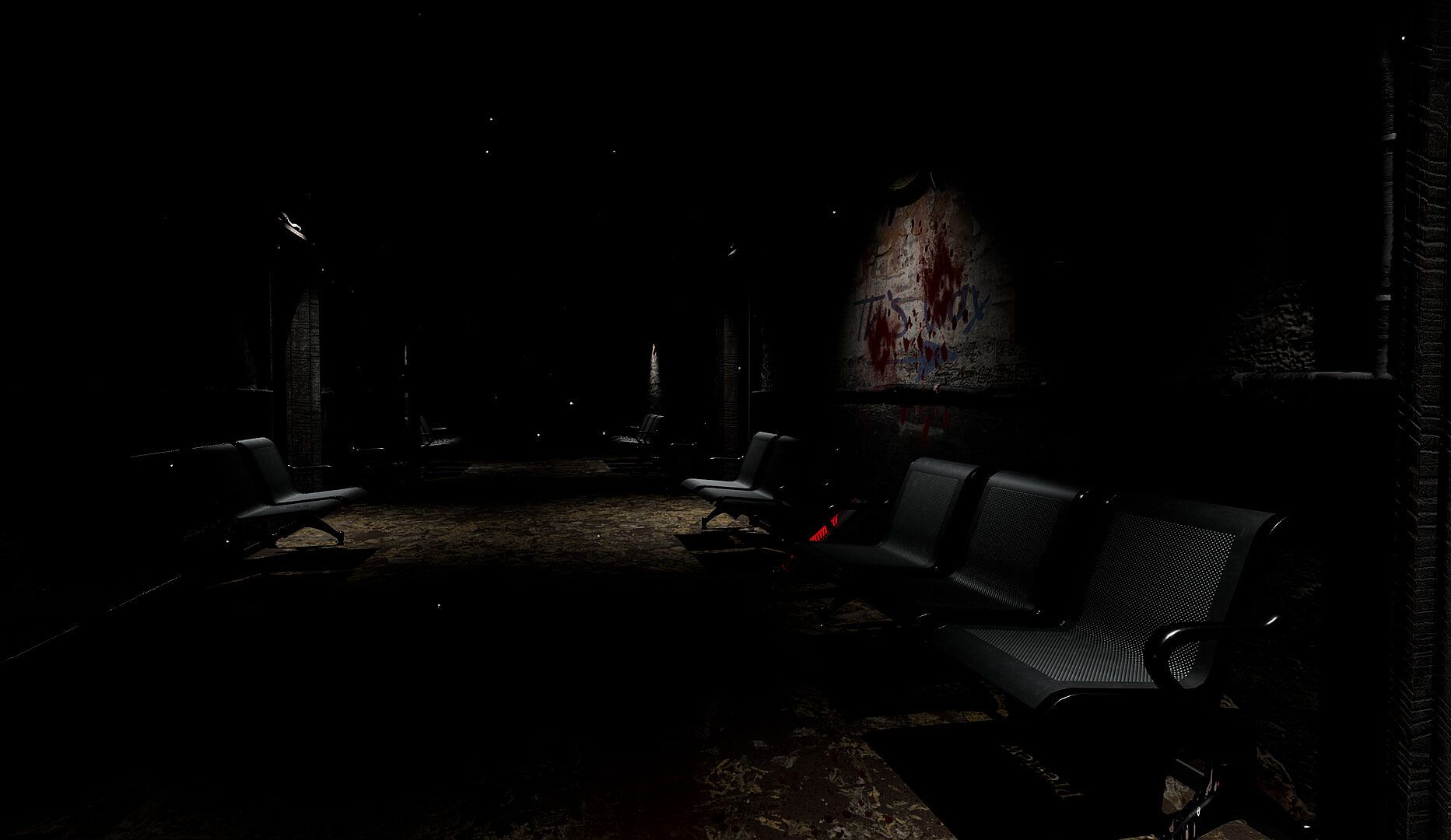
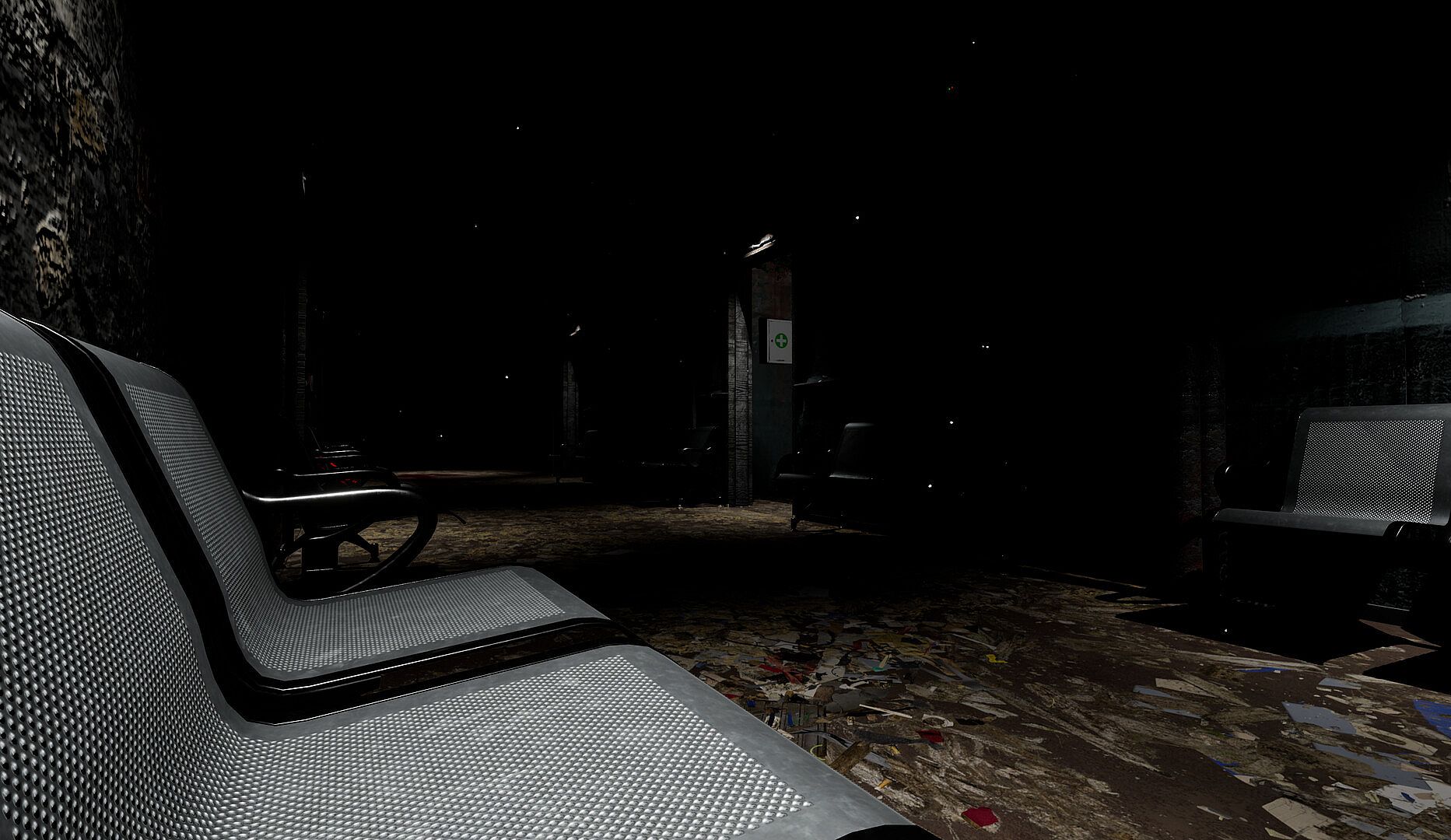
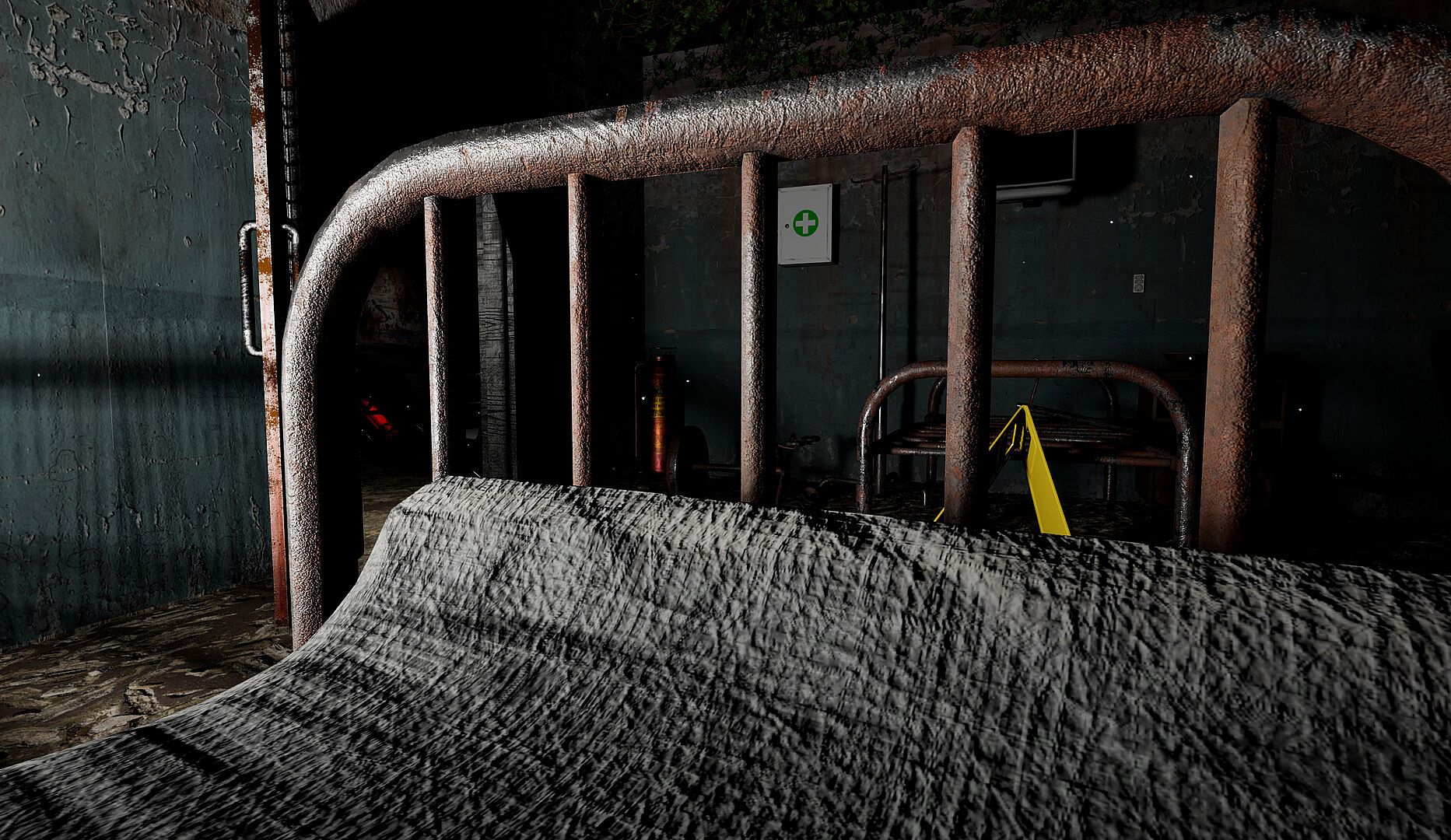
The core experience centers on exploration within a confined, looping hospital environment. Movement follows standard first-person controls, with attention directed toward observing changes in the surroundings. Corridors shift in layout and appearance upon repeated traversals, doors vanish or relocate, and spatial distortions intensify over time. This mechanic simulates the progression of dementia by altering the playable space without player input, forcing constant reorientation and attention to subtle environmental cues.
Progression involves locating and examining scattered clues that represent fragmented memories. These items appear in varying positions across loops, encouraging methodical searching and mental mapping of the area. Interaction remains limited to observation and collection, with no combat or defensive tools available. Tension builds through the absence of reliable landmarks and the gradual escalation of visual and auditory anomalies that blur the distinction between physical space and mental fabrication.
Game Modes
Broken Drive operates as a singleplayer experience without separate multiplayer options or distinct game modes. The entire session unfolds as one continuous narrative loop that players repeat with accumulating alterations. Each cycle builds upon the previous through environmental evolution rather than branching choices or alternate scenarios. This structure emphasizes persistence and pattern recognition over varied play styles or competitive elements.
Atmosphere and Narrative
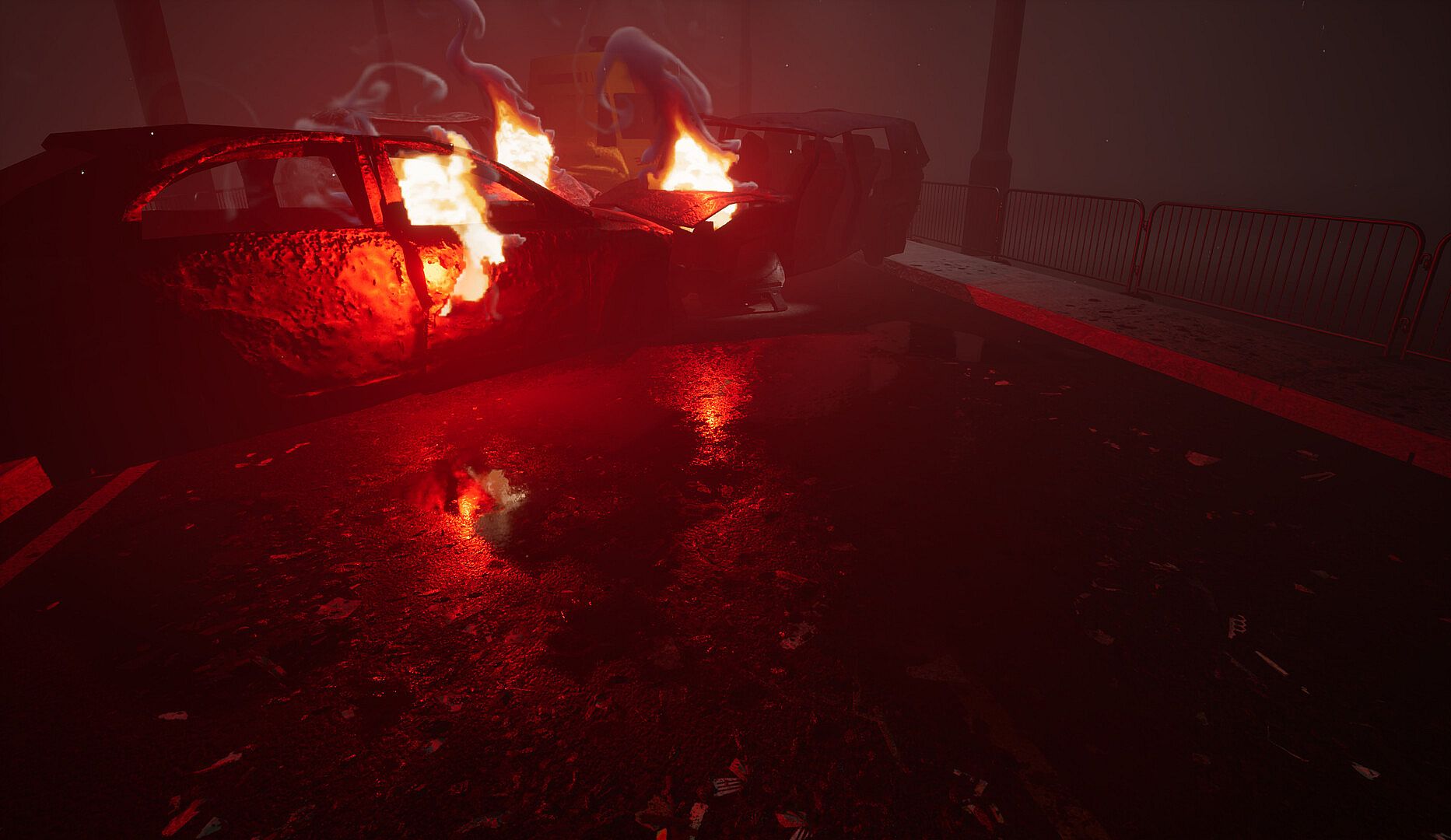
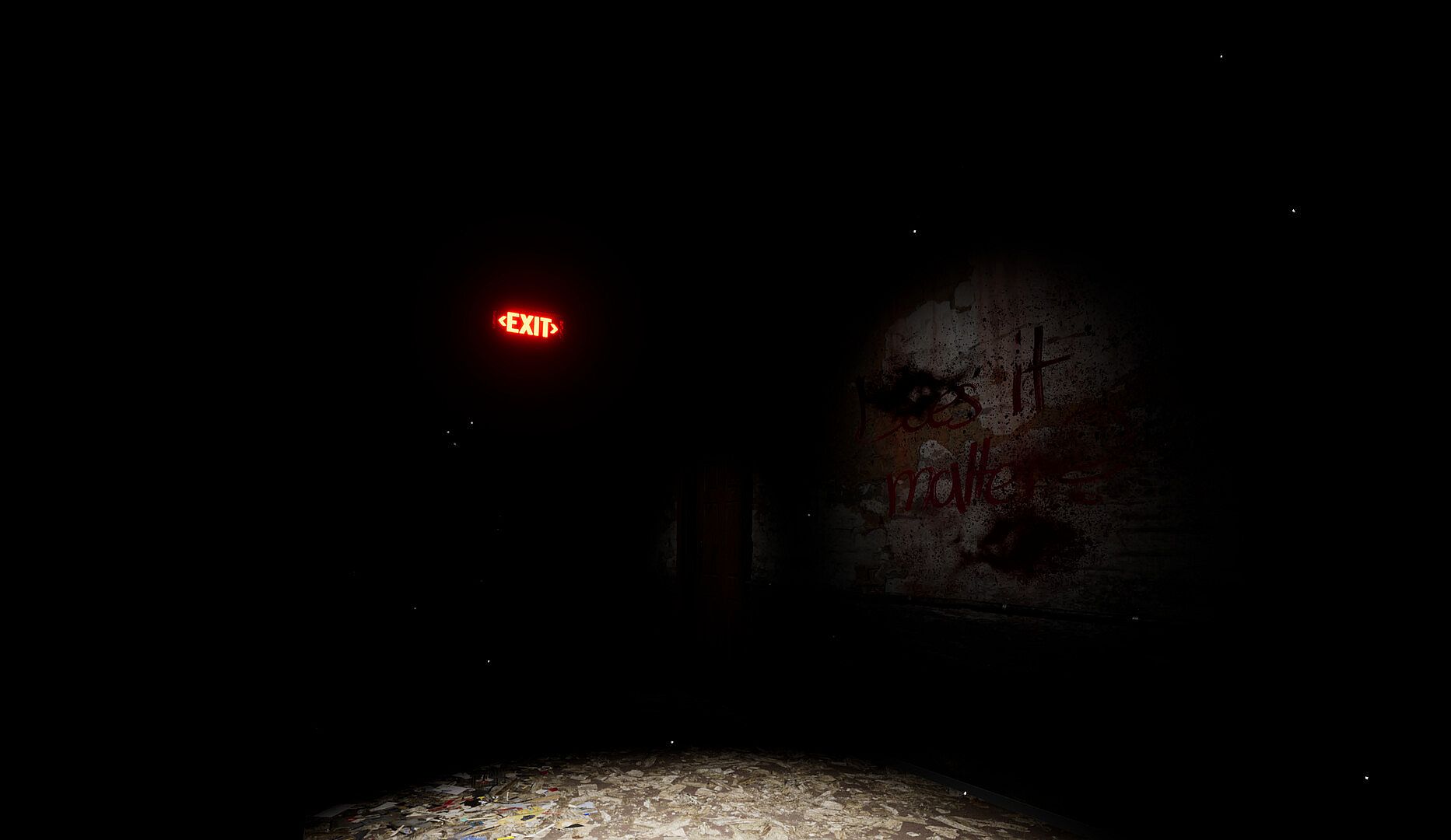
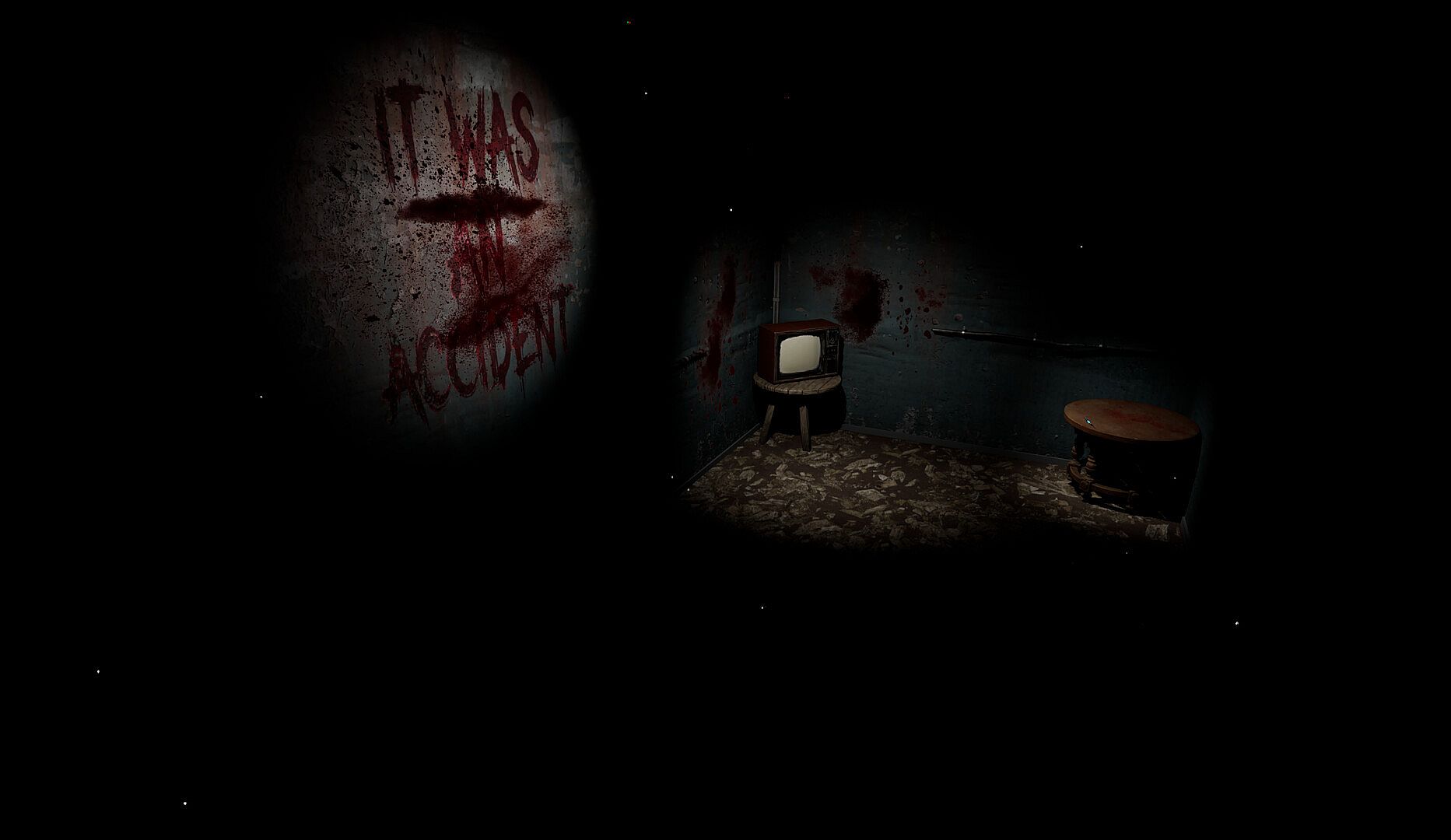
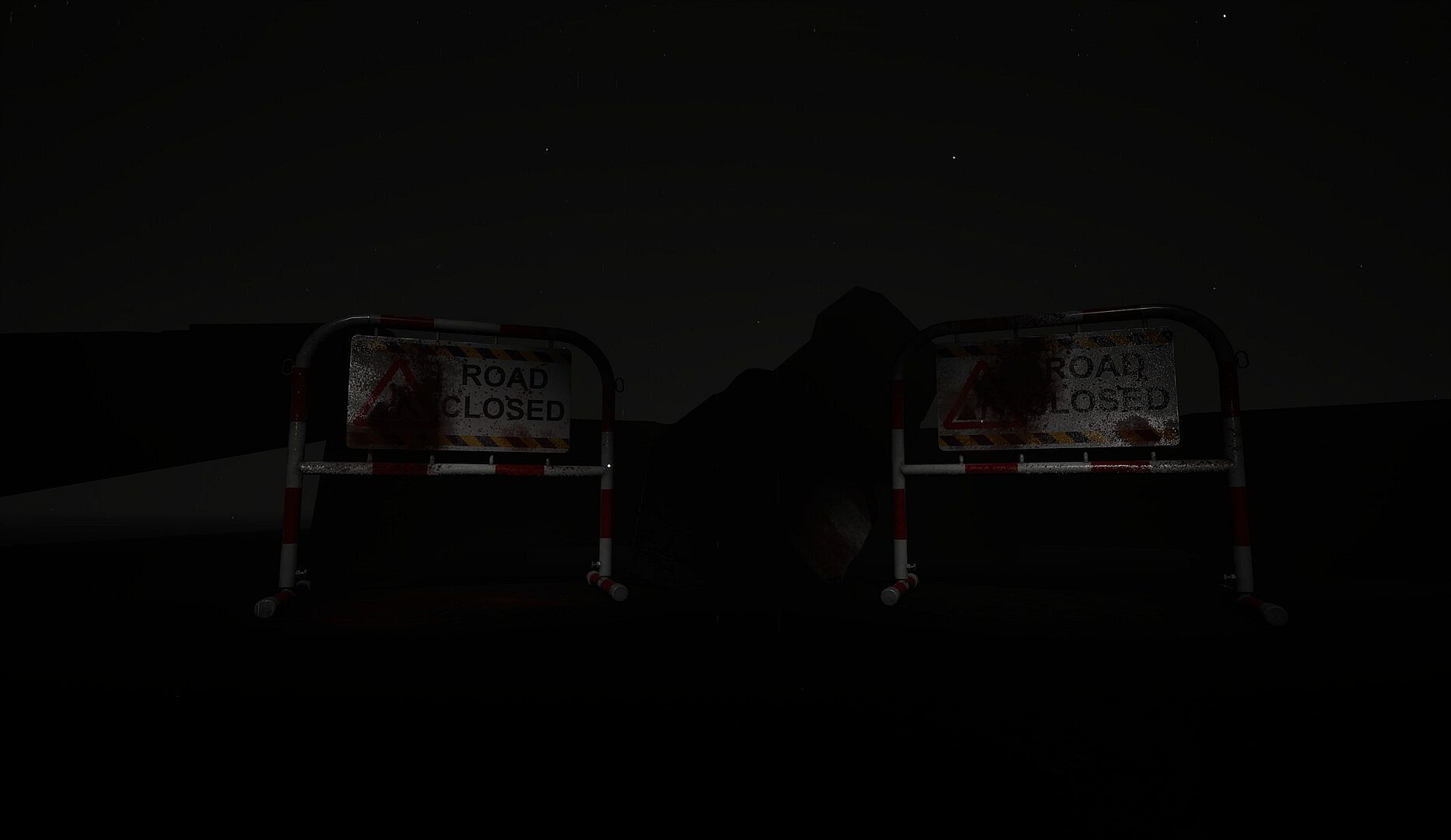
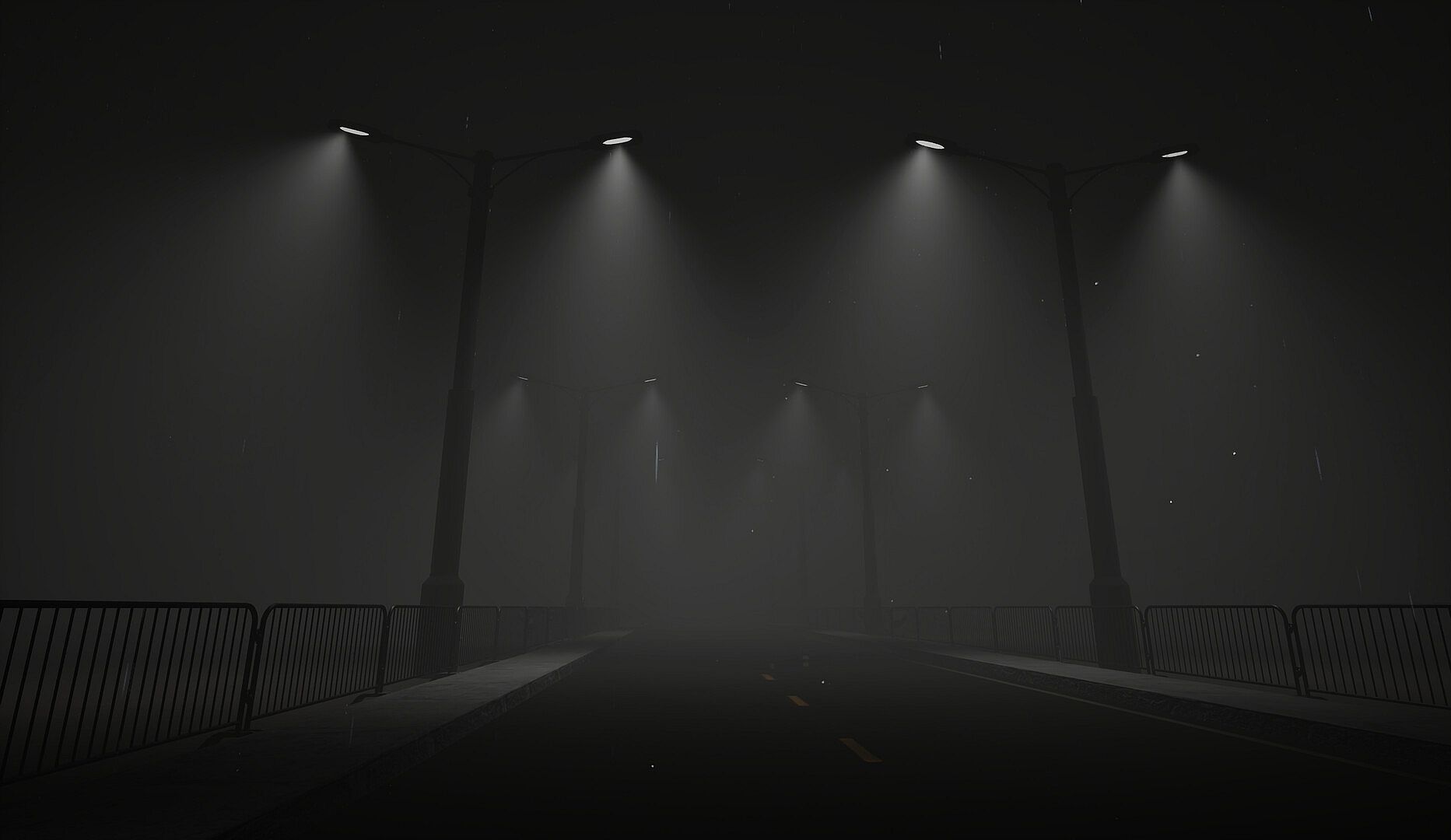
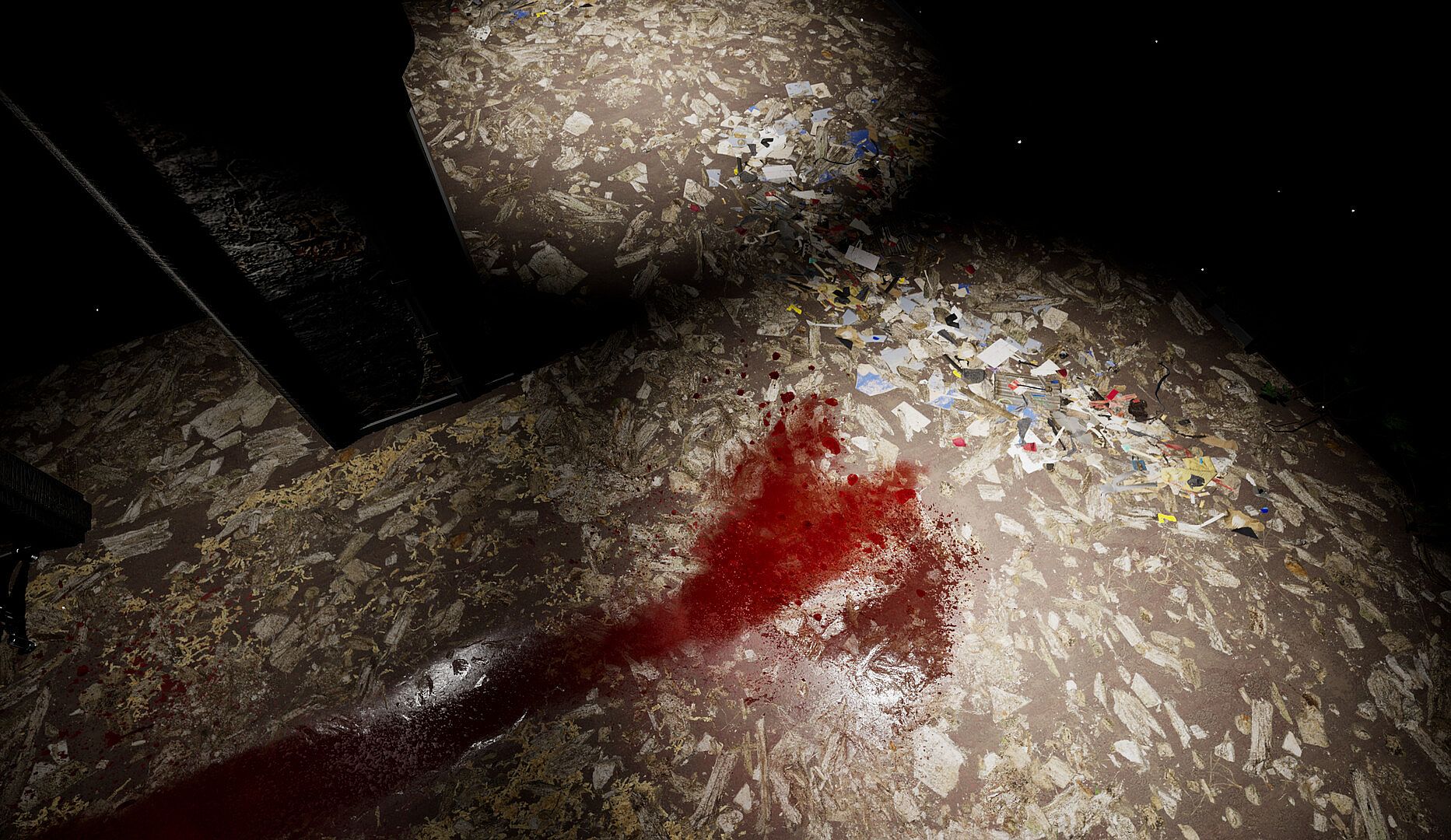
The setting draws from the protagonist's internal state, presenting an abandoned hospital as a manifestation of unresolved trauma. Lighting remains dim and inconsistent, with shadows and distant sounds contributing to a persistent sense of unease. Narrative delivery occurs through environmental storytelling and collected memory fragments rather than direct exposition or dialogue trees. The focus stays on the psychological weight of loss, where the hospital's repetitive nature mirrors the mind's struggle to process grief.
Sound design supports the theme by introducing irregular audio cues that may or may not correspond to visible events. These elements reinforce the simulation of mental instability without relying on overt startling moments. The overall tone prioritizes sustained discomfort and introspection over rapid pacing or external threats.
Key Mechanics and Features
Environmental shifting forms the central system, where backtracking reveals alterations in architecture and object placement. Players must adapt navigation strategies as familiar paths become unreliable. Clue gathering serves as the primary objective driver, with each item providing incremental insight into the backstory while advancing the loop's progression.
Additional features include the gradual intensification of distortions, which affect both visual perception and spatial consistency. No inventory management or resource systems appear beyond basic collection of memory pieces. The design keeps interactions minimal to maintain focus on observation and endurance within the changing space.
Is It Worth Playing?
Broken Drive suits players who appreciate deliberate, atmospheric psychological horror that emphasizes mental themes over action or jump scares. The looping structure and environmental changes create a unique simulation of cognitive decline, appealing to those interested in narrative-driven indie experiences on PC. Reception centers on its ability to convey isolation and regret through gameplay mechanics rather than traditional scares.
Those seeking fast-paced adventure or simulation with clear objectives may find the repetitive nature and limited interactions less engaging. The title delivers its intended effect for audiences comfortable with introspective horror that unfolds slowly across repeated cycles. Availability remains limited to the PC platform as described in its core presentation.











