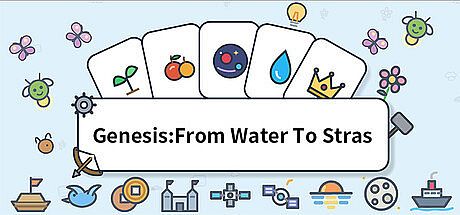


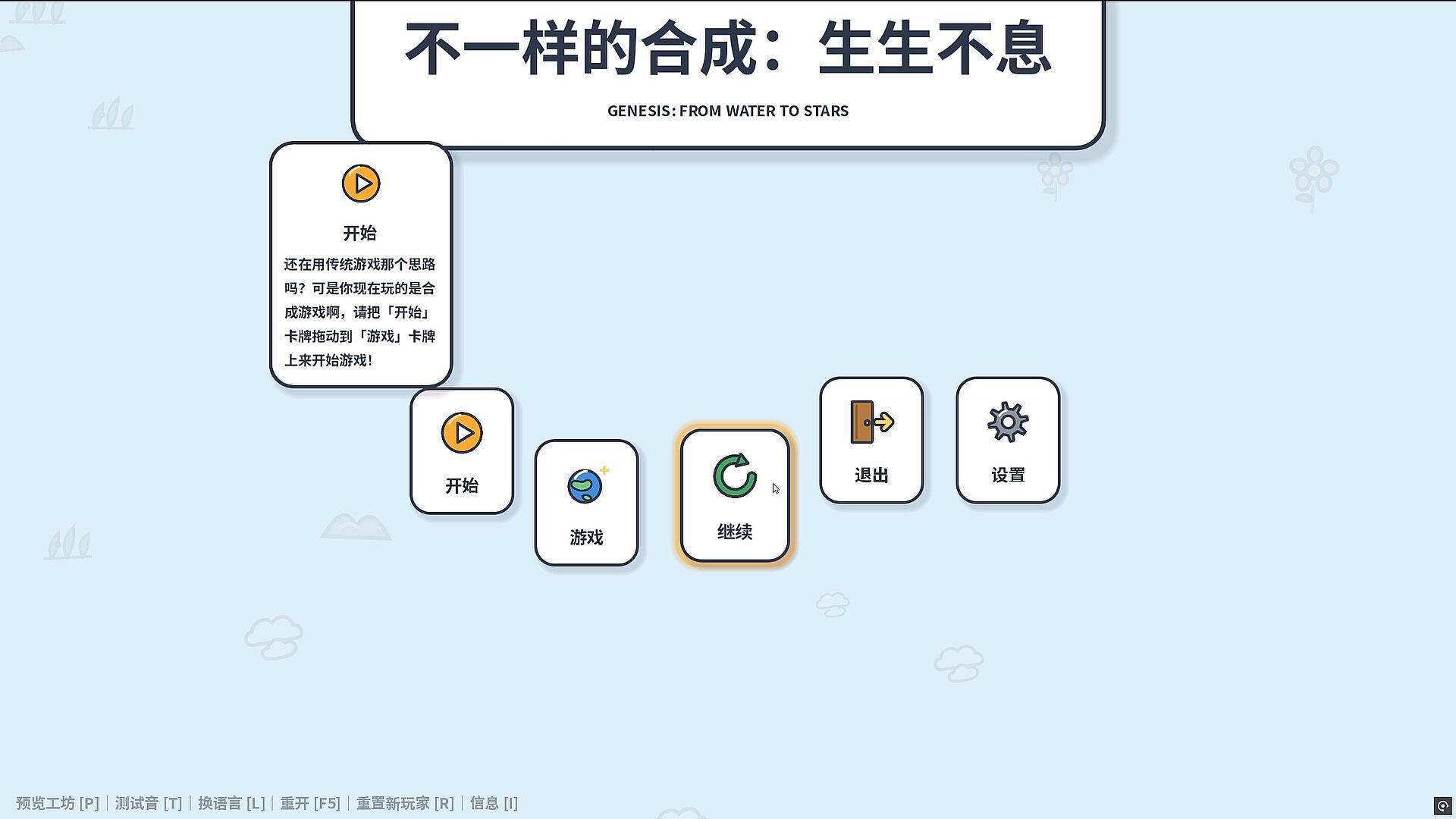
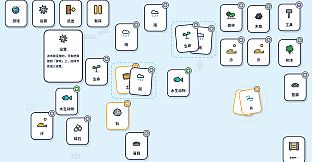
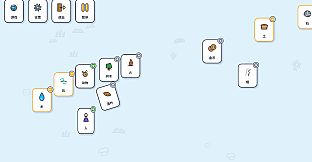
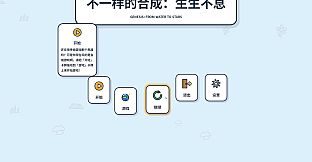
Genesis: From Water to Stars is a strategy indie casual game built around card synthesis, resource management, and automation. Players begin with basic natural elements on a single canvas that evolves through player-driven combinations into a living world spanning human history from early origins to spacefaring civilization.
Gameplay
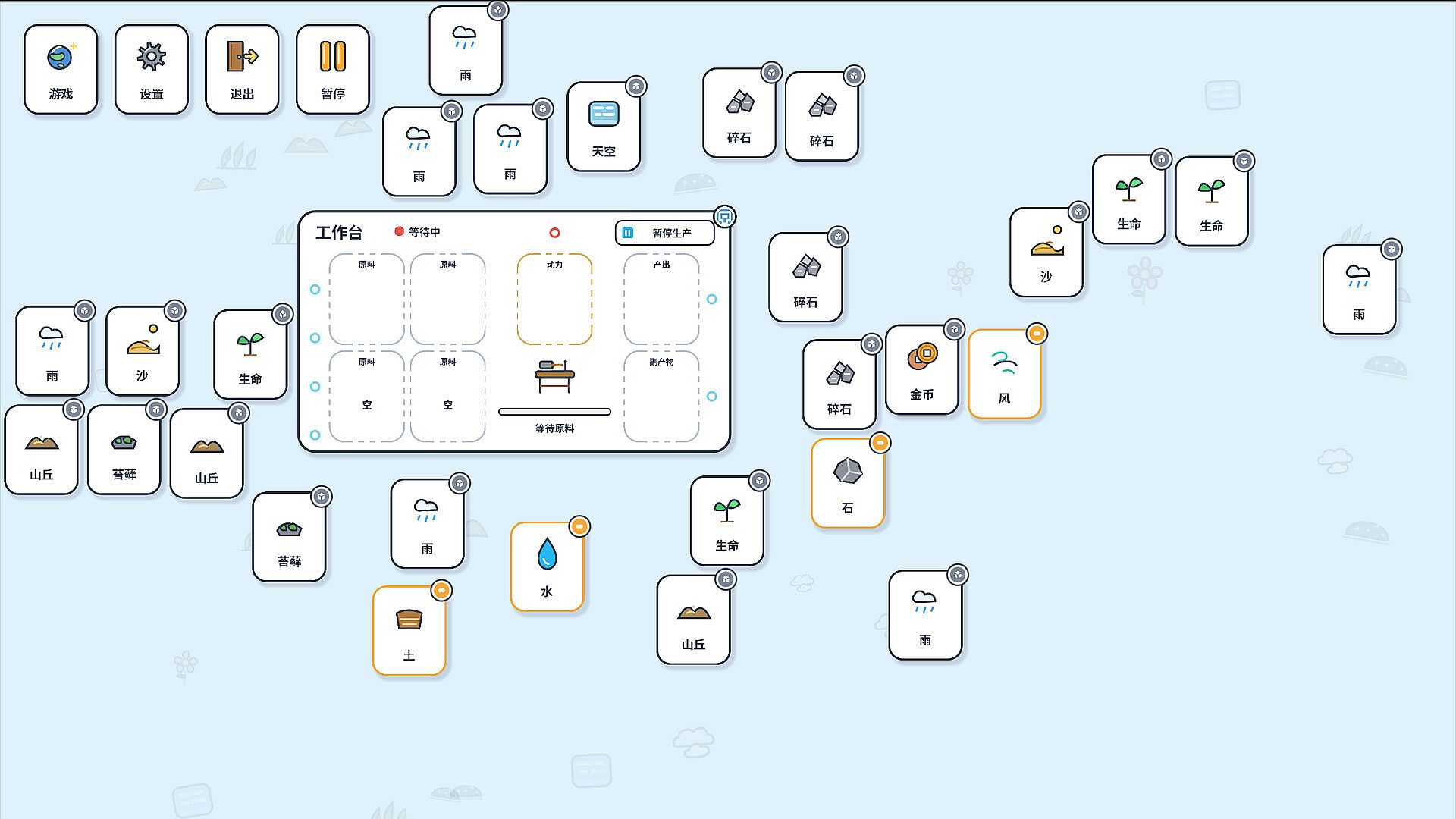
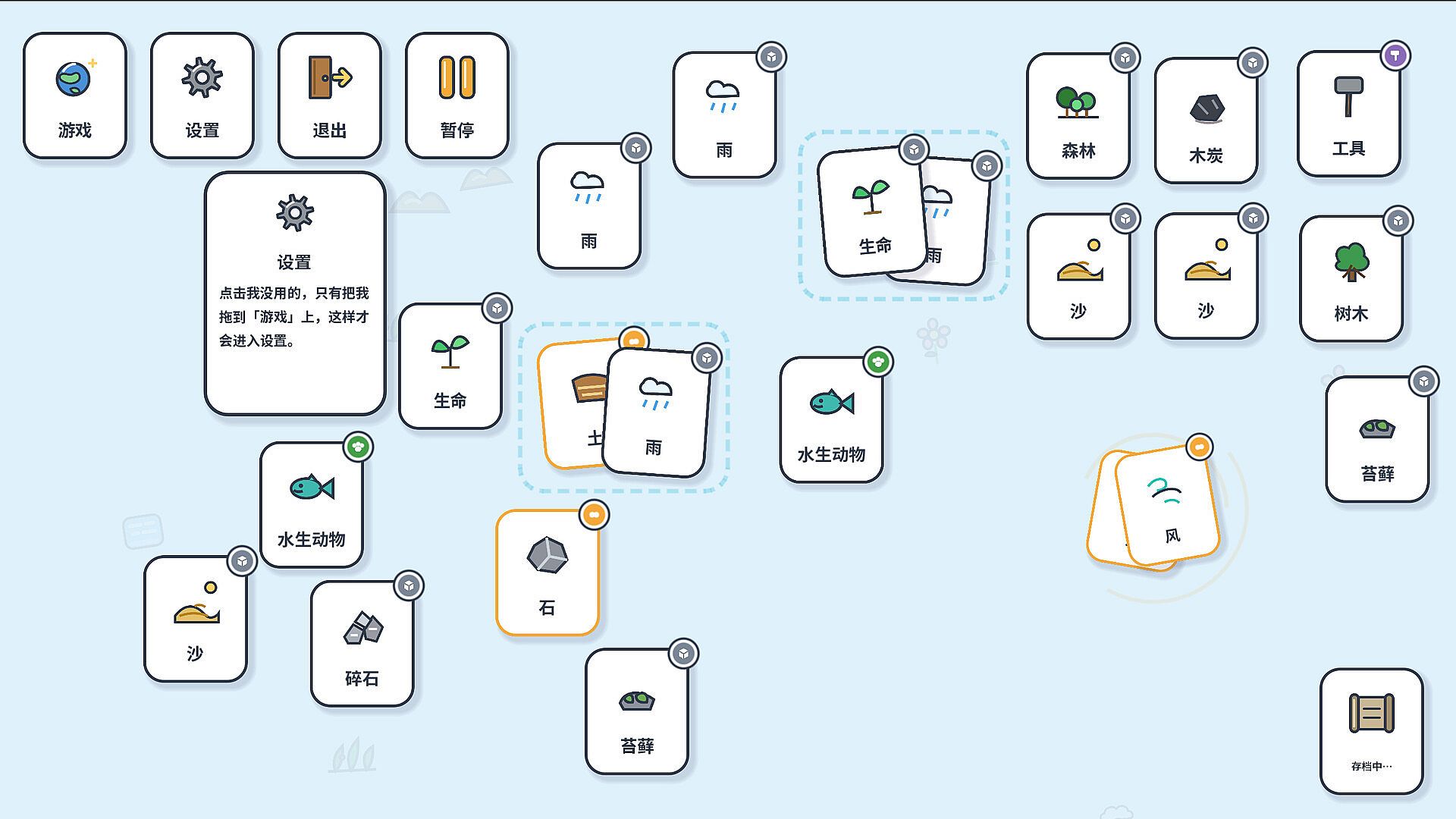
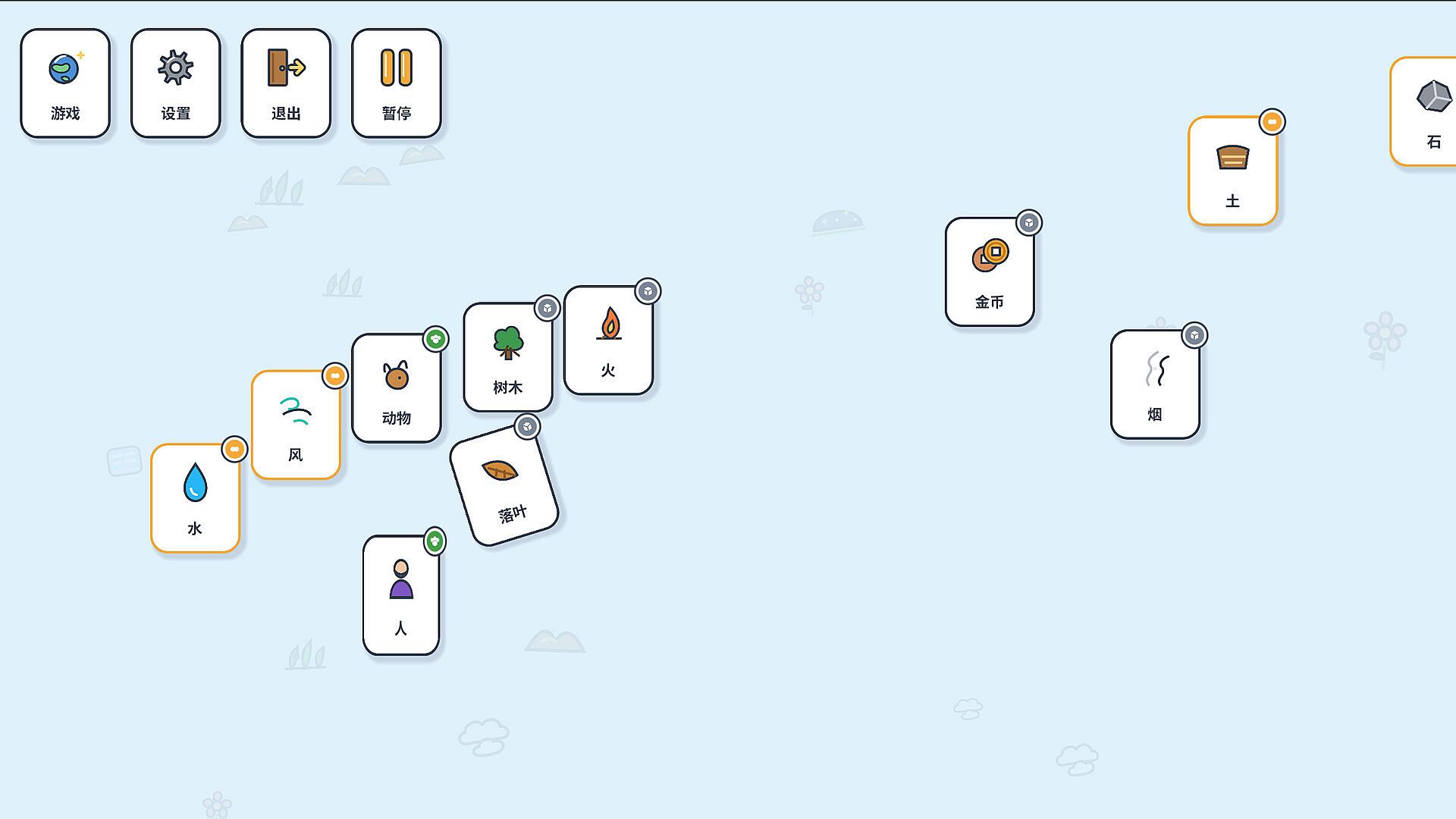
The core loop centers on combining cards to produce new elements, items, and systems. Every object in the game functions as a card with independent behaviors, so trees drop leaves, fires produce smoke, and people move across the canvas in response to day and night cycles or random events. Synthesis occurs both through direct card pairing and through menu interactions that feel like crafting operations.
Progression starts with simple resources and expands into food production, tools, buildings, energy sources, and advanced technology. Recipes can involve two or more ingredients, and successful combinations often unlock longer production chains. The world itself is not pre-built; players define technology trees, shop systems, facility layouts, and even the mechanics of day and night through their choices. Quests provide initial direction while experiments and research points reveal new cards and possibilities. Six chapters guide the canvas through distinct eras, beginning with natural origins and concluding with efforts to reach the stars and sea.
Game Modes
The experience is structured as a single-player journey without separate competitive or cooperative modes. Players advance through the six chapters on one persistent canvas, using quests, discoveries, and research to unlock new recipes and expand the simulation. Automation elements allow created systems to run independently once established, while exploration comes from testing combinations and observing how the living world reacts to new cards and environmental changes.
Progression and World Building
Early stages focus on gathering and combining basic natural cards to establish food and shelter. Later chapters introduce agriculture, industry, and technological layers that alter how the canvas operates. Each new synthesis can change rules of the world, such as introducing energy flows or altering event triggers. The canvas remains the same physical space throughout, but its rules and contents shift dramatically as chapters advance toward the ultimate goal of reaching the stars and sea.
Who the Game Appeals To
This title suits players who enjoy automation titles where systems run with minimal ongoing input once set up. It also attracts those interested in step-by-step exploration and card-based crafting mechanics. The emphasis on creating rather than following a fixed narrative appeals to anyone who wants to shape a simulation that reflects stages of human development through their own combinations.
Is It Worth Playing?
The game remains in development with a planned release in Q4 2026 and currently has no user reviews available. Its single-player focus on card synthesis and automation will appeal to fans of resource management and incremental world-building games. Those who value experimenting with recipes to unlock new mechanics and eras may find the approach engaging once it launches, while players seeking multiplayer options or pre-built worlds should look elsewhere.