


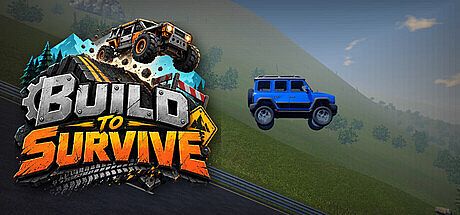


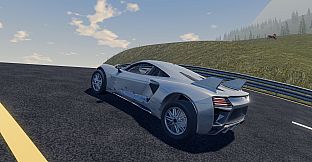
Build to Survive is a physics-based car building simulation and racing game developed for PC. Players assemble vehicles from modular parts and send them down challenging downhill courses where steering is absent and outcomes depend entirely on construction choices and realistic physics interactions.
Gameplay
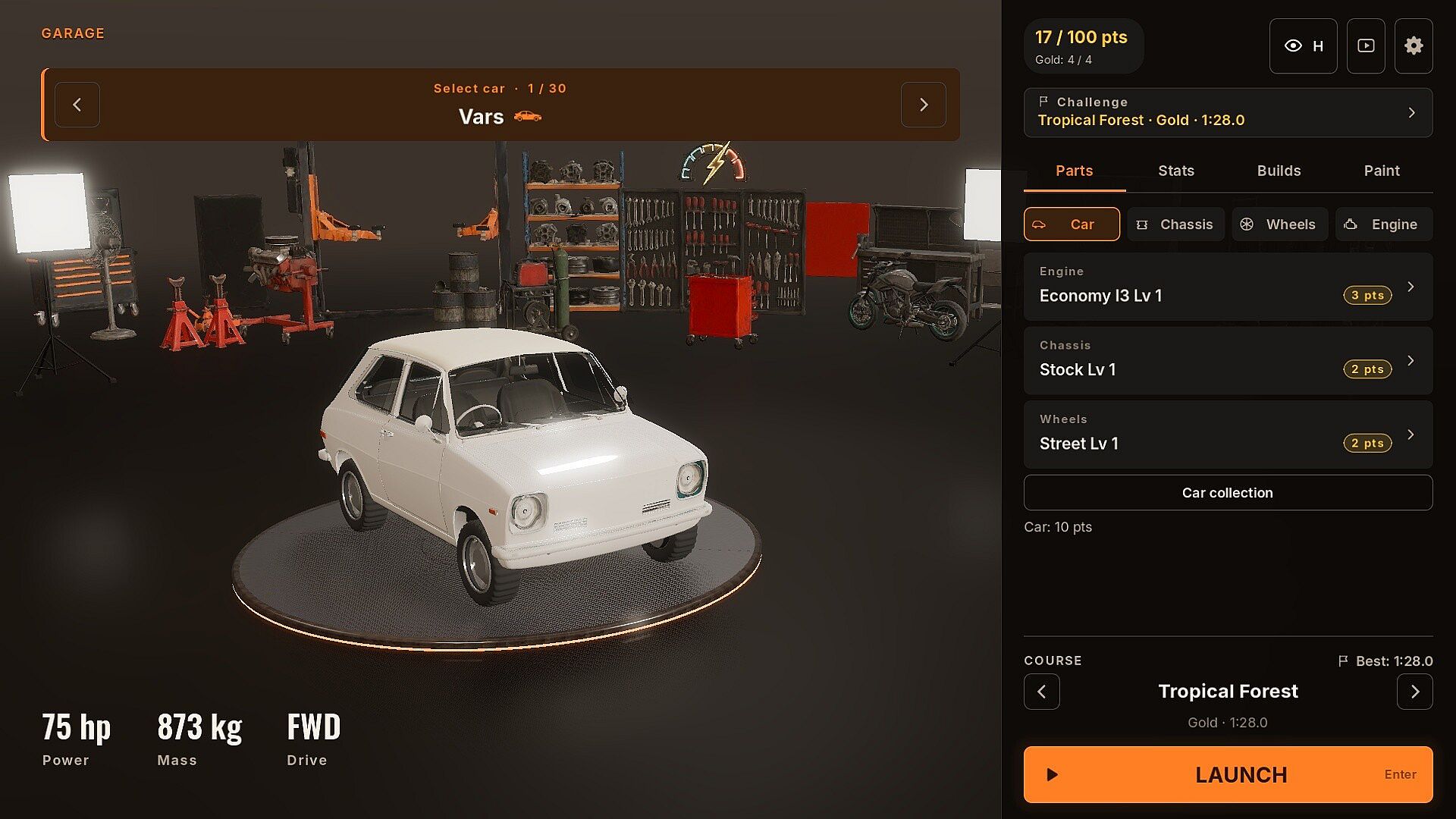
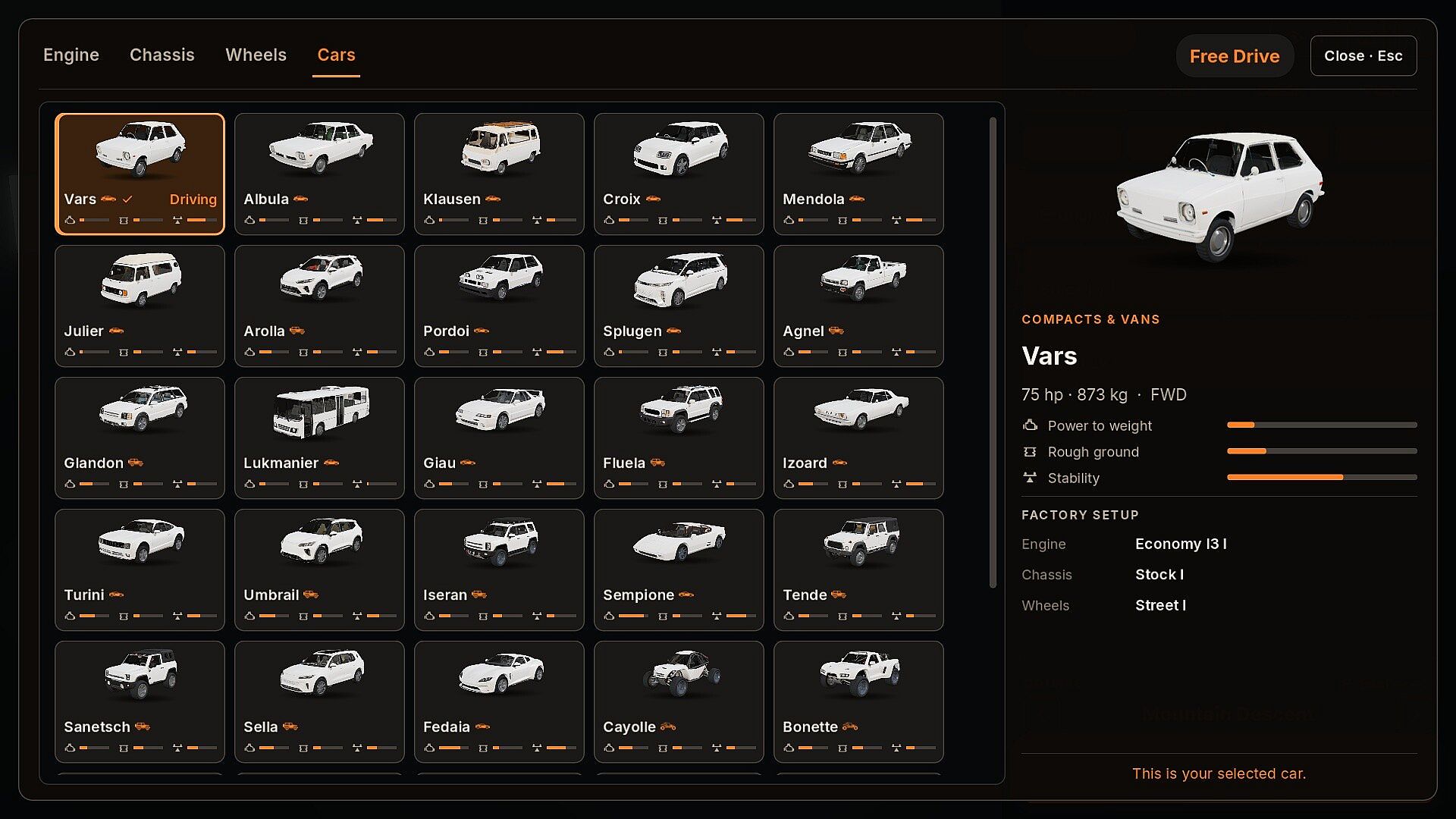
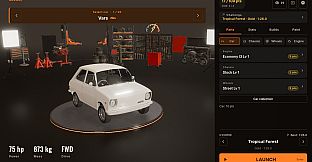
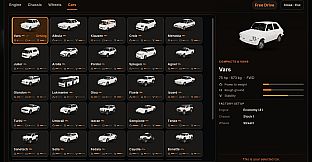
The core loop centers on the garage, where builders select from 34 distinct car bodies including sports cars, vans, buggies, off-roaders, a city bus, and a monster truck. Seventeen engines, five suspension types, and five tyre varieties each appear in three performance levels, allowing fine-tuned adjustments to acceleration, handling under jumps, landing stability, and overall durability. Every component alters weight distribution, traction, and structural integrity during runs. Custom paint schemes and rim options provide visual personalization without affecting performance metrics.
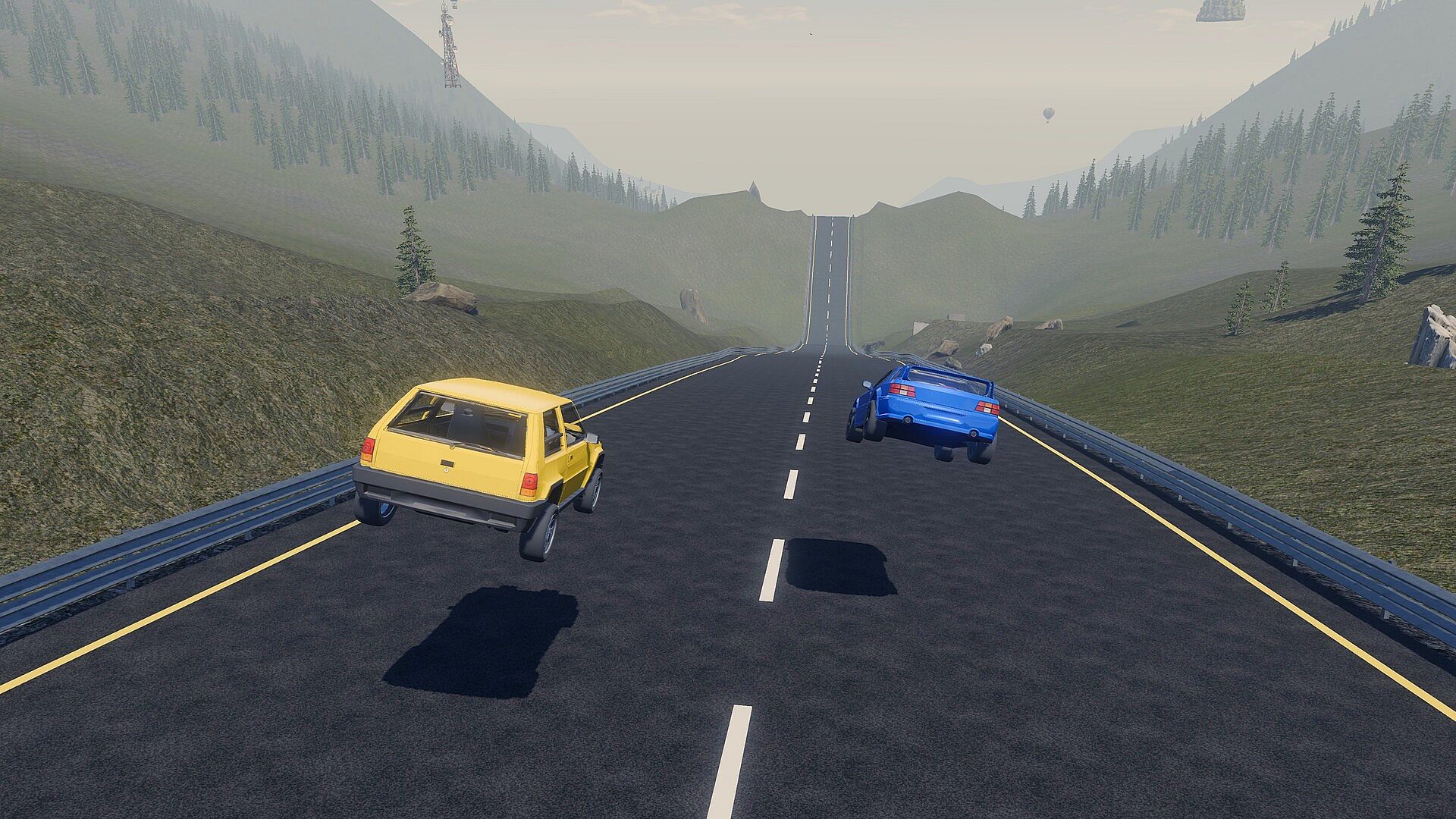
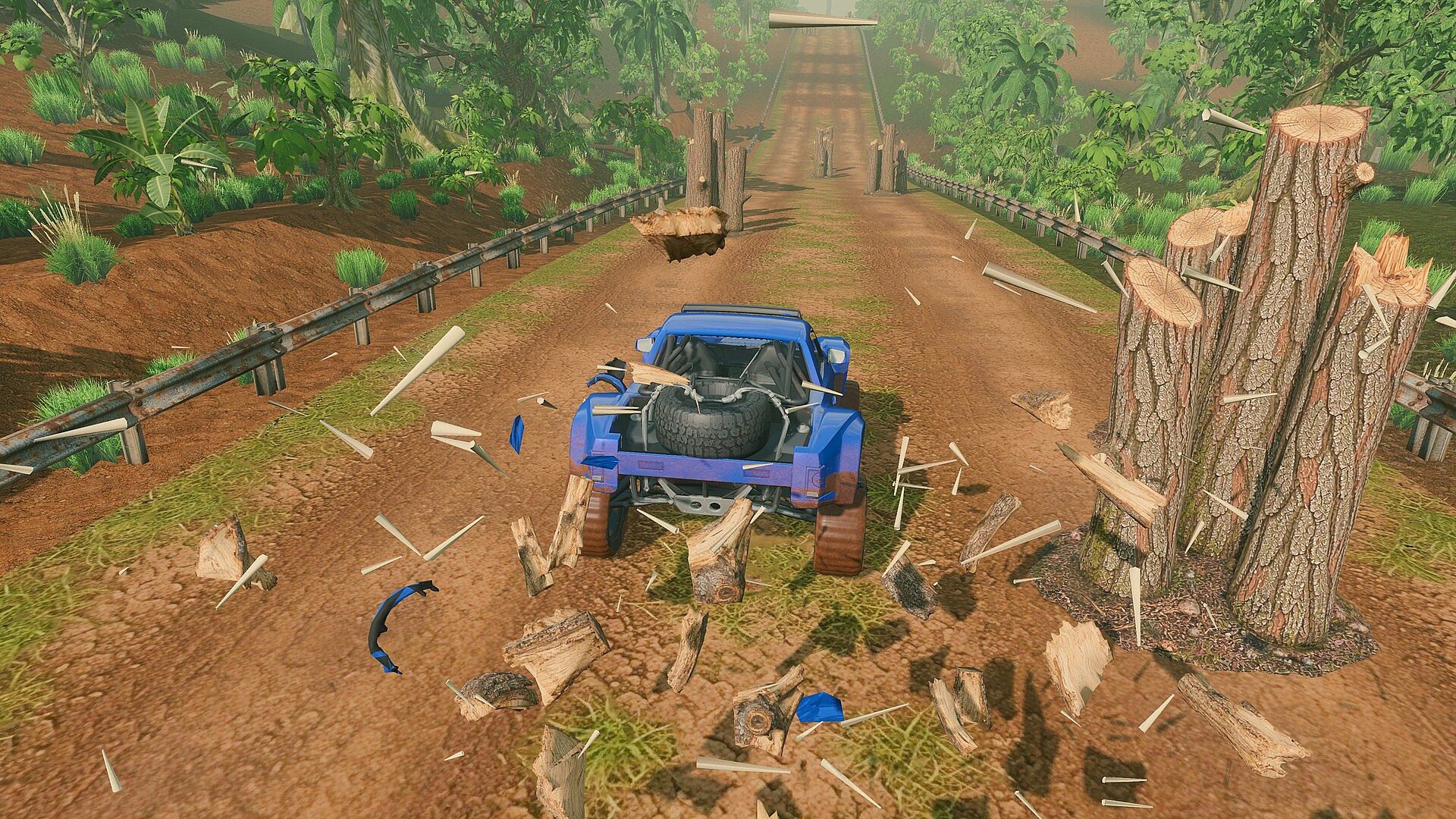
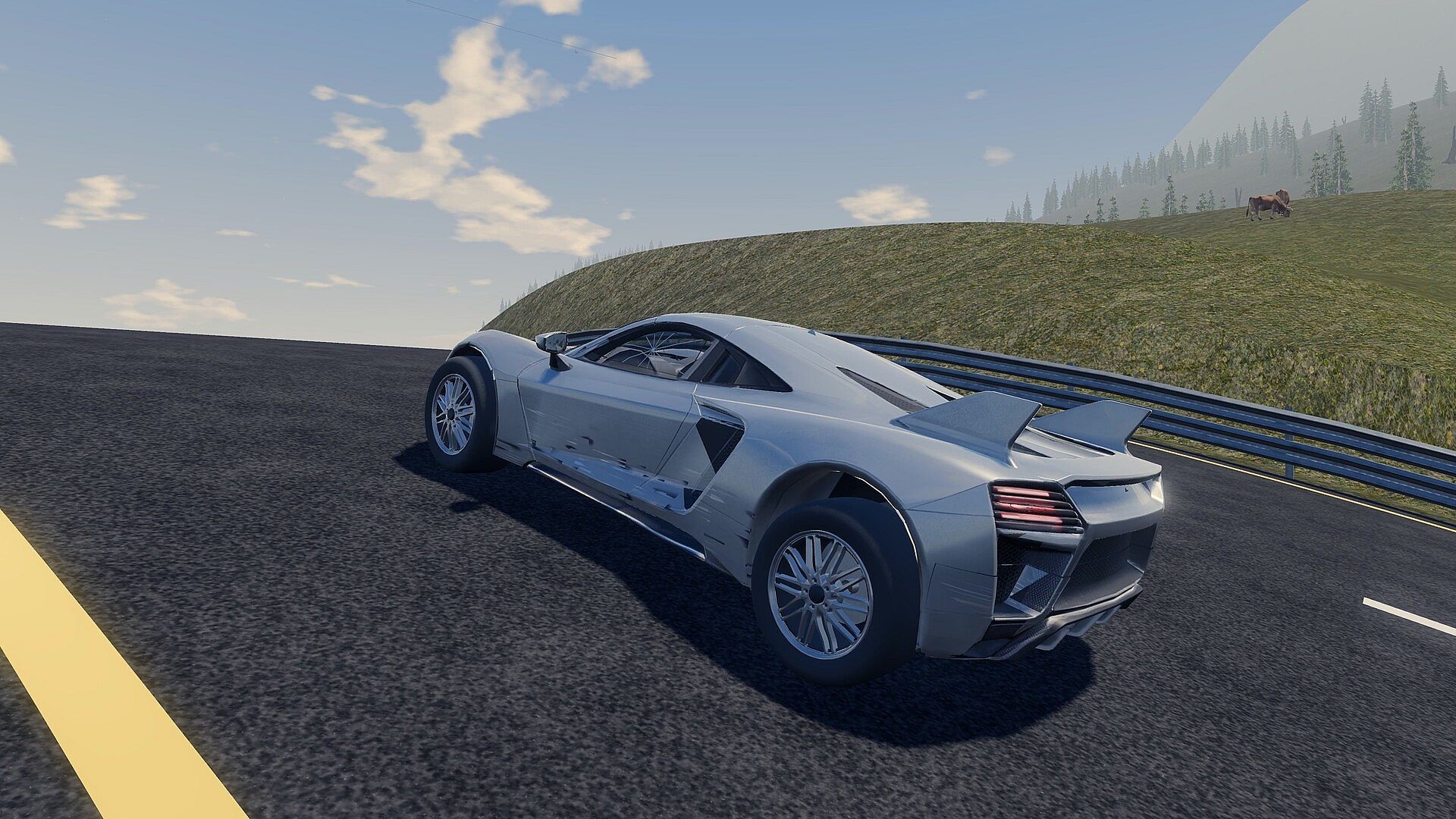
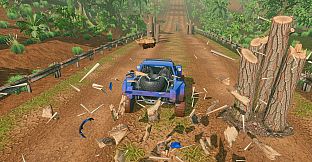
Once assembled, the vehicle launches from a ramp at the top of a course. Gravity and momentum take over immediately, with no player input possible after release. The same configuration rarely produces identical results twice because minor variations in initial conditions or part interactions create unique trajectories and failure points. Crashes feature detailed deformation: wheels detach, body panels crumple or tear away, and vehicles can roll, flip, or come to rest on their roofs. Replays capture every launch for review and iteration.
Game Modes
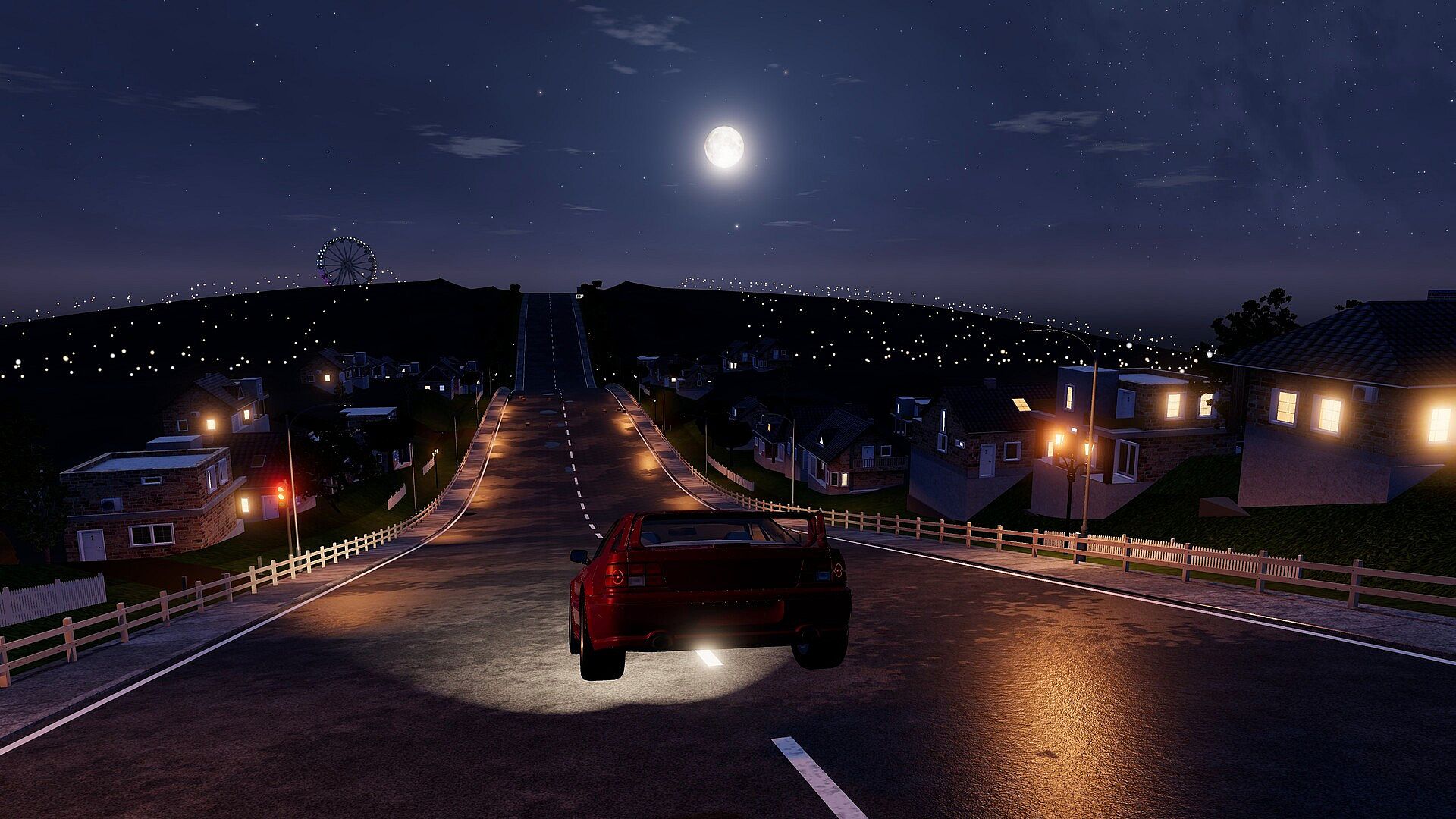
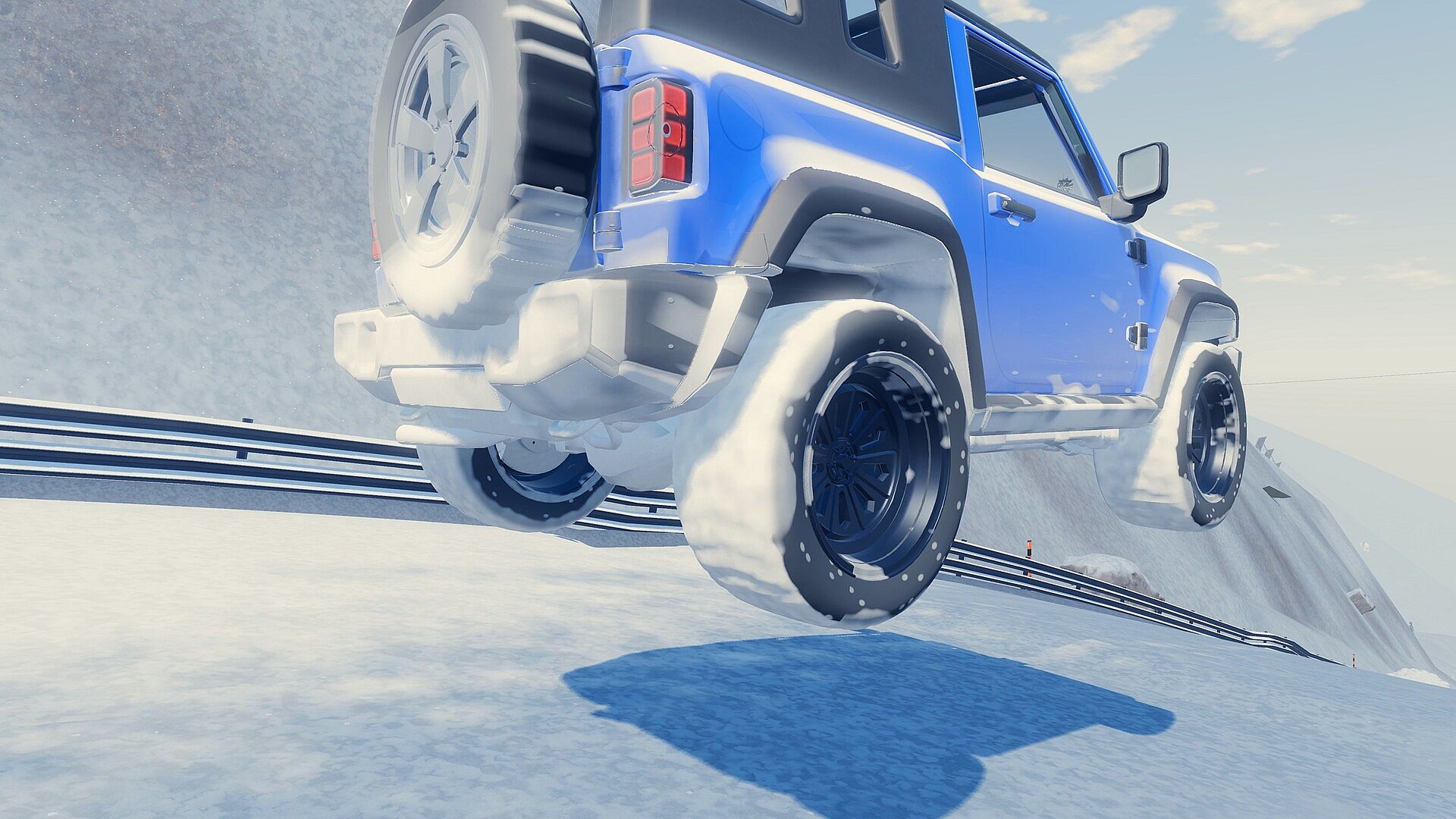
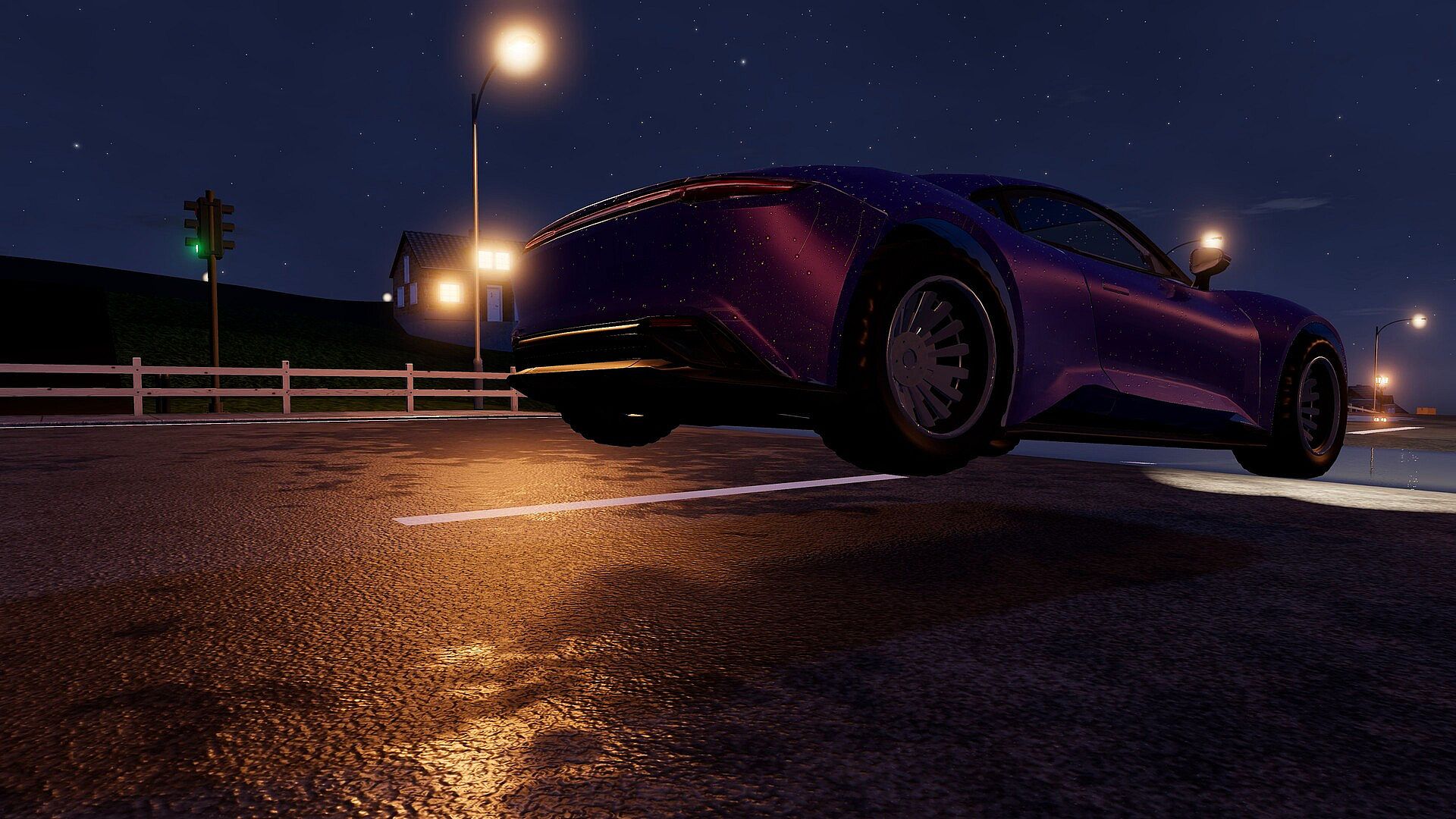
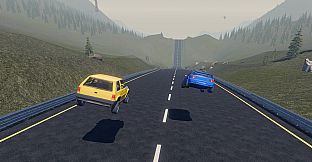
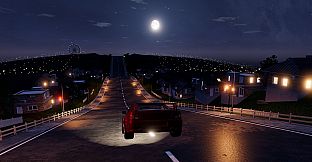
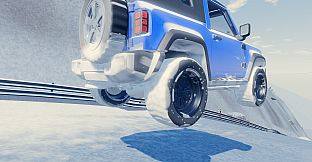
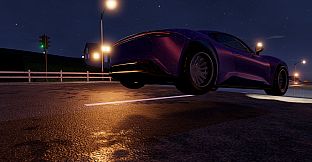
Challenges impose a strict 100-point budget on part selection across four primary courses: Mountain Descent, Tropical Forest, Night City, and Snow Descent. Each course tracks bronze, silver, and gold completion times. Achieving gold on a course unlocks its corresponding prize car for use elsewhere. Surfaces vary by course and include asphalt, wet streets, clay, snow, and ice, which influence grip and slide behavior.
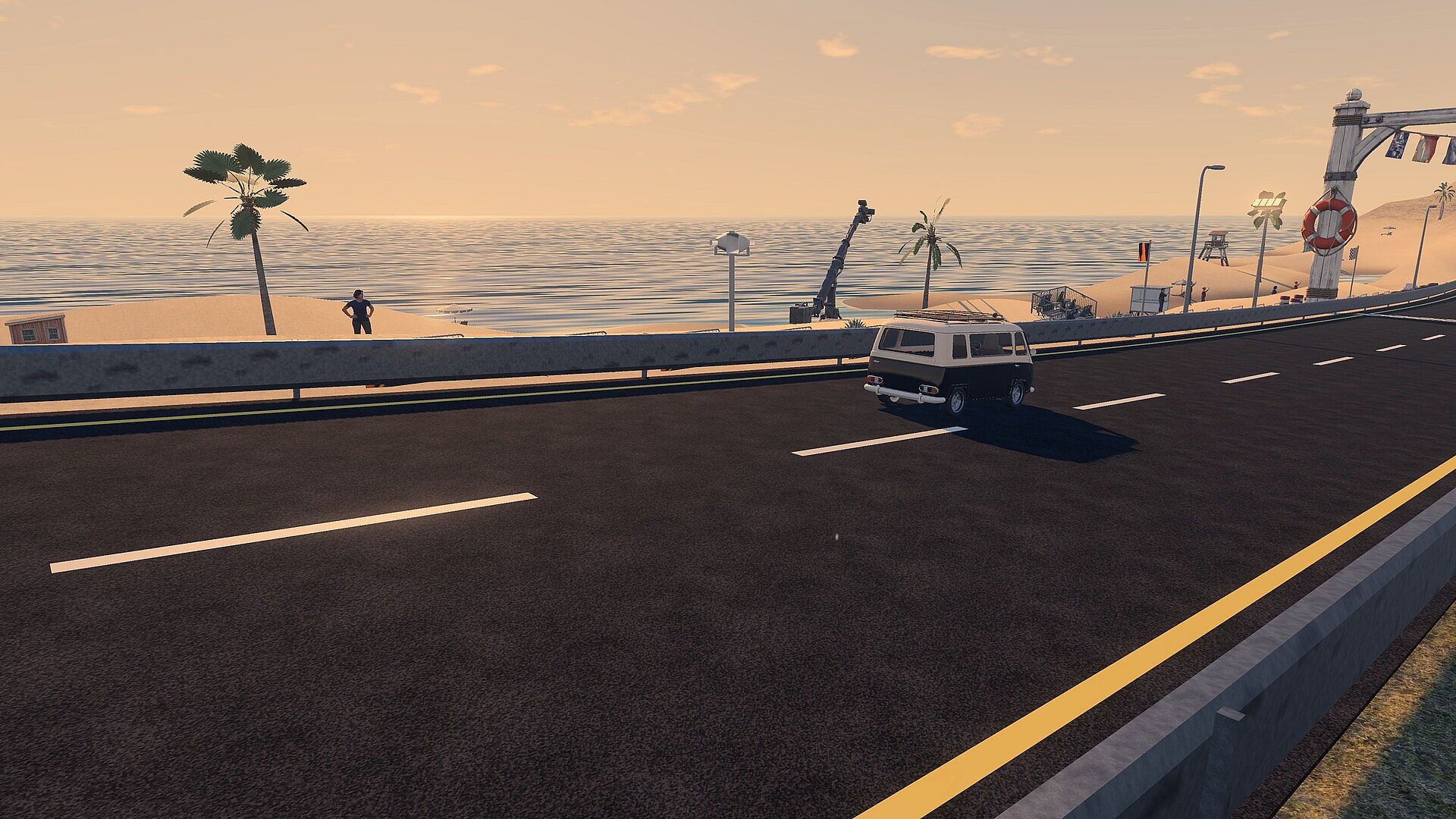
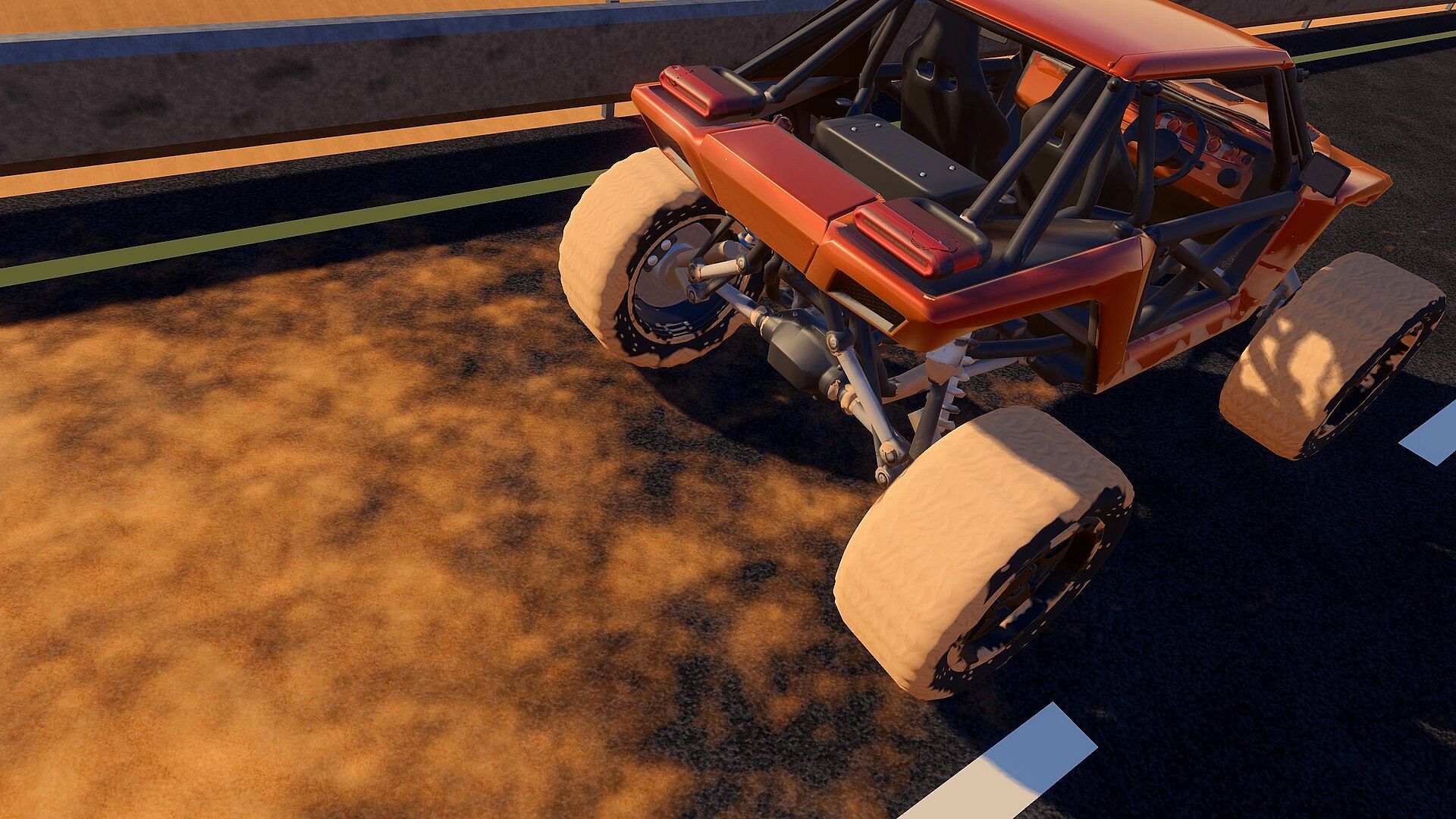
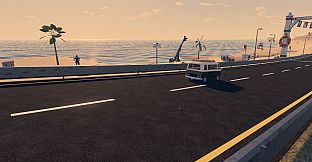
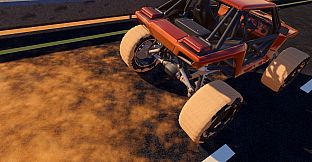
Completing gold medals on all four main courses unlocks three additional bonus roads. Windy Coast introduces crosswinds that push vehicles sideways. The Proving Ground features moving road sections that shift under the wheels. Desert Descent adds drifting sand that reduces traction on certain sections.
Free Drive removes all budget restrictions and time pressures. Builders can equip any combination of parts on any car body. The mode supports two-car launches side by side, enabling direct comparisons such as a supercar against a prize vehicle or a city bus against a lightweight buggy. This setup highlights how different builds interact with the same physics environment.
Course Variety and Physics Systems
Seven courses in total provide diverse surfaces and layouts that test build adaptability. Asphalt offers high grip for stable high-speed runs, while snow and ice demand careful weight placement to prevent spins. Clay and sand introduce variable friction that rewards balanced suspension choices. Night City adds urban obstacles and wet conditions that amplify crash consequences.
Real crash physics extend beyond visual damage. Detached components continue to interact with the environment and the remaining vehicle structure, sometimes altering the path mid-run. This creates emergent stories on every attempt, where a seemingly solid build can fail dramatically or recover unexpectedly through fortunate part placement.
Is It Worth Playing?
Build to Survive suits players who enjoy methodical construction paired with unpredictable physics outcomes rather than direct control or competitive multiplayer. The budget-constrained challenges encourage experimentation within limits, while Free Drive supports unrestricted creativity and head-to-head testing. Support for ten interface languages broadens accessibility. The game runs as a complete single-player experience focused on iterative building and observation, with no ongoing seasons or live-service elements required for core enjoyment. Those drawn to simulation titles that emphasize cause-and-effect through detailed vehicle assembly will find consistent replay value in refining builds across the varied courses and surfaces.











