


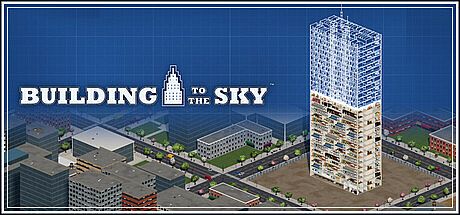


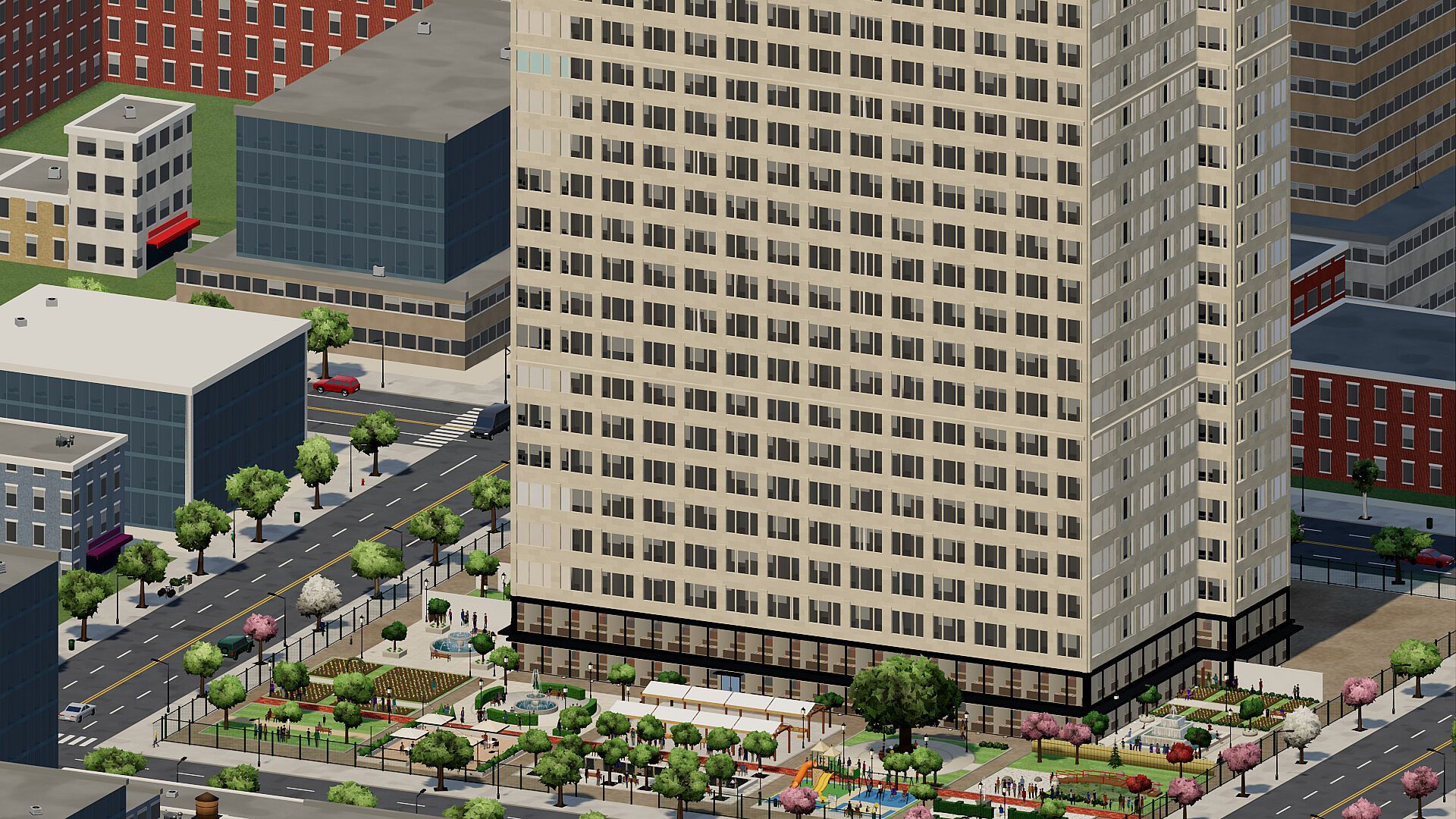
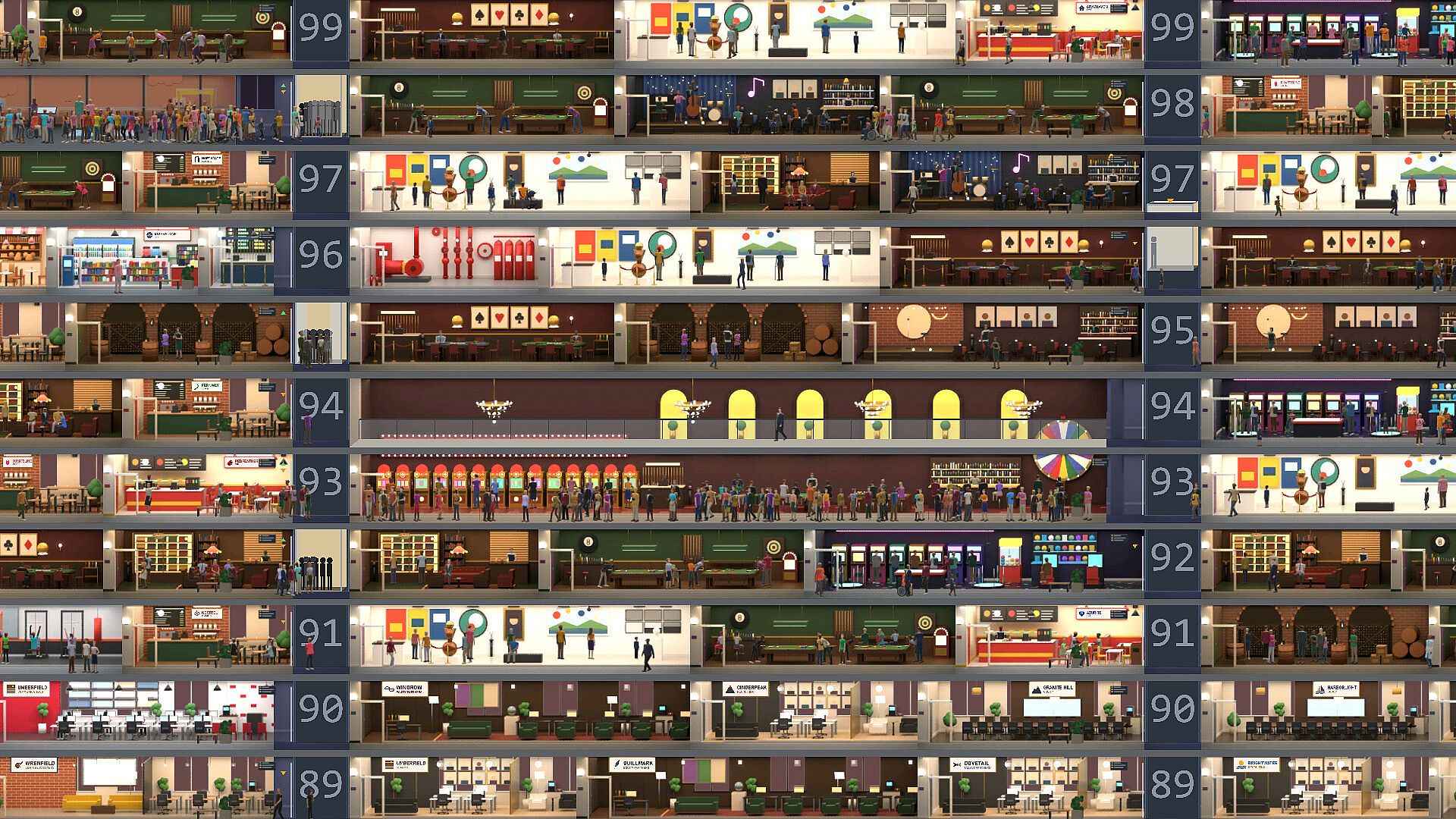
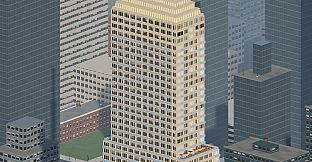
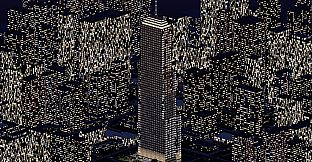
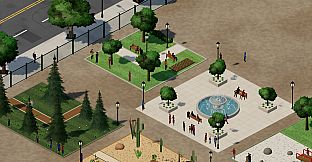
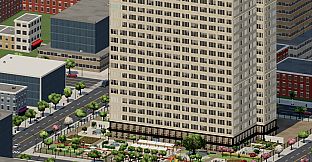
Building to the Sky is a strategy, indie, and simulation game that puts players in charge of designing, constructing, and operating skyscrapers on PC. As the architect, manager, and foreman, the experience centers on planning floors, installing rooms and systems, and balancing the needs of thousands of residents, workers, and visitors who move through the structure daily.
Gameplay
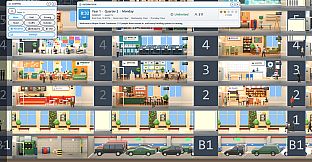
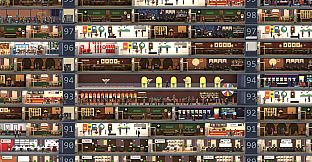
The core loop involves laying out floors across multiple lots, from narrow downtown sites to larger waterfront blocks, then populating them with offices, apartments, shops, hotels, and specialized facilities. Towers can reach 160 floors plus 15 basement levels, divided into zones. Players manage building systems such as power, water pressure, air conditioning, trash, and telecom, with shortfalls leading to issues like brownouts or unhappy tenants. Elevators form a central mechanic, with seven types including local, express, sky lobby shuttle, observation, service, parking, and firefighter variants. Each bank allows customization of cars, speeds, stops, and dispatch schedules that differ by time of day and weekday versus weekend, covering options like morning rush, lunch, evening rush, zoned, and destination dispatch.
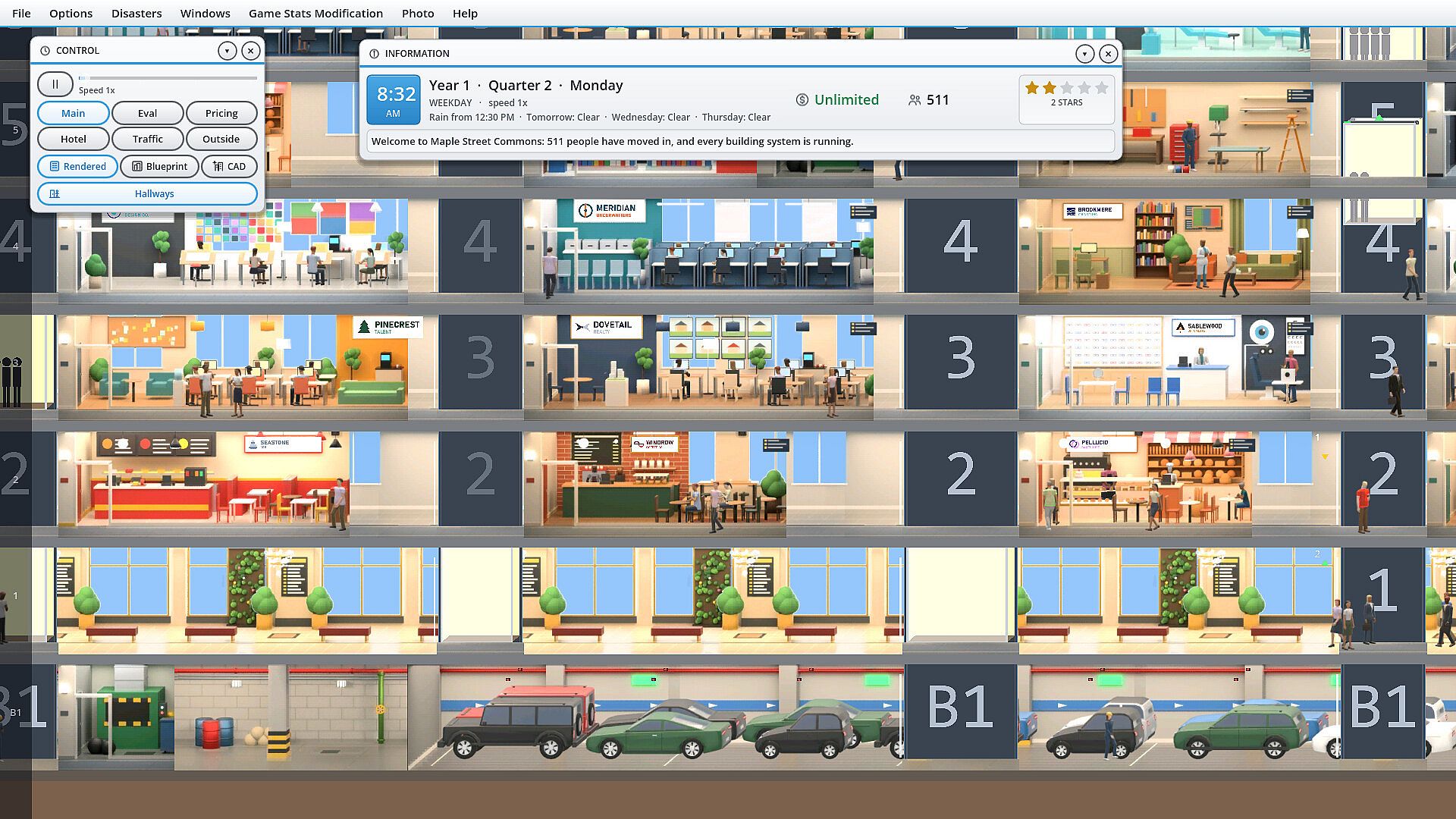
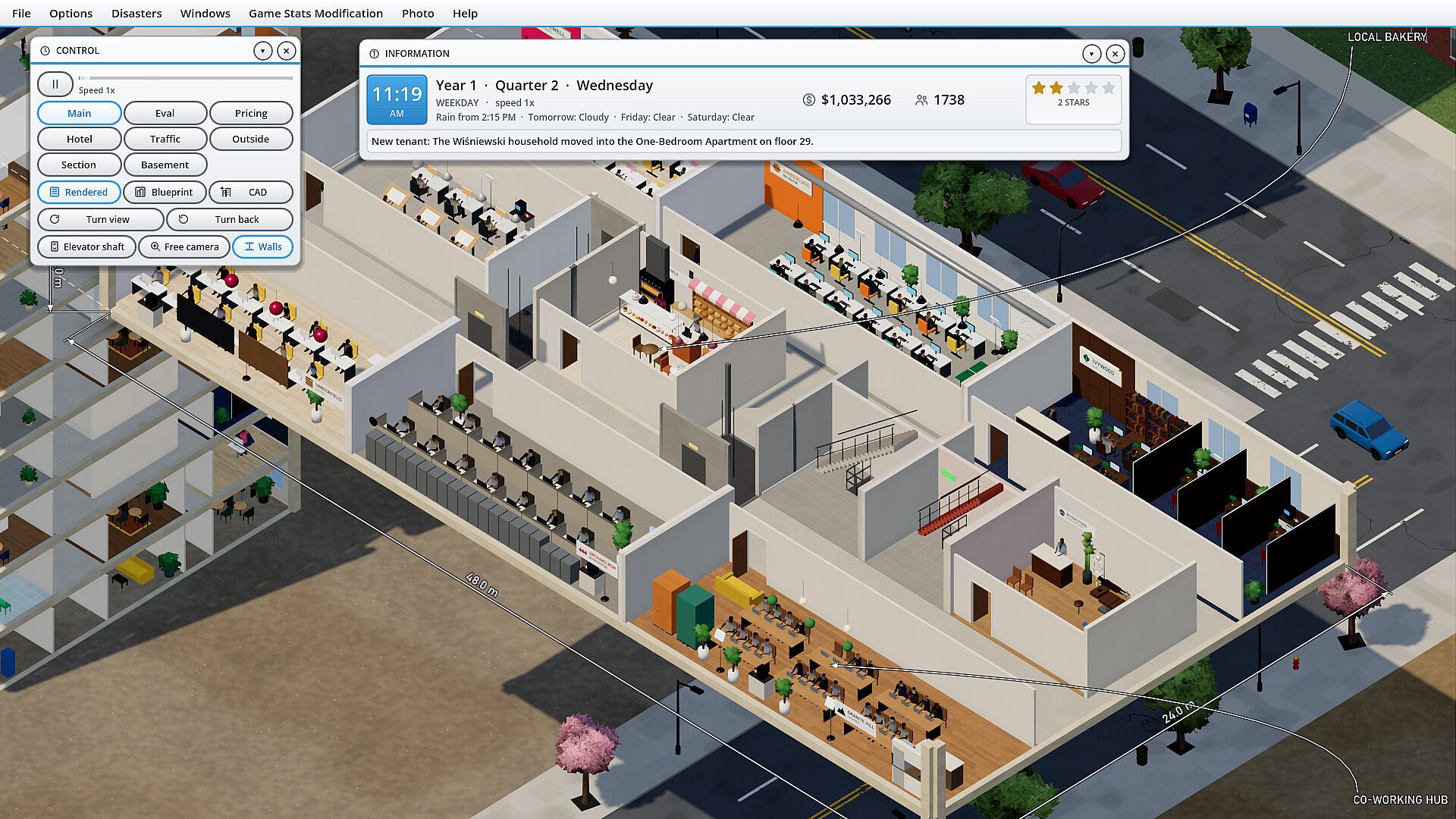
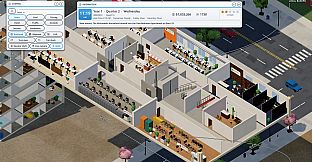
People simulation adds depth through 62 types of individuals who follow personal routines, arriving by foot, car, or subway, heading to work, lunch, movies, or hotel stays. Stress levels appear on their faces, and clicking any person reveals details on their living and working locations plus current path. Tenants rate units on commute times, elevator waits, noise, nearby amenities, cleaning, security, and rent, influencing renewal decisions. Finances require setting rents at discount, standard, or premium levels, collecting revenue shares, covering upkeep and taxes, and responding to four changing quarterly markets. Optional disasters include spreading fires, floods, and power outages that damage rooms until repaired.
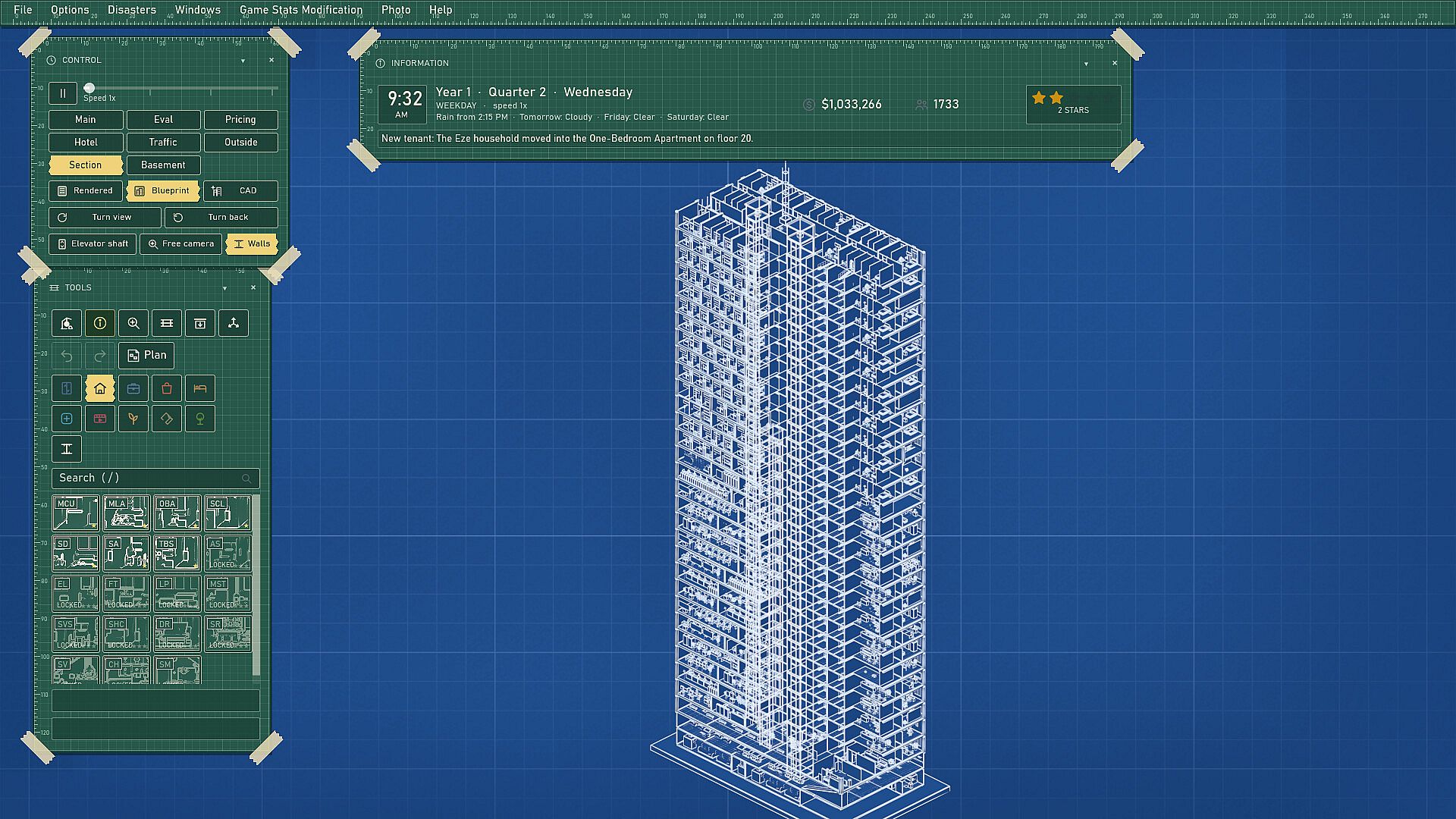
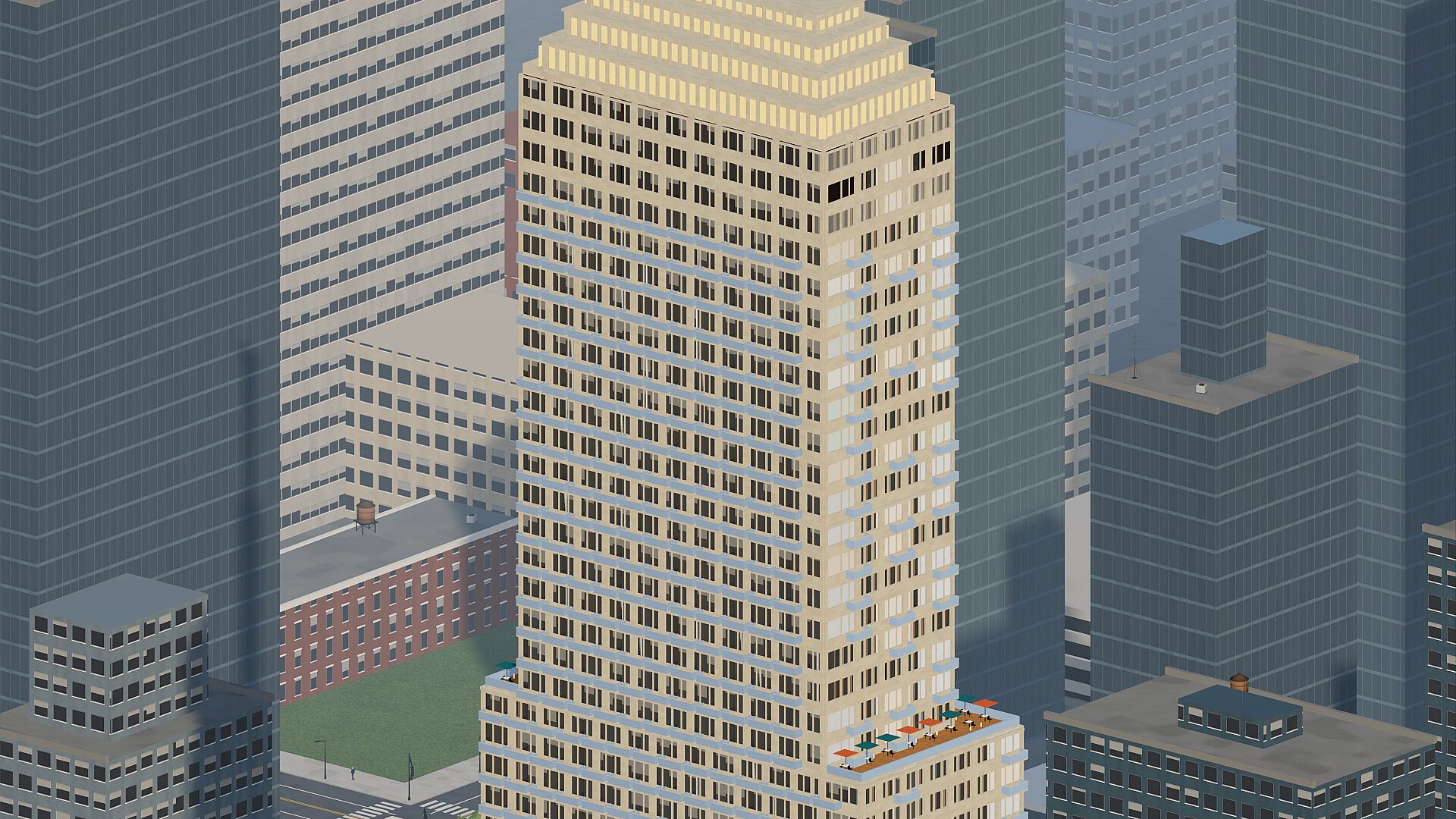
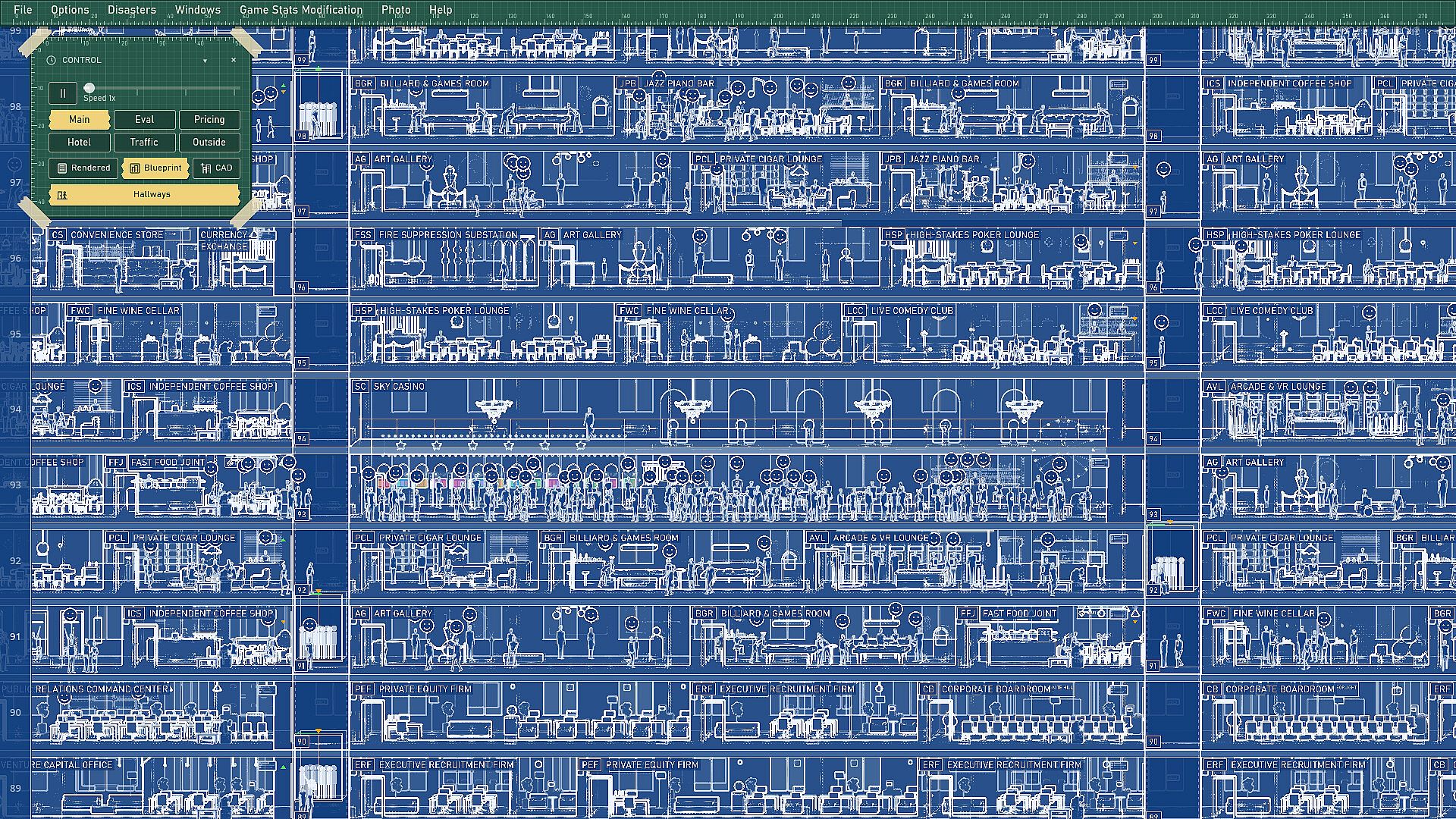
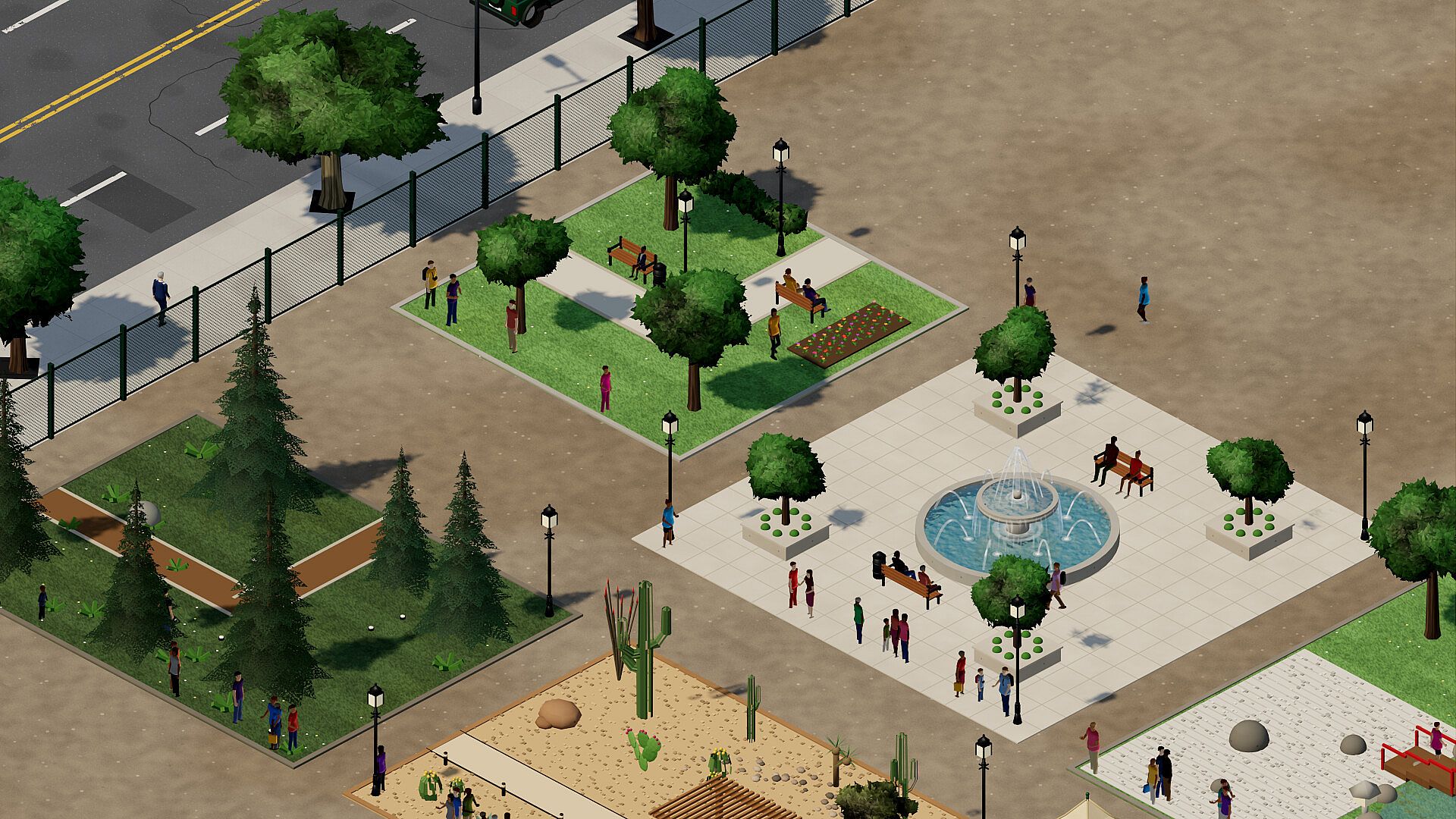
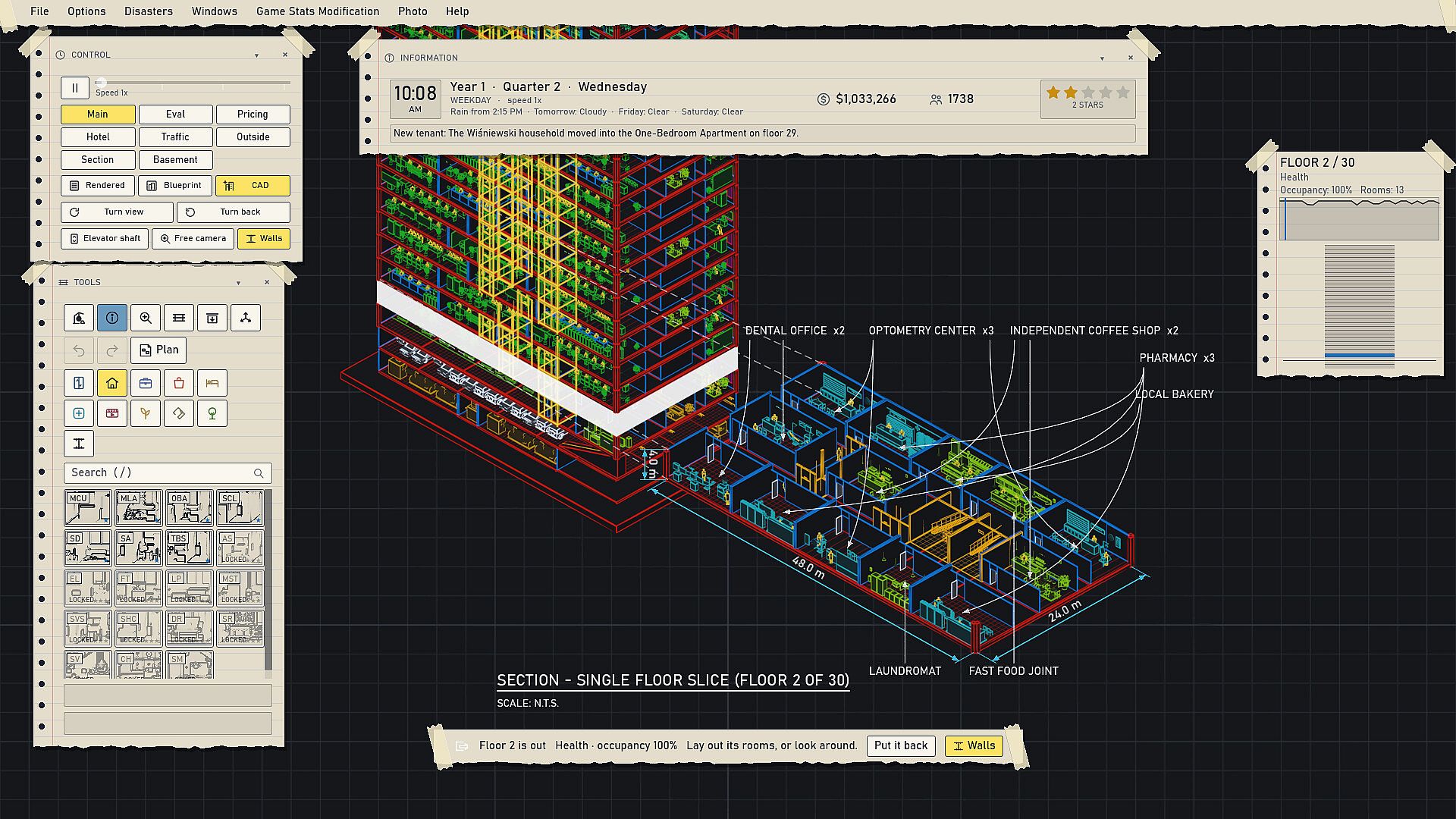
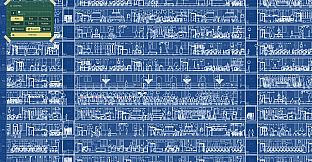
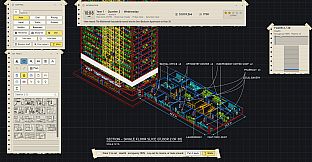
Views support different needs: rendered shows a lit dollhouse with day-night cycles, weather, and seasons; blueprint renders white lines on gridded blue paper; CAD uses technical drawings color-coded by layer for structure, walls, furniture, windows, and circulation. Switching styles keeps the simulation active. In 3D, players slice floors for exploded views with dimension lines and occupancy charts, use section cuts to expose cores, examine elevator shafts, or open basements to view mechanical layers and parking. Floor plans support setbacks, wings, podiums, and varied shapes up to 100 meters wide, with hallways, doors, and outdoor spaces including 56 room types across 26 surfaces.
Game Modes
Career mode guides players through goals and a tutorial while building from scratch. Sandbox mode removes financial limits for freeform construction. Five prebuilt scenario towers provide ready examples to explore or modify. Nine challenges impose time limits with bronze, silver, and gold medals for completion. A five-star rating system unlocks progressively by meeting satisfaction targets, passing inspections, and hosting VIP visits, eventually allowing a second tower connected by sky bridge, footbridge, or tunnel. Custom settings adjust rent, construction costs, noise sensitivity, and other parameters, while graphs track cash flow, population, happiness, wait times, and rating over hours and days.
Visual and Audio Presentation
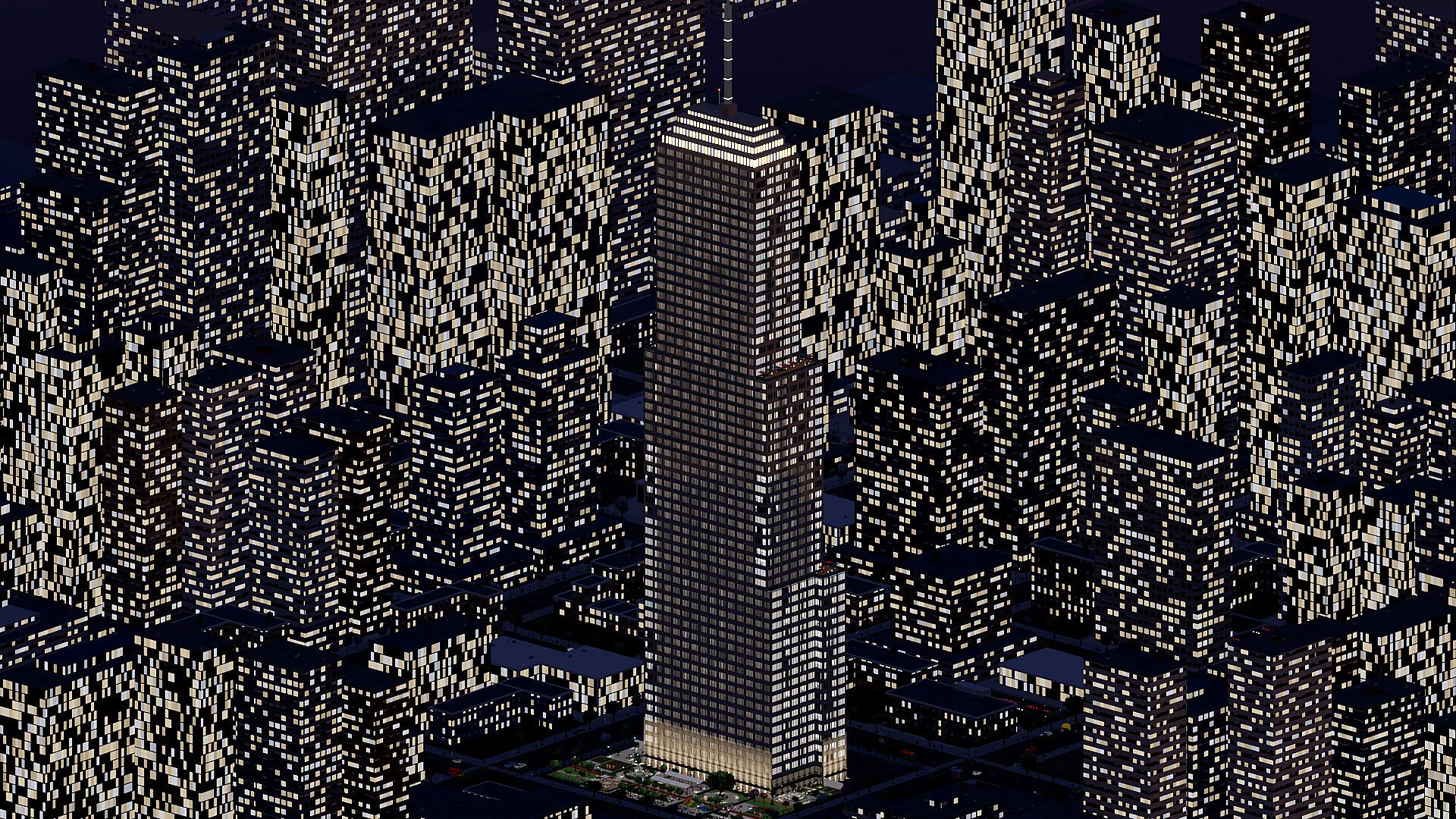
Three drawing styles extend to 3D, with color-coded layers in CAD and traced artwork in blueprint views. Exterior customization includes six base shapes, sixteen materials such as glass, granite, limestone, and copper, plus terraces, ten crown options, night lighting, and balconies. Real-time 3D figures in varied clothing carry items and navigate spaces, while a free camera allows inspection from street level or between desks. The soundtrack features nineteen jazz, swing, and easy-listening tracks, with 237 room-specific sound layers and construction audio. Photo mode captures images or GIFs in any style and time of day.
Is It Worth Playing?
Building to the Sky targets players who enjoy detailed management simulations focused on systems, routing, and tenant satisfaction rather than combat or rapid action. The combination of 2D side views and full 3D with slice and section tools offers flexible oversight of complex vertical structures. Career progression through star ratings and challenges provides structured goals, while sandbox and custom options support experimentation. Mod support via workshop integration allows community additions to rooms, colors, and scenarios. As an unreleased title with extensive planned features for single-player tower management, it suits those drawn to architectural planning and ongoing operational tweaks in a strategy simulation format.











