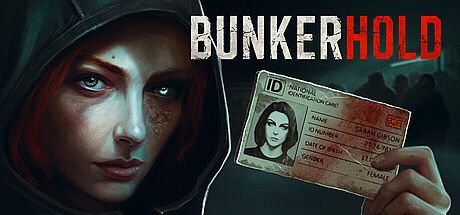


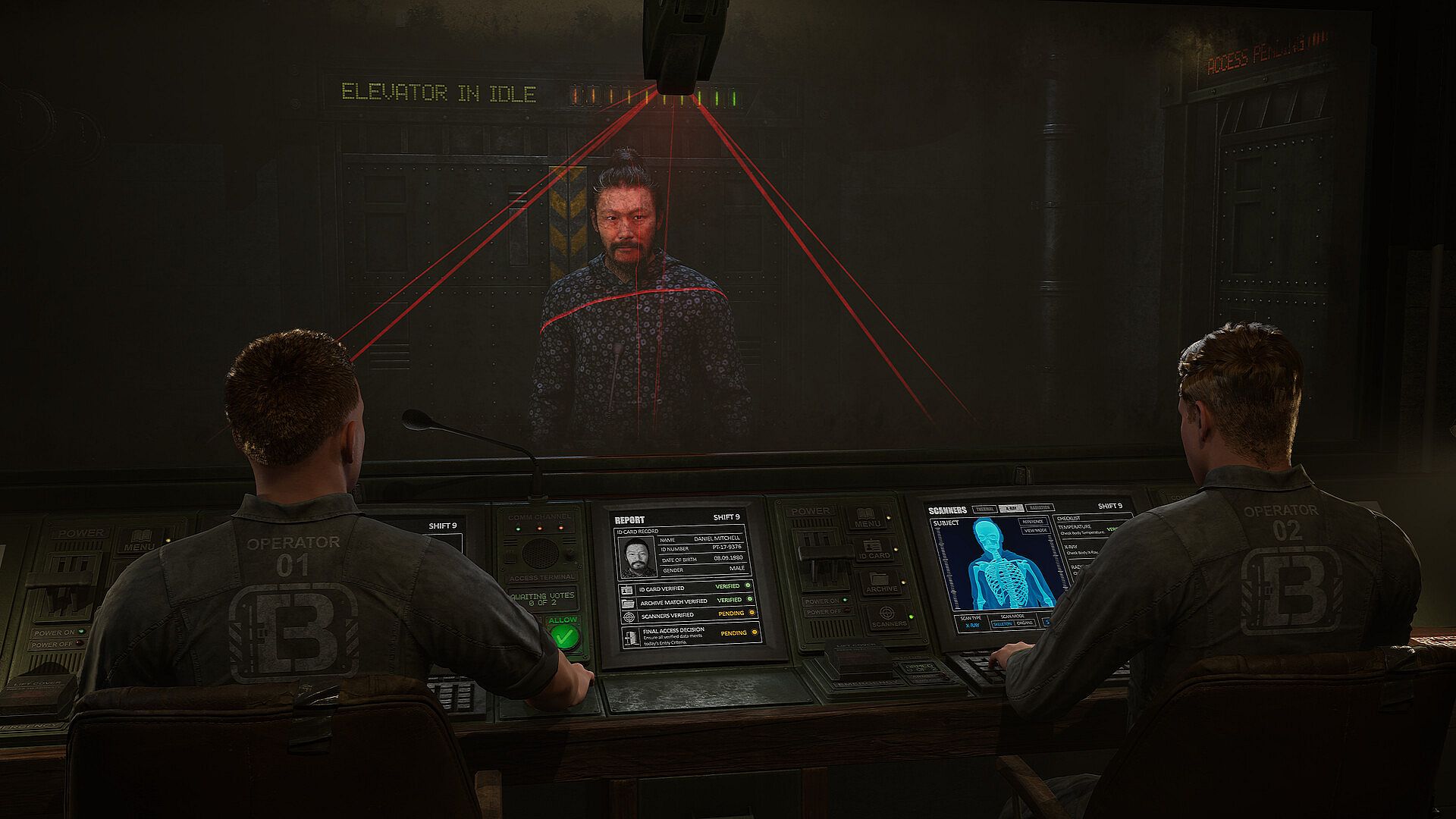

Bunkerhold is a cooperative psychological horror simulation adventure game set in an underground bunker where players take on the roles of checkpoint operators. The core experience revolves around managing access to the facility through careful inspection of visitors, decision-making under pressure, and survival when threats breach security. Developed as an indie title for PC, it emphasizes tension from uncertainty and the need for precise coordination between partners.
Gameplay
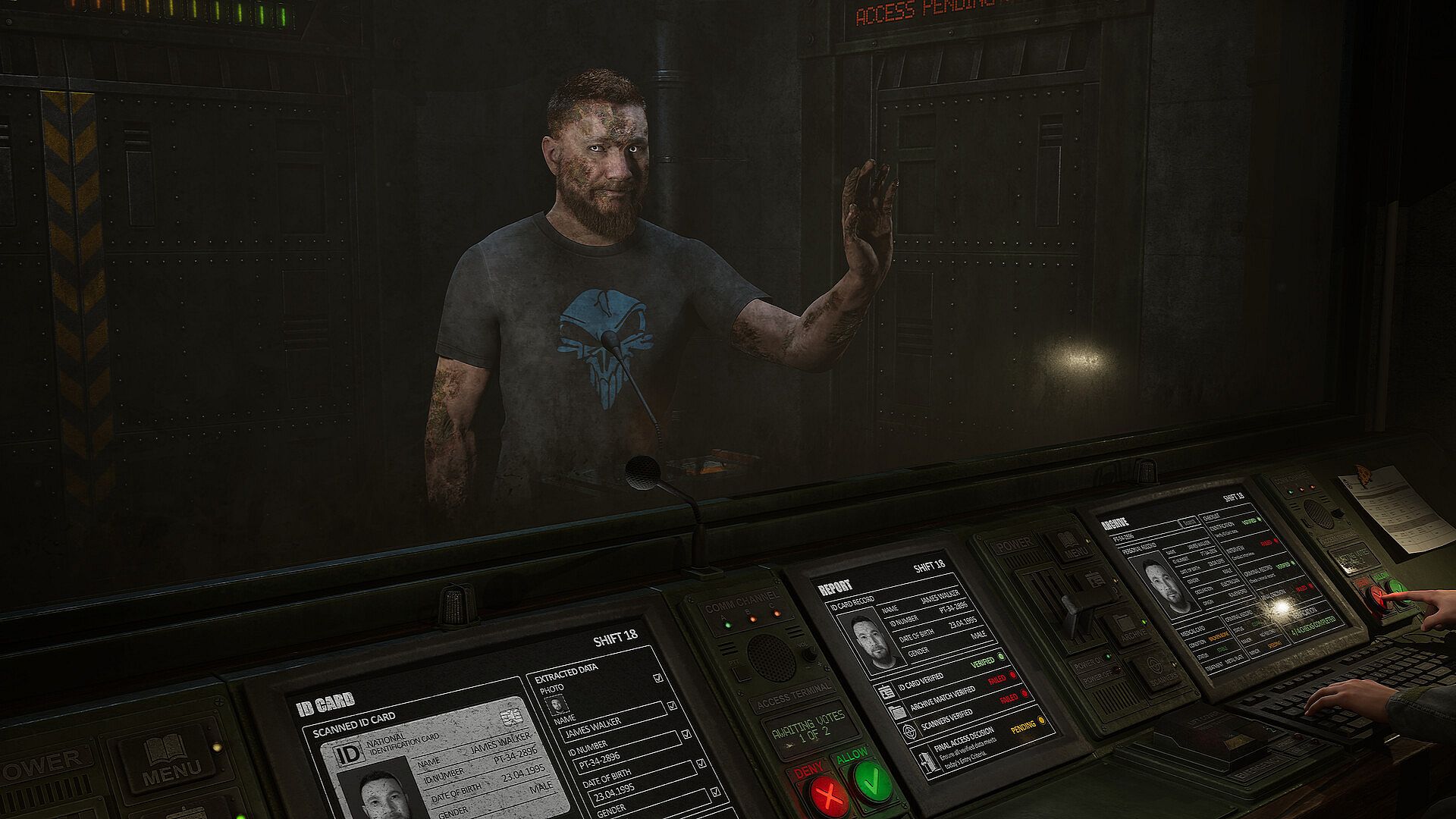
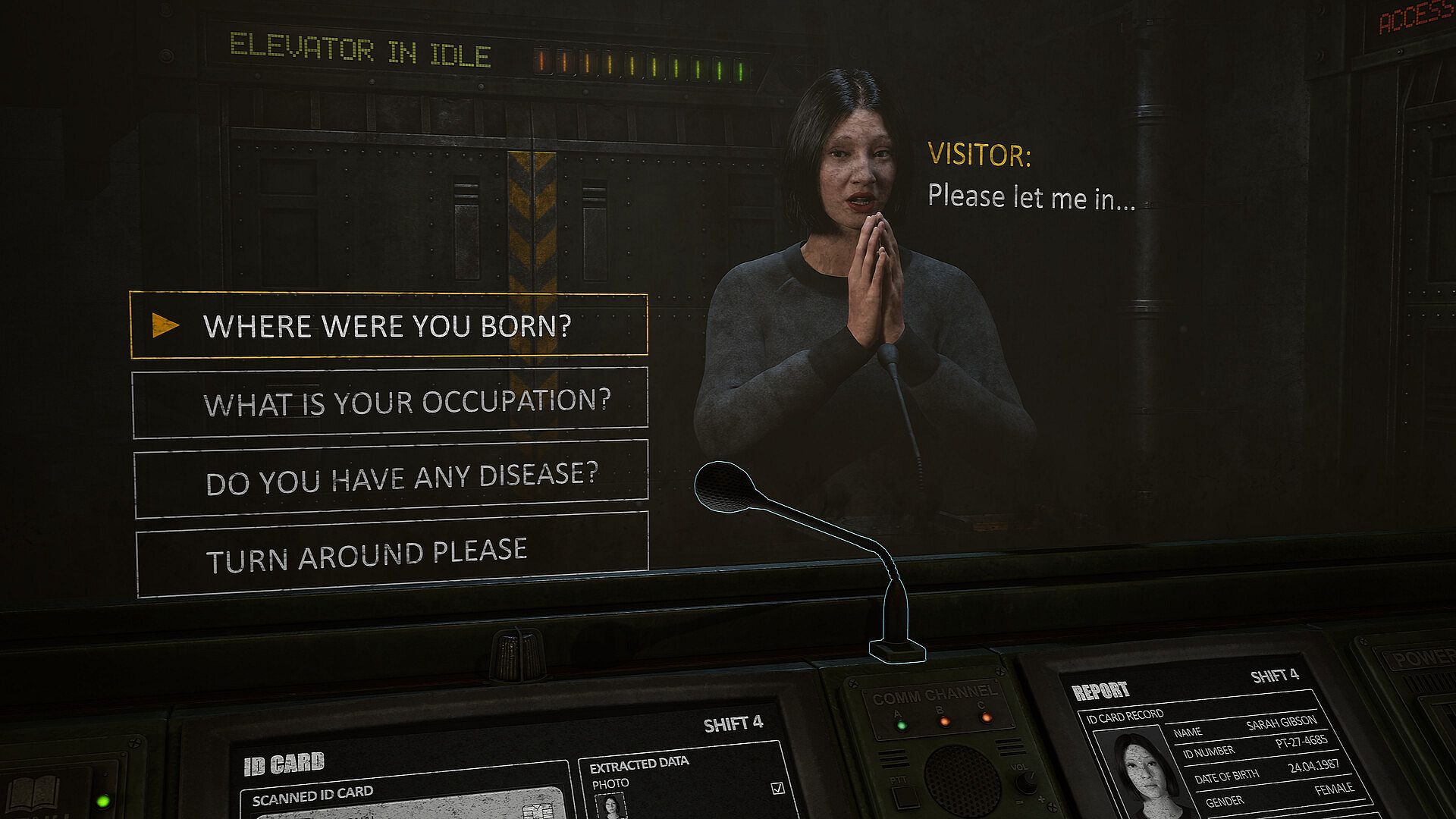
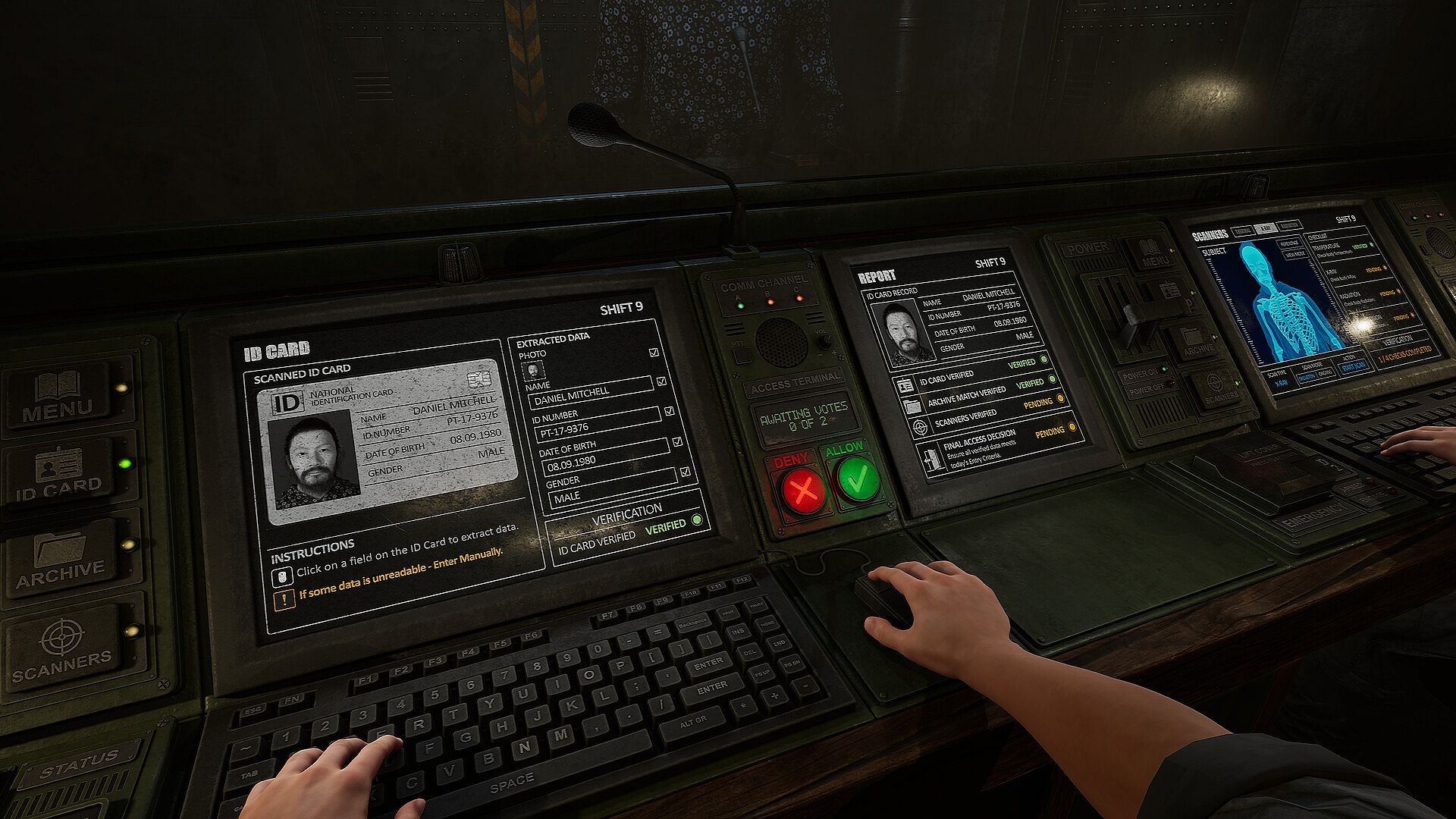
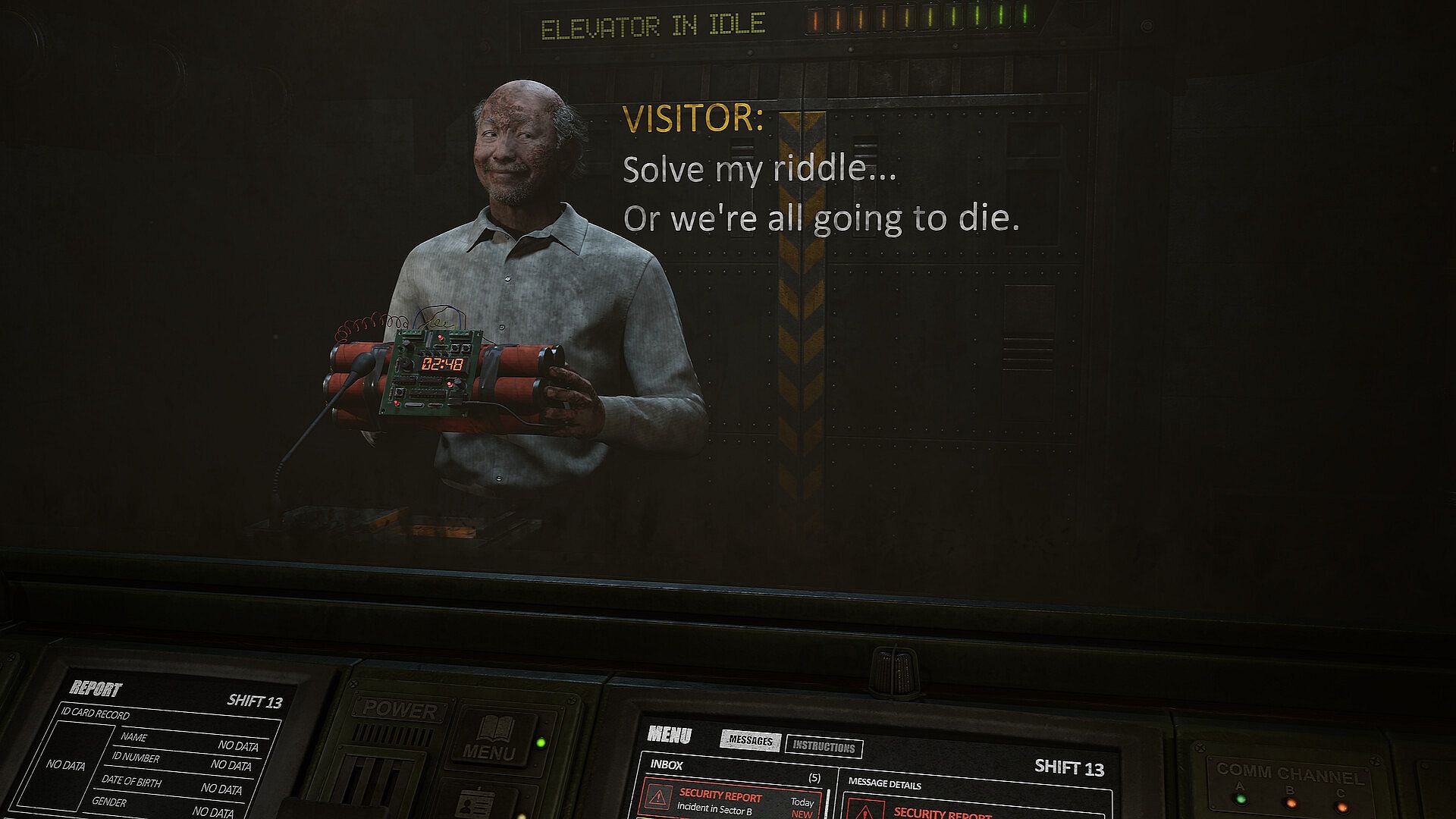
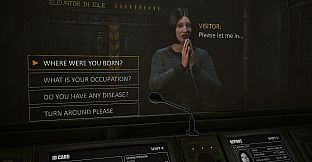
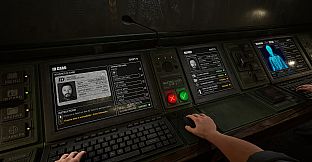
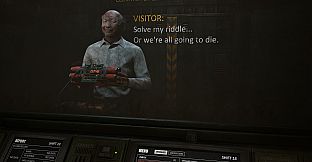
Players operate a checkpoint deep within the bunker, examining every individual who arrives seeking entry. This involves reviewing identification documents, conducting interviews to probe for inconsistencies, accessing background records, and deploying specialized scanning equipment to detect anomalies. The psychological horror element stems from the fact that dangerous entities can mimic human appearance and behavior, requiring players to remain vigilant for subtle clues that might indicate deception.
Coordination forms the backbone of the experience. Partners must communicate findings, discuss observations, and reach consensus on whether to grant access or refuse entry. A single error in judgment risks compromising the entire bunker, heightening the stakes with each interaction. The simulation aspects come into play through the procedural nature of inspections, where patterns in visitor behavior and documentation create opportunities for deduction while also introducing variability that keeps sessions unpredictable.
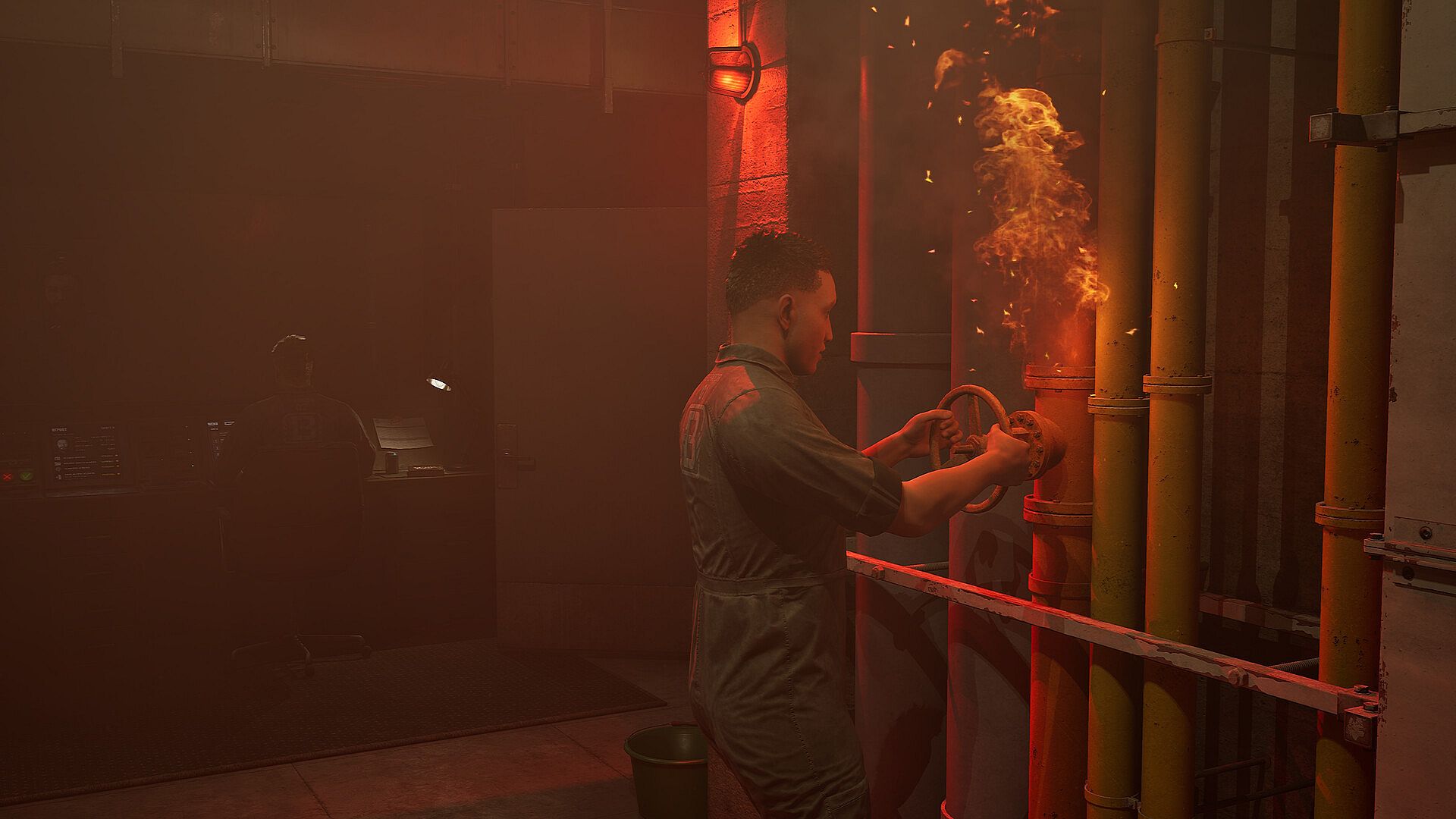
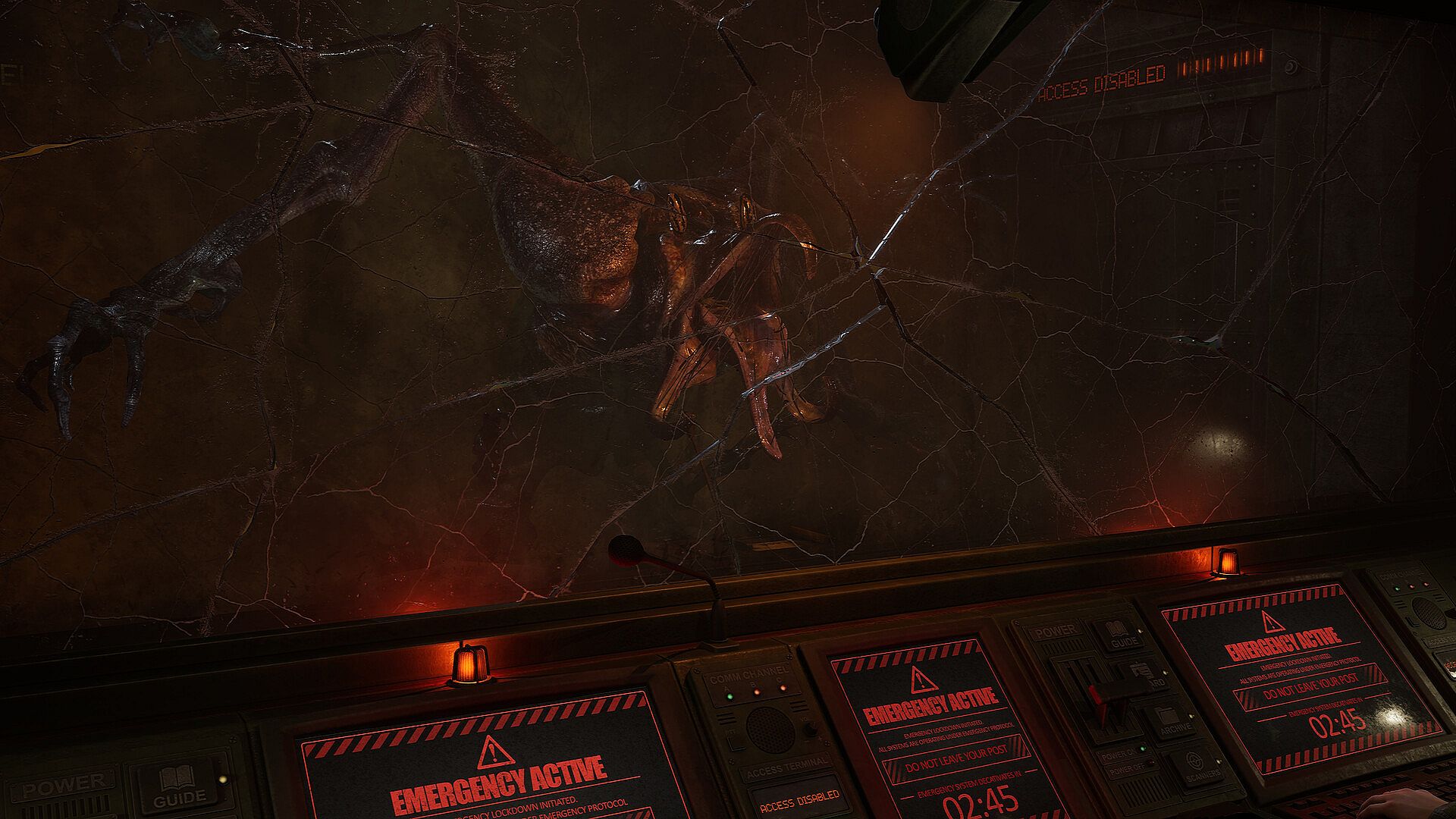
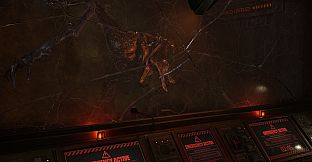
Survival mechanics activate when a threat slips through the checkpoint. Players follow established emergency protocols, which include sealing off the area and taking immediate actions to contain the situation. These sequences shift the focus from inspection to rapid response, blending adventure elements with the constant pressure of maintaining bunker security.
Game Modes
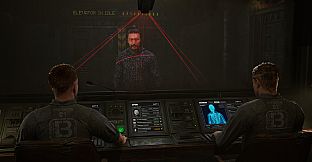
The primary experience centers on cooperative play, where two operators work together at the checkpoint. Sessions involve a series of visitor encounters that build in complexity, demanding ongoing collaboration to balance thorough checks with efficient throughput. The cooperative structure encourages real-time discussion and shared responsibility for outcomes, as votes on entry decisions require agreement to proceed.
Within this framework, the game supports repeated playthroughs through varying visitor scenarios. Each run presents new combinations of documents, questions, and potential threats, allowing partners to refine their inspection techniques and decision processes. No additional standalone modes exist beyond this core cooperative checkpoint simulation, keeping the focus tightly on the psychological and procedural challenges of bunker security.
Core Mechanics and Tension
The inspection process integrates multiple layers of verification to create depth. Document examination requires cross-referencing details for authenticity, while questioning sessions test for verbal inconsistencies that might reveal hidden intentions. Record searches provide historical context on arrivals, and scanners offer technological confirmation that complements human judgment. These systems work together to simulate the weight of responsibility in a high-stakes environment where appearances can deceive.
Decision-making carries permanent consequences within a session. Allowing entry to a compromised visitor can trigger immediate survival challenges, while overly cautious denials might limit resources or create other complications for the bunker. The cooperative voting system ensures that both players contribute to these choices, fostering a sense of shared accountability that amplifies the horror of potential mistakes.
Is It Worth Playing?
Bunkerhold targets players who enjoy deliberate, tension-driven experiences that combine simulation elements with psychological horror. Its emphasis on inspection, communication, and reactive survival offers a distinct loop suited to those interested in cooperative gameplay without relying on action or combat. The indie production values support a focused narrative around bunker operations, appealing to fans of atmospheric adventures that reward attention to detail.
As a title coming soon to PC, it remains in a pre-release state with no established player base or post-launch updates available for evaluation. Those drawn to the described checkpoint mechanics and partner-based decision-making may find it worthwhile once it launches, particularly if they value procedural variety in visitor encounters over expansive content. The game suits sessions where coordination and careful observation take precedence over fast-paced elements.