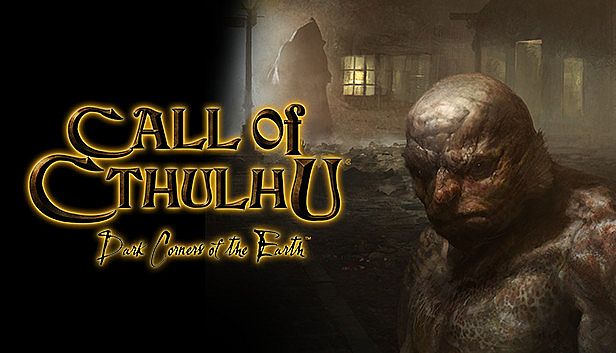


















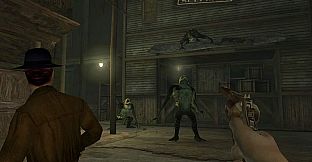
Call of Cthulhu: Dark Corners of the Earth is a first-person horror game that blends investigation, exploration, and combat in a Lovecraft-inspired setting. Players take on the role of Jack Walters, a detective drawn into events involving ancient evils across 1920s locations and beyond. The experience emphasizes survival against overwhelming threats while managing mental strain through a dynamic sanity system that triggers hallucinations, panic attacks, vertigo, and paranoia as exposure to the unknown increases.
Gameplay
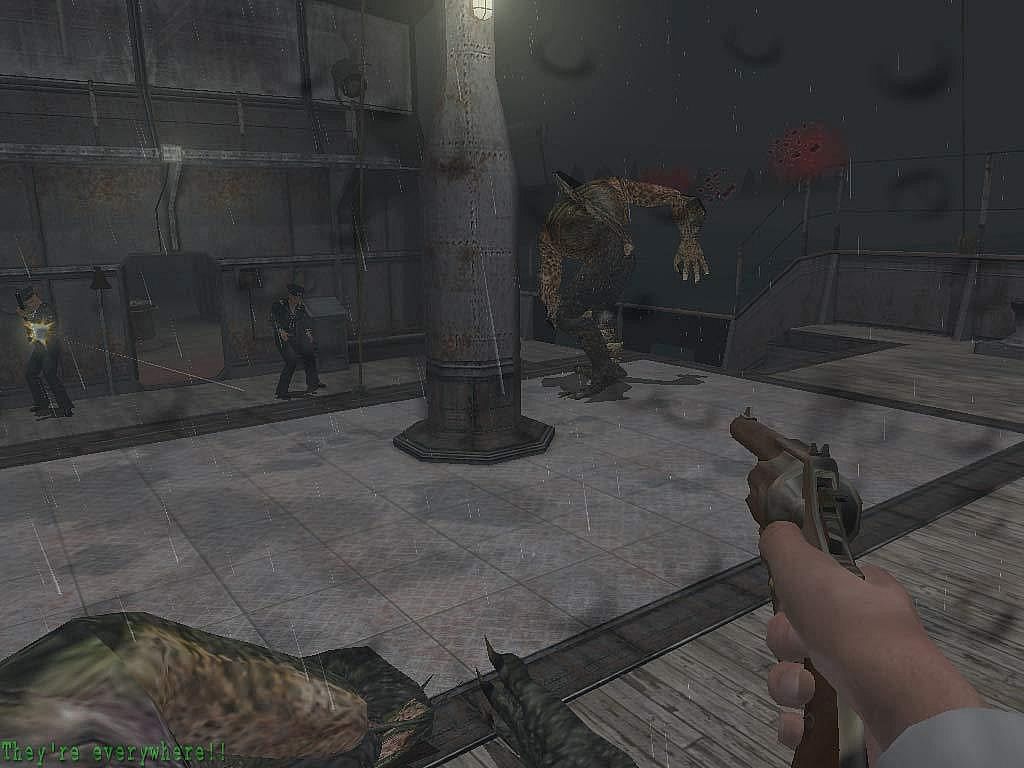
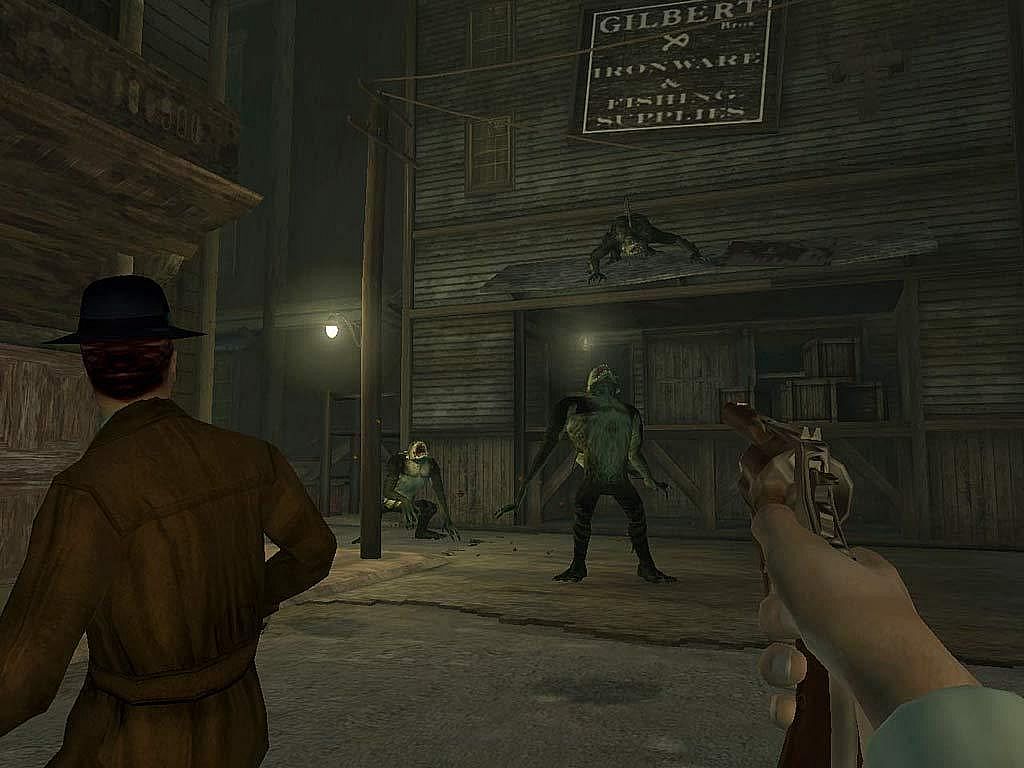
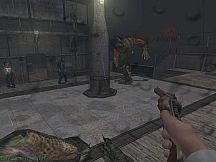
The core loop revolves around navigating detailed environments without a traditional heads-up display. Health and condition appear through audio cues such as heartbeat and breathing that intensify with injury, alongside visual effects like color draining from the screen during blood loss. Combat feels deliberate and realistic, requiring players to track ammunition manually and account for the exact direction a weapon barrel points when firing, including during reload animations. Early sections focus on unarmed evasion and careful investigation before introducing firearms and other tools from the era.
Levels transition from ordinary towns to increasingly alien sites, including an underwater Deep One City. Puzzle elements integrate with exploration, demanding observation of surroundings and use of available items. The sanity mechanics alter perception over time, forcing adjustments in movement and decision-making when effects like disorientation or false visions occur. Vehicles and artifacts from the 1920s appear alongside more otherworldly technology, adding variety to traversal and encounters with classic Lovecraft creatures.
Game Modes
The game operates as a linear single-player campaign structured around sequential story chapters. There are no separate multiplayer modes or competitive options. Progression follows a fixed narrative path that mixes investigation sequences, combat encounters, and puzzle resolution within each area. Difficulty choices affect combat intensity but do not alter the fundamental structure or add new modes.
Atmosphere and Setting
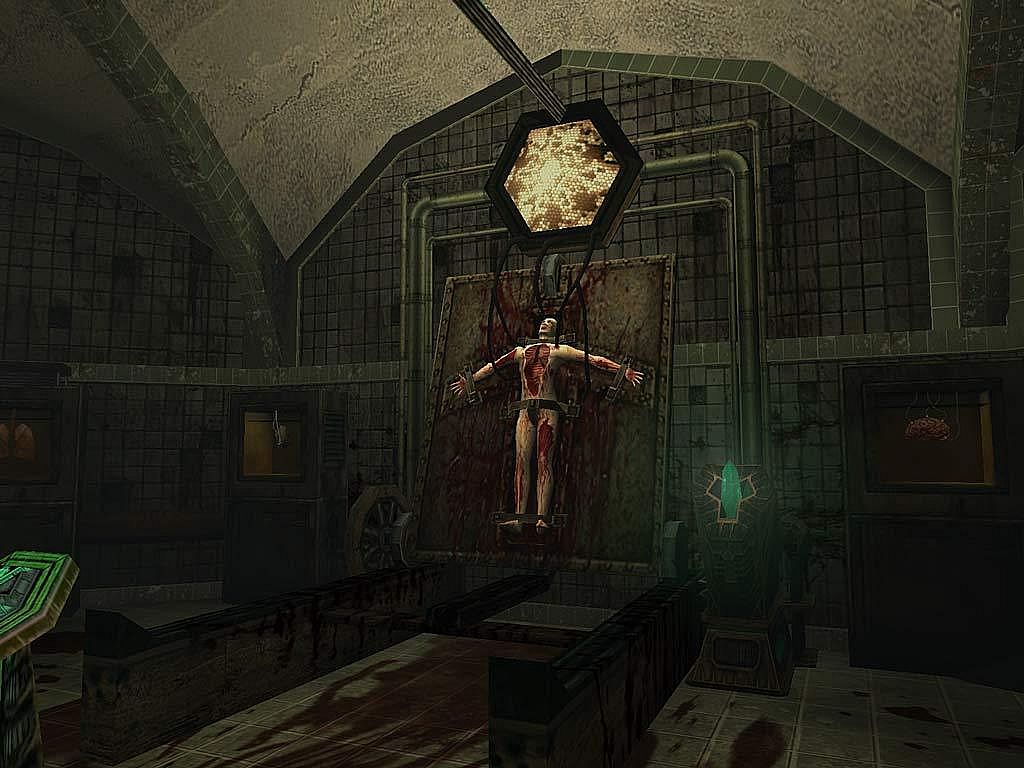
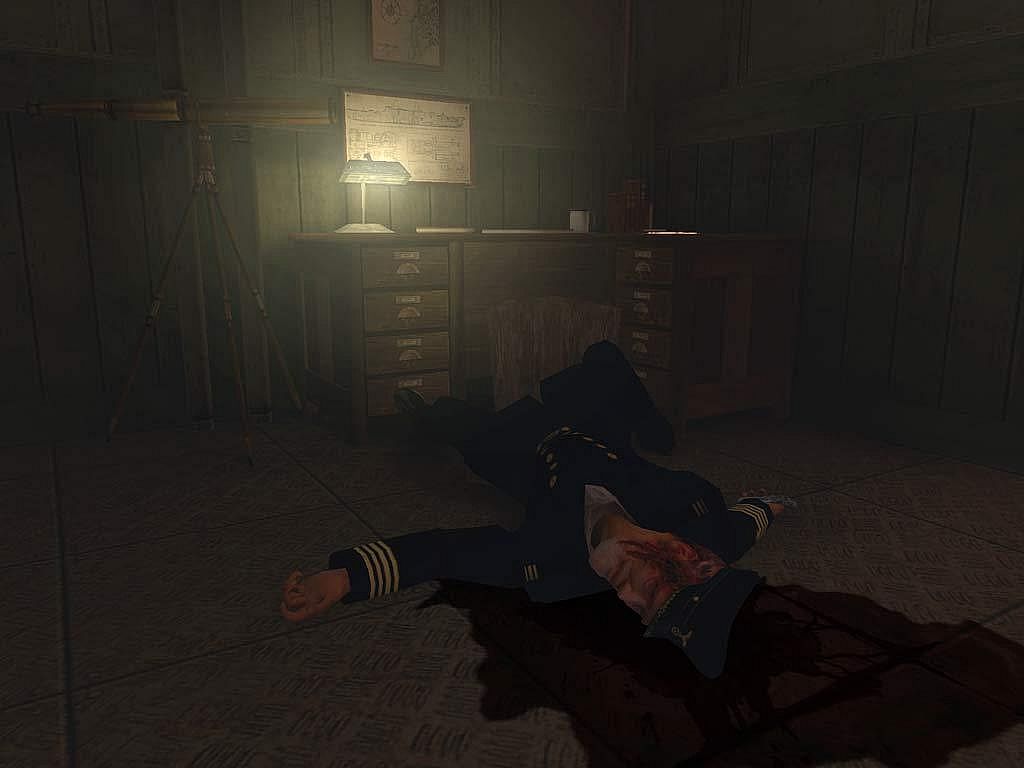
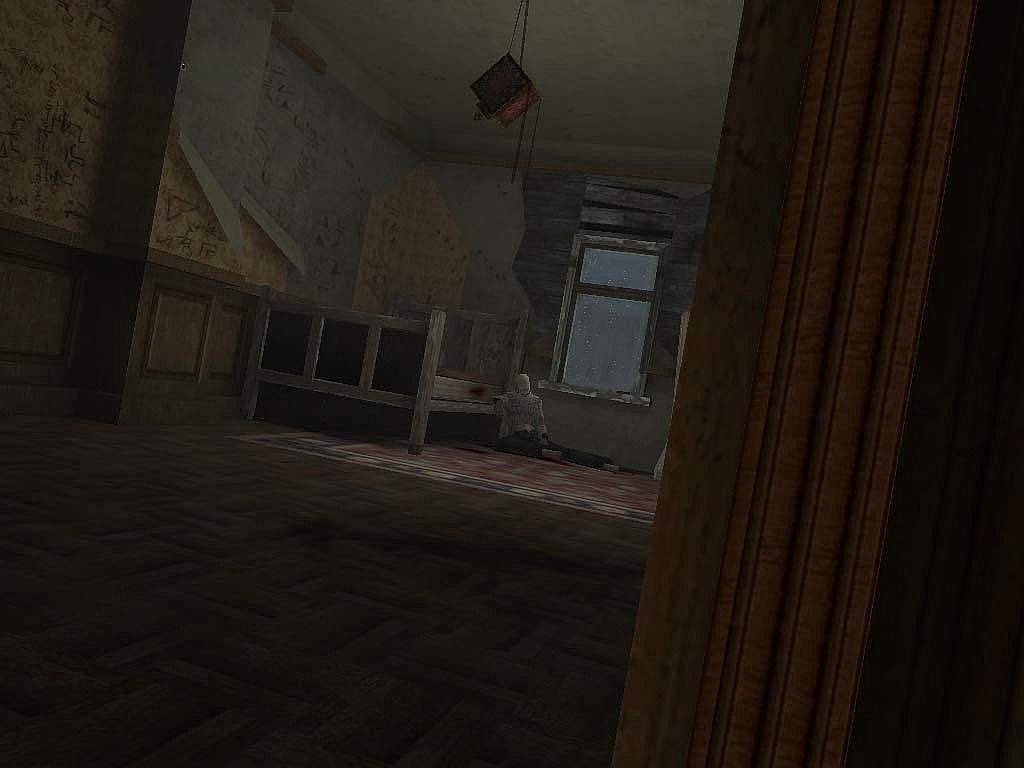
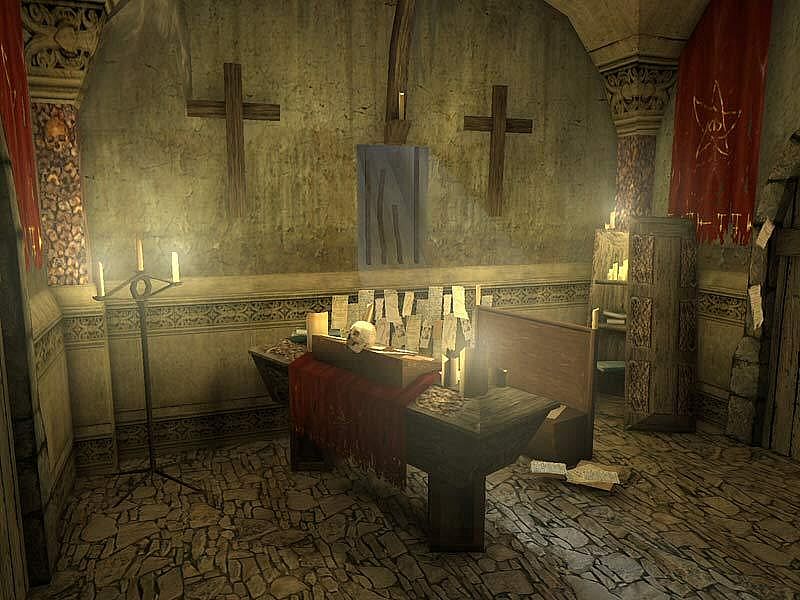
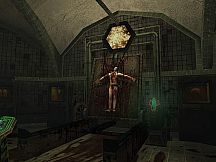
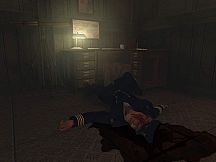
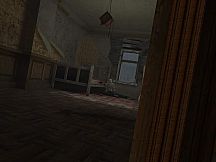
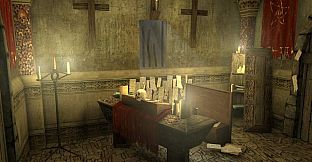
Environments draw directly from Lovecraft fiction, featuring recognizable locations rendered with atmospheric lighting and dynamic shadows that enhance tension. Sound design supports the horror through environmental audio and the sanity-induced distortions that change how spaces feel during play. The shift from familiar human settlements to extraterrestrial or submerged realms builds a sense of escalating dread without relying on jump scares alone.
Is It Worth Playing?
This title suits players interested in deliberate first-person horror that prioritizes atmosphere, investigation, and a distinctive sanity mechanic over fast-paced action. Its age shows in movement speed and combat responsiveness, yet the absence of a HUD and the integration of mental effects create a focused experience that remains distinctive. Availability on PC keeps it accessible for those seeking older Lovecraft adaptations, particularly if the combination of exploration and psychological pressure aligns with personal preferences. The campaign length and level variety provide a complete single-player journey without ongoing updates or seasonal content.