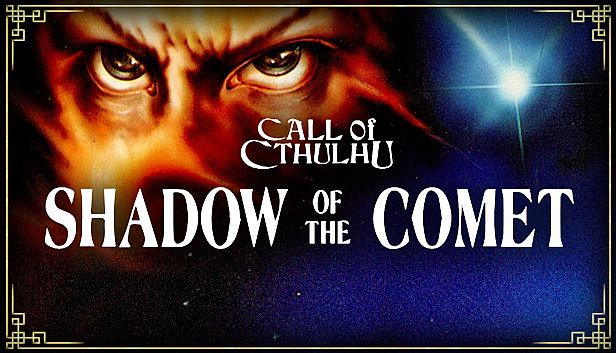












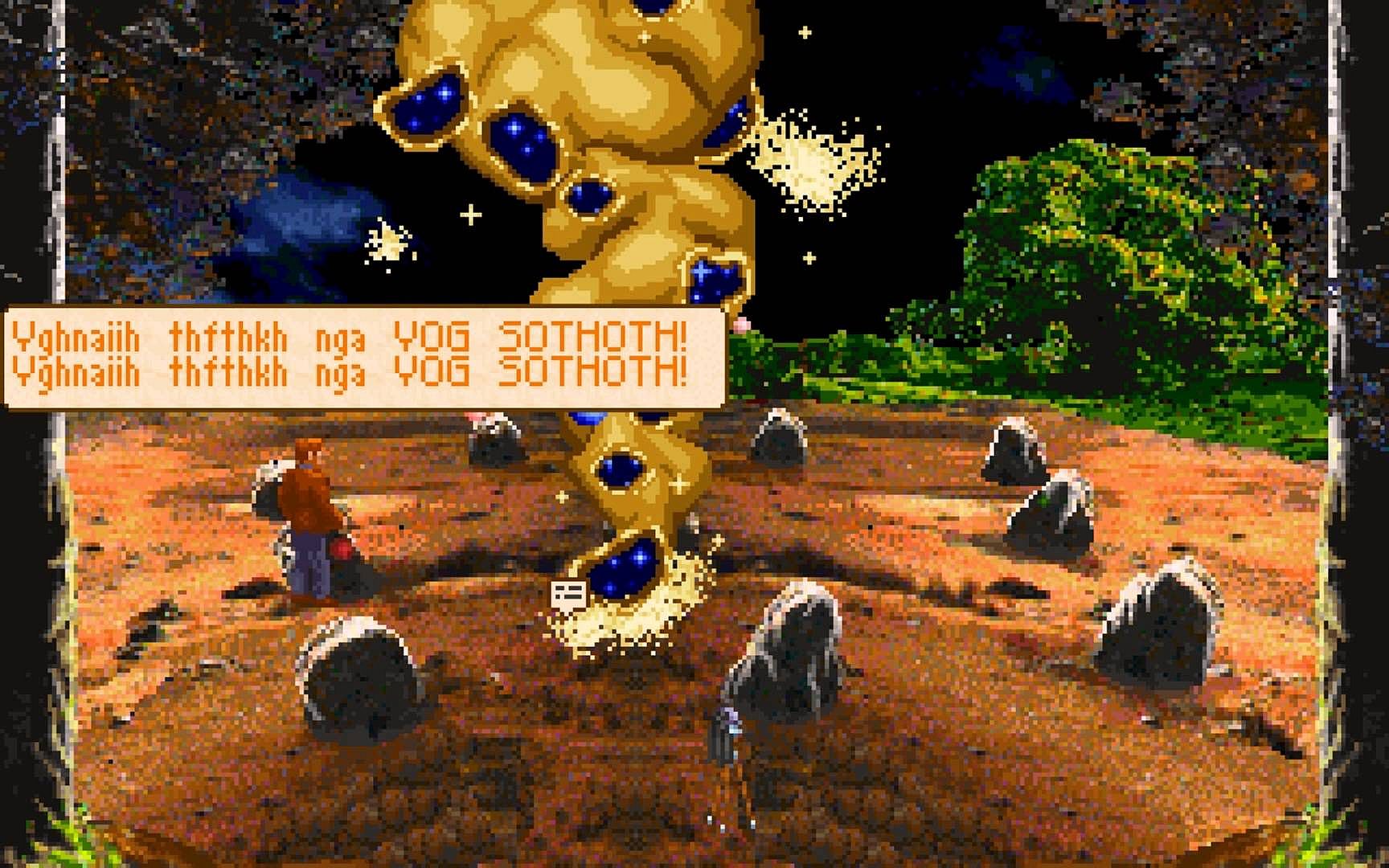
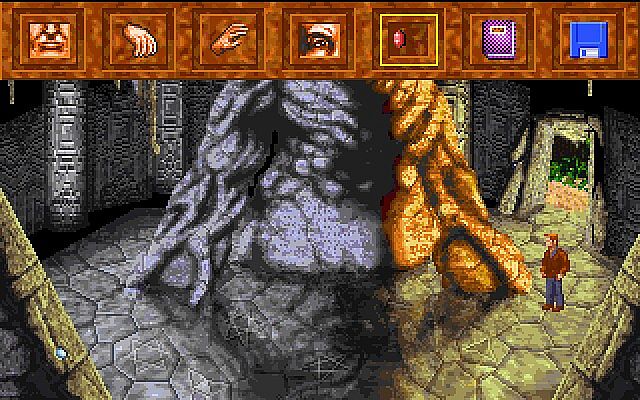
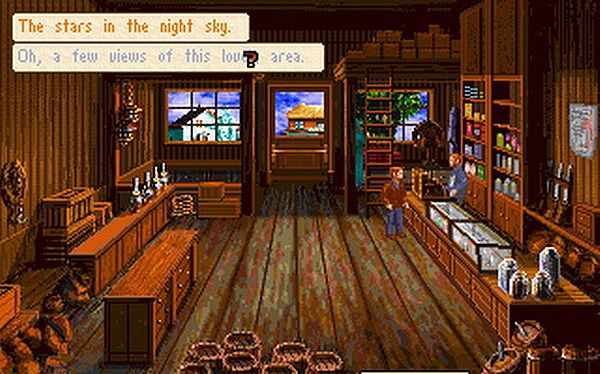
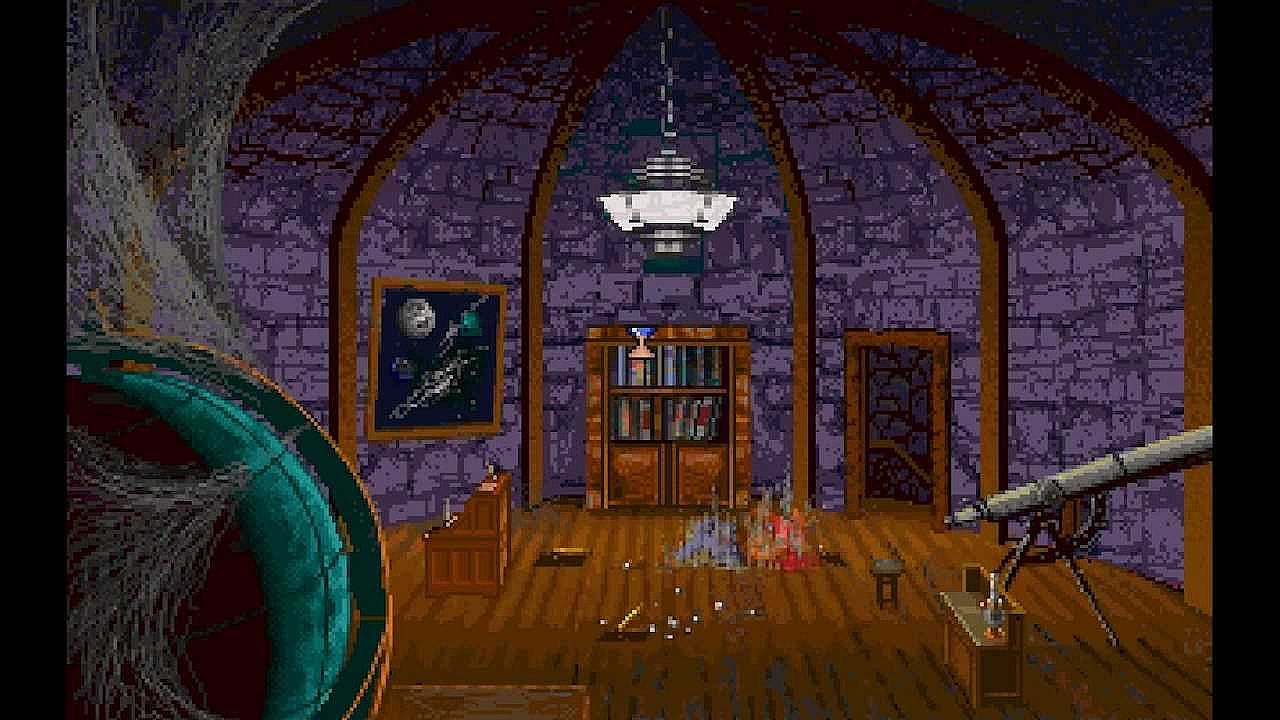
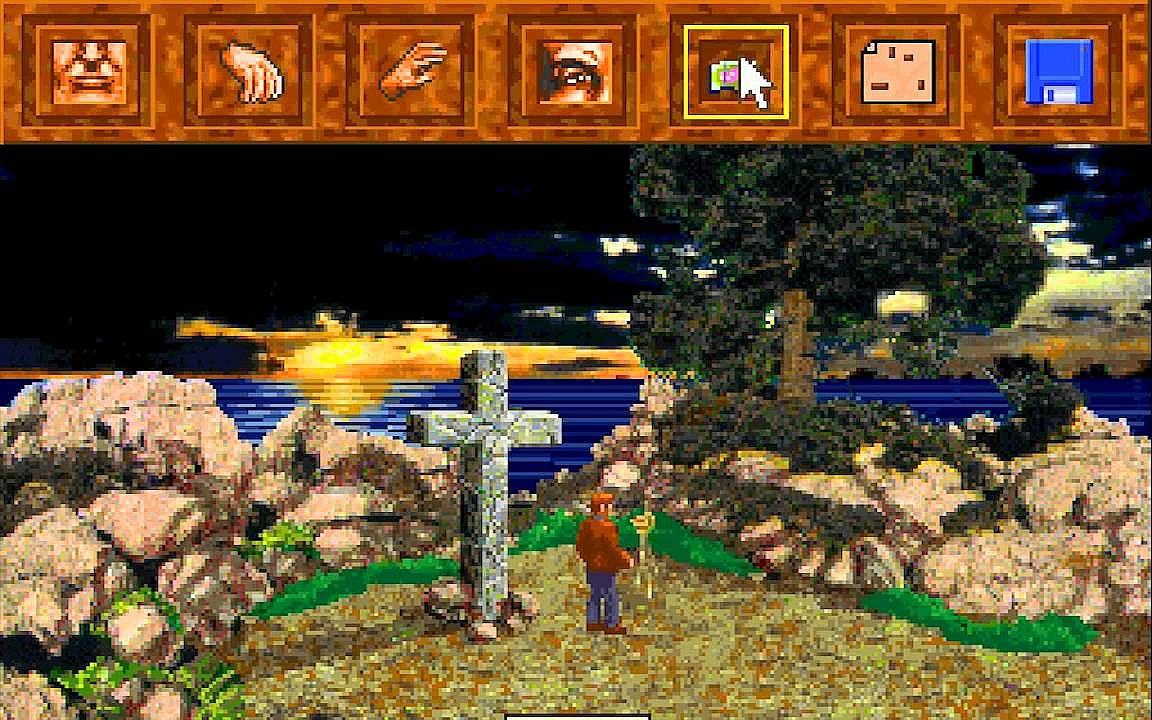
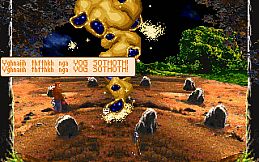
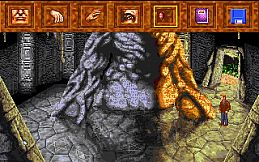
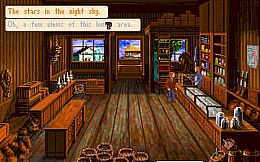
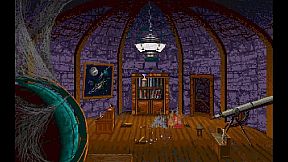
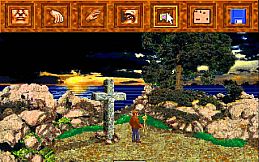
Call of Cthulhu: Shadow of the Comet is a point-and-click adventure game set in 1910 that places players in the role of astronomer John T. Carter. The story unfolds in the quiet coastal town of Illsmouth, where the return of Halley's comet stirs long-buried secrets tied to ancient rites and the Great Ancients. Exploration of the village, its library, and surrounding forest reveals connections between past events and present terrors, all rendered through detailed pixel art and atmospheric sound design.
Gameplay
The core loop centers on investigation and puzzle resolution within a fixed 1910 New England setting. Movement occurs via keyboard controls, with interactions triggered at key locations such as buildings, objects, and characters. Players examine items, consult journals, and engage in dialogue trees to uncover clues about the village's history and the comet's influence. Puzzles often require combining inventory elements or interpreting cryptic information gathered from the library and townsfolk. The interface supports both floppy and CD-ROM versions, with bone-chilling audio cues that heighten tension during key sequences. Supernatural elements emerge gradually, shifting from quiet observation to direct confrontations with otherworldly forces.
Game Modes
The game operates exclusively as a single-player experience with no separate modes or multiplayer components. Progression follows the linear narrative of Carter's inquiry, advancing through days in Illsmouth as new locations and revelations become available. All content ties directly to the central mystery, with no branching campaigns, competitive elements, or alternate scenarios beyond the main adventure path.
Story and Setting
The narrative draws from Lovecraftian themes, focusing on the small fishing port where appearances of tranquility mask deeper horrors. Carter arrives to study the comet but soon confronts whispers of ancient rituals performed at a hidden site marked by an ornate cross in the forest. Townspeople exhibit strange behavior linked to past events, prompting questions about a released curse. The plot builds through environmental storytelling, diary entries, and conversations that piece together the resurgence of the Great Ancients. Visuals capture the pale spring light and secluded library atmosphere, while audio reinforces the shift from everyday village life to chaotic supernatural encounters.
Is It Worth Playing?
Reviews describe the title as genuinely creepy throughout, with strong pixelated artwork and effective cutscenes that maintain an unsettling tone. The point-and-click structure rewards careful observation and logical deduction, appealing to fans of classic adventure games who enjoy atmospheric horror without modern action elements. Availability on PC through re-releases makes it accessible for those interested in 1990s titles. Players seeking puzzle-driven single-player experiences rooted in cosmic dread will find the focused investigation loop satisfying, though the dated interface requires patience with keyboard navigation and inventory management. The game stands as a preserved example of early Lovecraft adaptations that prioritizes mood and mystery over fast-paced mechanics.