

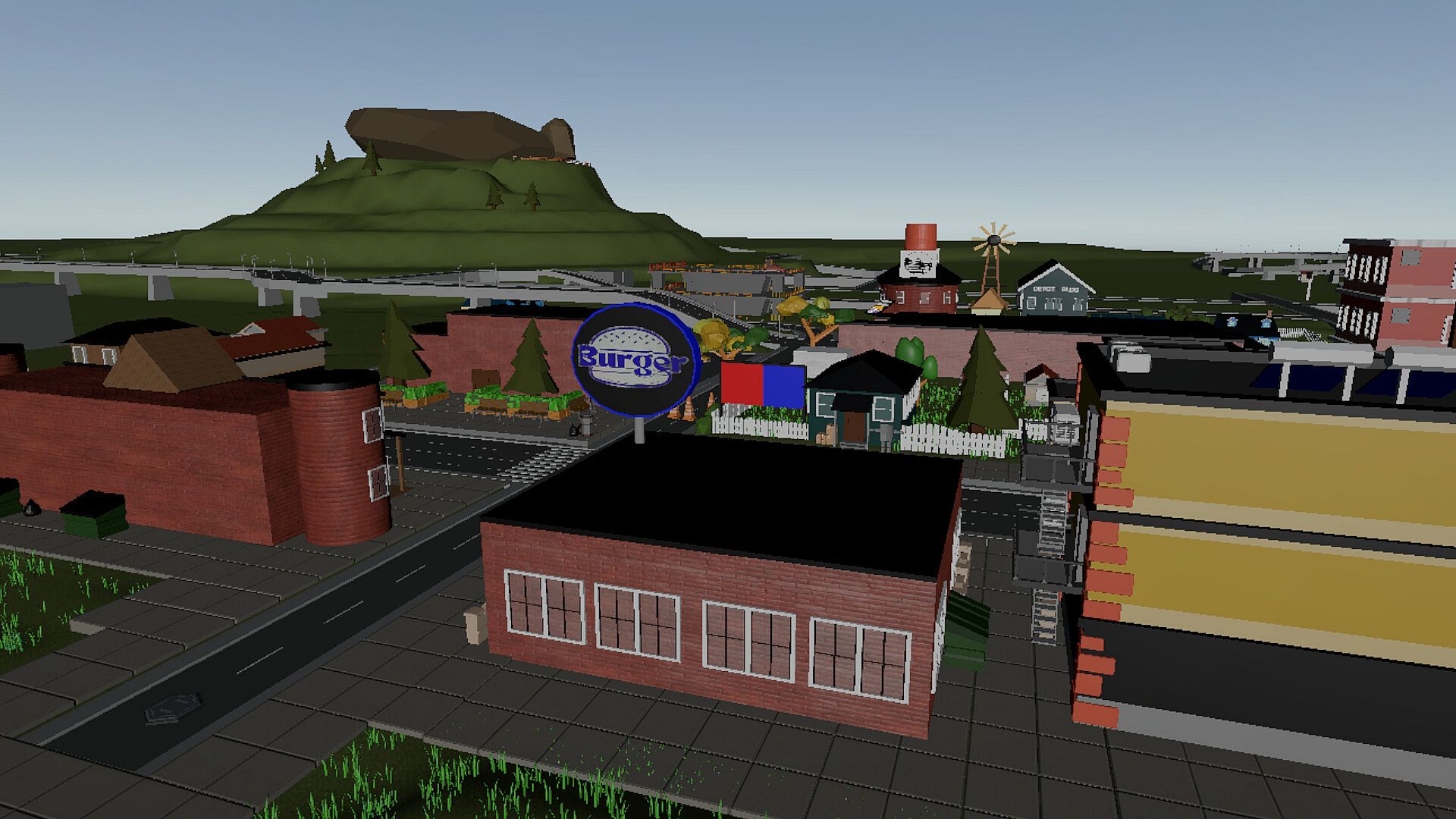
Cardstock City is an indie RPG simulation and adventure game set on PC that puts players in the role of a dedicated collector in a town built around physical trading card games. The experience centers on the everyday realities of funding a hobby through odd jobs while chasing rare cards, managing resources, and progressing through different aspects of the card scene.
Gameplay
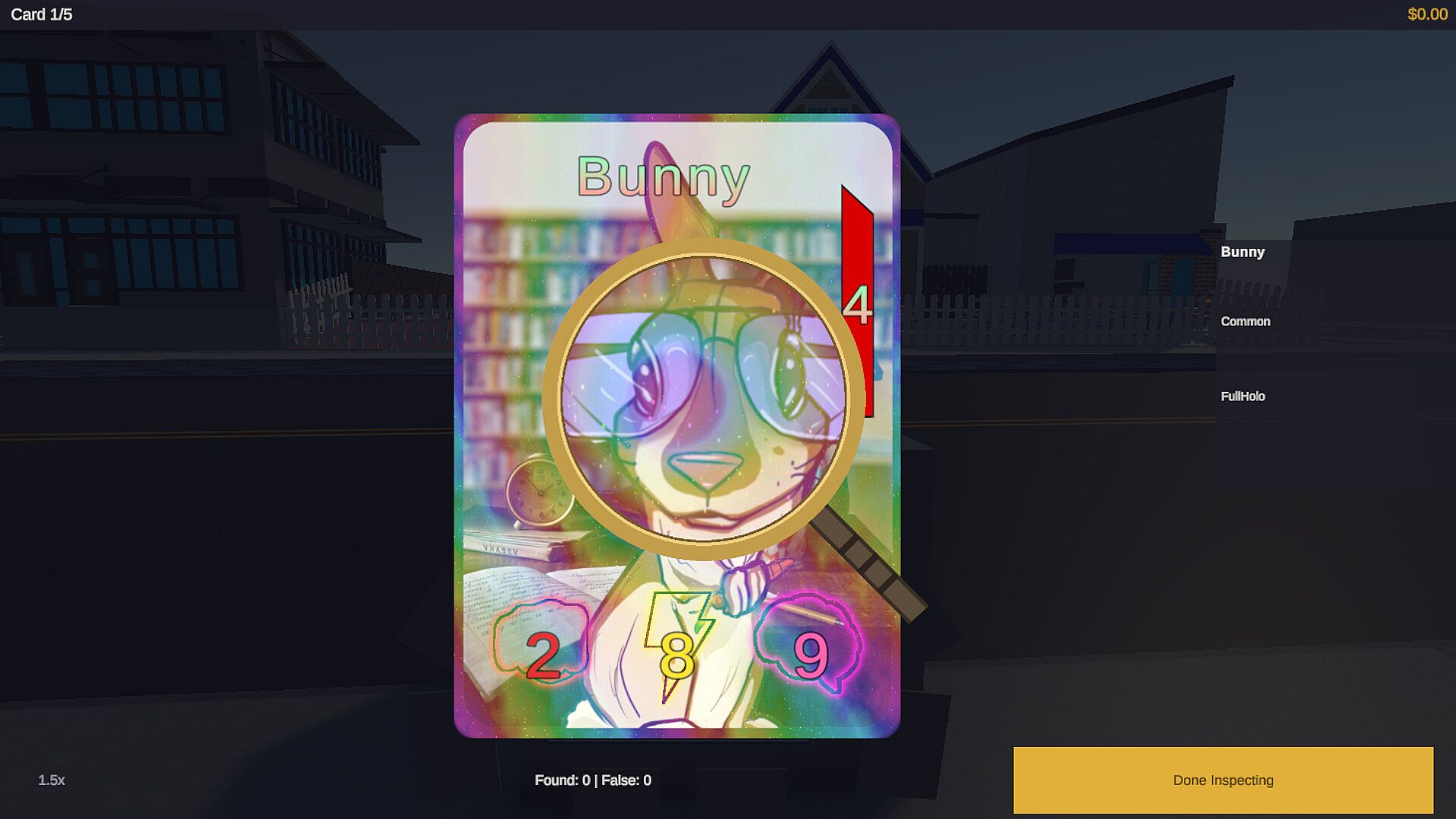
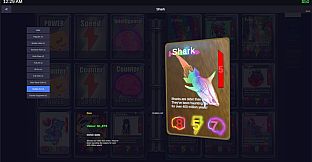
The core loop revolves around opening booster packs and other sealed products to expand a personal collection. Each pack offers a mix of common cards, potential duplicates, and the occasional standout pull such as full-art or legendary variants that can hold significant in-game value. Players decide whether to keep high-value finds for their own sets or sell them to finance further openings.
Funding comes from a variety of part-time jobs scattered across the town. These roles include tasks like delivering mail, working in food service, or stocking shelves, each presented through short minigames that reward players with paychecks. Earnings go straight back into purchasing more product, creating a steady cycle of work and collection building. Progression allows access to better-paying positions over time.
Once enough capital is saved, players can purchase and operate their own card shop. This shifts the focus to inventory management, pricing decisions, and serving customers who arrive with their own spending habits. Successful operation turns the store into a local hub while generating additional income.
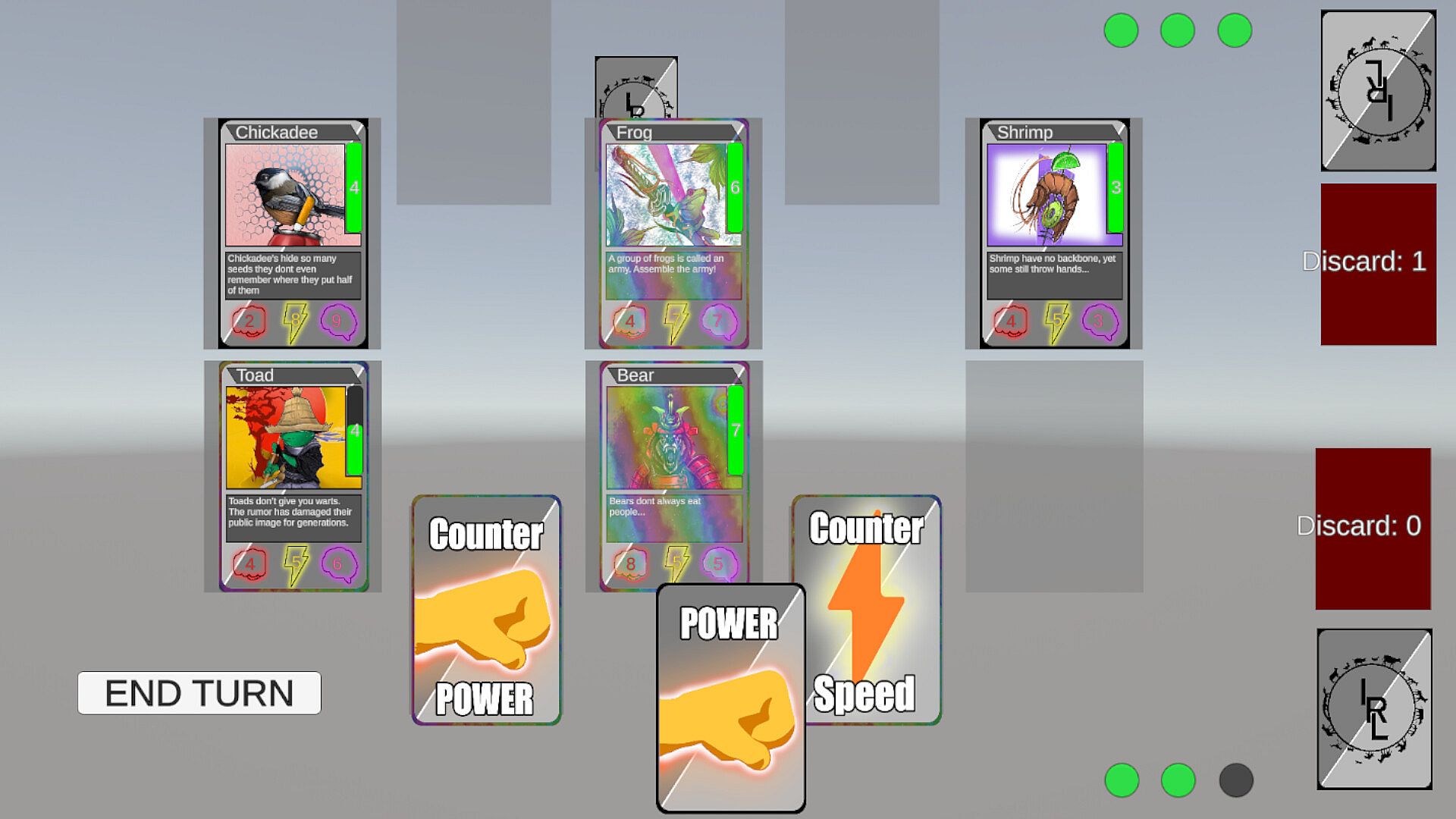
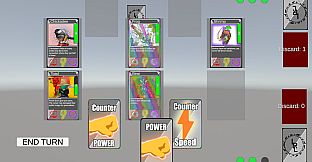
Deck construction uses cards pulled from the collection to create competitive builds. Battles take place against town residents and progress through structured events. Home customization draws from prized pulls, and the town itself serves as an explorable space for discovering trades, challenges, and market fluctuations.
Game Modes
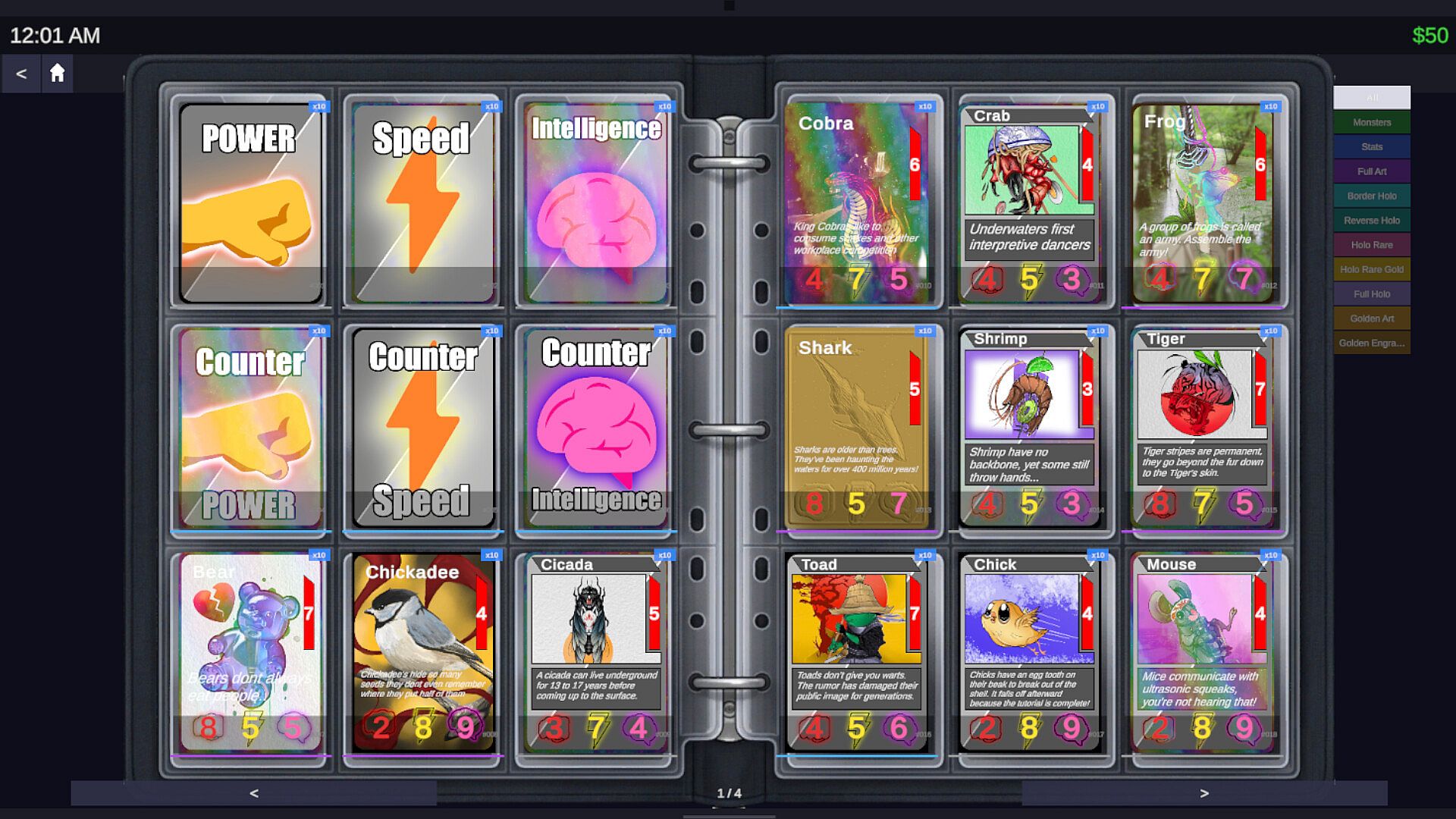
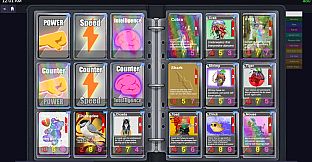
Collection building forms the foundation, with players completing sets across multiple expansions and hunting for rare variants. Pack opening serves as the primary activity, supported by trading opportunities with non-player characters who have their own preferences and negotiation styles.
Job minigames provide structured ways to earn money, each tied to a different location and skill set. Shop ownership introduces management elements focused on stocking, ordering, and customer interaction. Tournament play begins at small community venues and advances through larger regional competitions toward a world championship event.
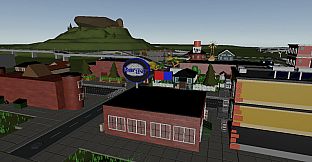
Exploration of the town connects these systems. Players walk between locations, interact with locals for trades or matches, and observe shifts in card values. There are no time limits, allowing steady progress at the player's own pace across collector, dealer, shopkeeper, or competitive paths.
Building a Collection and Shop
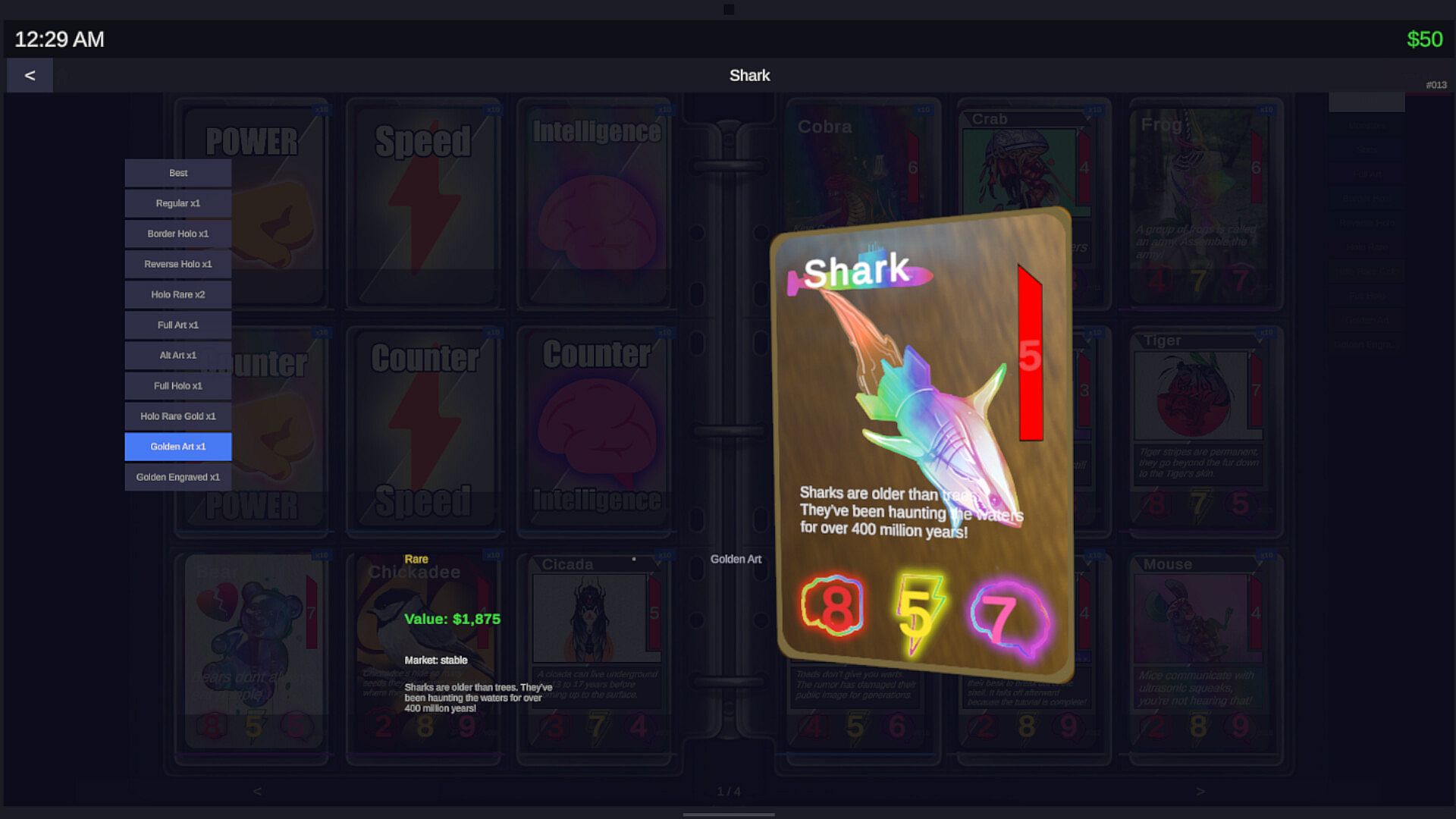
Every booster represents a risk and reward scenario. Players track completed sets and display standout cards at home while deciding how to allocate limited funds. The living market responds to player actions and town events, encouraging timely buys and sales.
Shop management adds depth once the player owns a building. Ordering inventory, setting prices, and handling daily customers create ongoing decisions that affect both profit and reputation. Growth turns a small neighborhood outlet into a destination for collectors across the city.
Is It Worth Playing?
Cardstock City suits players who enjoy relaxed simulation gameplay combined with collection mechanics and light RPG progression. The single-player structure emphasizes personal goals over competitive pressure, making it accessible for those who like steady advancement through jobs, pack opening, and tournament climbing.
The game supports multiple playstyles within the same world. Collectors can focus on set completion and rare pulls, while others prioritize shop profits or deck building for battles. Exploration and minigames add variety without requiring mastery of any single system.
Because the experience stays grounded in everyday card hobby activities rather than high-stakes action, it appeals most to fans of cozy management titles and trading card culture. Those seeking a low-pressure way to simulate building a collection and running a shop will find consistent engagement through the core loop of earning, opening, and progressing.