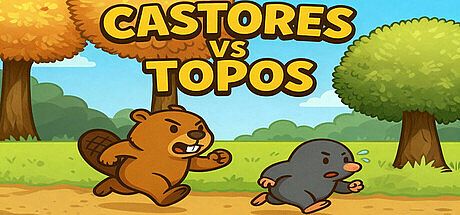


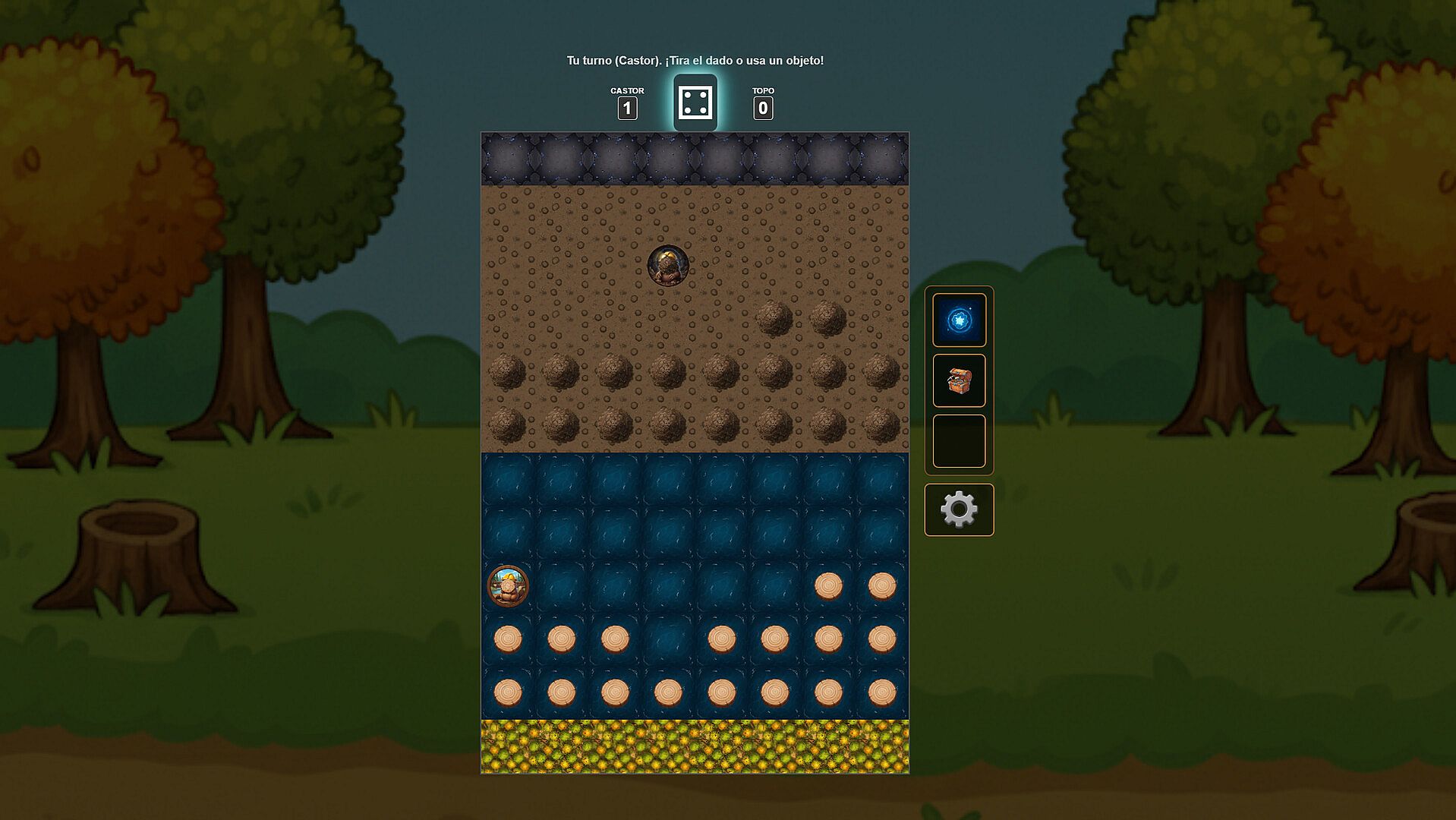
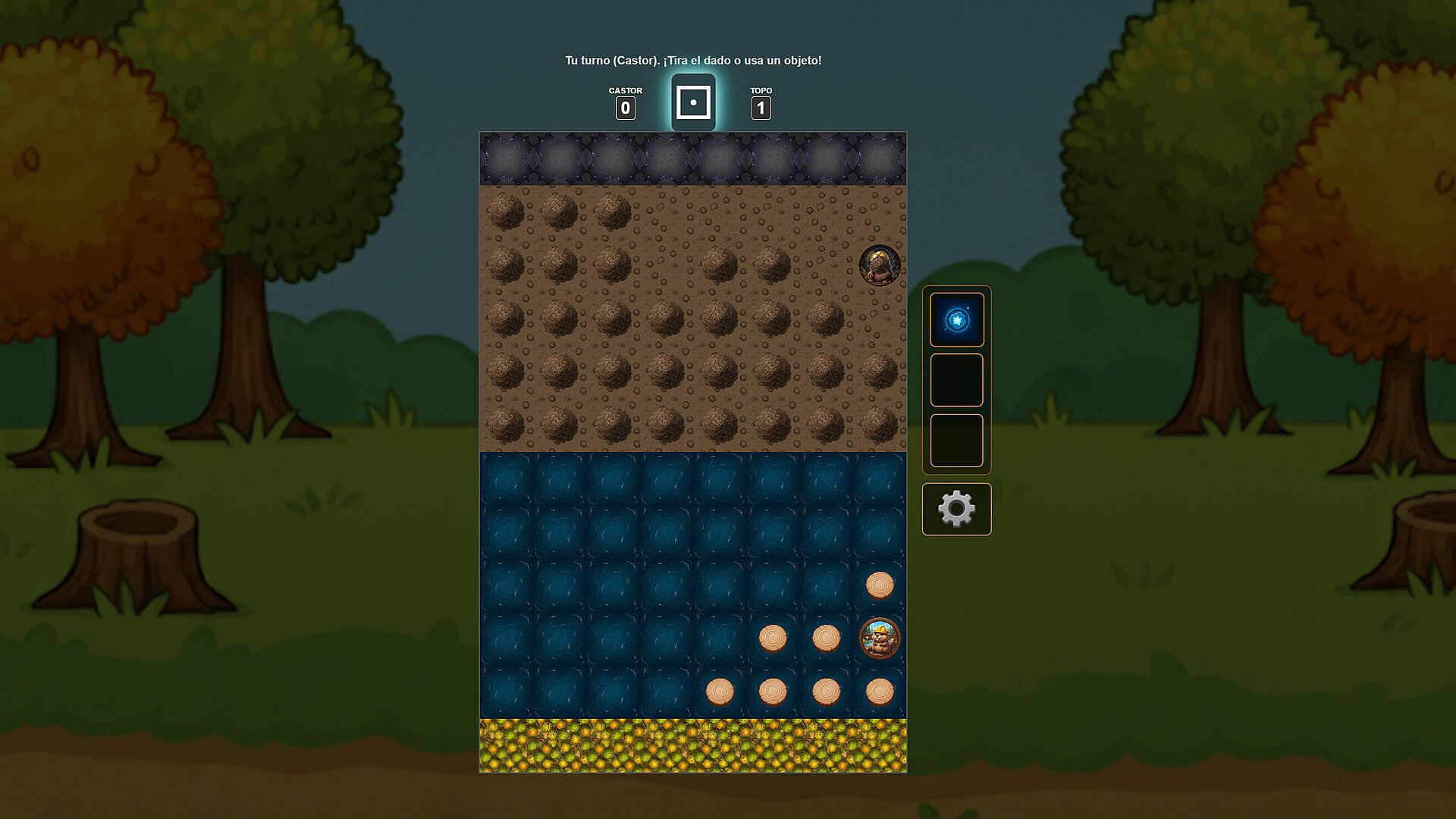
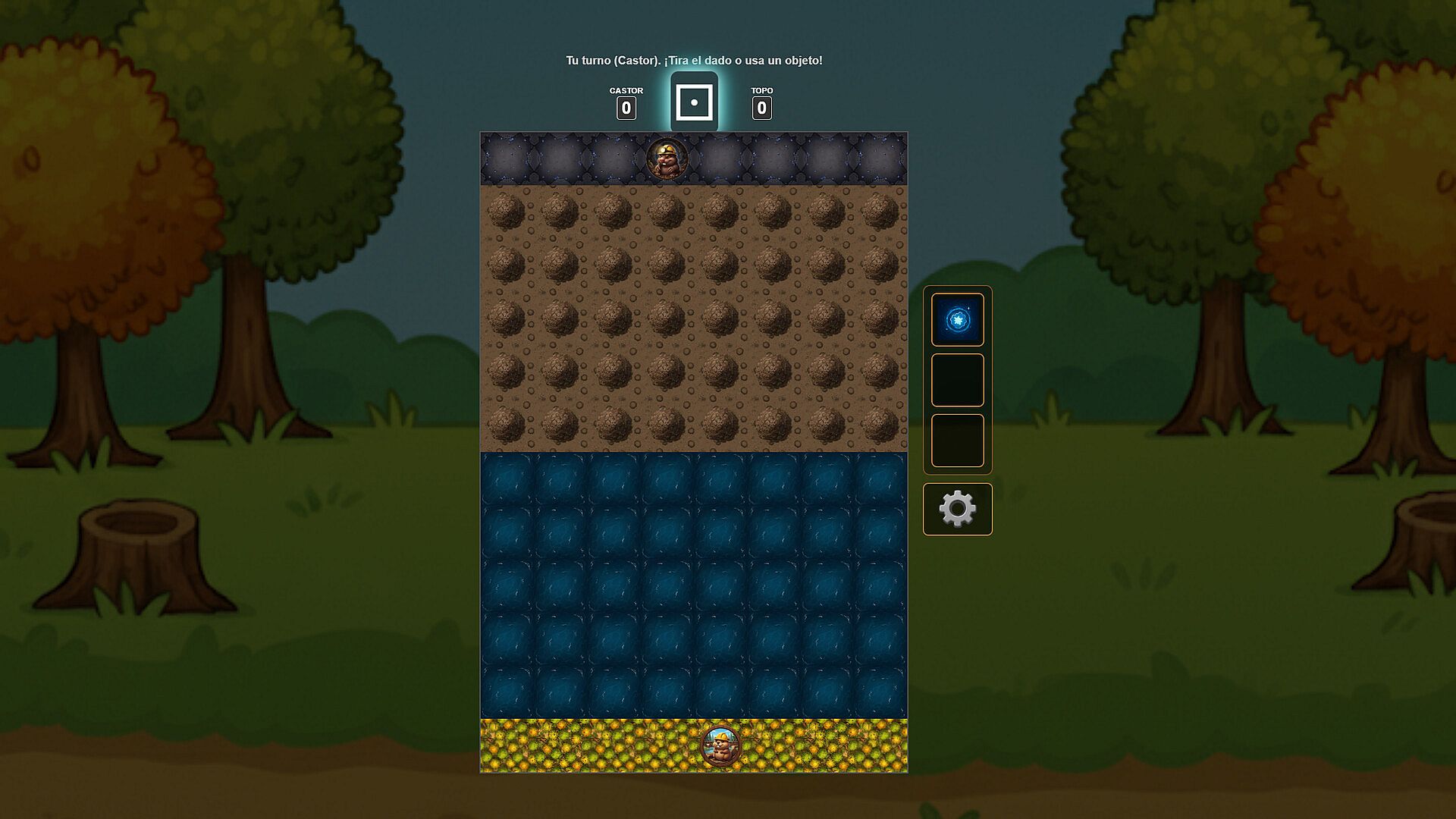

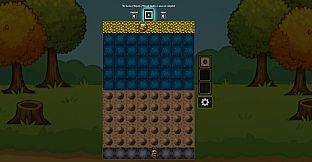
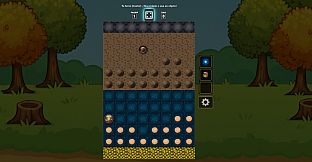
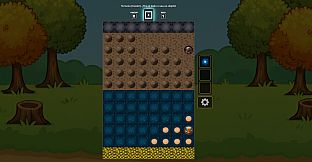
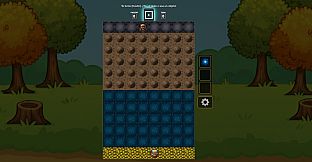
Castores vs Topos is a free-to-play indie turn-based strategy game for PC in which players control one of two asymmetric factions, beavers or moles, on a shared board. The objective centers on reaching the enemy base while the terrain shifts with every turn through dice rolls and faction-specific actions. Chance influences movement and opportunities, yet strategic decisions about terrain alteration and item use determine the outcome in each match.
Gameplay
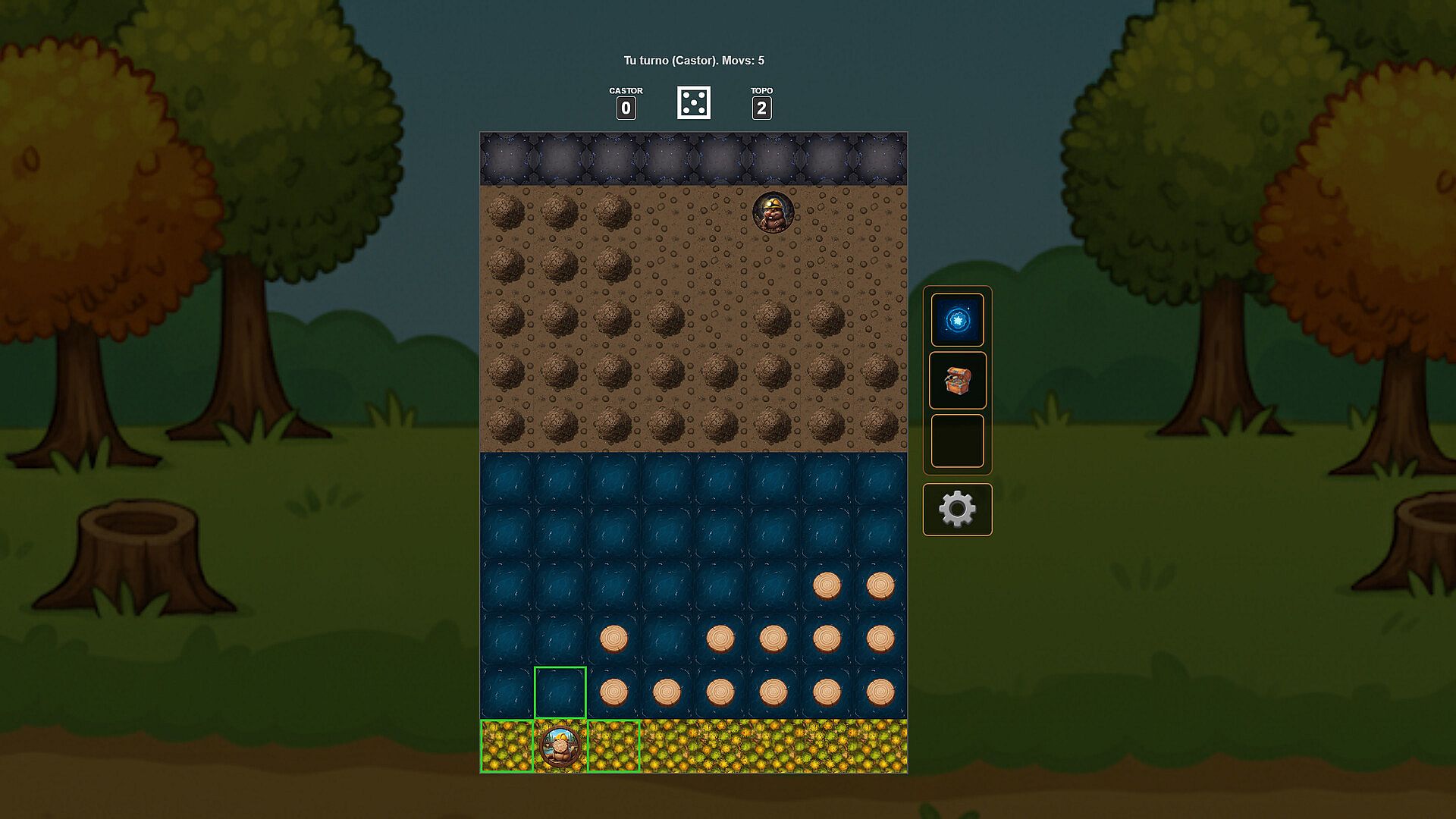
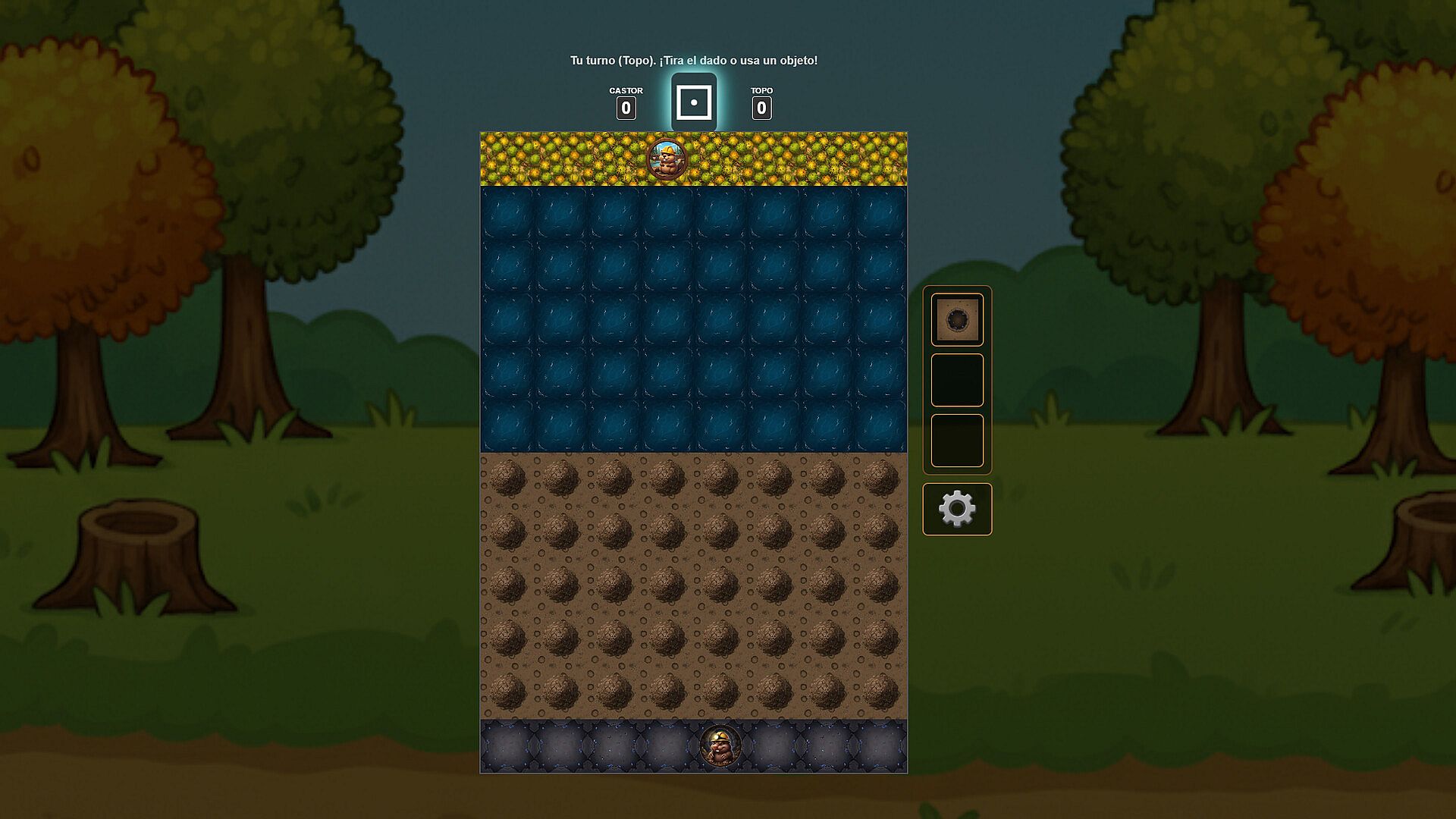
The core loop revolves around rolling dice to advance across a dynamic board where players reshape the environment to create paths or block opponents. Beavers focus on gathering wood to construct bridges over water, opening new routes toward the rival base. Moles instead manage dirt mounds to clear space or restrict access, shaping the board in ways that favor their territory control. These approaches create an asymmetric experience that requires adapting to the opponent's style rather than mirroring it.
Unique abilities further differentiate the factions. Beavers can leverage their building mechanics to bypass obstacles, while moles emphasize removal and denial tactics. Single-use items add tactical layers, such as the pickaxe for destroying mounds or bridges, stones for creating blockades or new crossings, trapper kits that reset an opponent to the start, and teleports that reposition within controlled areas. Special dice outcomes introduce risk and reward: rolling a 6 grants an extra turn, but four consecutive sixes result in an immediate loss, and a 5 enables pushing the opponent off their position.
Game Modes
Three distinct modes support different play styles. Online mode allows players to create or join public lobbies for real-time matches against others, including options for casual or ranked play with accounts. Local mode supports two players sharing the same PC and alternating turns on the board. Versus AI mode provides a solo option for practicing strategies, testing faction matchups, and learning the rules without external opponents.
Each mode preserves the same core mechanics of terrain manipulation and item deployment, ensuring consistent depth whether competing against humans or the computer. The online component emphasizes quick sessions with ranking systems for those seeking progression, while local and AI options cater to immediate or private sessions.
Factions and Mechanics
Beaver and mole factions operate under distinct rulesets that reward different mindsets. Beaver play emphasizes resource collection and construction to bridge gaps, creating forward momentum. Mole play prioritizes excavation and obstruction to limit enemy options and secure defensive advantages. This lack of symmetry means matches hinge on anticipating the rival's terrain changes and timing item use effectively.
Items integrate directly into the turn structure, offering one-time interventions that can reverse board control or force repositioning. The dice system ties movement to probability while layering additional rules that punish over-reliance on high rolls. Together these elements produce matches where early positioning and mid-game adjustments matter as much as the final approach to the enemy base.
Is It Worth Playing?
Castores vs Topos suits players who enjoy accessible digital board games with strategic depth and short-to-medium match lengths. The rules prove straightforward for newcomers yet reward repeated play through terrain awareness, item timing, and opponent prediction. Free-to-play availability removes barriers, and the combination of online, local, and AI modes provides flexibility for solo practice or social sessions.
Reception highlights the fast pace and asymmetric design as strengths for those seeking turn-based strategy without steep learning curves or complex controls. The game remains in active development following its recent release, with the core experience already complete and playable across the supported modes. It delivers value for fans of indie strategy titles focused on tactical tension rather than large-scale production elements.