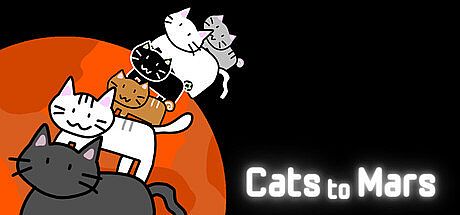


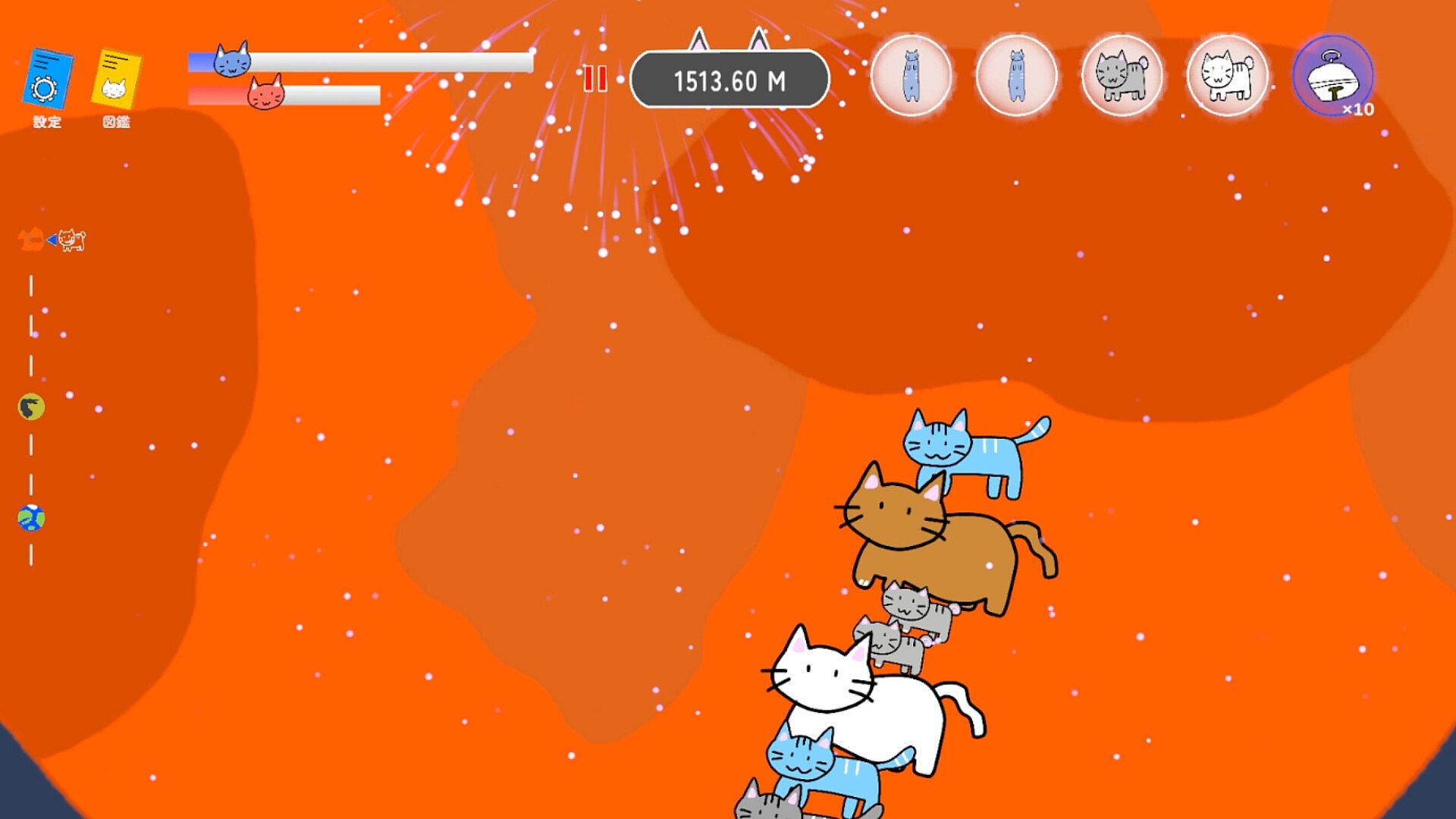
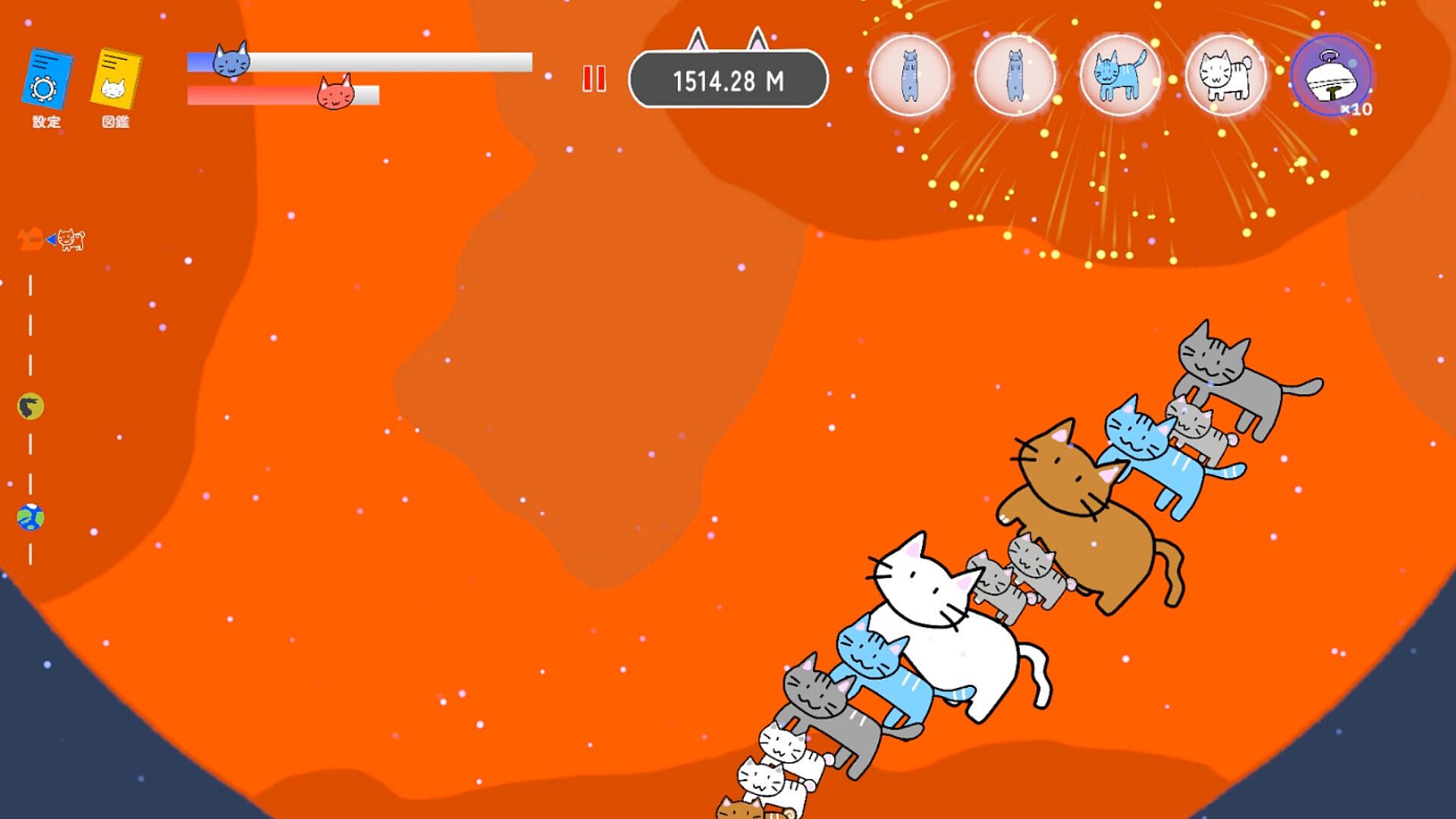
Cats to Mars is a casual simulation game built around 2D physics stacking on PC. Players arrange cats of varying sizes and weights into towers with the goal of reaching Mars while managing stability and unexpected events.
Gameplay
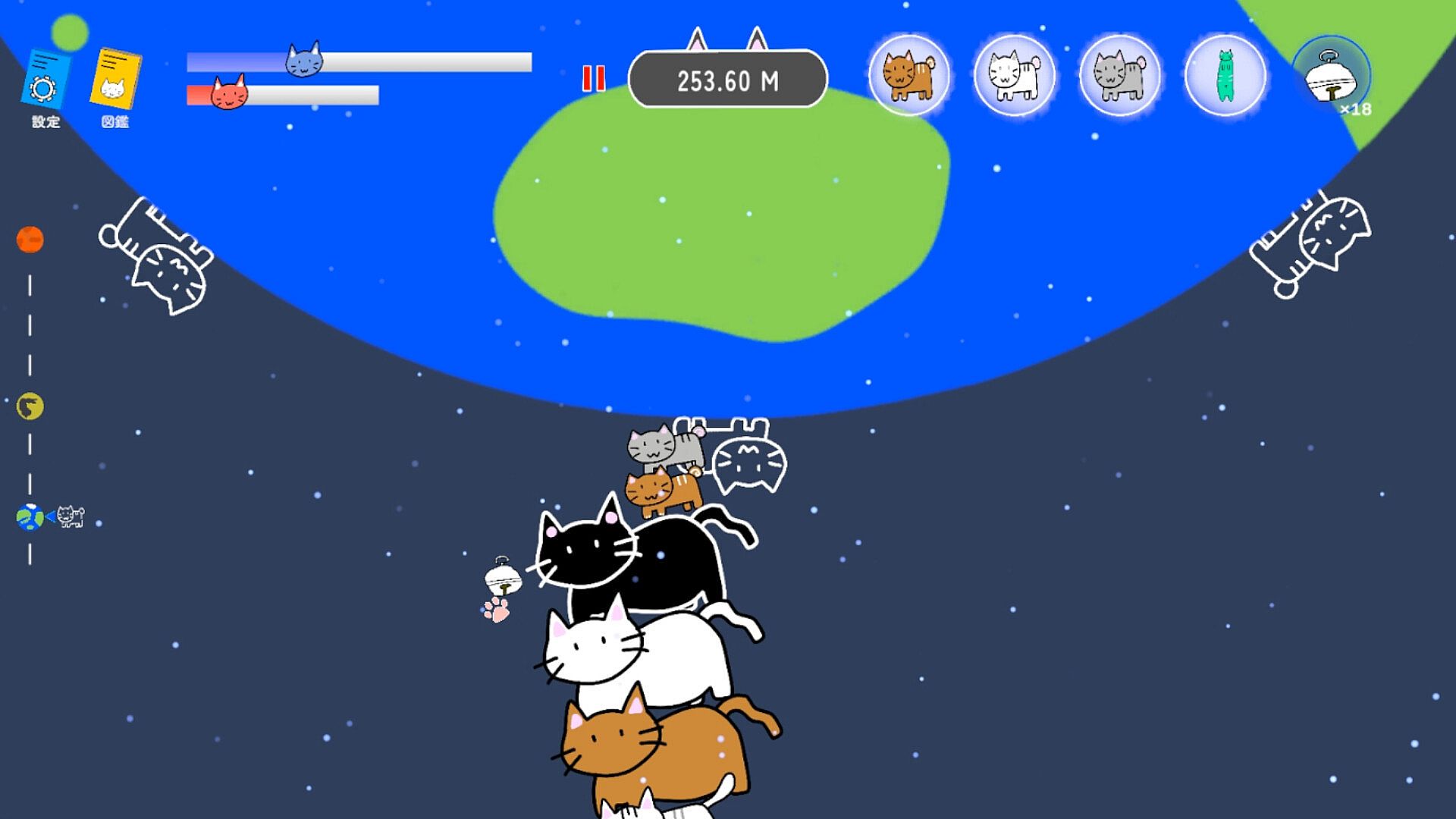
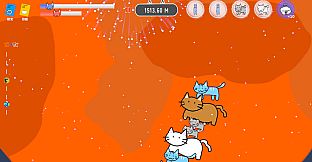
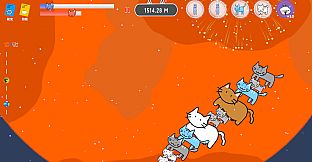
The core loop centers on selecting and placing cats one by one to build upward. Each cat carries its own size and weight values, so placement order directly influences how well the structure holds together under gravity. A poorly balanced stack can topple before the height goal is met, forcing restarts or adjustments mid-build.
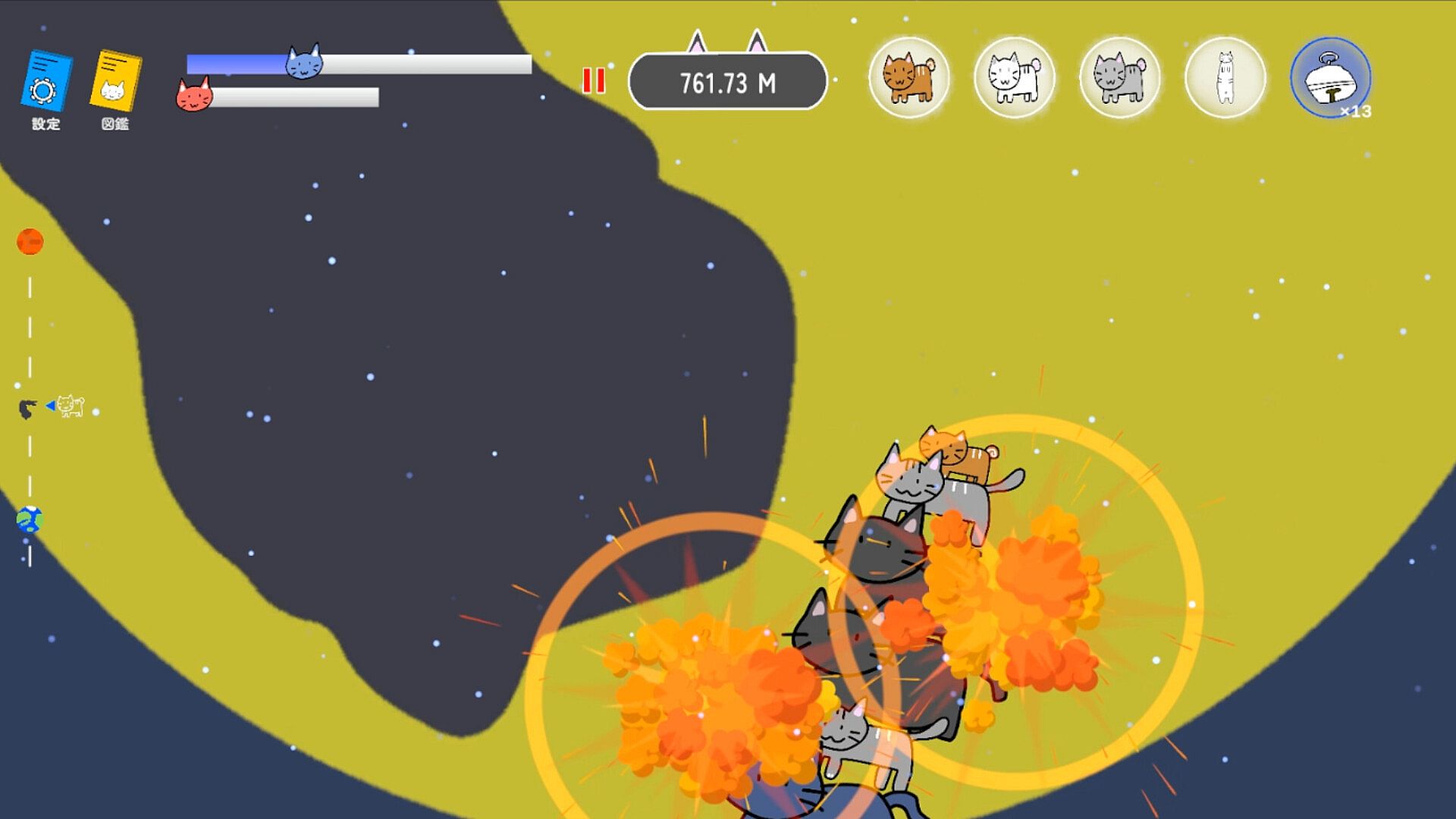
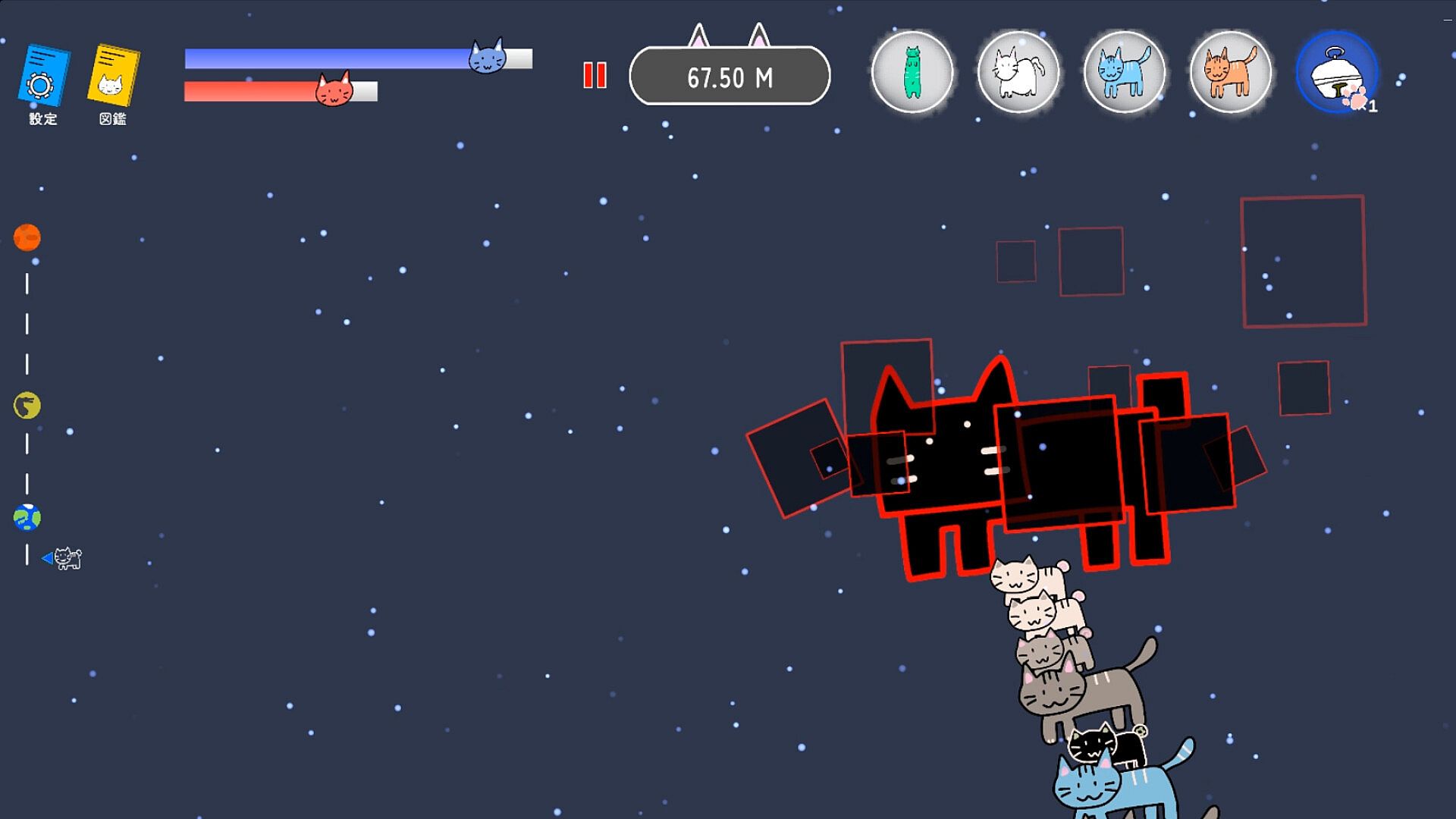
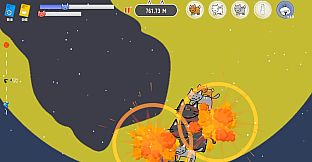
Repeating the same cat type builds up Bells, a resource used to deploy stabilizing items that shore up weak points and allow greater height. These items become essential when towers grow tall and the risk of collapse increases. Switching cat types instead activates hazard events such as explosions or freezing effects that reshape the tower or clear obstacles in dramatic ways.
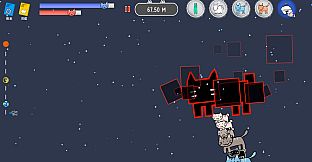
The Black Cat serves as a high-value option that generates a large number of Bells when added. Timing its use can turn a struggling build around or push a stable tower even higher, but it requires careful judgment because the overall stack must still remain intact afterward.
Game Modes
Players choose between cautious stacking that prioritizes repeated cat types for steady Bell accumulation and item support or a more aggressive style that mixes cat varieties to trigger hazards and create sudden shifts in tower behavior. Both approaches aim for the same end goal of reaching Mars, yet they demand different planning around stability and resource timing.
The physics system remains consistent across attempts, so success depends on learning how individual cats interact and when to introduce items or hazards to maintain progress. Shorter sessions focus on quick builds while longer ones test sustained height management through multiple hazard triggers.
Key Mechanics
Unique cats form the foundation of every tower. Their individual properties mean no two stacking sequences play out identically, encouraging experimentation with order and combination. Bells earned from repeats provide the safety net needed for ambitious heights, while hazard events introduce controlled chaos that can either help or hinder depending on placement.
Freezing might lock sections in place to prevent further wobbling, whereas explosions can remove unstable layers or create new stacking opportunities. The Black Cat stands apart as a high-reward choice that rewards players who monitor their Bell totals and risk tolerance carefully.
Story and Setting
Set in the year 20XX, the premise follows cats fleeing Earth after mice undergo mysterious growth mutations. The animals decide to construct a new home on Mars, turning the stacking challenge into a narrative of escape and relocation. The light story frames each attempt without adding complex systems or branching paths.
Is It Worth Playing?
Cats to Mars suits players who enjoy physics-based casual simulations and tower-building puzzles. Its mechanics reward observation of cat properties and deliberate choices between safe repetition and riskier variety. The absence of additional modes keeps focus on the single core loop of stacking toward Mars.
Those who appreciate short sessions with clear goals and visible cause-and-effect from placement decisions will find the experience straightforward. The game runs on PC and emphasizes experimentation over long campaigns or competitive elements.