




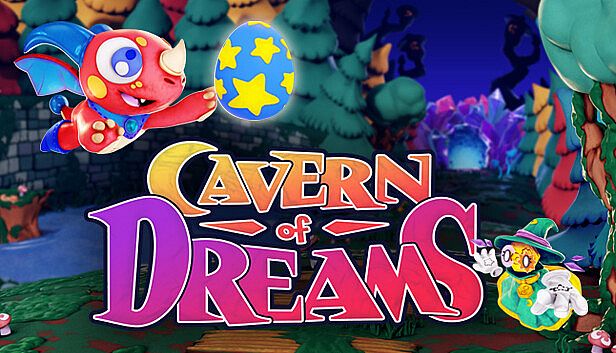
























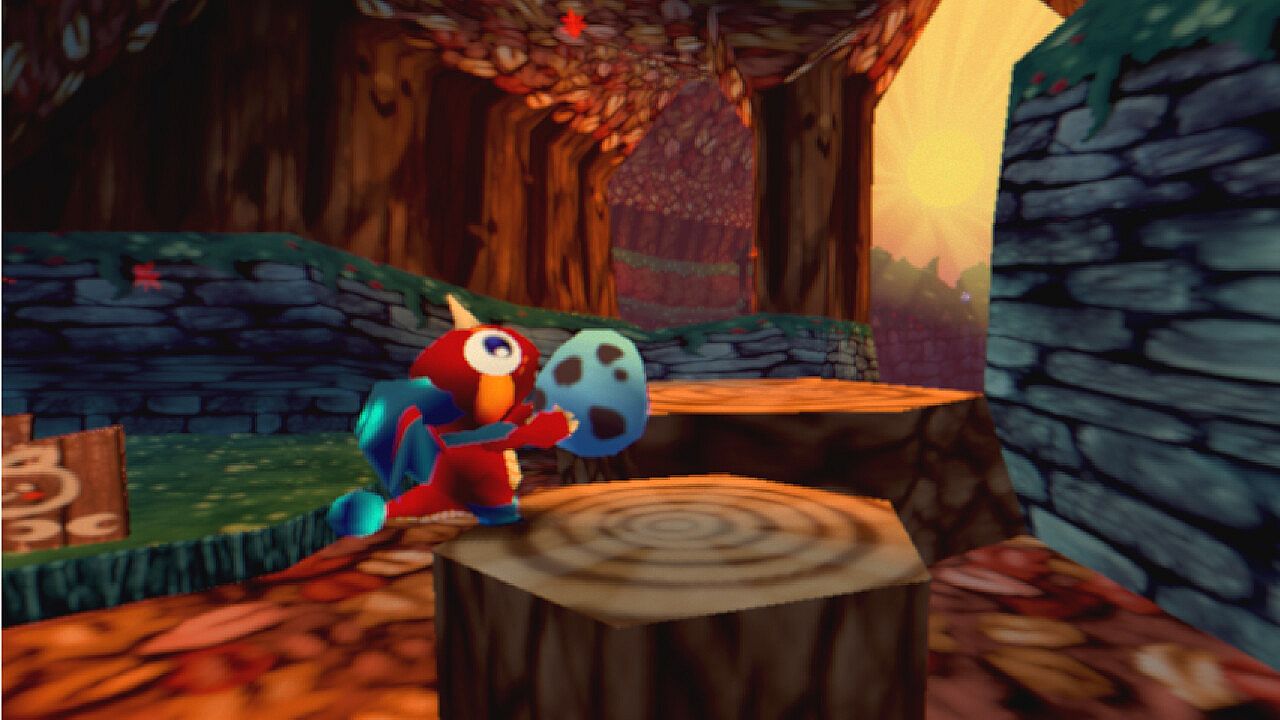
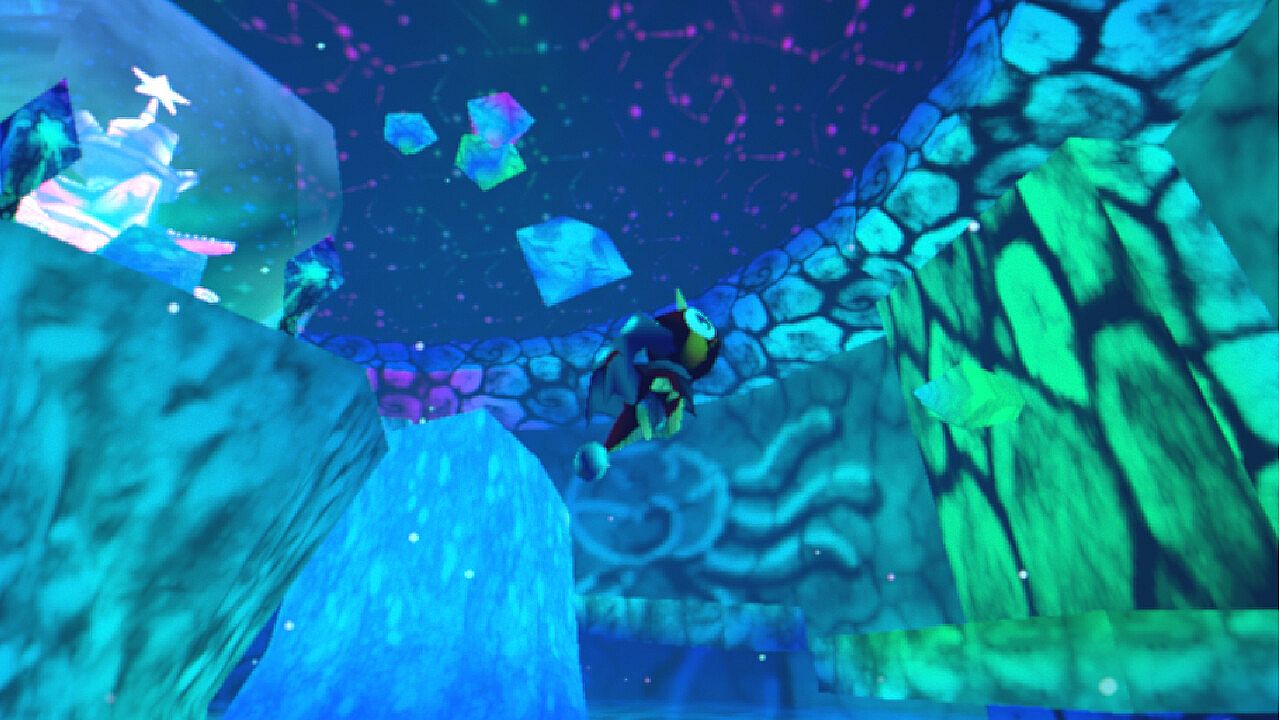
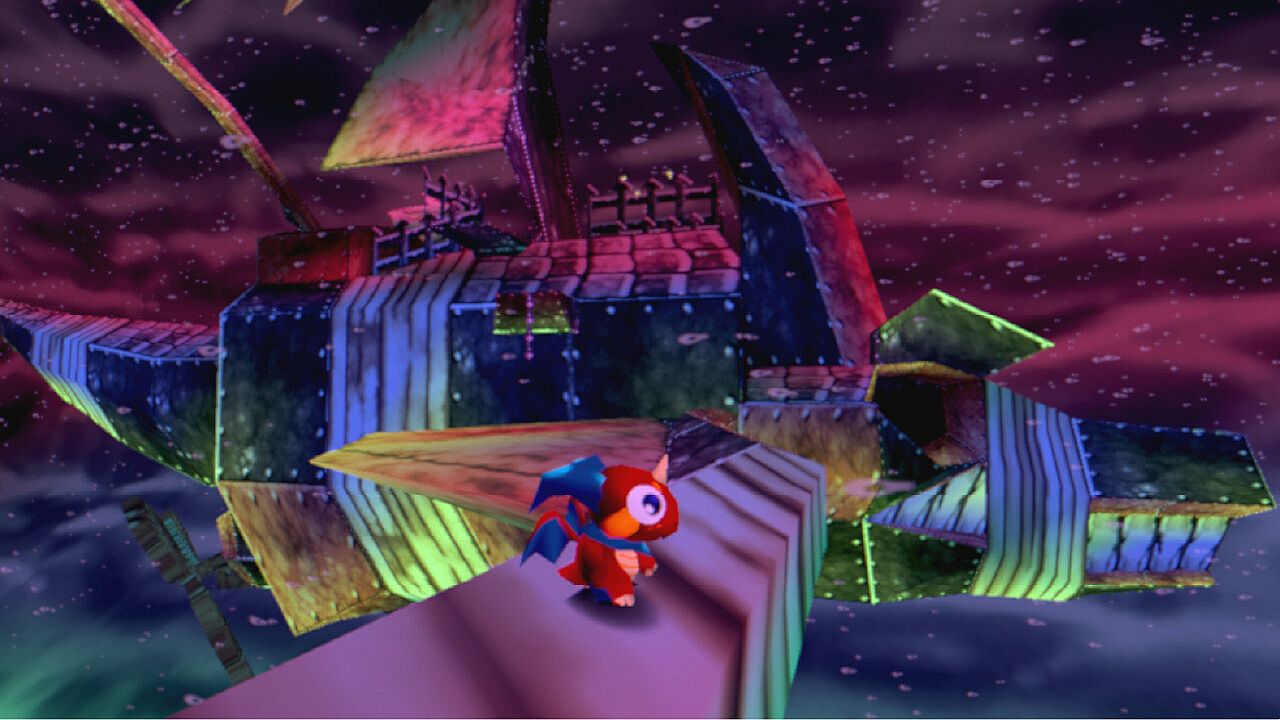
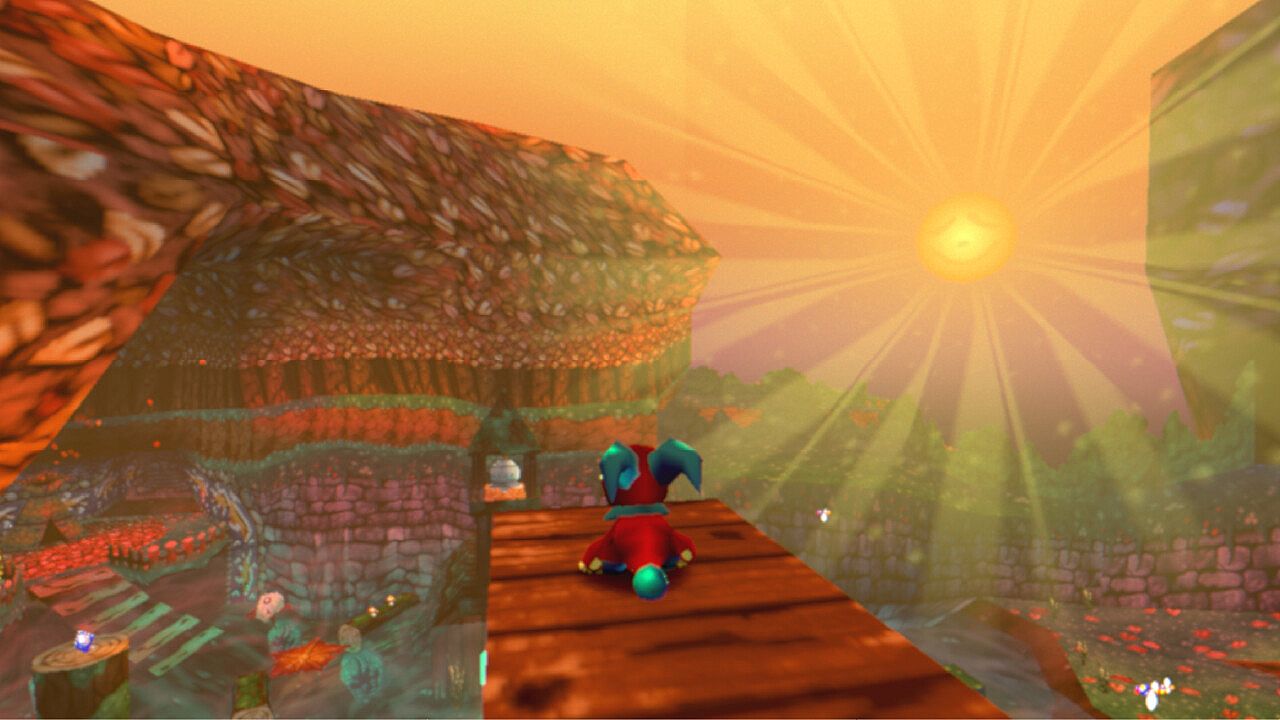
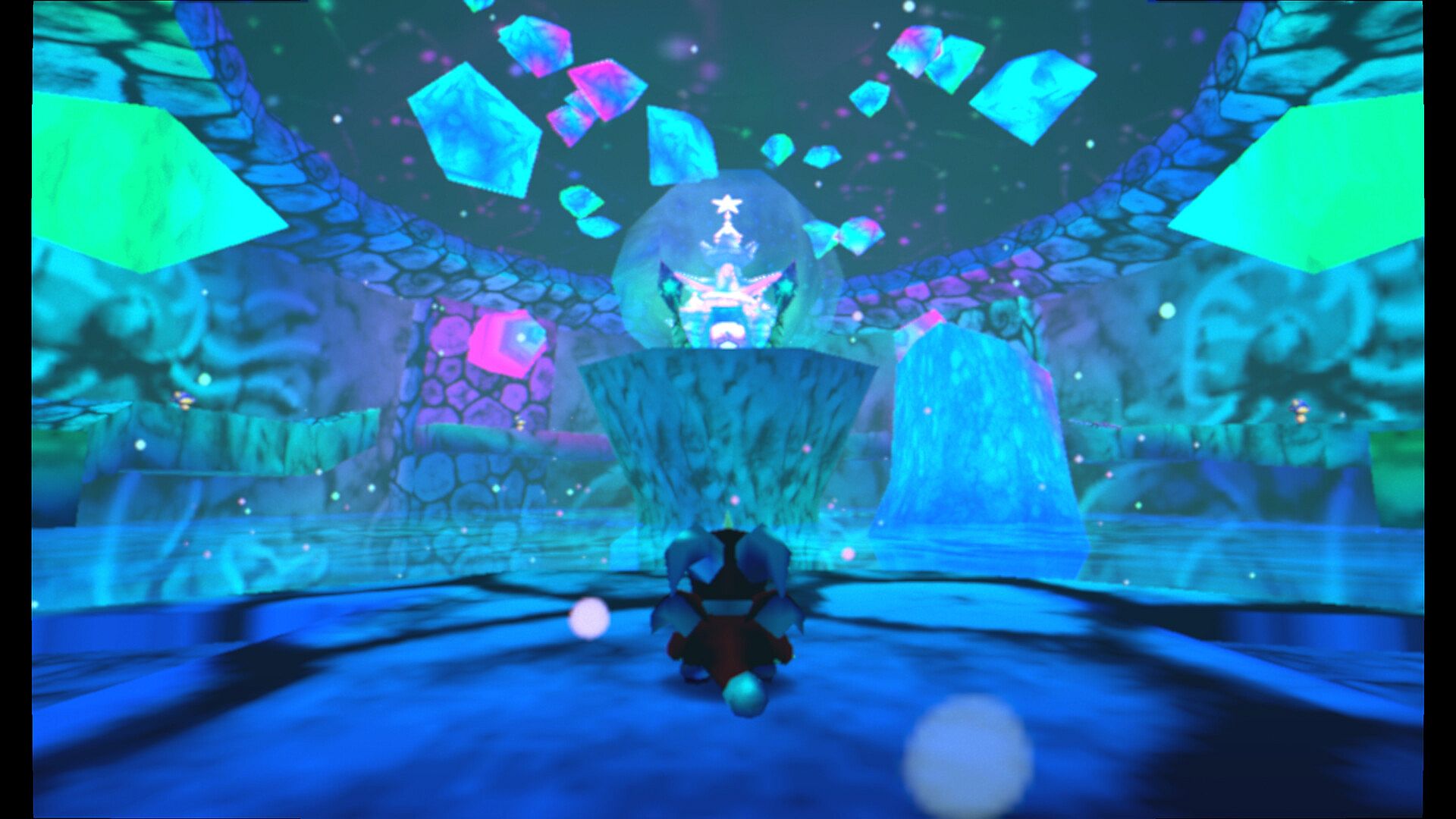
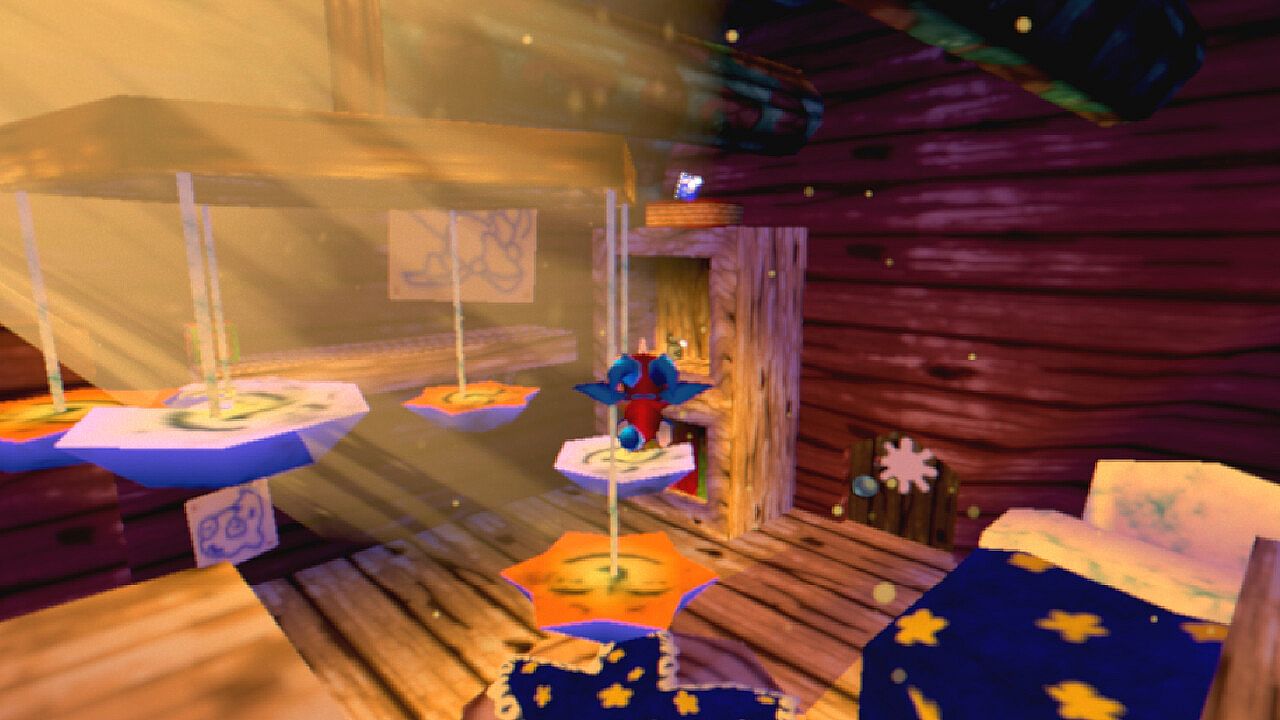
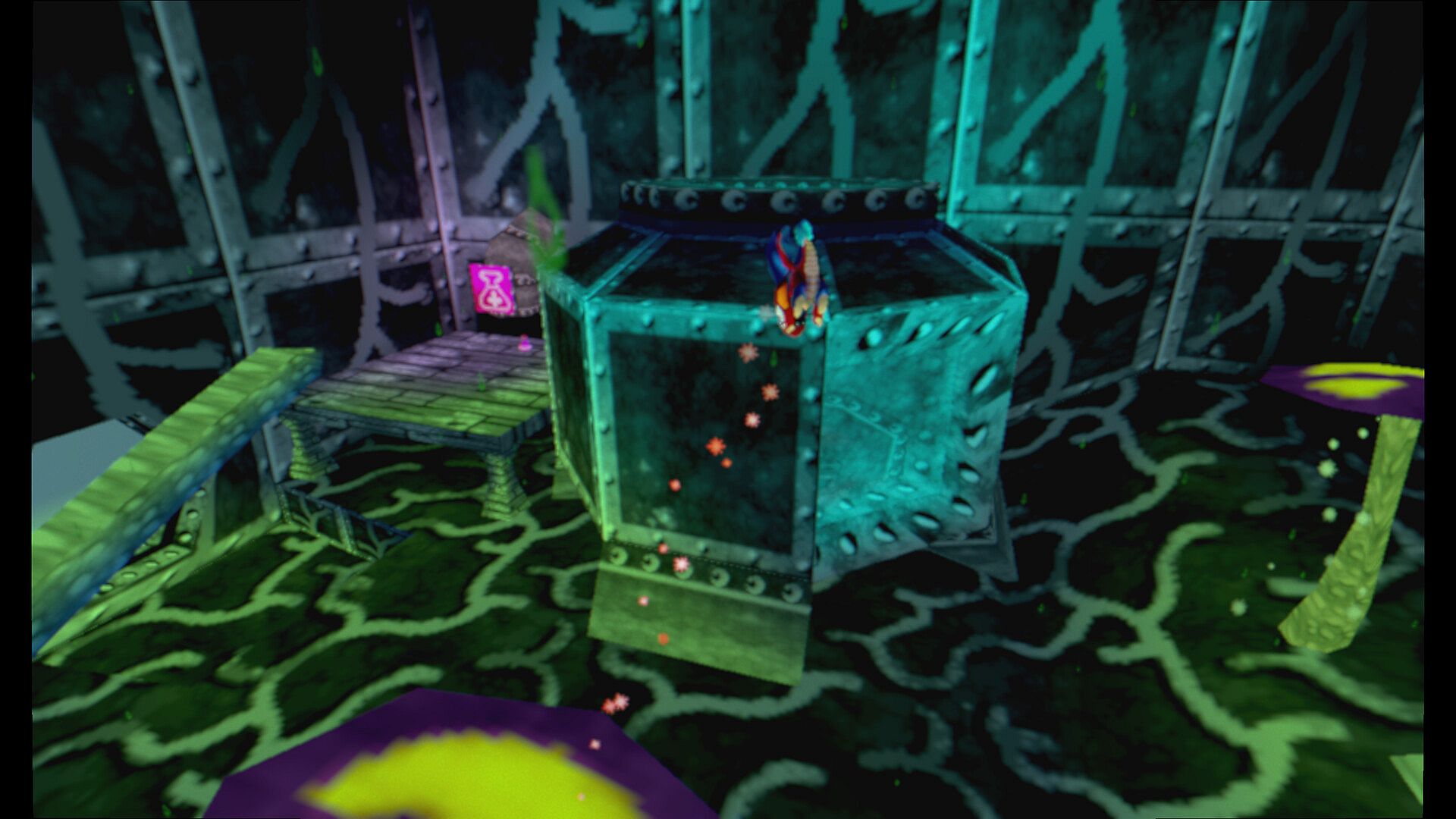
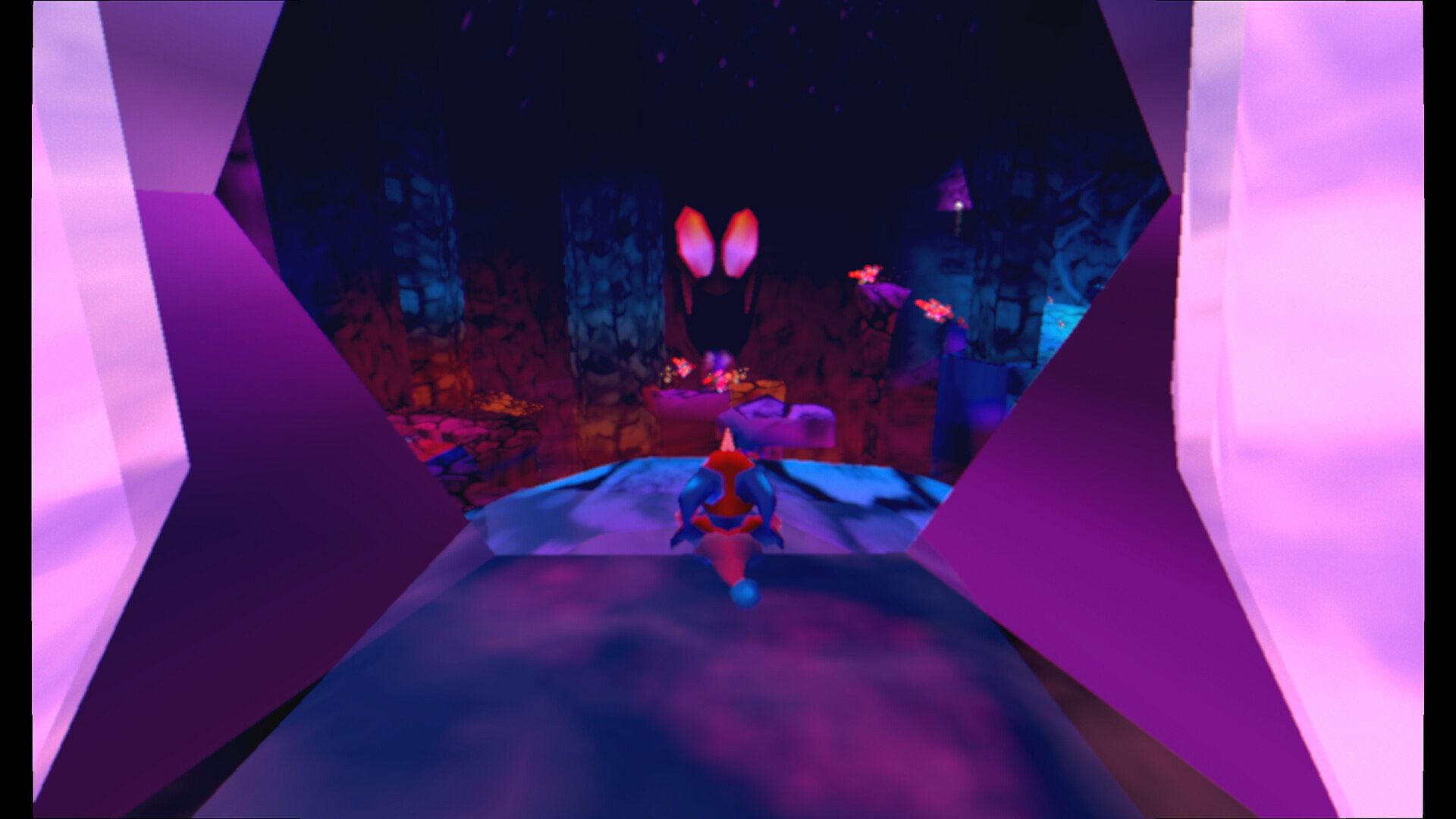
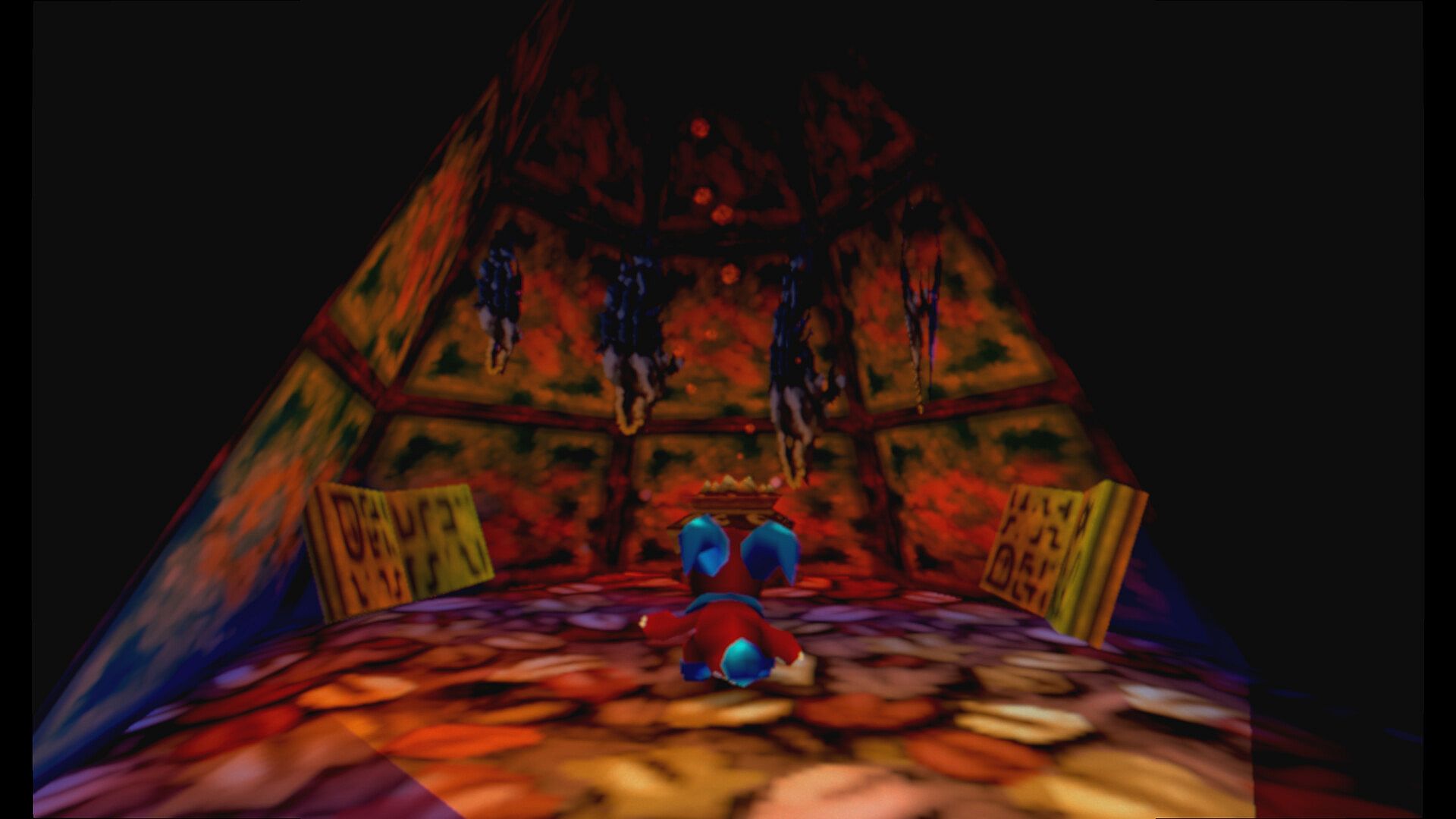
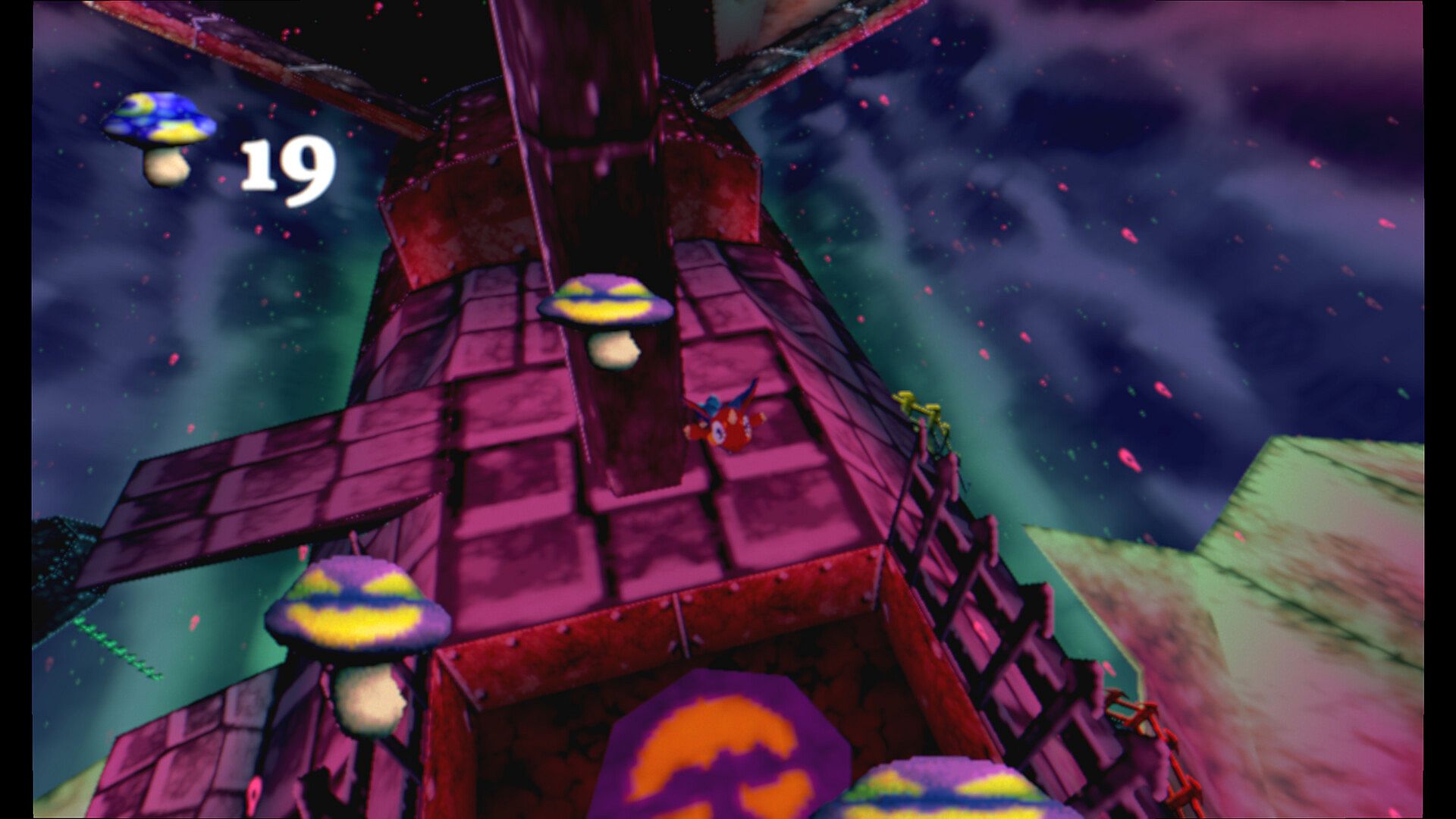
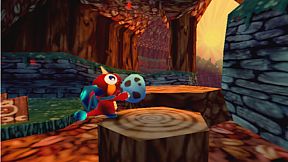
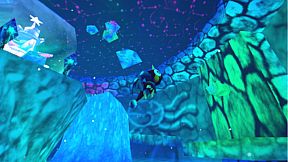
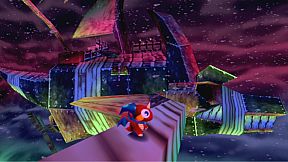
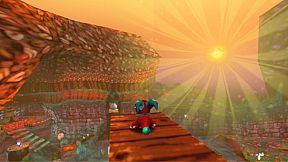
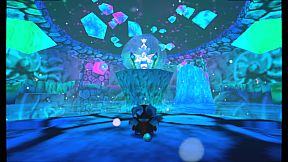
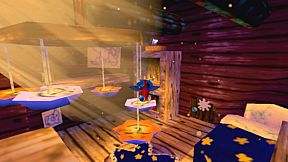
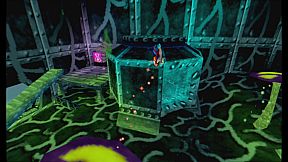
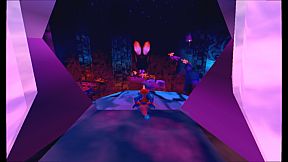
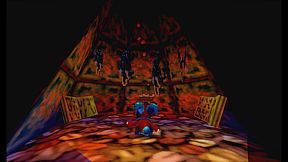
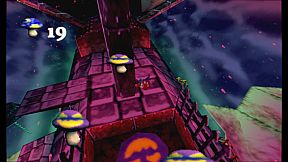
Cavern of Dreams is a single-player 3D platformer that blends collectathon mechanics with puzzle-solving and exploration in a style reminiscent of classic console platformers from the late 1990s. Players control Fynn, a young dragon who ventures into the titular cavern to recover his unhatched siblings after they are taken by an unknown force. The experience centers on navigating colorful, densely designed environments while gathering items and unlocking new movement options to progress through interconnected areas.
Gameplay
The core loop involves traversing four distinct worlds linked by a central hub area. Each world features its own visual theme and set of challenges that require precise jumping, timing-based maneuvers, and creative use of the environment. Fynn starts with basic movement and gradually gains abilities by delivering collected eggs to the Sage character in the hub. These upgrades include a tail strike for interacting with objects, wing-assisted gliding for crossing gaps, and additional body modifications that improve speed and reach.
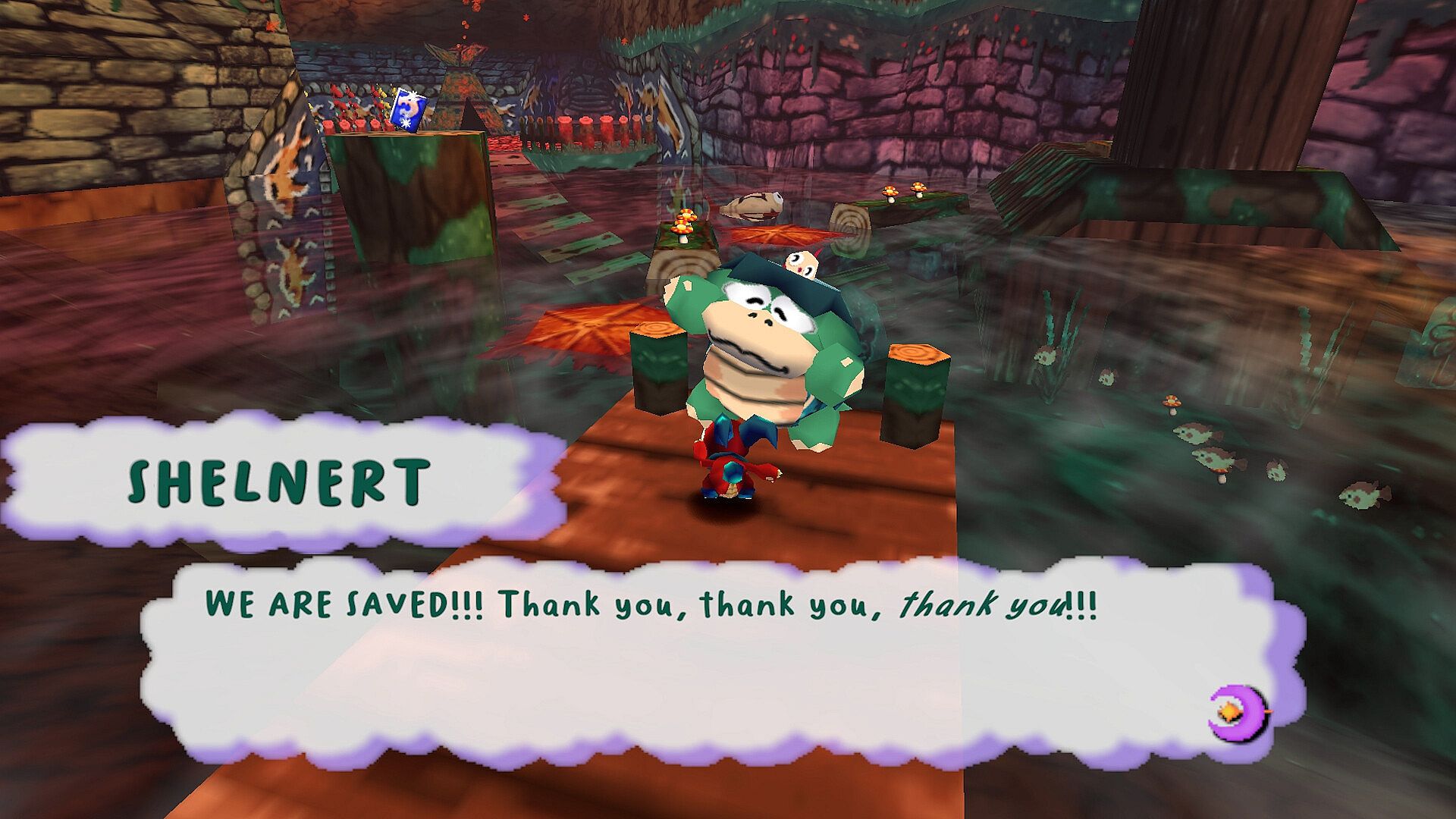
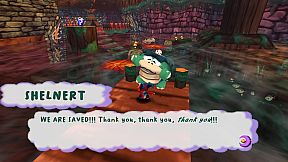
Puzzles often involve manipulating objects, activating switches in sequence, or using newly acquired skills to access previously blocked paths. Platforming sections test control over jumps, rolls, and aerial movement, with some areas demanding careful navigation around hazards. The game emphasizes thorough searching, as many rewards sit in out-of-the-way spots that reward backtracking once abilities expand the moveset. A whimsical cast of non-player characters populates the levels, each presenting short tasks such as retrieving items or solving localized riddles that tie into the broader exploration.
Collectibles extend beyond the main eggs to include mushrooms for feeding siblings after rescue and cards that populate an in-game encyclopedia. The soundtrack shifts between variations of each world's theme depending on location and progress, reinforcing the atmospheric tone without combat or aggressive encounters.
Game Modes
Cavern of Dreams offers a single continuous adventure structured around free-form exploration rather than separate modes. Progress flows through the hub world, where players choose which of the four themed areas to enter next. Within each world, objectives remain open-ended, allowing players to tackle eggs, puzzles, and side tasks in any order once initial access is granted. The structure encourages repeated visits to the same locations after gaining abilities, turning the experience into a layered single-player journey focused on completion and discovery rather than competitive or cooperative play.
No alternate difficulty settings, time trials, or multiplayer options appear in the design. The entire game unfolds as one cohesive campaign that rewards methodical collection and ability experimentation within the fixed single-player framework.
Exploration and Progression
Worlds connect through the hub in a way that supports nonlinear advancement. Early areas introduce basic platforming and simple puzzles, while later sections incorporate the full range of unlocked abilities for more complex navigation. Secrets hide in vertical spaces, behind breakable elements, and within environmental interactions that only become viable after specific upgrades. The four worlds maintain distinct identities through their layouts and inhabitants, yet all feed into the same overarching goal of locating eggs and uncovering the story behind the siblings' disappearance.
Character interactions add variety to the exploration. Brief conversations and assistance requests from figures such as a talking tree or a mermaid break up the platforming and provide context for the cavern's inhabitants. These moments remain light and self-contained, contributing to the overall sense of a lived-in, quirky environment without extending into lengthy dialogue trees.
Is It Worth Playing?
Player reception has been strongly positive, with the game holding a Very Positive rating from over one thousand reviews on its primary distribution platform. Reviewers frequently highlight the faithful recreation of retro platformer aesthetics, the satisfying progression through ability unlocks, and the charm of its non-violent focus on exploration and light puzzle elements. The experience suits players who enjoy methodical collection and revisiting areas with expanded capabilities, particularly those drawn to shorter campaigns that can be completed over a weekend or two.
Its appeal lies in the tight integration of movement upgrades with level design and the absence of combat, which keeps the emphasis on careful platforming and environmental interaction. For anyone seeking a modern take on classic 3D platformers with collectathon depth, the game delivers a consistent and engaging single-player package that stands on its own merits. Those preferring longer campaigns or competitive elements may find the scope modest, but the quality of execution within its focused design makes it a solid choice for the right audience.














