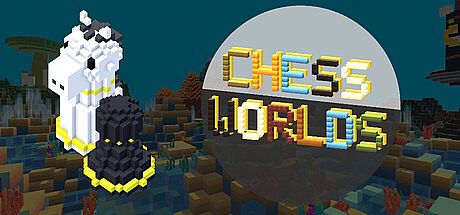


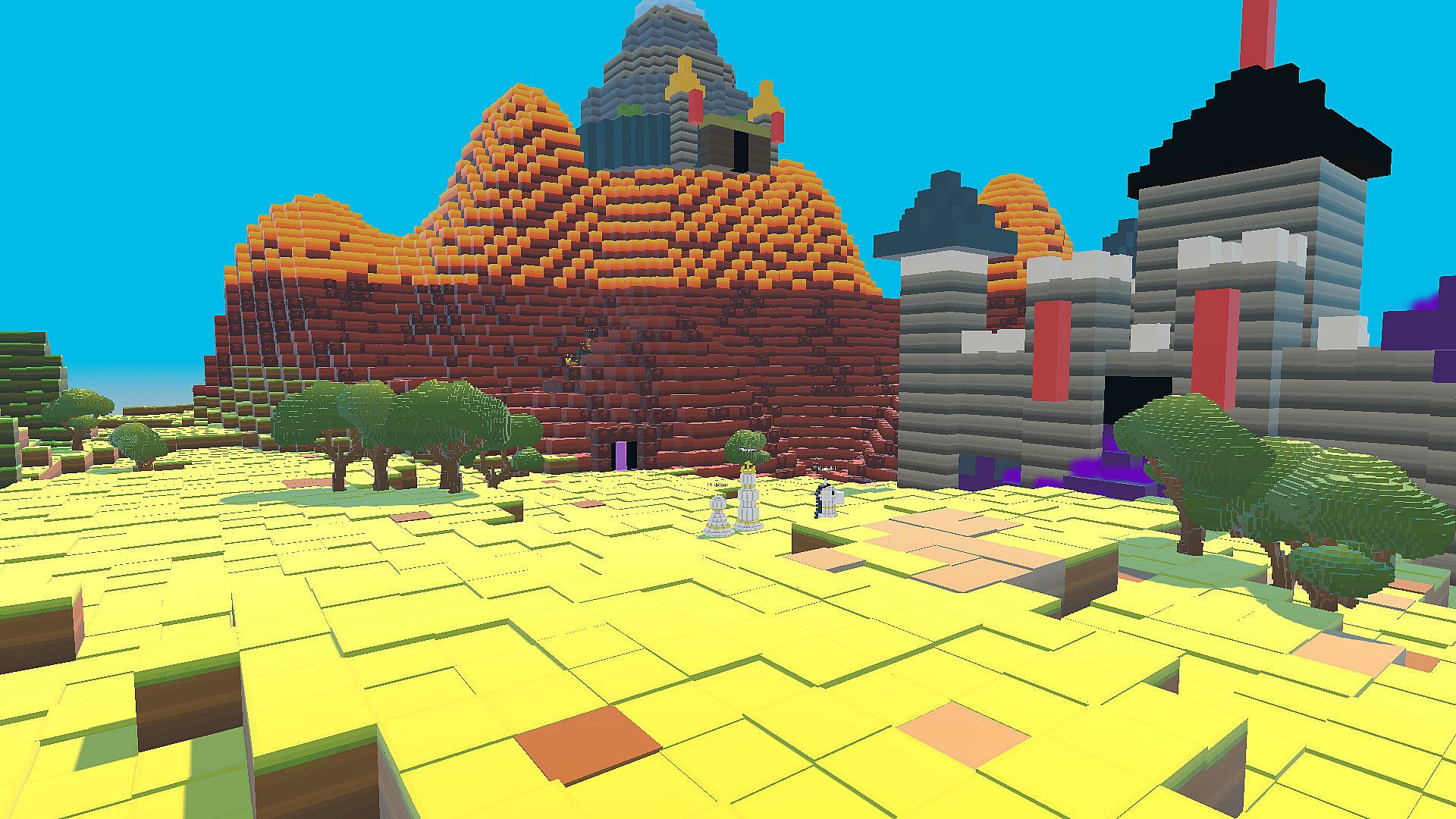
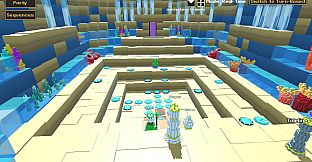
ChessWorlds is a single-player strategy game that places classic chess rules on a living, three-dimensional battlefield. Pieces move according to their traditional patterns yet interact with elevation, cover, and hazards that alter every decision. The experience centers on building a cohesive army and navigating terrain that can help or hinder depending on positioning and timing.
Gameplay
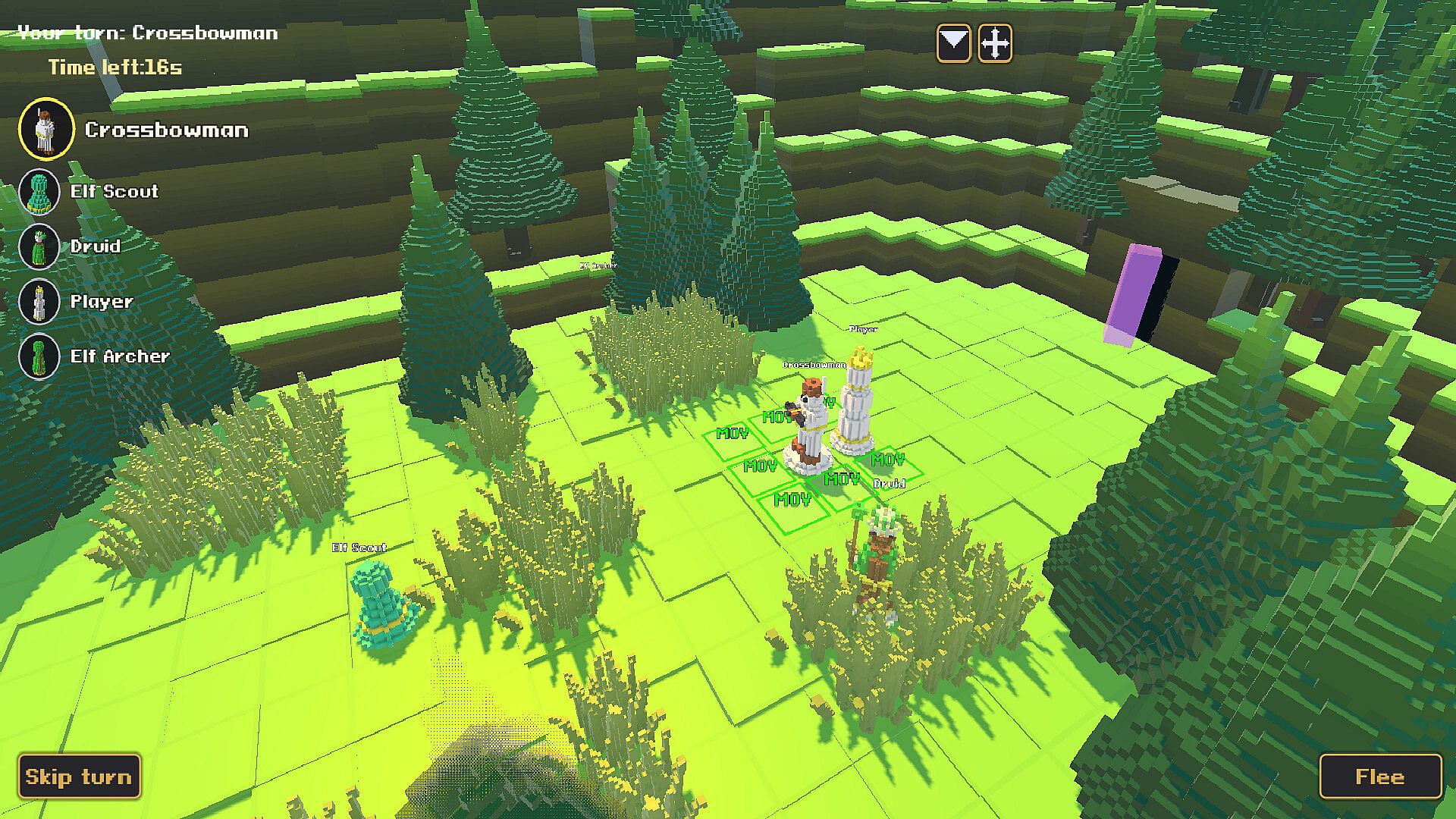
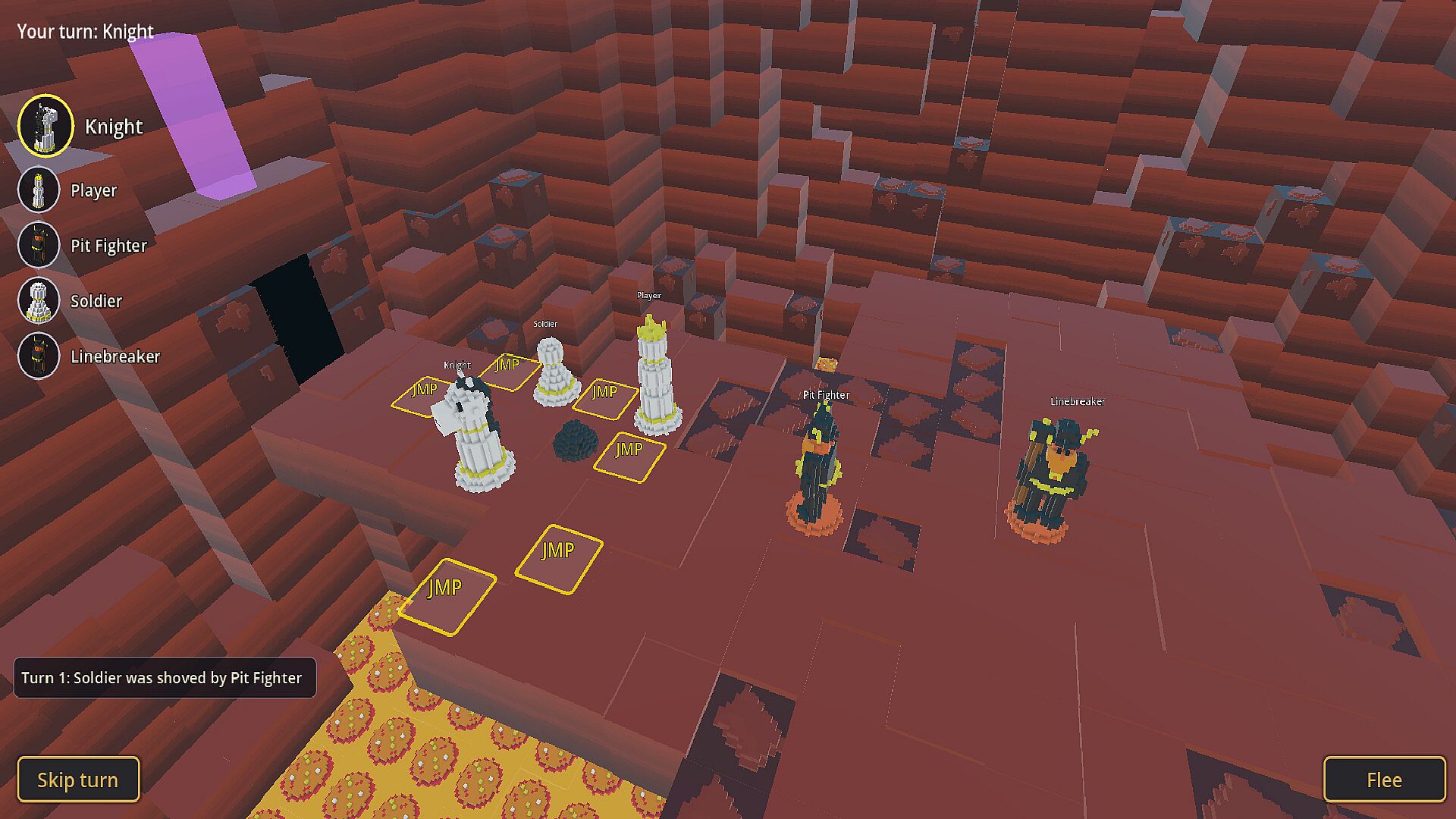
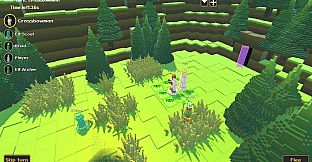
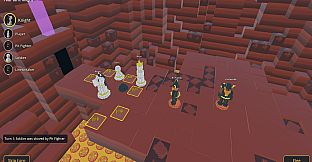
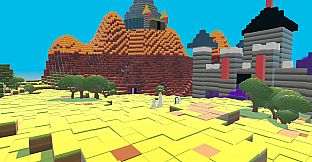
The core loop involves turn-based combat across maps with real height differences. A piece climbs one level to reach a higher square, while knights handle two levels due to their jump. Elevation provides advantages such as striking downhill or pushing opponents off ledges. Terrain features include bushes for concealment, lava pits, flooding water that alters tiles, freezing effects on still water, and mechanical lifts that shift accessibility between turns. A creeping blight advances from the edges, consuming the board if progress stalls.
Each piece retains its standard chess movement but gains new context from the environment. Pawns receive mirrored movement options to account for facing any direction on the 3D grid. Enemies can hide in cover or use water to displace units. The player must read lines of sight, elevation lines, and upcoming hazards to coordinate attacks and defenses. Victory comes from assembling units whose abilities complement one another rather than relying on any single powerful piece.
Game Modes
The game operates entirely in single-player. Progression takes the form of a campaign that leads a fallen king through four distinct realms after the loss of the original kingdom. Battles occur in sequence, with returns to a central hub between encounters to recruit and equip new units using earned resources. Custom piece creation serves as an additional layer, allowing players to design and test units in isolated skirmishes before committing them to the main campaign.
Realm-specific rules change how forces operate. The structure emphasizes preparation and adaptation over repeated matches against the same opponents. Endgame encounters shift focus to a final set of adversaries that close out the story arc.
Realms and Factions
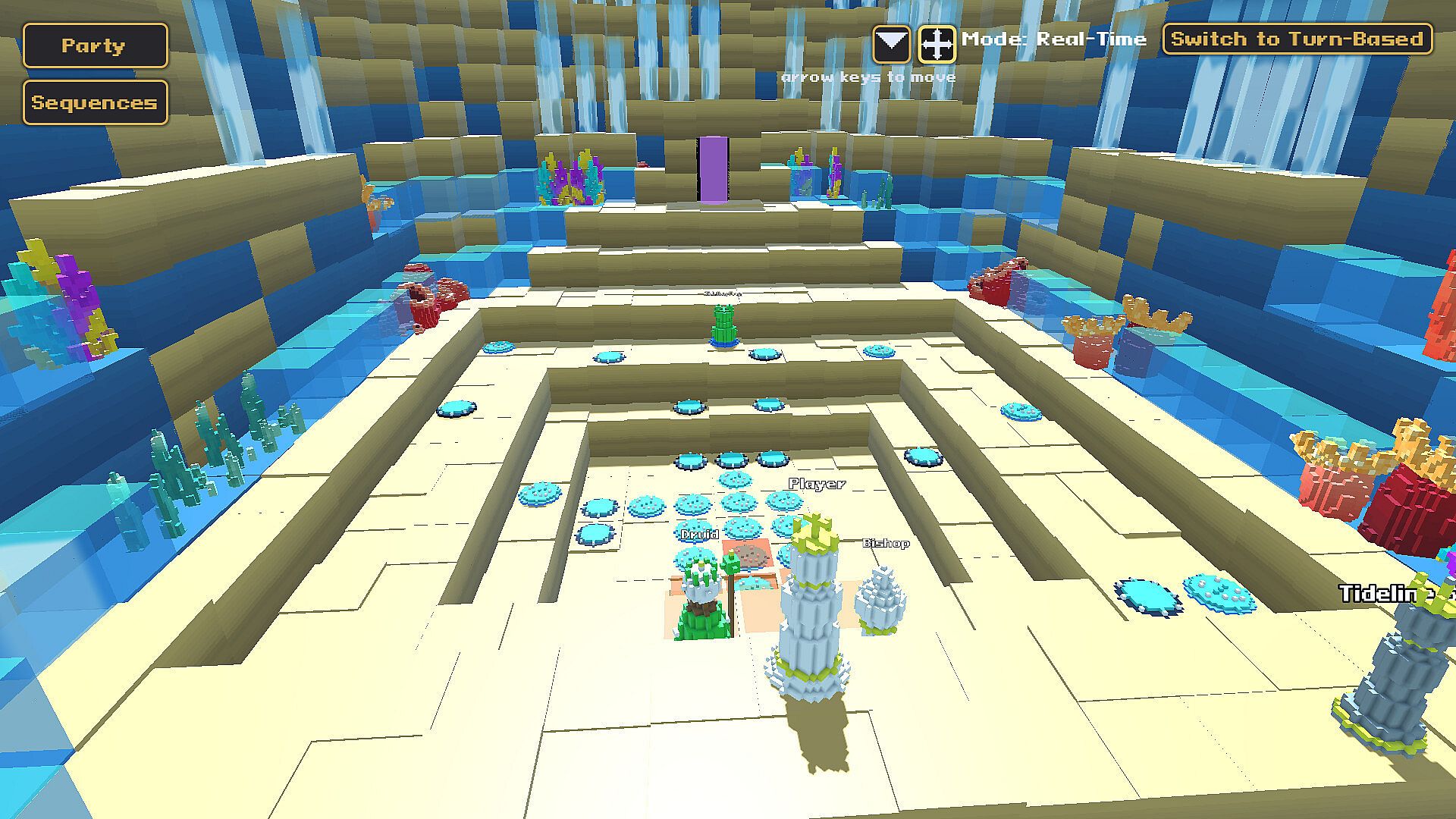
Four realms introduce unique playstyles that expand on the base chess rules. Humans begin as the default force, with pawns able to advance in multiple directions on the open grid. Elves emphasize concealment and ranged strikes from forest cover. Dwarves focus on durability and leverage elevation to shove foes. Mermaids manipulate water to reposition units and disrupt formations. Constructs operate through stacking and delayed actions, building temporary structures or queued effects that resolve later.
These differences require players to adjust tactics when crossing realm boundaries. The final opposition consists of demons that seized the original human lands, presenting a distinct challenge after the earlier realms have been cleared.
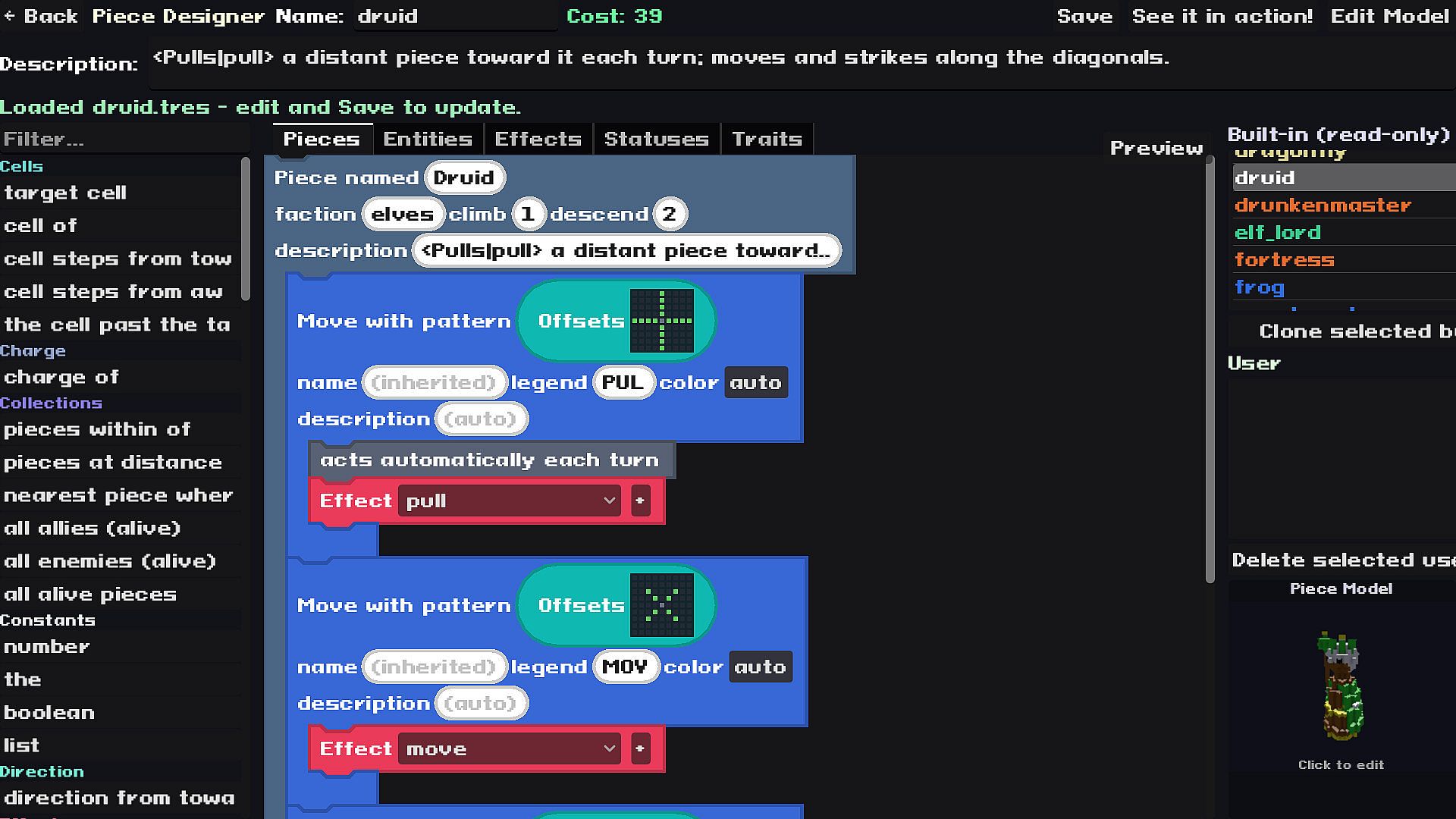
Custom Piece Design
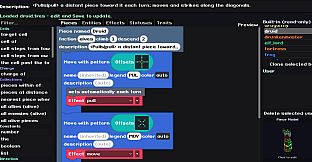
A block-based workshop lets players assemble new units visually. Components snap together to define movement patterns and special behaviors, with an immediate preview showing how the finished piece functions. Completed designs can be dropped into test battles to evaluate performance before adding them to the permanent roster. This system draws from the same modular blocks used for the game's official pieces, ensuring consistency with existing movement logic.
Is It Worth Playing?
ChessWorlds suits players who enjoy chess variants and tactical positioning games where the environment plays an active role. The single-player structure rewards careful army composition and adaptation to changing battlefield conditions. Those interested in experimenting with custom units will find the workshop a central feature for extending replay value within the campaign.
The title remains in active development with a public playtest available. Feedback from early participants shapes ongoing refinements to terrain interactions and faction balance. For fans of turn-based strategy that builds directly on chess fundamentals while adding verticality and hazards, the current version offers a clear window into the intended experience. Wishlisting supports continued updates as the project expands.