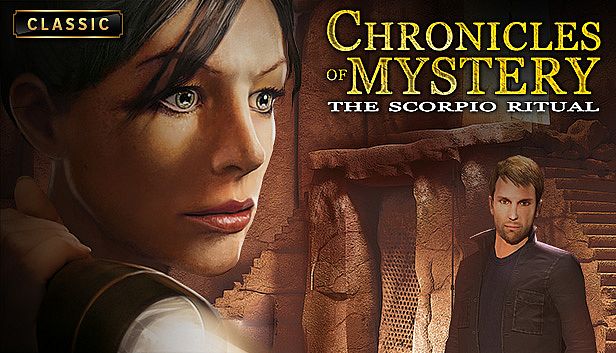




















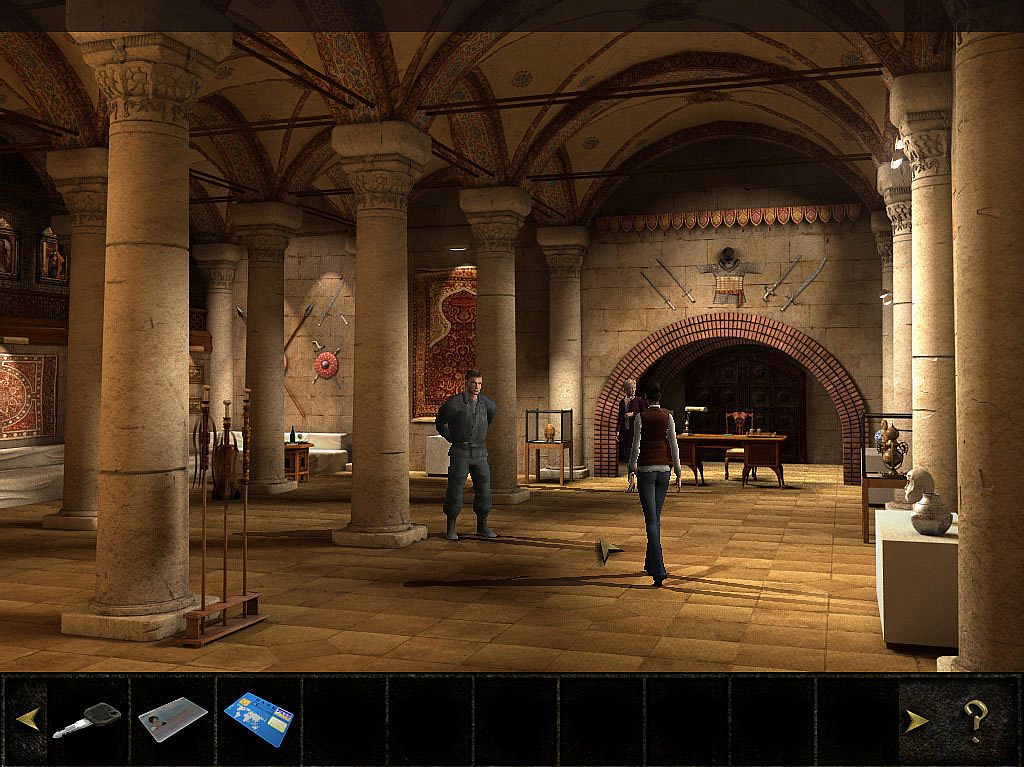
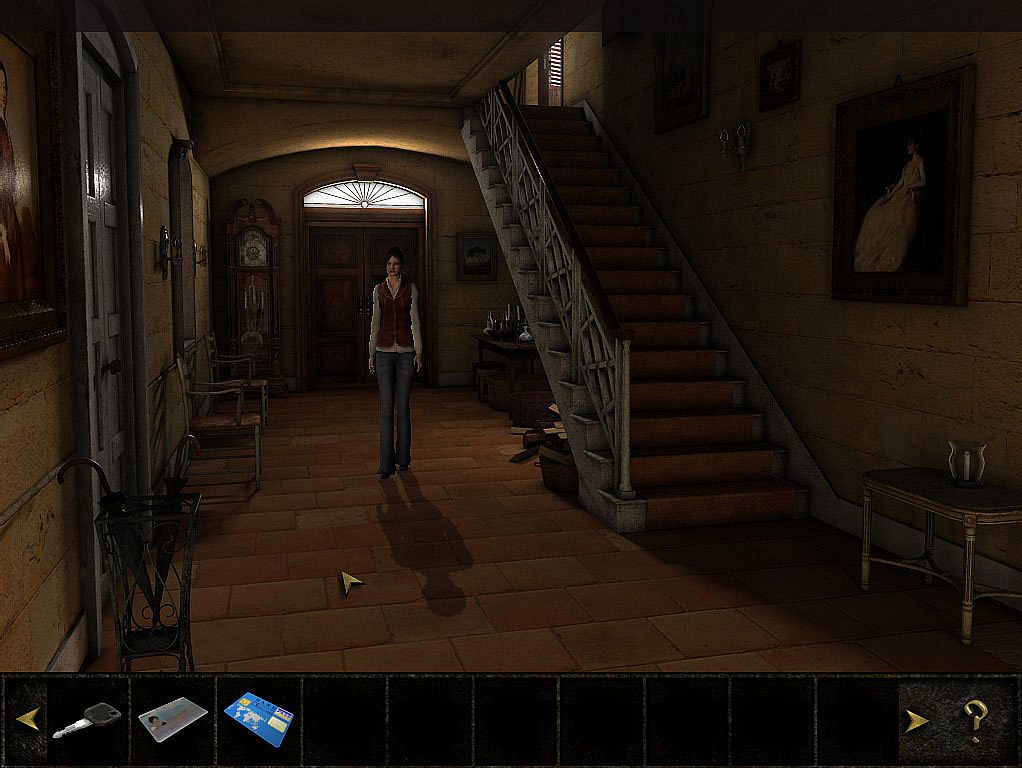
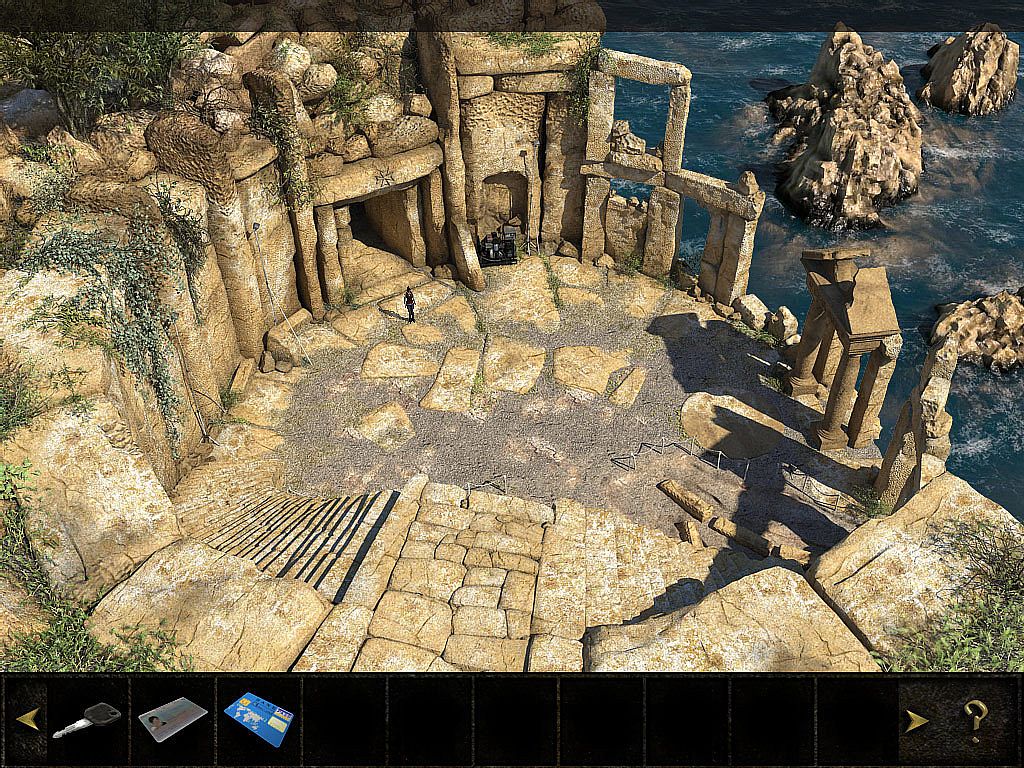
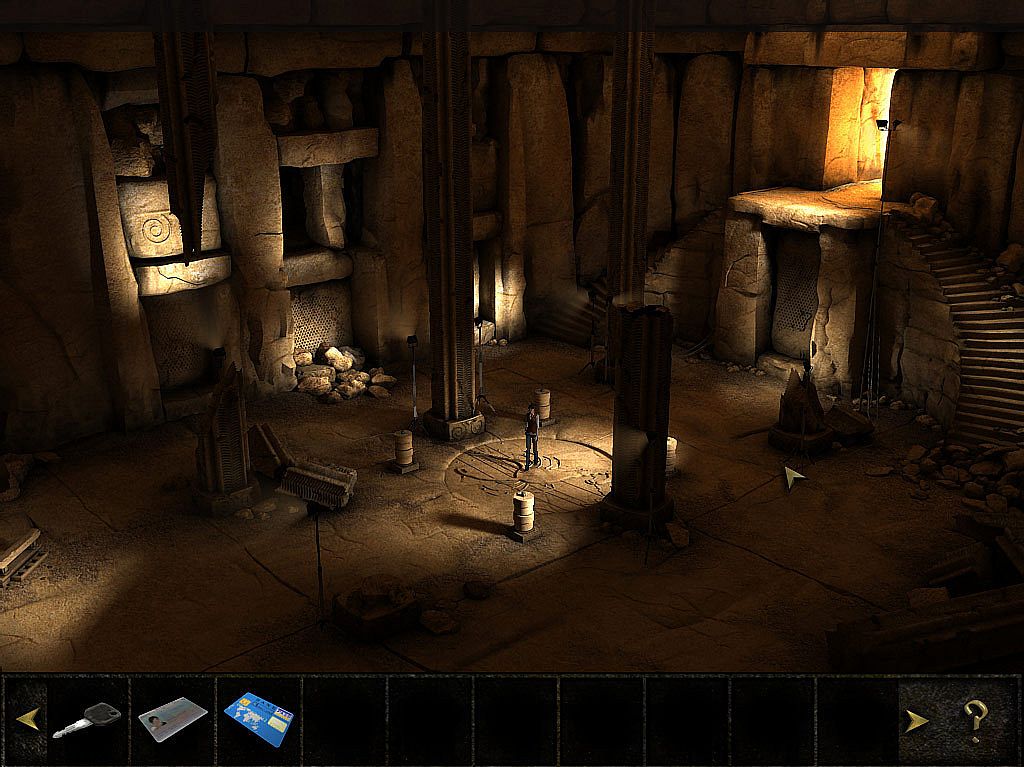
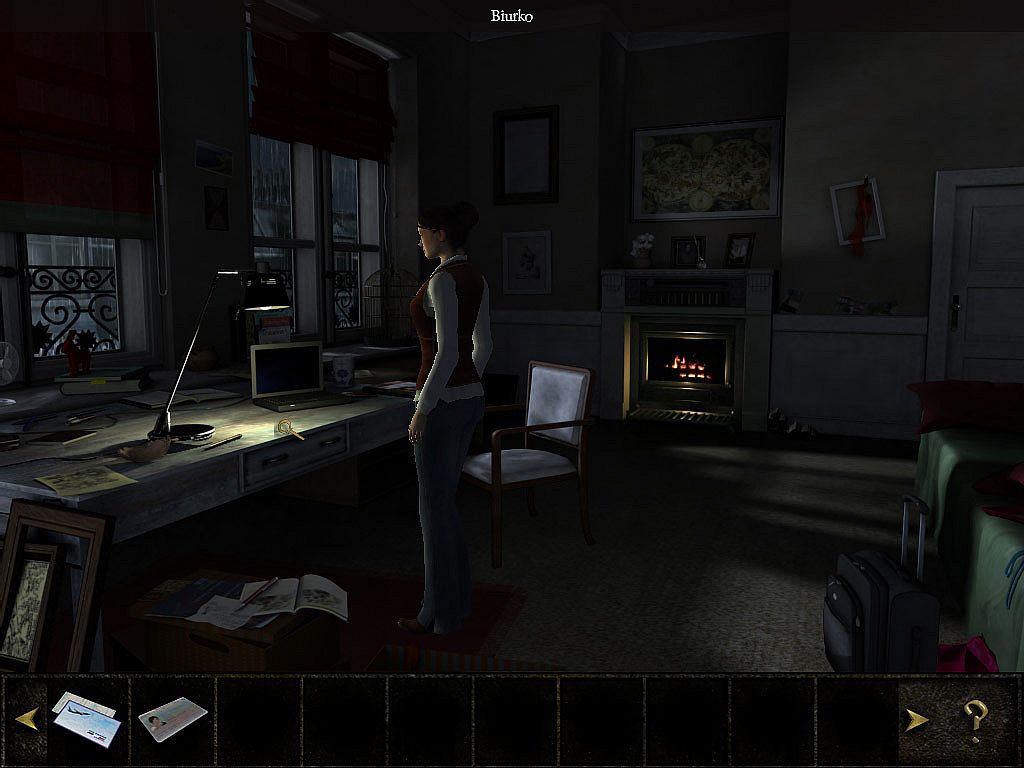
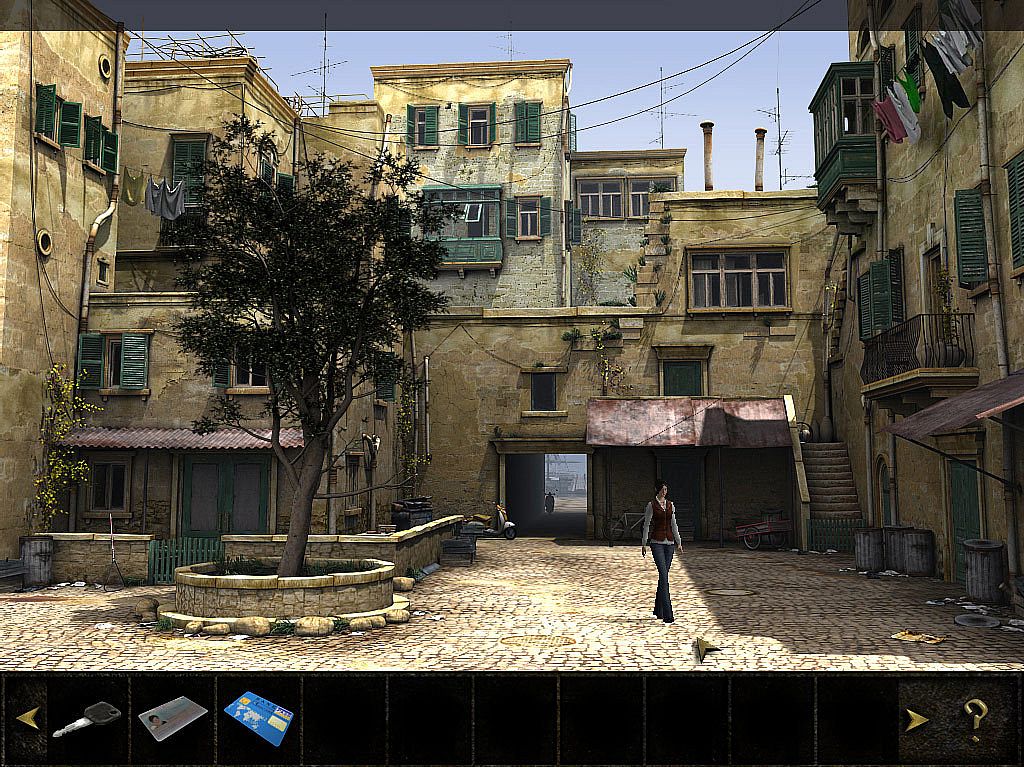
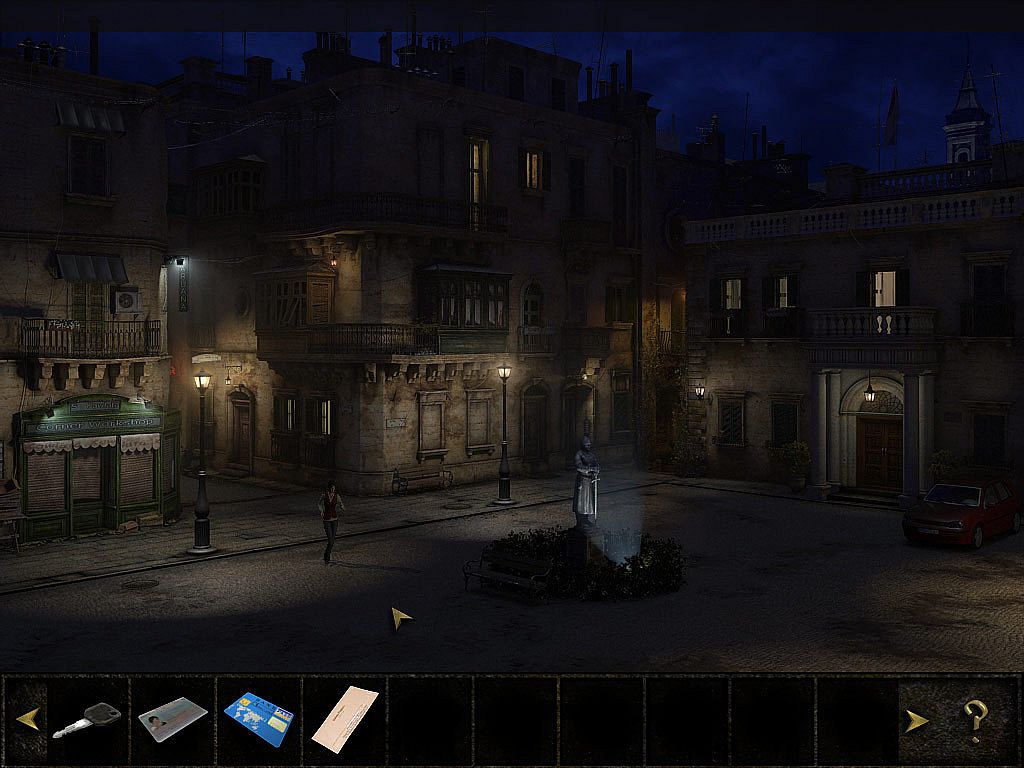
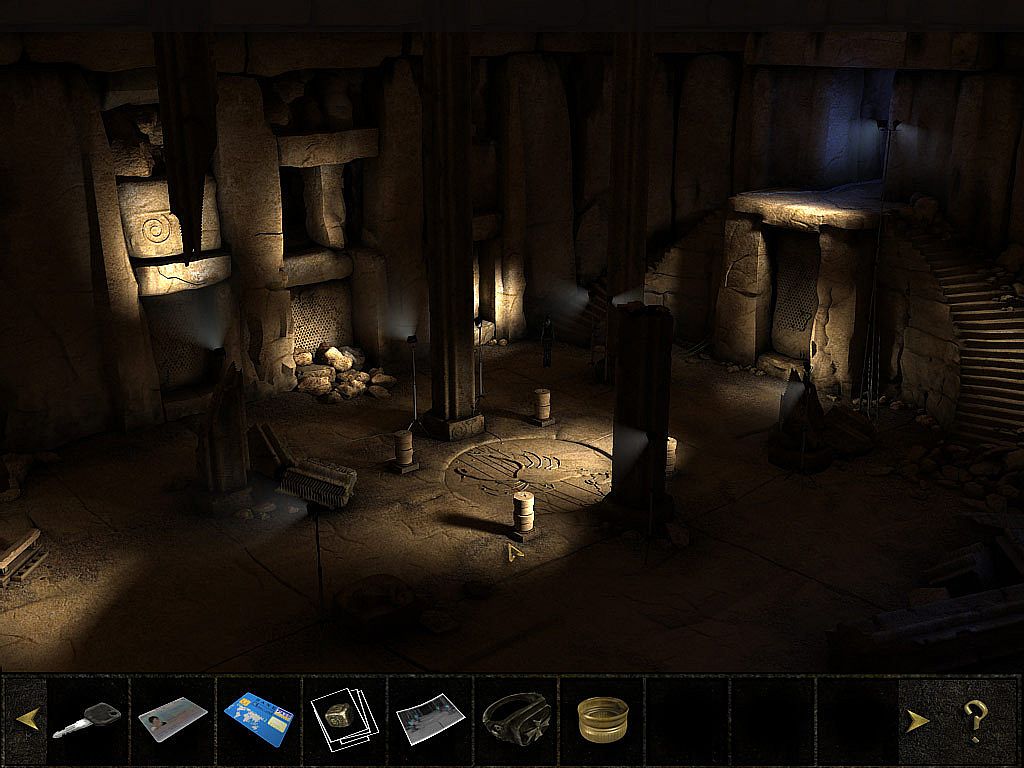
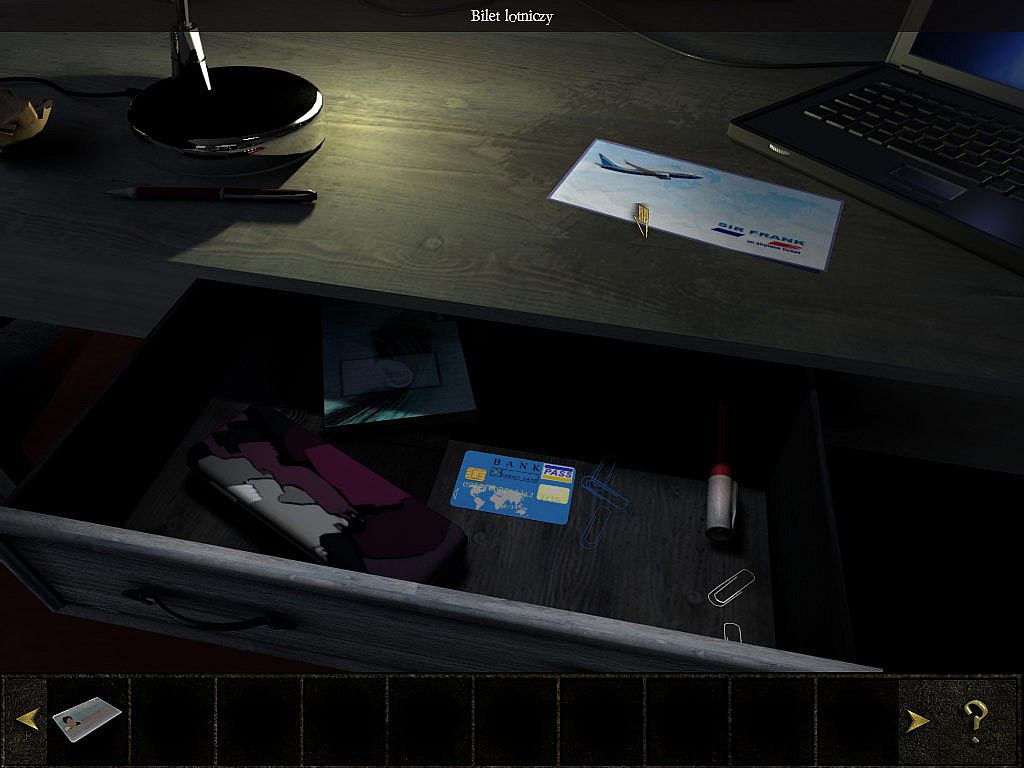
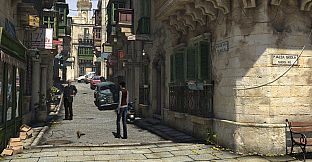
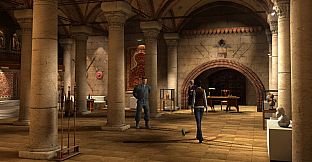
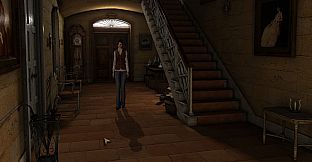
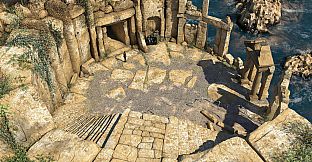
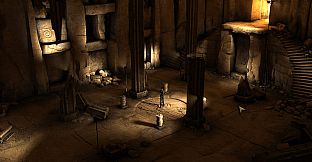
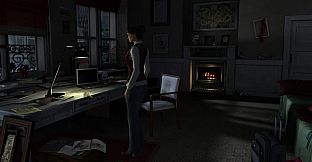
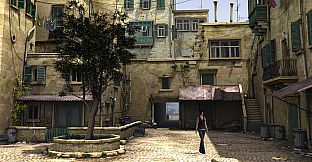
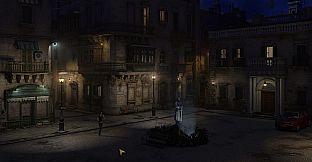
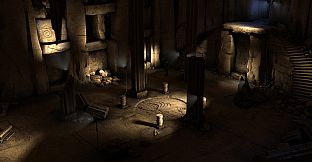
Chronicles of Mystery: The Scorpio Ritual is a point-and-click adventure game developed for PC. Players follow young archaeologist Sylvie Leroux as she investigates an ancient secret that draws her into danger involving historical and possibly supernatural elements. The title emphasizes exploration, object interaction, and puzzle solving within a linear narrative structure set across real-world inspired locations.
Gameplay
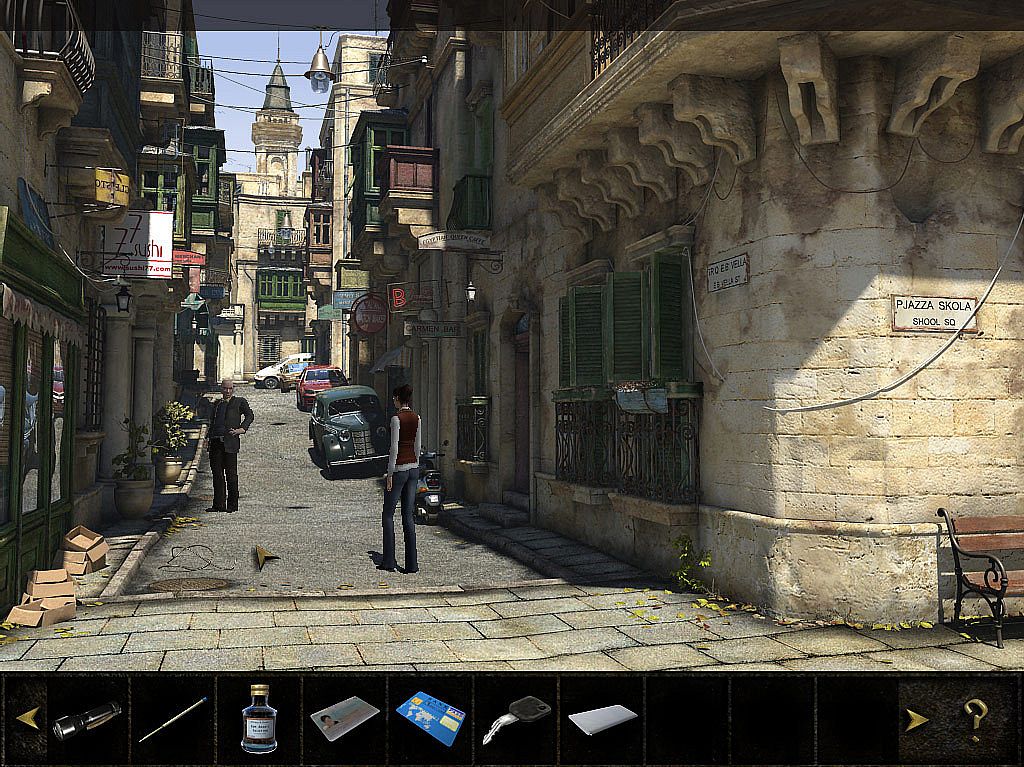
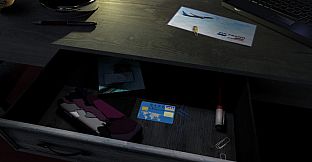
The core loop centers on third-person navigation through detailed environments. Players click on hotspots to move the character or interact with objects and non-player characters. Items collected enter an inventory where they can be examined, combined, or used on other elements in the scene. A built-in hint system assists when progress stalls, displayed as a magnifying glass icon. Scenes transition via crossfades only after completing actions in the current location, maintaining a deliberate pace without timers or sudden failures.
Interactive cutscenes advance the story after key locations are cleared. The game features no combat or violence, focusing instead on deduction and careful observation. Locations draw from historical sites including Malta, Gozo, Istanbul, and the Vatican, encouraging thorough searching of each area for clues and items. Inventory management remains straightforward, with objects returning to their starting positions if dropped incorrectly.
Game Modes
The experience consists entirely of a single-player campaign. There are no separate modes, multiplayer options, or branching paths beyond the fixed sequence of locations and events. Progress follows the main story thread from start to finish, with puzzles integrated directly into the narrative flow. The structure suits players who prefer uninterrupted focus on one continuous adventure rather than varied formats or competitive elements.
Story and Atmosphere
Sylvie begins her journey after receiving news of her missing uncle and uncovering photographs linked to mysterious stones and a Maltese shroud. Her investigation leads through ransacked homes, guarded archaeological sites, and suspicious encounters in art galleries. Twists involve connections to the Knights Templar and Hospitallers, along with questions about human or otherworldly opposition. The presentation relies on 3D visuals and a mystical tone to support the unfolding mystery without relying on action sequences.
Is It Worth Playing?
Player reception on major platforms stands at mostly positive, with 75 percent approval from the available user reviews. The title appeals to those who enjoy classic point-and-click mechanics, inventory-based puzzles, and a self-paced story without modern hand-holding. Its 2008 release means it runs on older hardware requirements and lacks ongoing updates or additional content. Fans of linear adventure games with historical themes and atmospheric exploration will find the most value, particularly if they appreciate deliberate puzzle design over fast-paced action. Those seeking contemporary features or replayability through multiple endings may find the experience limited by its age and single-path structure.