



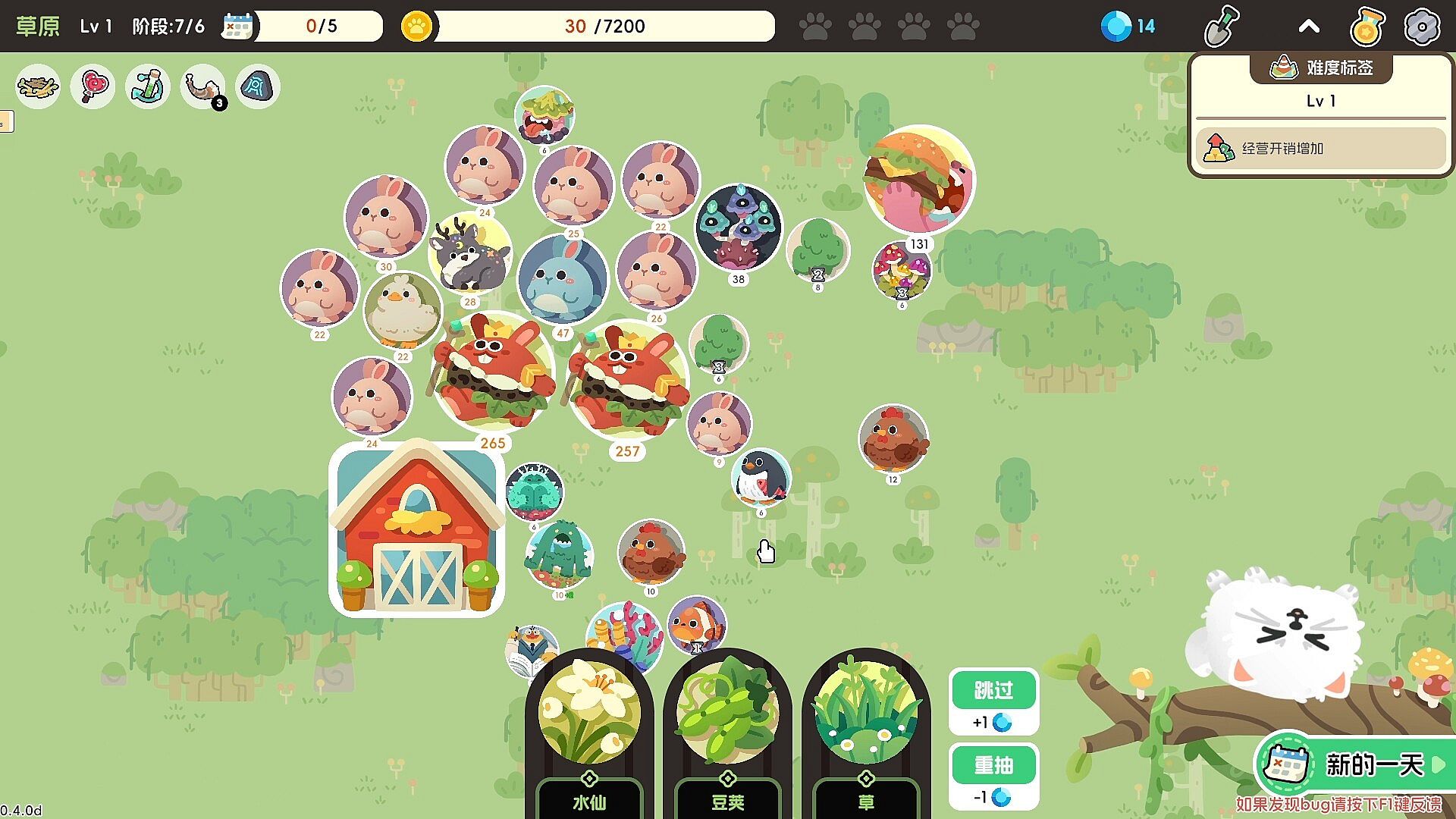
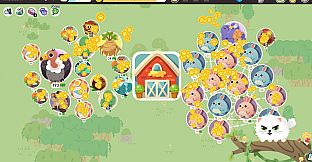
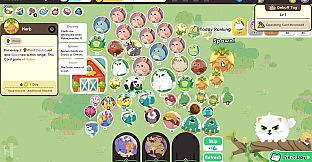
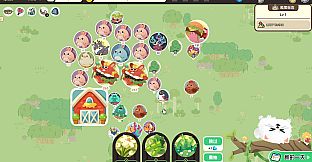
Chubby Farm is a single-player roguelike deck-builder that combines strategy and casual elements on PC. Players manage a farm by placing cute round pieces representing humans, animals, and plants in creative layouts without any grid restrictions. The core loop revolves around collecting cards and relics, positioning them to create chain reactions, and adapting strategies across multiple runs for farm growth and survival.
Gameplay
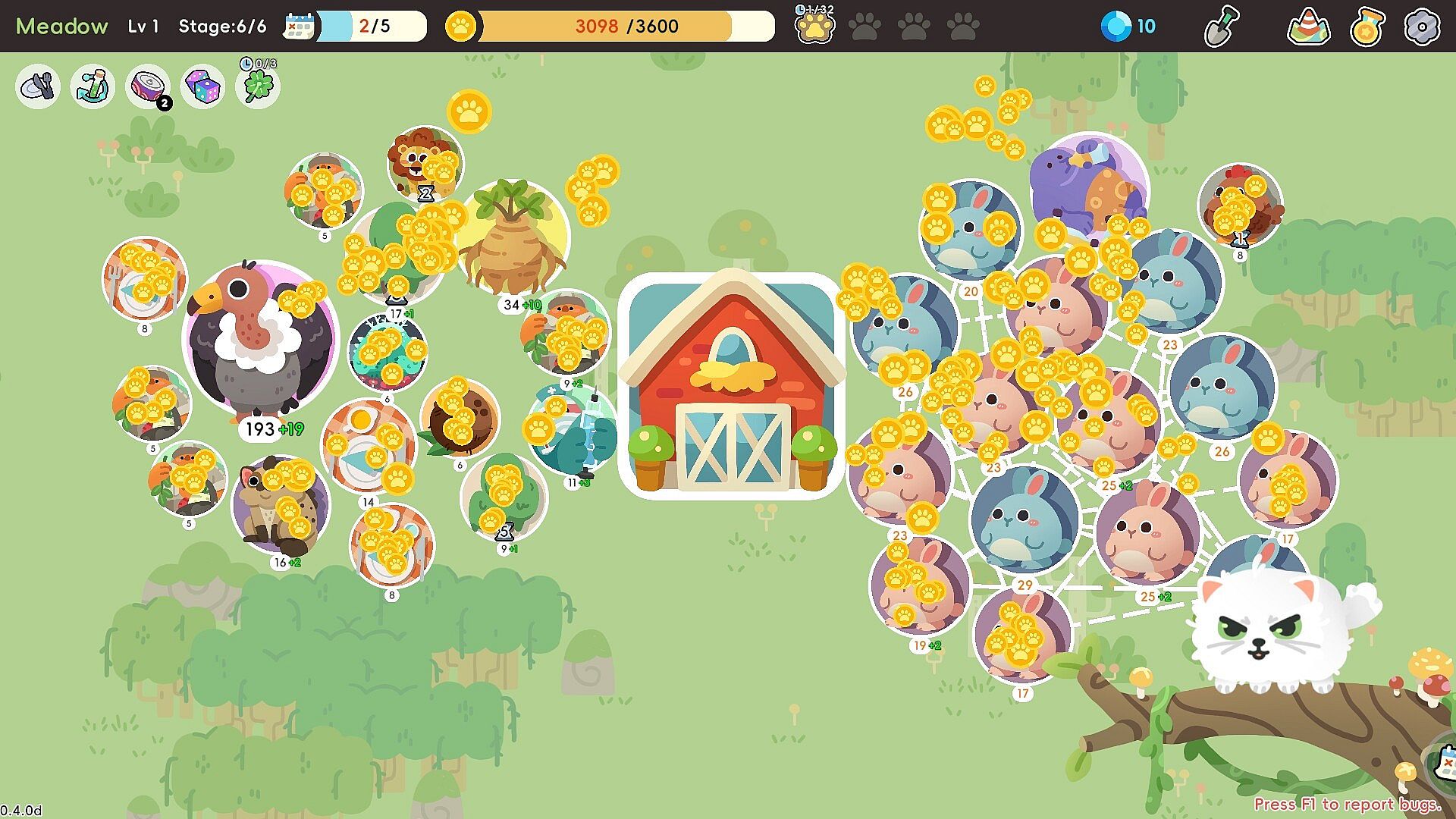
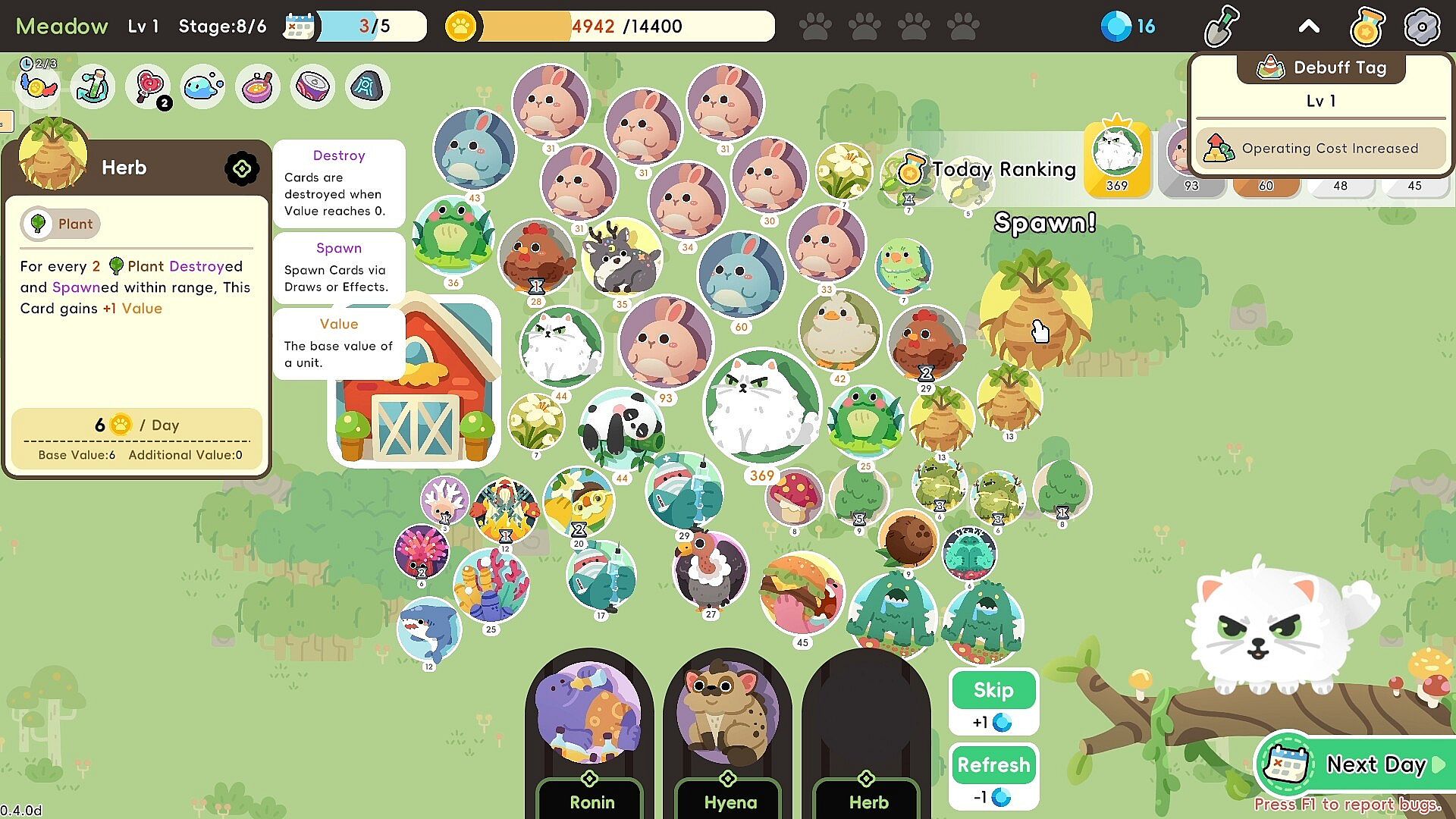
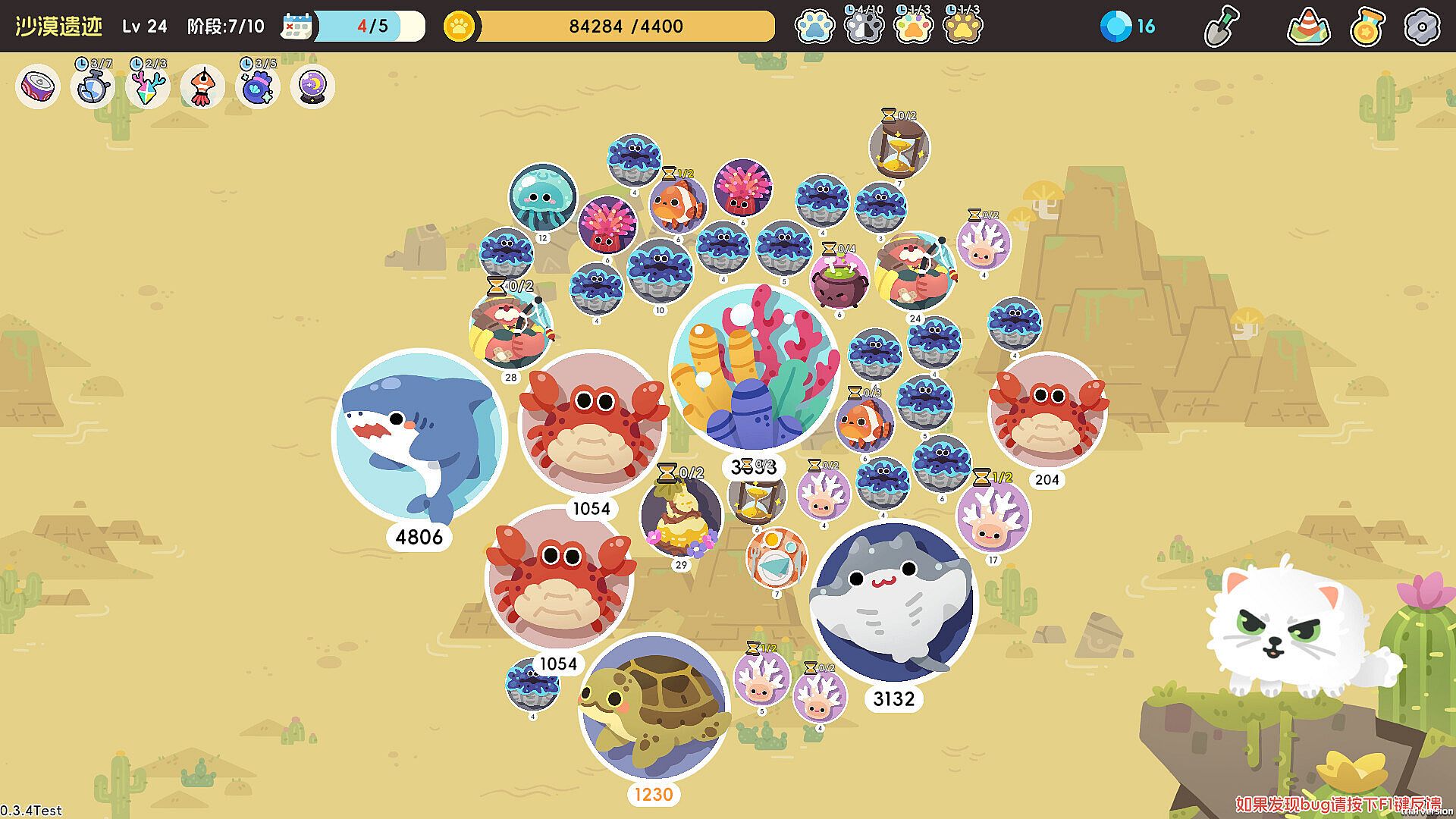
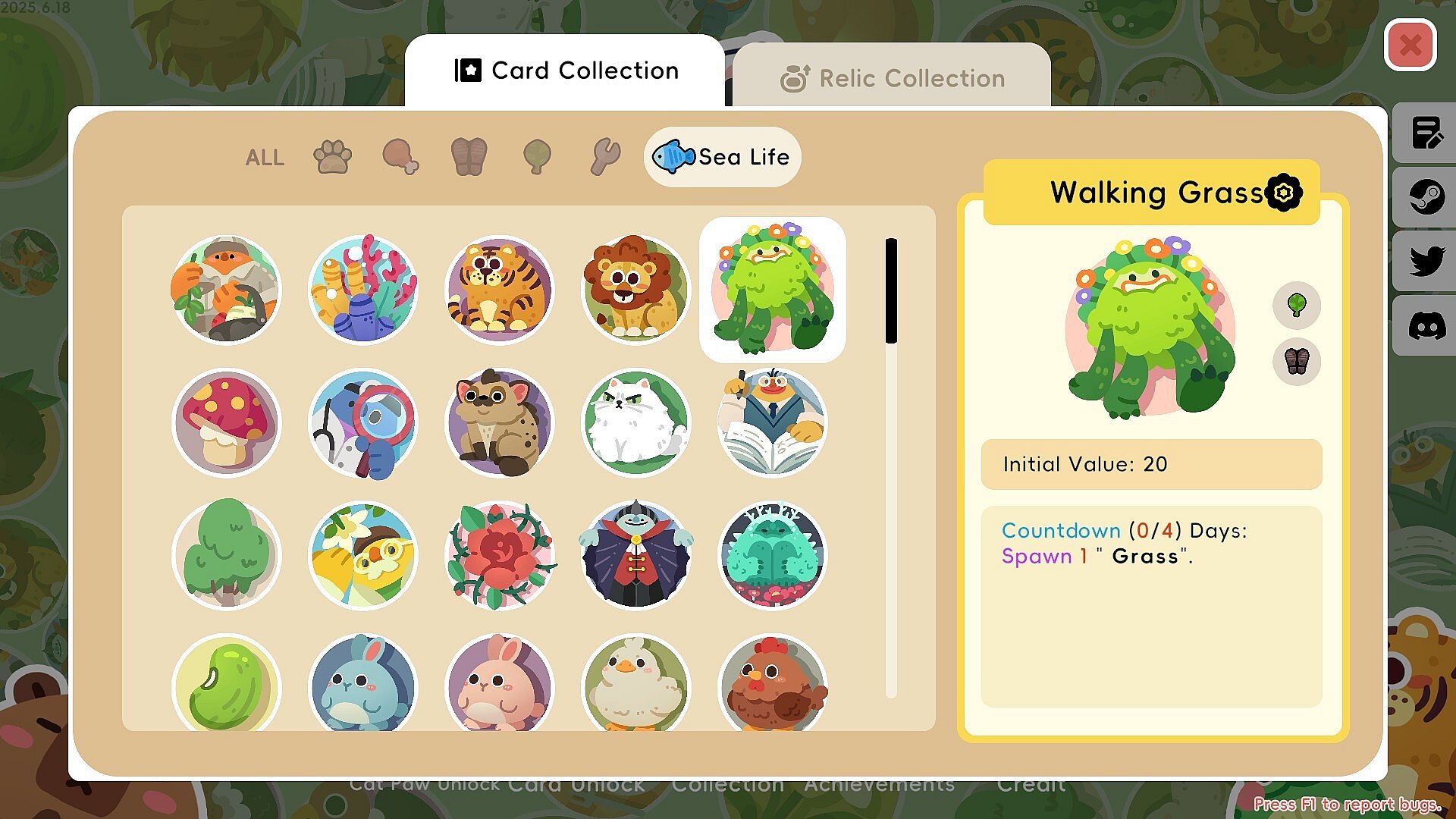
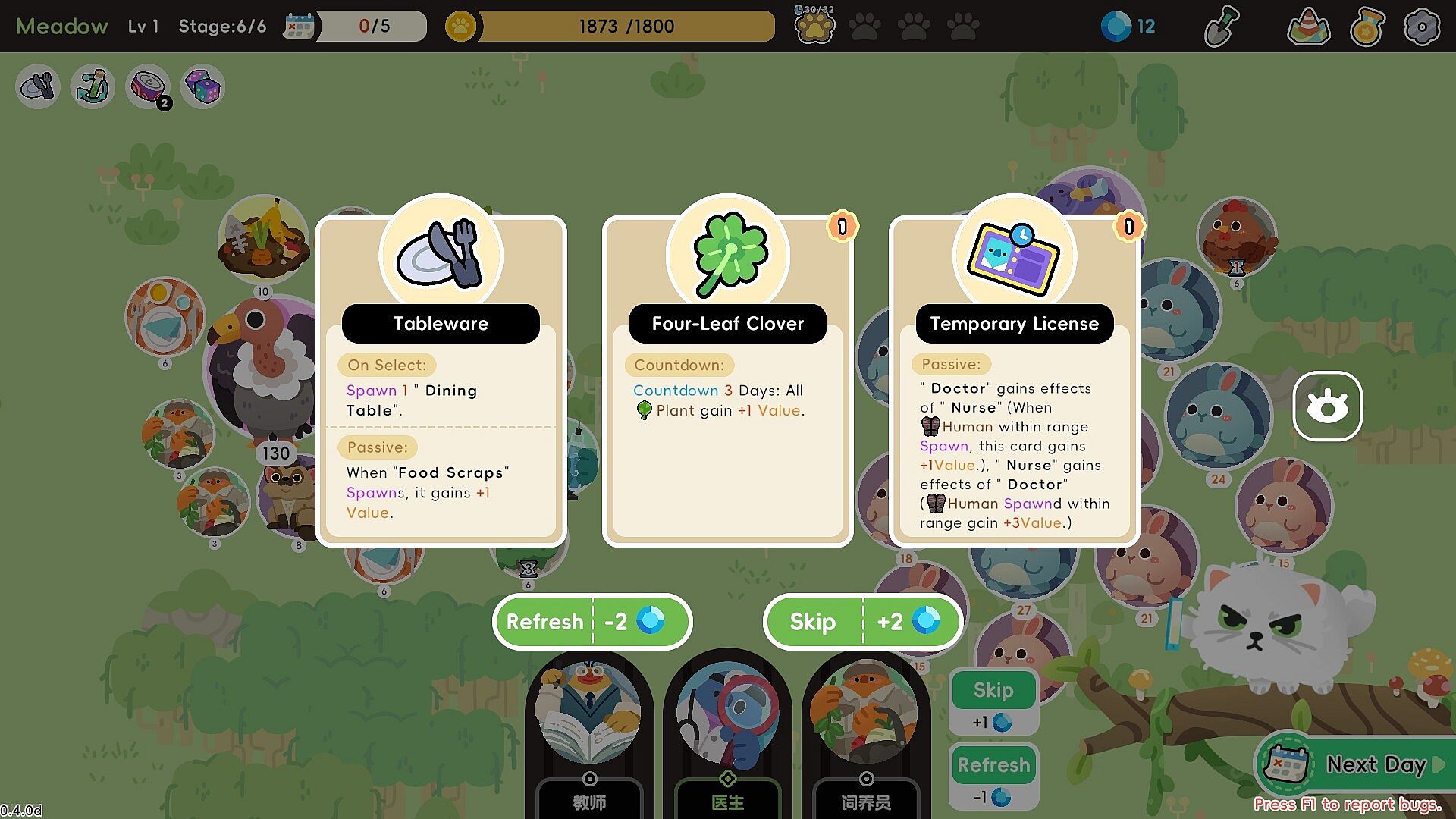
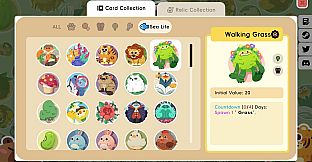
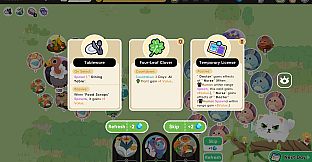
The gameplay centers on a grid-free placement system where every card becomes a physical round piece on the farm. Users arrange these pieces freely to form patterns or clusters that activate effects based on proximity and type. Over 80 unique cards cover humans, animals, and plants, each carrying distinct abilities that interact when positioned cleverly. Thirty-eight relics add further layers by providing range-based bonuses that amplify or modify card effects during placement.
Positioning drives the experience. A cluster of bunnies might trigger breeding mechanics while nearby trolls create defensive circles, leading to unexpected synergies and chain reactions that boost resources or clear obstacles. The roguelike structure means each run introduces new card combinations and relic selections, forcing players to rethink layouts on the fly. Starting abilities, of which there are 11 distinct options, alter the initial setup and encourage experimentation with different farm themes and strategies.
Mechanics emphasize creativity within constraints. Cards have individual effect ranges, so overlapping or adjacent placements can multiply outputs or cause cascading events across the ecosystem. This system blends deck-building decisions with spatial puzzle-solving, where poor positioning wastes potential and smart arrangements lead to thriving farms.
Game Modes
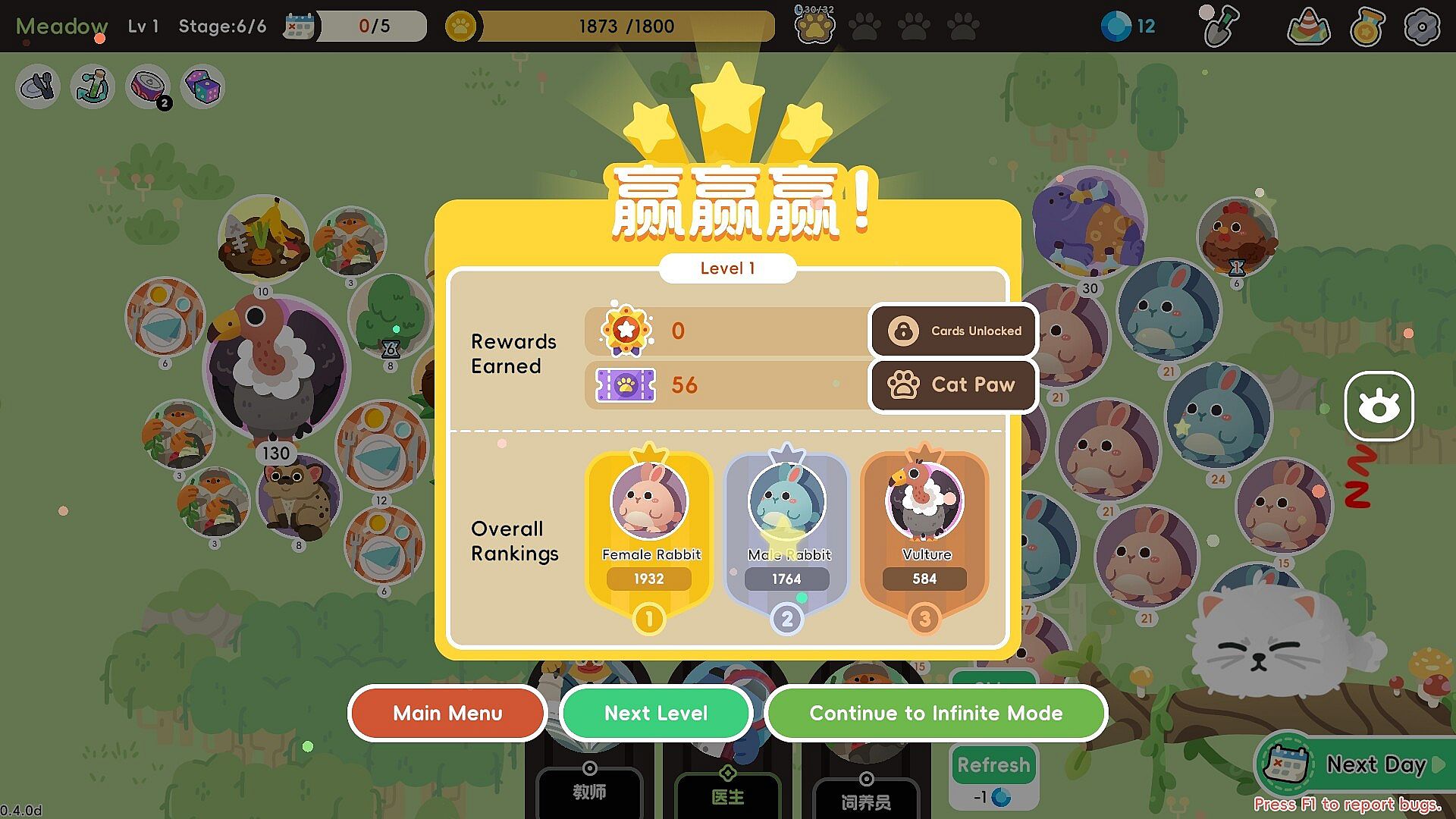
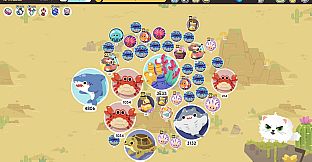
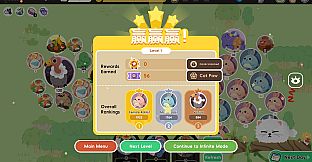
Chubby Farm structures its content around 24 levels spread across 4 distinct maps. Each map presents unique environmental features that influence placement strategies and card interactions. Levels scale in complexity, allowing players to choose paths suited to relaxed sessions or more demanding challenges that test precise positioning and resource management.
Runs follow roguelike progression where failure resets the deck and layout but carries forward knowledge of effective combinations. The 11 starting abilities provide variety across attempts, changing how early placements unfold and which relics become priorities. No separate multiplayer or competitive modes exist; the focus remains on solo progression through the level structure with adjustable intensity for different play styles.
Key Mechanics and Features
Card collection and relic integration form the backbone of progression. Players build decks that support multiple placement styles, from compact clusters for focused effects to spread-out formations for area coverage. Relics expand options by altering effect ranges or adding passive benefits tied to specific piece types.
The ecosystem evolves dynamically based on layout choices. Successful arrangements generate resources that unlock further cards and relics, while misaligned pieces may limit growth or trigger negative interactions. This creates a feedback loop where each decision influences the next, rewarding observation of how round pieces interact visually and mechanically.
Replayability stems from the combination of roguelike elements and open placement rules. Different maps demand adapted strategies, and the 11 starting abilities ensure no two runs feel identical even when revisiting earlier levels.
Is It Worth Playing?
Chubby Farm targets players who appreciate strategic depth in a lighthearted package. Its unique grid-free deck-building approach offers a fresh take on roguelike management, appealing to those who enjoy experimenting with spatial arrangements and chain-reaction systems. The blend of casual accessibility through relaxed levels and deeper challenges in later maps provides options for varied session lengths.
With its upcoming 2026 release and emphasis on creative farm design alongside tactical card play, the game suits fans of indie strategy titles seeking something distinct from traditional grid-based or turn-limited formats. The verified mechanics around card positioning and relic synergies deliver consistent replay value across the 24 levels and multiple maps. Those drawn to roguelike progression paired with visual creativity in piece placement will find the core loop engaging and worth exploring upon launch.