























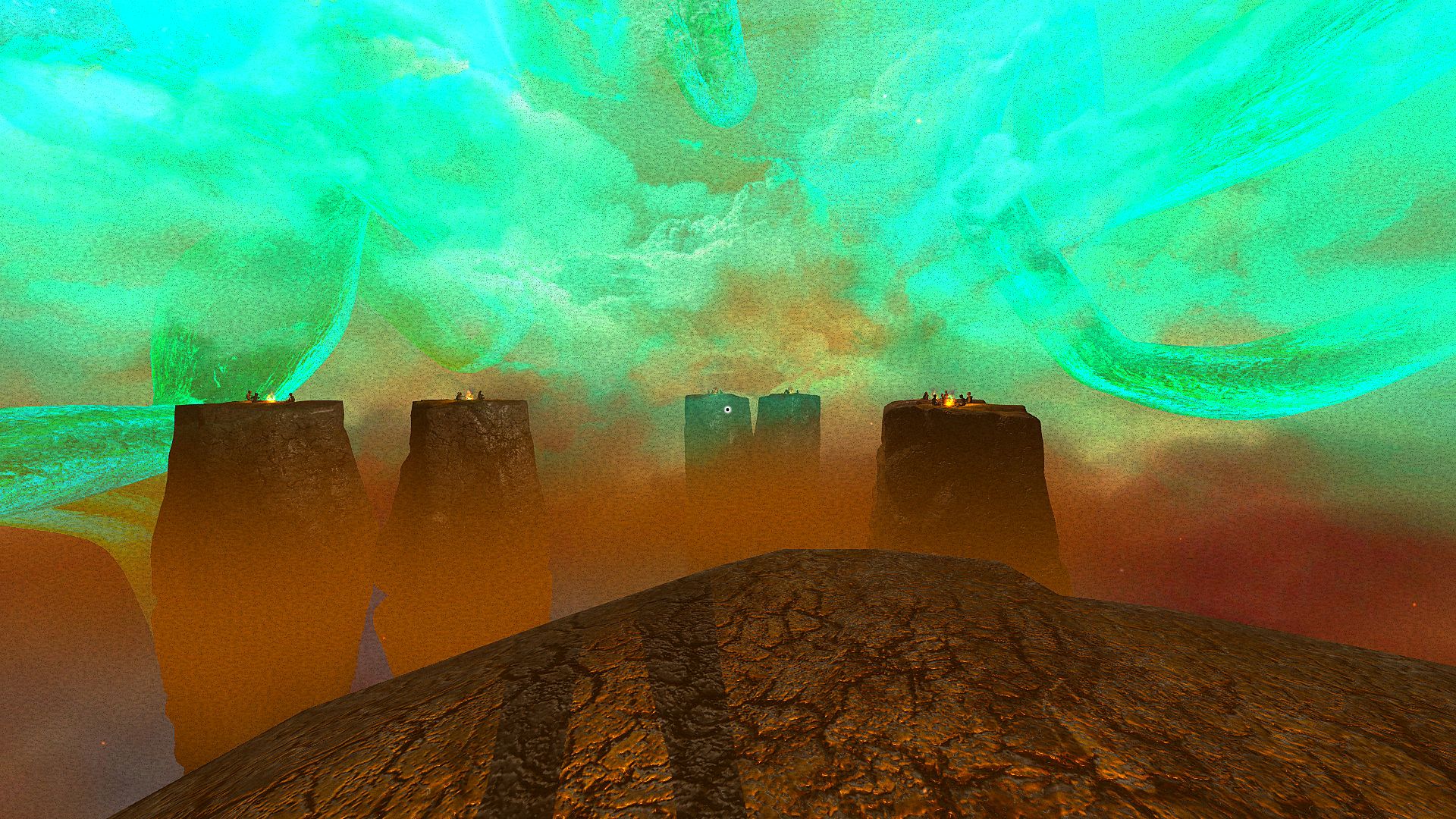



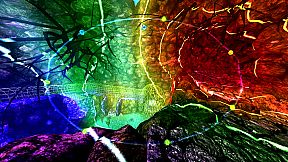
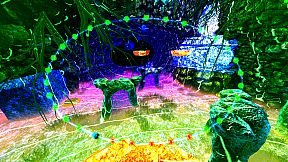

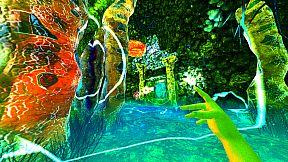


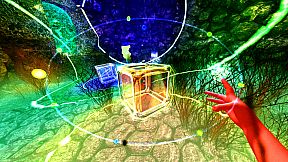
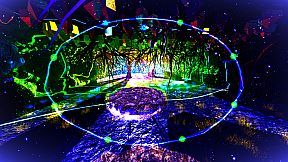


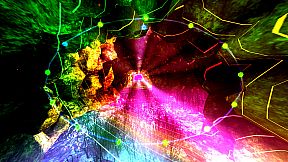

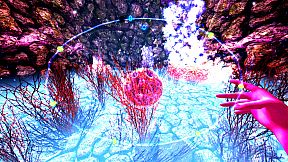


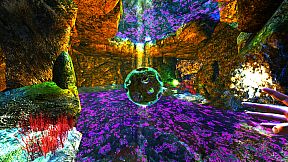
Clinically Dead is a first-person puzzle adventure game that explores the final moments of a man's life through distorted time and space. Set entirely within the protagonist's mind as he dies, the experience blends action elements with indie adventure storytelling and puzzle-solving centered on time manipulation. Players navigate environments where movement alters both position and temporal flow, creating a unique loop of exploration and problem-solving in a single-player format on PC.
Gameplay
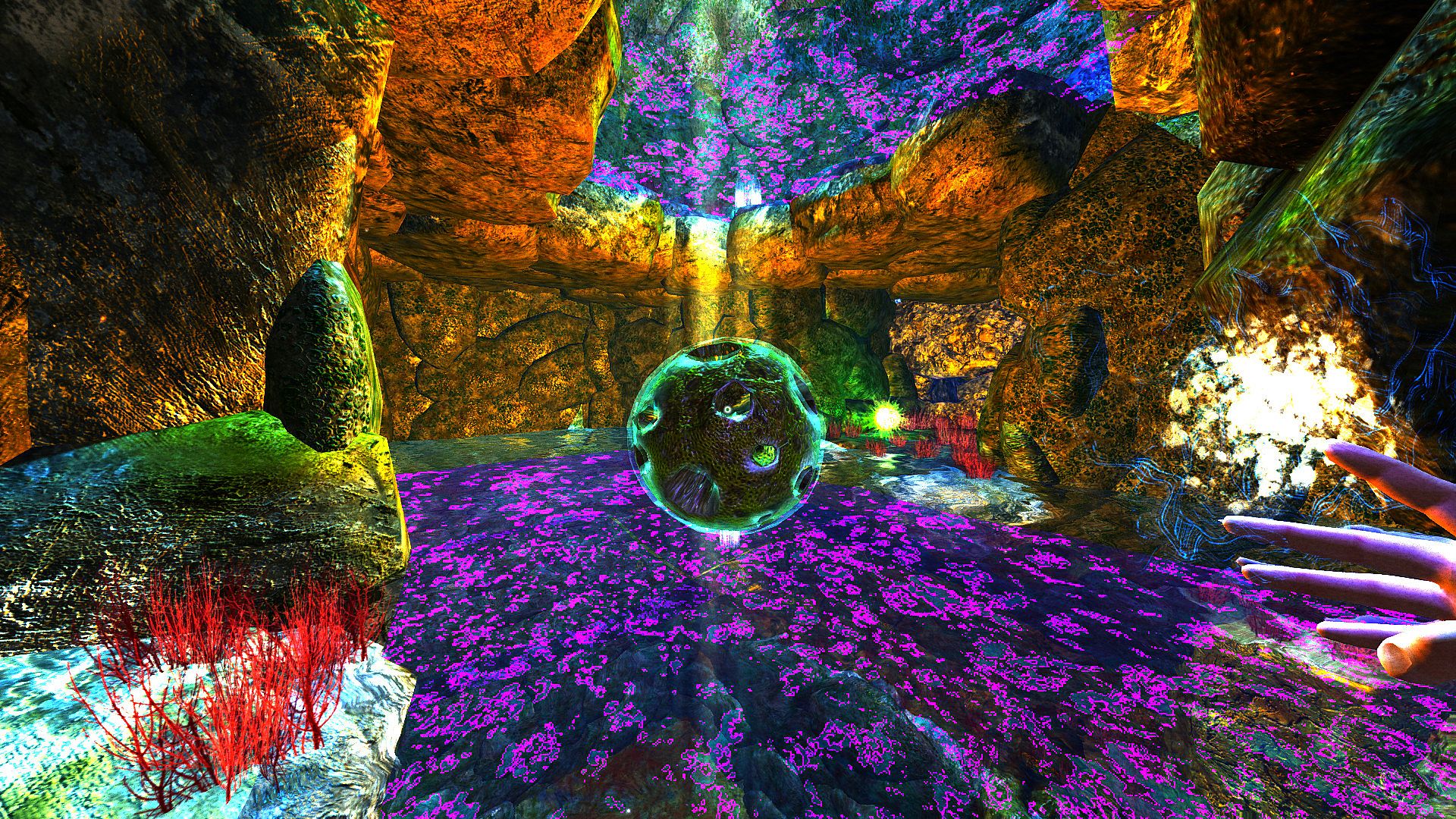
The core loop revolves around collecting seconds represented as time crystals scattered throughout levels. These crystals advance the narrative toward the moment of death while players interact with a subconscious presence through dialogue. Time flows irregularly, stretching seconds into extended periods that allow for reflection and puzzle resolution. Movement in three spatial dimensions also shifts the fourth dimension of time, so progressing through a level changes the surrounding environment, object states, and even the player's health status.
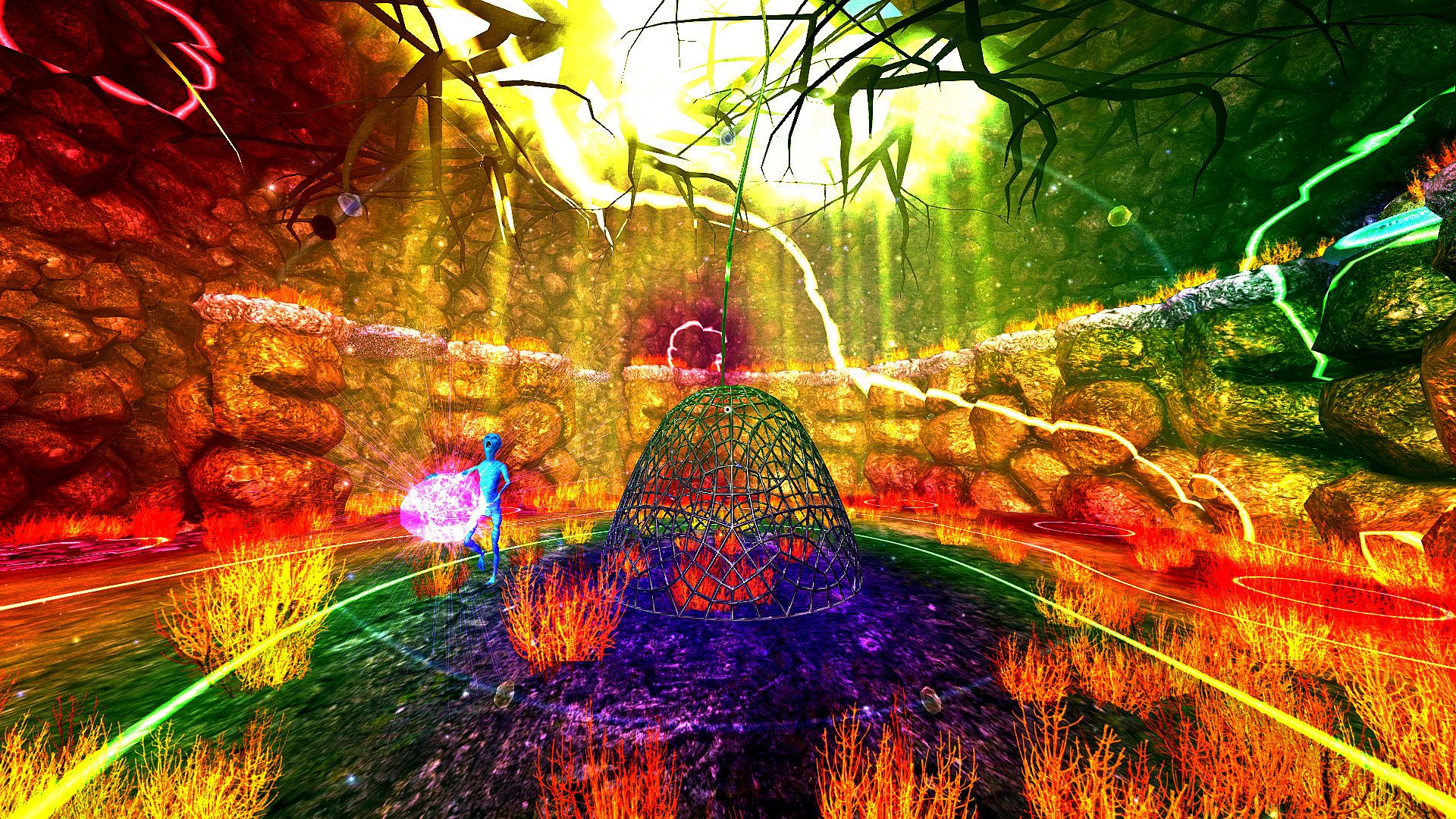
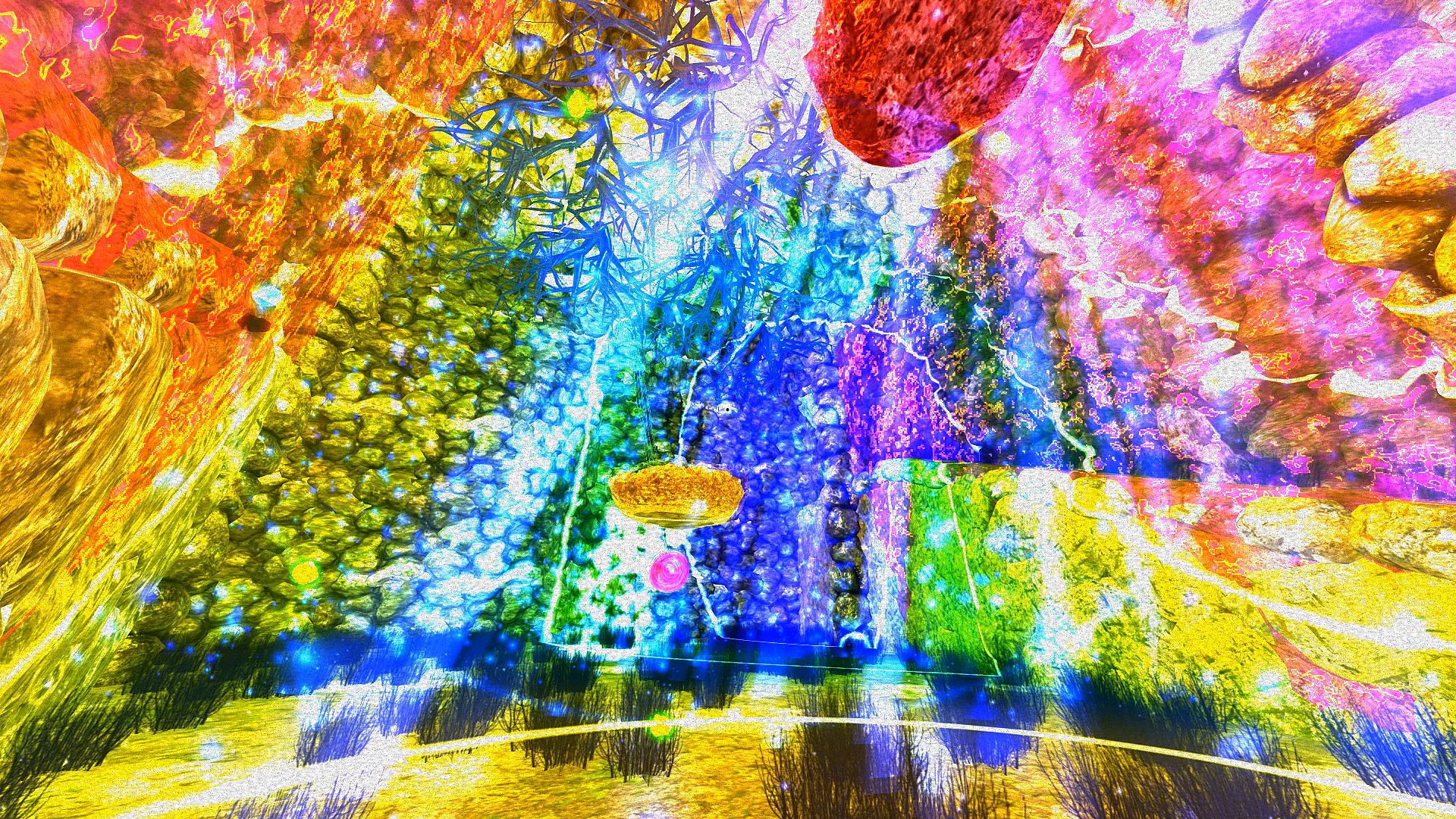
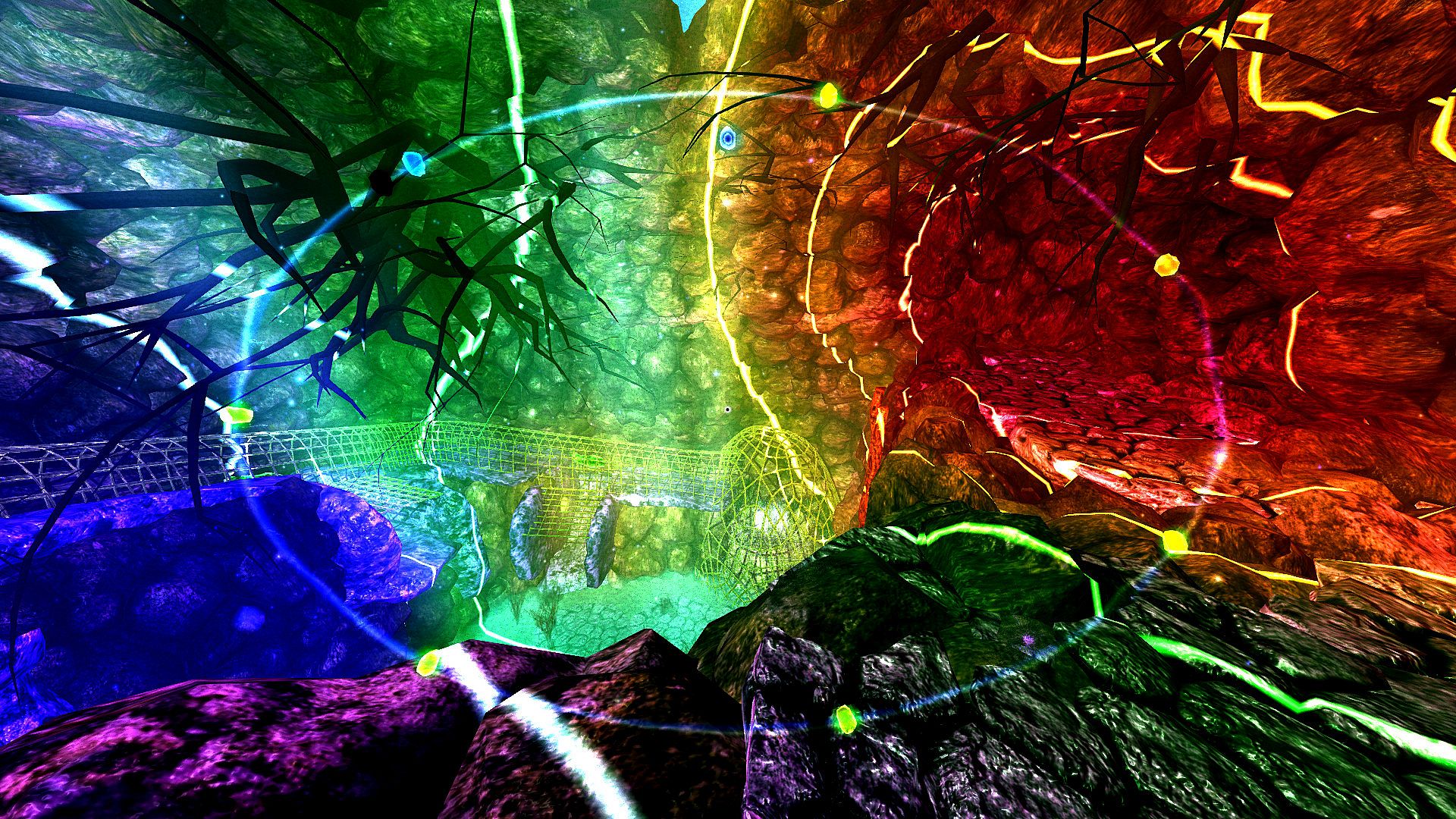
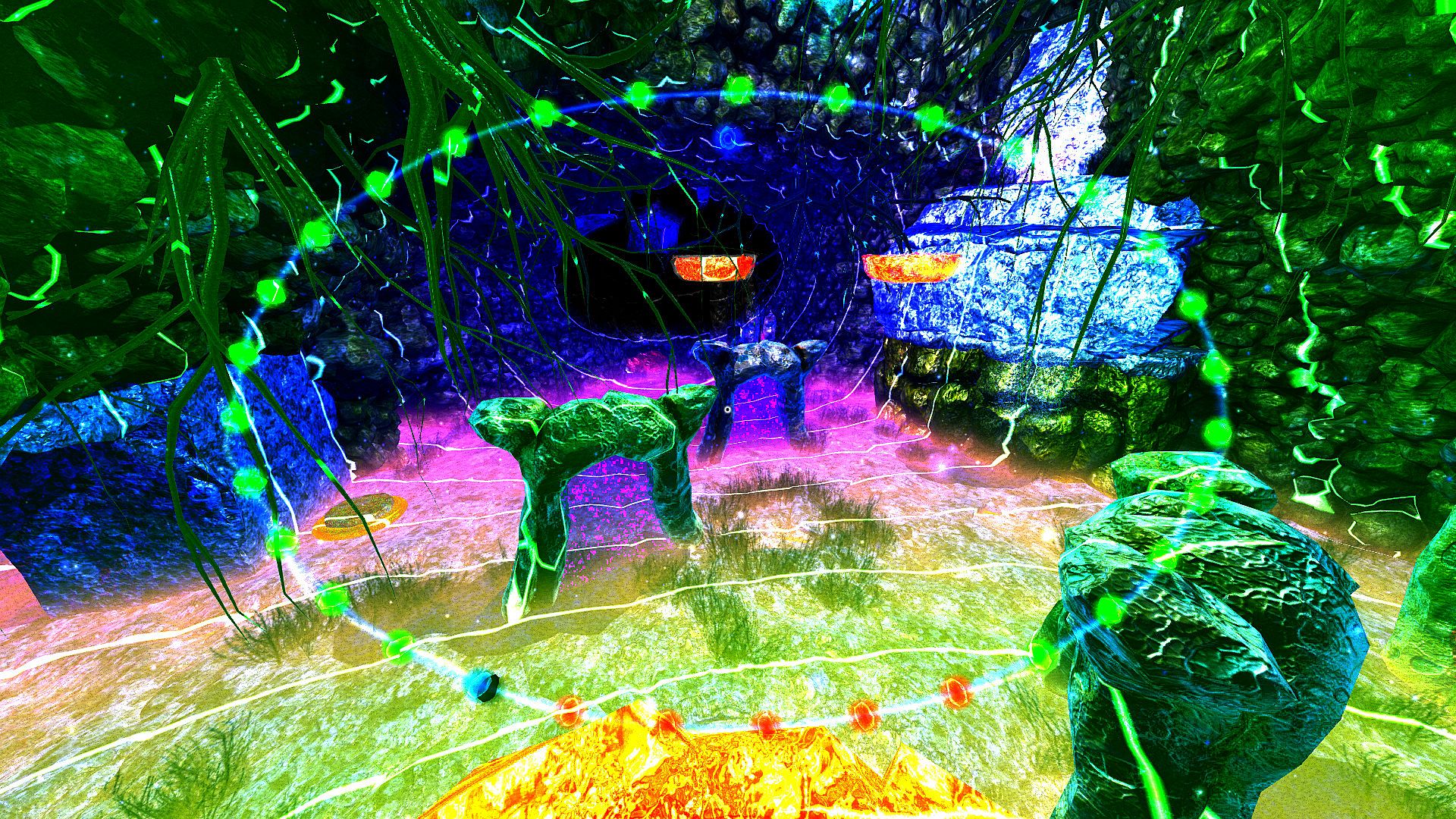
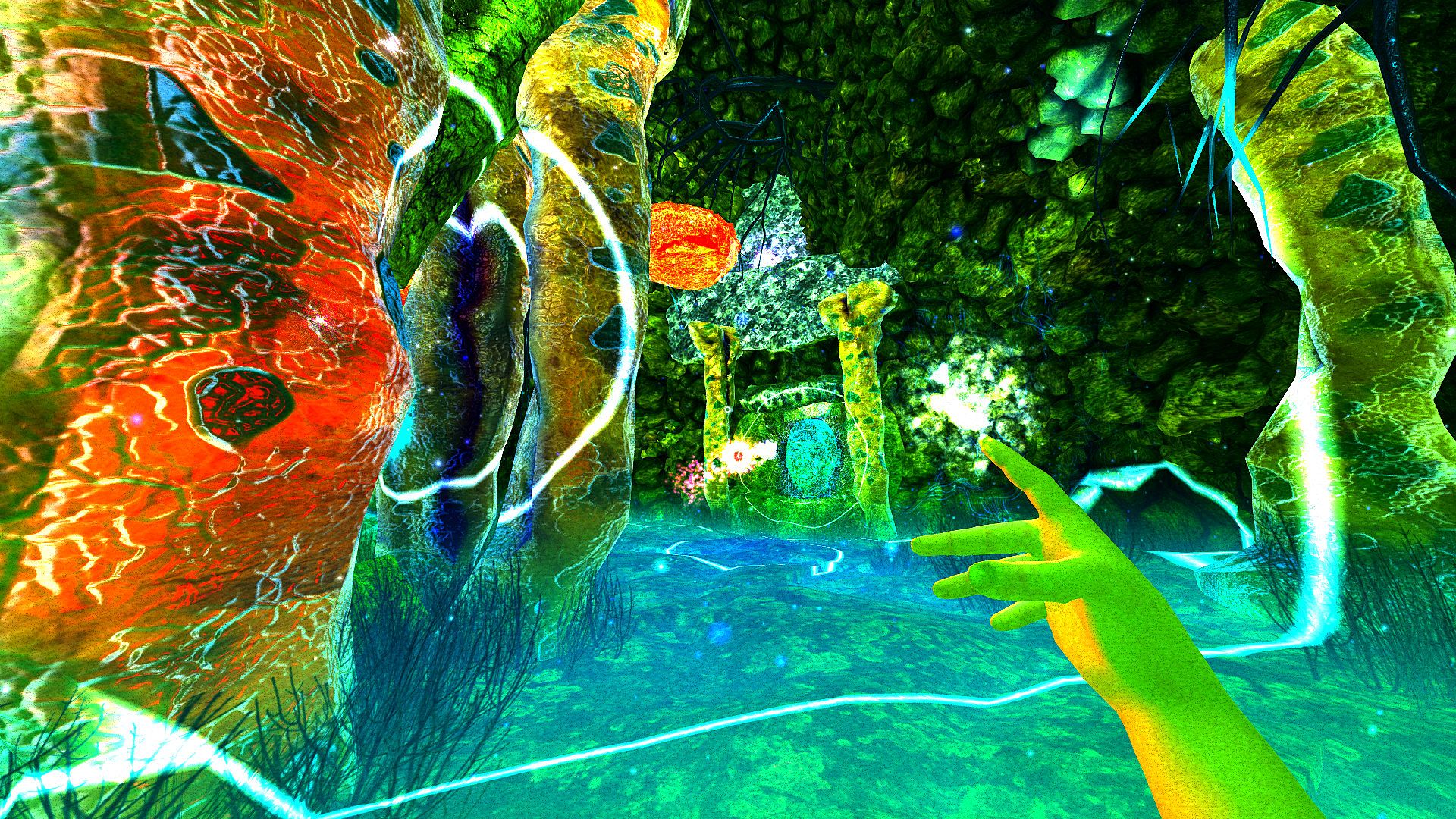
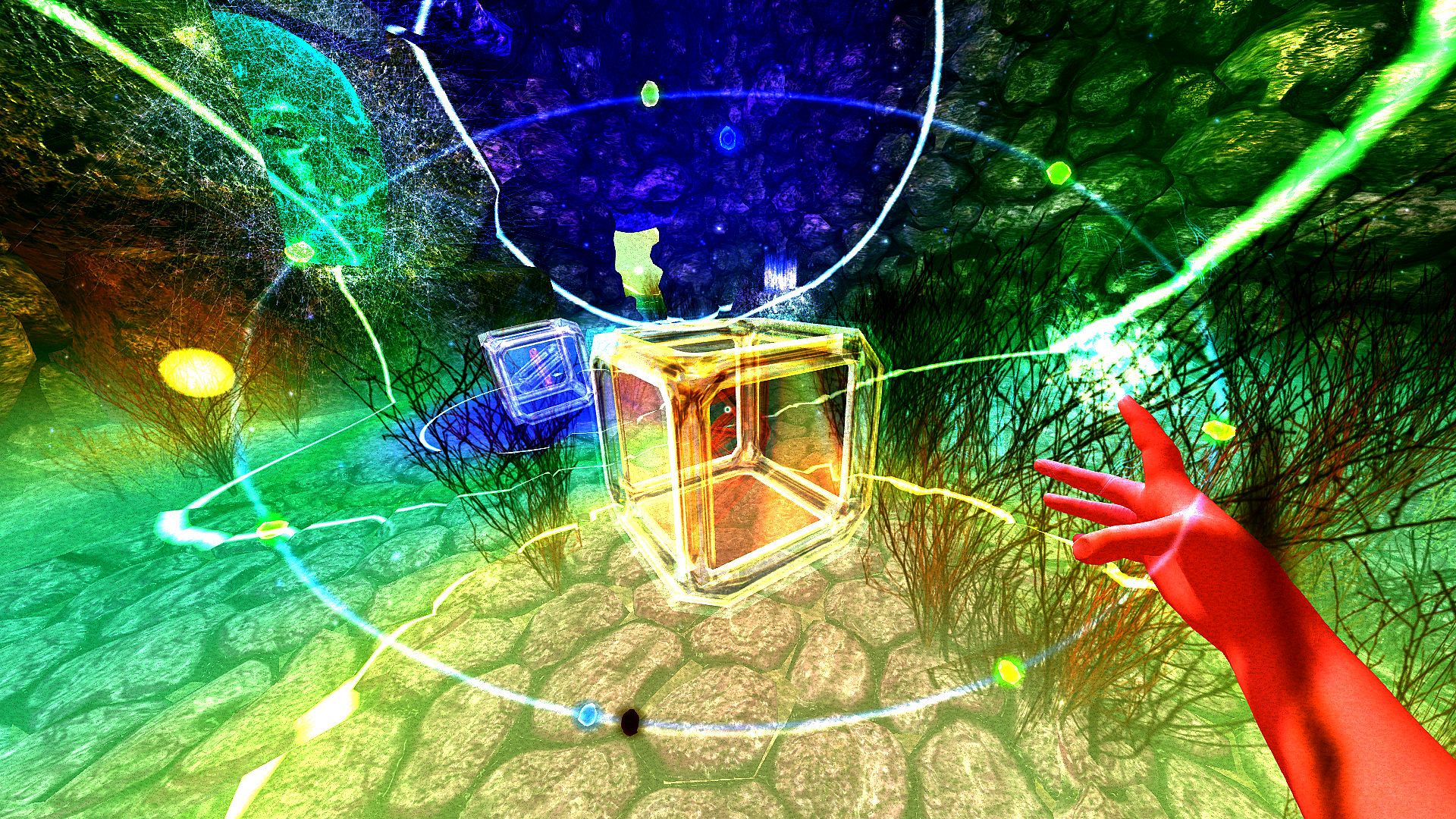
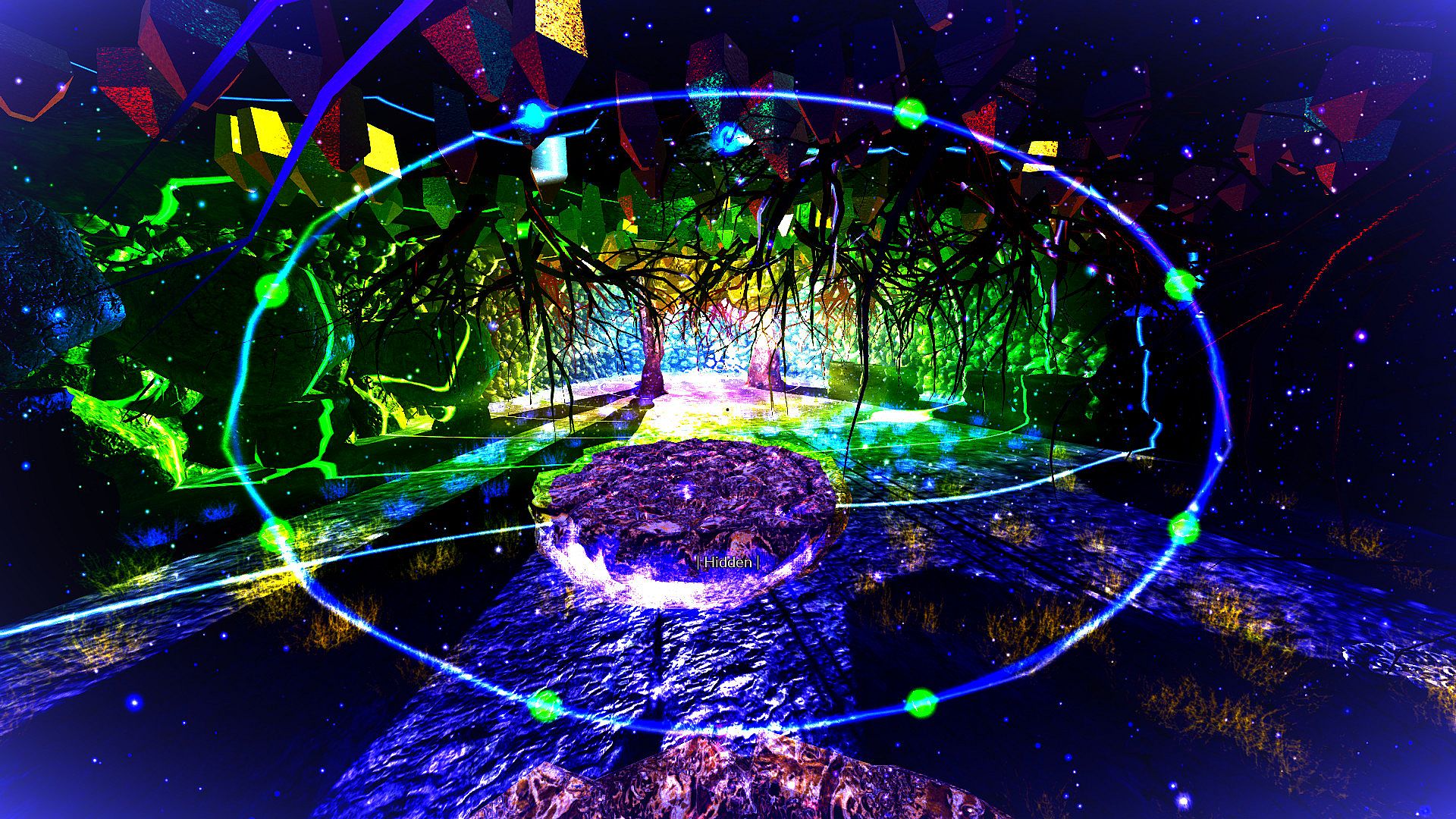
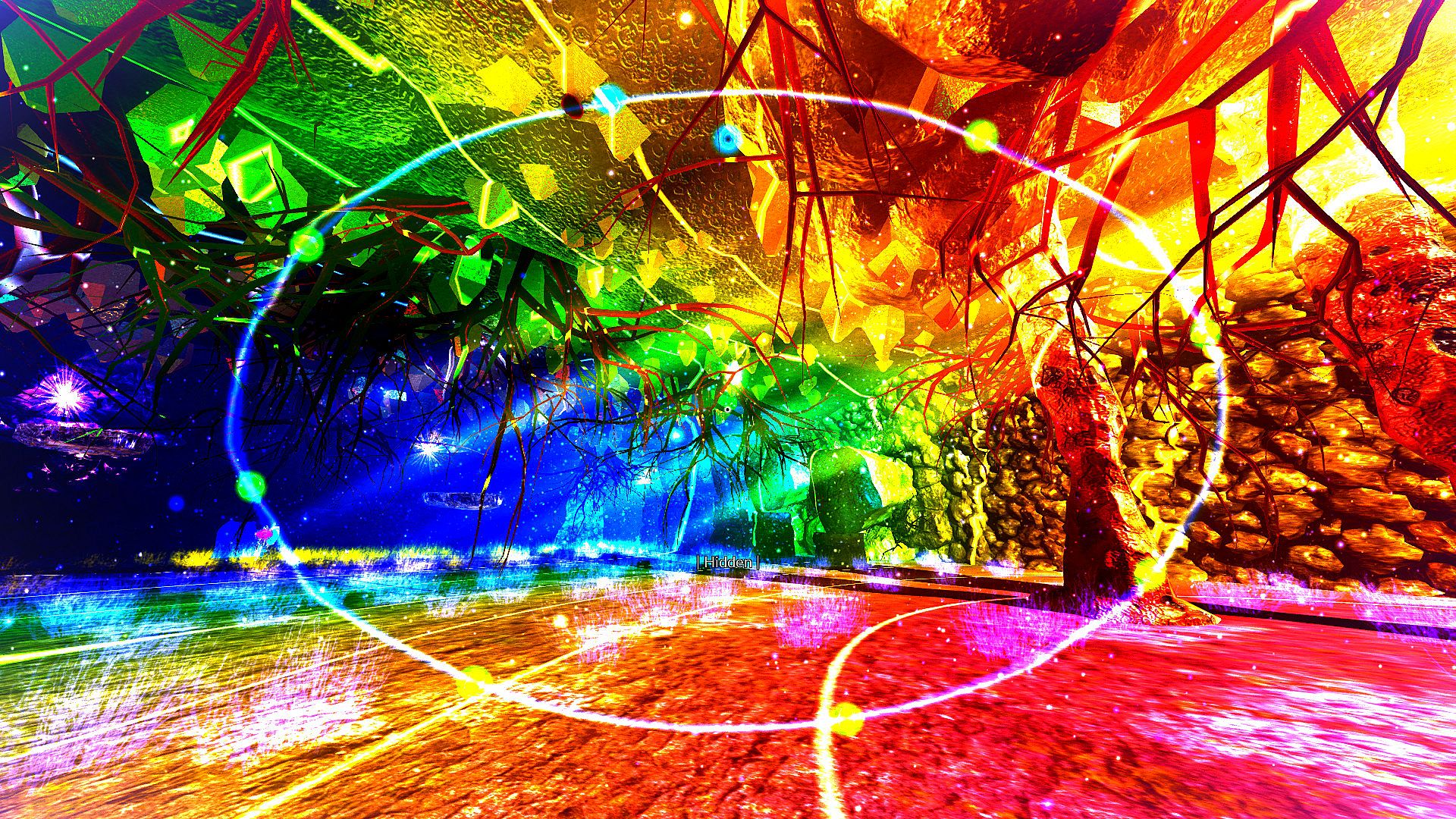
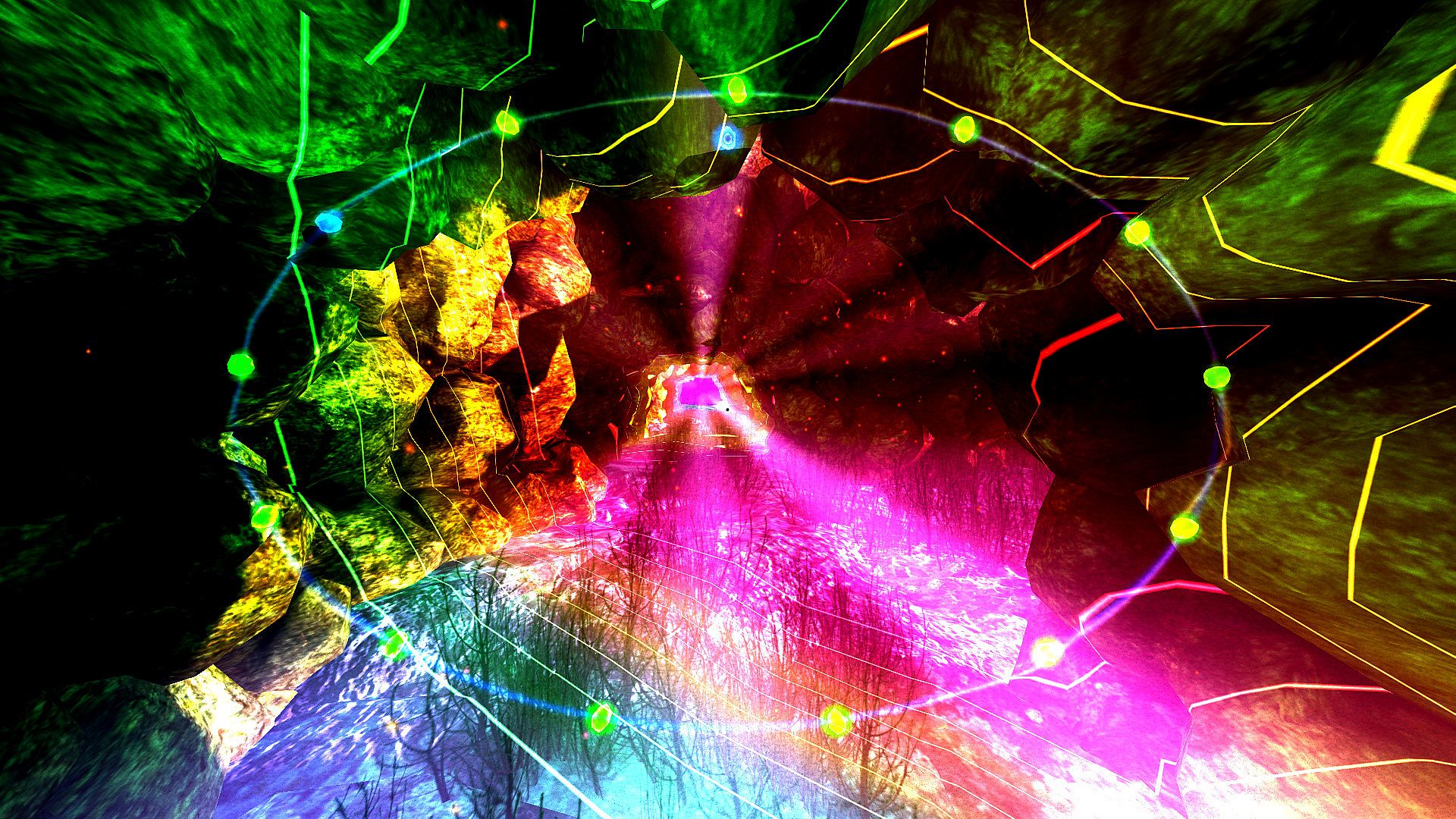
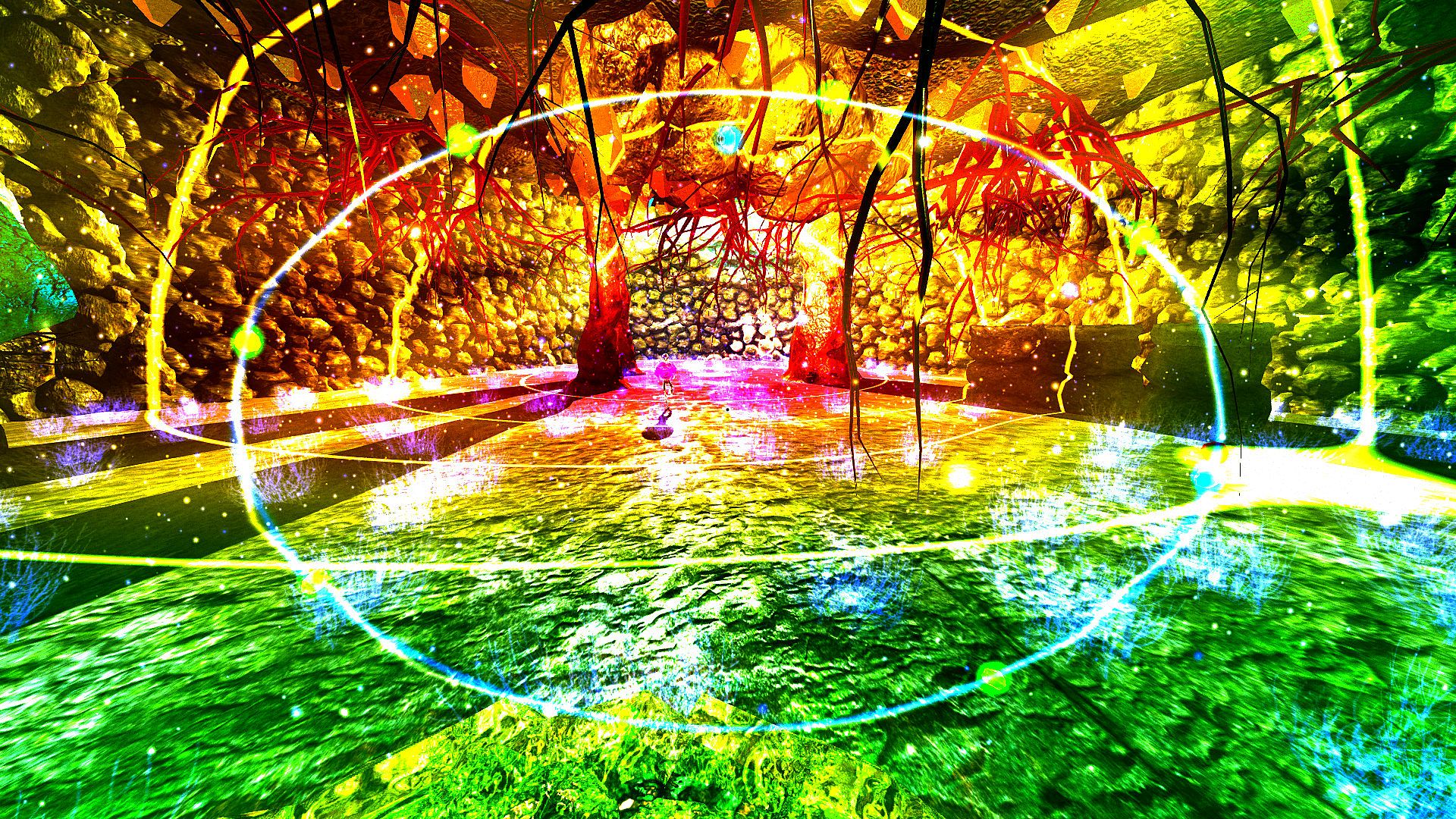
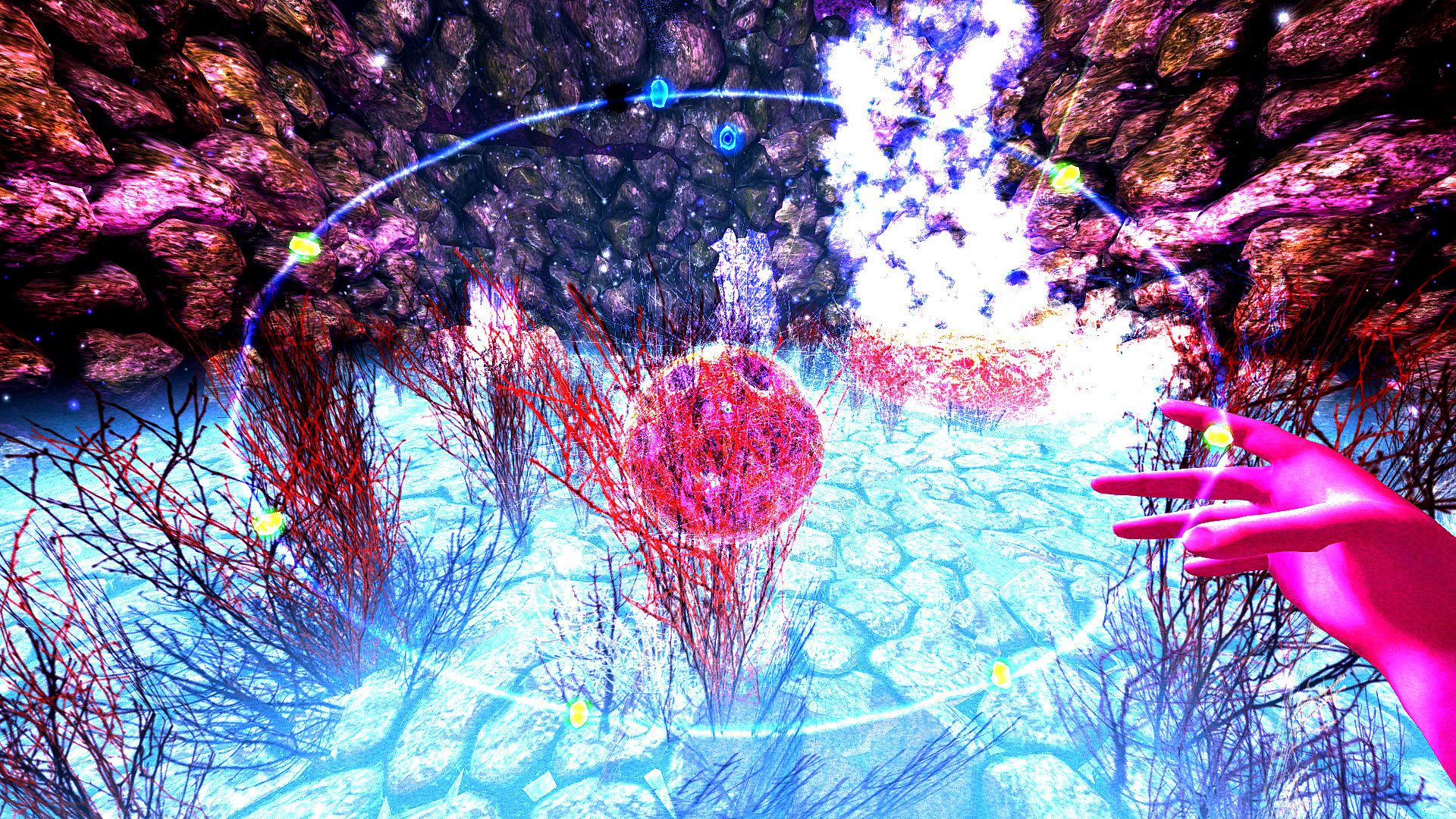
Colors serve as the primary visual indicator of time values across each level. Blue areas mark low time density, red zones indicate high values, and intermediate hues fill the spectrum between them. This system functions like a dynamic map overlay, where position determines the temporal context. Players can modify the time field by relocating objects, which in turn affects puzzle solutions and progression. Negative time zones appear in dark gray and trigger respawn mechanics when entered.
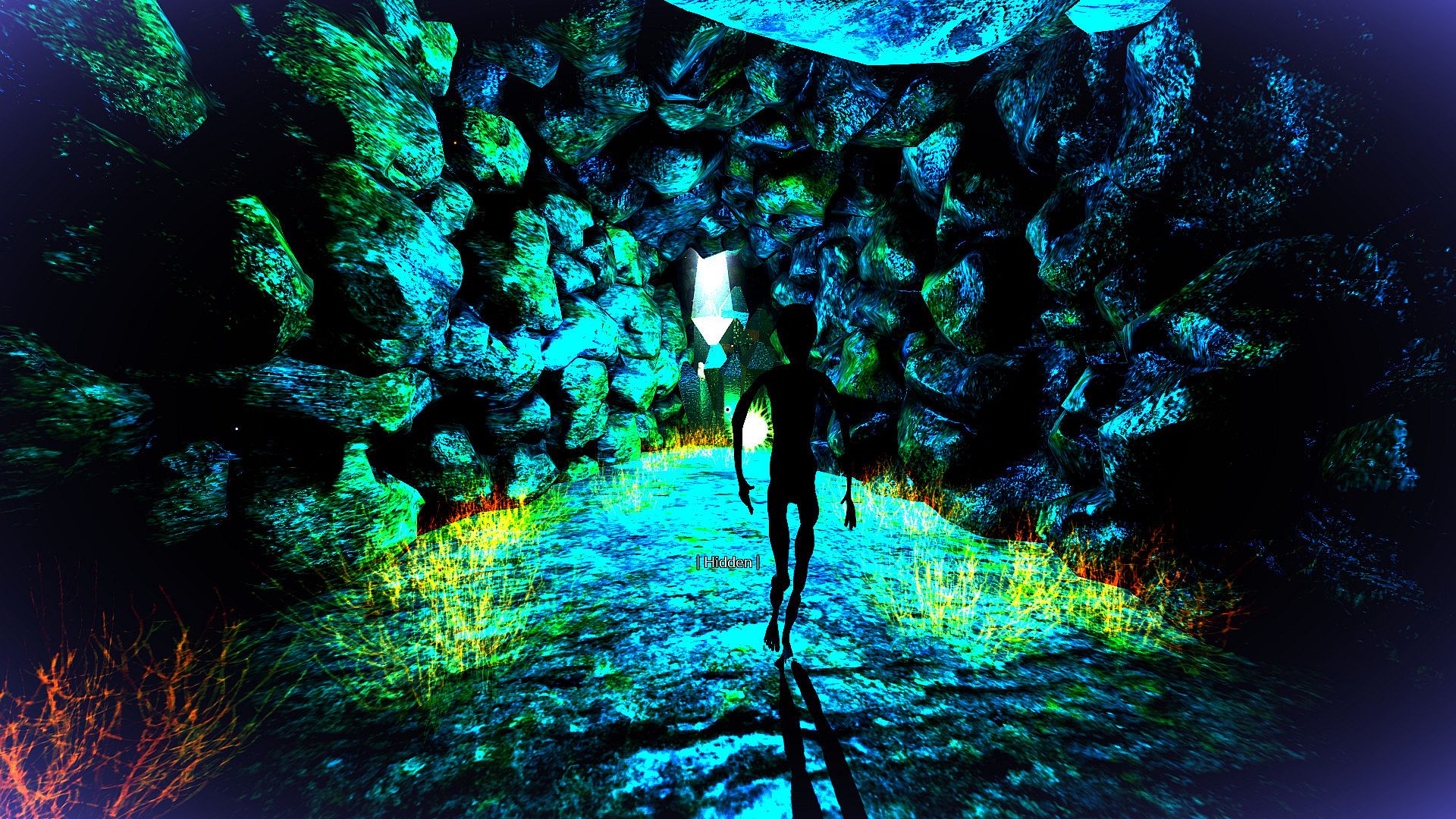
Time manipulation extends beyond passive observation. Direct controls allow shifting the flow forward or backward, altering the state of the world to reveal paths, activate mechanisms, or avoid hazards. The connection between time, space, and health forms a triple linkage that requires careful navigation. Creepy encounters with mind-born creatures add tension without turning the game into outright horror, emphasizing atmosphere over combat.
Game Modes
Clinically Dead presents its content as a continuous single-player puzzle adventure without separate modes or multiplayer components. The entire experience unfolds as one cohesive journey through the dying mind, with progression tied directly to crystal collection and time-based environmental changes. No additional variants such as survival challenges, competitive elements, or alternate campaigns appear in the design.
Time and Space Mechanics
The game's central innovation lies in its four-dimensional navigation system. Space and time remain linked at every point, so lateral movement simultaneously advances or reverses the temporal state. This creates puzzles that demand spatial awareness combined with temporal planning, such as repositioning items to adjust time values in specific zones. The color-coded time field provides constant feedback, encouraging players to treat levels like living diagrams where position dictates outcomes.
Health ties into the same system, with negative time acting as a penalty that resets progress. Positive time accumulation supports survival and completion. Environmental changes triggered by time shifts include object transformations, pathway openings, and altered creature behaviors, all reinforcing the theme of a mind unraveling in its final seconds.
Is It Worth Playing?
Player reception shows 81 percent positive ratings from a modest total of 43 reviews, highlighting the originality of the time-color puzzle system and the variety in its challenges. Reviewers note strong puzzle design overall, with occasional moments of unclear direction in a few sections. The game suits those interested in indie puzzle adventures that prioritize conceptual mechanics over action or narrative length.
Its short, focused structure delivers a complete experience centered on the dying process and subconscious interaction. Those drawn to first-person exploration with inventive time manipulation will find the core loop engaging, while players seeking extensive content or multiplayer features may find the scope limited. The title remains available on PC for those matching its niche appeal in atmospheric puzzle design.














