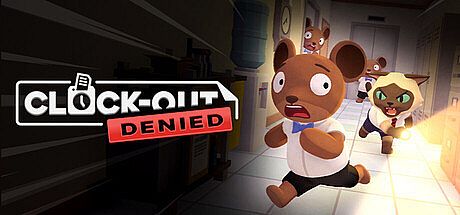


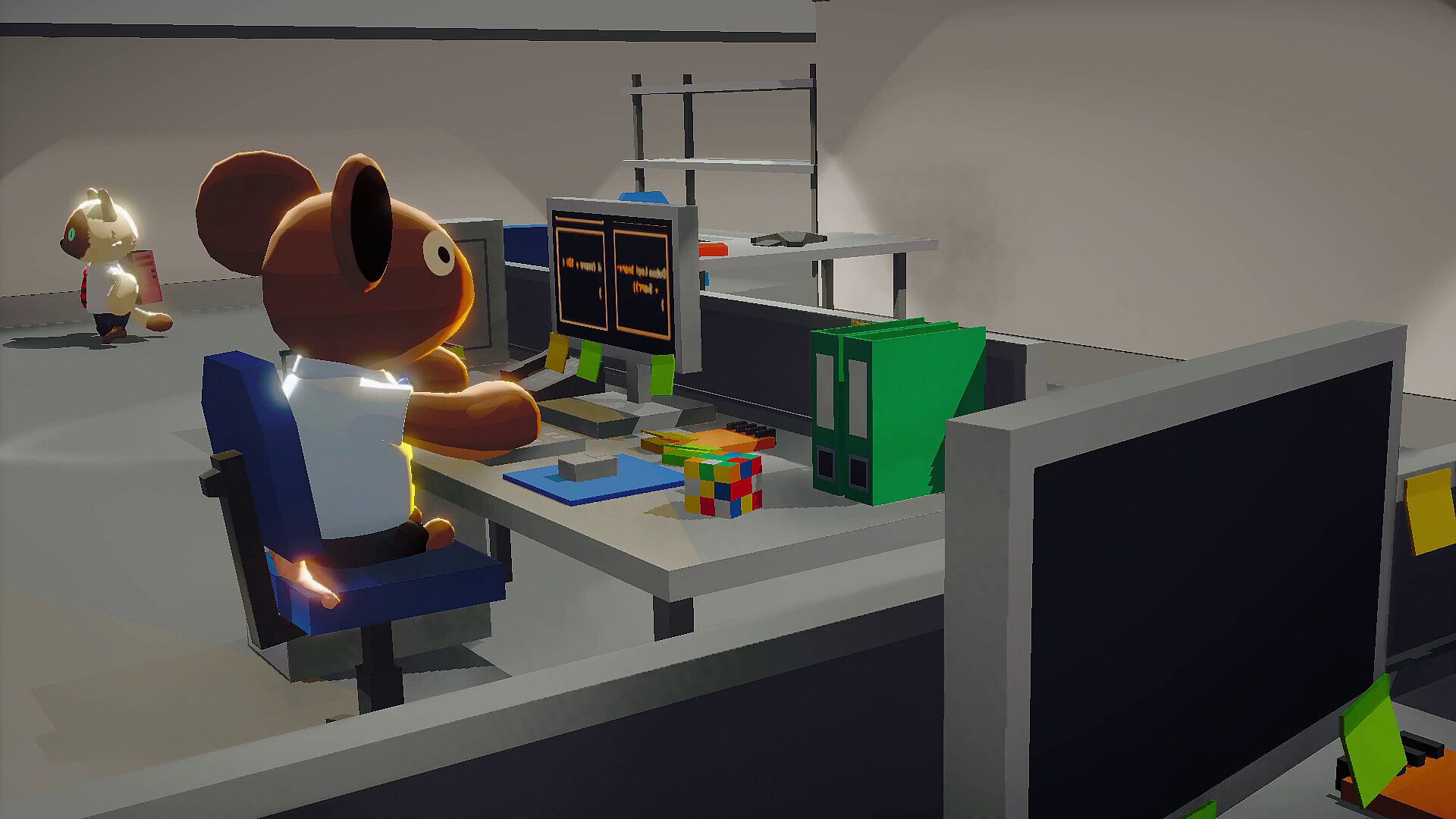
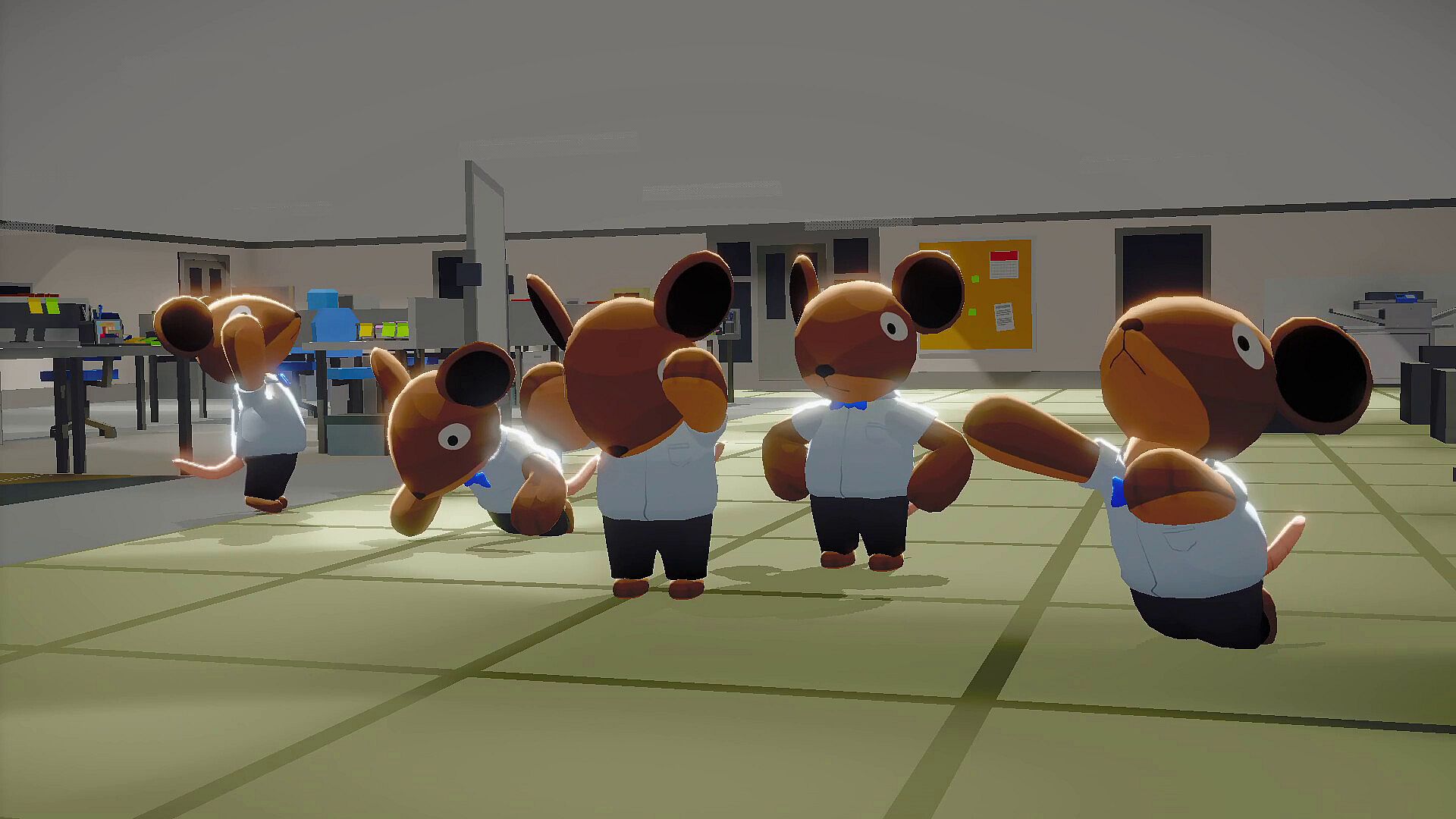
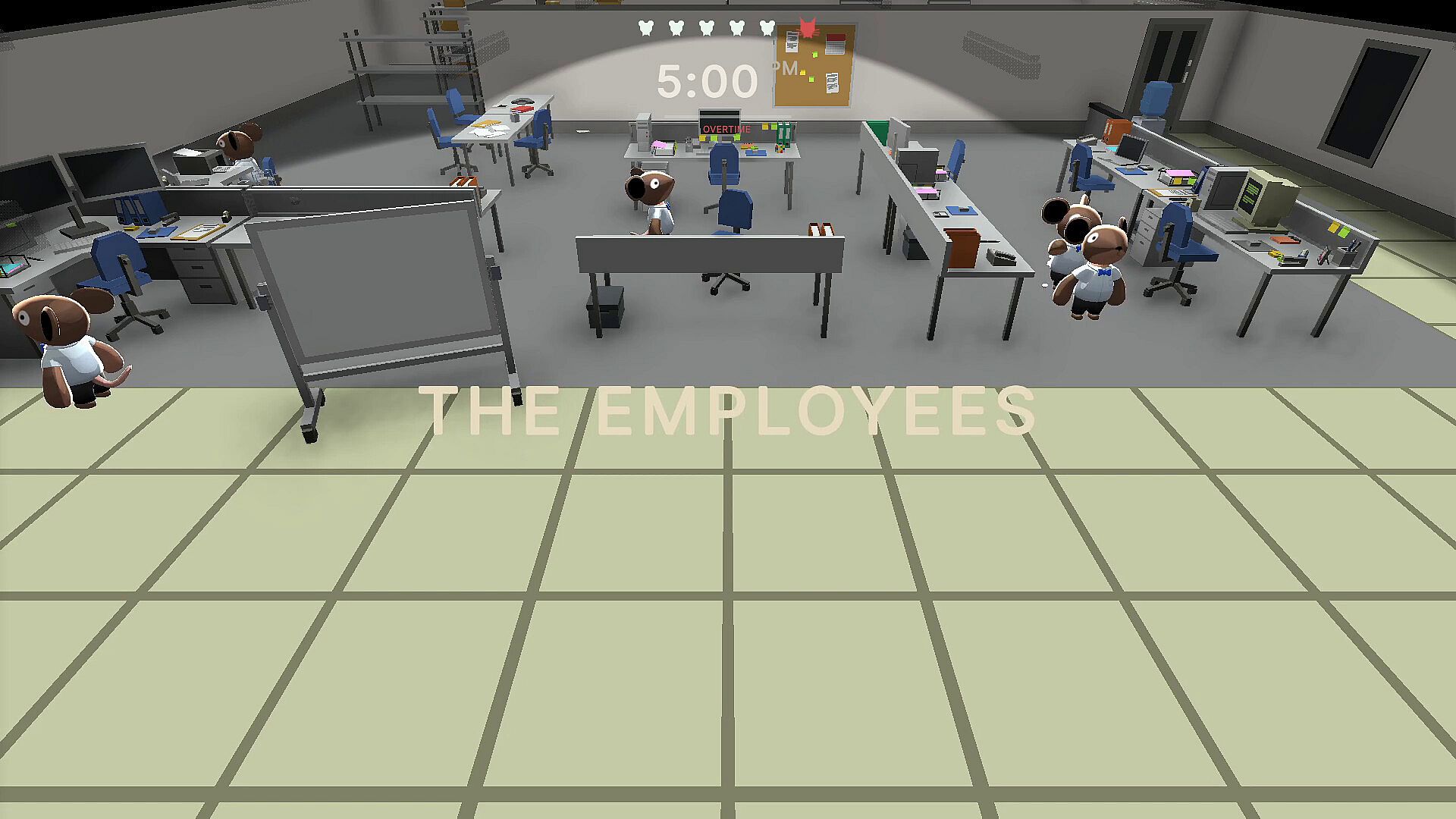
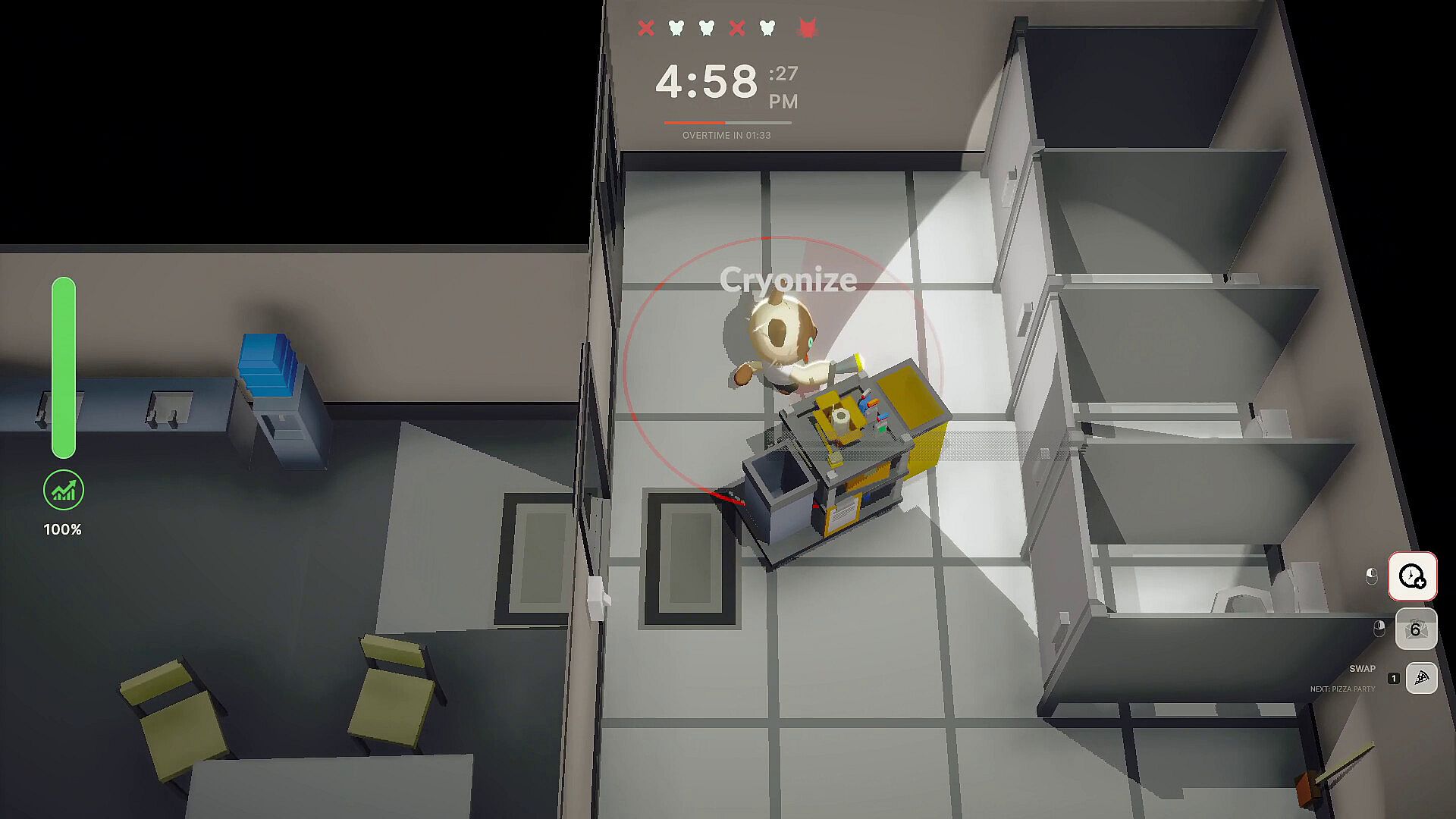
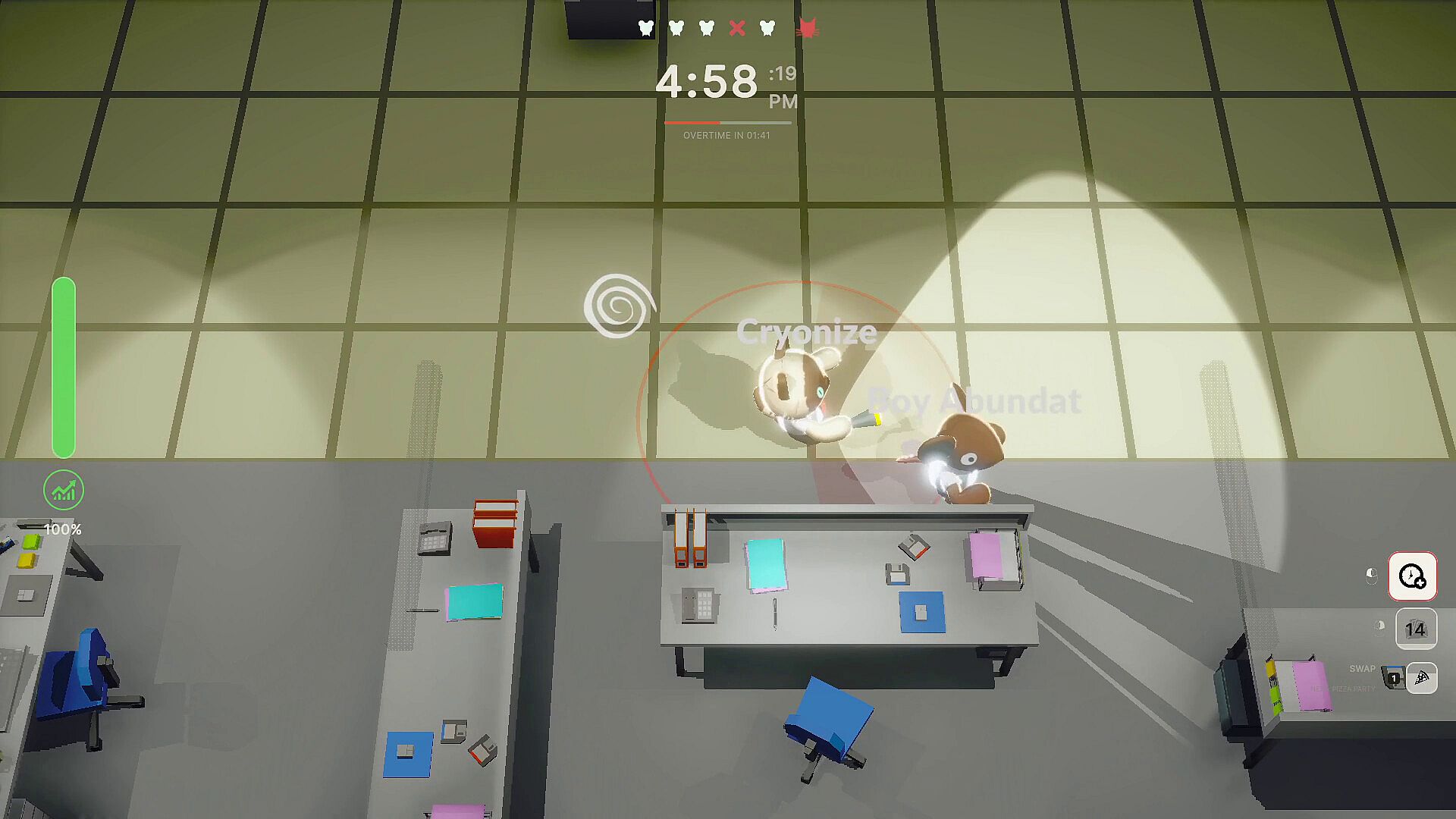
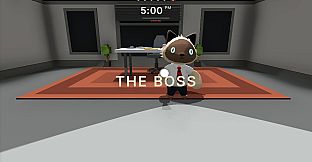
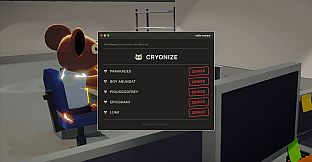
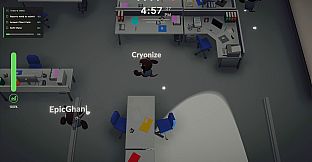
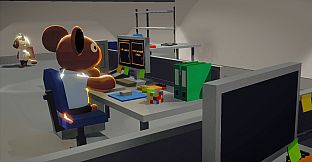
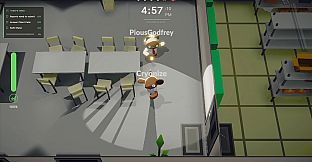
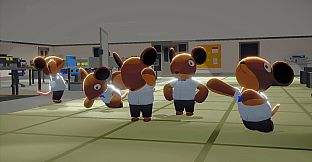
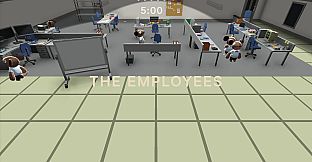
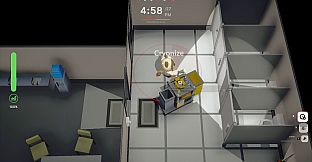
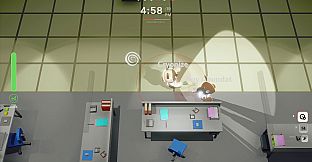
Clock-out Denied is an asymmetric multiplayer social stealth game set in a tense corporate office environment on PC. Players take on roles as either the powerful Boss or a group of Employees racing to finish the workday without getting caught in overtime. The experience blends strategy and casual play through furniture manipulation, shadow-based hiding, and coordinated teamwork under pressure.
Gameplay
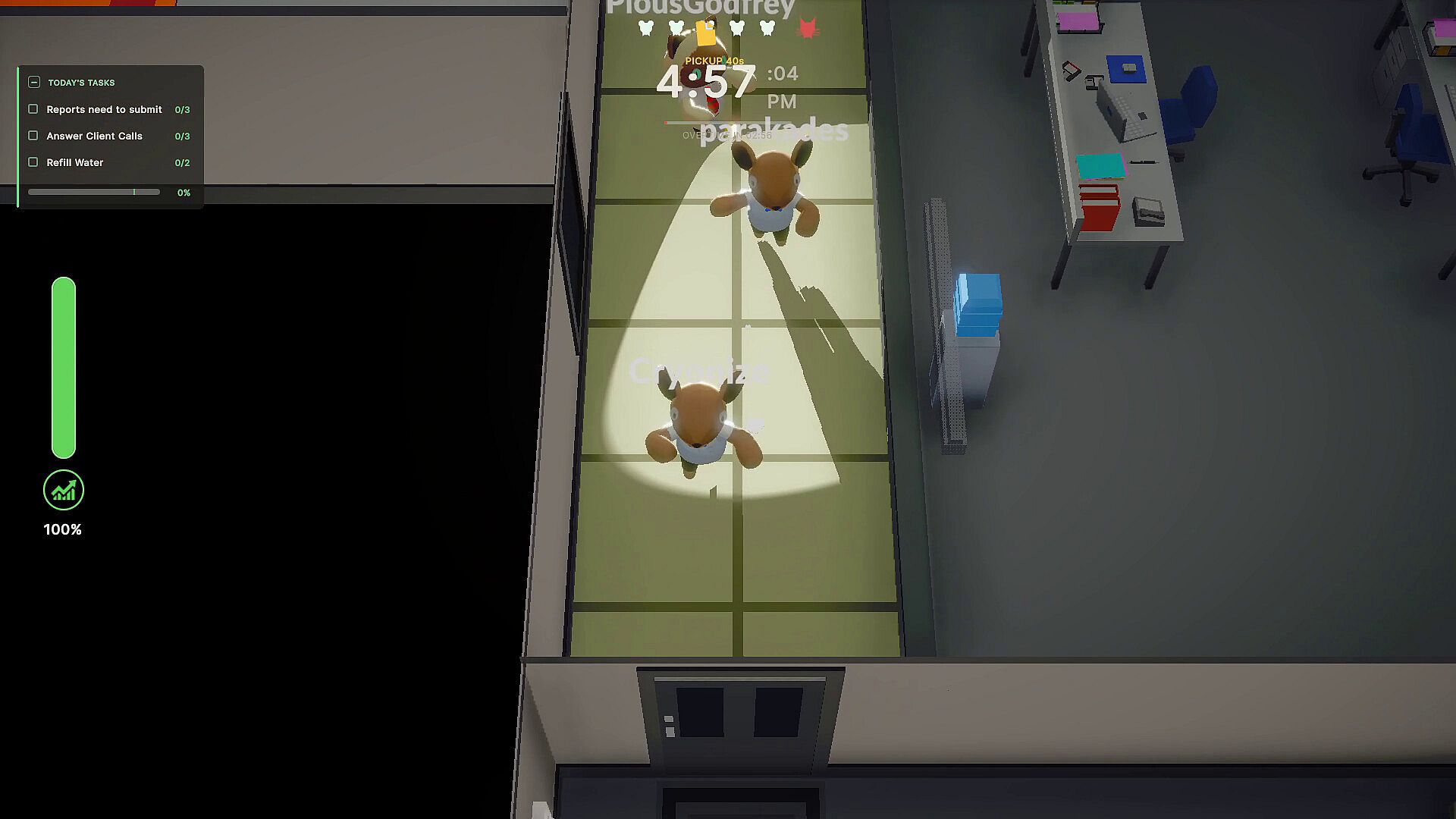
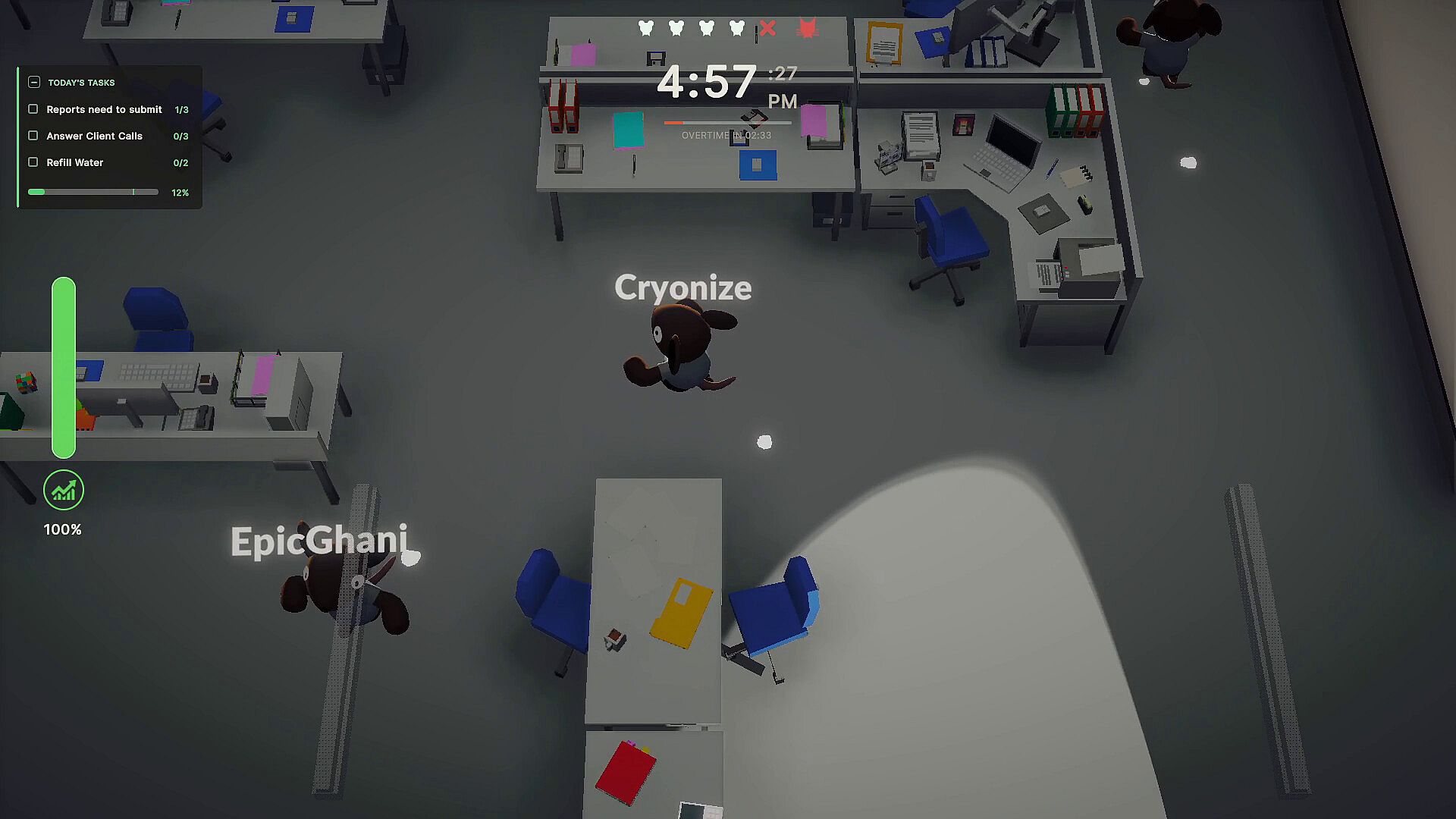
Matches begin with a brief setup phase where Employees rearrange desks, cabinets, and other office furniture to shape the environment. This creates corridors of darkness, concealed routes, and defensive positions that become critical once the lights dim and the hunt starts. The core rule centers on visibility: any Employee standing in complete darkness stays invisible to the Boss.
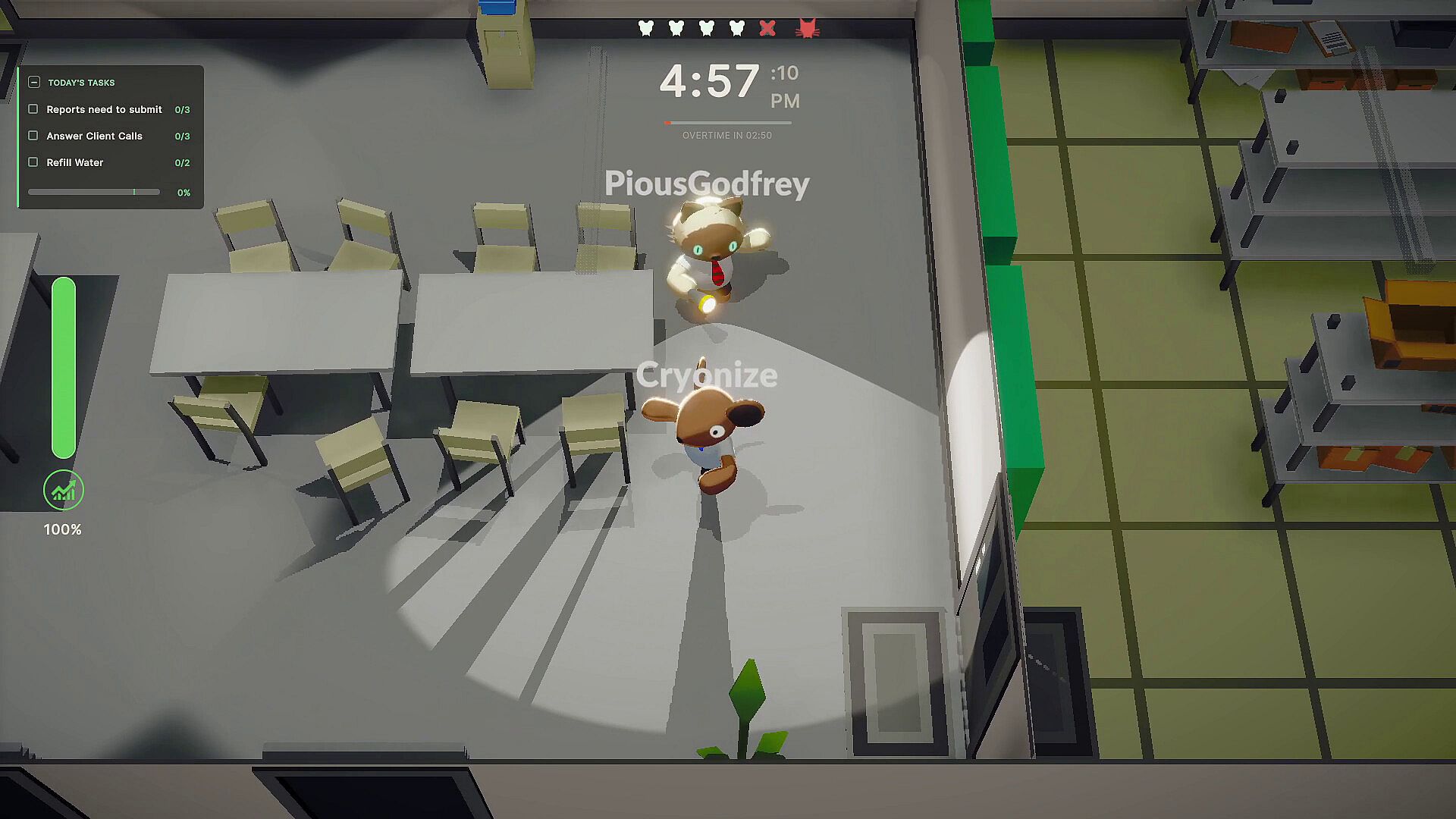
Employees must balance hiding with active objectives. They leave safety to handle Slacker Tasks, activate distractions, and ready the clock-out machine. Proximity voice chat adds a layer of social strategy, allowing whispers for coordination or louder outbursts to mislead or confuse the pursuer. Environmental hazards like ringing phones or unstable furniture can expose positions at any moment.
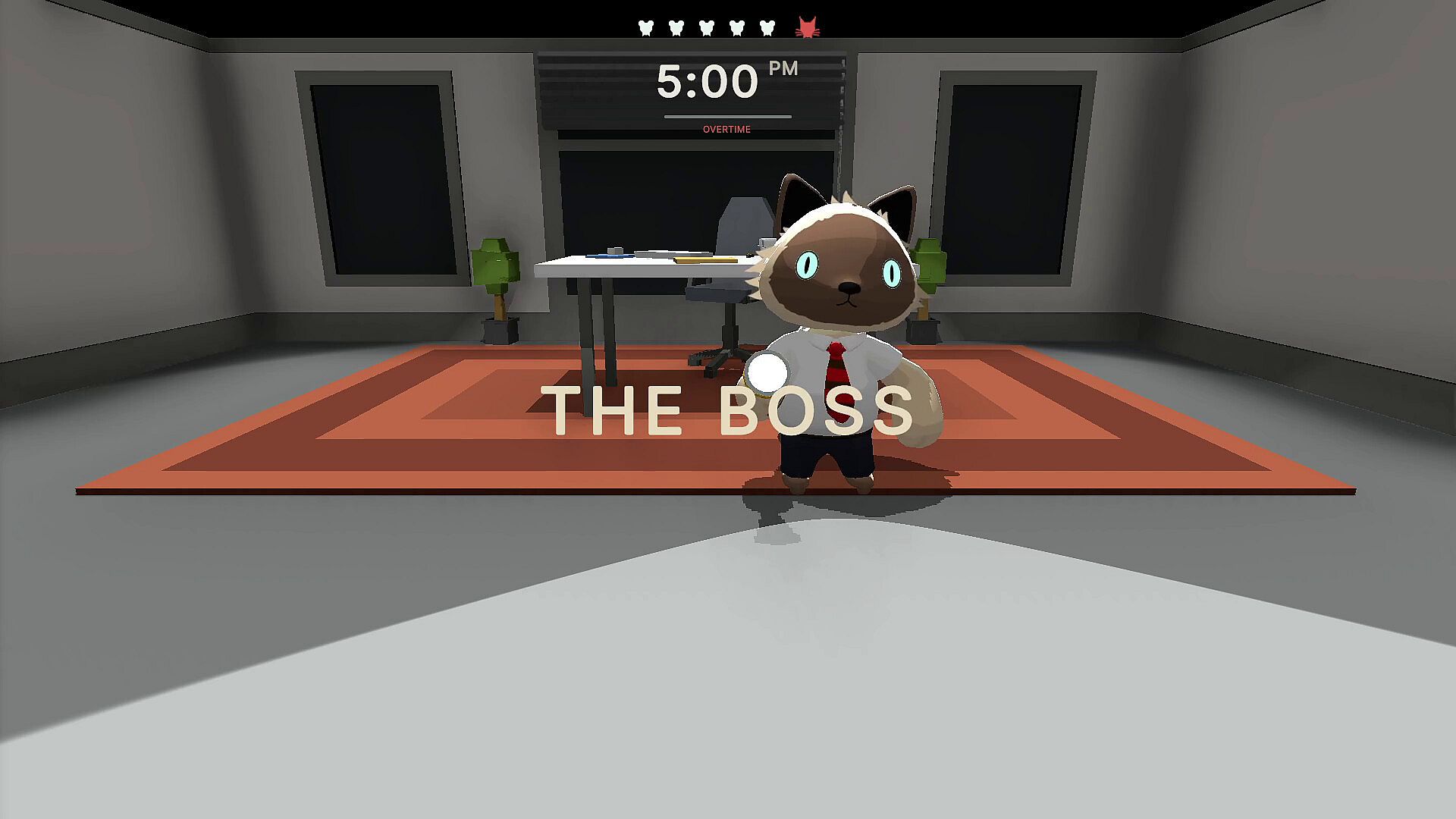
The Boss role features distinct archetypes that alter the chase. The Micromanager uses a broad floodlight and extended hearing range. The Intern relies on speed and a small penlight but risks stumbling over rearranged objects. The Director deploys pings and tags to monitor from a distance. Each variant demands Employees adapt their routes and cover choices.
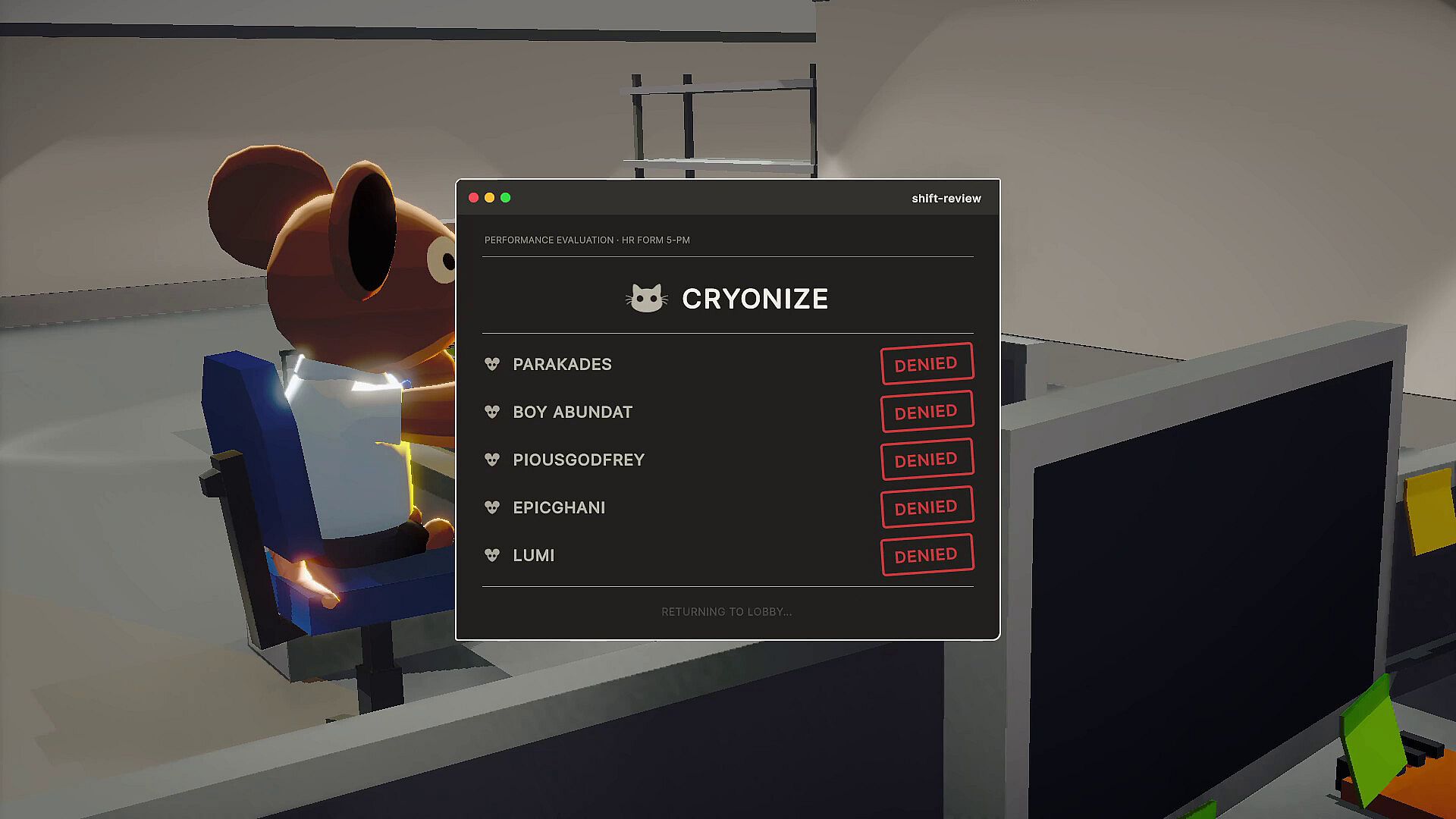
Every round builds to a frantic finale. With ten seconds remaining, surviving Employees abandon stealth and sprint toward the clock-out machine while the Boss tracks the final dash.
Game Modes
The game centers on its signature asymmetric multiplayer format. One player controls the Boss while others play as Employees in matches that emphasize preparation, evasion, and a timed escape. This structure forms the primary experience, with no additional named modes confirmed at this stage.
Matches unfold across a single office map where player actions during setup directly influence the outcome. The focus remains on the interplay between stealth mechanics, task completion, and the high-stakes final sprint rather than separate playlists or variants.
Key Mechanics and Features
Furniture movement serves as the foundation for player agency. Employees reshape sightlines and light patterns to build personalized escape networks before the Boss enters the scene. Shadows function as both cover and pathways, rewarding careful placement over random positioning.
Slacker Tasks introduce risk-reward decisions. Completing them advances the clock-out process but forces Employees into lit areas where detection becomes likely. Distractions and voice chat further layer deception and teamwork into every session.
The corporate noir aesthetic uses high-contrast lighting to heighten tension. Noisy elements within the office, from client calls to water coolers, act as dynamic threats that can shift momentum without warning.
Is It Worth Playing?
Clock-out Denied targets fans of asymmetric stealth and social deduction experiences who enjoy strategic setup phases alongside chaotic chases. Its Early Access status means the core loop is playable and stable, with developers actively gathering feedback on balance between Boss and Employee sides.
Players interested in furniture-based environmental manipulation, proximity communication, and archetype-driven asymmetry will find the foundational systems already in place. The game plans an extended Early Access period of roughly six to twelve months before full release, during which new archetypes, maps, and optional perspectives may arrive based on community input.
Those seeking polished, complete experiences may prefer to wait for further updates. Supporters of small indie teams working on unique multiplayer concepts can contribute to development through play and feedback while enjoying the current asymmetric office survival loop.