

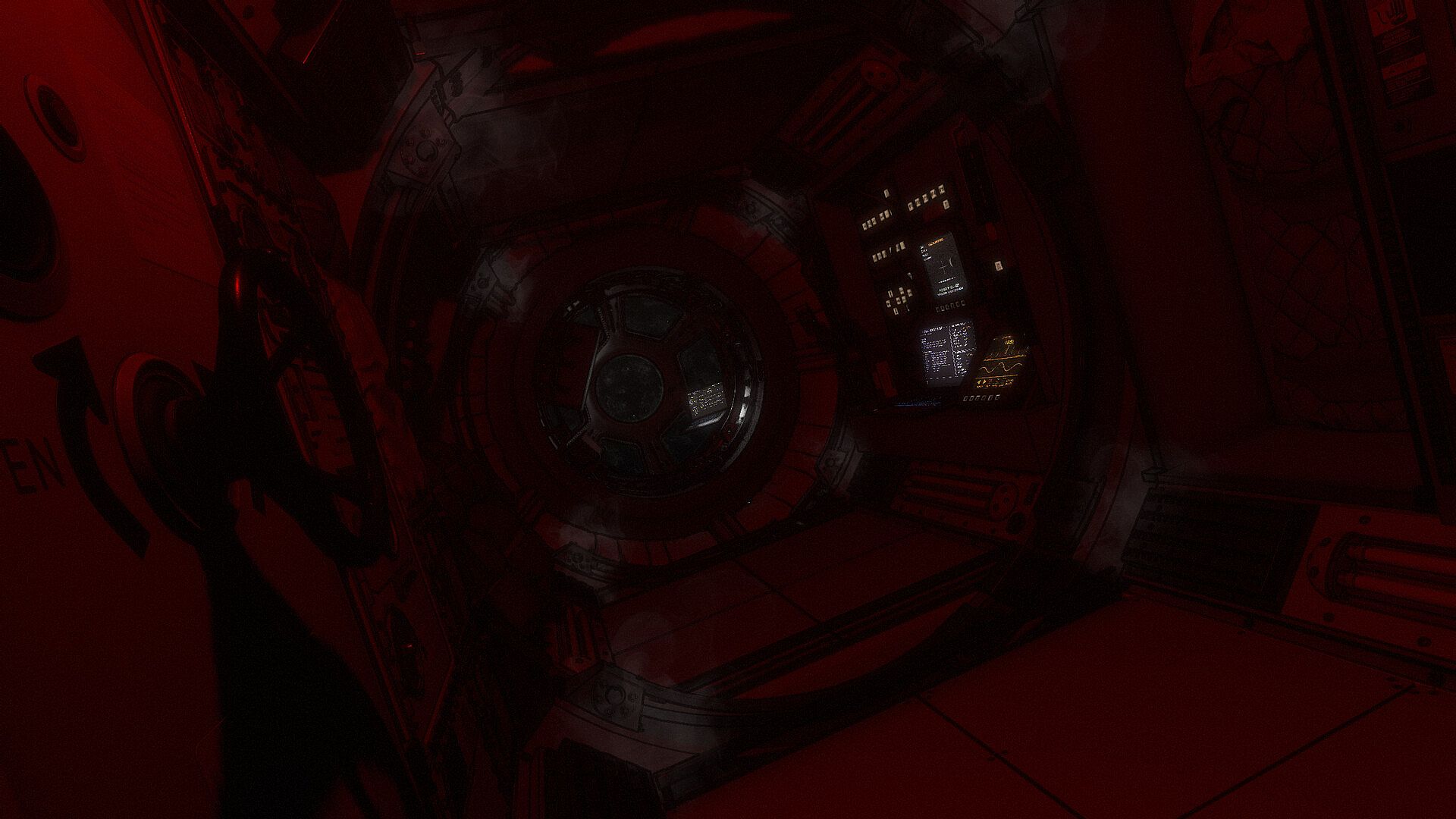
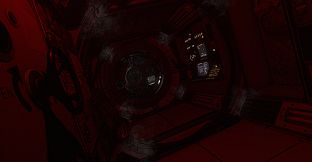
Closer Than Stars is an indie simulation adventure game that places players in the role of Owen, a radio observatory operator stationed in the Jovian system. Set aboard the remote JANUS-3 array, the experience blends routine technical tasks with a slow-building psychological sci-fi horror narrative. Players work in isolation at the G-Node near Ganymede while maintaining contact with Rachel at her node near Callisto, millions of kilometers away. The core premise revolves around monitoring deep space for faint radio signals, a job that starts as standard procedure but gradually shifts into something far more unsettling as unexplained phenomena emerge.
Gameplay
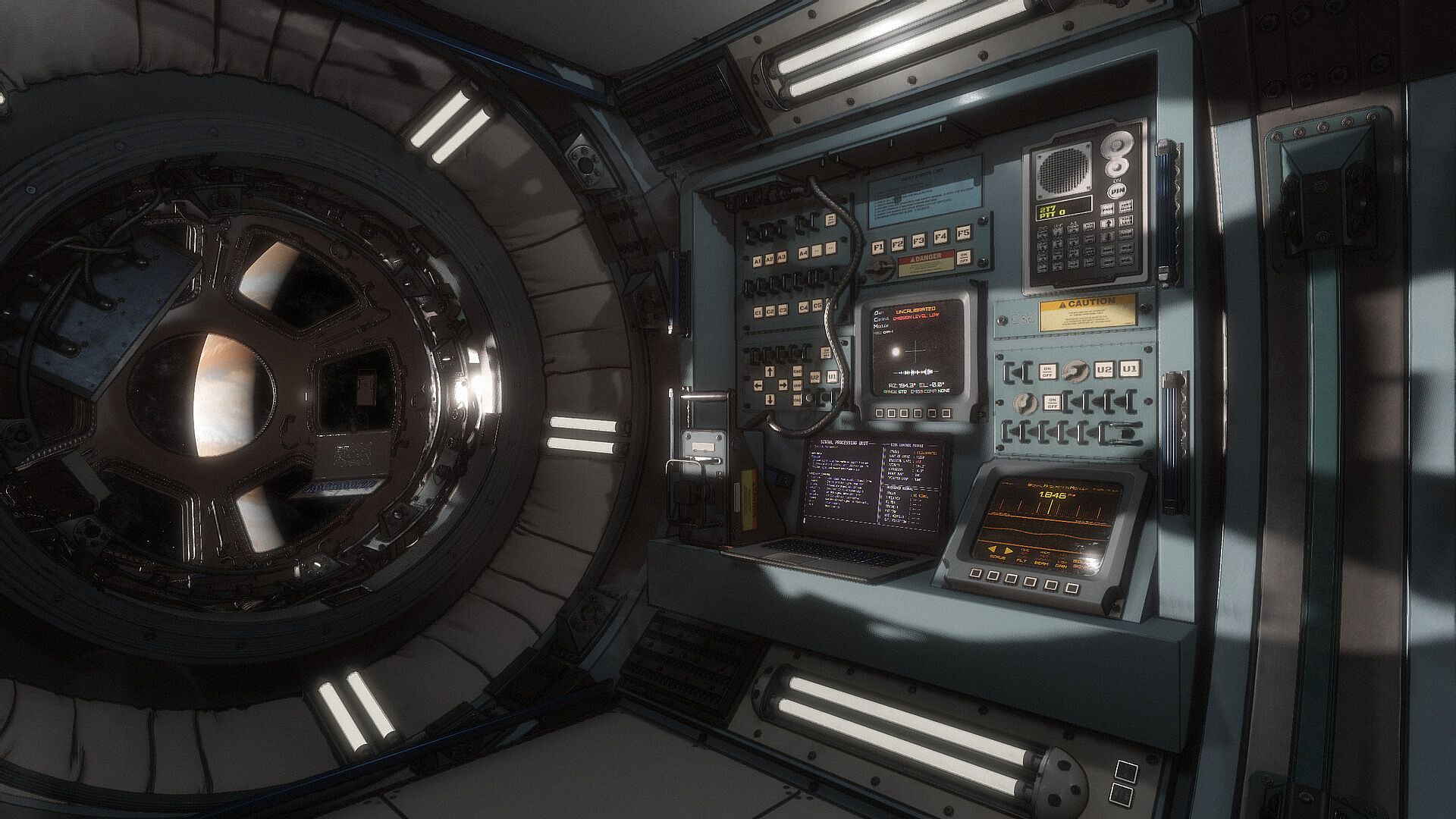
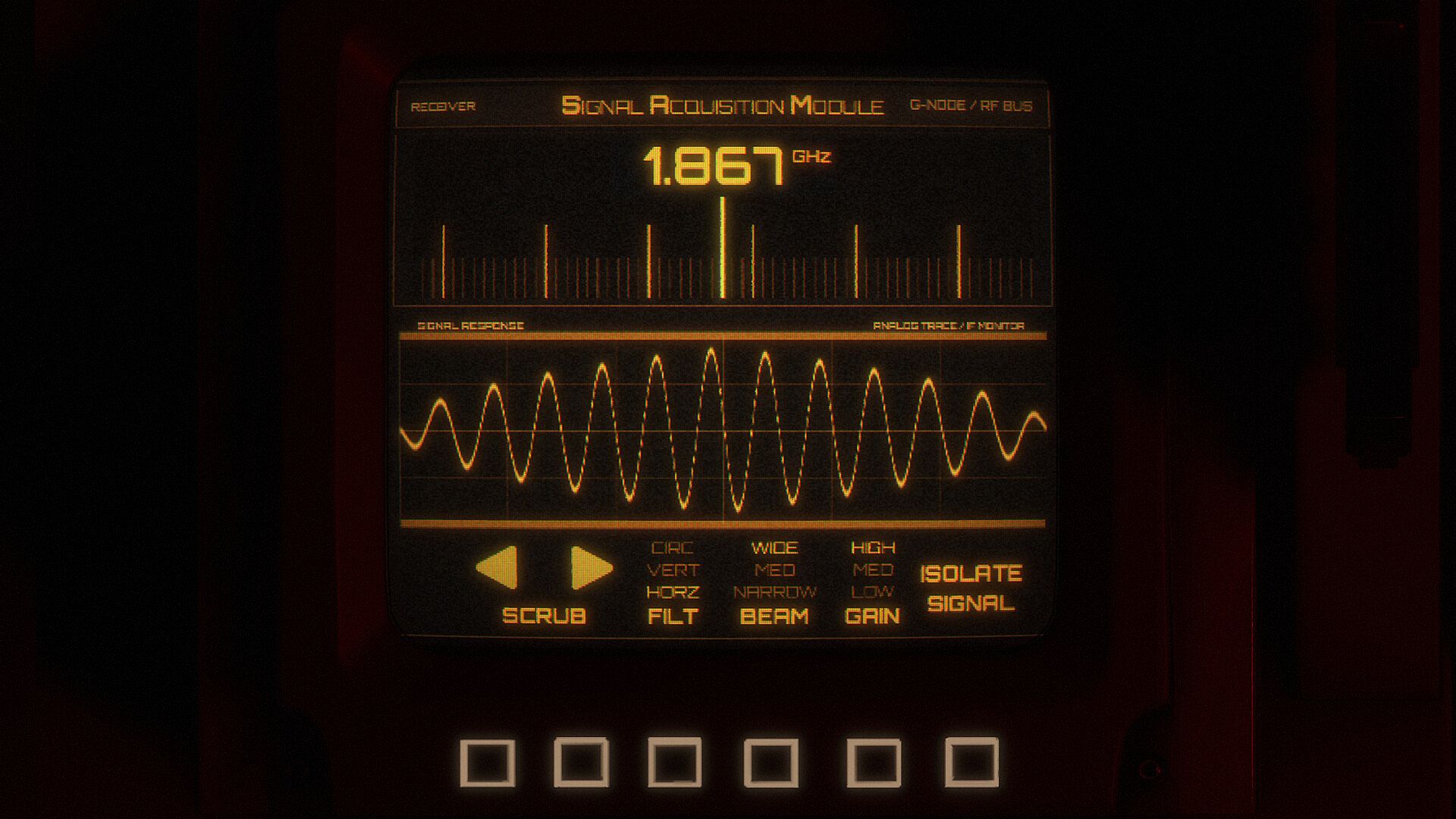
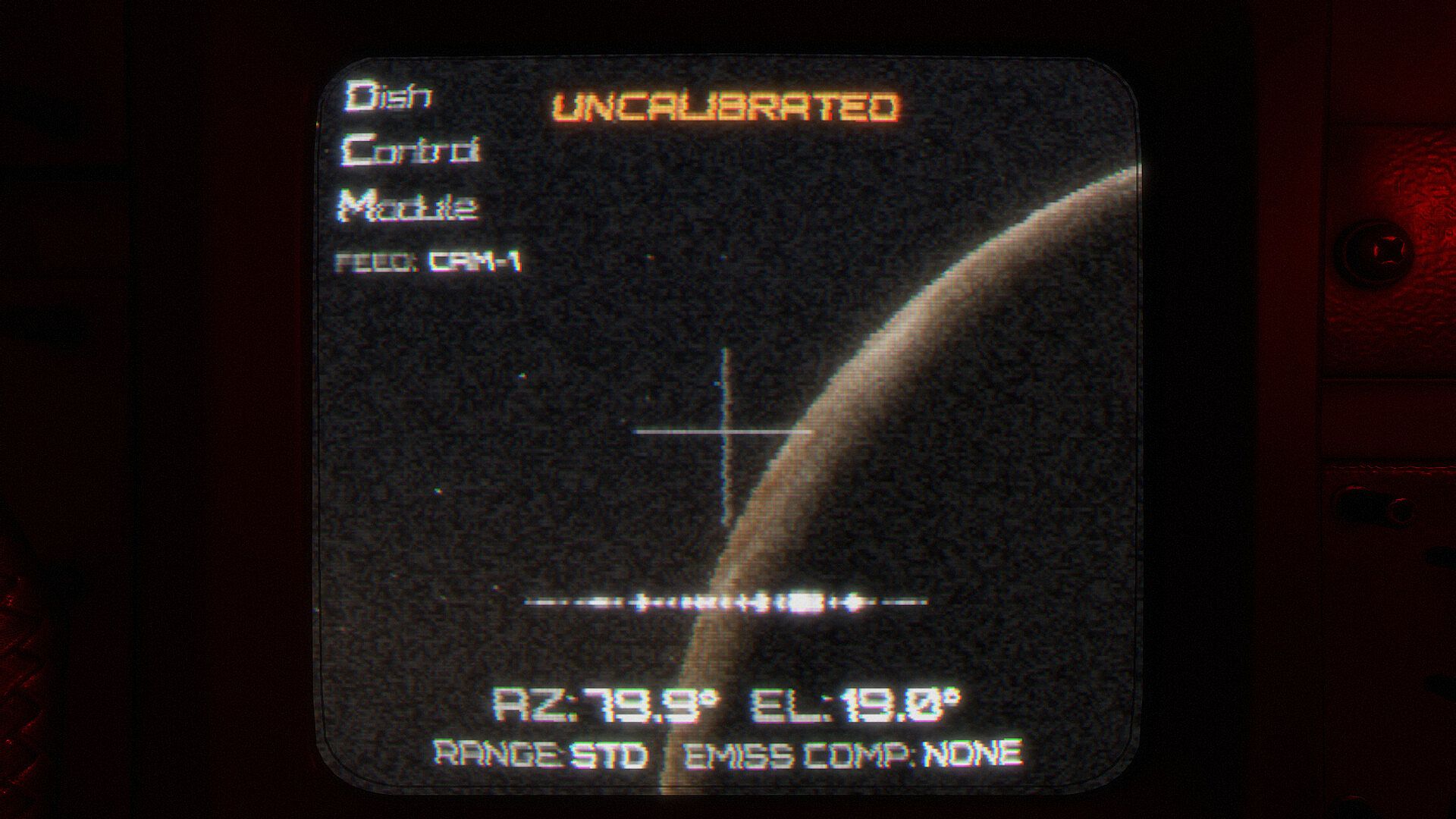
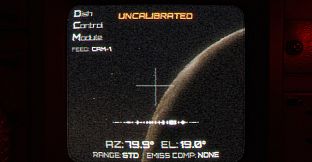
The gameplay centers on operating specialized station equipment in a first-person perspective. Players use the Signal Acquisition Module to scan the spectrum, tune frequencies, and pull possible detections out of background noise. Once a signal stands out, the Dish Control Module comes into play for adjusting the array, maintaining line of sight, and capturing recordings despite interference or obstructions that can affect accuracy.
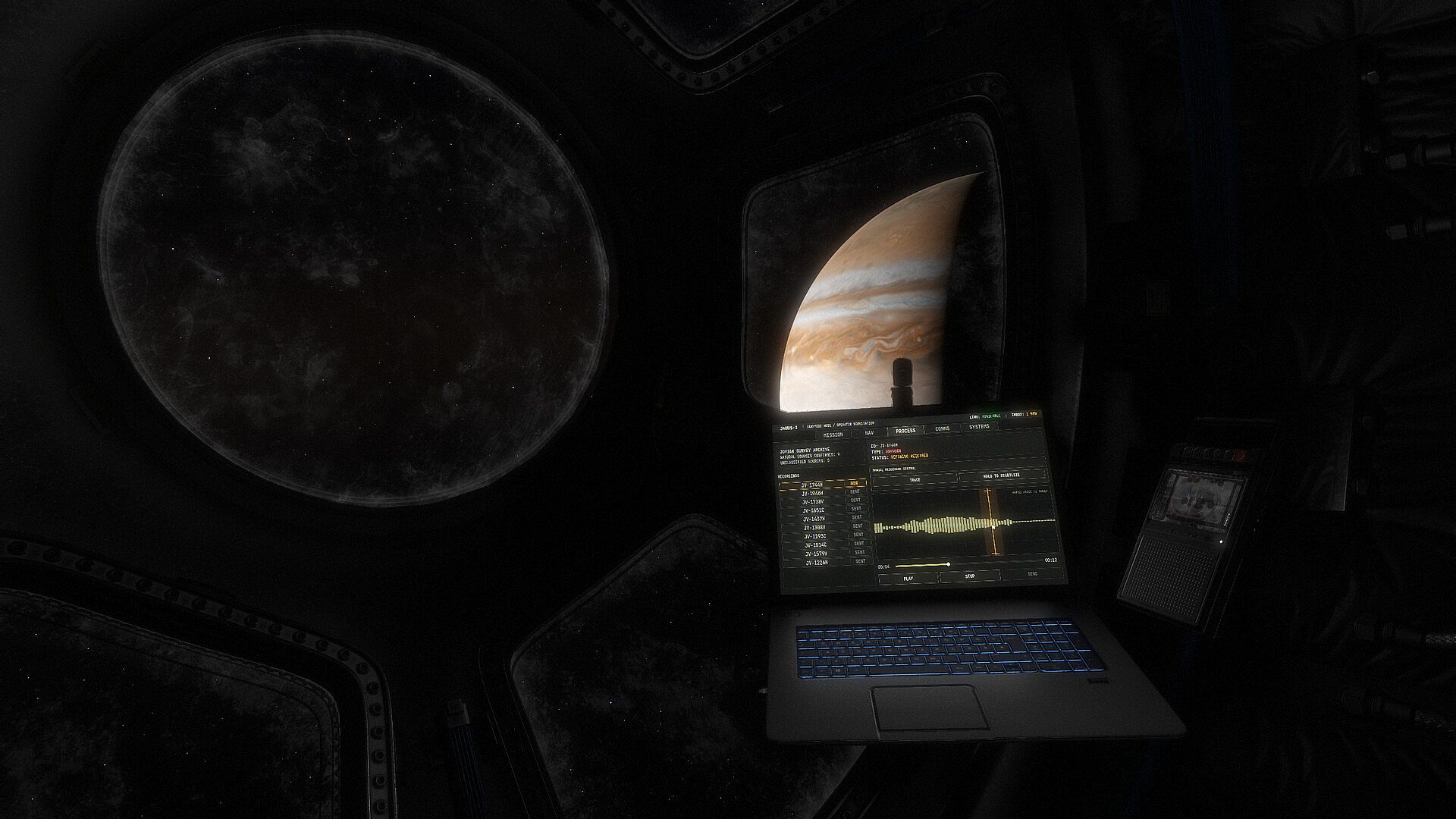
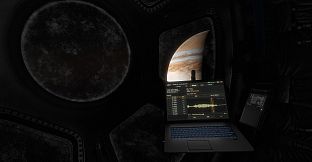
After gathering data, attention turns to the workstation where recordings undergo review and refinement. Unusual signals receive closer scrutiny, and results from both nodes of the JANUS-3 array are compared side by side. The process demands careful attention to detail, as some readings prove straightforward while others grow more ambiguous with examination. Between shifts, limited contact with Rachel provides the only regular human interaction, adding a layer of interpersonal tension to the isolated setting.
Environmental and technical challenges shape each session. Imperfect readings, physical obstructions, and the vast distances involved create realistic hurdles that mirror the demands of actual deep-space observation. The narrative unfolds through these activities, with the Jovian system serving as a stark, remote backdrop that heightens the sense of separation and unease.
Game Modes
Closer Than Stars delivers a single focused narrative experience rather than a selection of distinct modes. The entire game revolves around the integrated workflow of signal detection, tracking, and analysis within the JANUS-3 observatory framework. Players progress through a linear story that incorporates these technical tasks as the primary interactive elements, with no separate multiplayer components or branching side activities confirmed.
The structure emphasizes a cohesive single-player campaign built around the daily operations of the radio array. Routine monitoring sessions gradually incorporate narrative developments that affect how signals are interpreted and how the relationship with Rachel evolves. This unified approach keeps the emphasis on atmosphere and psychological tension over varied gameplay formats.
Narrative and Setting
The story unfolds in the Jovian system aboard JANUS-3, a remote radio observatory designed for deep-space signal monitoring. Owen operates one node near Ganymede while Rachel handles the second near Callisto, creating a setup defined by physical distance and reliance on voice communication. Months of shared routine give way to growing uncertainty as signals resist simple explanations and familiar patterns begin to feel unreliable.
Psychological elements emerge through the isolation, the ambiguity of the data, and the shifting dynamics of the sole human connection available. The sci-fi horror tone builds from the contrast between precise technical work and the inexplicable nature of certain detections. The setting remains grounded in the mechanics of radio astronomy, using the vastness of space and the limitations of equipment to underscore vulnerability and doubt.
Is It Worth Playing?
Closer Than Stars suits players who enjoy deliberate, atmospheric experiences that combine simulation mechanics with psychological narrative. The gameplay loop of scanning, tracking, and analyzing signals offers a methodical pace that rewards patience and observation. Those drawn to first-person sci-fi horror with a focus on isolation and interpersonal subtlety will find the core loop aligns closely with the described premise.
The game presents a contained, narrative-driven package without additional modes or ongoing seasonal content. Its strength lies in the integration of technical tasks with an unfolding story set in the Jovian system. Players seeking fast-paced action or expansive multiplayer features may find the focused single-player structure less appealing, while fans of slow-burn tension and equipment-based interaction stand to appreciate the emphasis on routine turning unsettling.