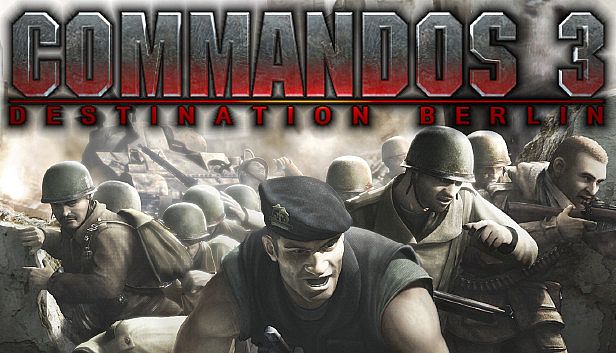




















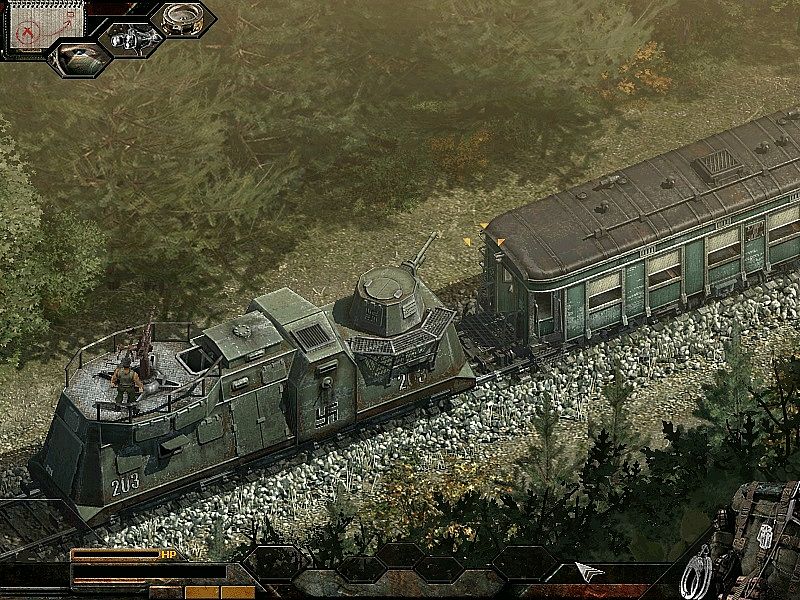
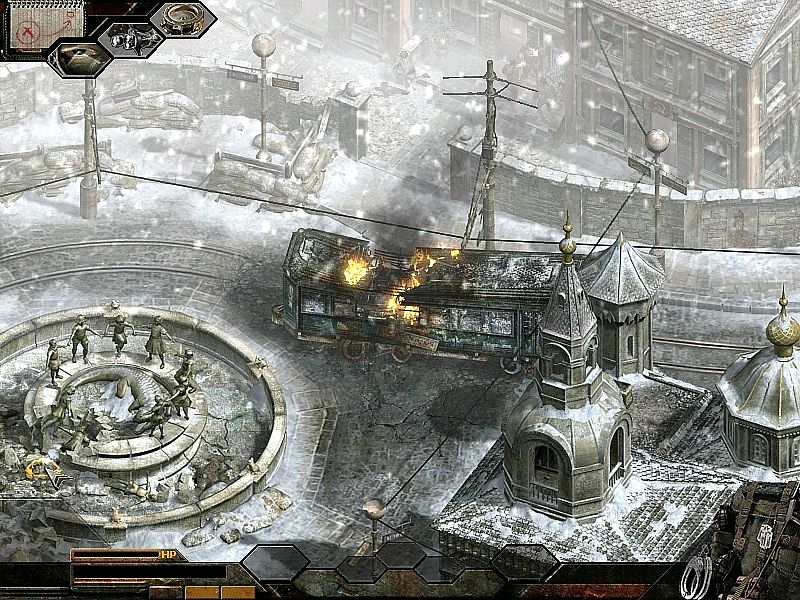
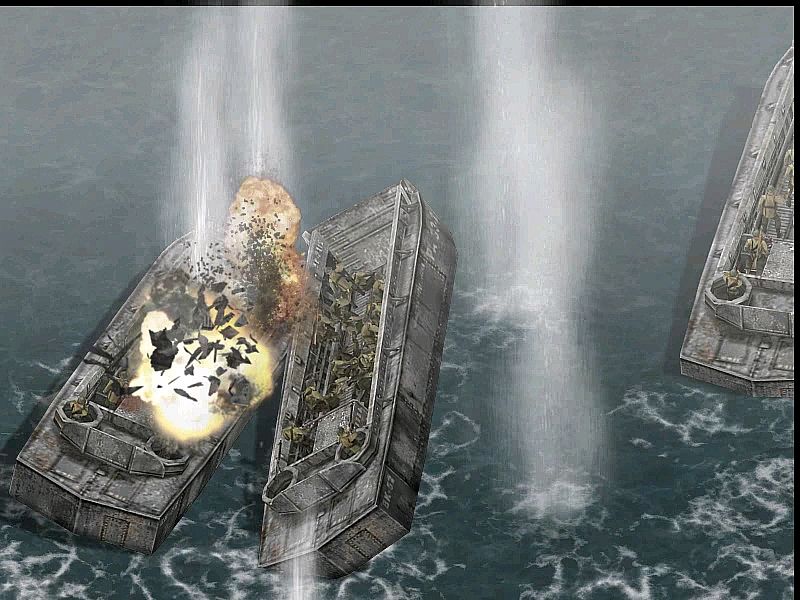
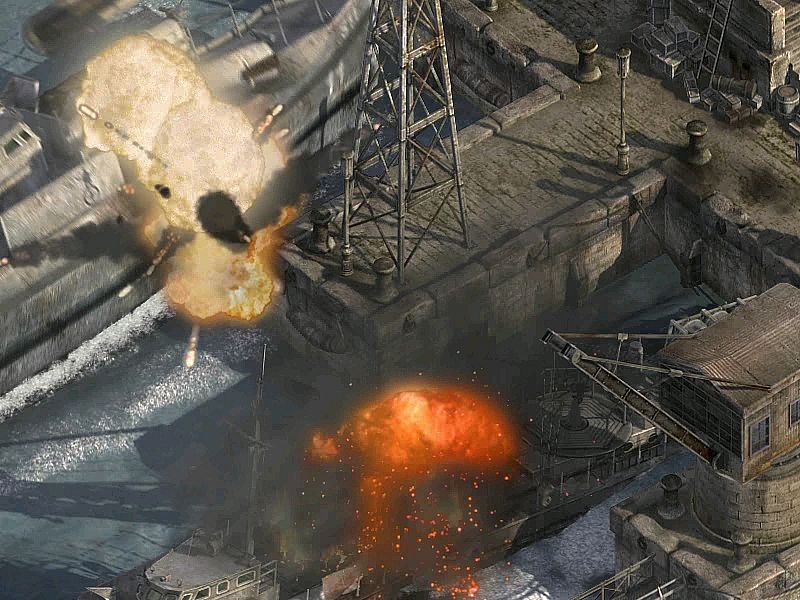
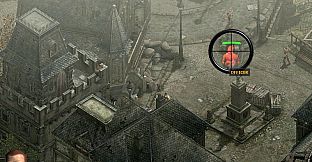
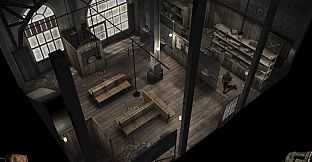
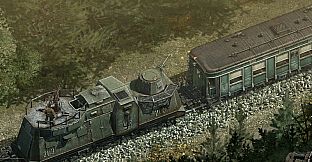
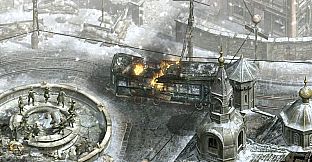
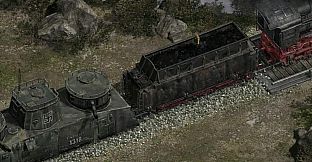
Commandos 3: Destination Berlin is a real-time tactics game that puts players in command of an elite Special Forces unit operating behind enemy lines during World War II. Set across the European theater, the experience focuses on infiltration, disruption of German operations, and tactical decision-making in varied environments from coastal landings to urban strongholds.
Gameplay
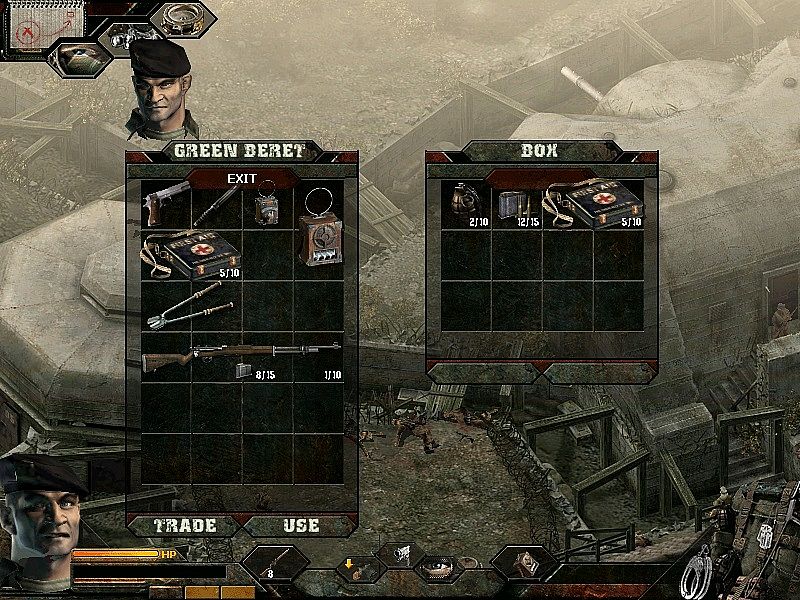
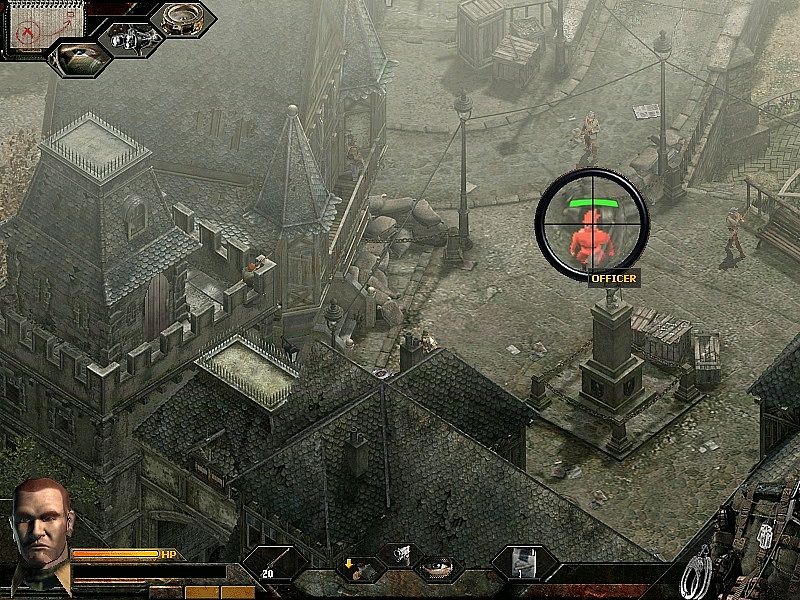
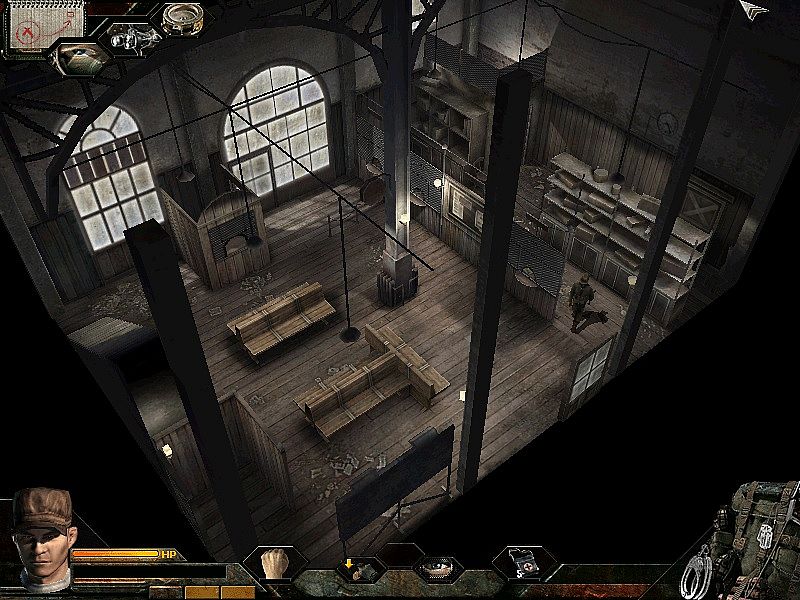
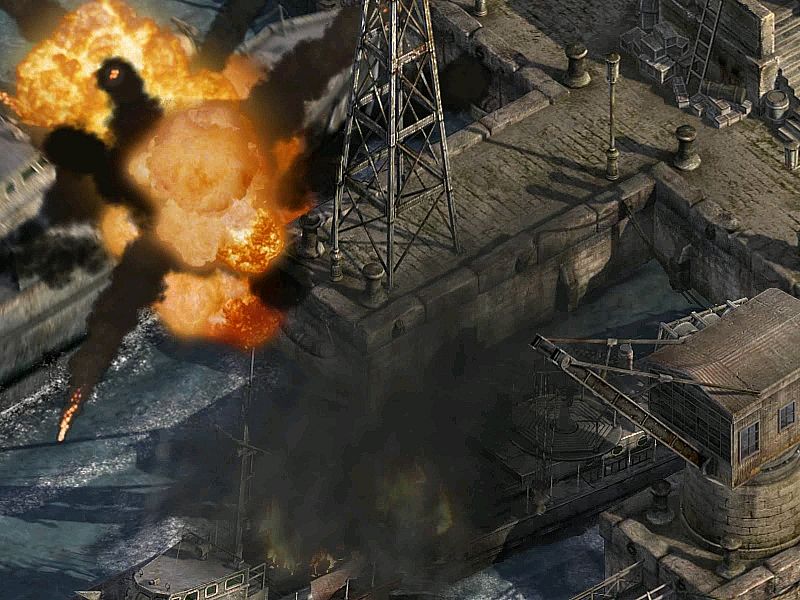
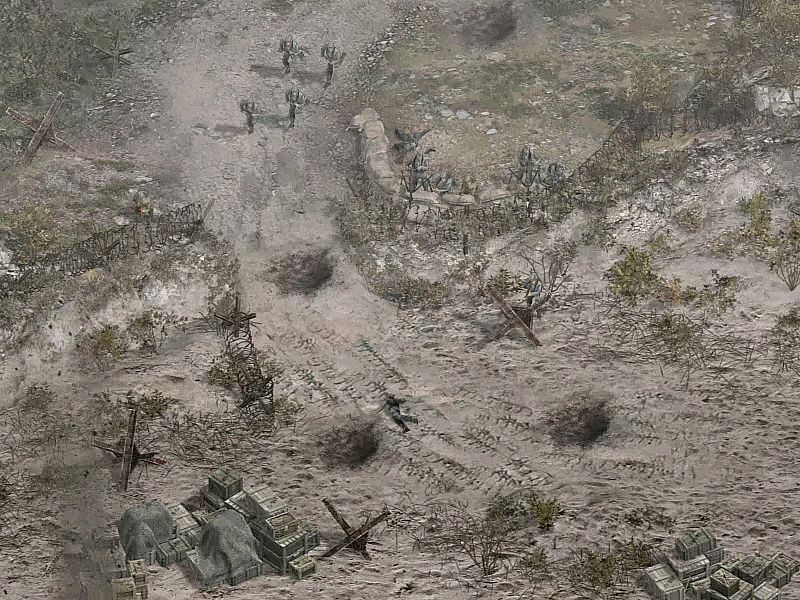
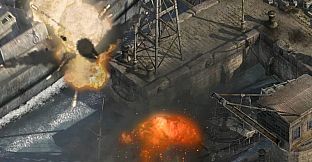
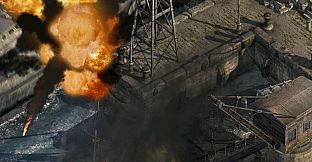
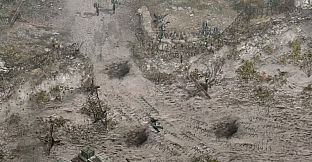
The core loop revolves around directing a small team of commandos through hostile territory using a combination of stealth, direct assaults, ambushes, and sabotage. Players navigate both interior spaces like buildings and exterior areas such as beaches and streets, adapting to threats in real time. Environmental changes play a key role, as enemy bombing raids can alter the landscape and force immediate shifts in approach.
Smaller, more detailed maps emphasize quicker mission pacing compared to earlier entries in the series. Each location presents distinct challenges, requiring careful positioning, use of cover, and coordination among unit members to complete objectives without unnecessary exposure. The emphasis remains on planning routes, timing movements, and exploiting weaknesses in enemy patrols or defenses.
Game Modes
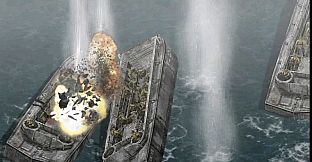
Single-player content centers on a campaign of interconnected missions that advance through key WWII locations including Stalingrad on the Eastern Front, Gestapo headquarters in Berlin, and the D-Day landings at Omaha Beach. These scenarios build on one another, with each offering unique tactical demands tied to the historical setting.
Multiplayer expands the options with dedicated deathmatch and cooperative modes. Deathmatch supports head-to-head competition between players controlling opposing forces, while cooperative sessions allow teams to tackle objectives together. Both modes introduce direct player-versus-player or player-versus-environment elements not present in the campaign.
Campaign Structure
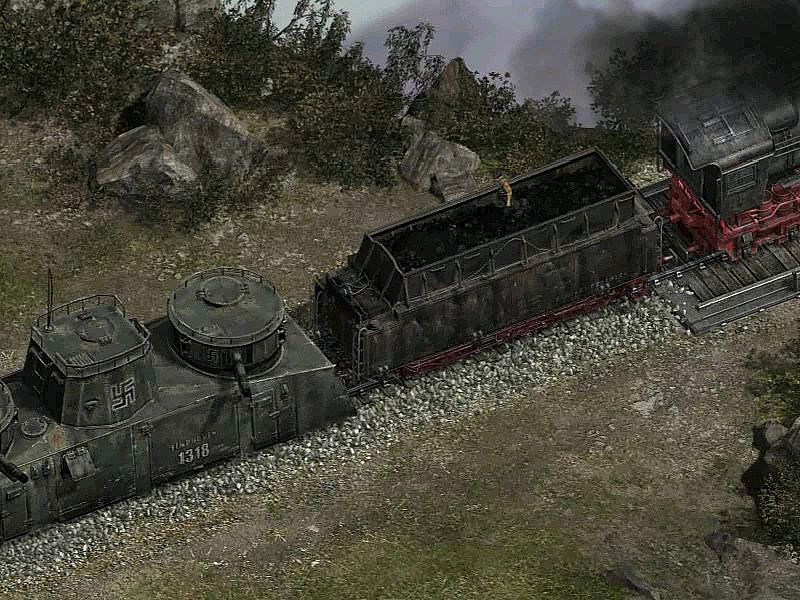
Missions form a continuous narrative thread that moves from initial landings in France through to operations deep inside the Third Reich. Objectives typically involve disrupting supply lines, eliminating key targets, or gathering intelligence, all while managing limited resources and avoiding detection where possible. The structure rewards repeated playthroughs as players refine tactics based on prior outcomes and environmental variables.
Accessibility improvements appear through the compact map designs that deliver focused action sequences within the broader campaign arc. This setup keeps individual missions self-contained yet connected, allowing steady progression without excessive backtracking or large-scale map navigation.
Is It Worth Playing?
Player reception on Steam stands at mixed, with 61 percent of 935 reviews rated positive. The title appeals most to those seeking deliberate real-time tactics gameplay rooted in WWII history, where careful observation and precise execution matter more than fast reflexes. Individuals who enjoy managing small squads through infiltration and sabotage scenarios will find the mechanics align closely with that preference.
Support for the game remains limited to its original release state from 2003, with no ongoing seasons or major patches. Availability on PC makes it straightforward to access for anyone interested in classic tactics experiences. Those drawn to the genre's emphasis on planning and adaptation rather than modern action conventions may find value in its focused campaign and multiplayer options, while others seeking updated visuals or extensive post-launch content could look elsewhere.