

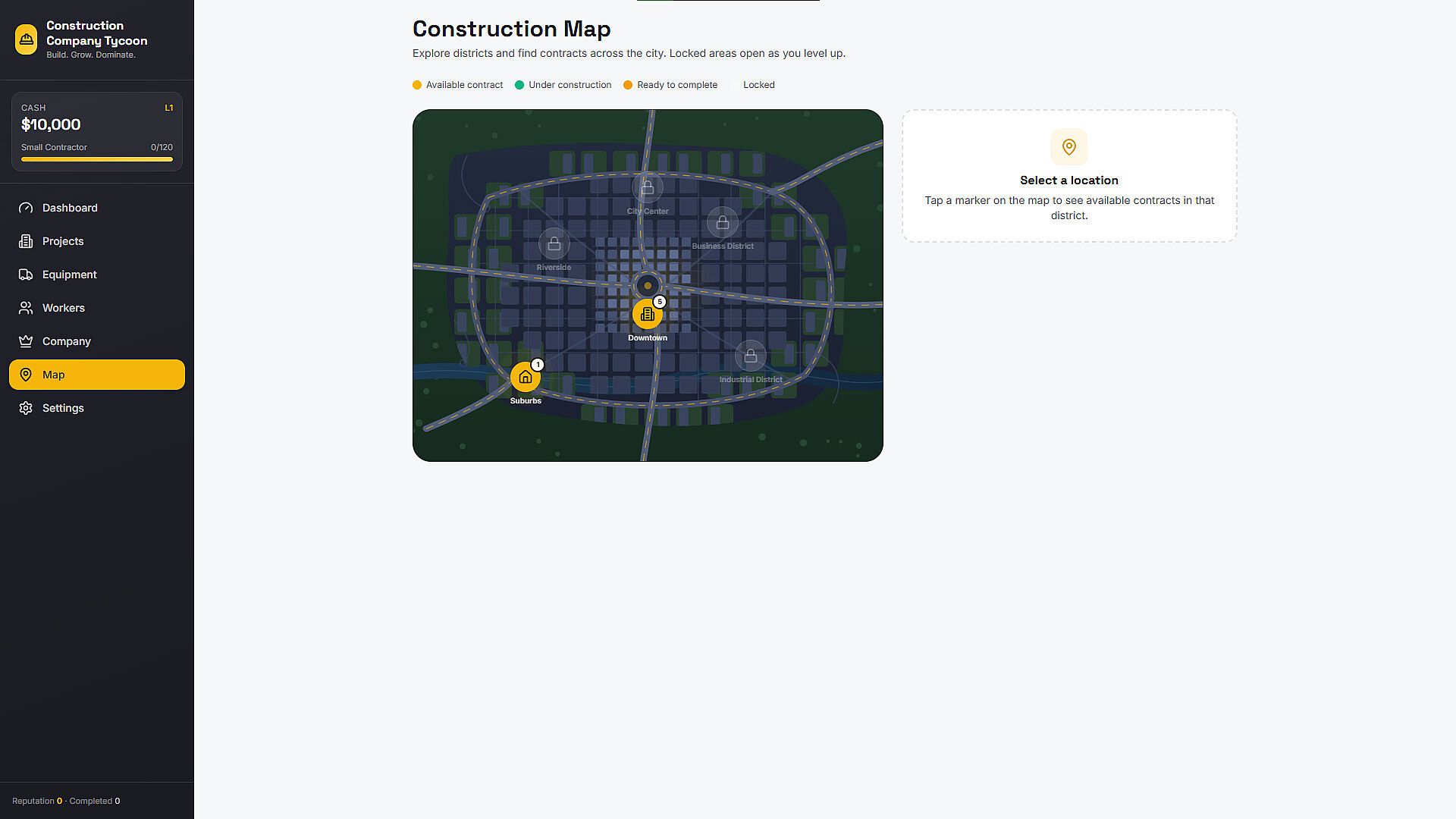
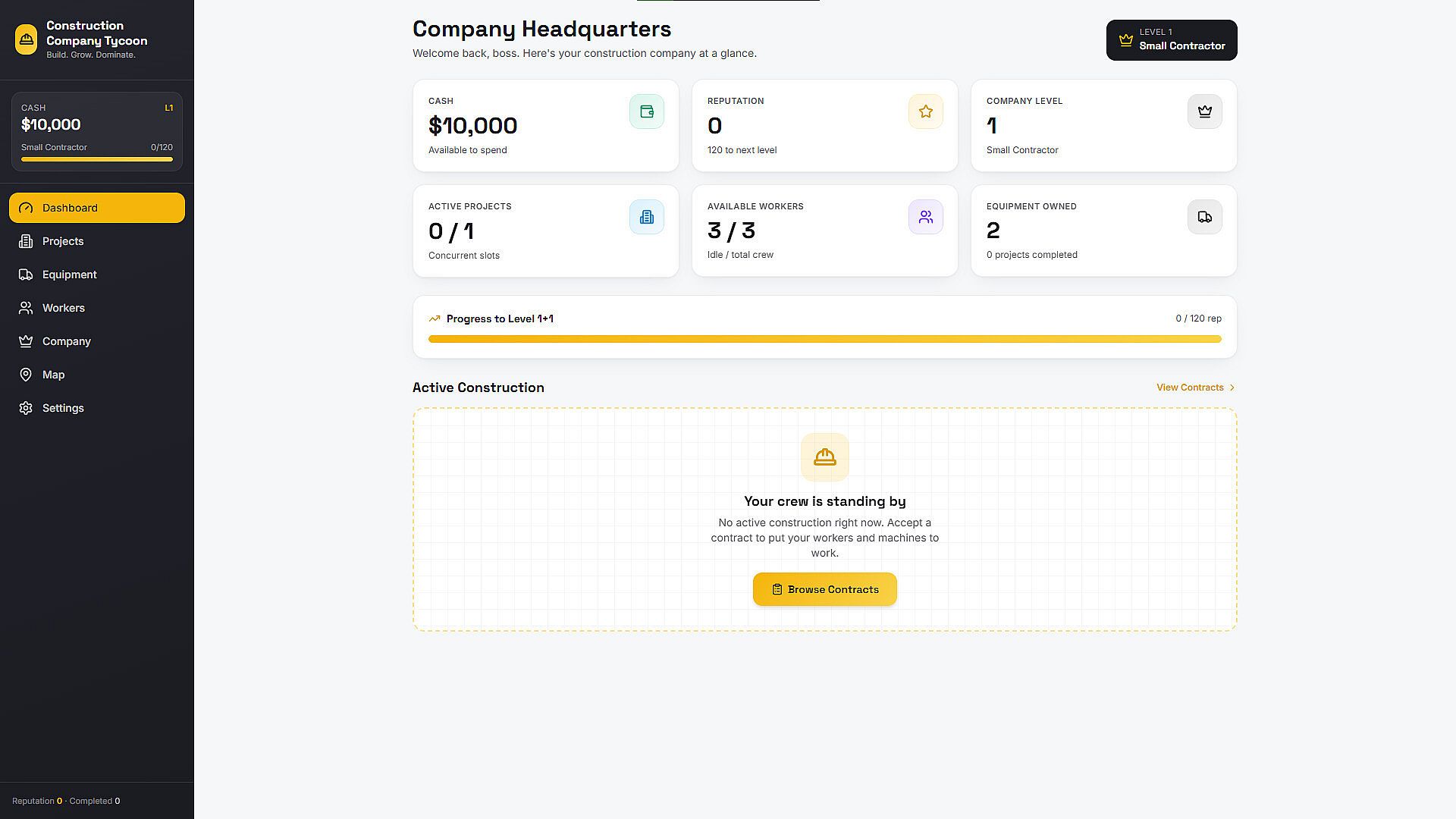


Construction Company Tycoon is a strategy and simulation game on PC in which players manage every aspect of a construction business. The title places emphasis on steady expansion through contract selection, workforce oversight, equipment acquisition, and financial oversight, all while avoiding overextension that could threaten profitability.
Gameplay
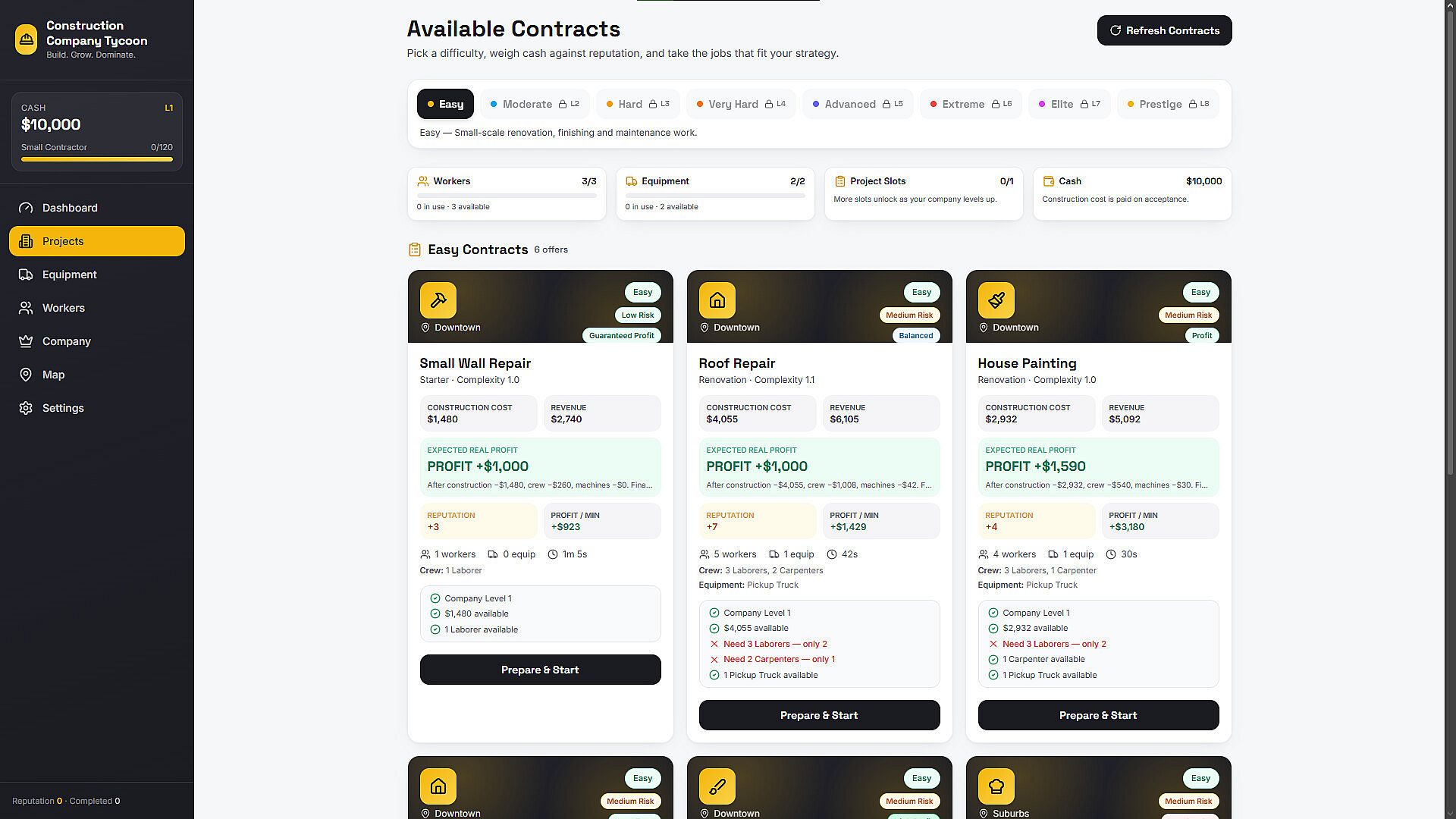
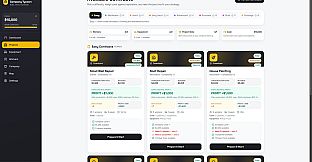
Core play revolves around starting with limited resources and scaling operations through completed projects. Players evaluate available contracts based on current capacity in workers and machinery, then allocate those assets to fulfill the work and generate revenue. Each choice carries trade-offs, such as committing funds to a large job that might strain cash flow if unexpected costs arise.
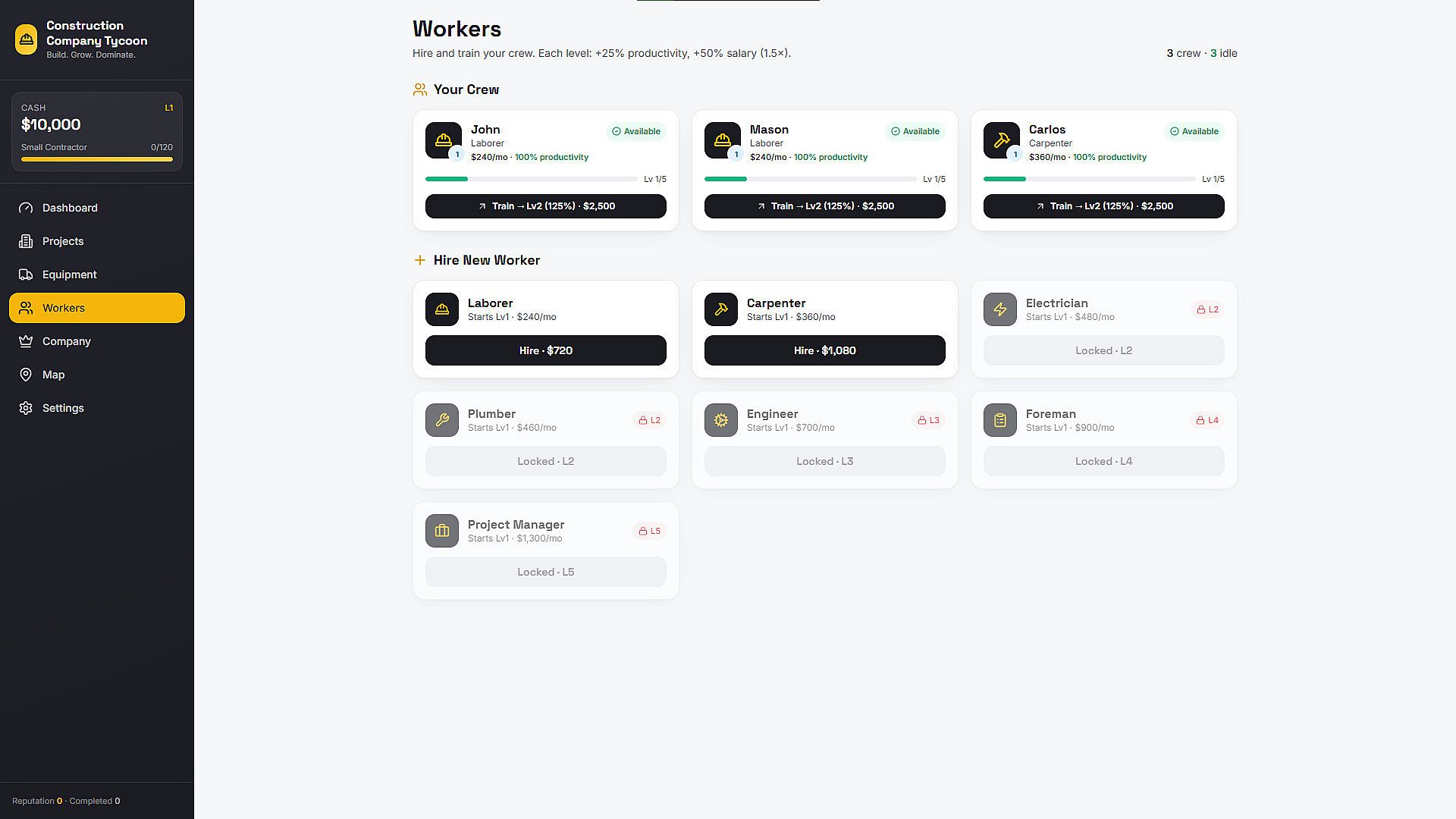
Workforce management forms a central pillar. Hiring decisions determine how many projects can run simultaneously, and maintaining the right mix of skills ensures efficiency on varied job sites. As the company grows, balancing payroll against incoming payments becomes essential to avoid cash shortages during slower periods.
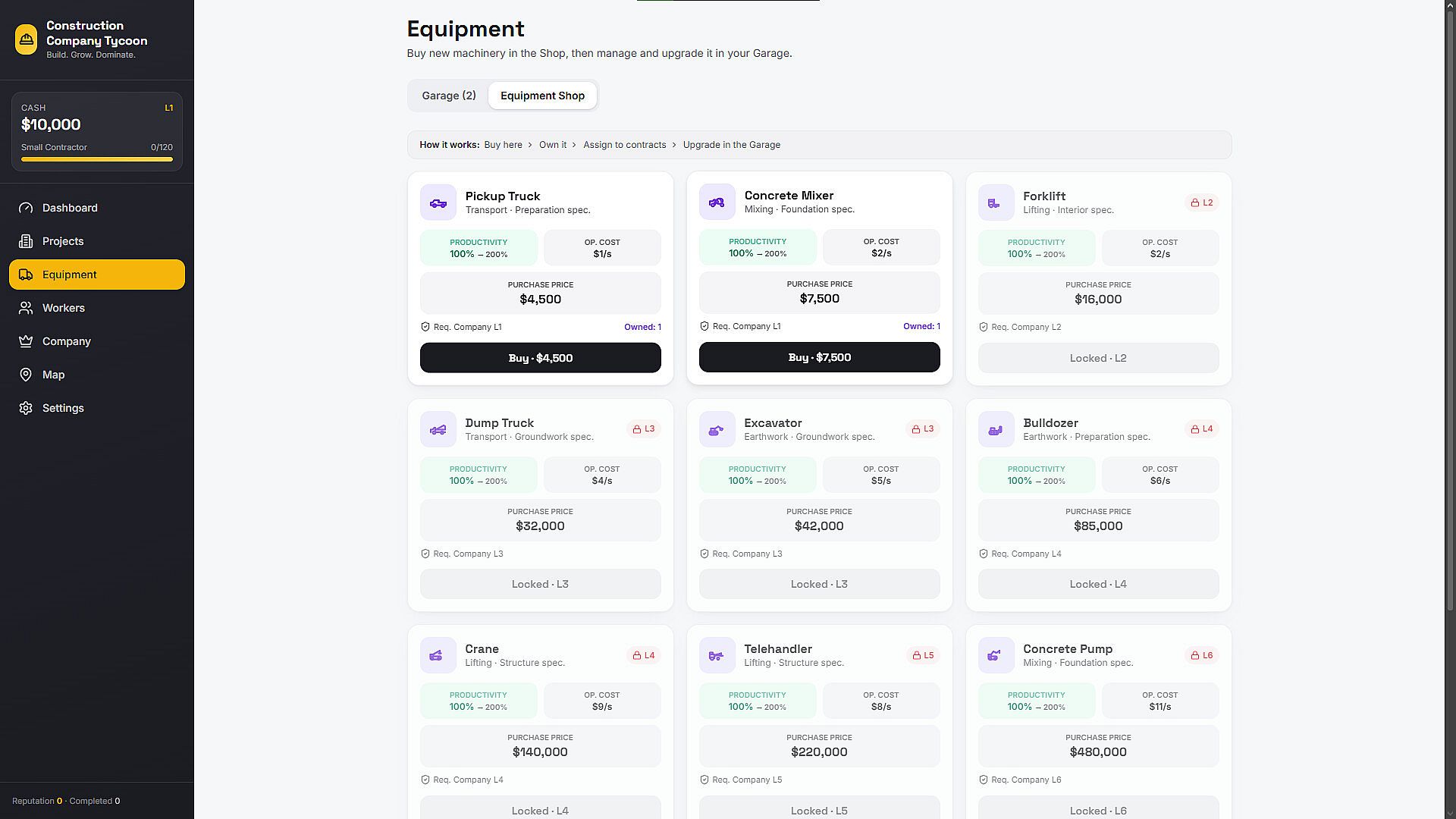
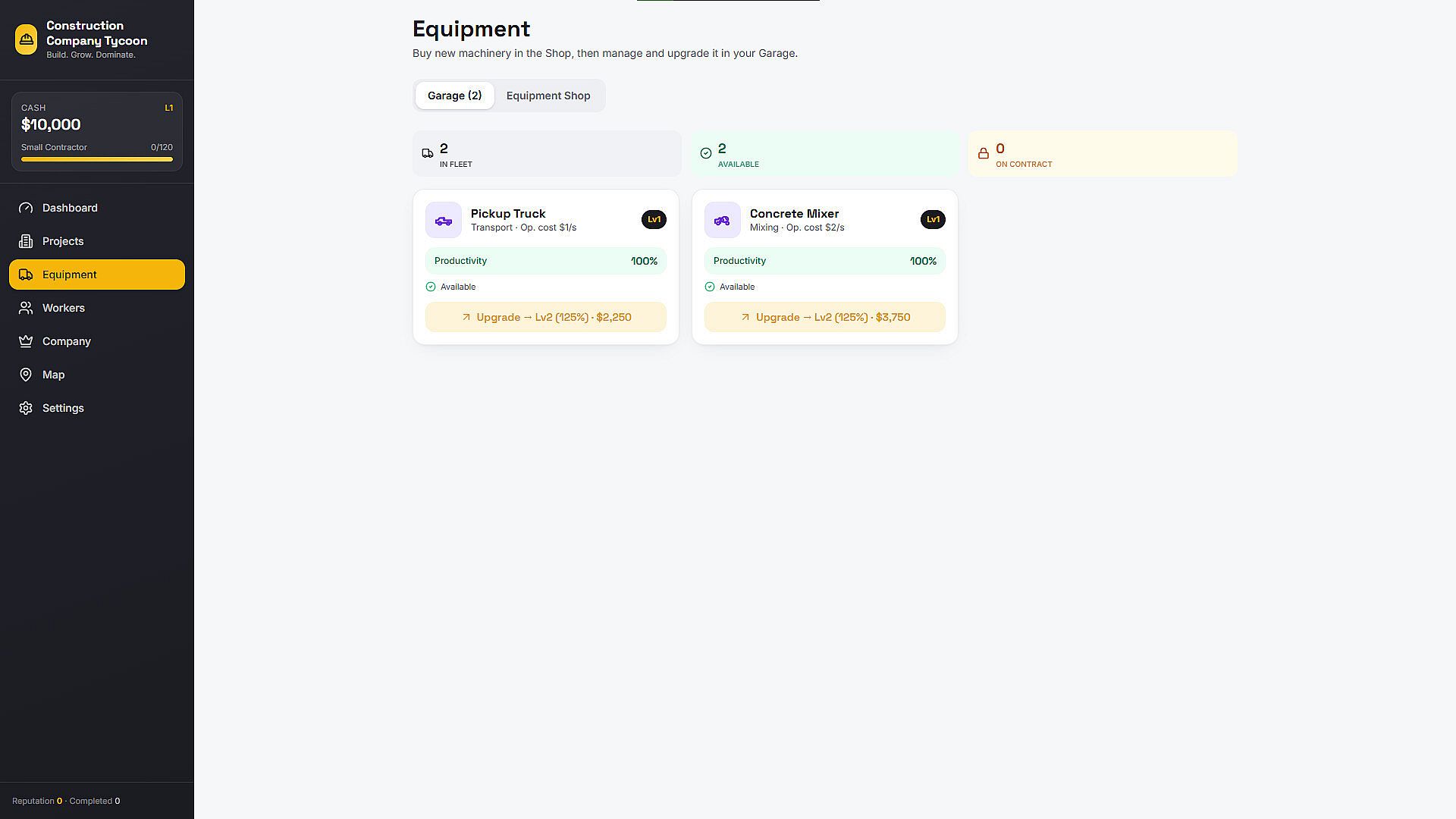
Equipment purchases represent another key investment layer. Acquiring and upgrading machines unlocks access to more complex contracts that demand greater capability. Strategic timing of these buys helps match fleet strength to the scale of opportunities being pursued, while avoiding unnecessary expenditures that reduce available capital for other needs.
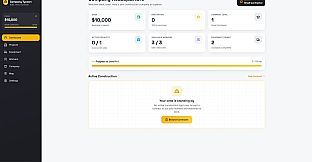
Financial tracking ties the systems together. Income from finished contracts must cover ongoing costs like wages and maintenance, with surplus directed toward growth. Prudent players monitor expenses closely and time expansions to periods of strong cash reserves, which supports survival through lean stretches and faster overall progress.
Game Modes
The game operates as a single continuous management simulation. Progress occurs by completing contracts, reinvesting earnings, and gradually increasing company scale without separate named modes or competitive brackets. The structure encourages long-term planning across successive projects rather than isolated sessions or versus play.
Advancement follows a linear yet flexible path. Early contracts build basic stability, while later opportunities reward those who have expanded capabilities in personnel and assets. This progression model rewards careful pacing and repeated evaluation of whether the business is ready for bigger commitments.
Company Growth and Decision Making
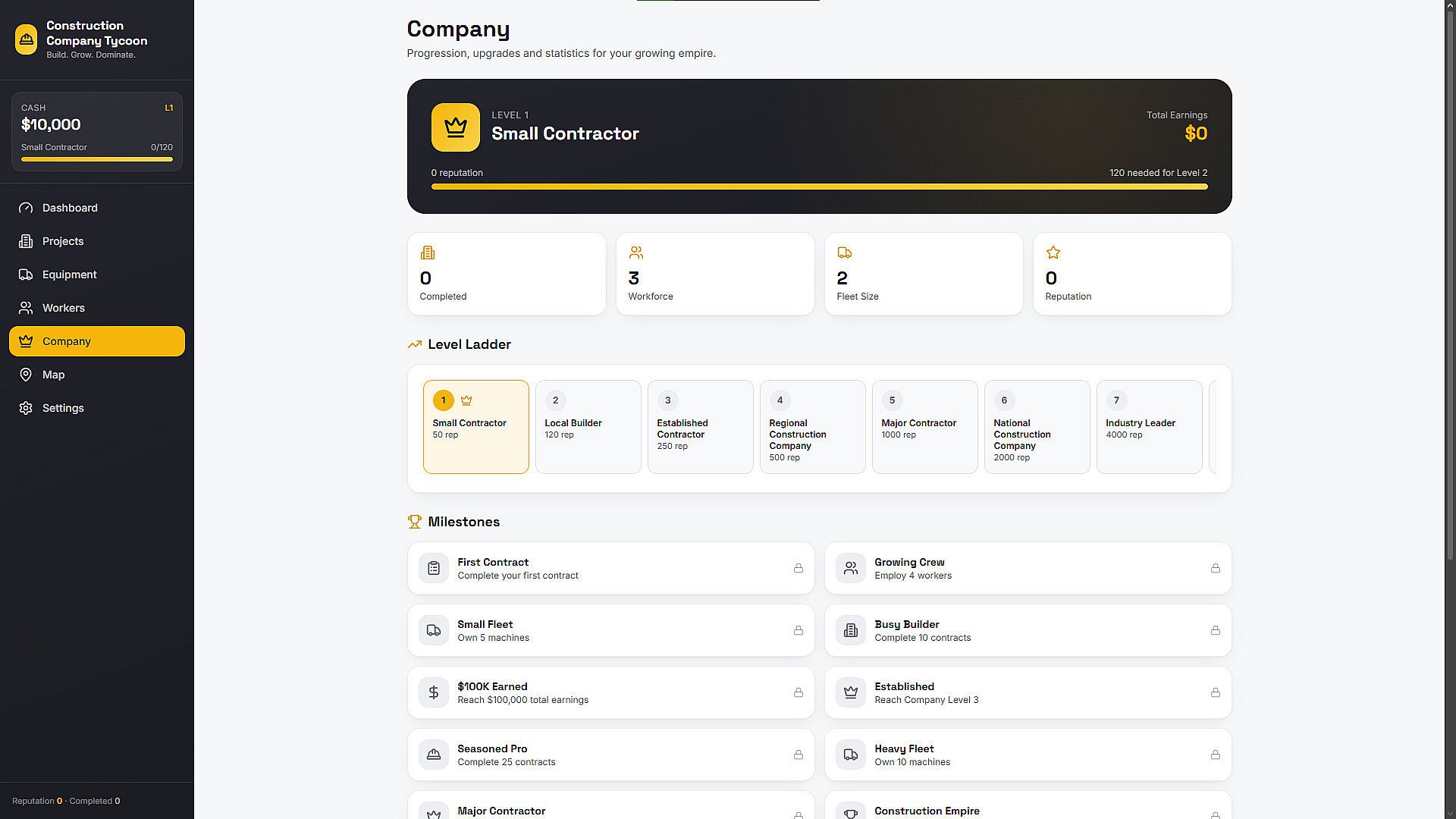
Expansion unfolds through incremental improvements to operations. Unlocking new contract tiers requires demonstrated readiness in equipment, staffing, and finances, which creates natural checkpoints that test overall management skill. Players who expand too aggressively may face coordination challenges, while those who move cautiously can maintain steady profitability.
Strategic choices extend to every major area. Contract selection involves matching project demands to available resources. Workforce adjustments respond to workload fluctuations. Equipment upgrades open doors but consume capital that could otherwise support multiple smaller jobs. Financial decisions determine how quickly the company can absorb setbacks or seize sudden opportunities.
Is It Worth Playing?
Fans of management-focused strategy and simulation titles will find a familiar loop centered on resource allocation and incremental empire building in the construction sector. The emphasis on balancing contracts, staff, machinery, and cash flow delivers the core appeal of tycoon gameplay without additional layers such as combat or exploration.
The game remains in development with a planned release in Q4 2026 and currently has no player reviews available. Those drawn to careful financial oversight and project-based progression may wish to monitor further updates, while players seeking immediate multiplayer options or established communities should consider the release timing before committing.