







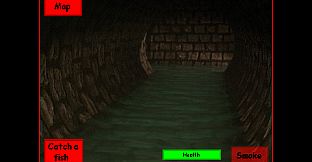
Crack Smoking Simulator is a retro-style point-and-click simulation game for PC that places players in the role of someone managing a crack addiction through resource gathering and risky decisions. Developed as an indie casual title, it emphasizes exploration of limited locations and choices around spending versus saving for better substances while dealing with health and legal pressures.
Gameplay
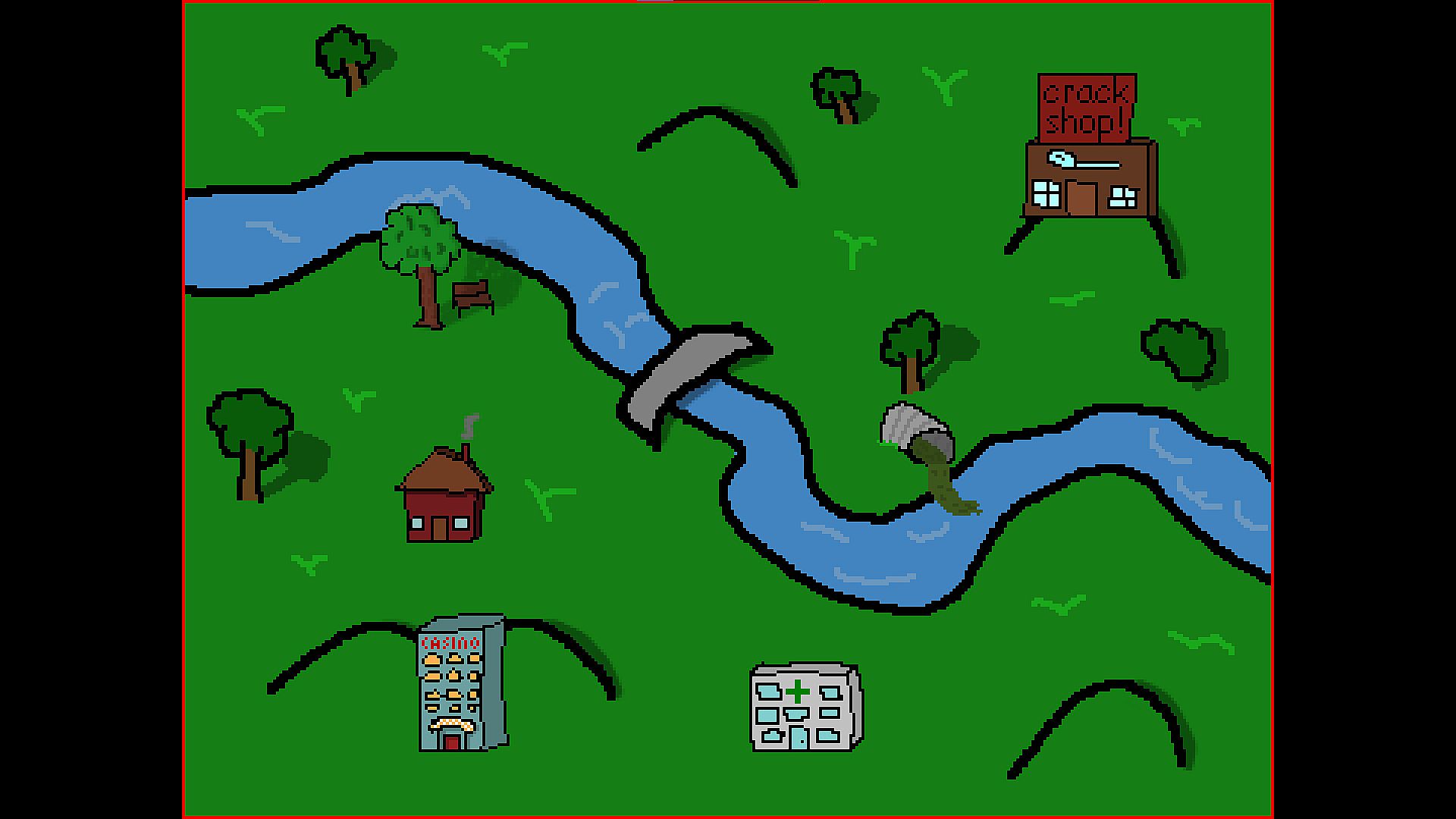
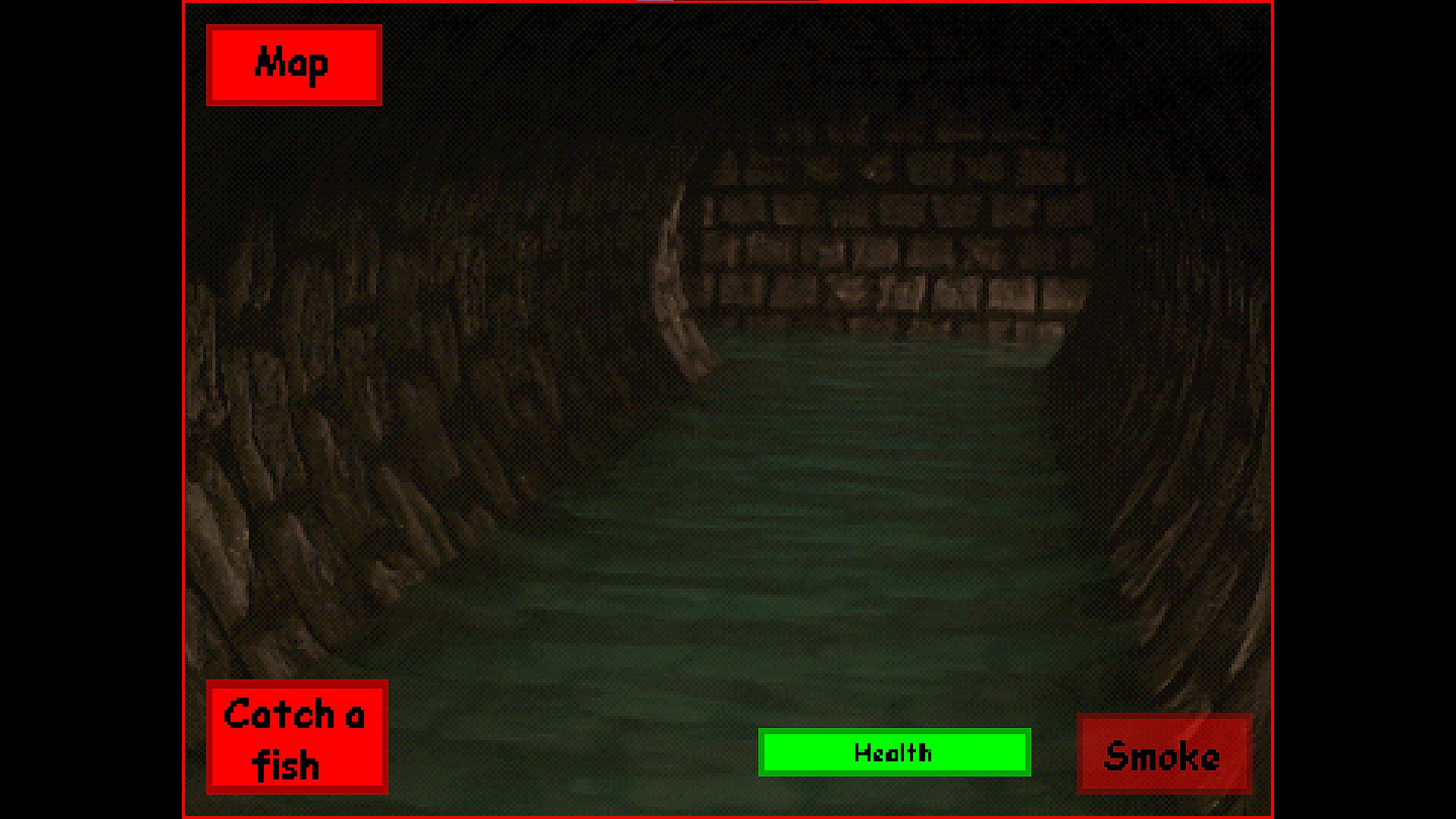
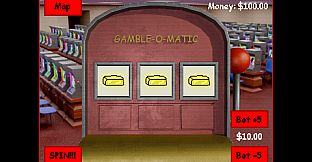
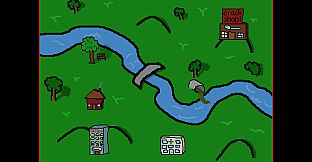
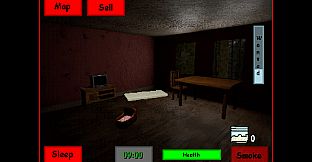
The core loop revolves around point-and-click interactions across six distinct locations. Each spot provides options to generate income or recover health after repeated use of the crack pipe. Activities include robbing community members and placing bets at the casino, all presented in a simple retro aesthetic that prioritizes direct selection over complex controls.
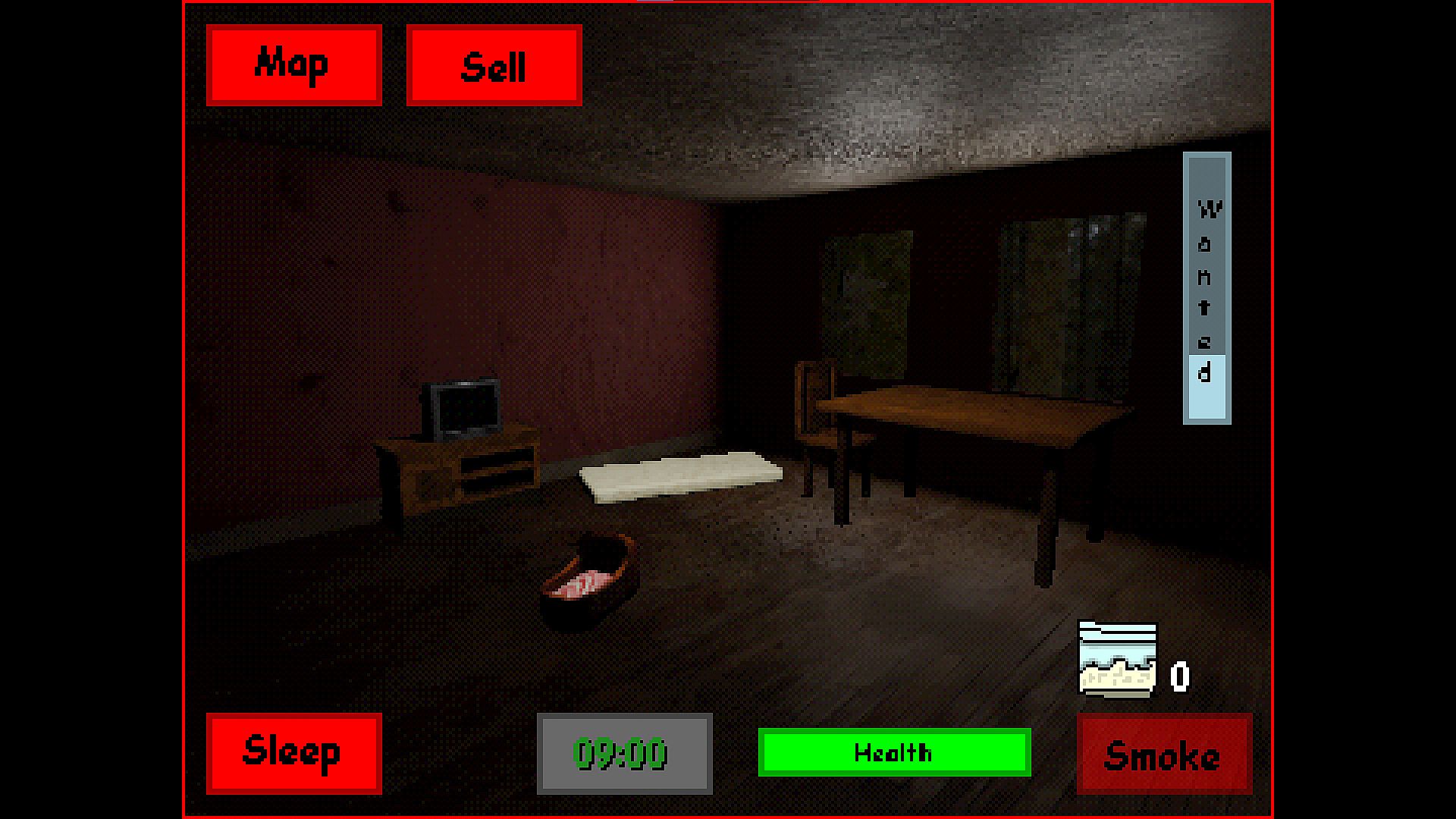
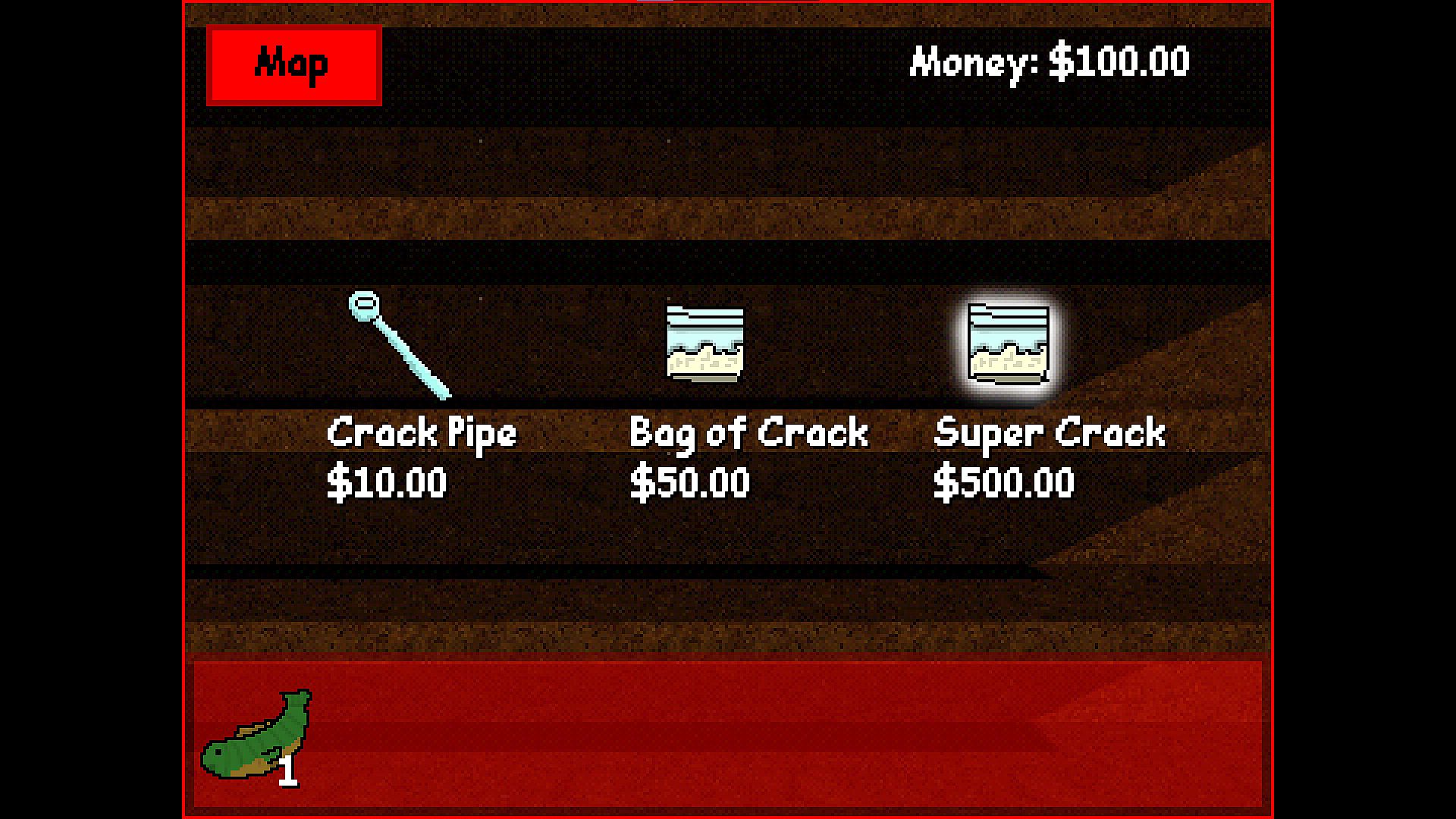
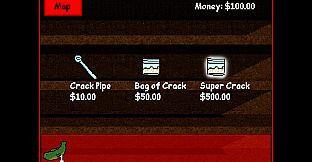
Health management forms a constant thread, as relentless pipe use drains resources that must be replenished through location-based actions. Players navigate consequences when law enforcement intervenes, forcing adjustments to avoid penalties that interrupt the cycle of earning and consuming. The system rewards careful planning around limited funds, where immediate spending on standard crack competes with saving for a higher-grade option described as the most sublime substance available.
Mechanics stay grounded in single-player simulation, with no multiplayer elements or external progression systems confirmed. The focus remains on balancing addiction-driven impulses against practical survival needs in a contained environment.
Game Modes
Crack Smoking Simulator operates entirely as a single-player experience without separate named modes or variants. The gameplay centers on one continuous loop of location visits, money management, and health restoration, all tied to the central theme of funding and sustaining the habit.
Within this structure, players encounter branching outcomes based on spending habits and risk tolerance. Decisions at the casino or during robberies can lead to different short-term results, but the overall flow stays consistent across the six locations rather than splitting into distinct campaigns or competitive formats.
Key Mechanics and Locations
Six locations serve as the primary hubs for progression. Each offers tailored opportunities for income or recovery, encouraging repeated visits to experiment with different combinations of actions. Robbery sequences and casino visits introduce variability through chance elements and potential legal repercussions that reset or hinder momentum.
Addiction simulation drives the long-term tension. Players choose between quick purchases of regular crack for immediate effects or accumulating resources for the premium alternative. This choice influences daily cycles without introducing additional layers like crafting or character customization beyond the core habit management.
Consequences from law enforcement add a risk-reward layer. Pushing too far in any location triggers enforcement responses that players must factor into their strategies, keeping sessions focused on short, repeatable interactions rather than extended narratives.
Is It Worth Playing?
The game targets players drawn to quirky, low-stakes indie simulations that lean into absurd or provocative themes. Its retro point-and-click format delivers straightforward interactions suited to short sessions, with the six locations providing enough variety to explore different funding and health strategies over multiple attempts.
Since the title remains unreleased with a planned launch in September 2026 and currently shows no user reviews, reception details are unavailable. Those interested in casual single-player experiences centered on resource decisions and consequence management may find the concept appealing based on its described systems.
Potential buyers should consider their tolerance for the explicit drug-use theme and implied violence noted in the mature content description. The game suits individuals seeking a niche simulation without complex mechanics or ongoing updates at this stage.











