


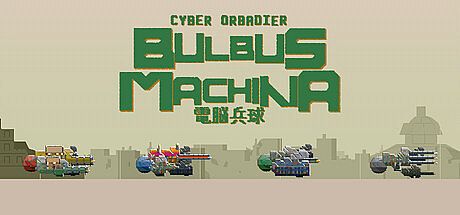


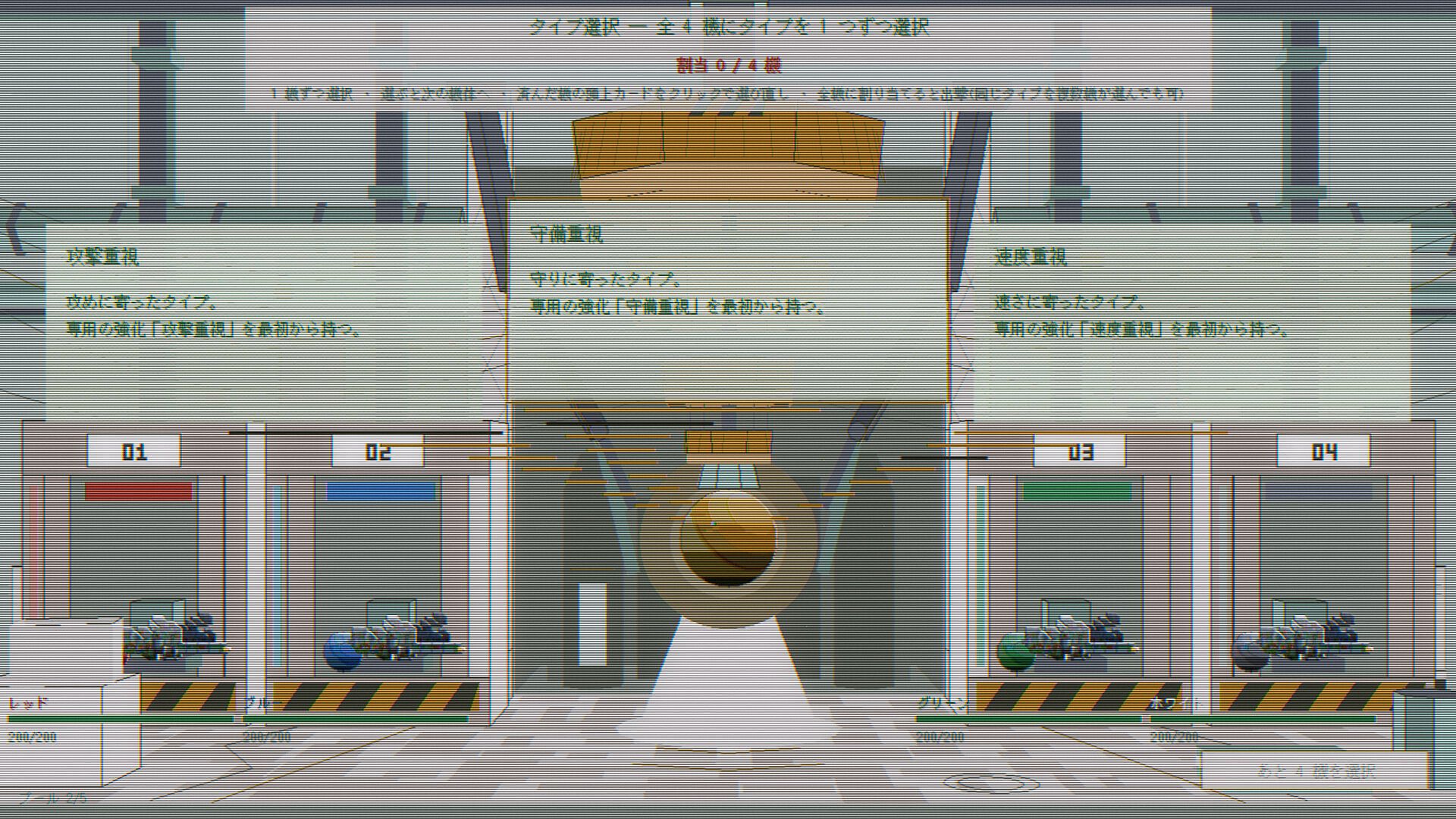
CYBER ORBADIER BULBUS MACHINA is a strategy indie RPG for PC where players command a squad of four Bulbus Machina machines through enemy territory. These machines were originally built for a prolonged conflict and rely on scavenging parts from defeated foes to stay operational. The core loop centers on advancing into factories, engaging in combat that emphasizes part management, and deciding whether to destroy opponents outright or disable them for later salvage.
Gameplay
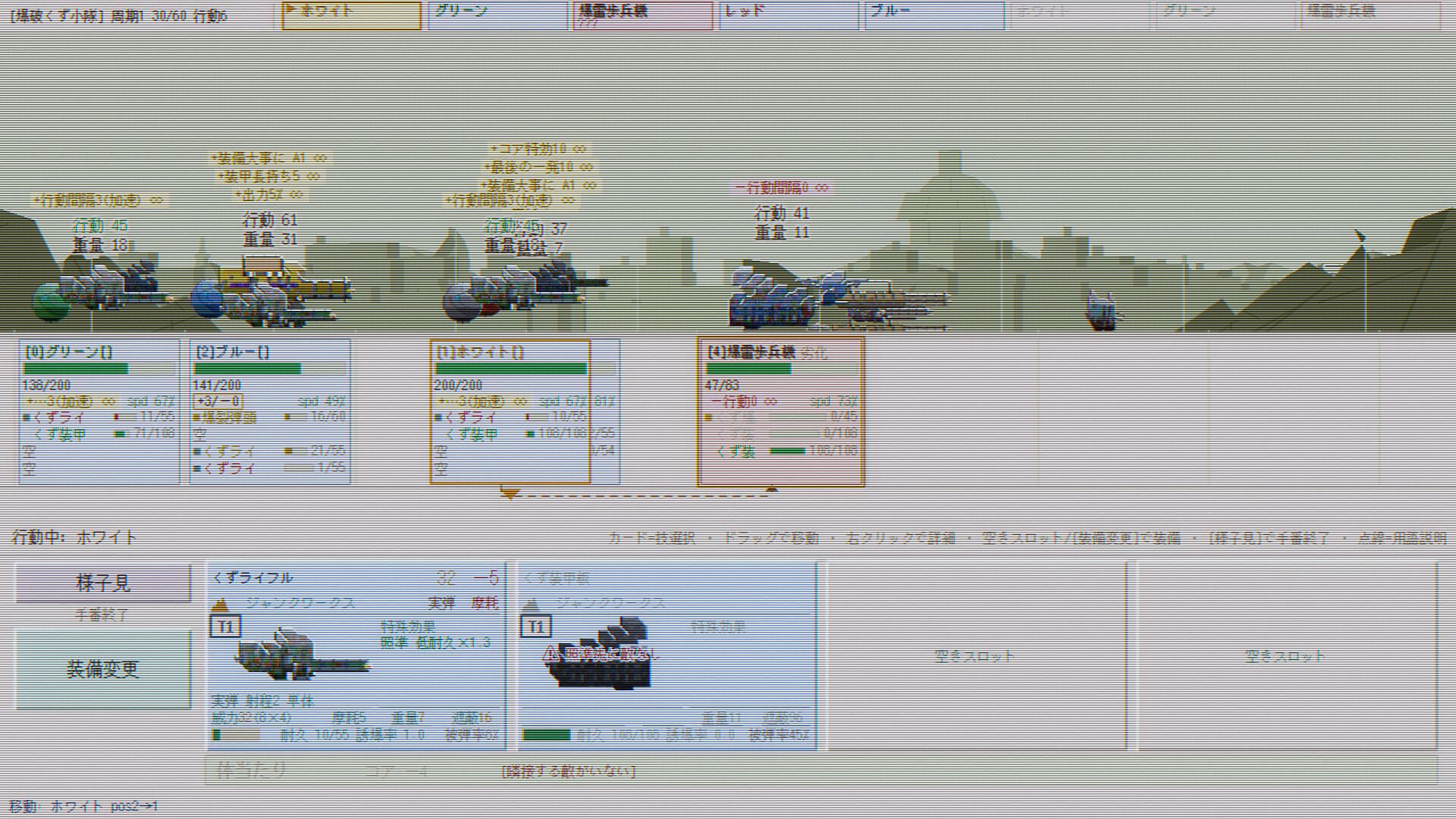
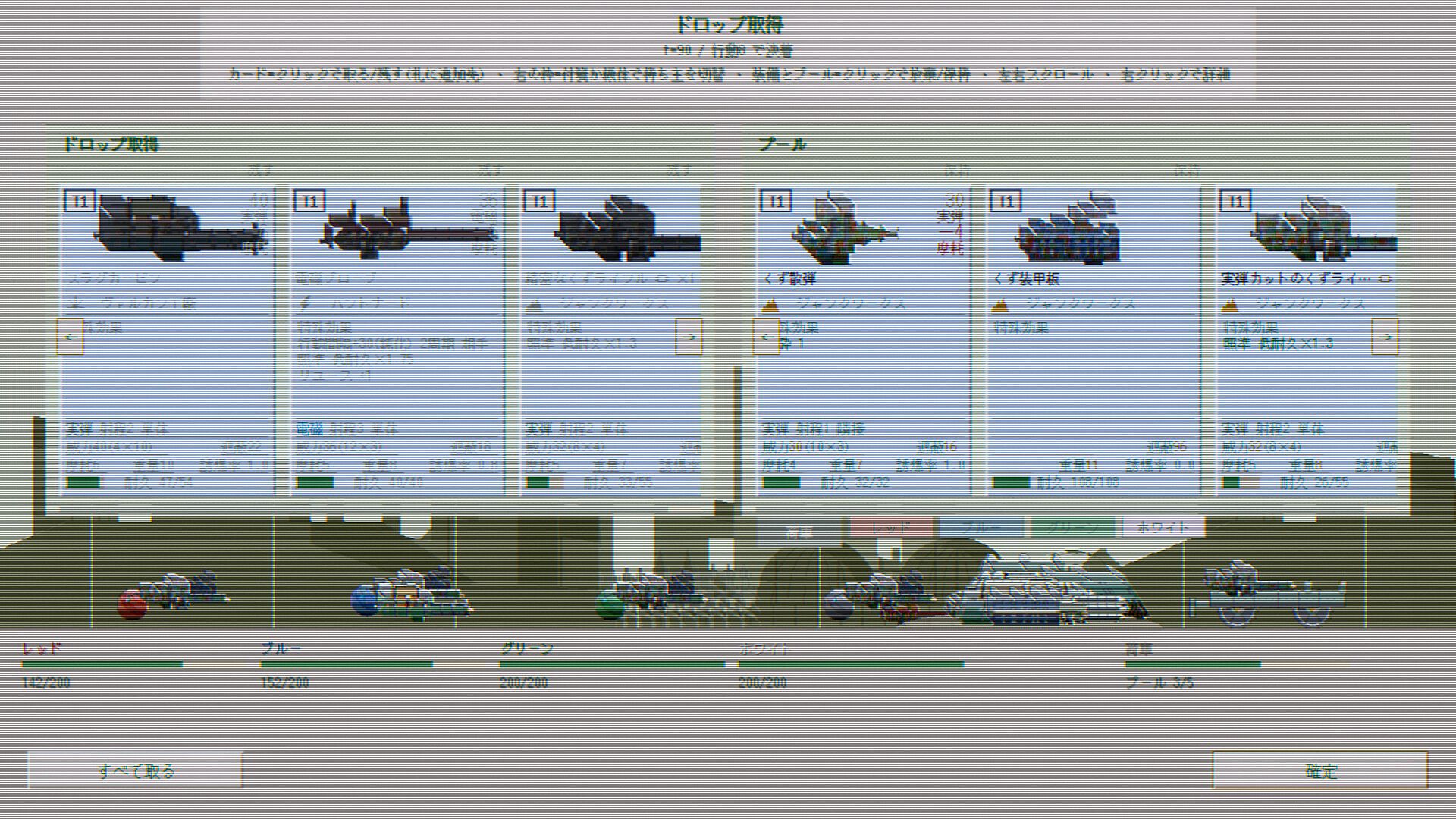
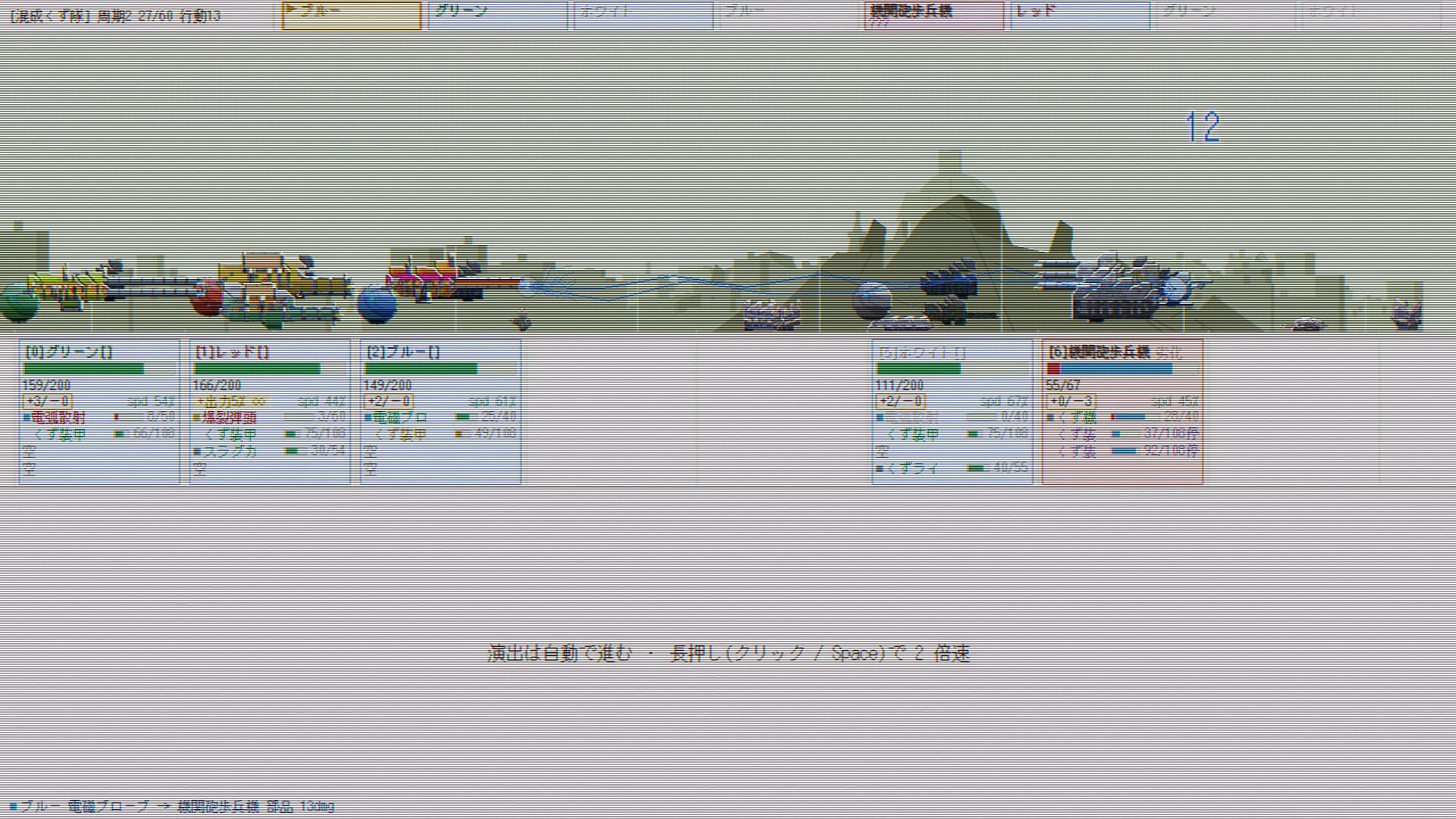
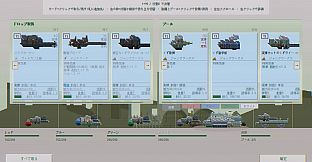
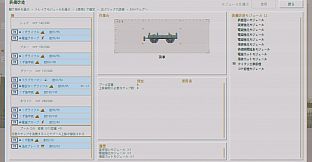
Combat revolves around equipment that degrades with every use because there is no separate ammunition system. Each shot reduces a weapon's condition until it eventually fails. After a successful battle the surviving machines can mount captured parts directly onto their frames. This scavenging forms the main progression path as better or more suitable gear replaces worn components.
Players face a constant choice between destruction and capture. Fully destroying an enemy piece prevents any recovery and often triggers an explosion that damages nearby units. Electromagnetic attacks offer an alternative by disabling equipment without breaking it, allowing the intact part to be claimed afterward. The decision depends on the current state of the player's own machines and the immediate tactical needs of the fight.
Attacks always connect with some part of the target, so positioning and part condition matter at every step. A weapon on the verge of breaking can explode on the user's own machine if fired at the wrong moment. Even when stripped of all weapons a machine can still ram an opponent, though the maneuver consumes core energy. Ramming a completely disarmed foe lets the attacker absorb remaining core resources, destroy the target, and restore some of its own core in the process. Enemies can apply the same tactic in reverse.
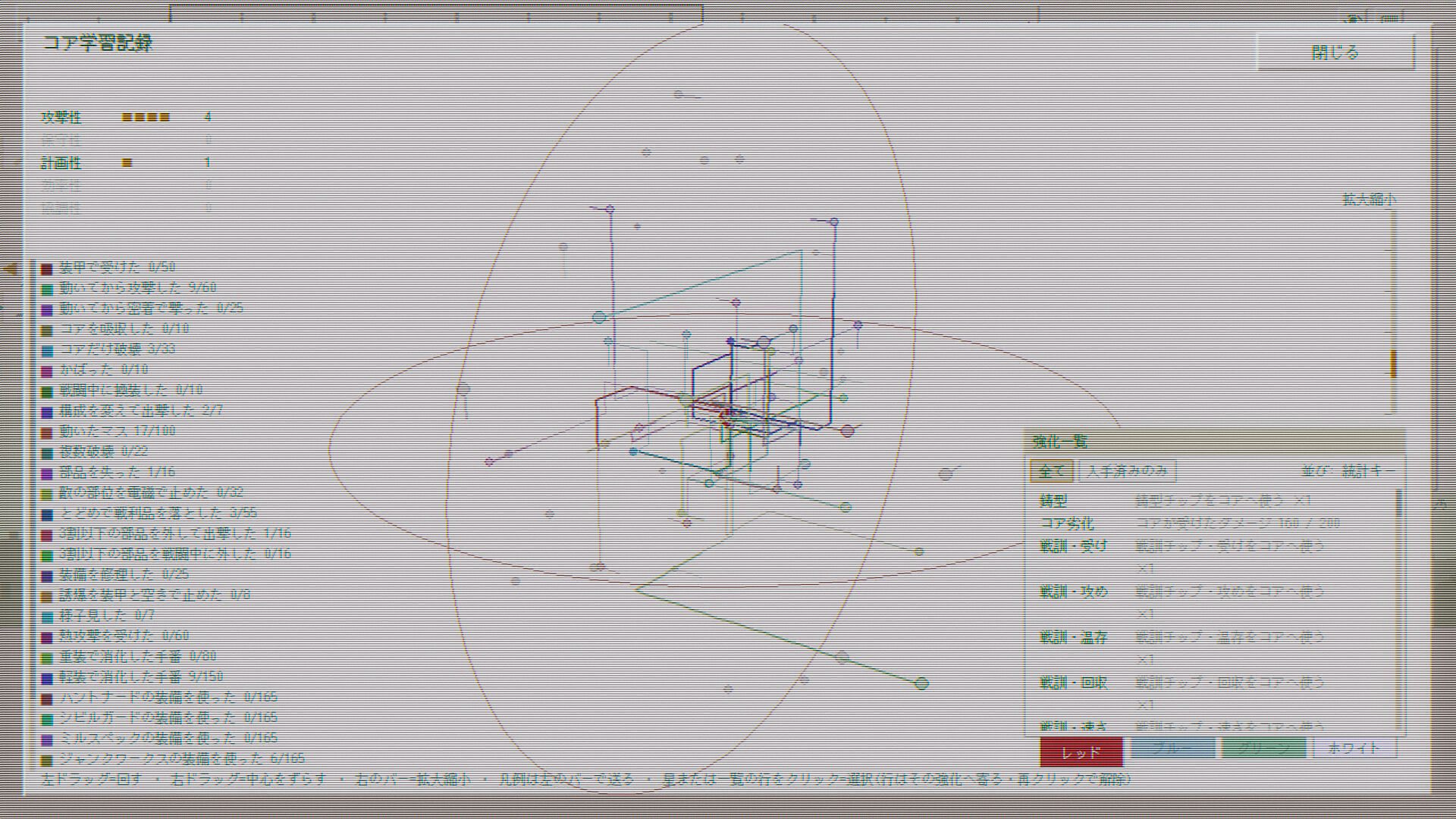
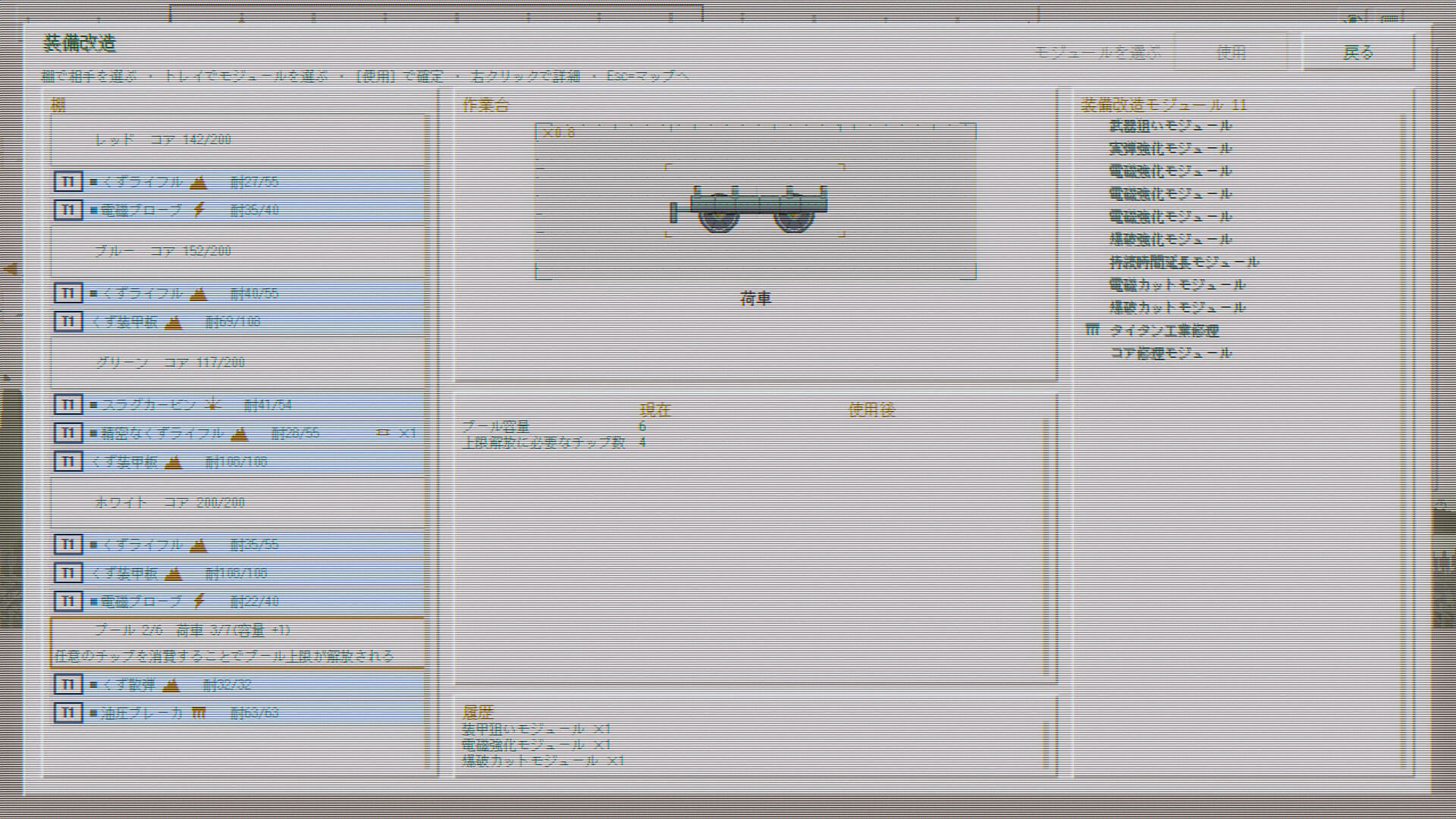
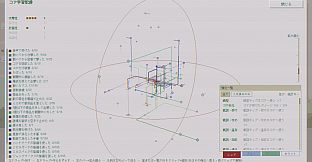
The machines observe and record fighting habits over time. Consistent patterns in shooting, defense, or resource use trigger on-the-spot upgrades without any menu selection. These improvements reflect the player's actual style and accumulate into noticeable long-term growth. When inventory space runs low, excess gear can be scrapped into mod chips that add traits such as increased durability, restore functionality to stopped machines, or accelerate the core's adaptation rate. Each repair slightly reduces overall performance, so choices about what to keep, equip, or break down remain meaningful throughout a run.
Game Modes
The experience centers on a continuous push deeper into enemy-controlled factories. There are no separate competitive or cooperative modes described. Progression occurs through successive battles where the squad claims territory and resources while adapting its loadouts on the fly. The structure rewards repeated playthroughs that explore different combat approaches because the upgrade system ties directly to observed behavior rather than preset options.
Visuals and Audio
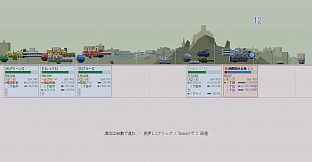
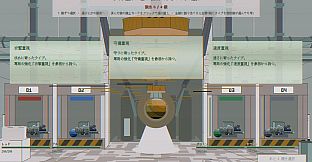
The game uses pixel art for its machines and environments. Sound design relies on FM-synthesized effects that match the mechanical theme. These elements support the tactical focus without adding unnecessary complexity to the interface or battlefield presentation.
Is It Worth Playing?
This title suits players who enjoy deliberate strategy RPG mechanics built around resource scarcity and adaptive loadouts. The absence of traditional ammo combined with part wear, capture decisions, and style-driven upgrades creates a distinct loop that rewards careful observation and flexible tactics. Those who prefer games where every engagement influences future capabilities through direct mechanical feedback will find the systems engaging. The single-player campaign structure keeps the focus on personal experimentation rather than external competition or seasonal content. Availability is limited to PC, and the experience stands alone without reliance on additional modes or ongoing updates.












