














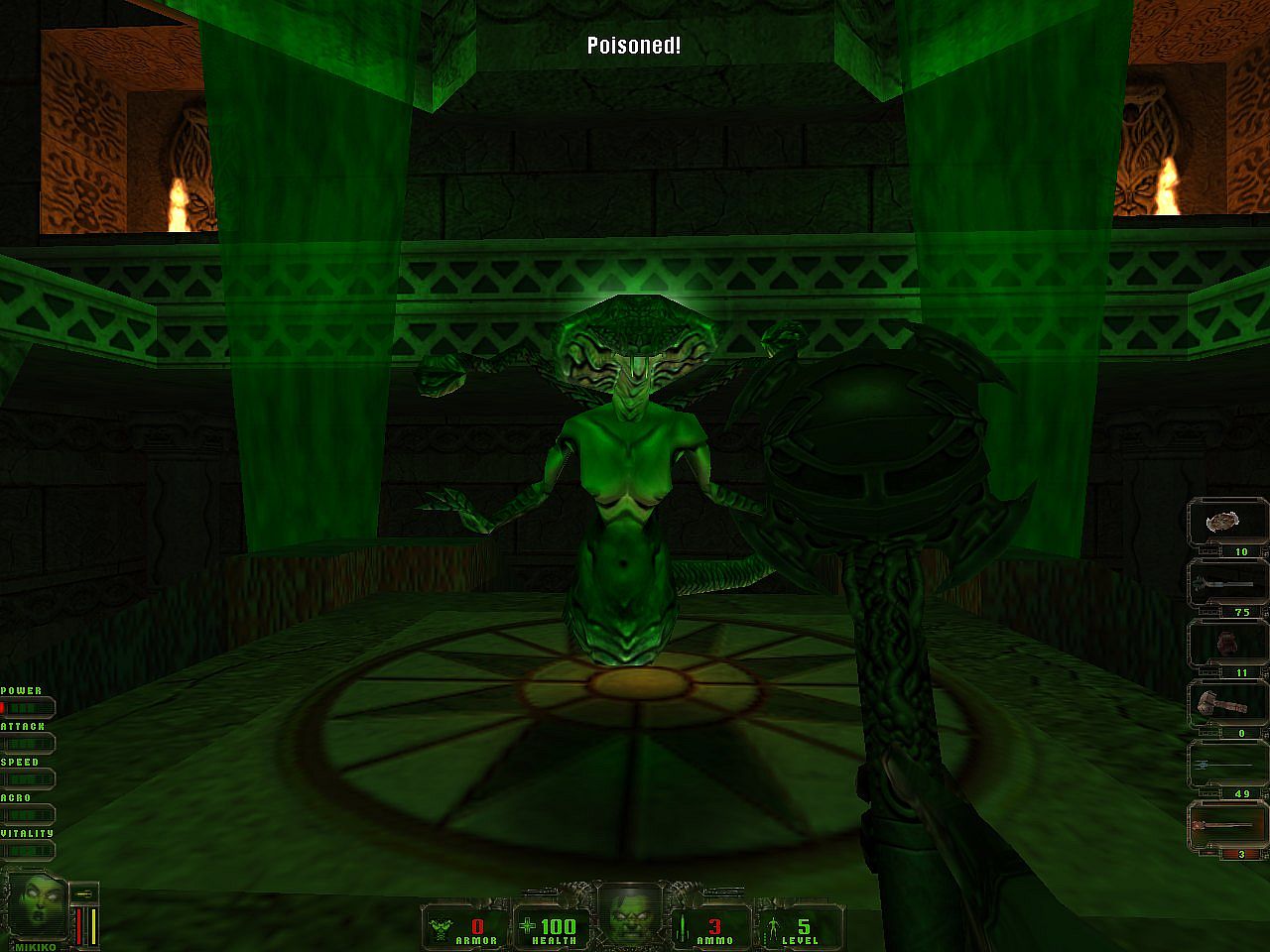
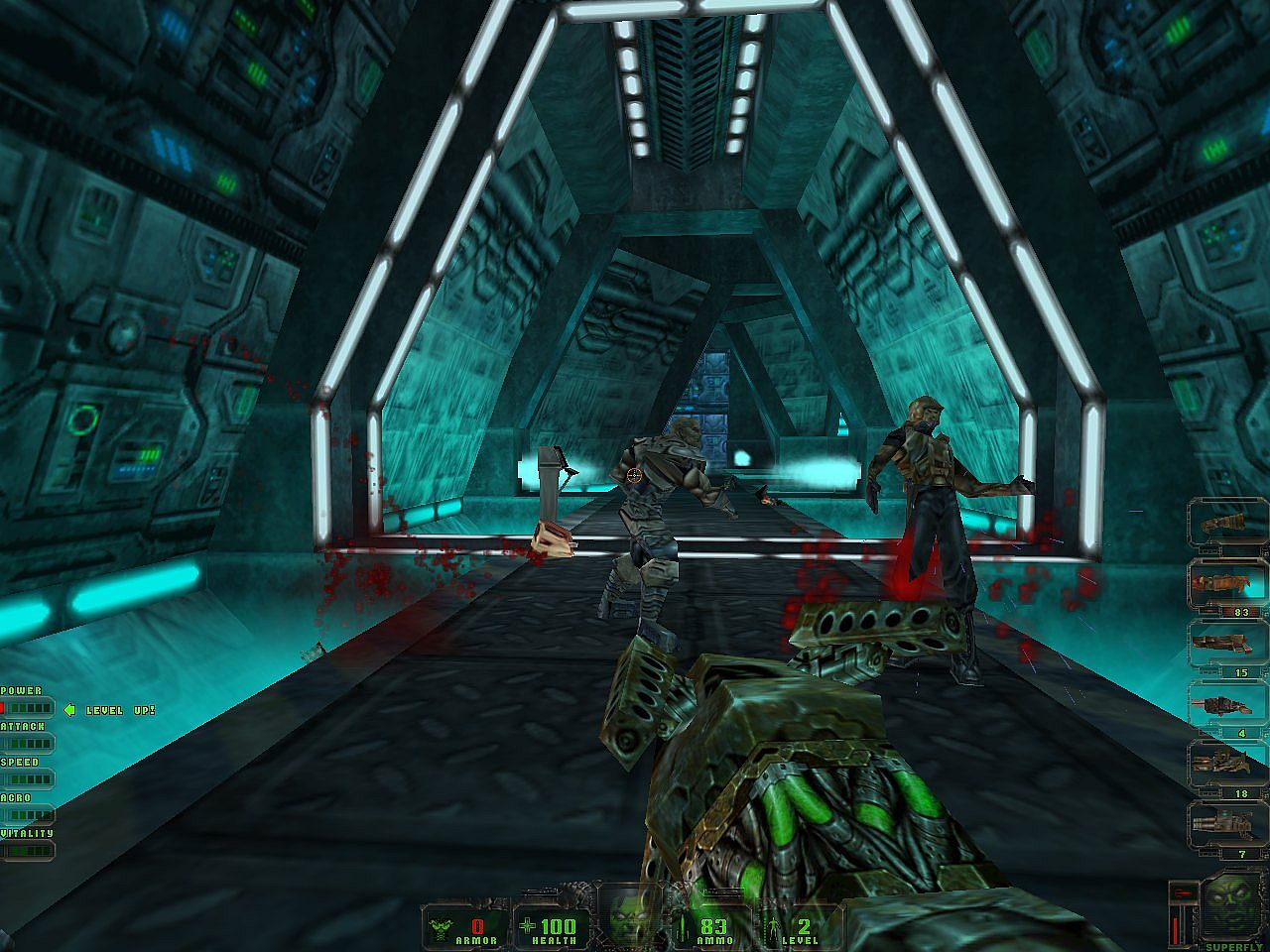
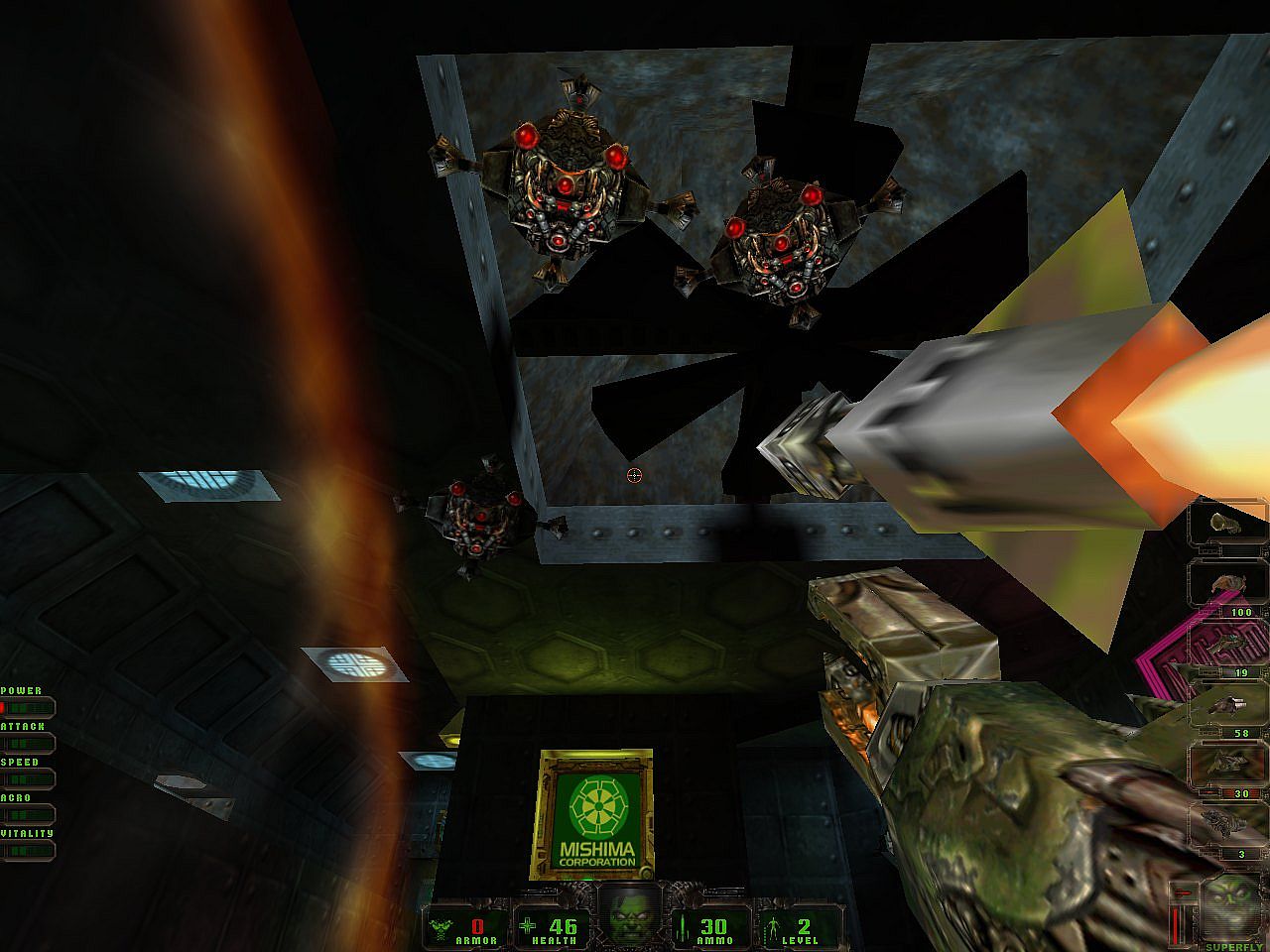
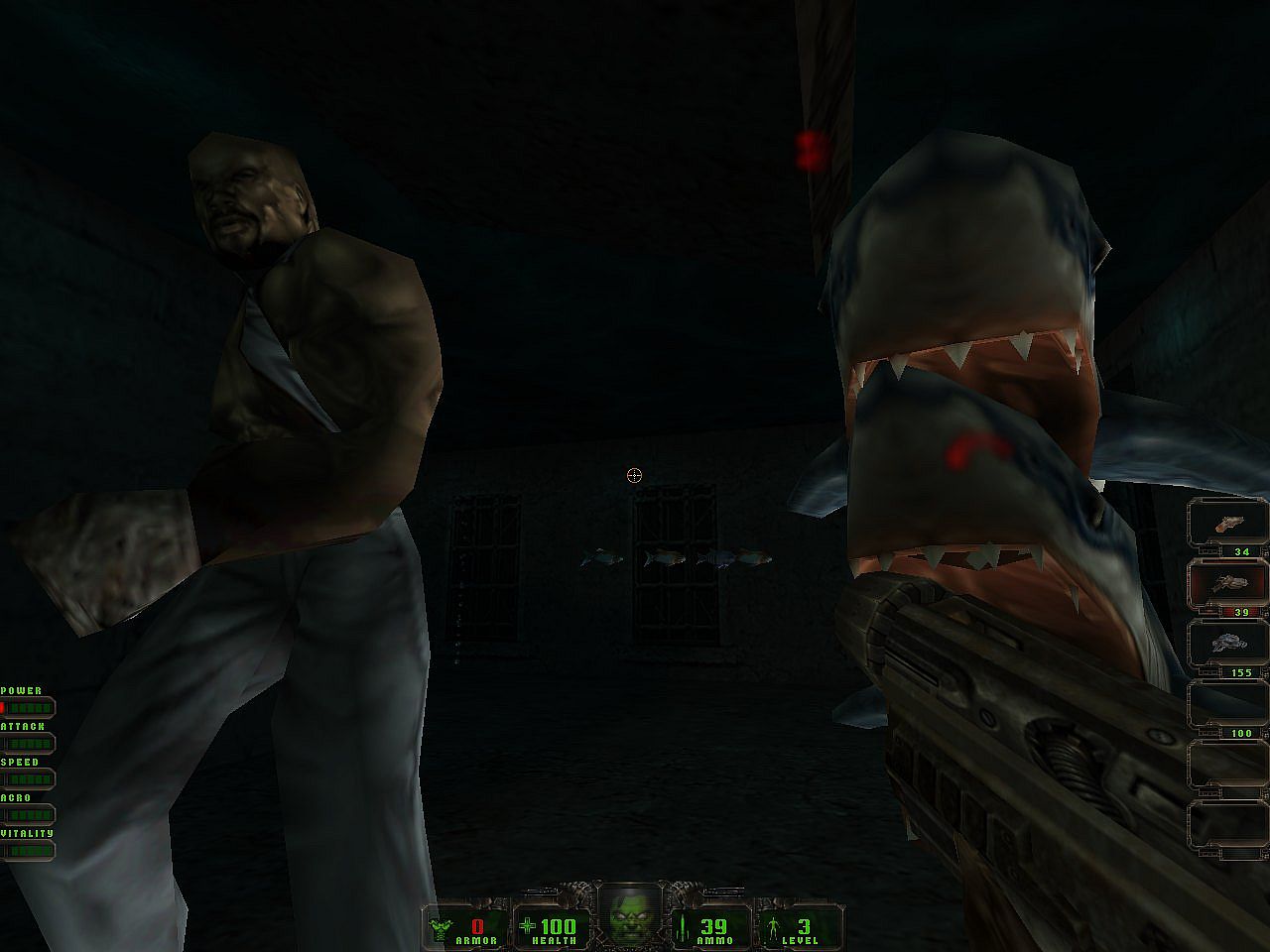
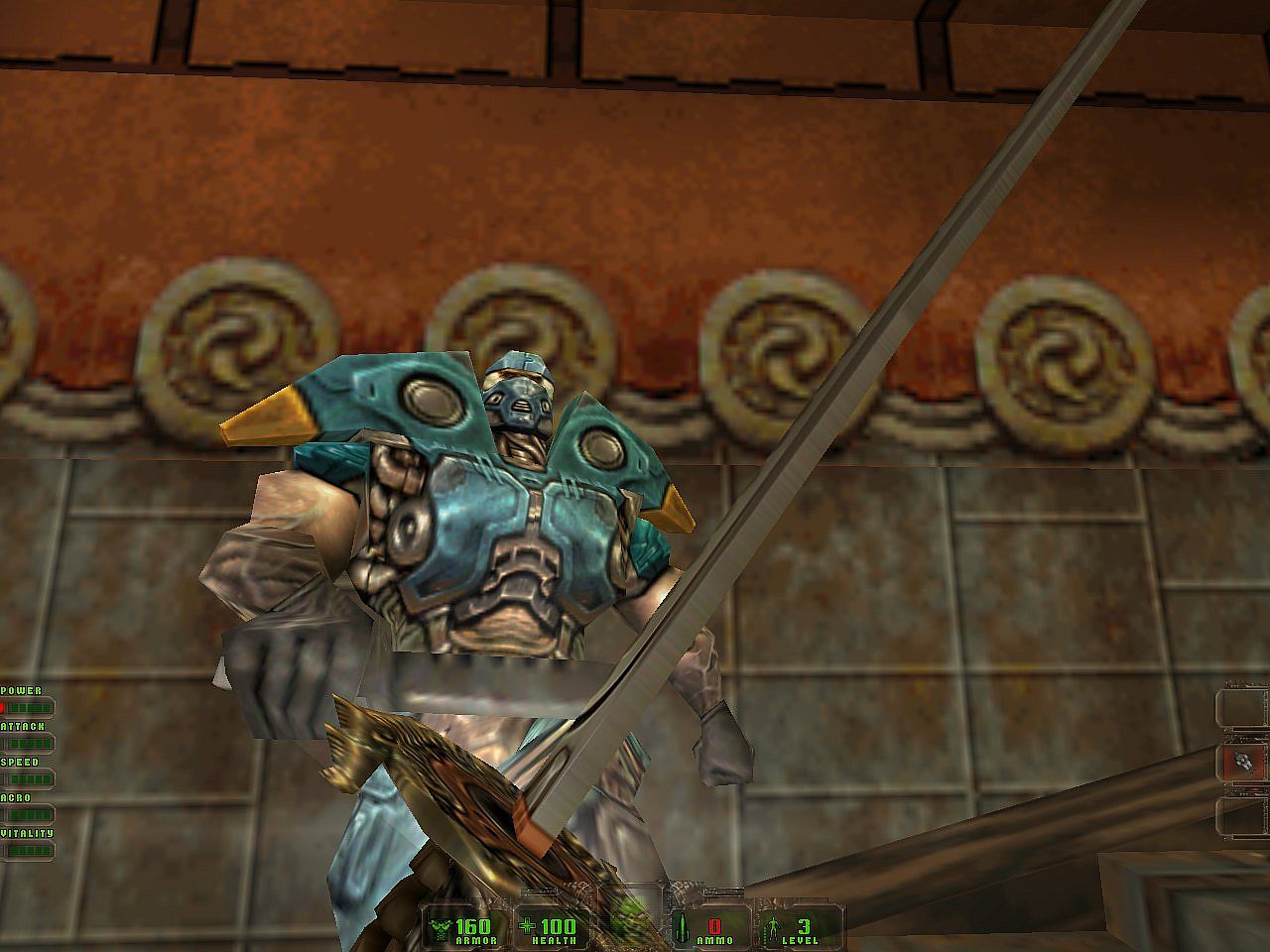
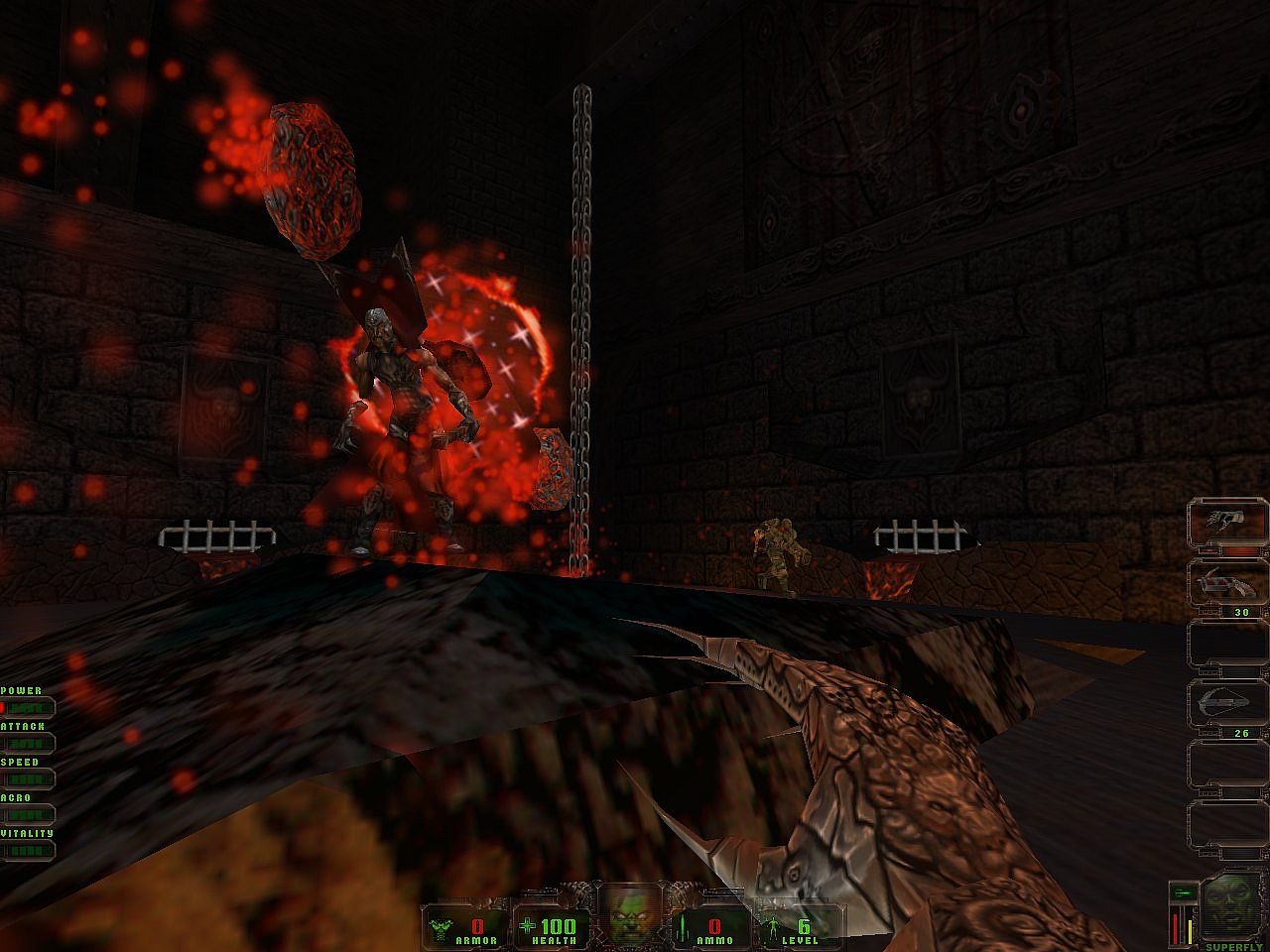
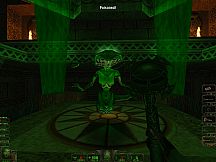
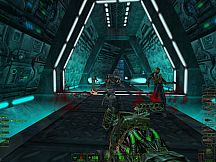
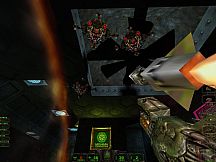
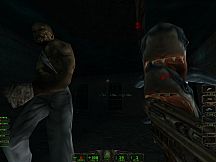
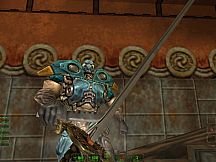
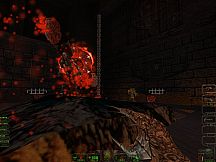
Daikatana is a first-person shooter developed for PC that places players in control of Hiro Miyamoto as he travels across multiple time periods to restore the timeline. The core premise involves stopping a dictator who has misused the powerful Daikatana sword to reshape history for his own rule. Players navigate linear levels filled with combat encounters, environmental navigation, and occasional problem-solving tasks while managing two AI-controlled companions.
Gameplay
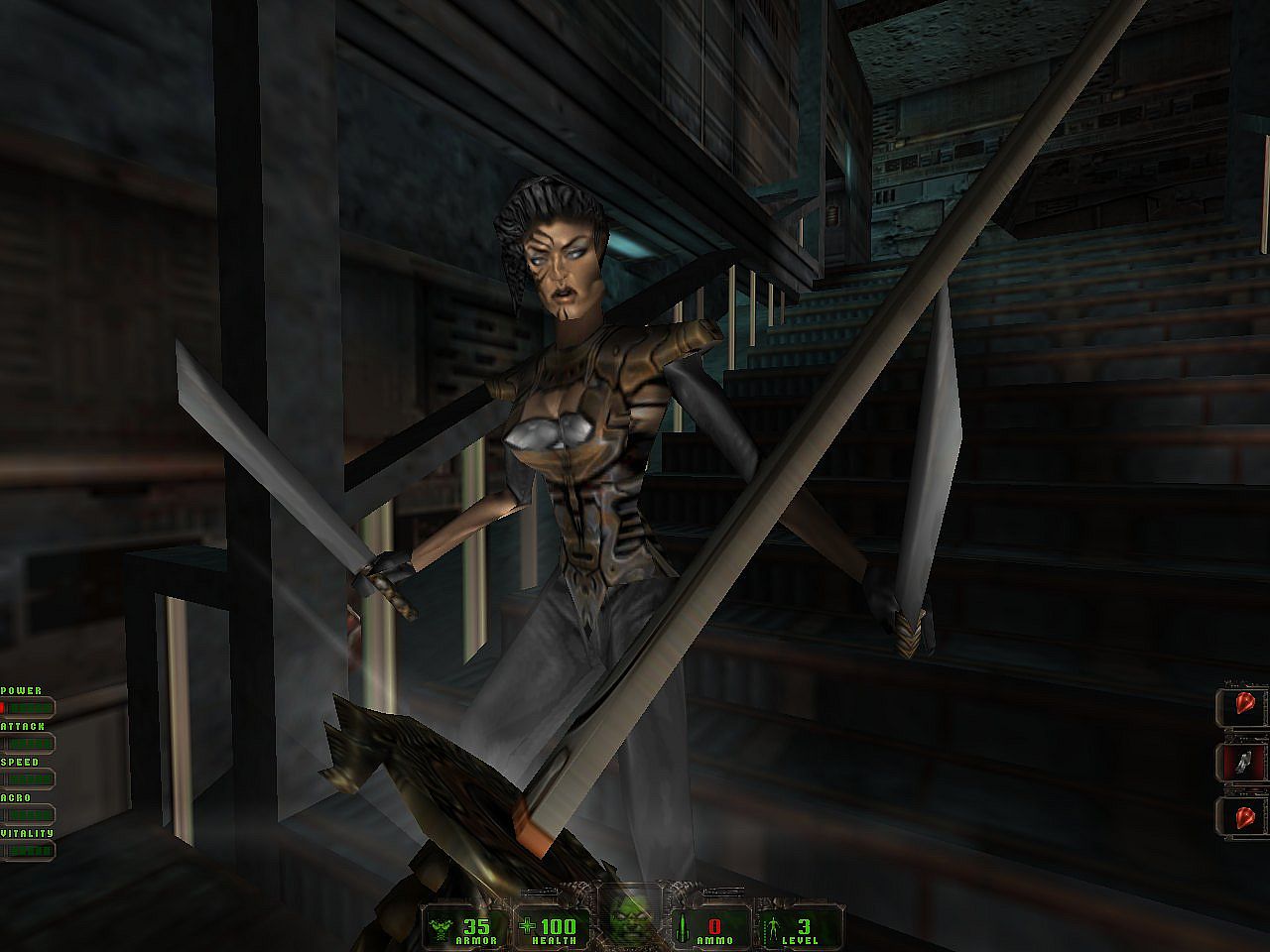
The singleplayer campaign unfolds across 24 levels divided into four distinct episodes, each set in a different era with its own visual style and enemy roster. Progression requires protecting the two sidekicks, Mikiko Ebihara and Superfly Johnson, whose survival is mandatory to advance. These companions provide supporting fire and help solve certain environmental challenges, though their presence adds layers of positioning and awareness during fights.
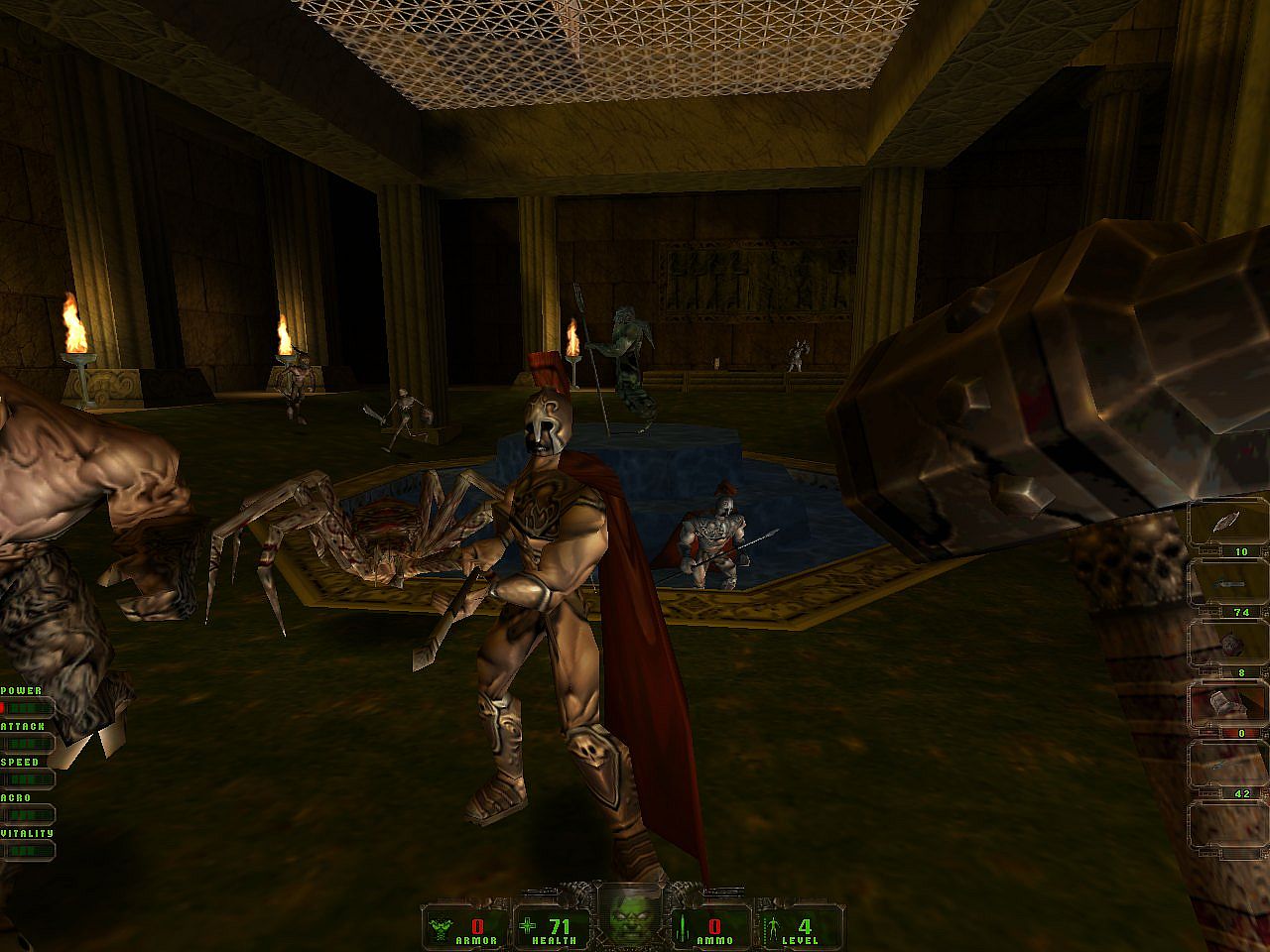
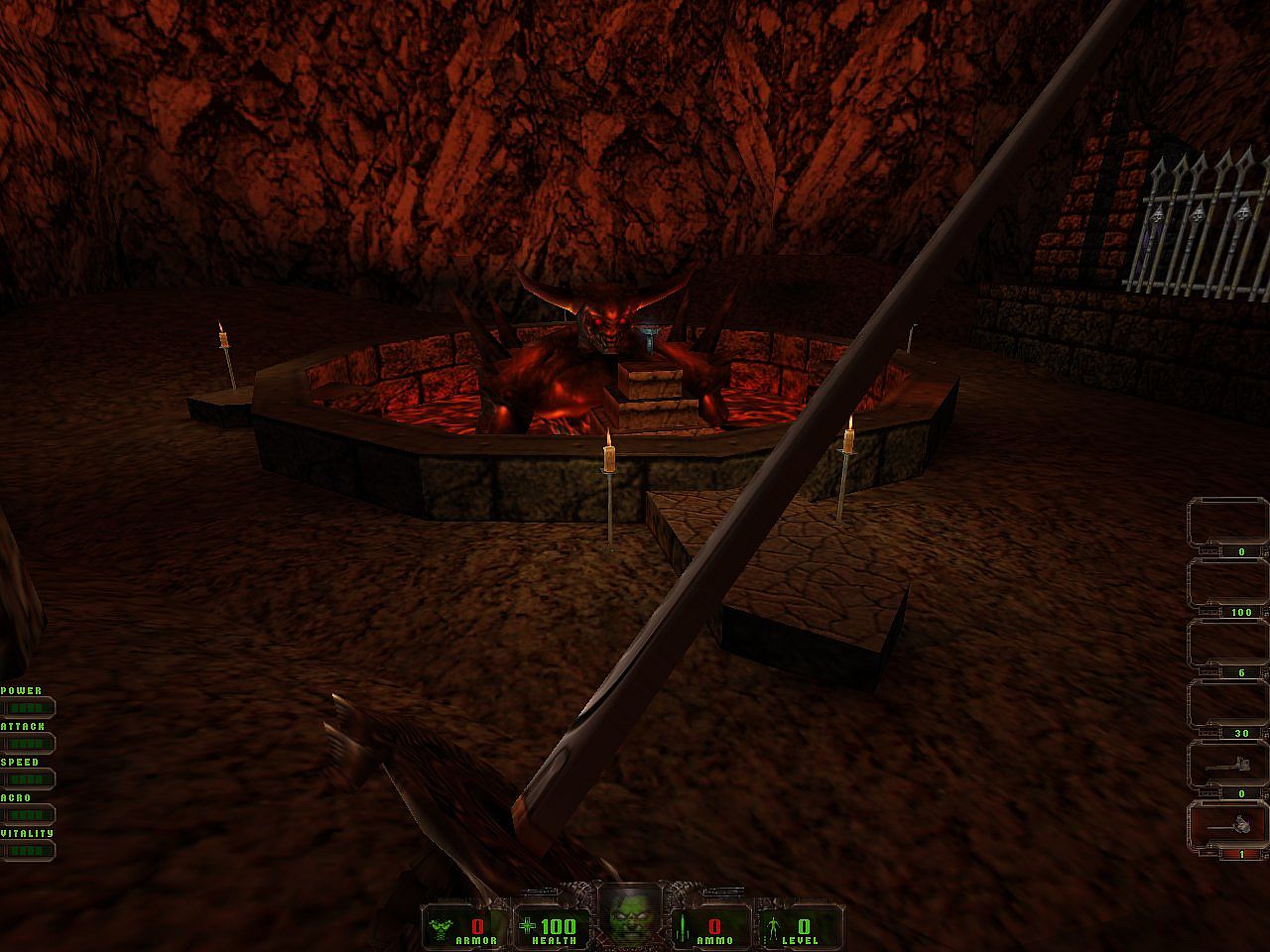
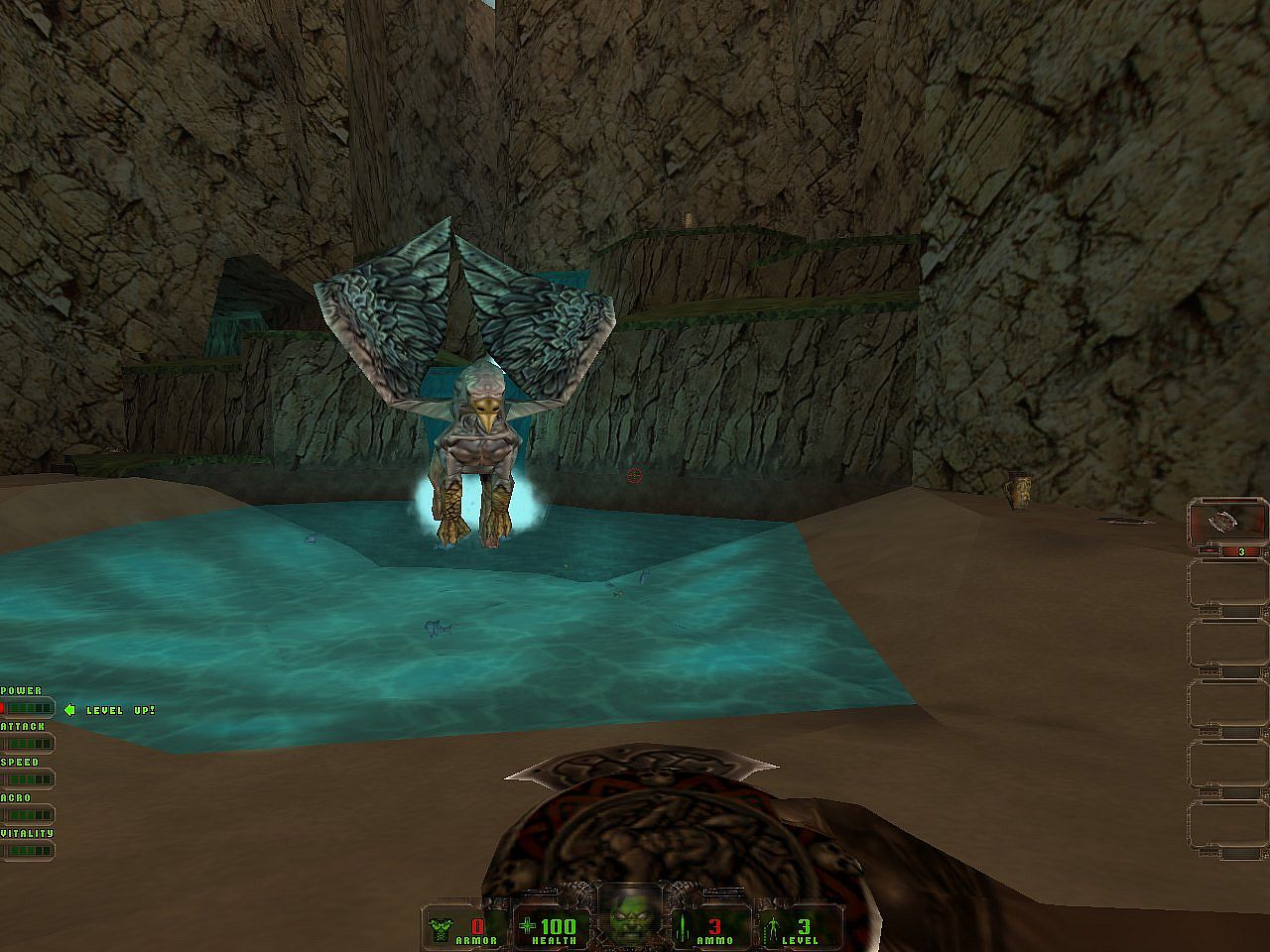
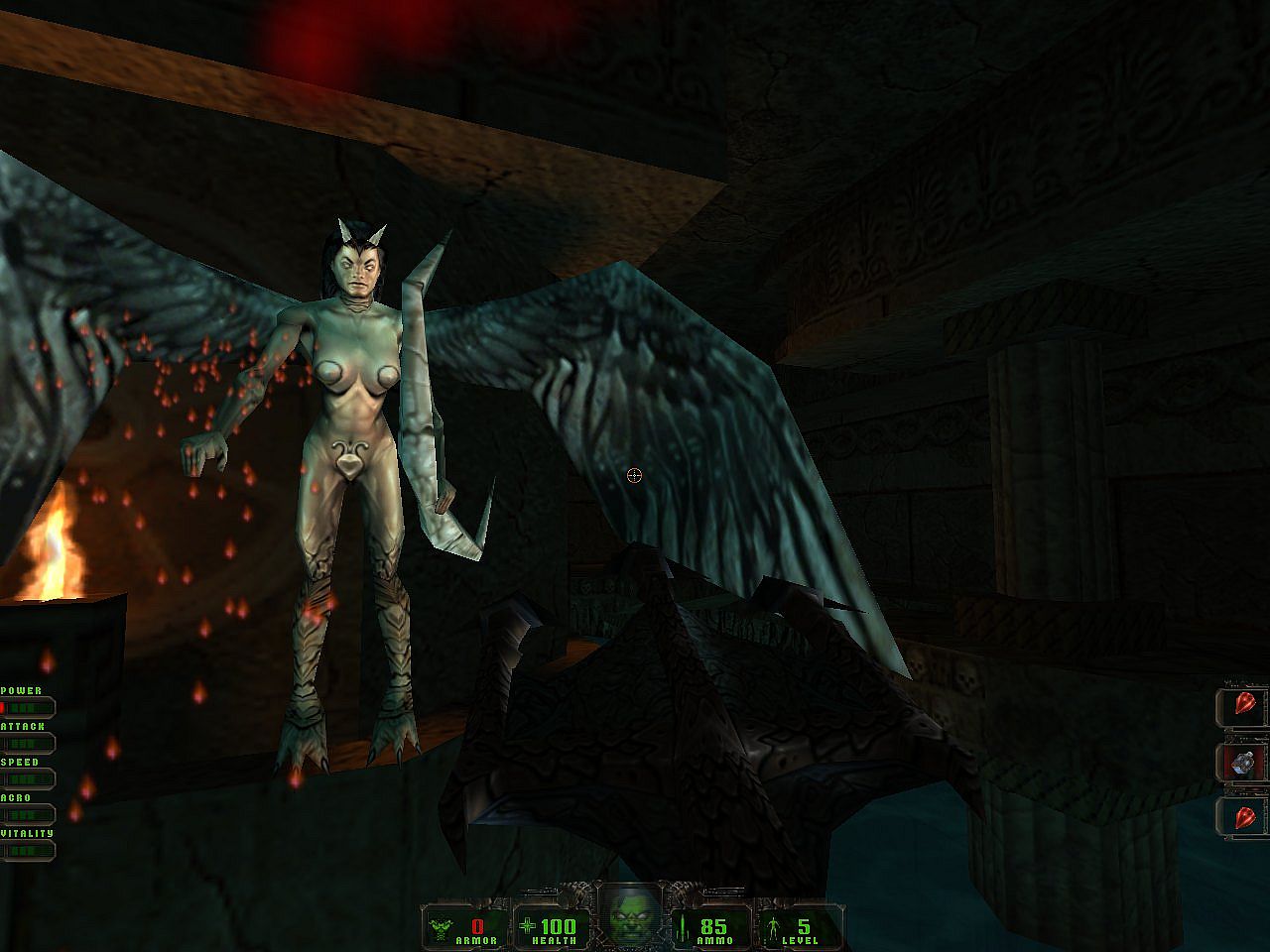
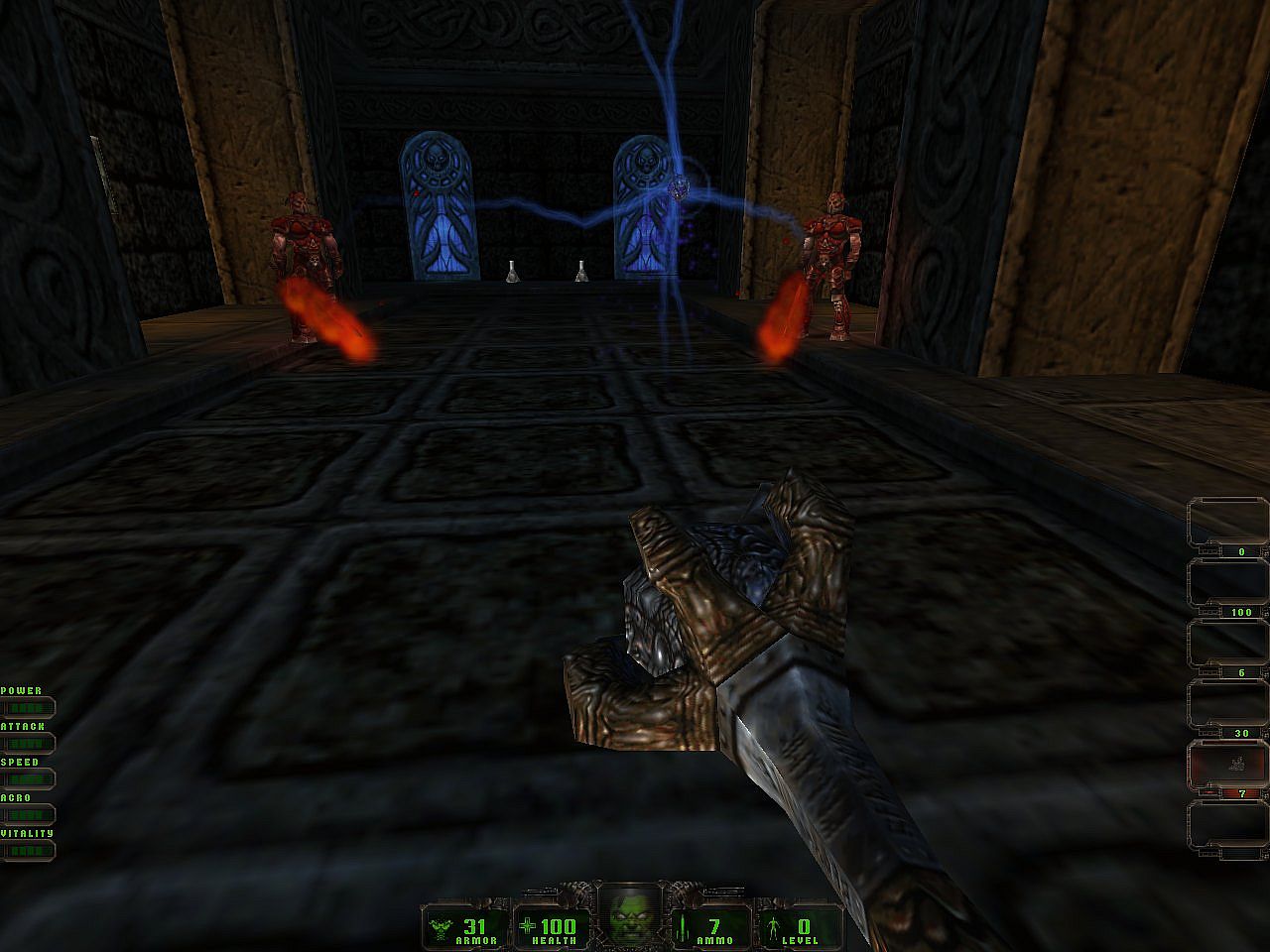
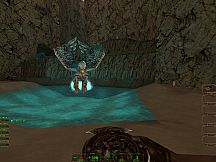
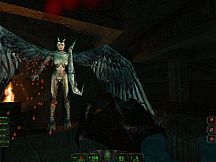
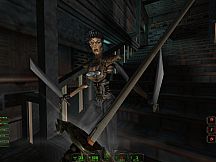
Combat centers on a selection of 25 weapons that players acquire and switch between, each suited to different ranges and enemy types. Over 50 enemy varieties appear throughout the episodes, demanding adaptation in tactics as new threats emerge in each time period. The experience incorporates light RPG mechanics through skill point allocation and an inventory system that tracks items and upgrades. Levels generally consist of multiple connected maps, encouraging exploration alongside direct confrontation in a fast-paced shooter framework typical of late-1990s design.
Game Modes
Daikatana supports both a full singleplayer campaign and several multiplayer options. The primary mode is the story-driven campaign where players advance through the time periods with the sidekicks. Multiplayer includes deathmatch for free-for-all combat, capture the flag for team-based objective play, and tag for a variant focused on pursuit and elimination. A co-op mode allows additional players to join the singleplayer scenarios, extending the campaign experience beyond solo play.
These modes emphasize direct player-versus-player or cooperative combat without persistent progression systems or seasonal content. Network play remains available for those seeking matches with others interested in the classic mechanics.
Level Design and Progression
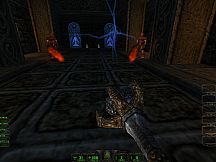
Each of the four episodes introduces unique settings that influence both aesthetics and gameplay flow. The first episode occurs in a futuristic version of Japan, followed by ancient Greece, medieval Norway during the Dark Ages, and a near-future San Francisco. Weapon and enemy designs shift accordingly, creating variety across the campaign without shared assets between periods. Progression relies on completing objectives within these self-contained episodes, with checkpoints limited in a manner consistent with era standards.
Players manage resources and companion positioning while collecting weapons and handling inventory. The structure rewards familiarity with each episode's layout and enemy behaviors over repeated attempts.
Is It Worth Playing?
Daikatana appeals primarily to enthusiasts of classic first-person shooters who appreciate challenging level design and companion mechanics from the late 1990s. Its campaign delivers substantial content through the four episodes and extensive weapon variety, though the sidekick system and occasional navigation demands can frustrate players unaccustomed to the era's conventions. Multiplayer options provide additional replay value for those who enjoy deathmatch or capture the flag sessions.
The game remains available on PC through digital distribution and has received updates that improve compatibility on modern systems. Reception has always been divided, with some players valuing the ambition and variety while others note dated elements in controls and pacing. It suits those seeking a dense, self-contained shooter experience rather than ongoing live-service features or polished modern production values. Fans of pure 90s-style FPS gameplay with a narrative thread may find it engaging, while players preferring refined AI or streamlined progression might look elsewhere.