


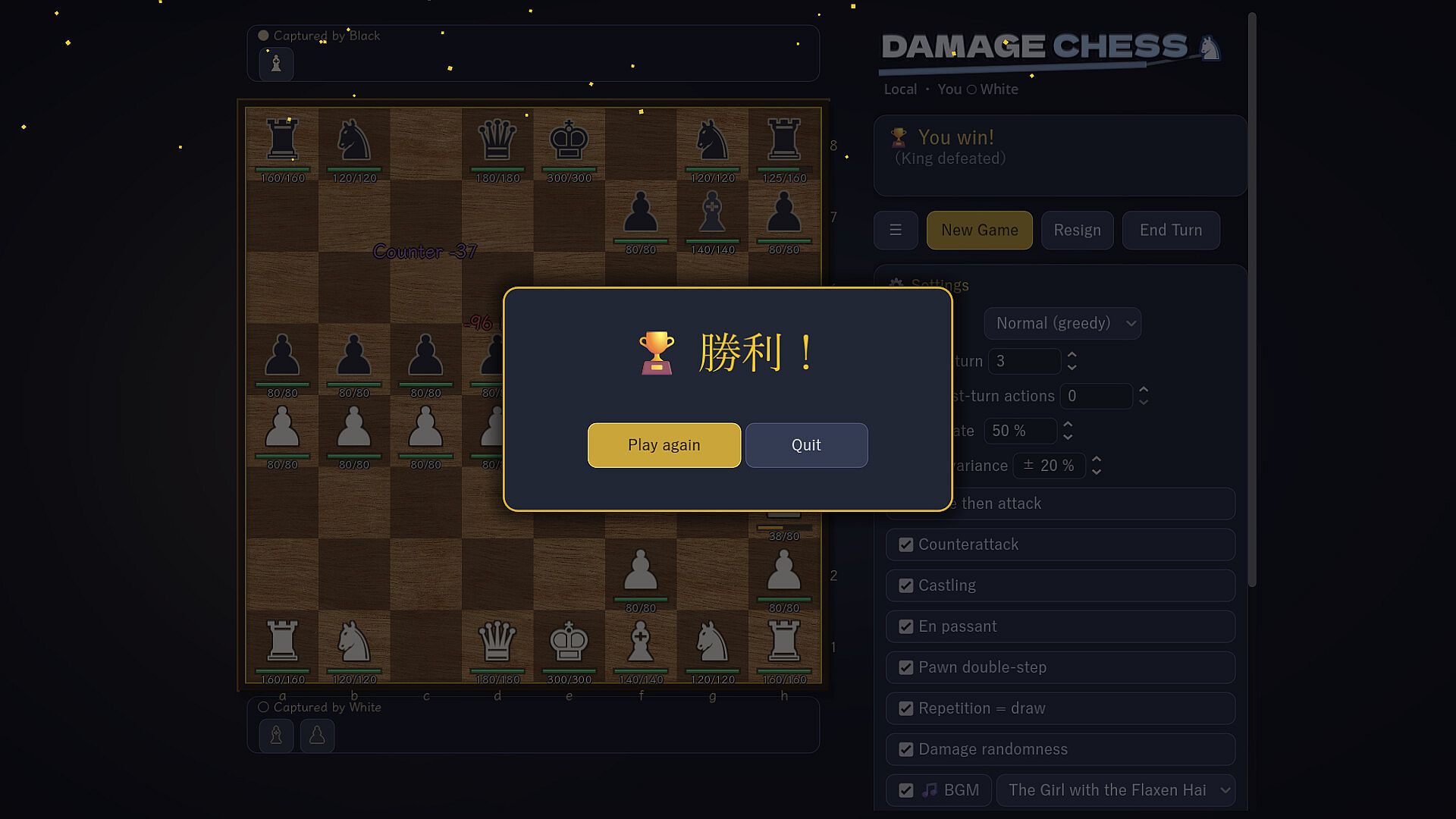
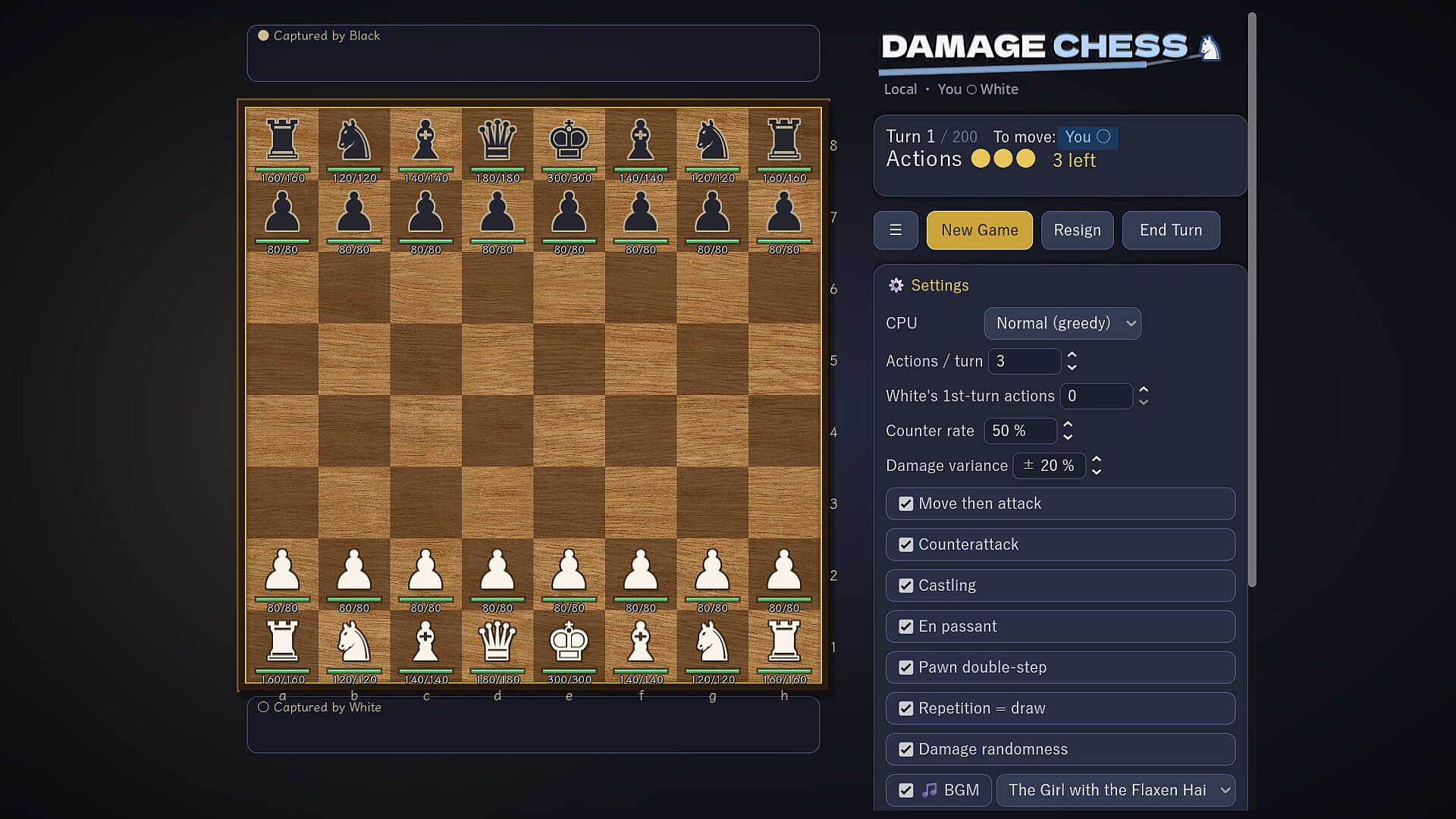
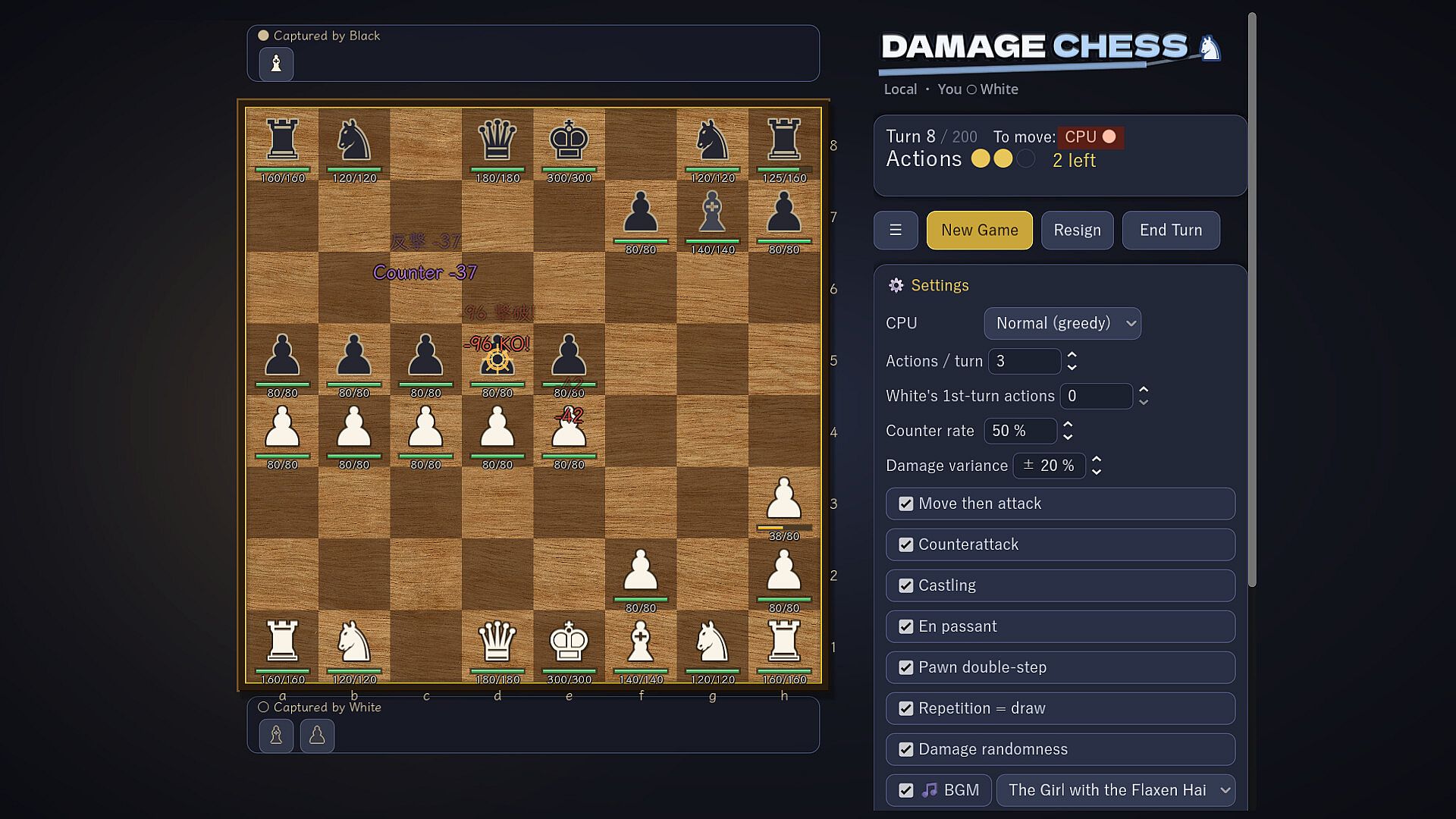
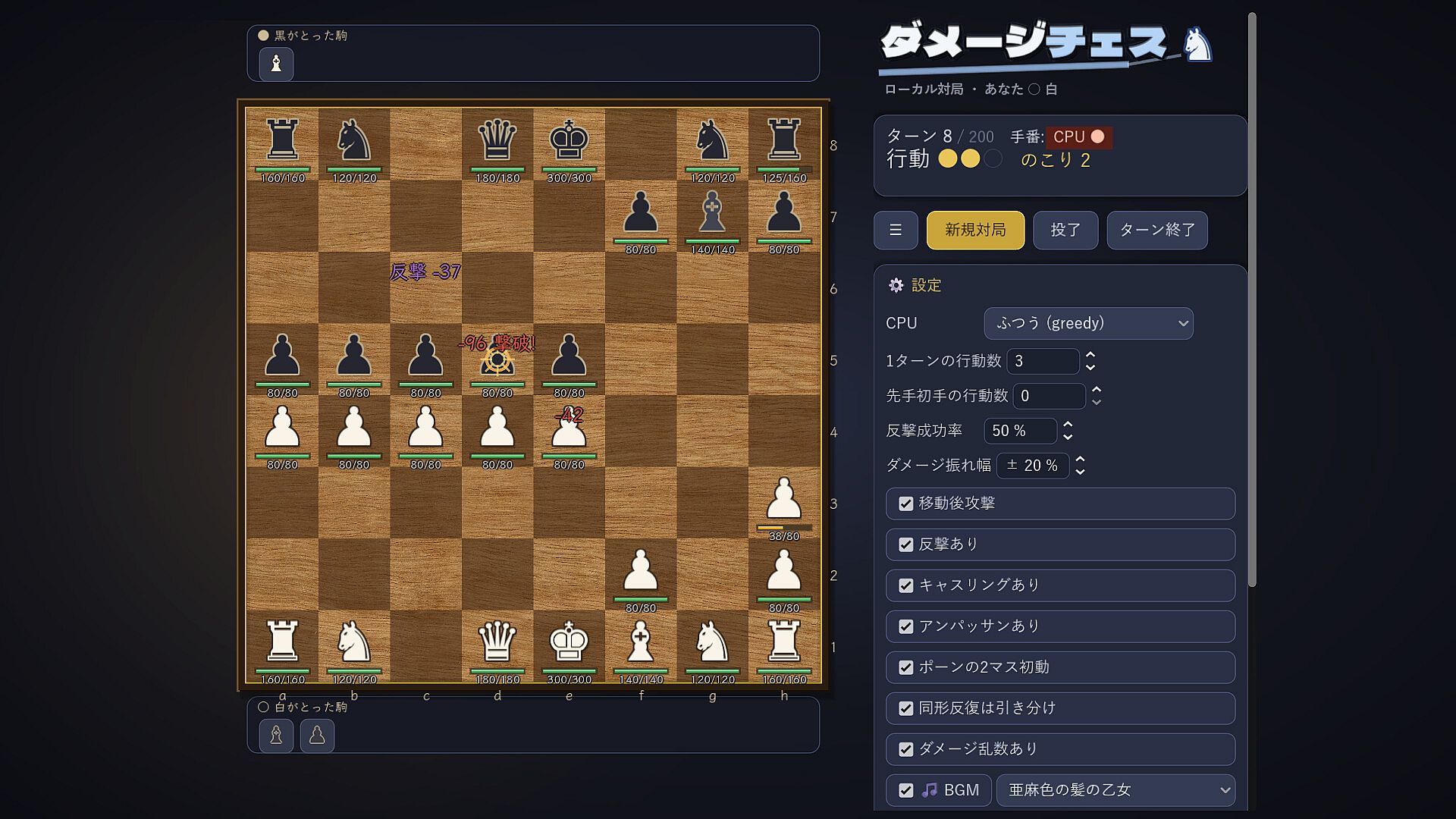


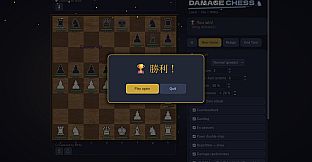
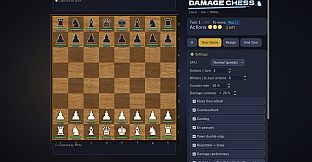
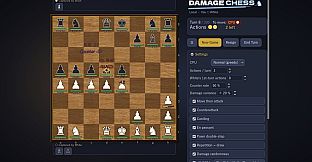
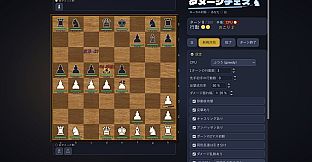
Damage Chess is a strategy game that transforms the familiar chessboard into a battle of attrition. Pieces carry individual health points, attack values, and defense ratings, so opponents must grind down an enemy unit over multiple exchanges rather than removing it in a single capture. The result is a slower, more deliberate contest where positioning, timing, and risk assessment matter more than raw material advantage.
Gameplay
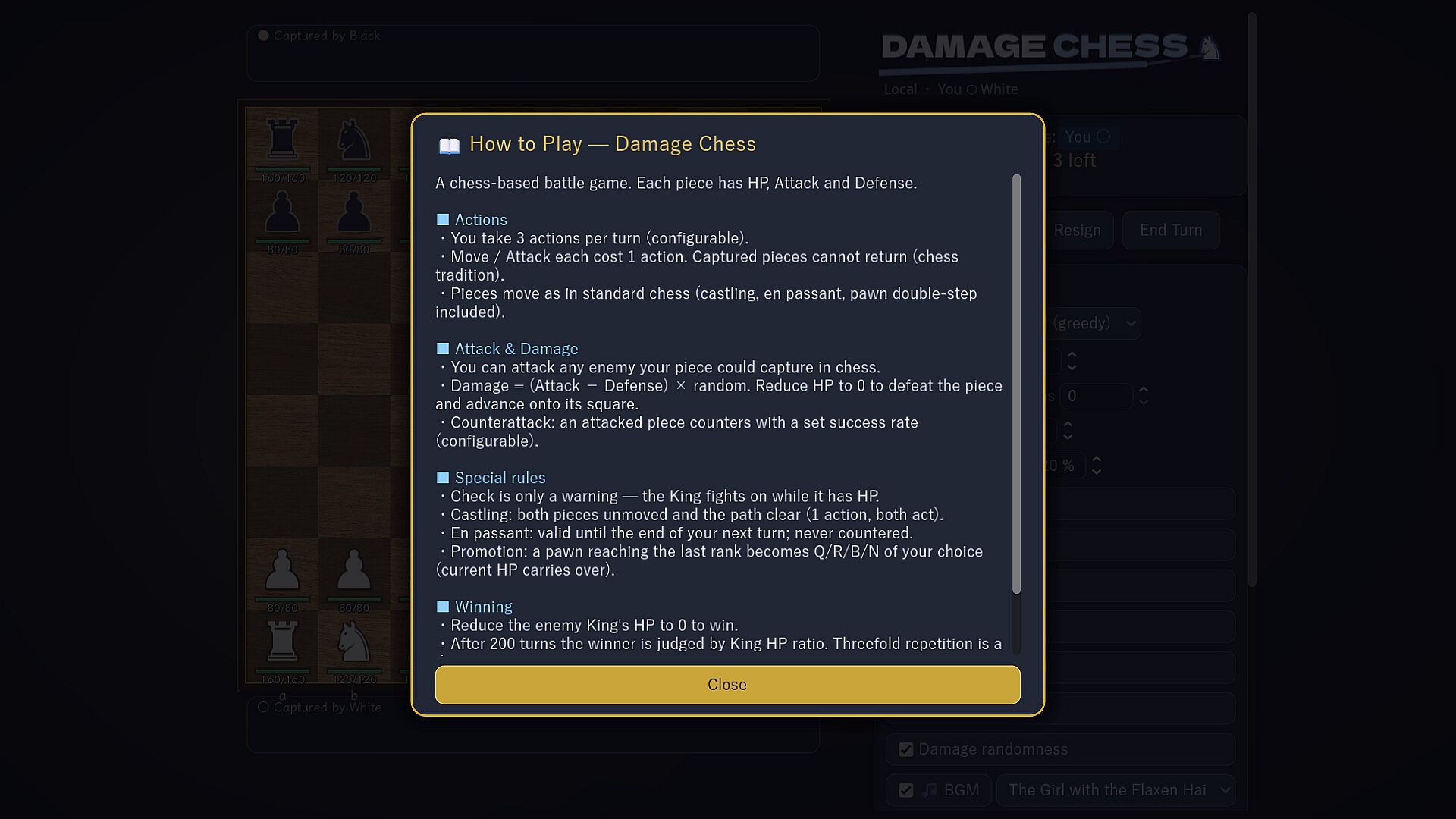
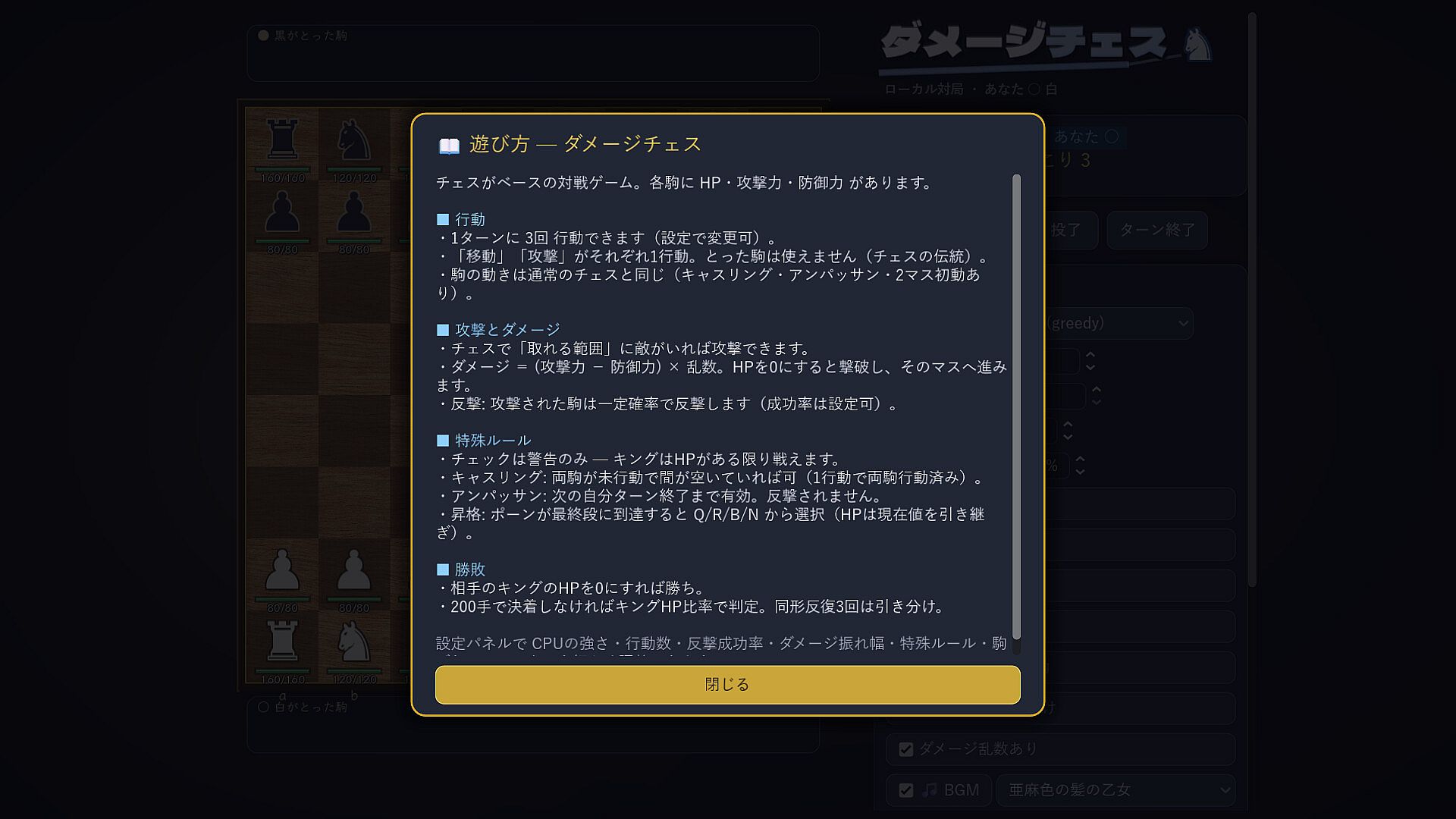
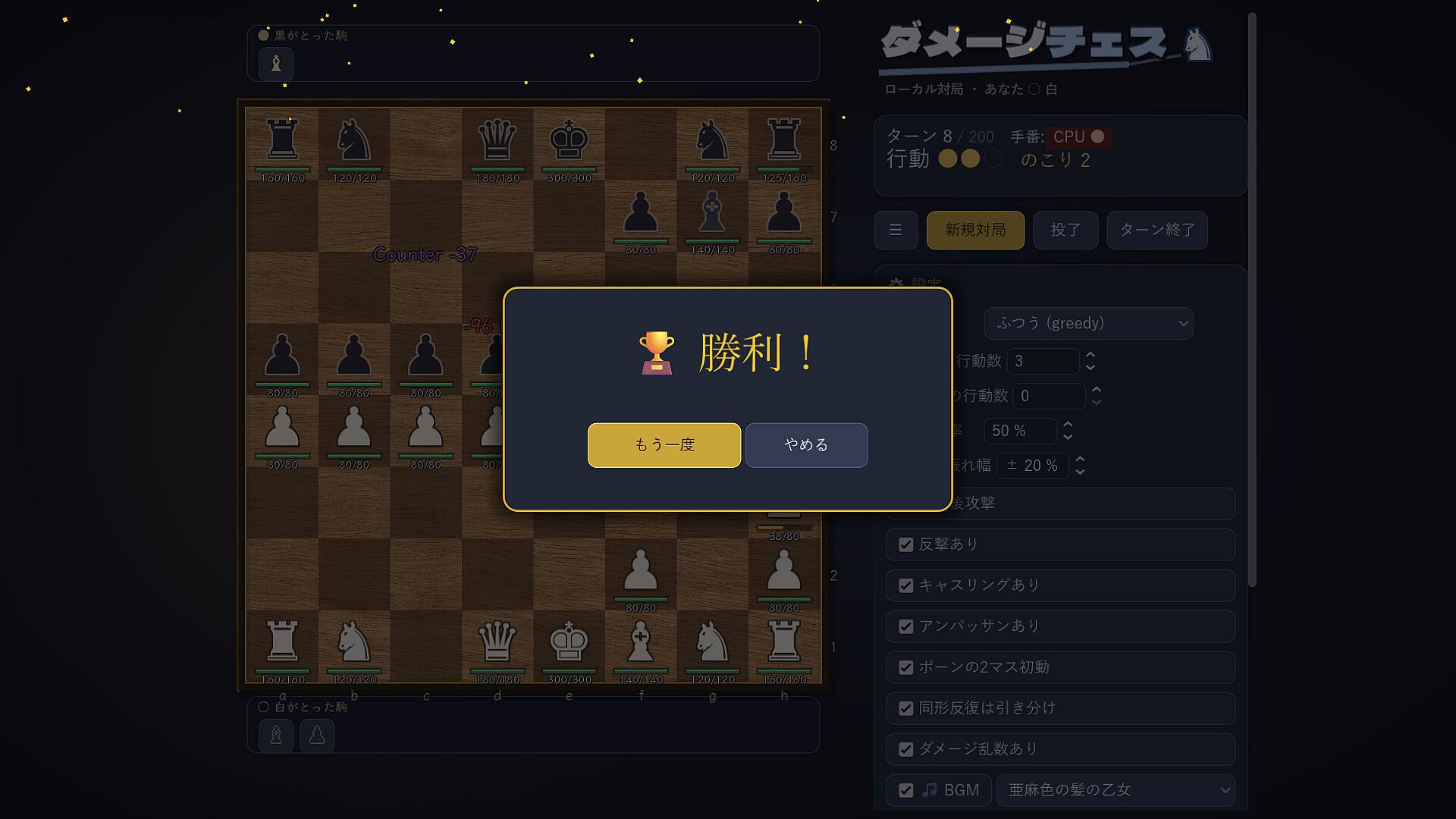
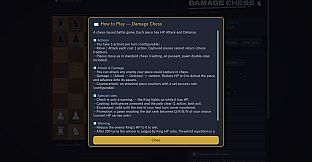
Each turn grants three actions instead of the traditional single move. Players can advance pieces, reposition for better angles, or commit to strikes that deal randomized damage. When a piece is attacked, it has a chance to counterattack, turning every engagement into a calculated gamble. The game ends when one player reduces the opposing king's health to zero; there is no checkmate condition to watch for.
Classic chess rules remain intact but serve new purposes. Castling still protects the king, en passant retains its tactical sting, and promotion lets a player choose queen, rook, bishop, or knight while carrying over the unit's current health. These familiar mechanics blend with the health-based combat to create fresh decision points on every square.
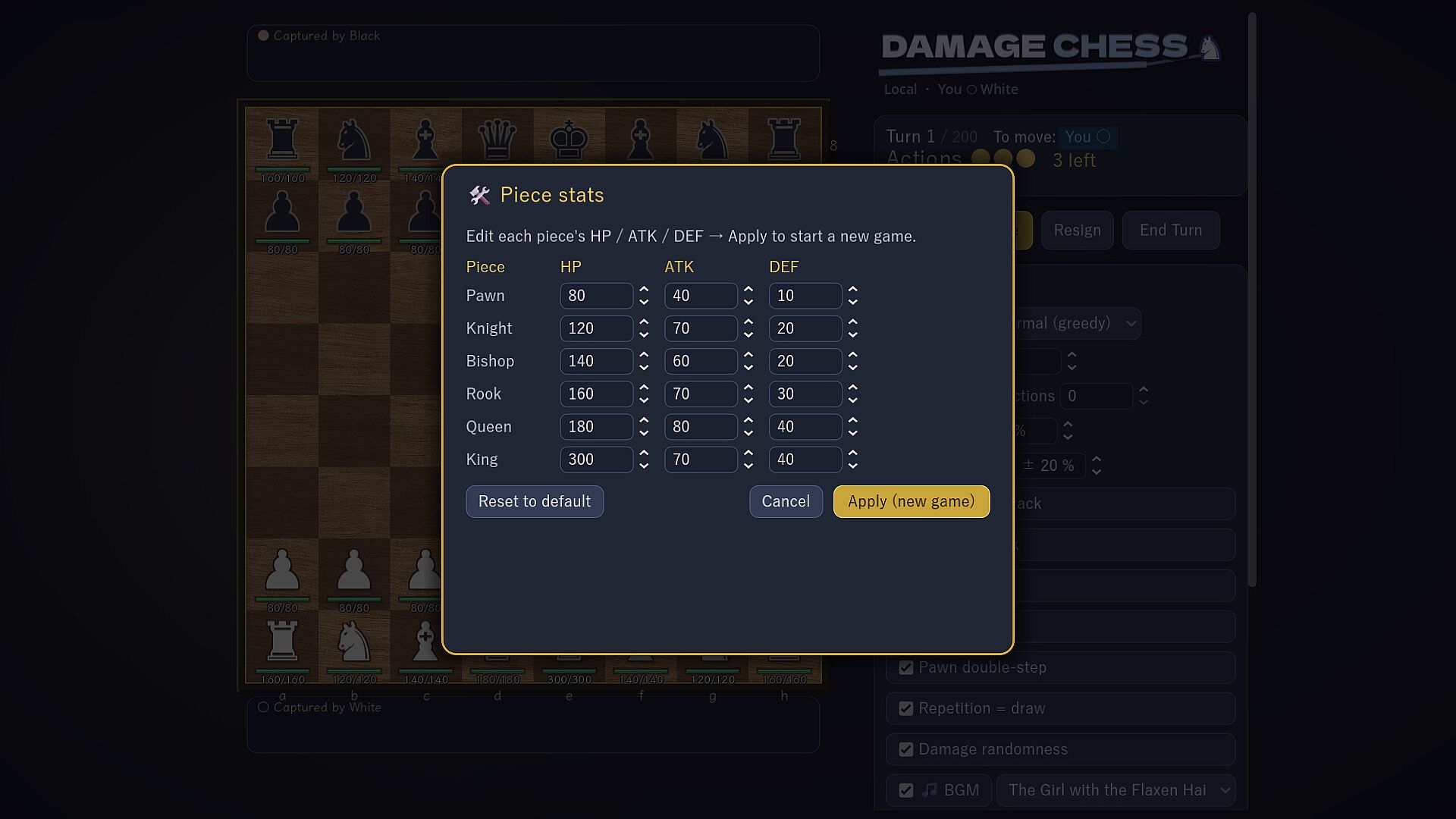
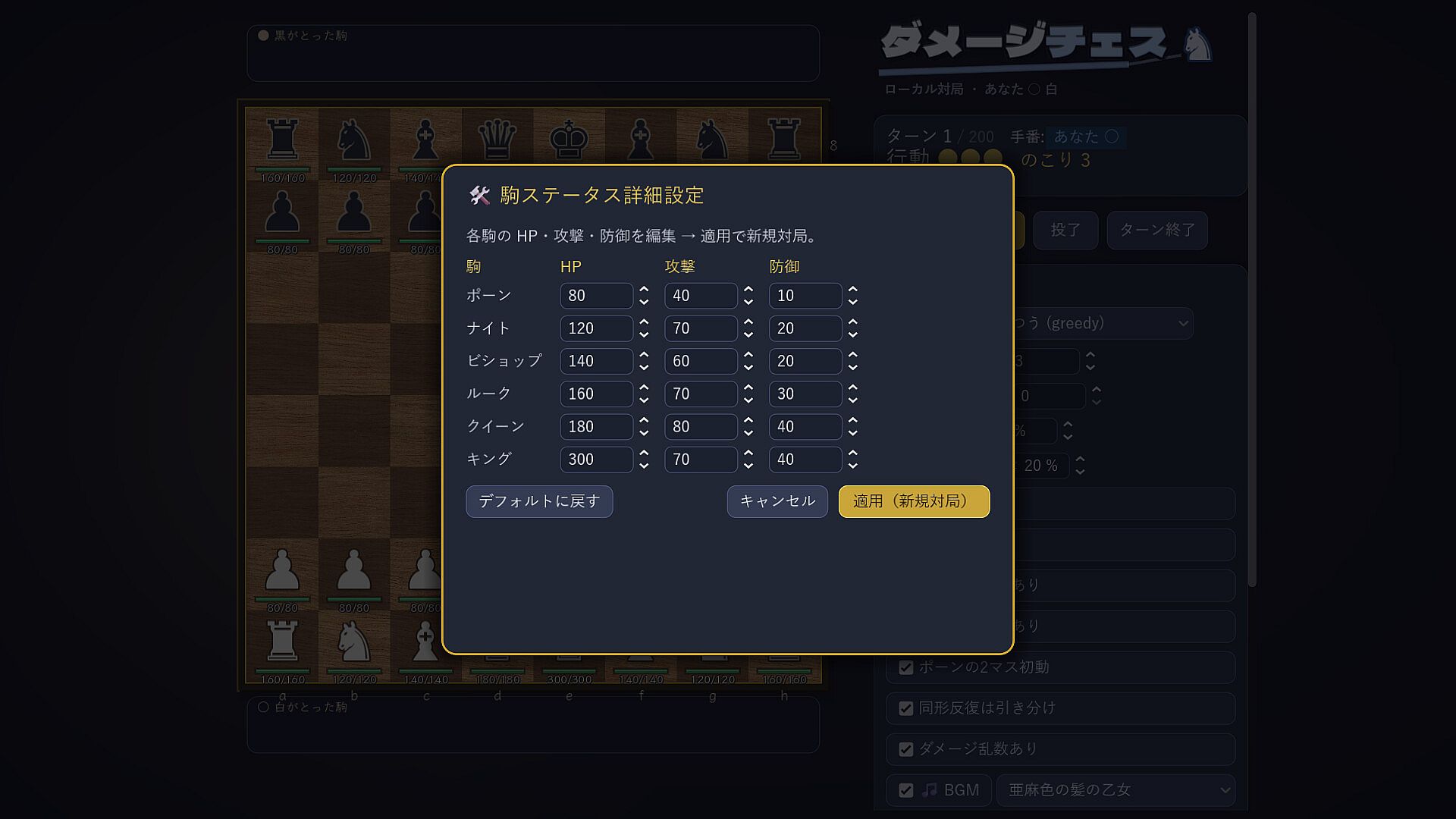
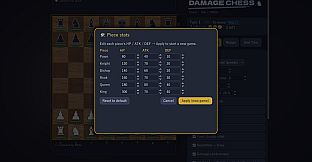
Damage values fluctuate within adjustable ranges, and counterattack success rates can be tuned by the player. Individual piece statistics are fully editable, allowing complete control over how aggressive or resilient each unit feels. The result is a system that rewards careful sequencing of the three actions while leaving room for personal rule preferences.
Game Modes
Two primary ways to play exist. Single-player matches pit the user against one of four CPU difficulty levels: Weak, Normal, Strong, or Expert. Each tier provides a distinct challenge level, letting newcomers learn the health mechanics before facing more punishing opponents.
Online play supports direct matches with friends through invite links or room codes. Reconnection support helps maintain sessions if connections drop. No public matchmaking or ranked ladders are available at launch, keeping the focus on private, skill-matched encounters.
Both modes operate under the same core ruleset, though custom rule sets can be applied independently for each game. This flexibility lets players experiment with different damage variances or piece stats without affecting their standard matches.
Customization and Accessibility
Extensive options let players shape the experience before a match begins. Damage variance, counterattack frequency, action count per turn, and individual piece health, attack, and defense values can all be adjusted. Special rules such as castling or en passant can be toggled on or off. These tools support both casual experimentation and serious balance testing.
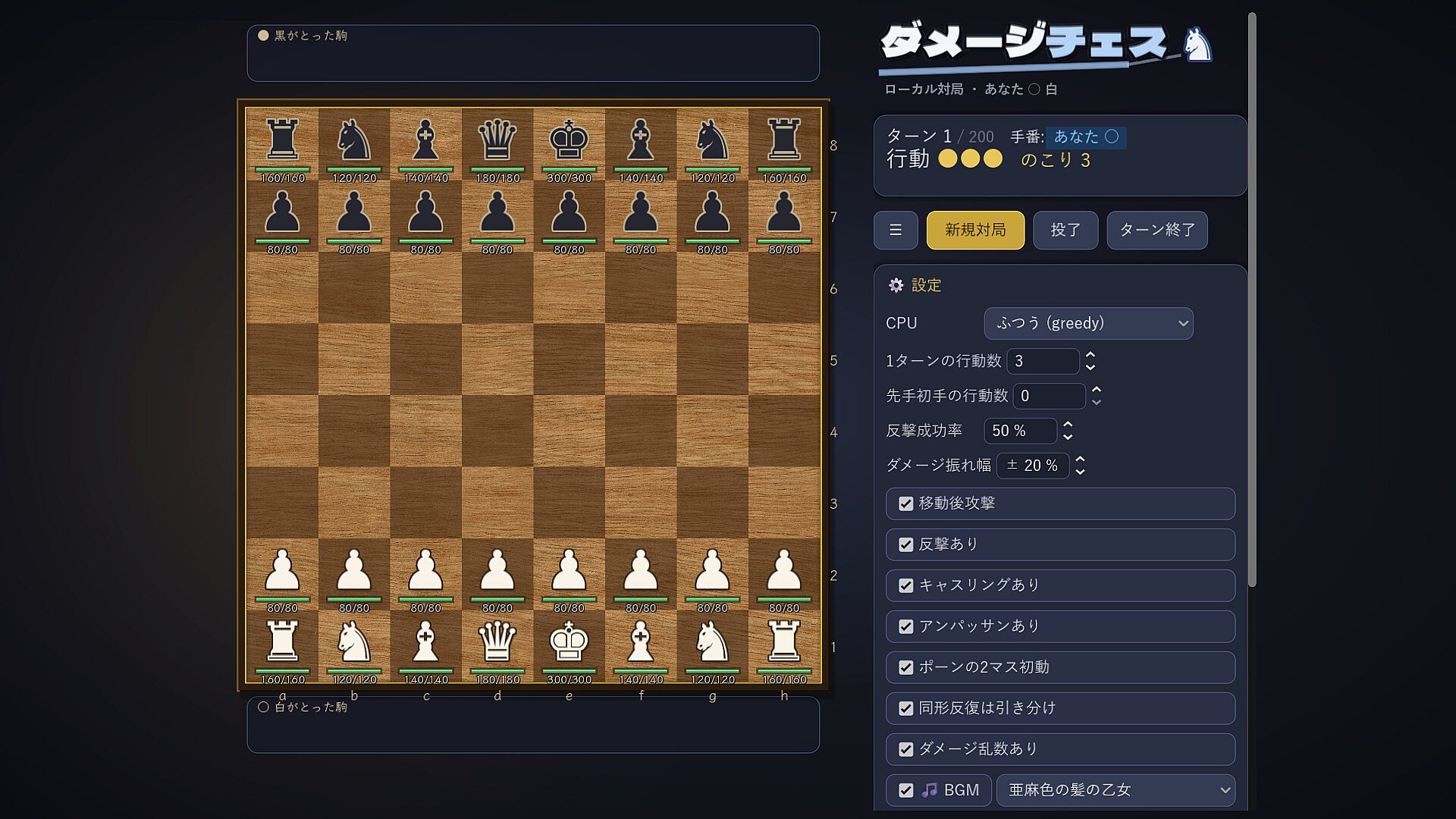
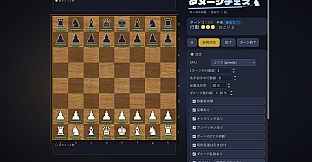
The interface supports full English and Japanese text, making the game approachable for a wider audience. No additional languages are confirmed at this stage.
Is It Worth Playing?
Damage Chess appeals most to players who already enjoy chess variants and want more tactical depth without abandoning the board's geometry. The three-action structure and health system reward forward planning and precise positioning over quick captures. Those who prefer pure deterministic chess may find the randomized damage elements disruptive, while fans of adjustable luck will appreciate the fine-grained controls.
The game launches in Early Access with a complete set of core features already functional, including all special moves, four CPU tiers, and friend-based online play. Planned additions focus on ranked matchmaking and further polish rather than fundamental changes. Because no user reviews exist yet, expectations should center on the described mechanics and the developer's track record with the earlier Damage Shogi title.
Overall, the title suits strategy enthusiasts seeking a deliberate, customizable chess experience that emphasizes attrition and sequencing over traditional material trades. Players comfortable with Early Access titles and willing to engage with the community for future balance updates will find the most value here.