















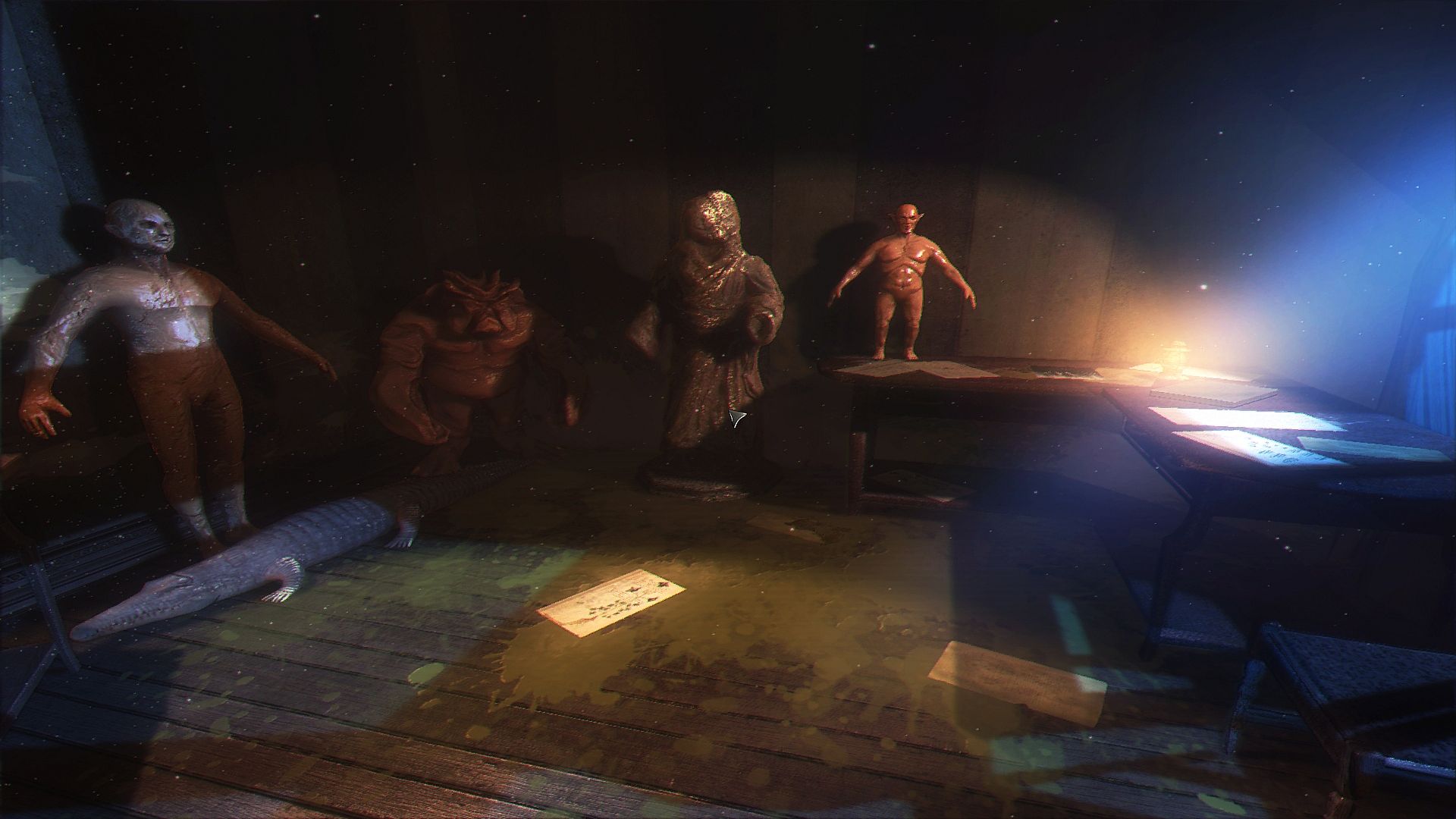
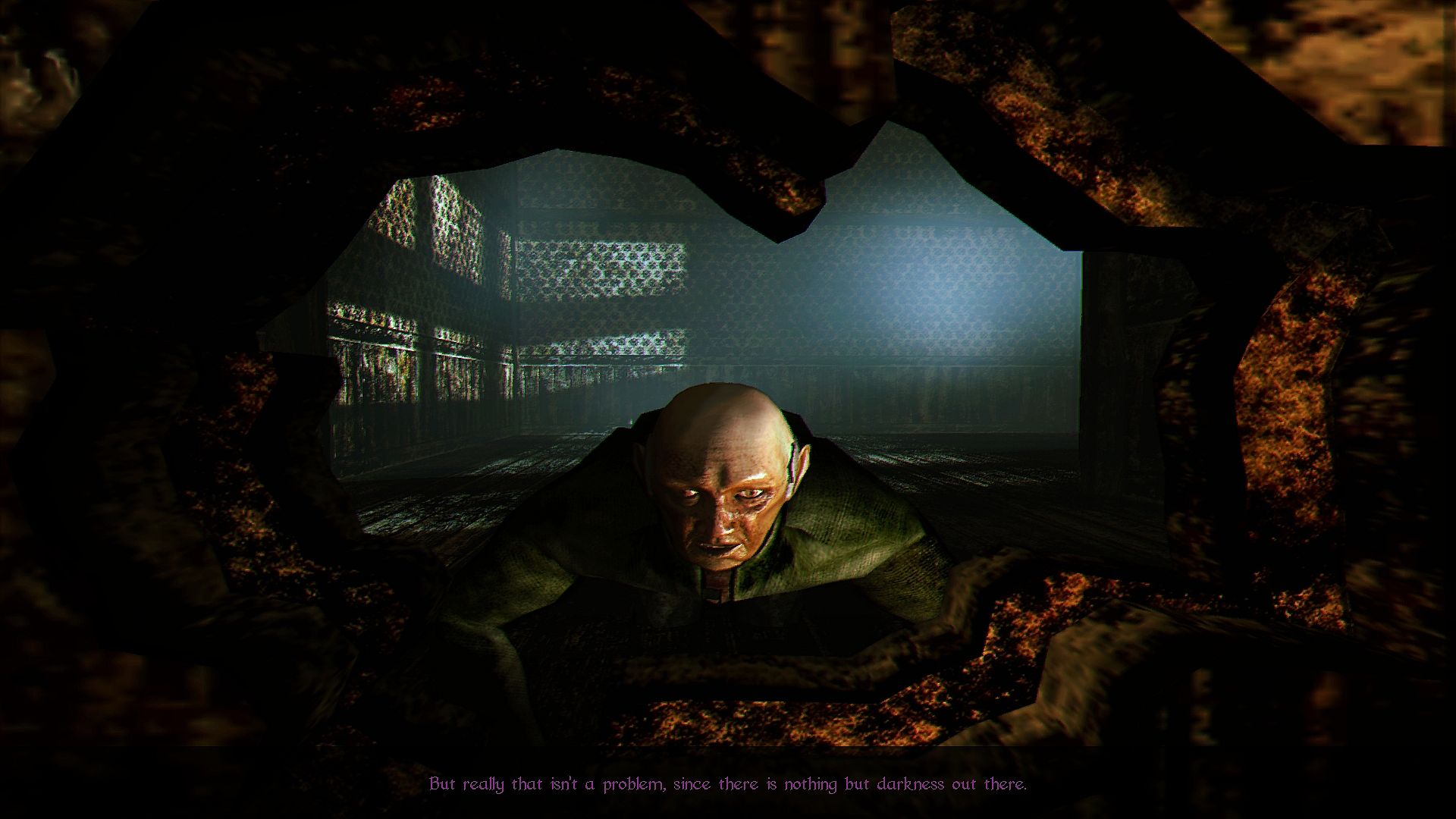
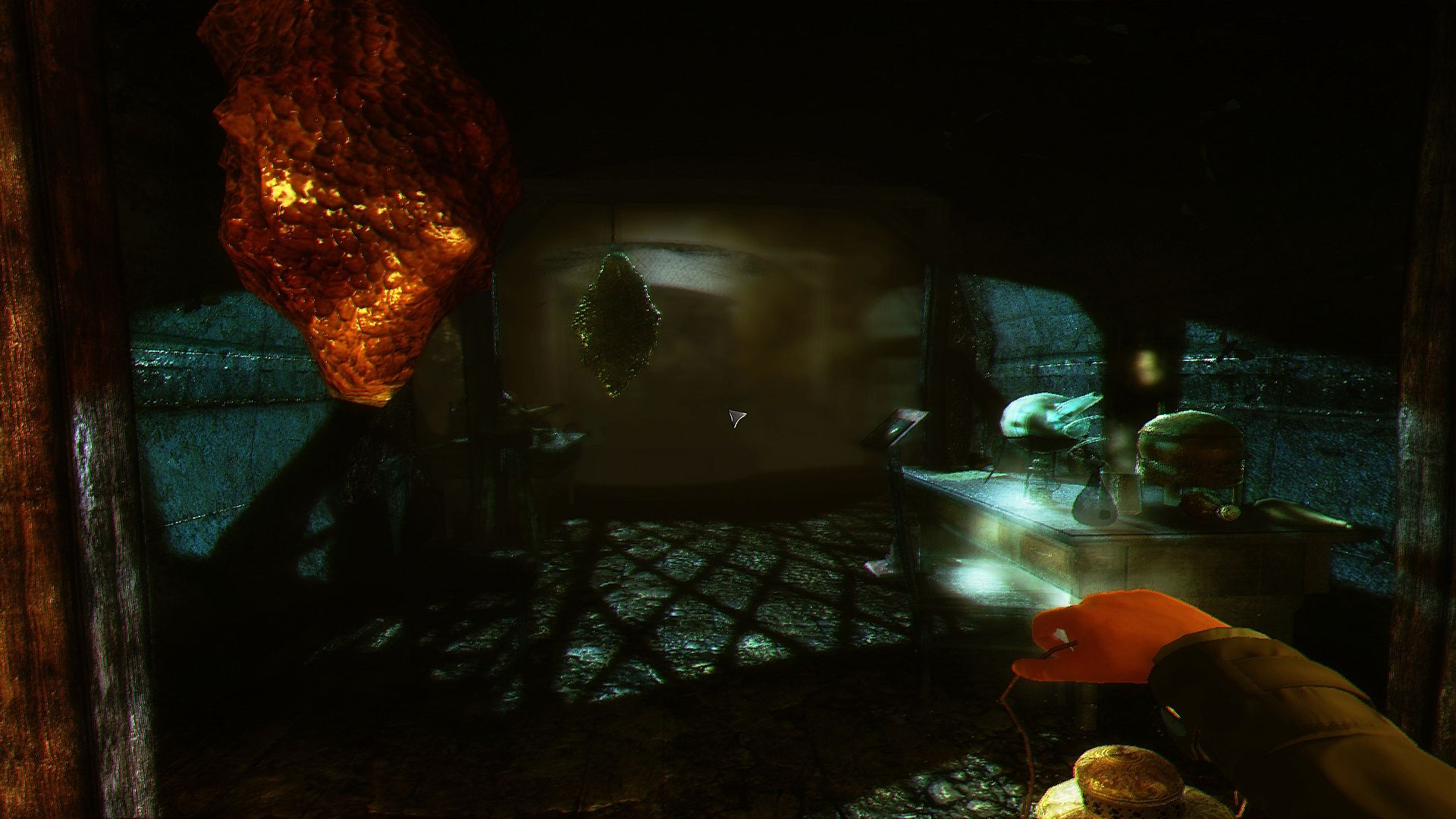
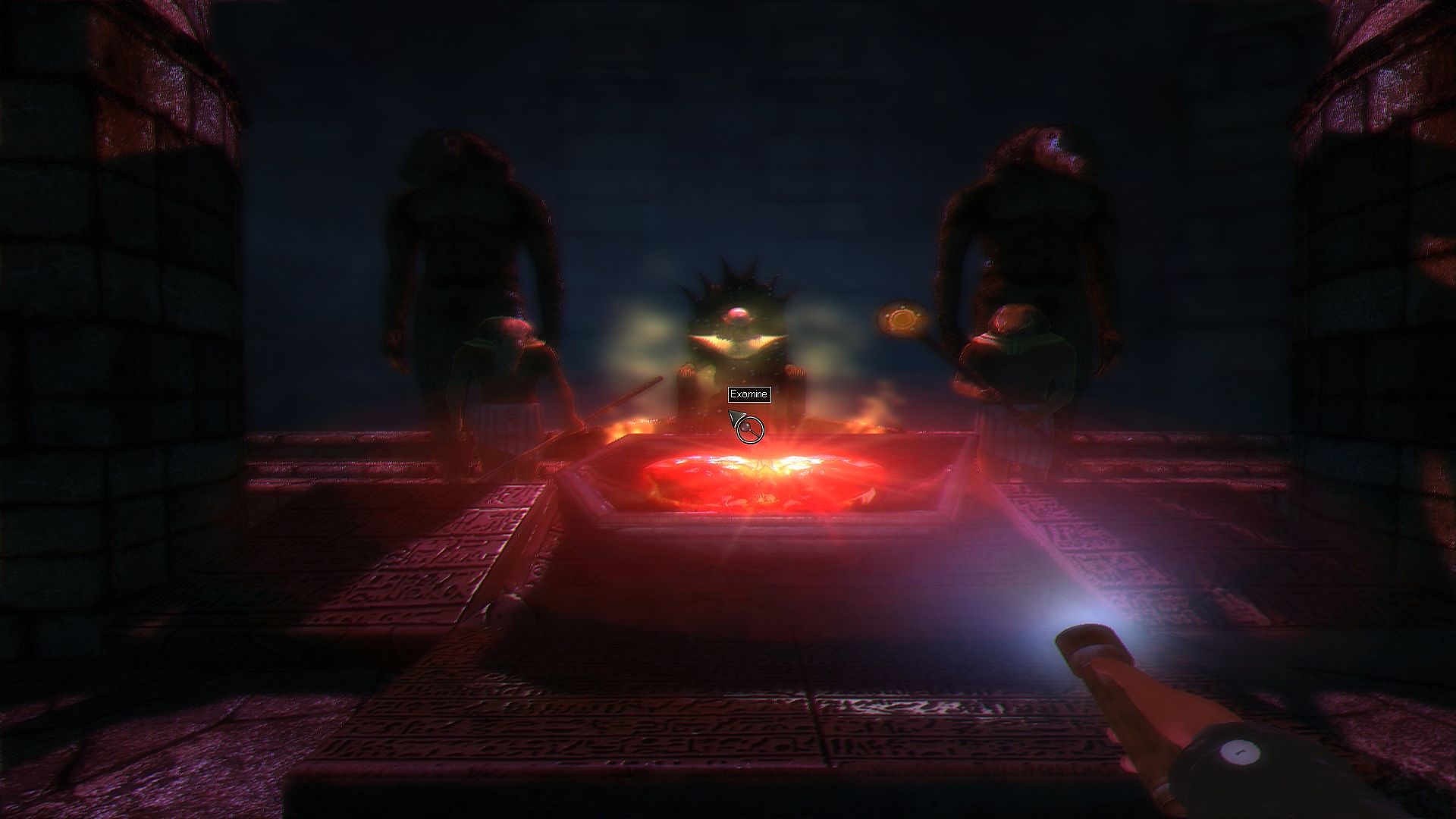
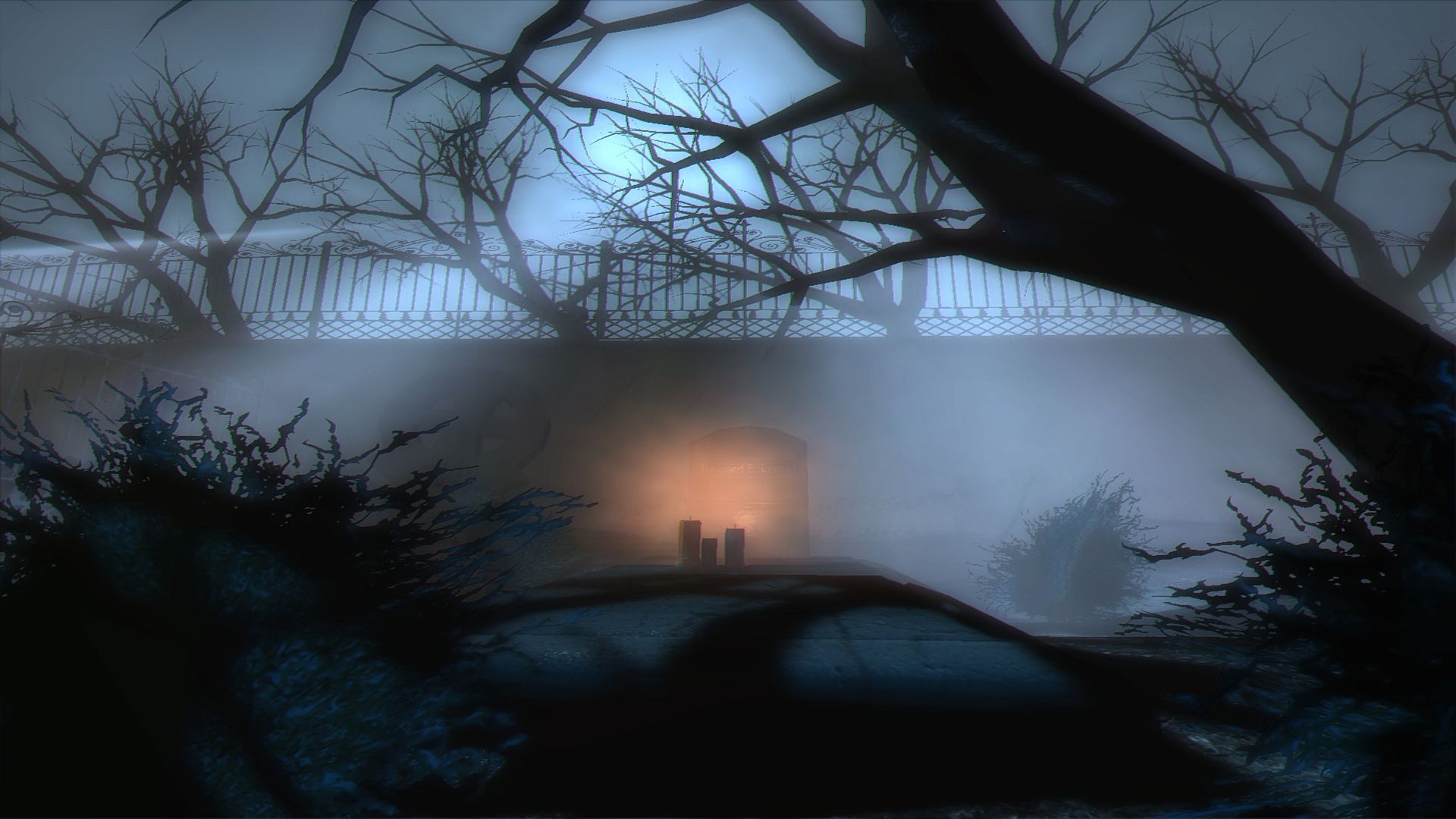
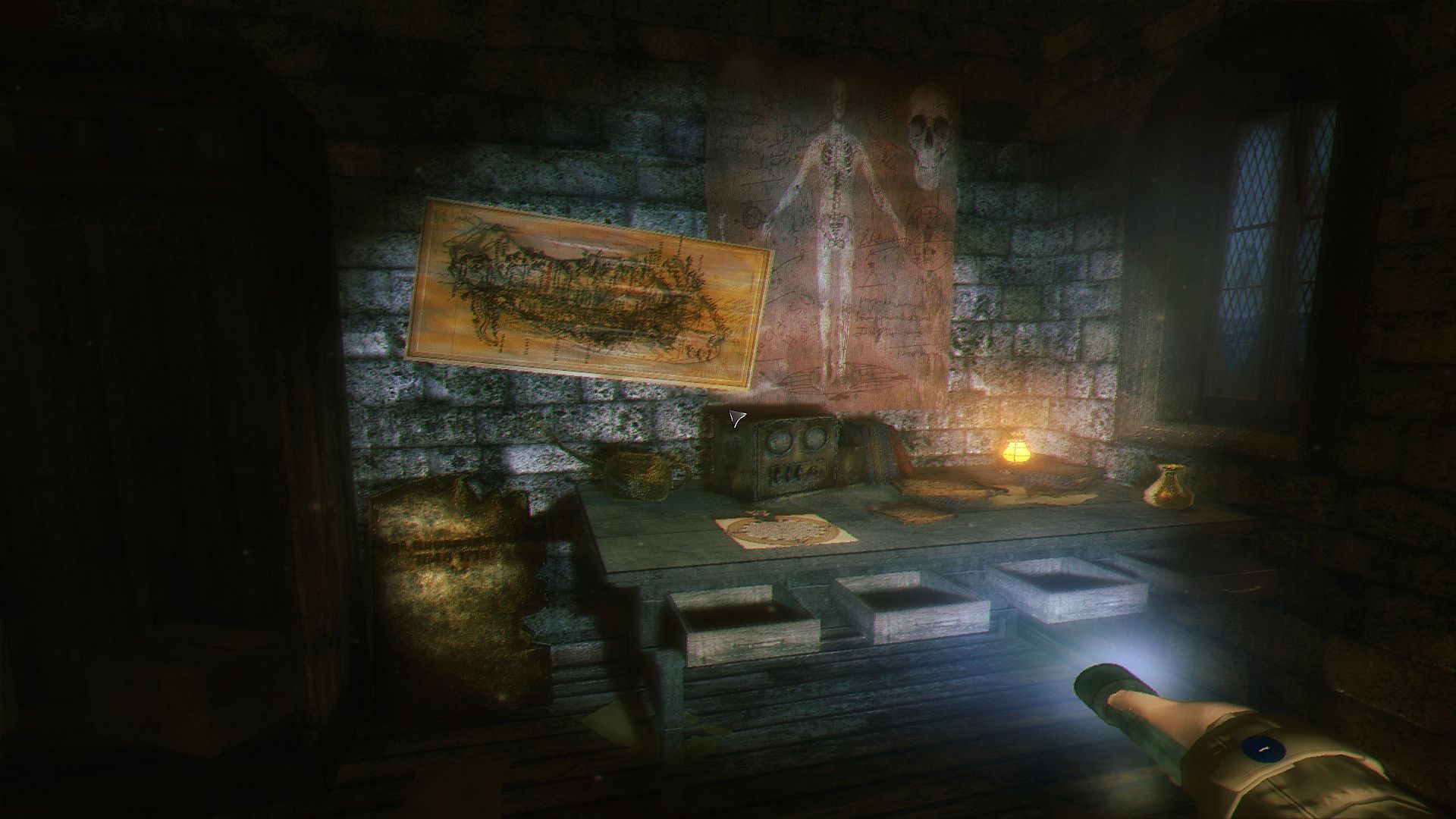
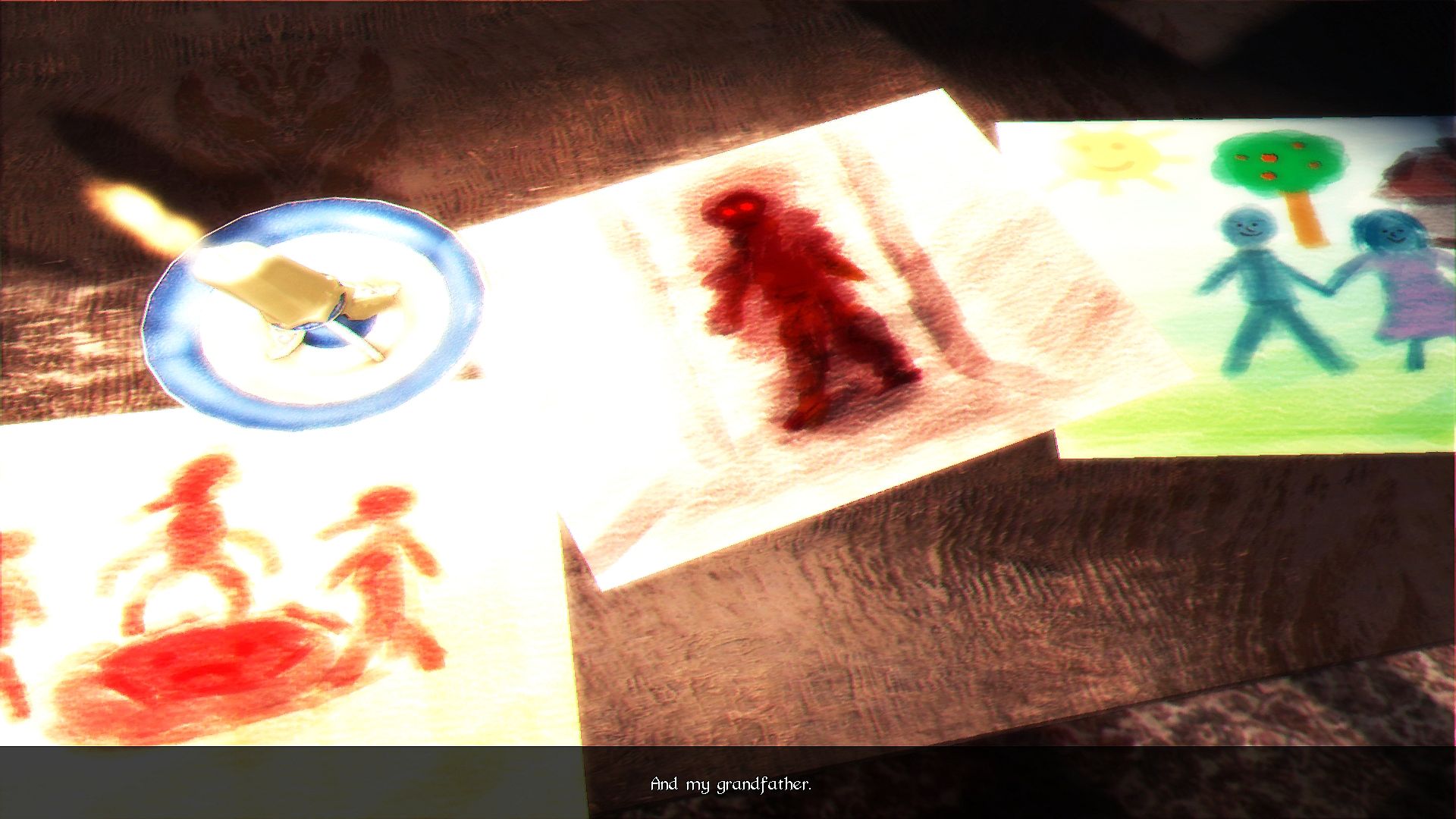
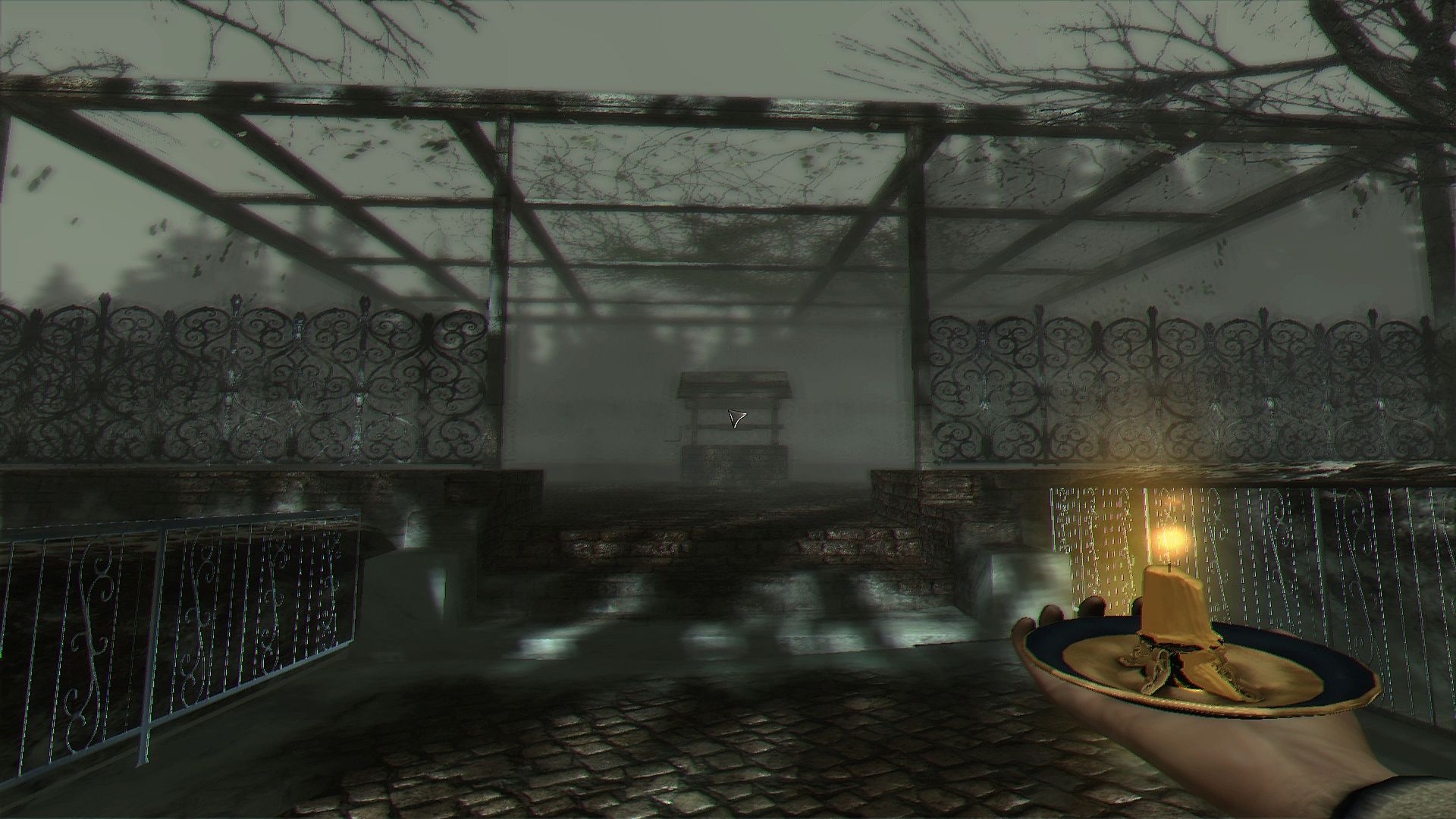
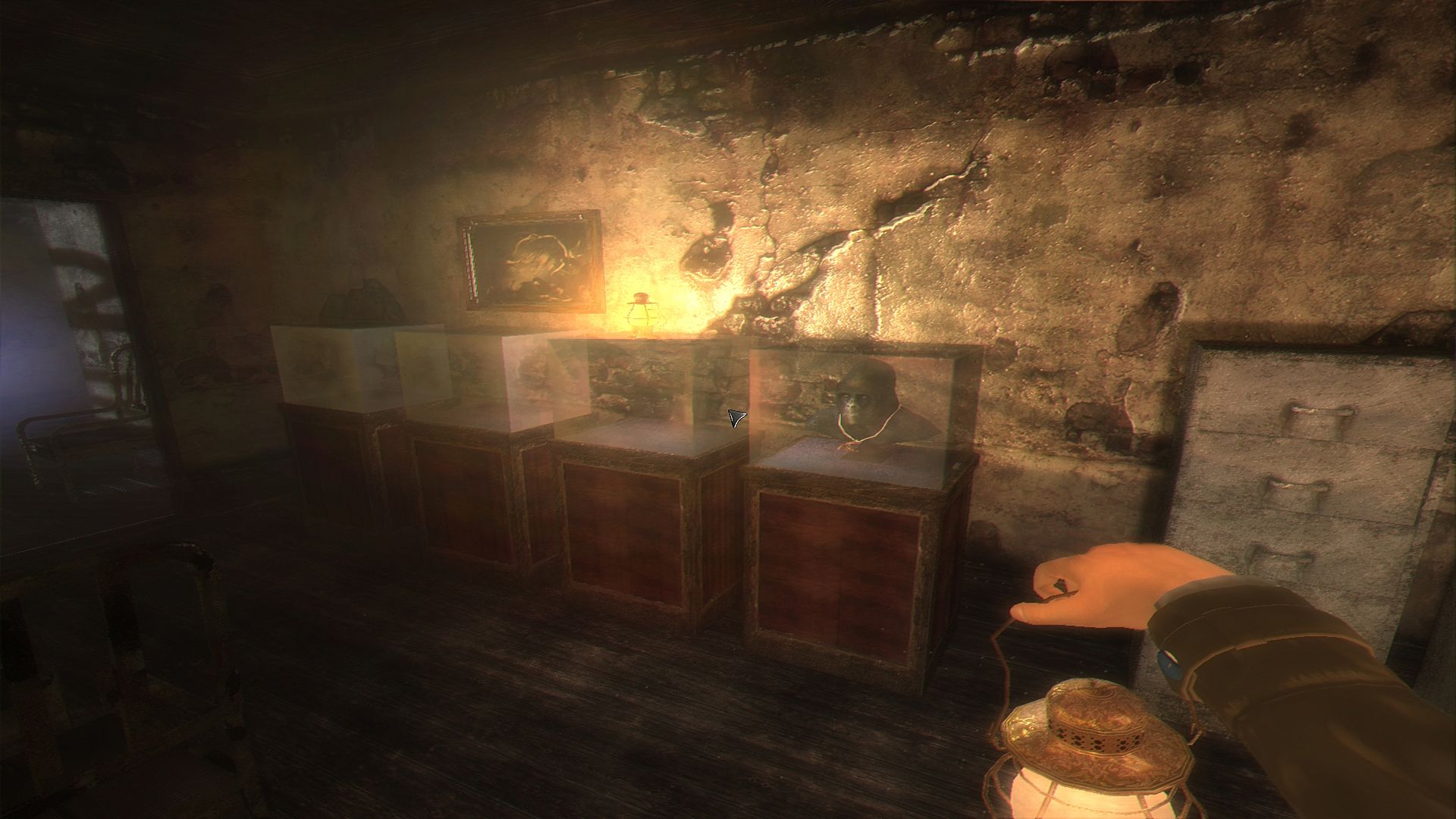
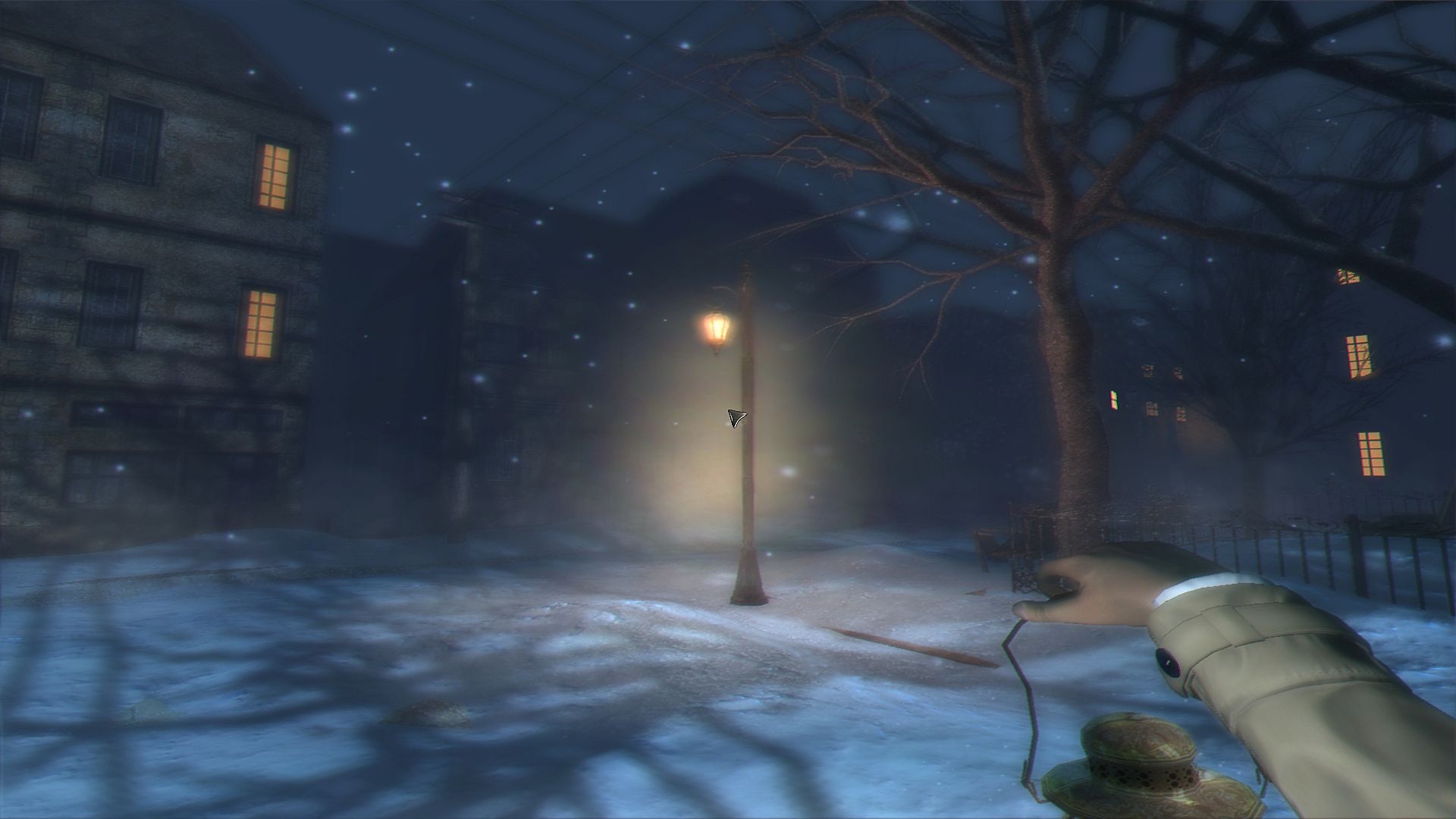
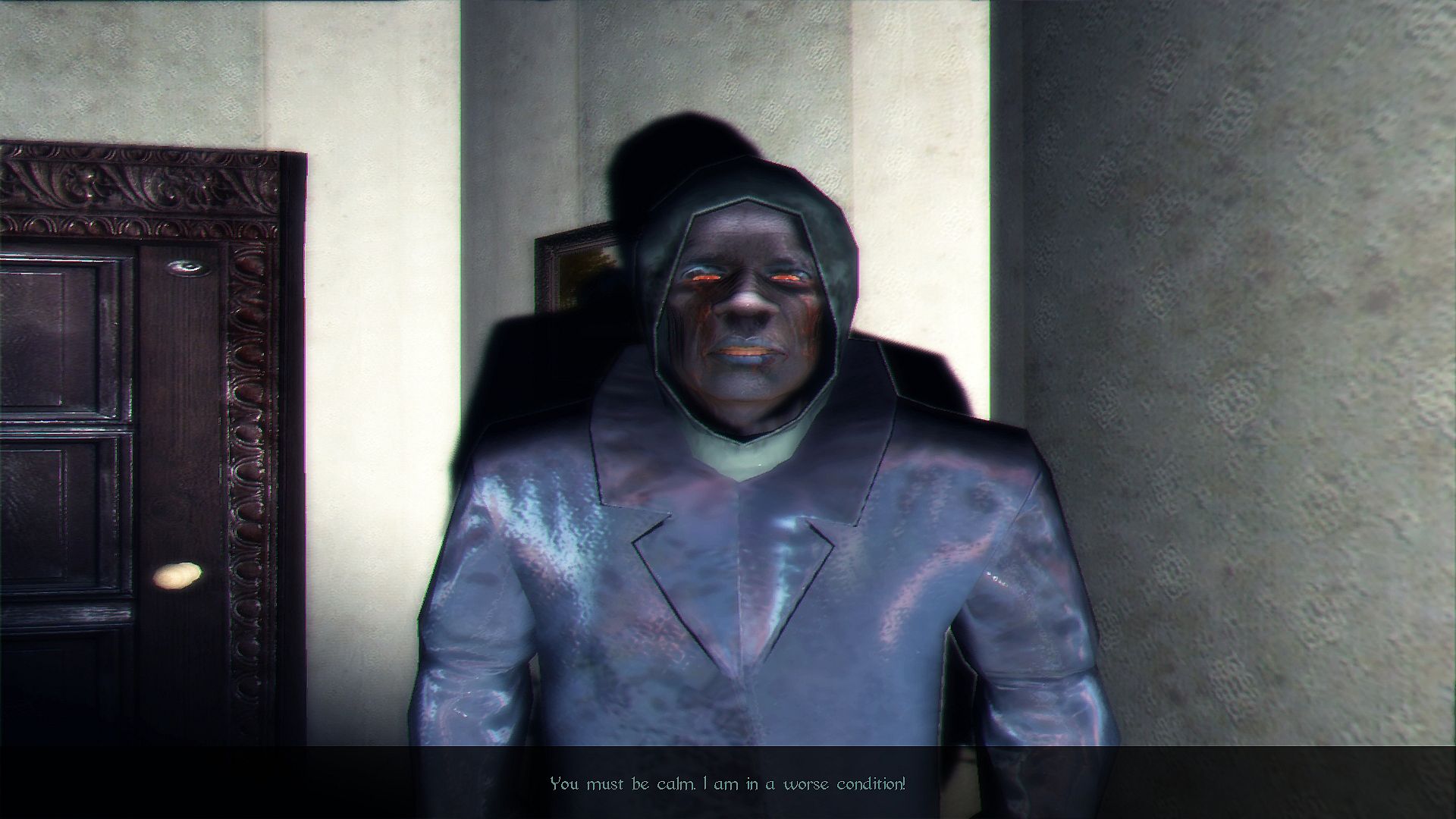
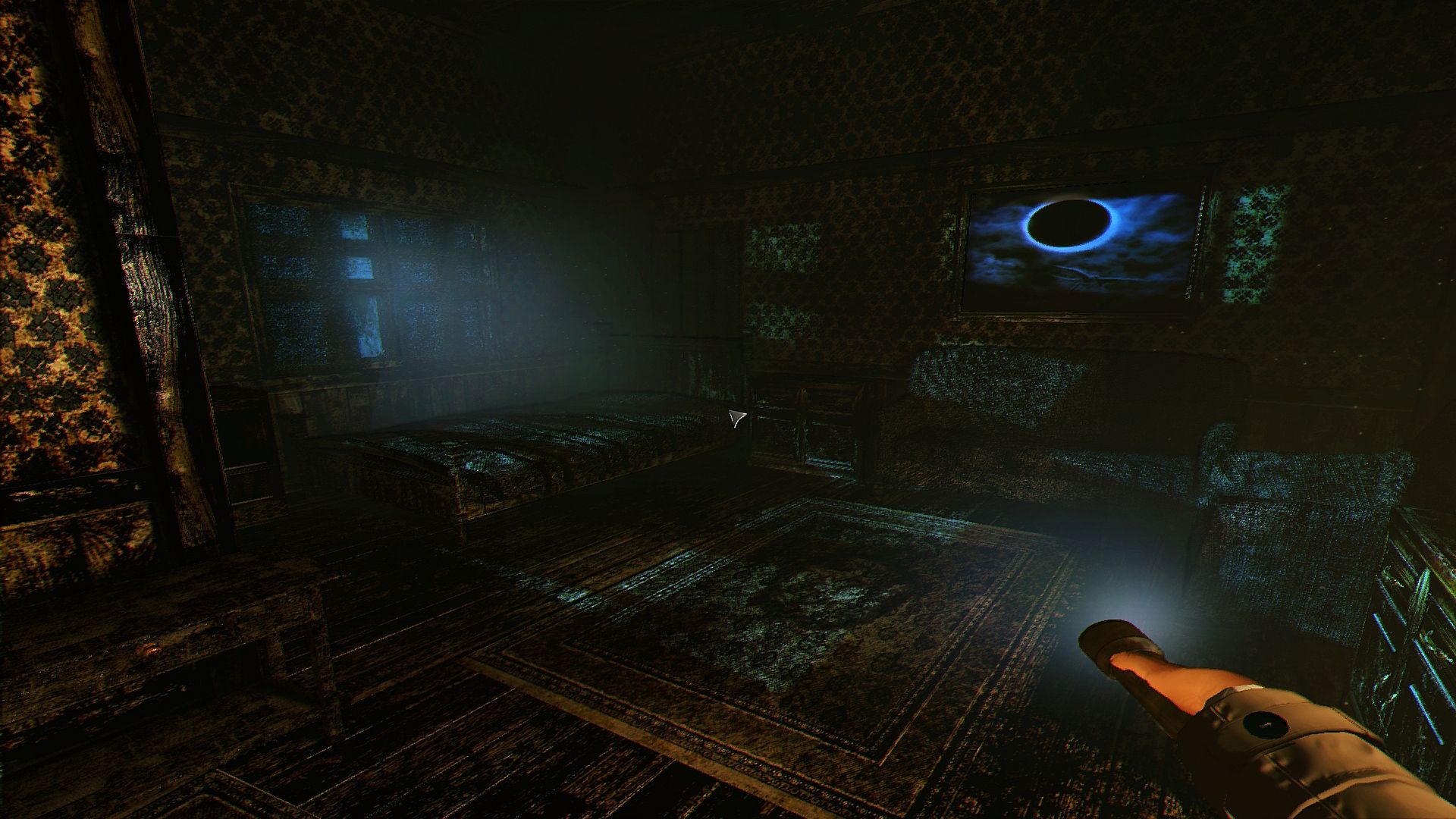
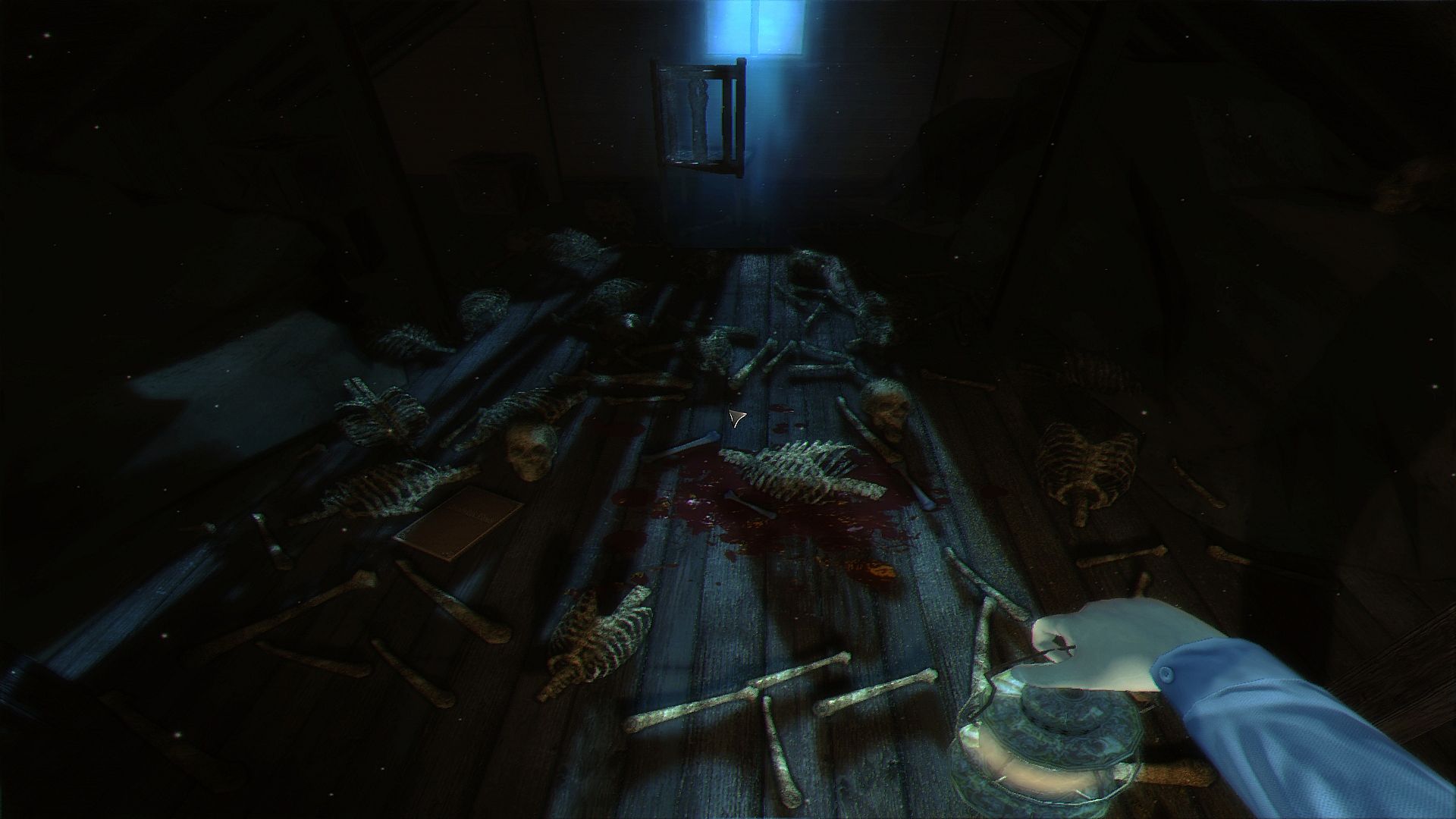
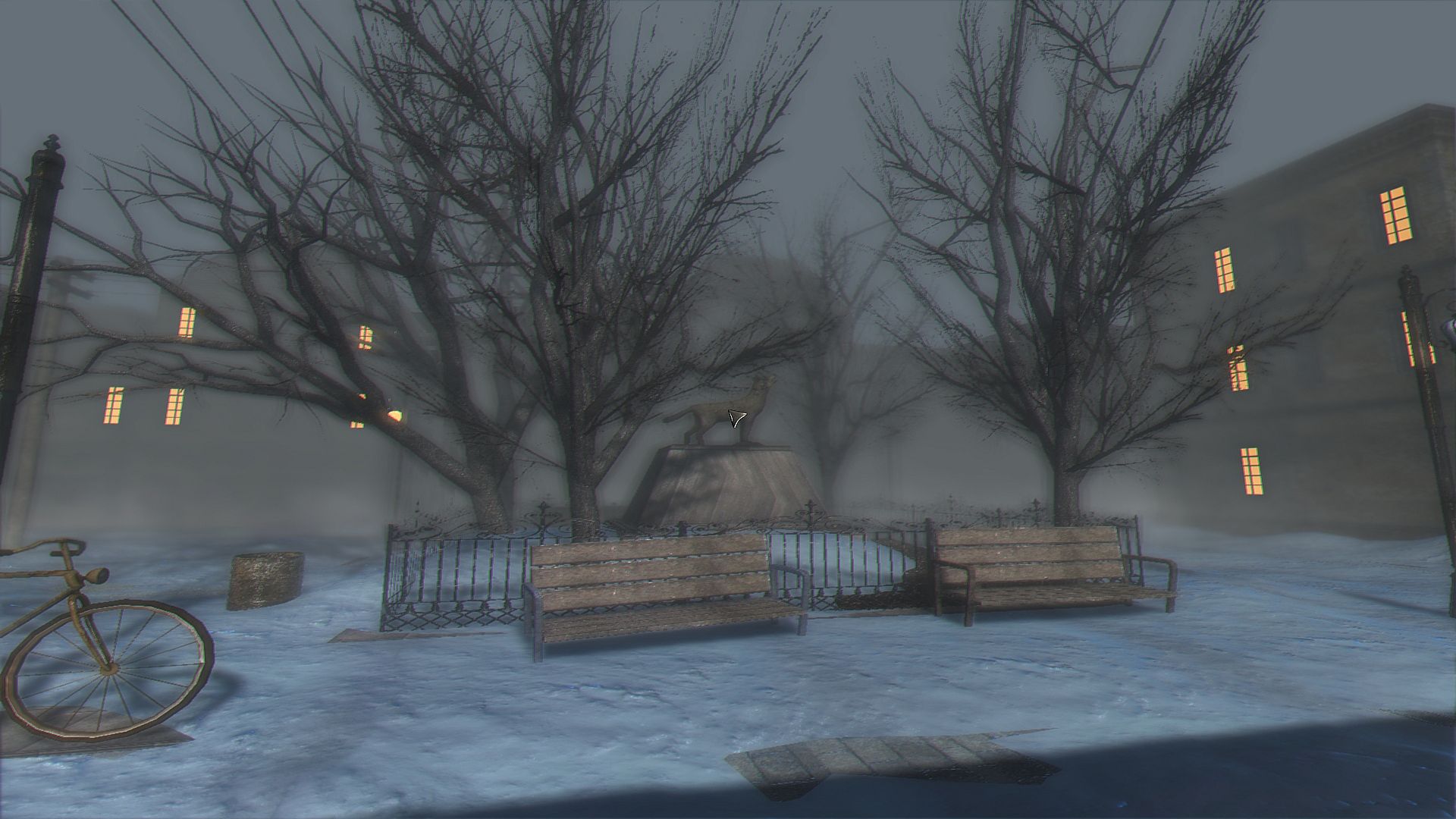
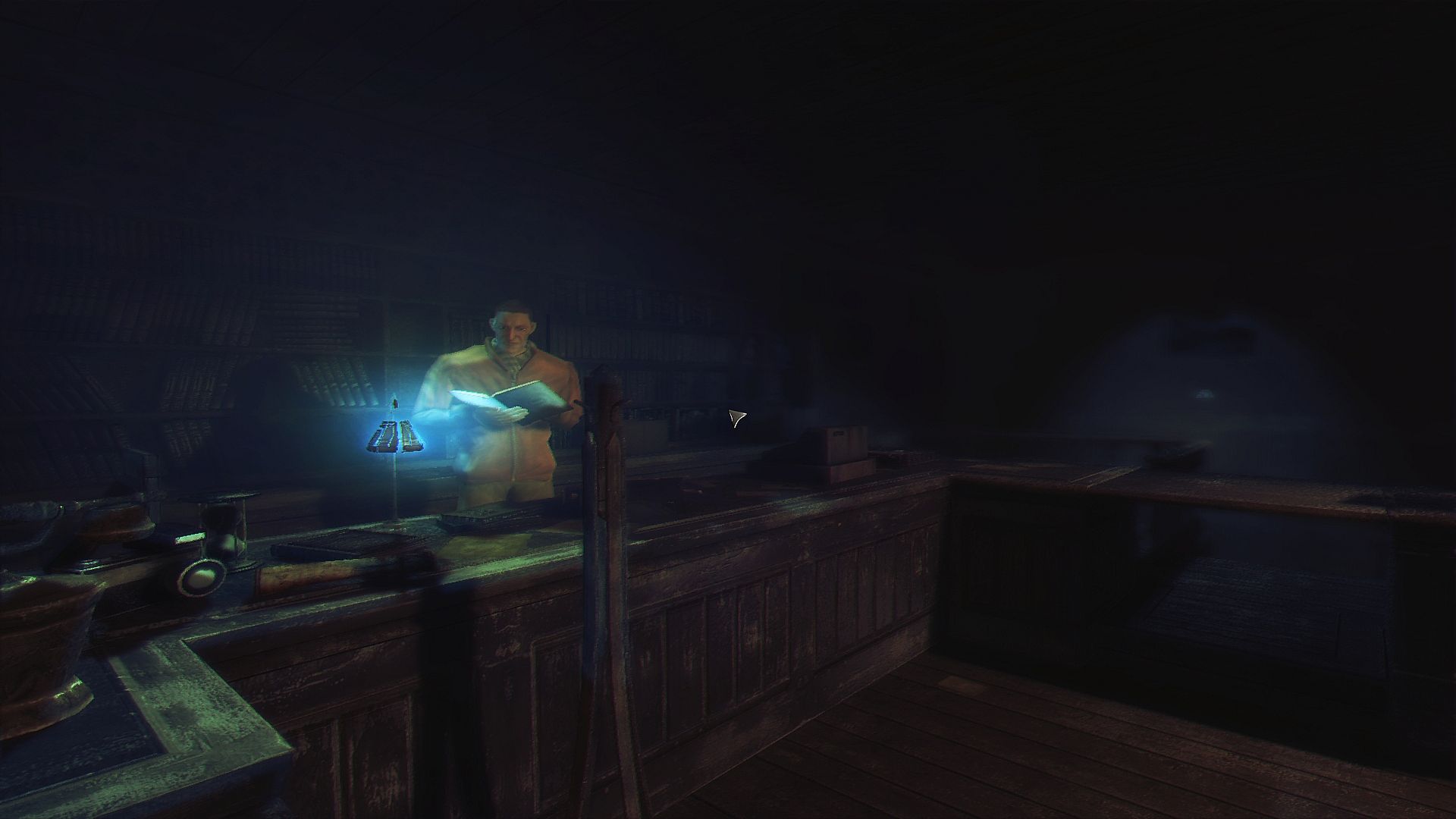
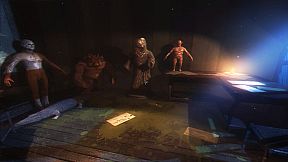
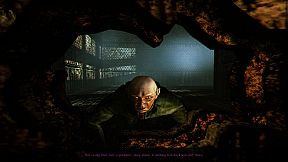
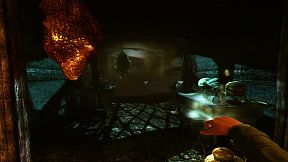
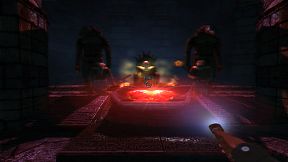
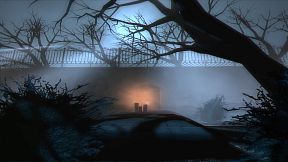

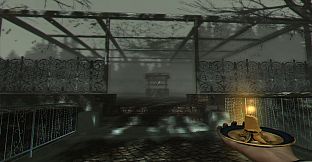
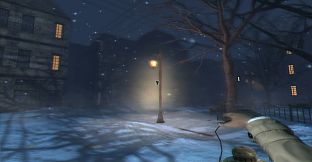
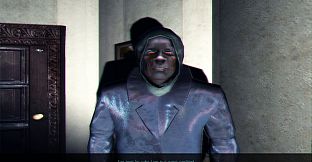
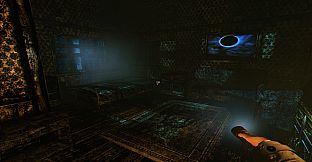
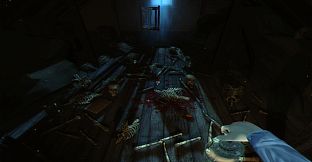
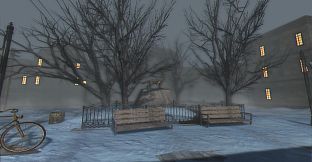
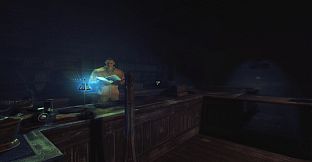
Darkness Within 2: The Dark Lineage stands as a single-player first-person adventure game rooted in Lovecraftian horror. Players step into the shoes of detective Howard Loreid once more, confronting connections between his personal history and unfolding supernatural events. The experience unfolds across eerie locations that include a somber town, an old mansion, snow-covered woods, and underground passages where forgotten memories resurface.
Gameplay
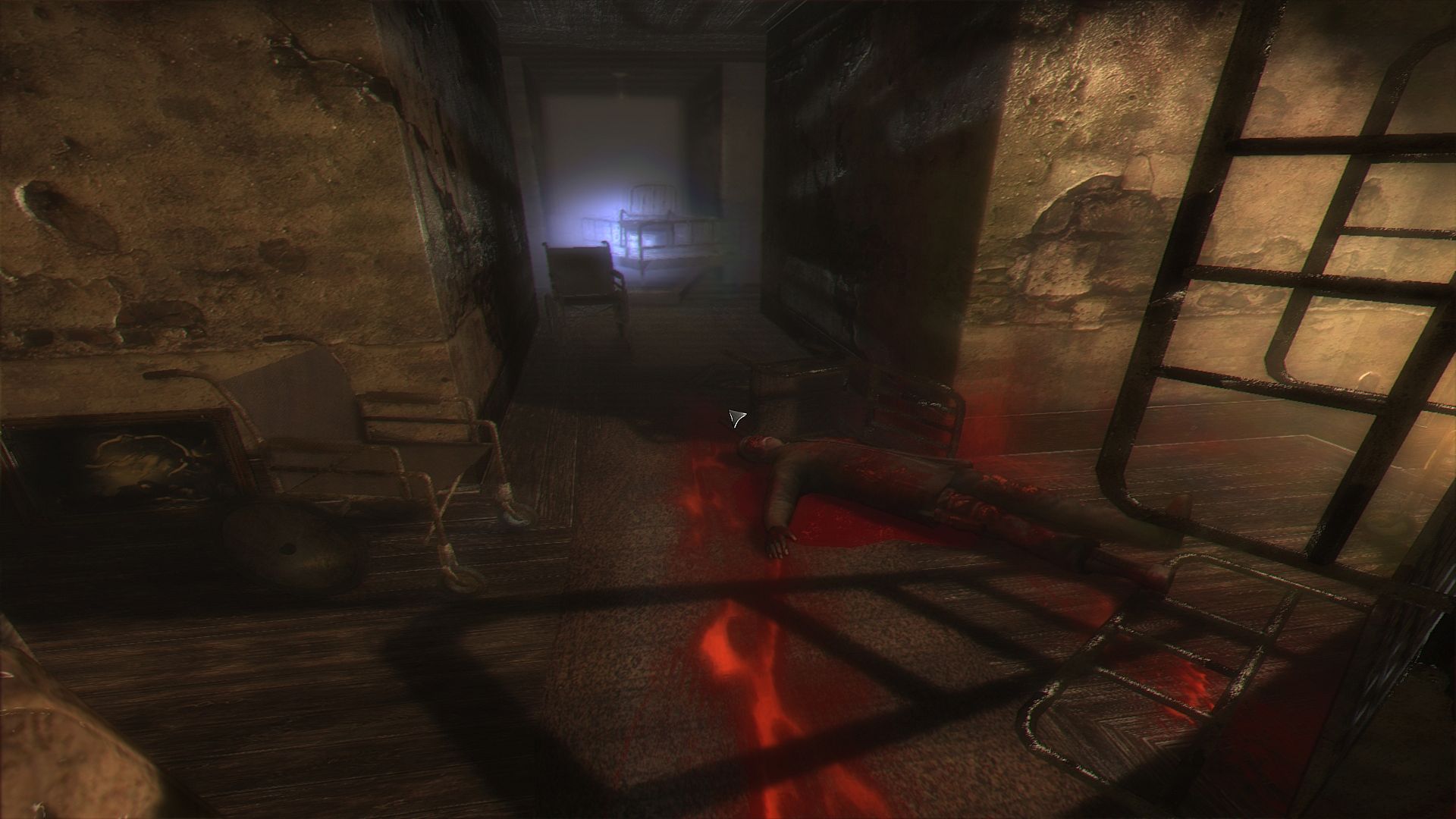
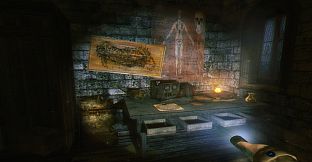
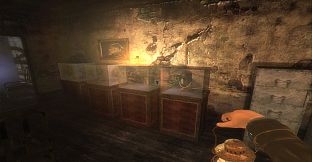
The core loop centers on exploration and puzzle-solving in a fully three-dimensional environment. Movement feels free within the spaces, supported by the NVIDIA PhysX engine that handles object interactions such as lifting, pushing, pulling, and throwing items. Light sources produce real-time soft shadows, adding depth to navigation through dim interiors and outdoor areas. Traditional adventure puzzles combine with unique mechanics like deciphering dream sequences and marking key passages in documents to reveal clues. An inventory system tracks collected items, while the first-person view keeps the focus on direct environmental engagement. Dynamic lighting and shading contribute to the overall tension during movement and object manipulation.
Physical interactions extend beyond simple clicks. Players manipulate objects in realistic ways, and the environment responds with appropriate physics. Cut scenes advance the narrative through chilling sequences that blend with the haunting soundtrack. The game emphasizes careful observation, as many solutions require examining surroundings and piecing together information from multiple sources.
Game Modes
Three distinct difficulty settings shape the hint system and overall challenge level. Standard mode provides balanced assistance for players new to the genre. Detective mode increases the demand for independent problem-solving. Senior Detective mode removes most guidance, requiring full reliance on observation and logic to progress. These options allow customization of the experience without altering core mechanics like exploration or object handling.
Each setting influences how readily players receive directional prompts during stuck moments. The structure keeps the focus on the same set of puzzles and interactions across all modes, differing only in the amount of external support available.
Director's Cut Enhancements
The Director's Cut Edition introduces several technical improvements over earlier releases. Most environments received graphical refreshes that update textures and lighting. A new explorable location expands the available areas. Post-processing effects, including chromatic aberration and color gradation, create a more cinematic presentation. Additional puzzles were incorporated to refine pacing and balance. These changes maintain the original structure while addressing some visual and mechanical aspects from the initial version.
Is It Worth Playing?
Reception remains mixed among players who value atmospheric storytelling and puzzle depth. Positive feedback often highlights the immersive Lovecraft-inspired narrative and the tension built through first-person exploration. Criticisms typically focus on dated visuals, occasional pacing issues in the story, and puzzle complexity that can feel uneven. The game suits those who enjoy deliberate, investigation-heavy adventures rather than fast-paced action.
Availability centers on the Director's Cut version, which includes the listed enhancements. No ongoing seasonal content or multiplayer elements exist, keeping the title as a complete single-player package. Fans of horror adventures that prioritize atmosphere and clue-gathering over combat will find the most alignment with its design. Those seeking polished modern graphics or frequent updates may prefer other options in the genre.