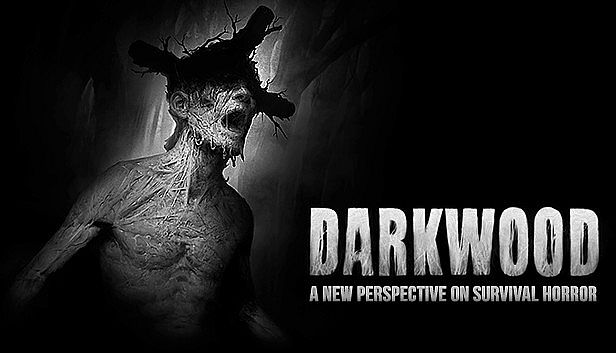


























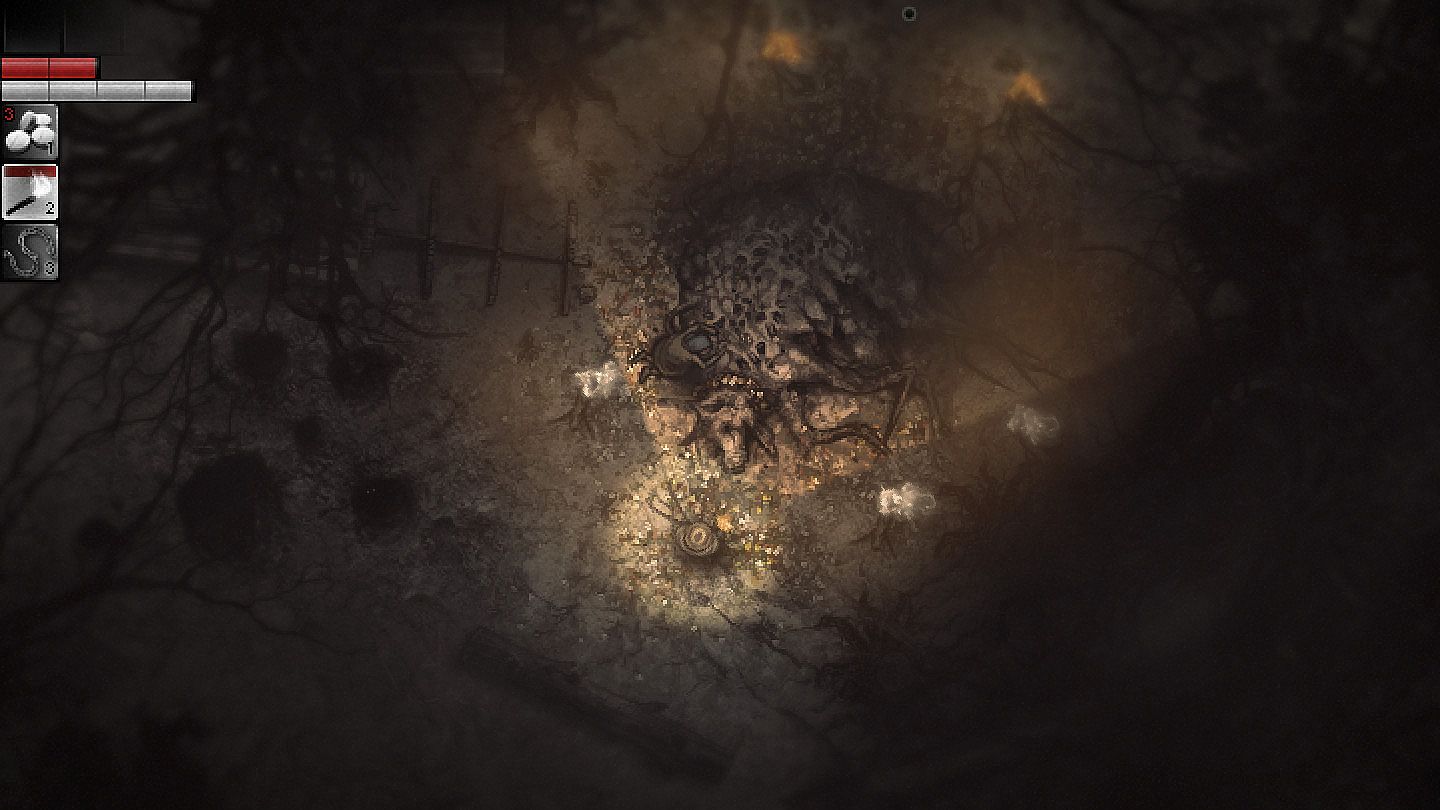
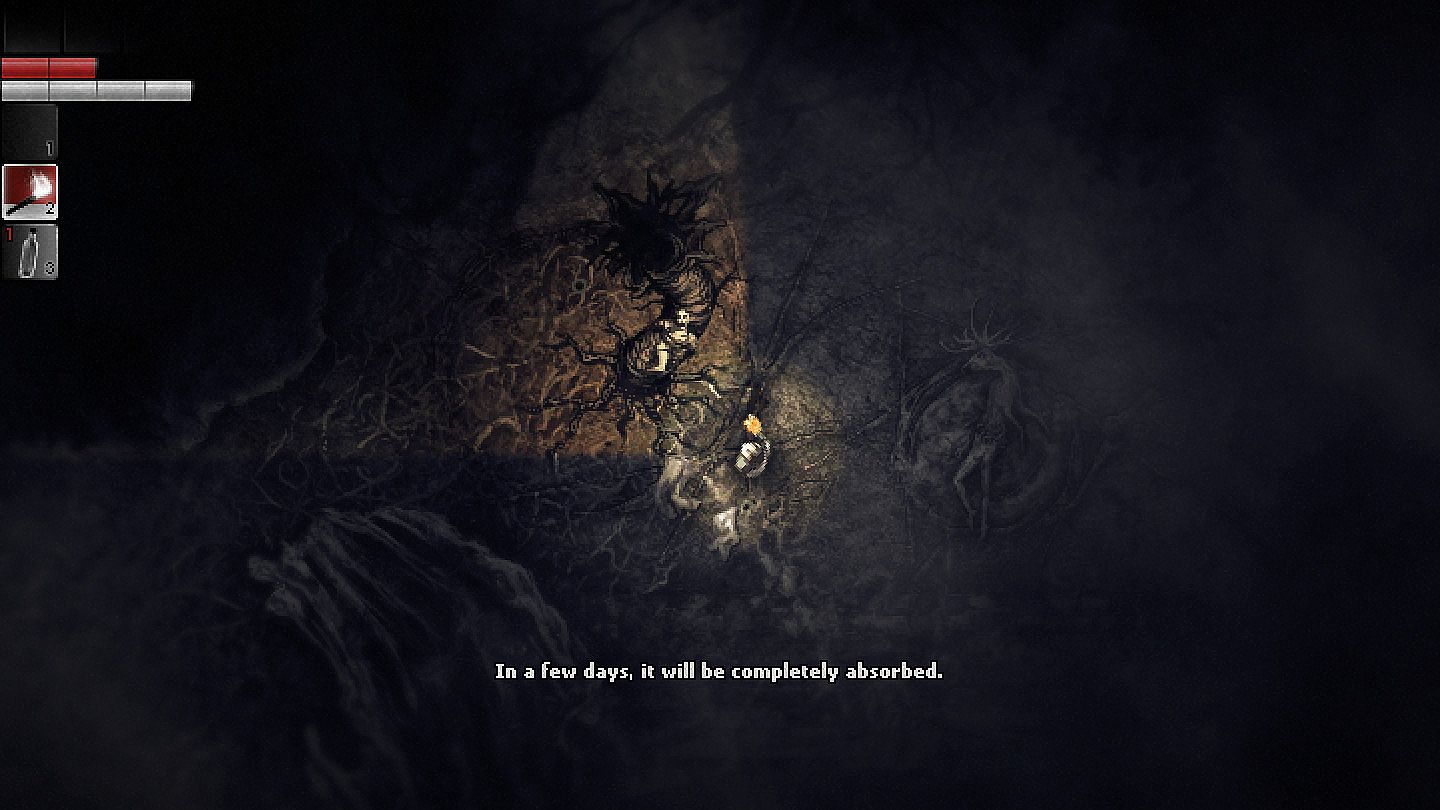
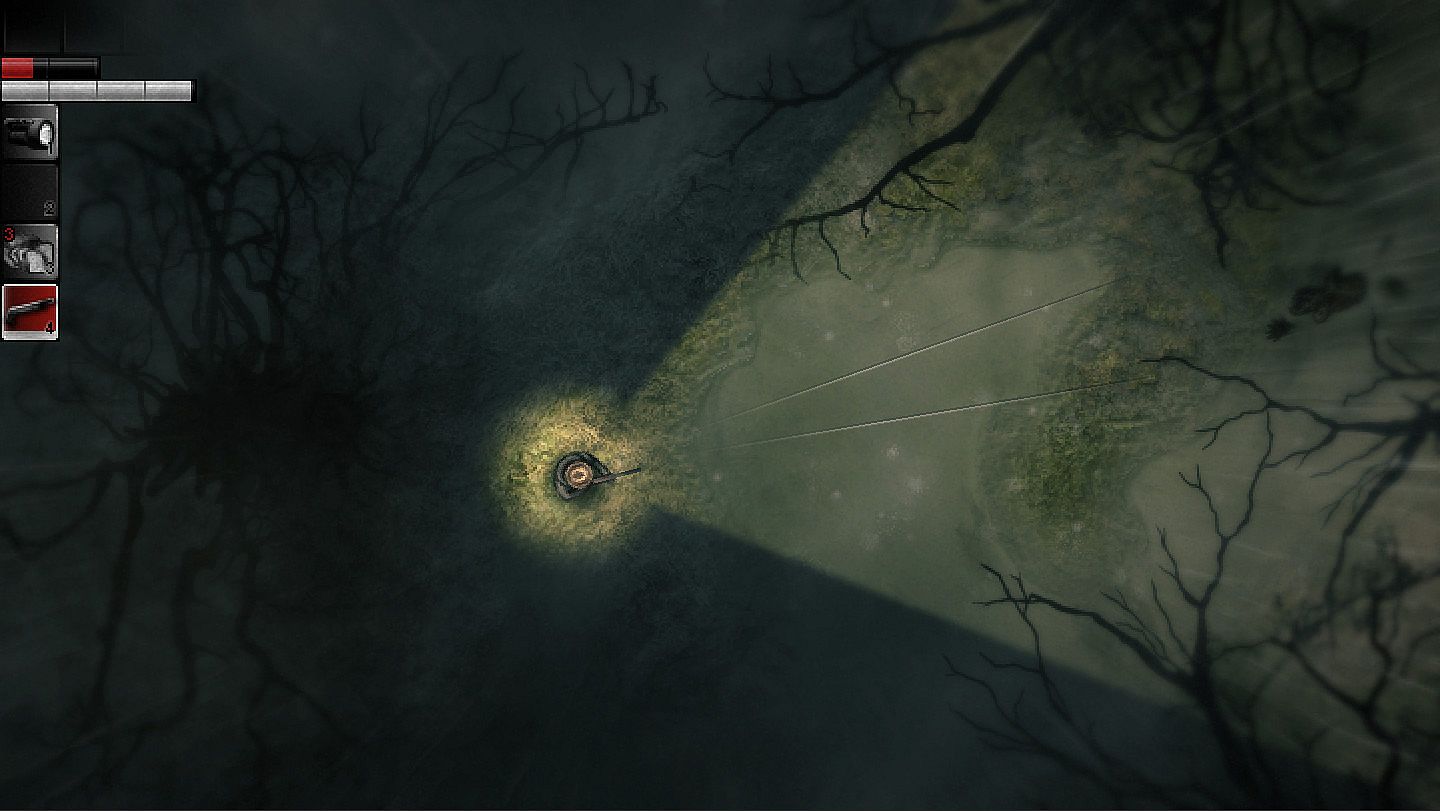
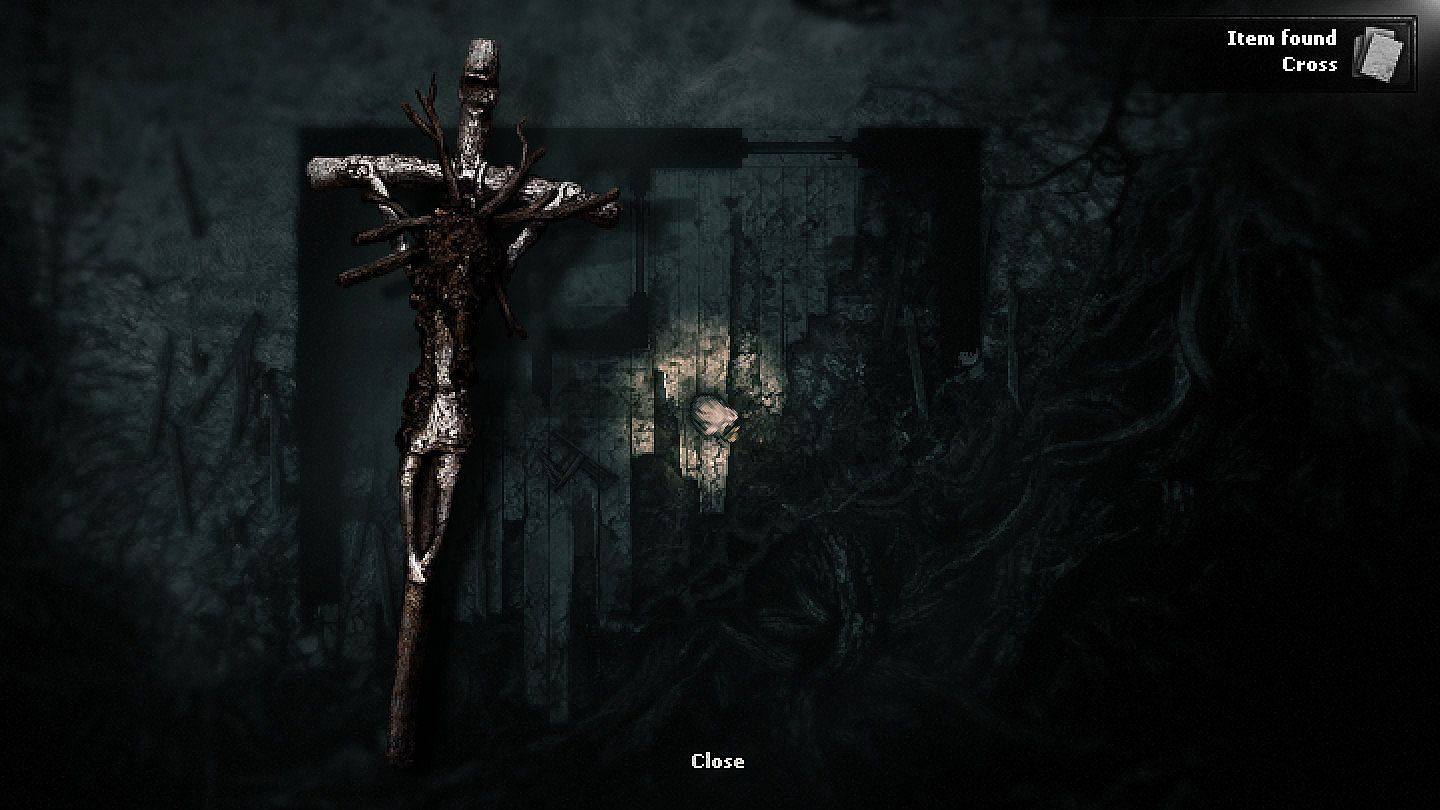
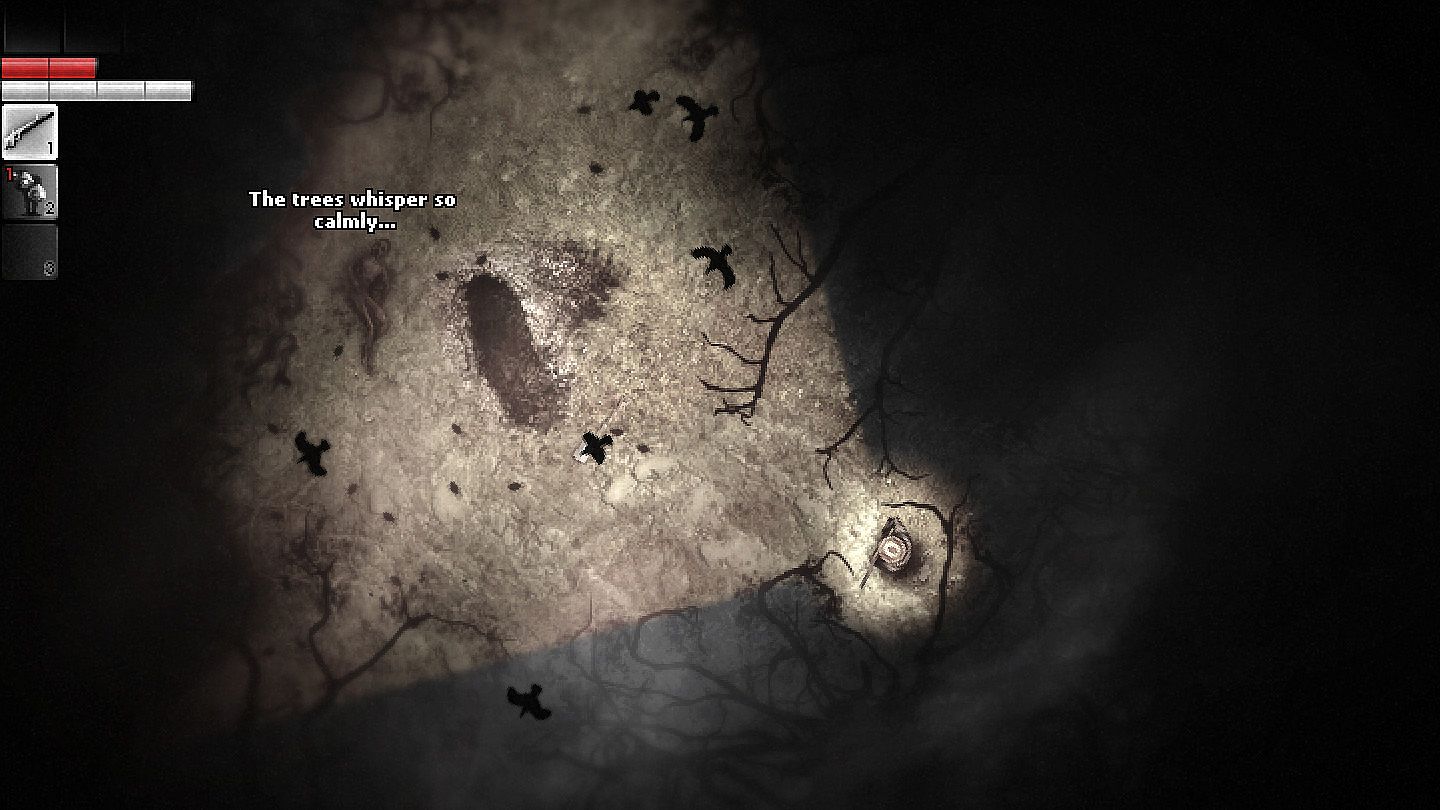
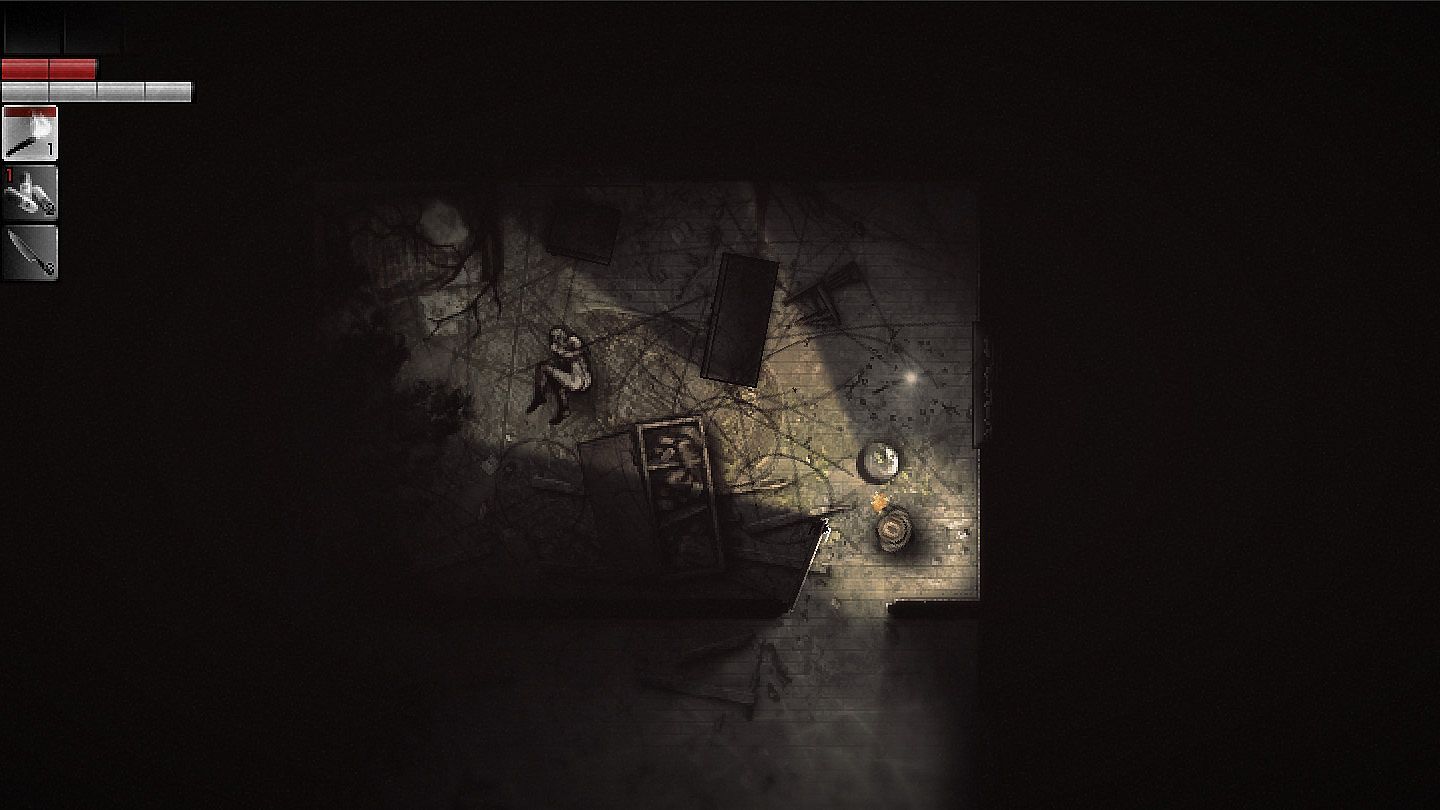
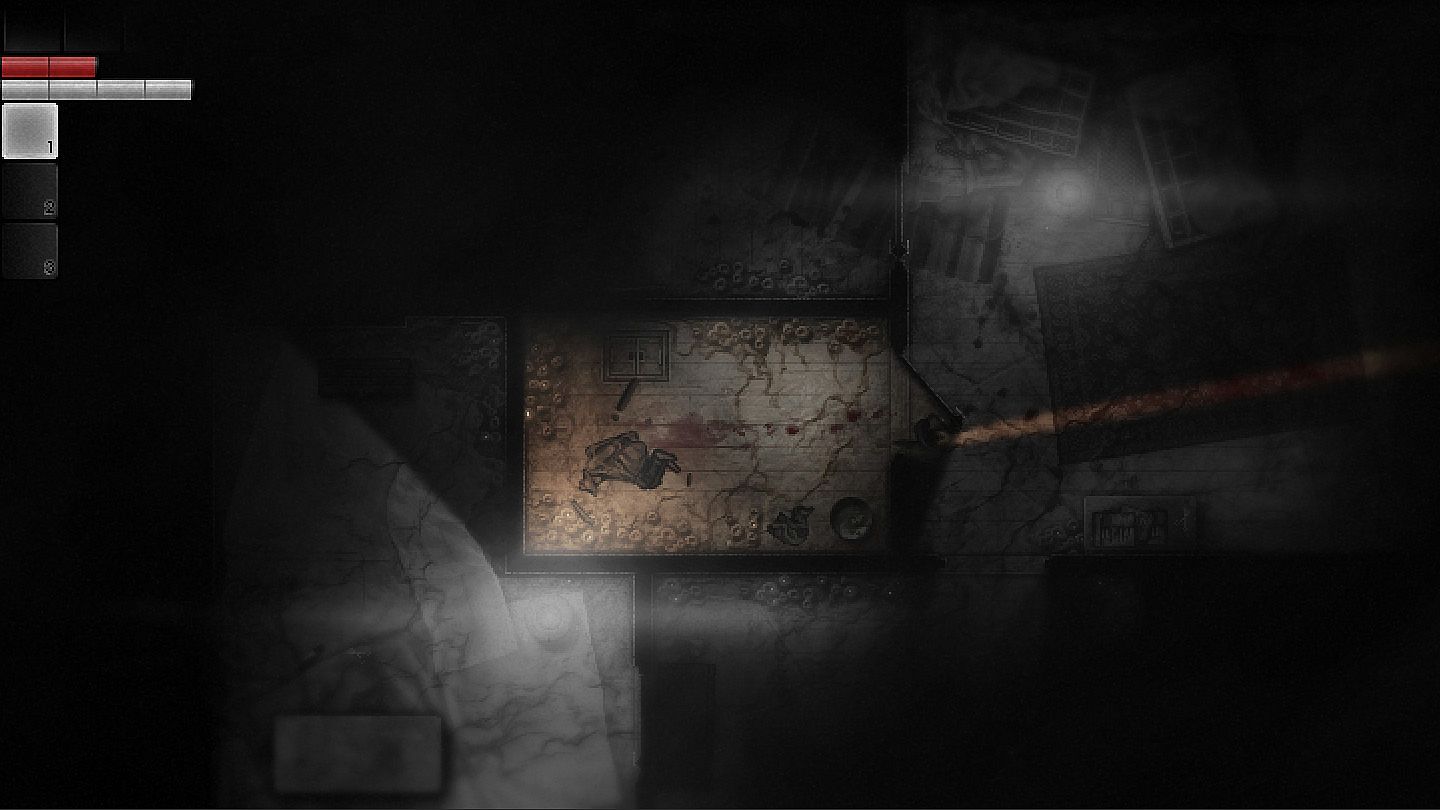
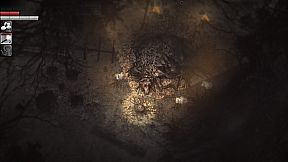
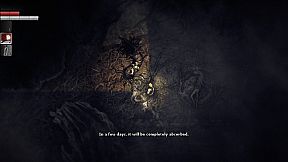
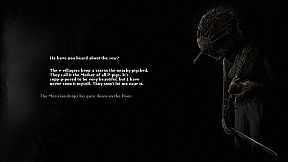
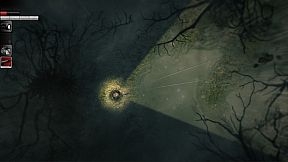
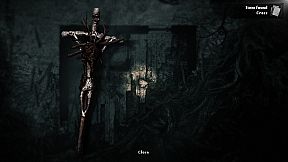
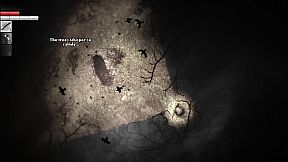
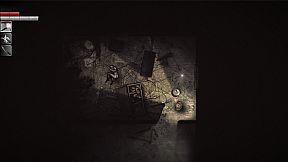
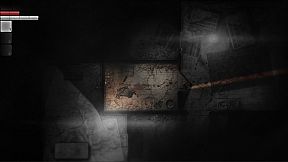
Darkwood stands out as a top-down survival horror game that blends elements of action, indie creativity, RPG progression, and adventure exploration. Set in a mysterious, ever-shifting forest inspired by Eastern European folklore, it challenges players to navigate a world where daylight offers fleeting safety and nights unleash unrelenting terror. This single-player experience emphasizes self-reliance, with no tutorials or markers to guide you, making every discovery feel hard-earned and every mistake potentially fatal.
Gameplay
In Darkwood, the core loop revolves around a stark day and night cycle that dictates your actions. During the day, you venture into the procedurally generated woods to gather resources, craft tools and weapons, and uncover hidden secrets. The environment changes with each playthrough, keeping explorations fresh and unpredictable. Combat feels deliberate and tense, often requiring improvised strategies against mutated creatures. A unique mechanic involves harvesting strange essences from the flora and fauna, which you can inject to gain skills and perks, though these choices come with risks that alter your character's state.
Nights shift the focus to defense. You must fortify a hideout, set traps, and endure waves of horrors that probe your barriers. The game's sound design amplifies the dread, with creaks and distant howls building psychological pressure without relying on sudden shocks. Decision-making plays a key role, as interactions with odd inhabitants can shape the narrative and world around you, leading to branching outcomes based on your choices.
Game Modes
Darkwood offers a single-player campaign structured around a 30-day in-game timeline, typically spanning over 20 hours of play. You can choose between two difficulty settings: normal mode, where death carries a lighter penalty and progress feels more forgiving, or hard mode, which ramps up the consequences of failure and suits those seeking a grueling challenge.
The experience encourages replayability through its randomized elements and multiple endings, allowing different paths on subsequent runs. Without distinct multiplayer options, the game keeps its focus on solitary survival, where isolation heightens the horror.
Story and World
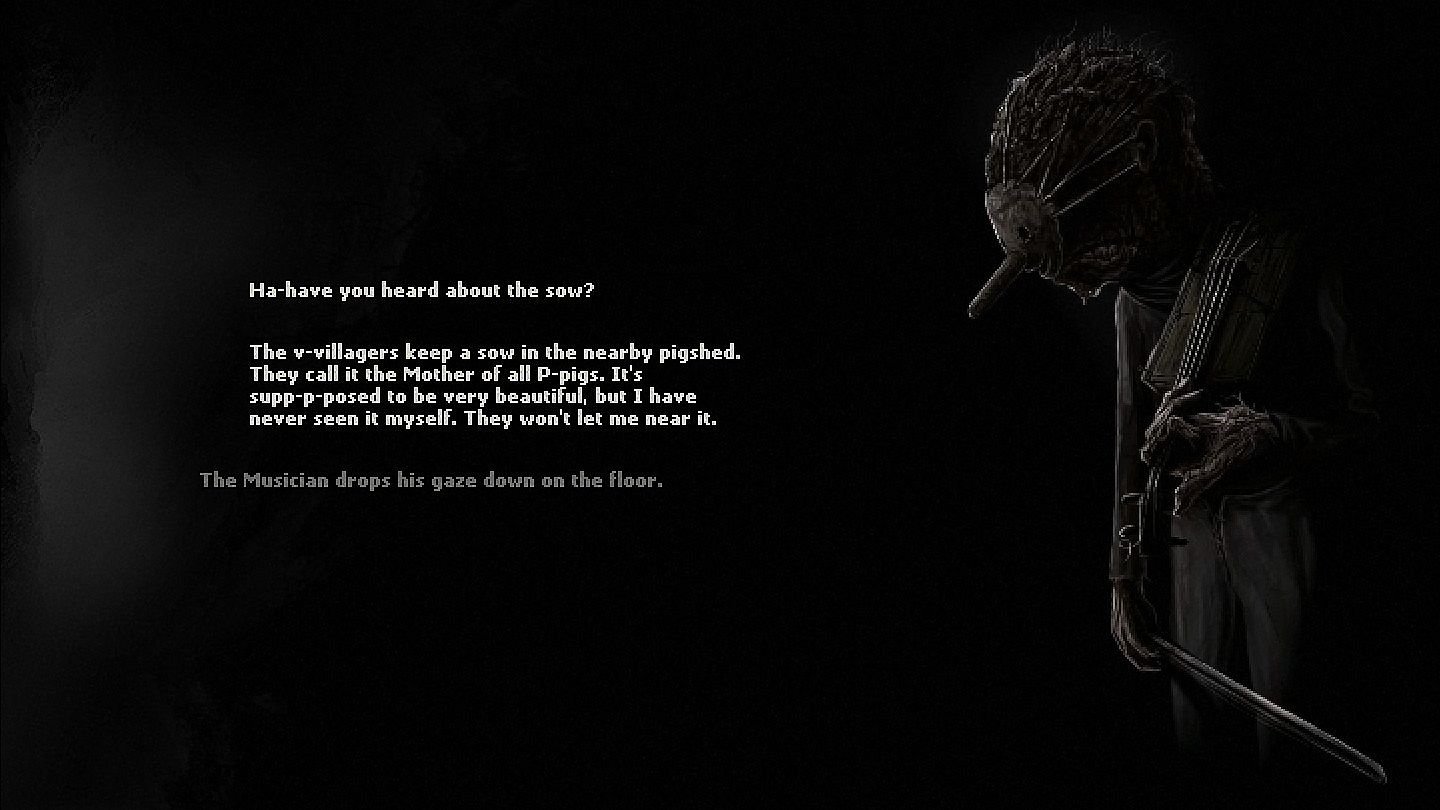
The narrative unfolds in a surreal, Soviet Bloc-inspired territory plagued by an otherworldly plague. You play as a stranger piecing together the forest's mysteries, encountering eerie characters whose fates you influence through dialogue and actions. The world builds a sense of blurring reality, with lore drawn from folklore that adds layers to the oppressive atmosphere.
Exploration reveals a mix of abandoned structures and mutated landscapes, each hiding clues that tie into the overarching tale. This setup rewards thorough players with deeper insights, though the steep learning curve demands patience to fully appreciate the interconnected systems.
Is It Worth Playing?
Darkwood earns its place among memorable survival horror titles with a Metascore of 80 and a user score of 8.3, reflecting strong praise for its atmospheric depth and innovative tension-building. Players often highlight the game's ability to instill fear through subtlety and strategy rather than cheap tactics, making it ideal for those who enjoy psychological challenges.
Released fully in 2019 after early access, it remains available across platforms, though some console versions face occasional bugs like frame rate issues. If you thrive on indie games with roguelike randomness and a commitment to survival mechanics, Darkwood delivers a compelling reason to dive in, especially on PC for optimal controls. For horror enthusiasts seeking something beyond the mainstream, its blend of exploration and endurance makes it a solid pick, provided you're ready for its deliberate pace and unforgiving nature.