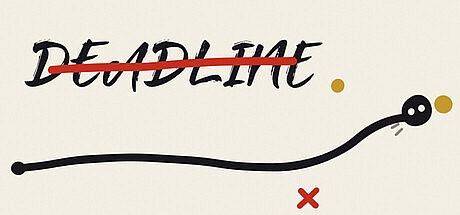



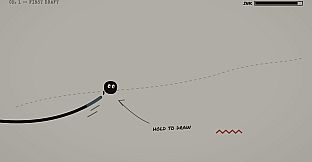
Deadline is an indie puzzle-platformer for PC currently slated for Early Access release. Players control a drop of living ink that permanently alters the environment with every movement, turning navigation into a careful exercise in path planning and spatial awareness. The core loop revolves around drawing continuous strokes that become solid walls, forcing players to consider the entire route before committing to any action.
Gameplay
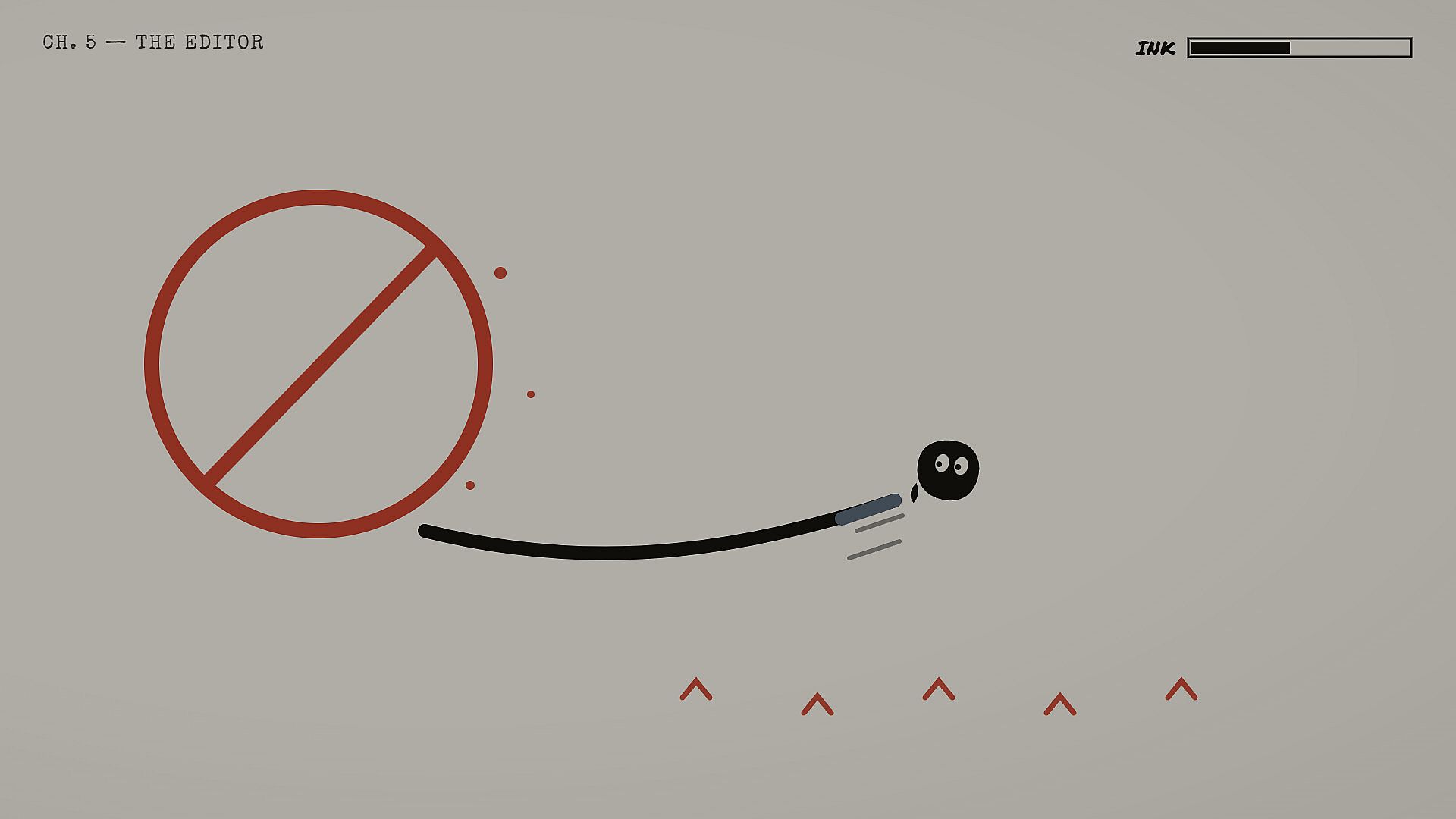
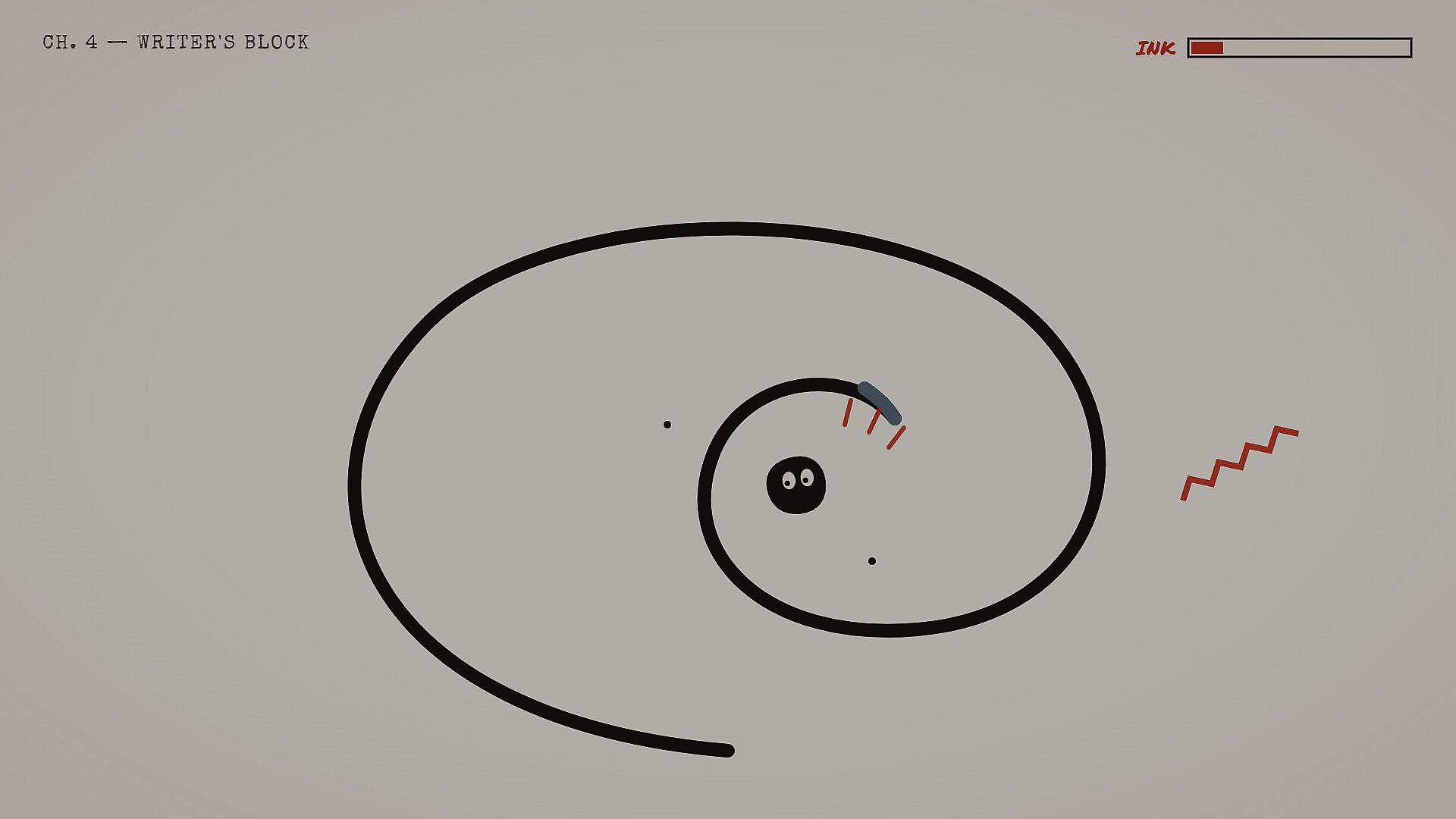
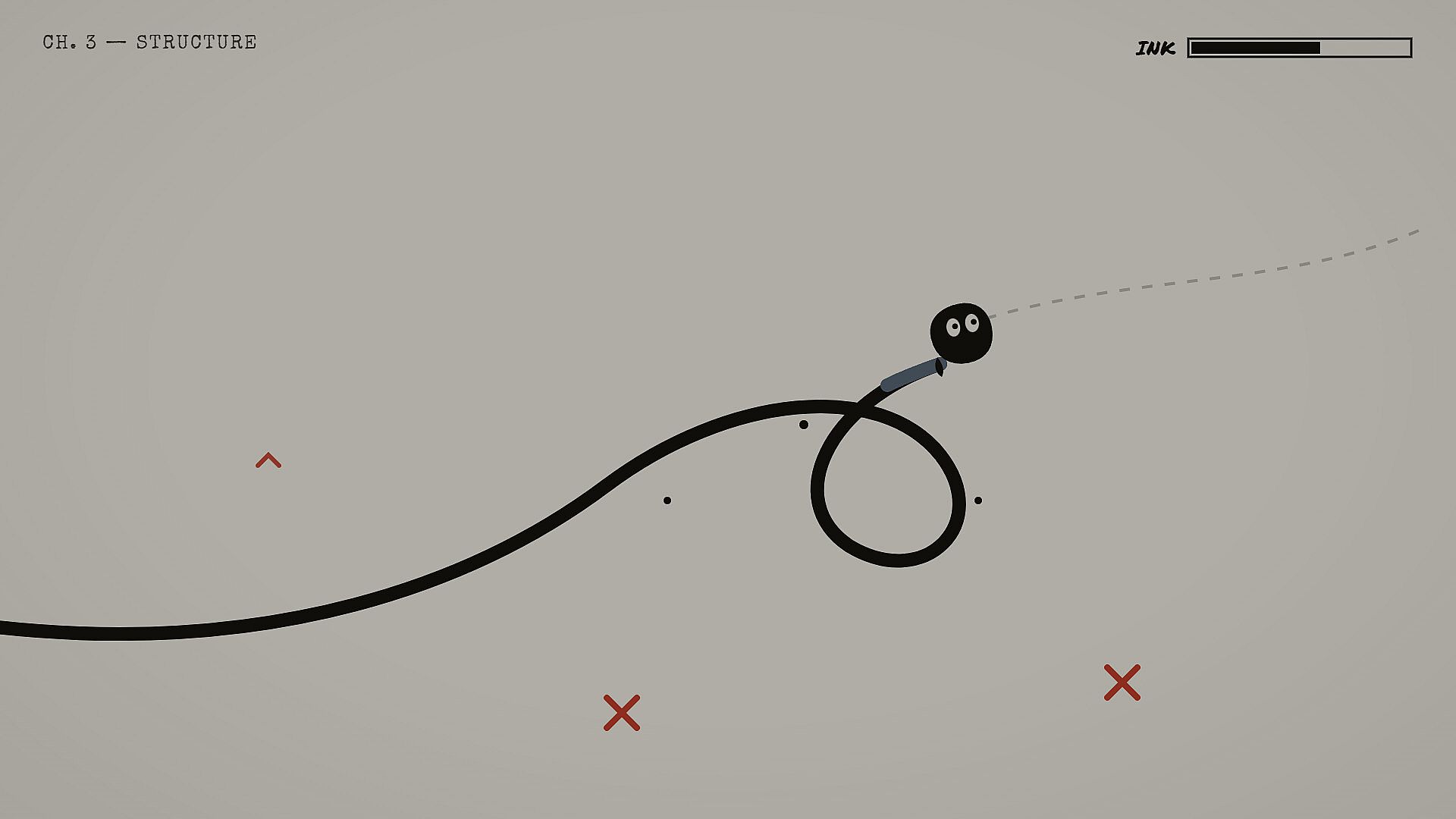
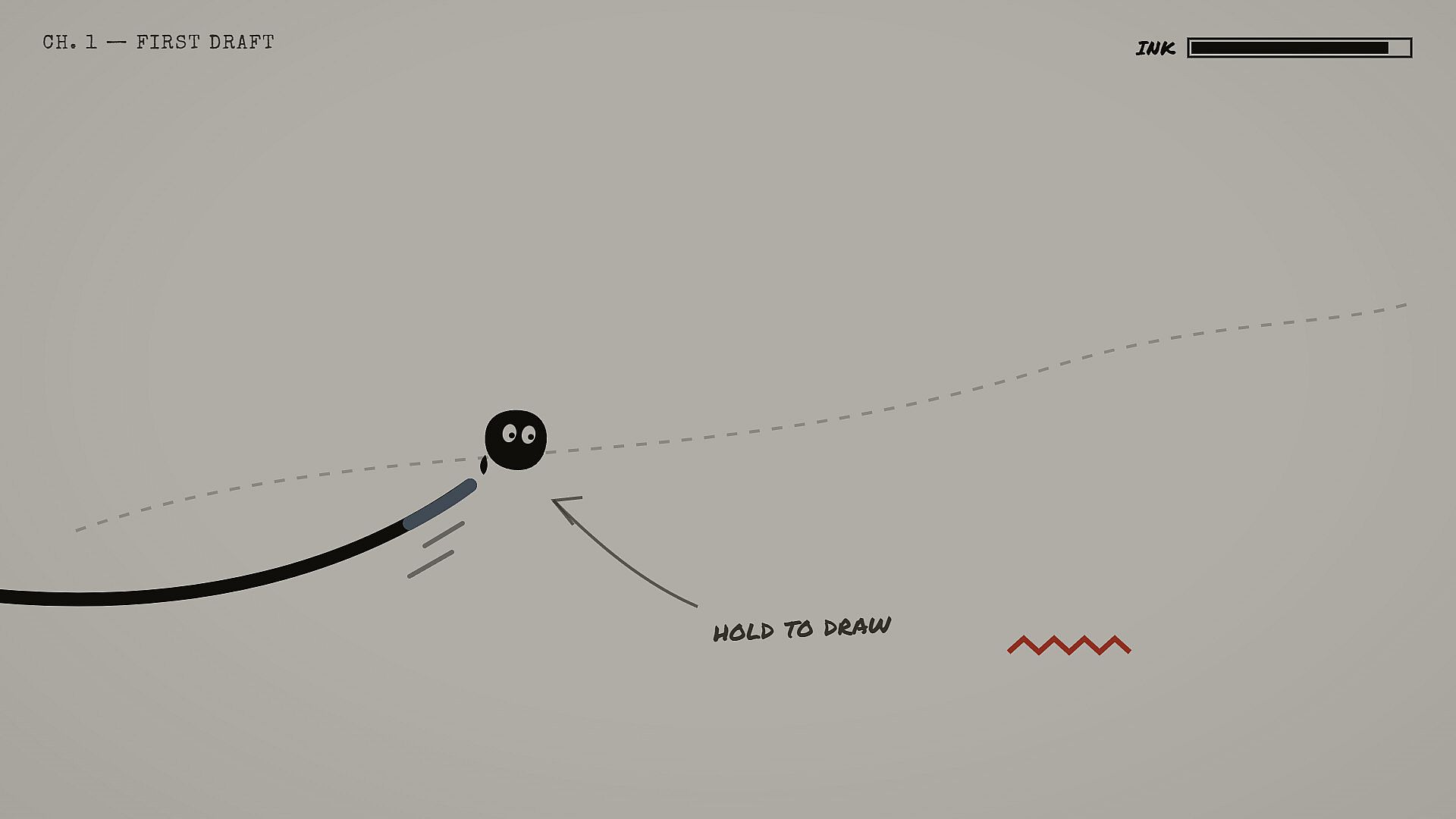
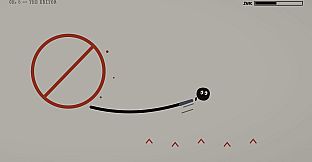
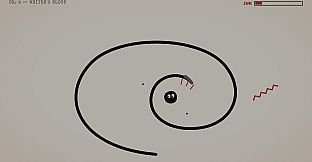
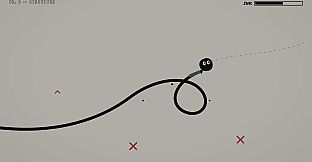
The central mechanic requires treating each level as a single continuous pen stroke. Movement leaves behind permanent ink lines that function as solid geometry. Jumping across gaps creates ramps for later use, while falling through shafts divides rooms into separate sections. Collecting items without forethought can trap the player in enclosed spaces with no exit route. Levels are designed to be solvable, yet success depends on mapping out the full path in advance rather than reacting in the moment.
Additional tools add layers to the puzzle design. The Pen Lift ability allows a single dash without leaving a mark, creating deliberate gaps in the stroke that can prove essential for avoiding self-imposed obstacles. Deaths emphasize routing mistakes over timing errors, encouraging players to analyze their previous attempts and refine the overall line rather than relying on quick reflexes. The environment includes interactive elements such as solvent pools that dissolve existing ink and fresh pages that reset sections of the level.
Hazards appear as editor-style corrections, including crosshatched spikes, strike-through lines, and stamped X marks. These elements actively challenge the player's ink trail, requiring precise placement and avoidance. The visual style renders everything in a hand-drawn pen-on-paper aesthetic, with the player's own strokes integrating directly into the level art across different paper types like notebooks, graph paper, and aged parchment.
Game Modes
Deadline focuses on single-player puzzle levels without separate named modes. Progression occurs through a series of hand-designed stages that build on the ink-trail mechanic. Each level presents a contained single-screen challenge where the goal is to reach the exit while managing the permanent changes created by movement.
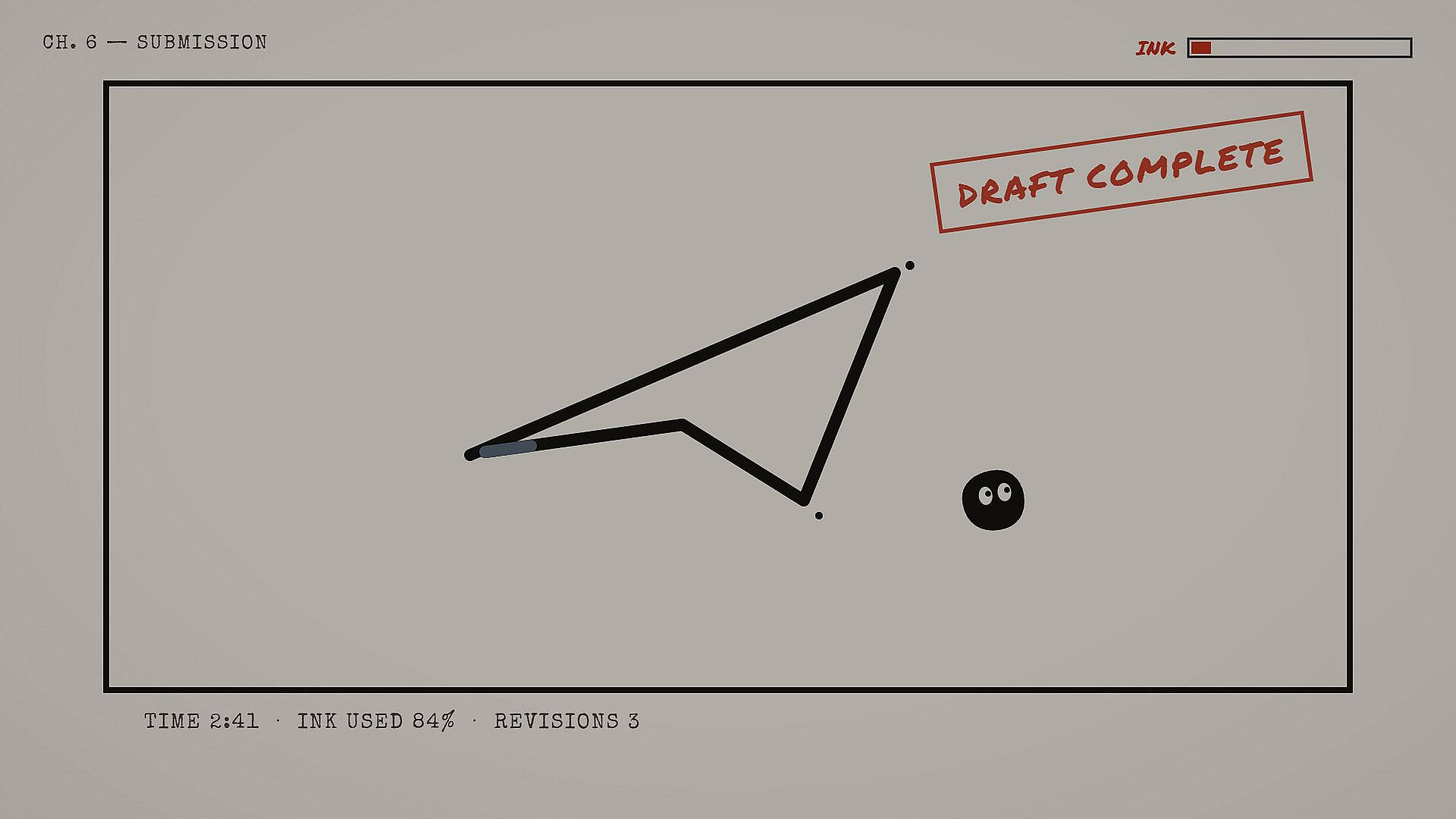
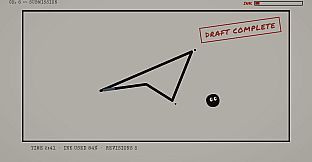
A stroke-length scoring system serves as the primary evaluation method. Shorter, more efficient paths earn higher medals, shifting emphasis from speed to elegance and minimal ink usage. Upon completion, the full run displays as a framed drawing, highlighting the unique solution each player creates. This approach rewards thoughtful planning across the thirty-plus levels included in the planned Early Access build.
Level Design and Progression
Levels emphasize precision and foresight rather than complex controls or combat. Instant restarts support rapid iteration on routes, keeping focus on puzzle-solving. The hand-inked presentation extends to hazards and interactive objects, maintaining a consistent artistic theme where the player's actions literally shape the world. New paper types introduce visual and mechanical variety as chapters advance.
Early Access plans include expanding the initial chapters with additional mechanics, hazards, and movement options based on player input. The current core remains stable, with the ink geometry system fully implemented alongside the medal system and controller support.
Is It Worth Playing?
Deadline suits players who enjoy deliberate puzzle-platformers where planning outweighs reflexes. The permanent ink trail creates a distinctive loop that rewards careful observation and creative routing. Those drawn to games with strong visual integration between mechanics and art style may find the hand-drawn presentation compelling.
With no user reviews available yet and the game still coming soon, reception remains untested in practice. The Early Access model allows direct influence on future content through feedback, which may appeal to those comfortable engaging with developing titles. Availability on PC with features like Steam Cloud and achievements provides standard modern support for the platform.
Overall, the game targets enthusiasts of minimalist puzzle design who appreciate mechanics that turn mistakes into permanent architectural challenges. Its focus on elegance through stroke length offers a clear alternative to reflex-heavy platformers.