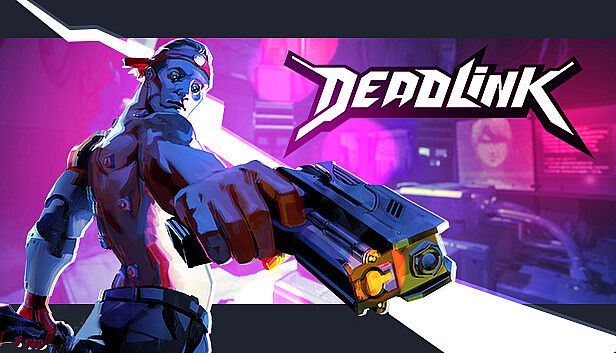















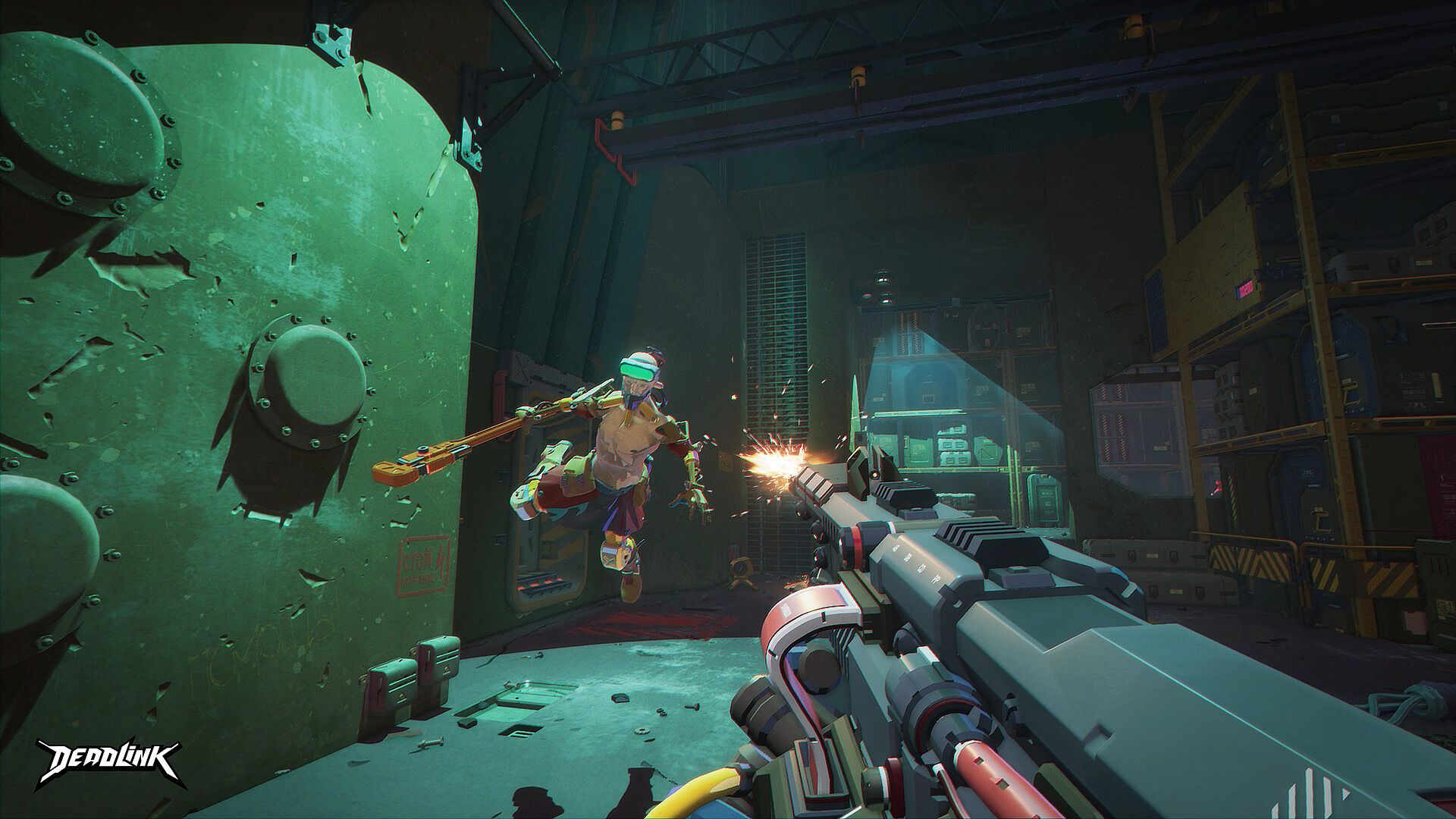
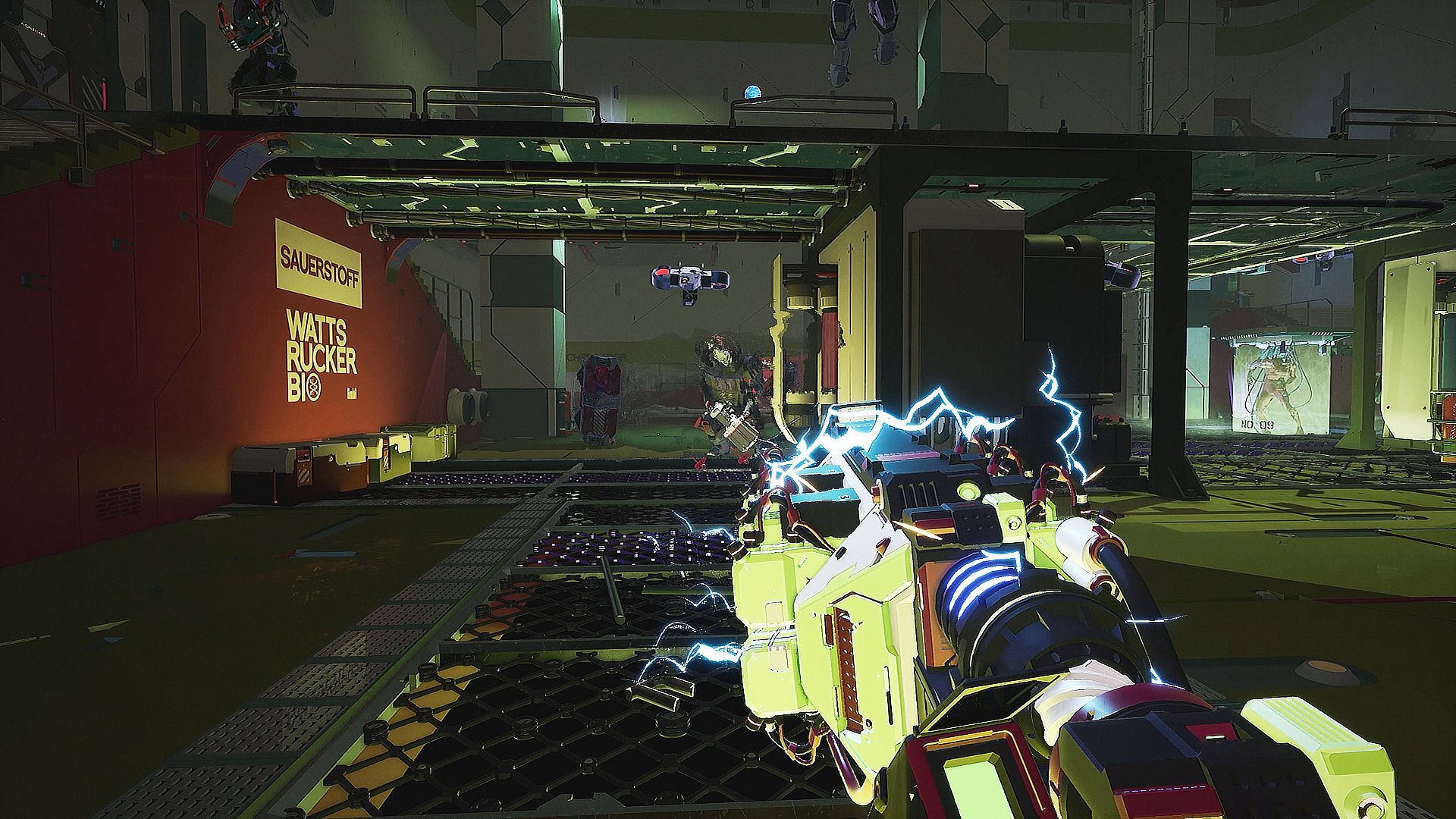
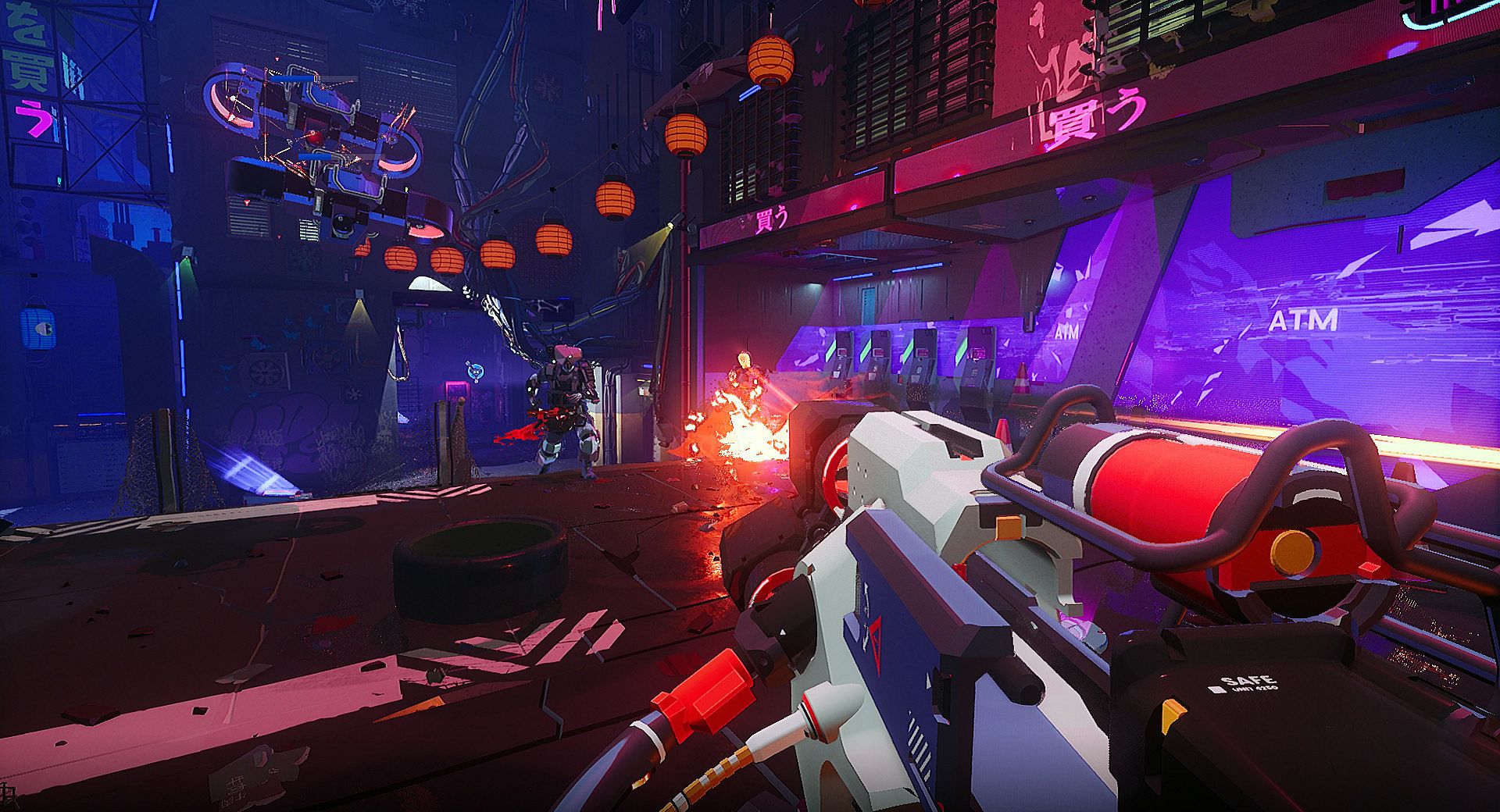
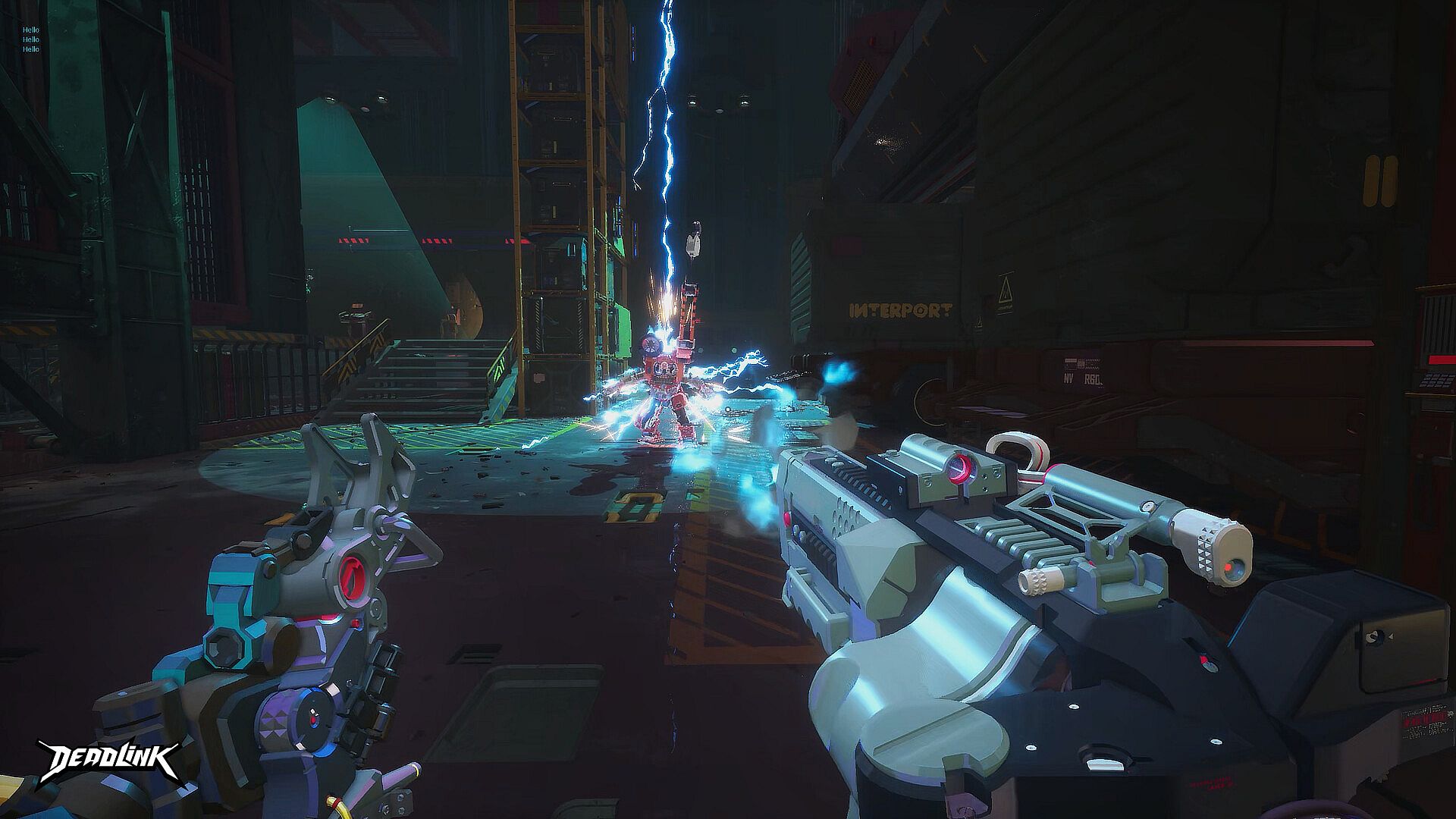
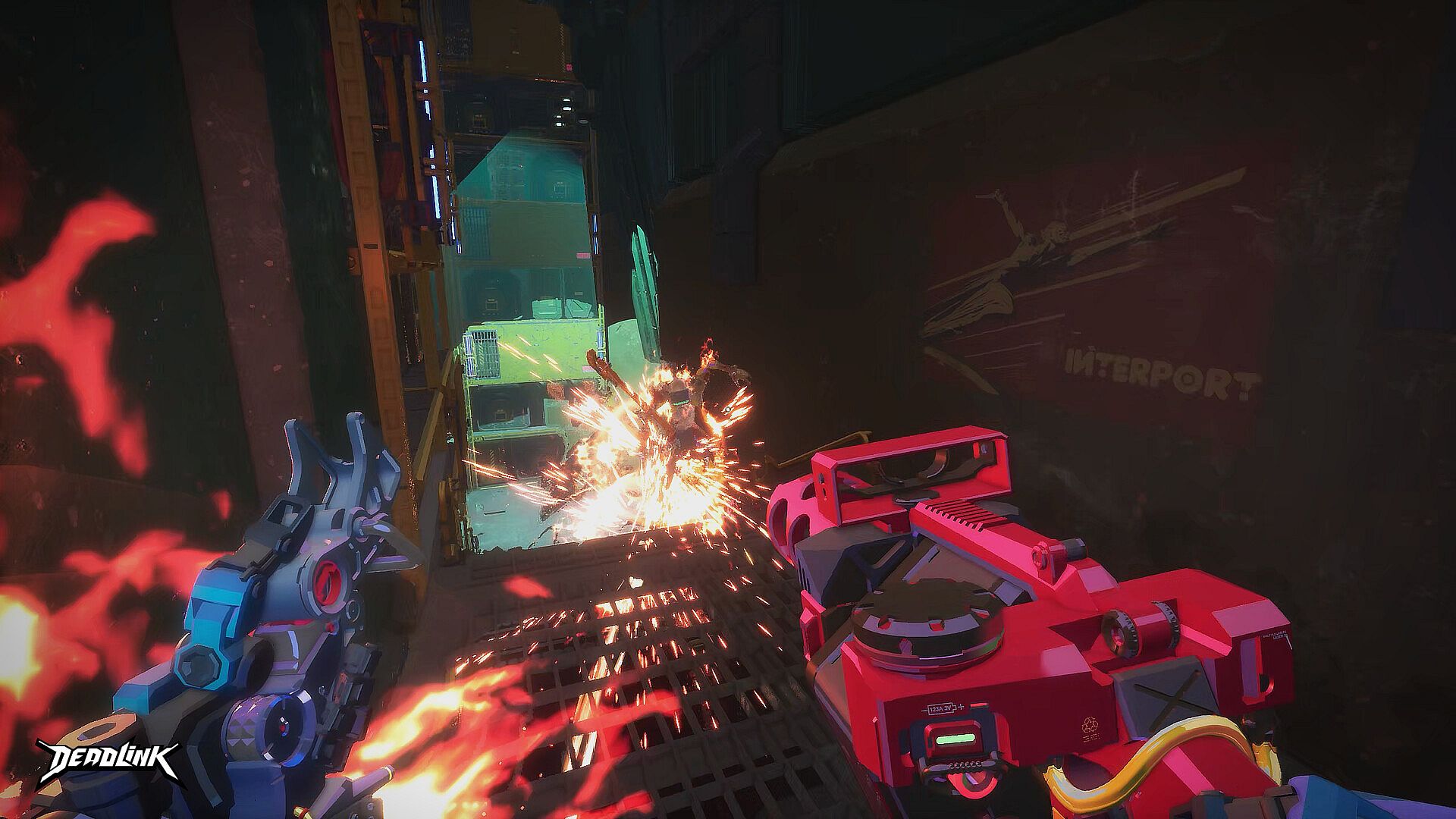
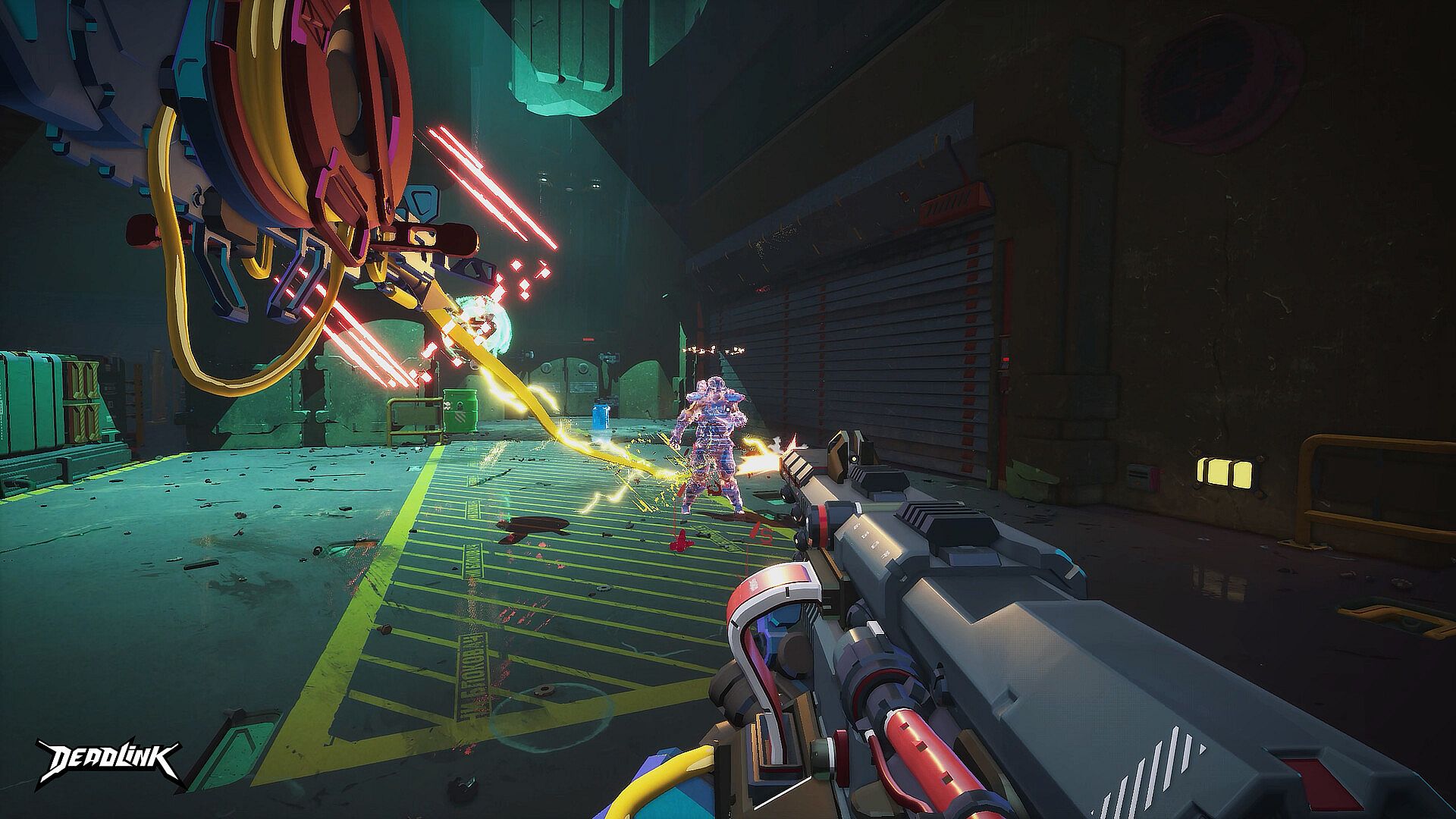
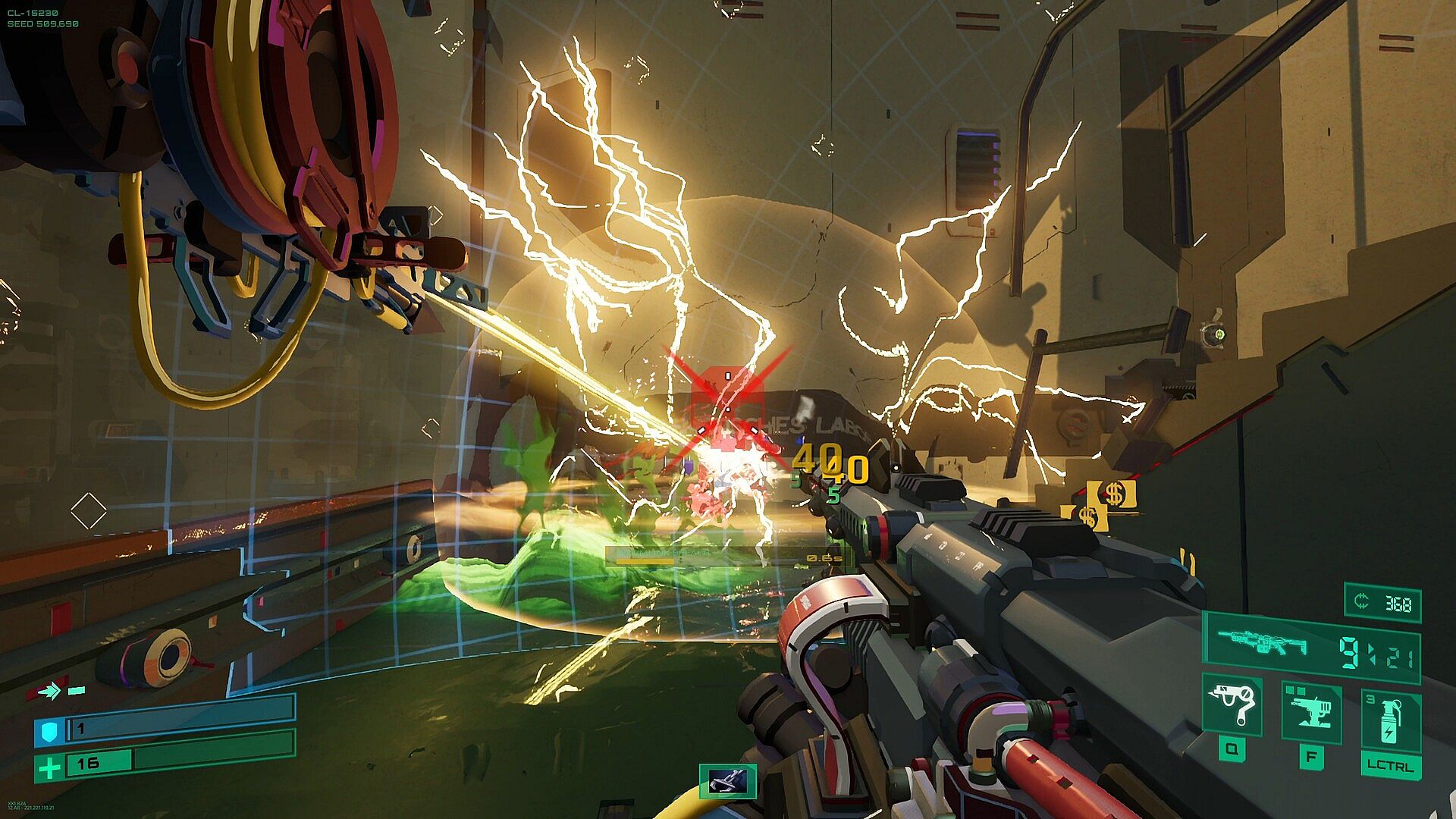
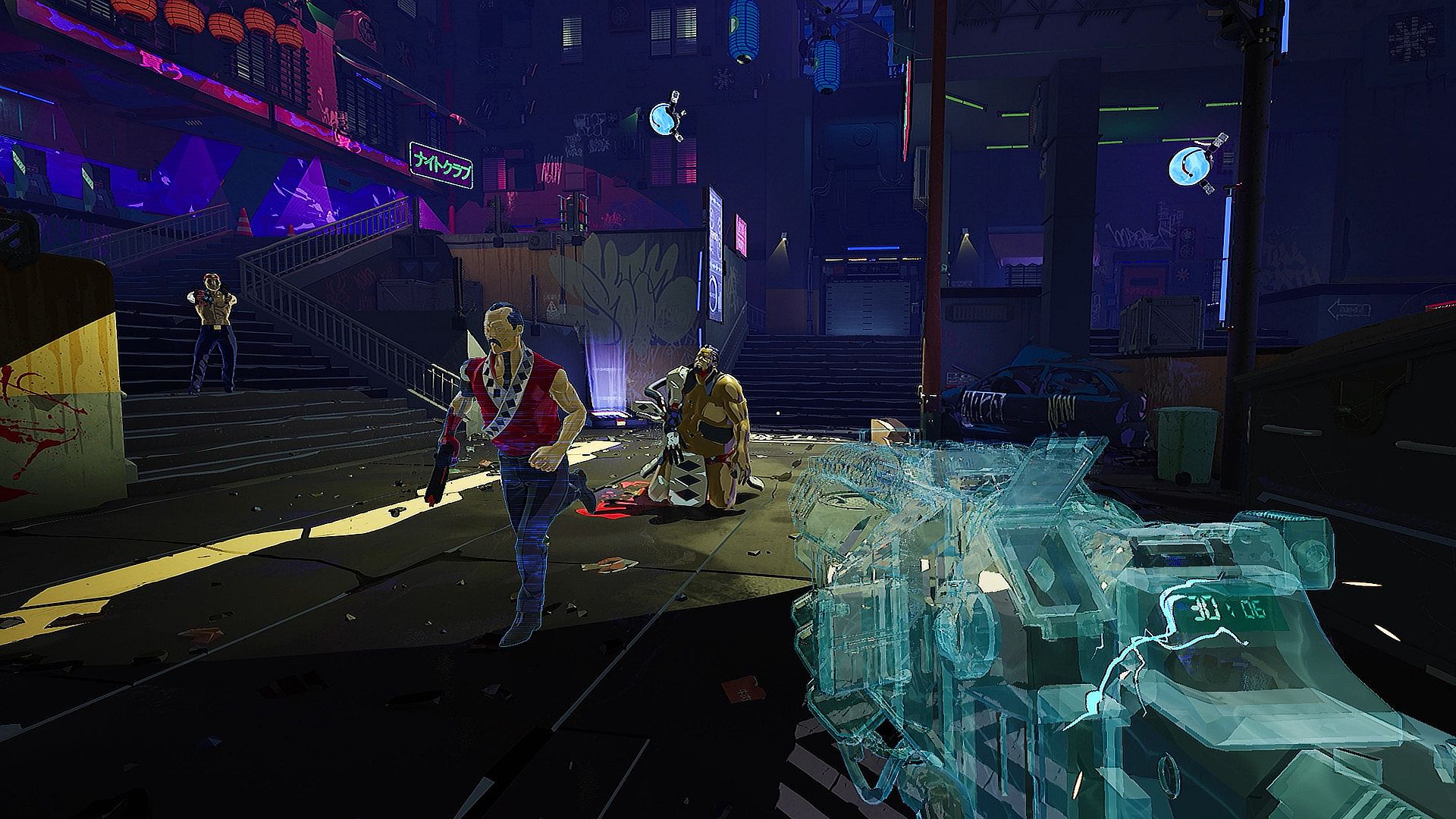
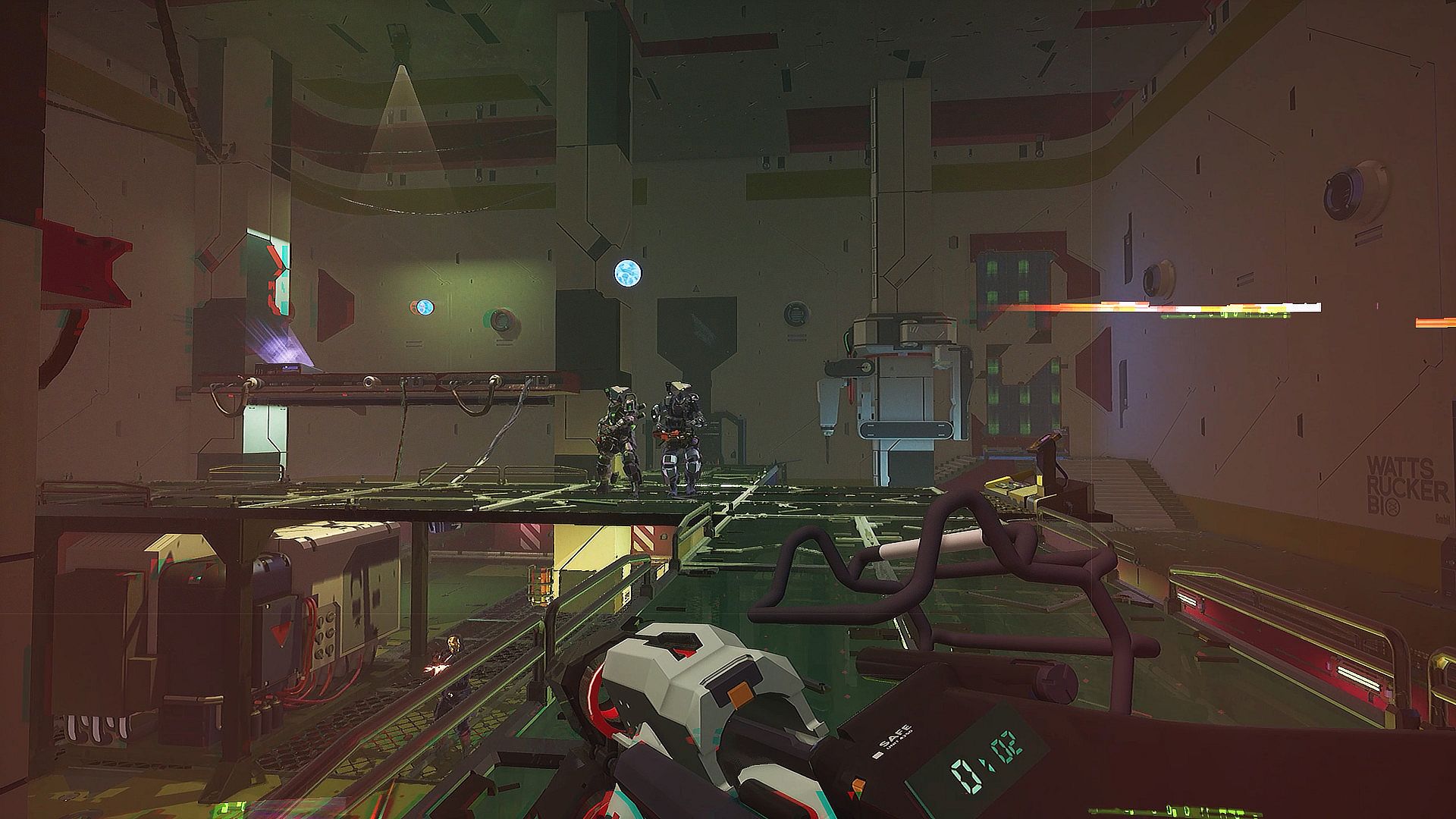
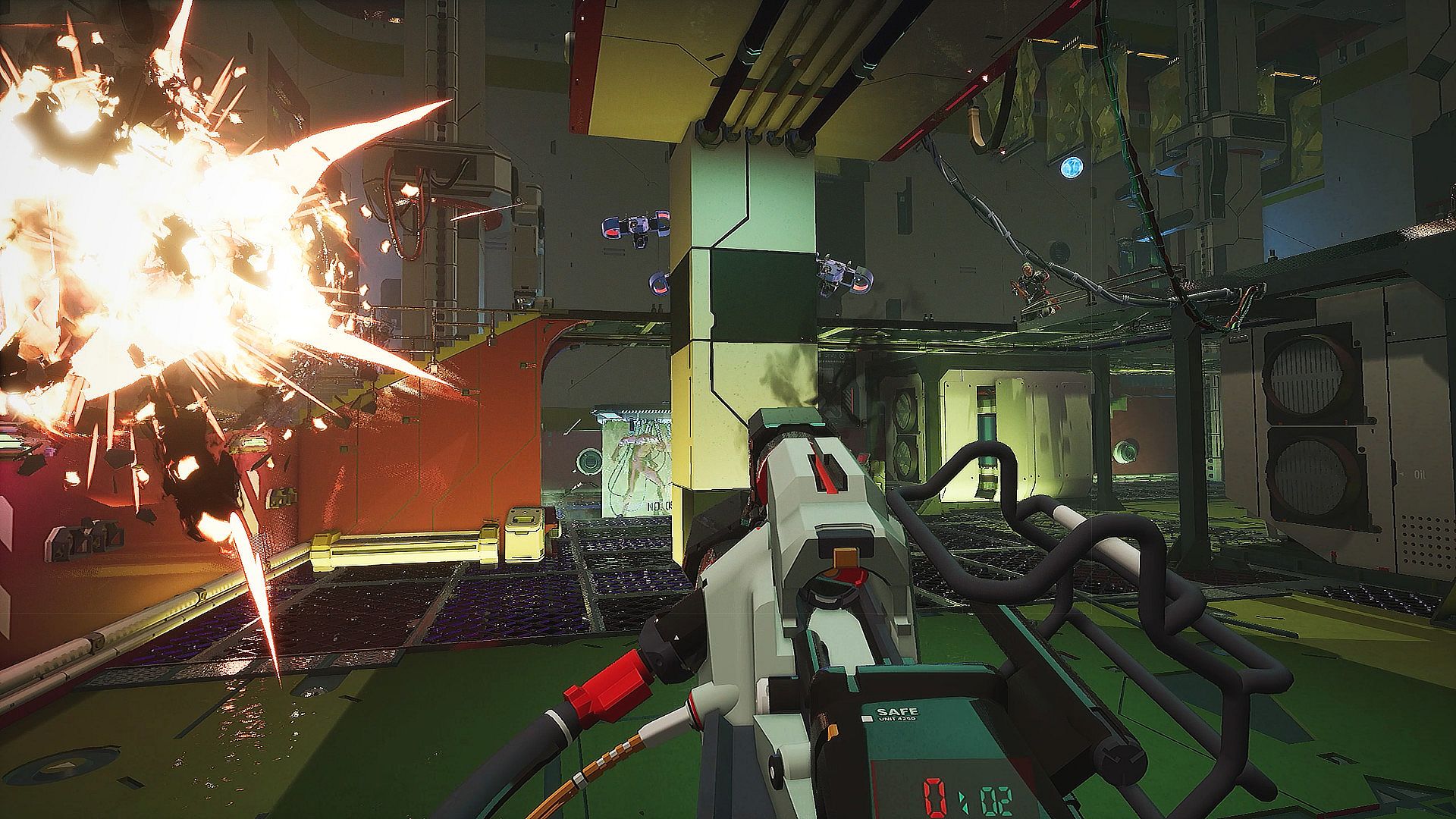
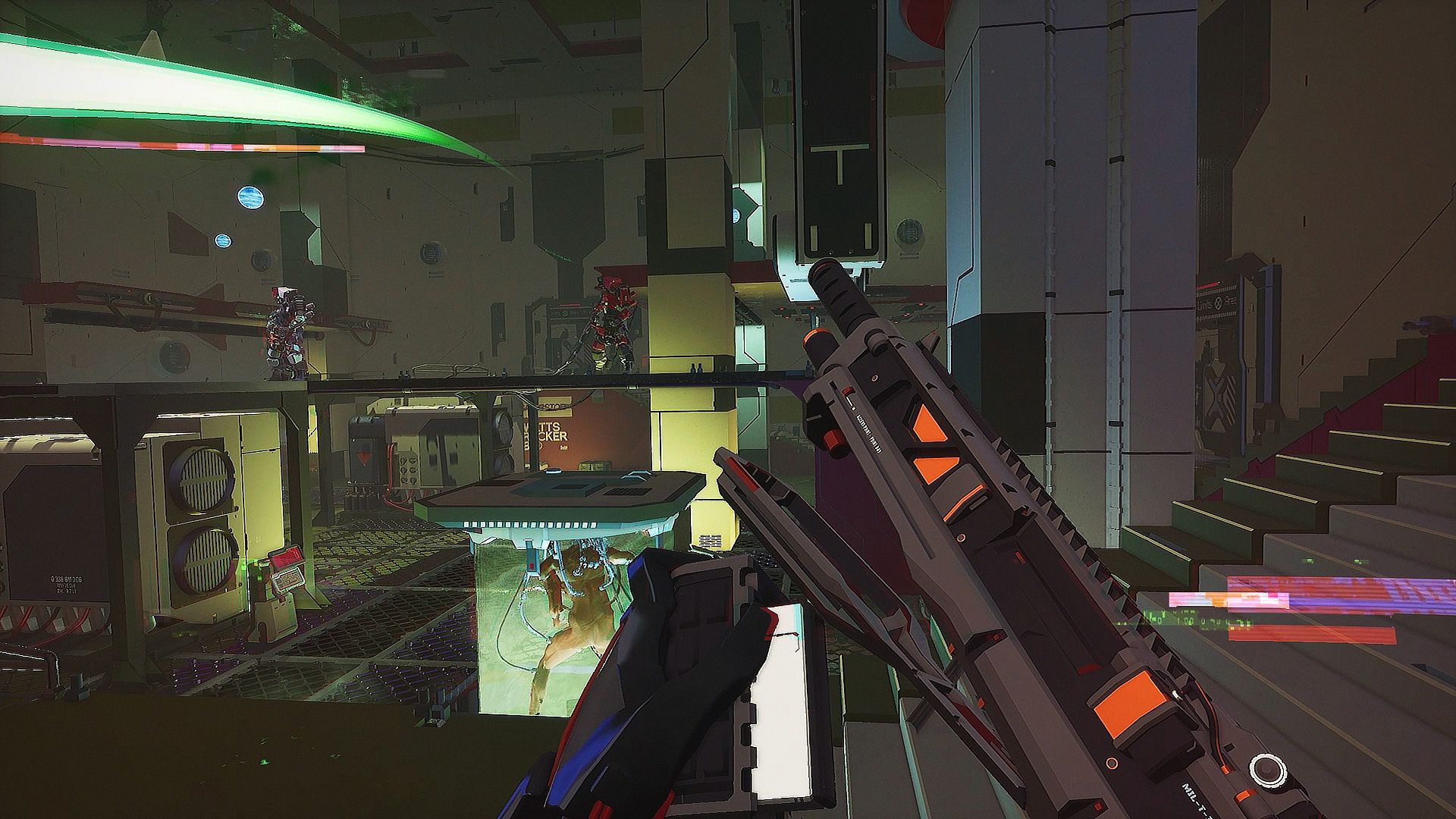

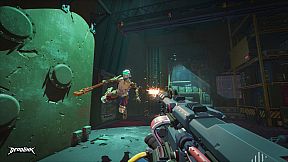
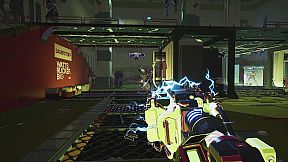

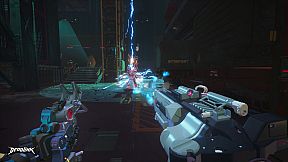
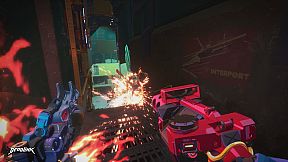
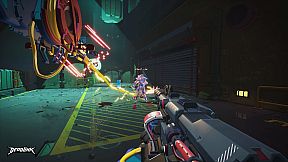

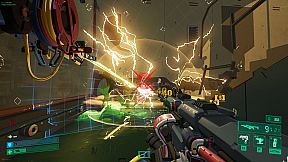
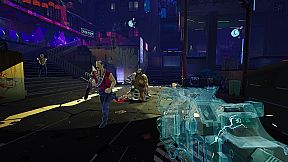
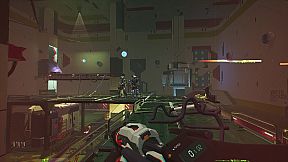
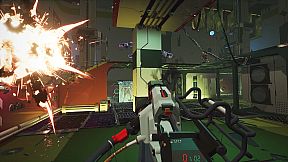
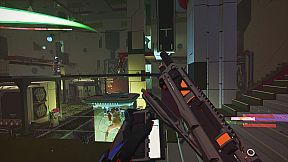



Deadlink stands out as a cyberpunk first-person shooter that blends fast-paced combat with roguelite progression. Players take on the role of an operative in the Deadlink project, piloting autonomous combat shells through corporate-controlled districts filled with hostile forces. The core loop centers on short, intense runs where survival depends on mobility, precise shooting, and adapting to randomized threats in environments like slums, laboratories, warehouses, and high-rise offices.
Gameplay
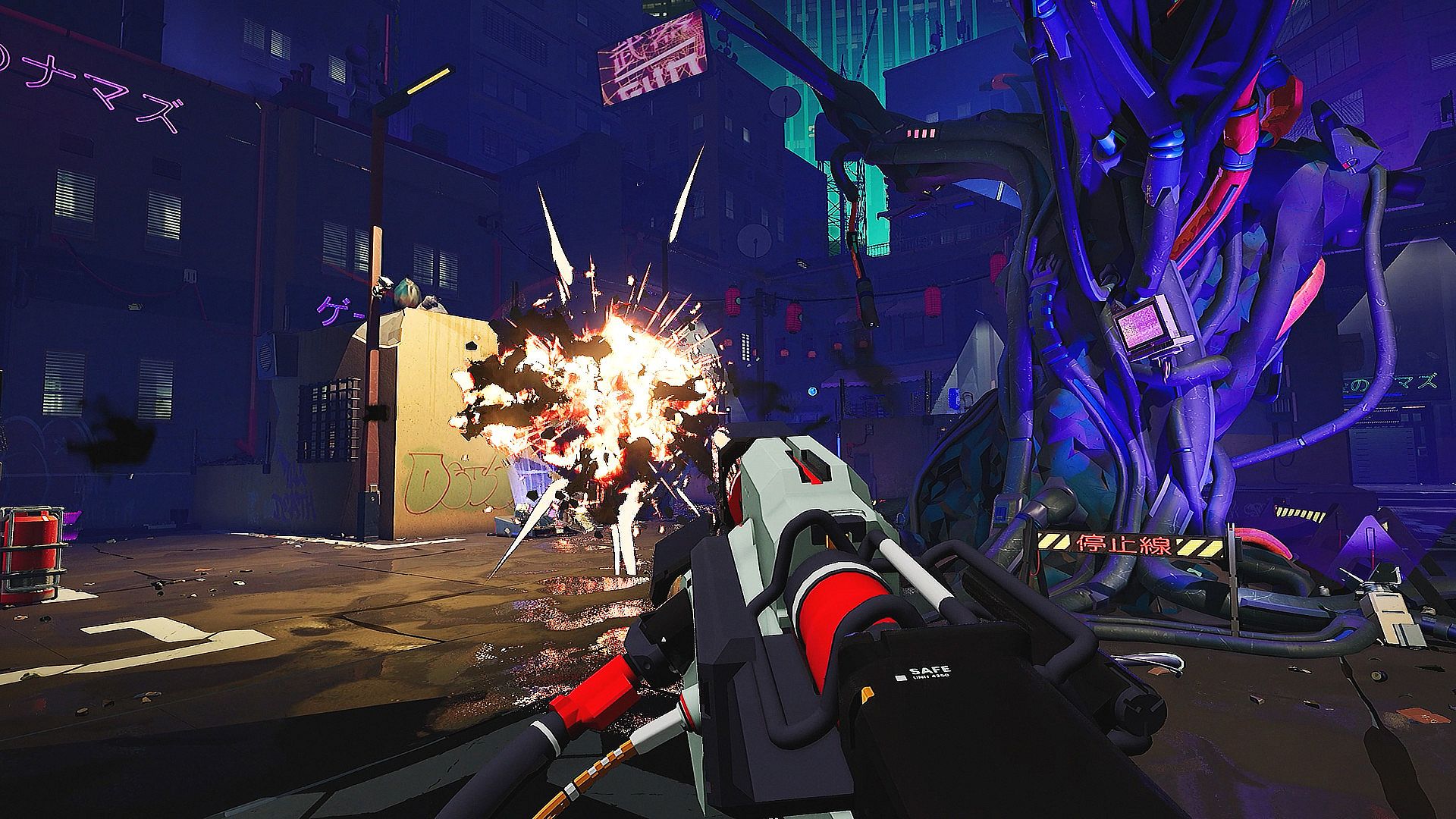
The action emphasizes constant movement. Players dash, jump, and reposition to avoid overwhelming numbers of enemies while targeting weak points. Combat feels responsive, with weapons that support different approaches such as long-range sniping, status-inflicting tools, or close-quarters aggression. Destructible elements in the levels add layers to fights, allowing creative use of cover or environmental hazards.
Each run begins with a chosen combat shell equipped with a weapon loadout. As progress continues through the four main areas, players collect upgrades that enhance abilities temporarily. These choices shape the immediate session, encouraging experimentation with combinations that suit aggressive or tactical styles. Defeat sends the operative back to headquarters, but accumulated resources carry over to strengthen future attempts through permanent skill and tech improvements.
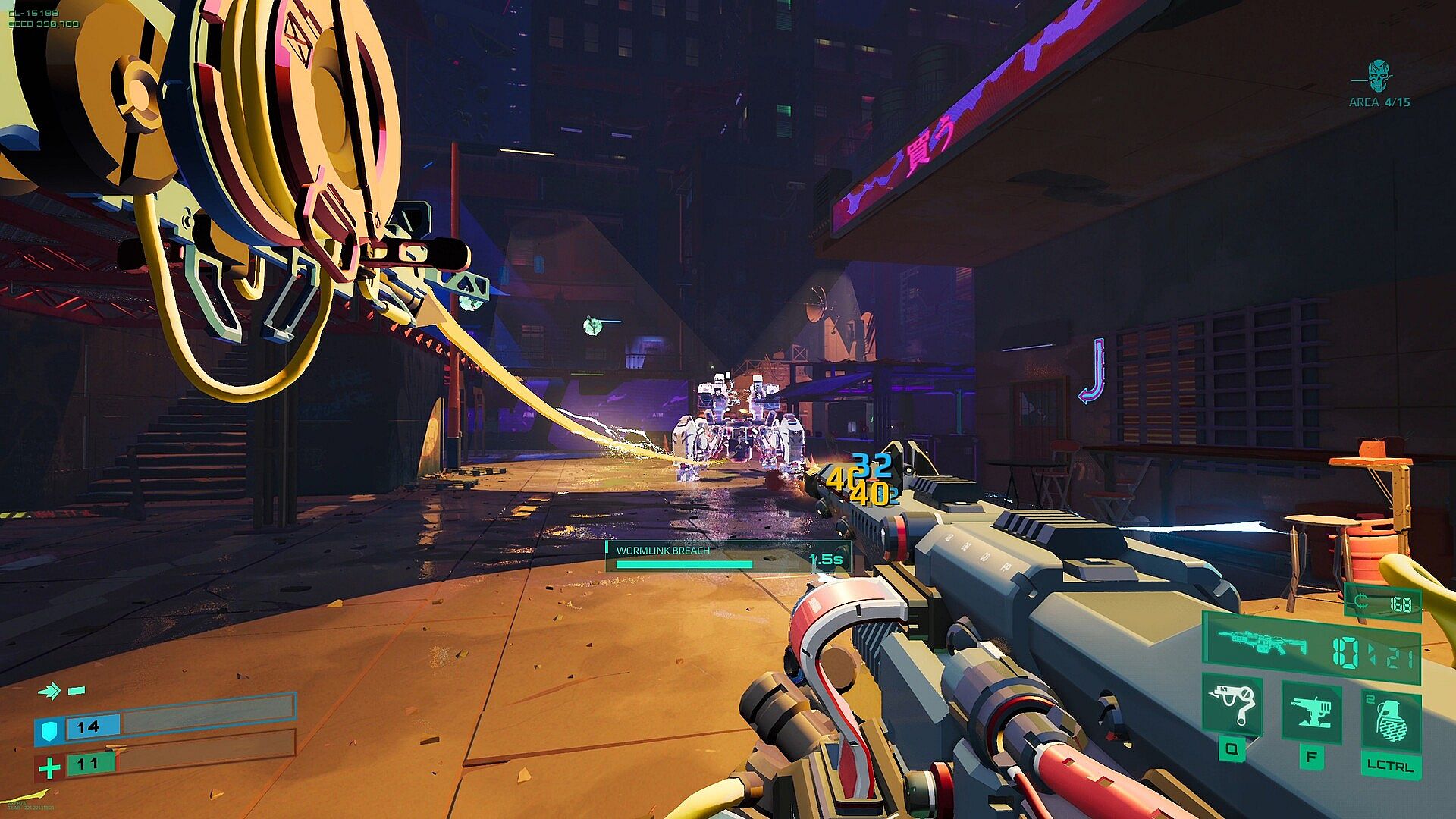
Enemies arrive in dense waves, often mixing ranged attackers with melee units that demand quick reactions. The outnumbered nature of every encounter forces players to prioritize targets and manage resources like shields and ammunition without pausing. This creates a rhythm of high-stakes decision-making where hesitation leads to failure.
Game Modes
The primary experience unfolds through structured runs across four distinct biomes, each ending in a boss encounter. These runs incorporate roguelite randomization in layouts, enemy placements, and reward options, ensuring no two attempts play out identically.
Beyond the main campaign, an endless mode challenges players to survive successive waves for as long as possible, yielding experience and tokens that feed into overall progression. Separate timed challenge trials test individual combat shells against specific obstacle courses and enemy setups, with performance tracked on leaderboards for competitive replay.
Additional difficulty settings, known as crisis levels, scale enemy strength while boosting rewards. These options unlock further narrative details and suit players who have mastered core mechanics through repeated runs. A horde-style variant also appears among the supported modes, focusing on sustained defense against escalating threats.
Combat Shells and Progression
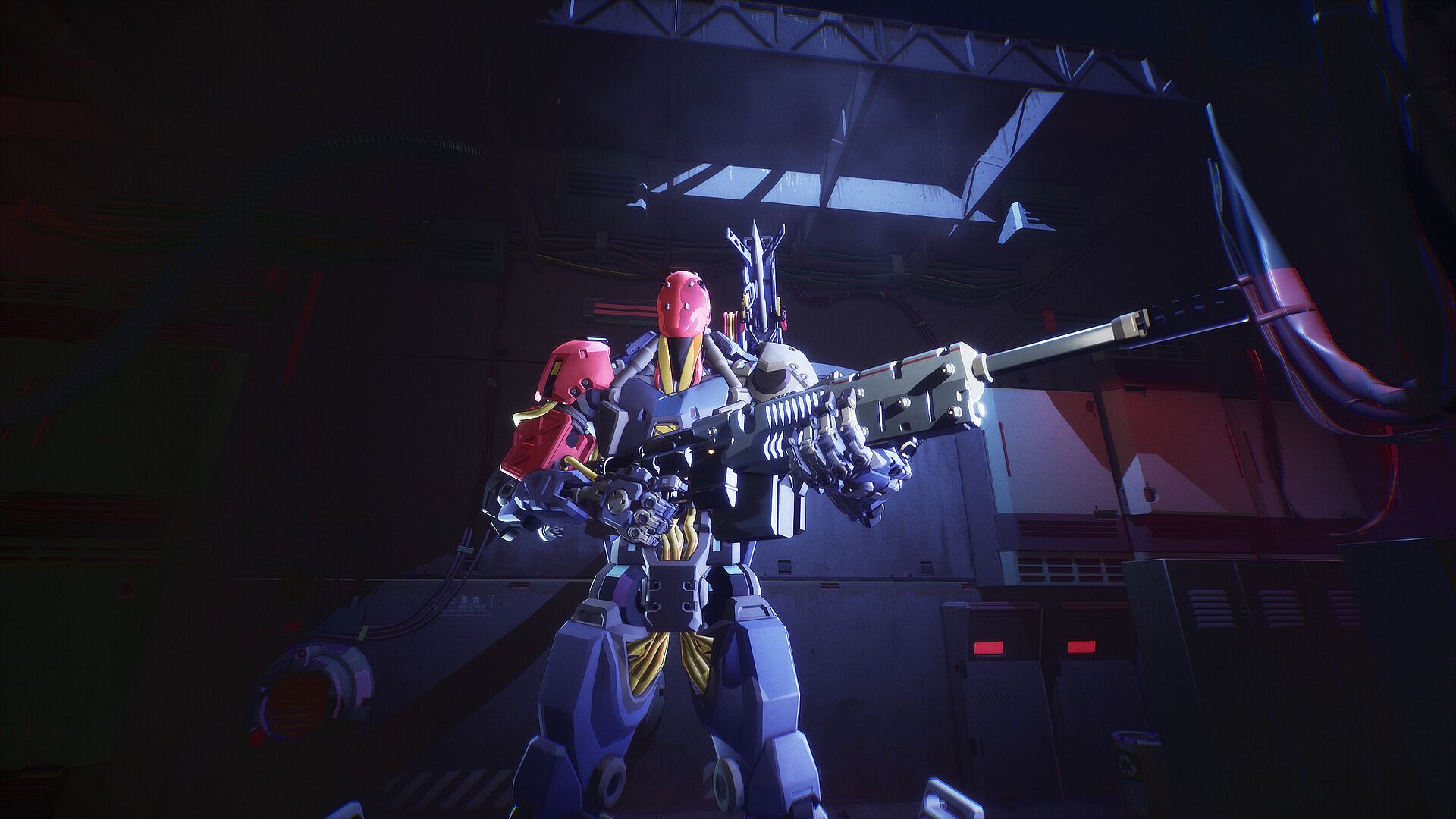
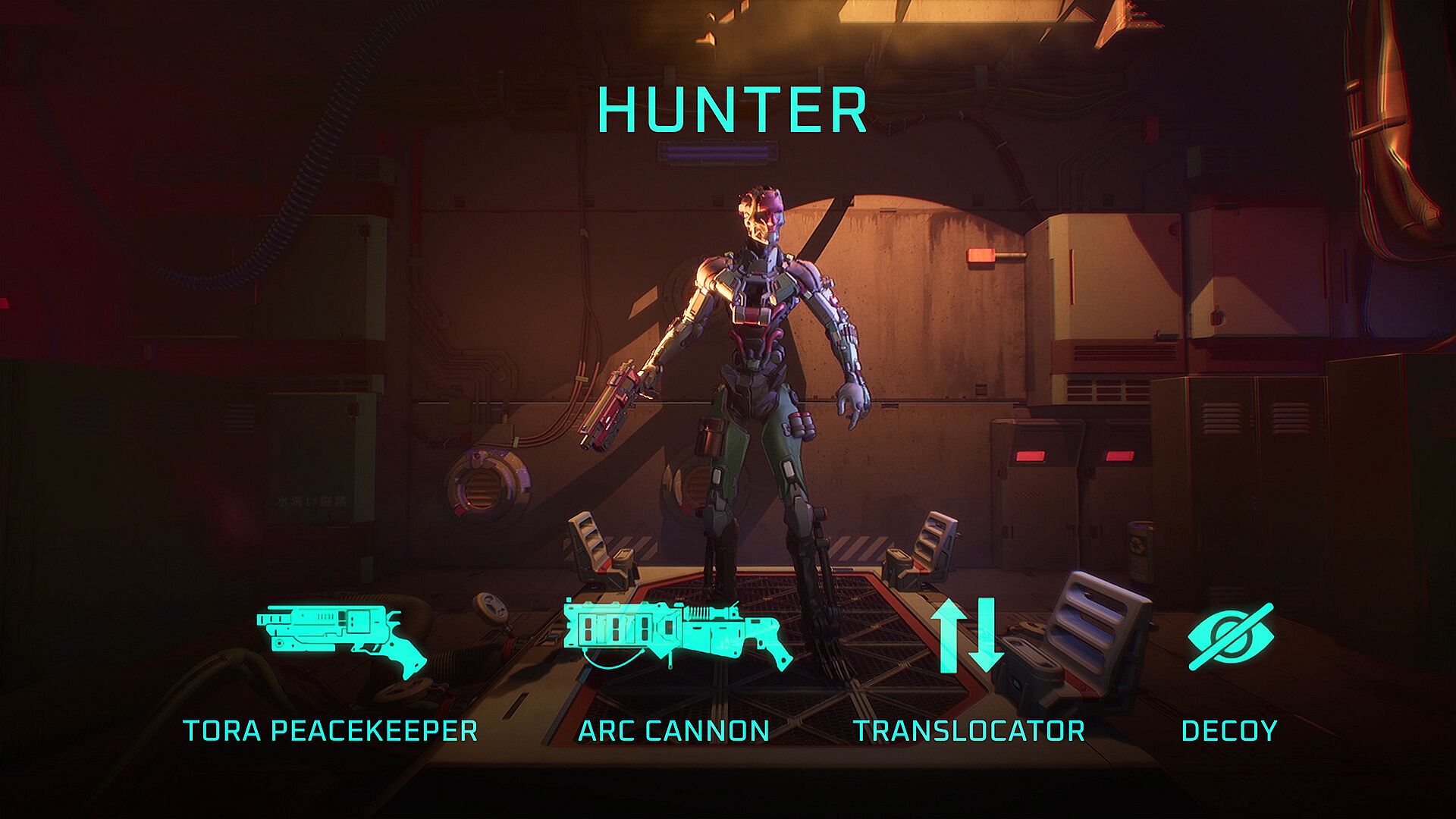
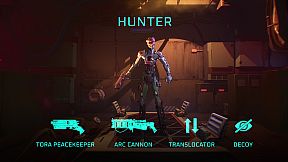
Four distinct combat shells serve as the playable classes, each offering unique starting capabilities that influence loadout choices. Players customize these shells further with implants drawn from a large pool of options, altering stats and introducing new effects during runs.
Weapon variety reaches around twenty distinct types, paired with modular upgrades that reward successful clears. Currency earned across attempts funds permanent enhancements, gradually increasing shell durability and firepower for deeper progression. This system balances short-term adaptability with long-term power growth, keeping the focus on skill refinement rather than luck alone.
Is It Worth Playing?
Deadlink delivers a focused single-player experience tailored to fans of intense, movement-heavy shooters with roguelite structure. Its replay value stems from the combination of randomized runs, multiple modes including endless and timed trials, and layered upgrade systems that reward consistent play.
Player feedback highlights the satisfying combat loop and the sense of improvement across attempts, with many noting strong performance on PC hardware. The game remains actively supported with post-launch additions that expand mode options and difficulty variety. Those who enjoy cyberpunk aesthetics paired with demanding FPS mechanics will find substantial content here, particularly if they appreciate building powerful loadouts over multiple sessions. Availability on PC makes it accessible for direct testing through available demos where offered.