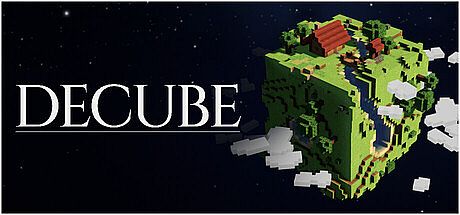


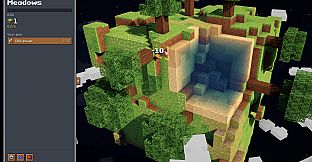
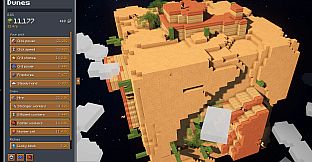
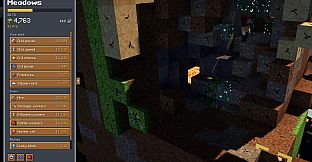
DeCube is an indie simulation game centered on incremental planet mining. Players dig through entire worlds layer by layer to reach the core and reveal what lies beneath. The experience blends resource management with steady progression across a series of distinct planetary environments.
Gameplay
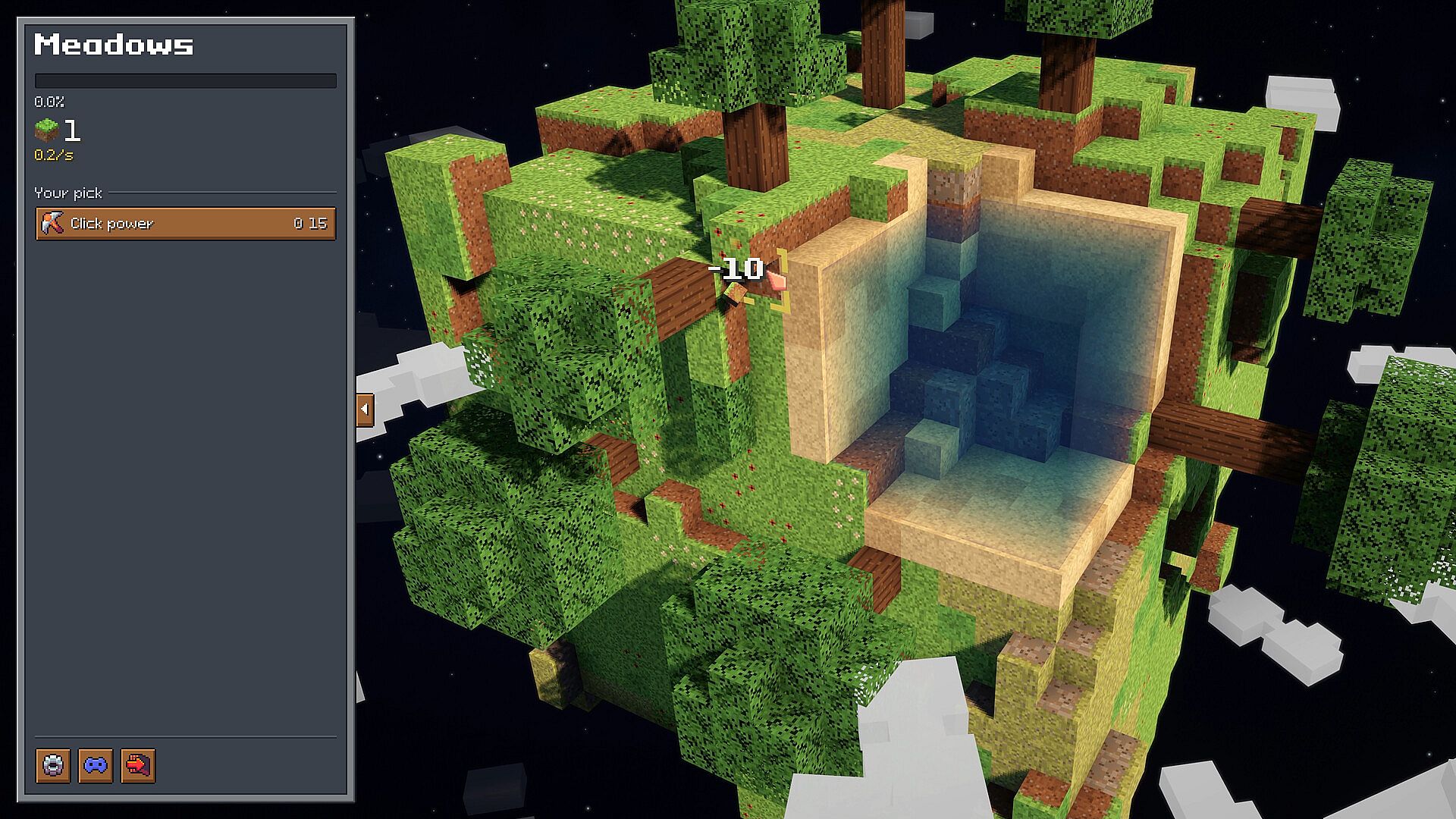
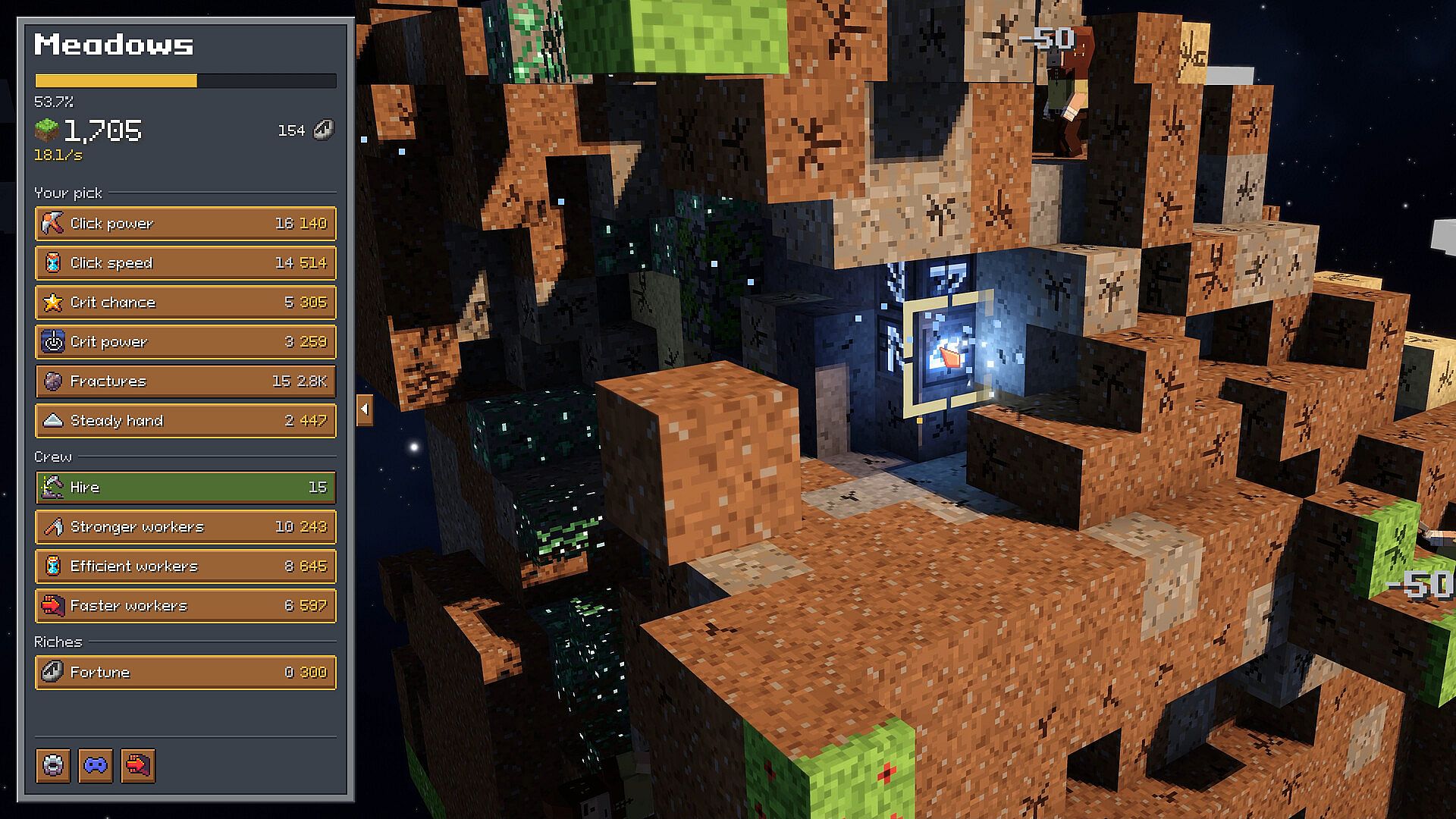
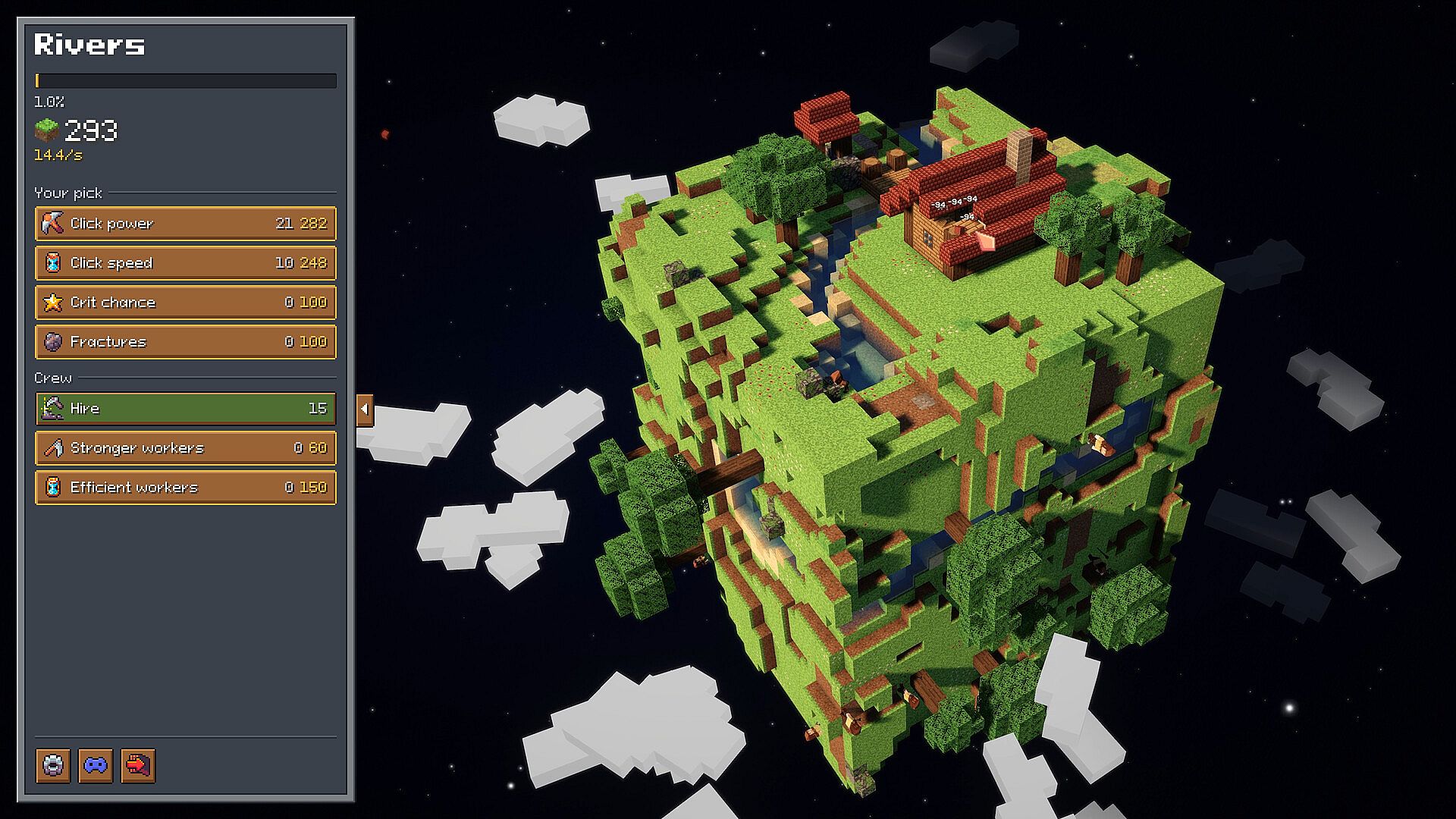
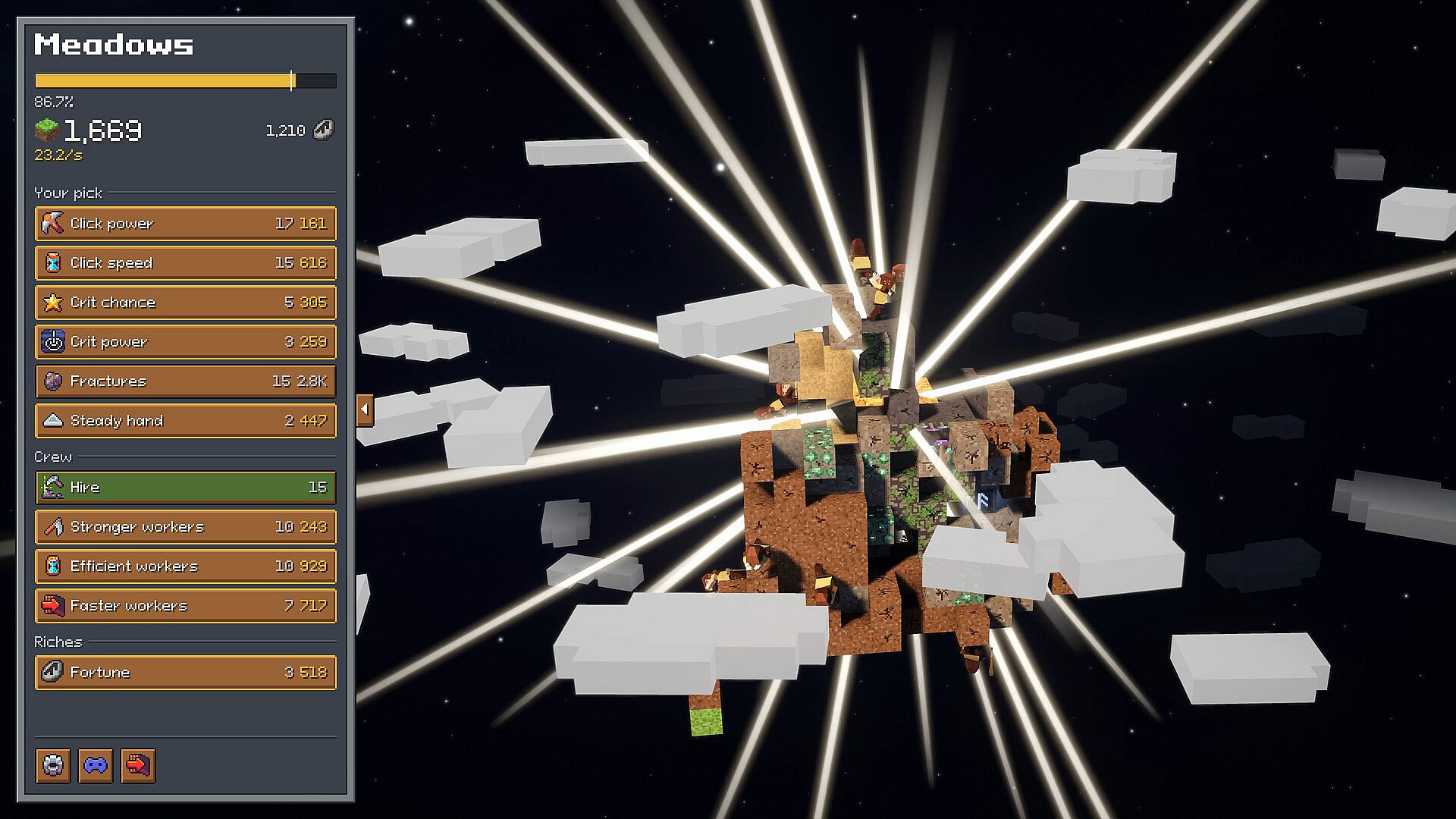
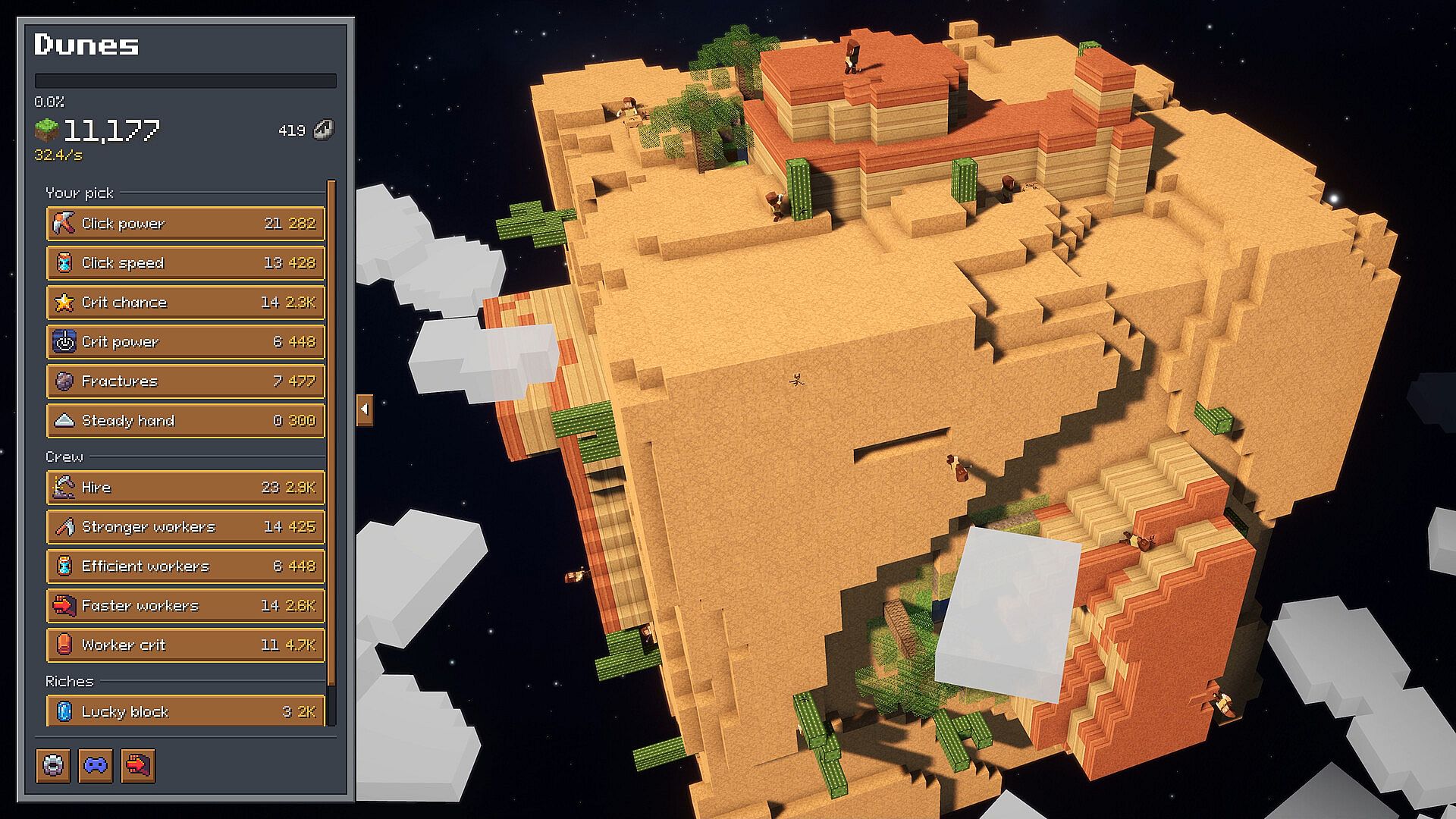
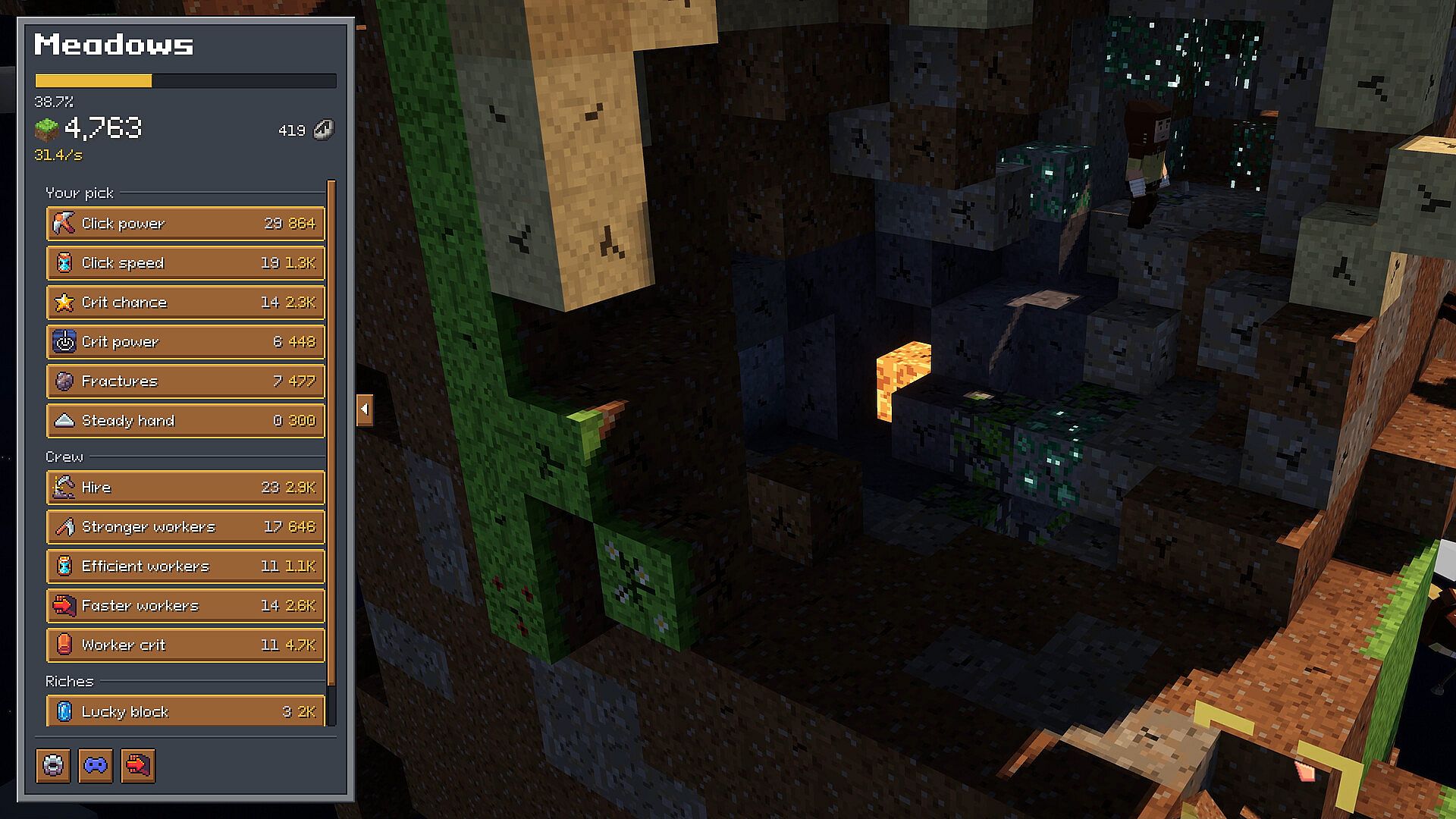
The core loop revolves around excavation and expansion. You begin by manually digging into a planet's surface, then shift focus to automation as progress builds. Hiring workers forms the backbone of sustained mining, allowing the operation to continue even when the player steps away. These crew members handle ongoing excavation tasks while you manage the broader strategy.
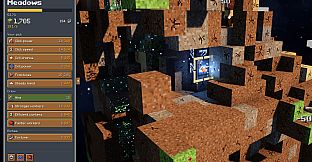
Equipment upgrades play a central role in efficiency. Better tools increase digging speed, expand capacity, and improve resource yields from each layer. As layers are cleared, new opportunities appear for further investment in the mining setup. The process creates a satisfying rhythm of short-term decisions feeding into longer-term growth.
Sound design supports the pace with a calming, nostalgic soundtrack that underscores the methodical nature of the work. Controller support extends accessibility, letting players manage operations from a couch or desk without relying solely on keyboard and mouse inputs. The single-player focus keeps attention on personal progression rather than external competition.
Game Modes
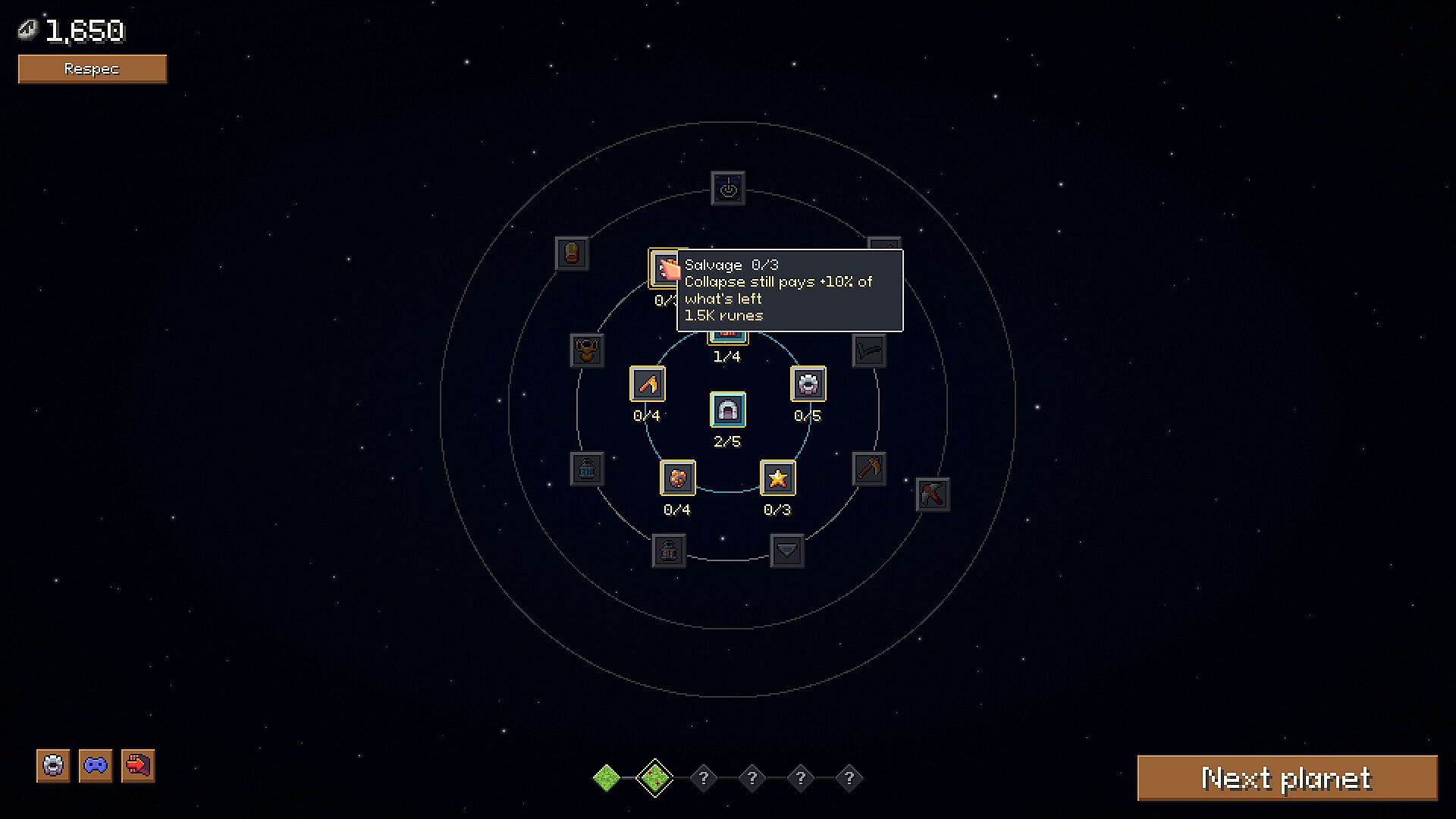
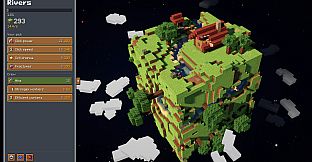
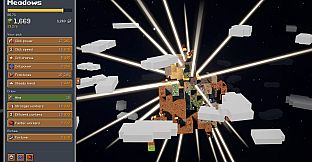
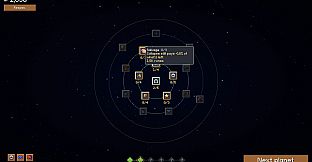
DeCube centers on a structured campaign that takes players through six unique worlds. Each world presents its own terrain and challenges, encouraging adaptation of mining strategies as conditions change. The campaign builds a sense of journey, moving from one planet to the next after the core is uncovered.
A custom world generator provides an additional avenue for play. This tool lets users create tailored mining sites that match specific preferences for size, composition, or difficulty. It serves players who want to experiment beyond the fixed campaign sequence or revisit the mechanics with fresh parameters.
Both the campaign and generator operate within the same underlying systems of hiring, upgrading, and excavation. No separate competitive or multiplayer elements are present, keeping the emphasis on solitary, deliberate advancement through incremental gains.
Progression and Systems
Advancement ties directly to the depth reached on each planet. Deeper layers typically yield better returns, which in turn fund more workers and superior equipment. This creates a steady escalation where early manual effort gives way to automated fleets that handle larger volumes of material.
World variety in the campaign encourages players to adjust priorities. One planet might favor rapid surface clearing, while another rewards careful investment in specialized upgrades before deeper digging begins. The custom generator extends this flexibility by allowing direct control over starting conditions and resource distribution.
Overall systems remain focused on the mining loop without extraneous layers. Resource management stays tied to excavation output, and progression feels organic as each improvement compounds the next. The nostalgic audio track and controller options reinforce a relaxed yet engaging session length suitable for shorter or extended play periods.
Is It Worth Playing?
DeCube targets players who enjoy incremental simulation titles built around steady expansion and automation. The combination of a six-world campaign and custom generation offers clear structure alongside replay flexibility. Controller support and the soundtrack further suit sessions that prioritize calm focus over high-intensity action.
As an upcoming release with no player reviews available yet, the game appeals most to those drawn to the described mechanics of planet excavation, workforce management, and equipment upgrades. Its single-player design and emphasis on personal progression make it a fit for fans of similar indie simulations who value methodical gameplay over social or competitive features.
Those seeking a relaxing mining experience with clear goals and creative options will find the outlined systems align well with that preference. The pre-release information highlights a focused title that avoids unnecessary complexity while delivering depth through its core loop.