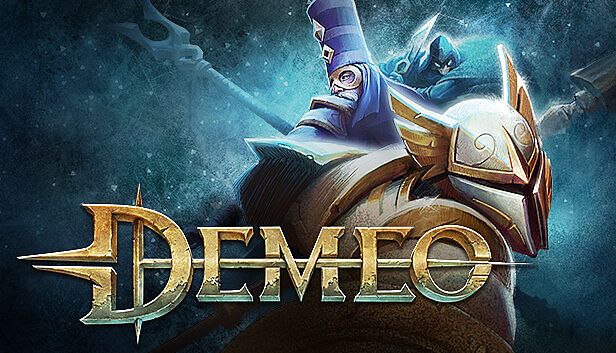











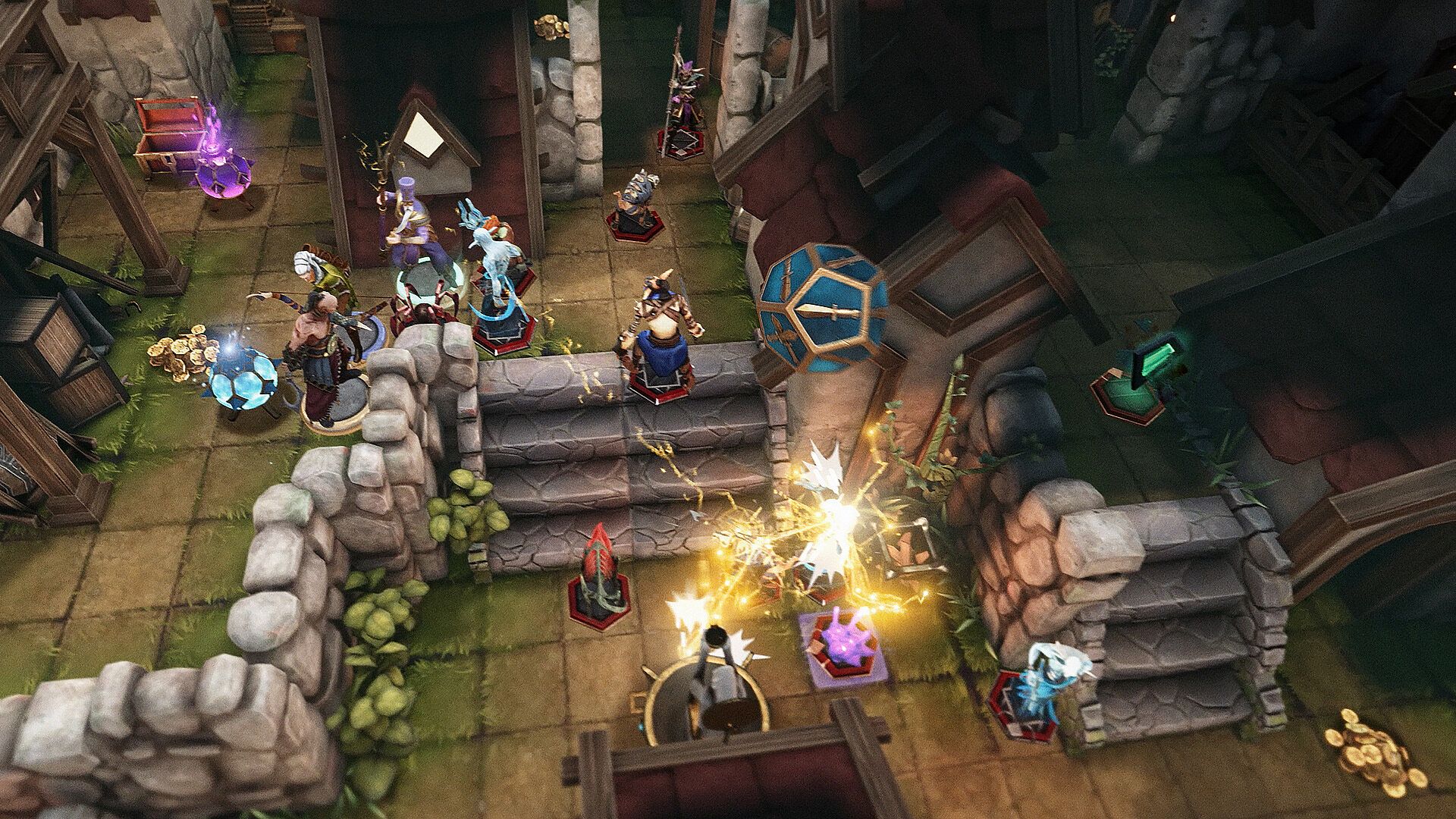
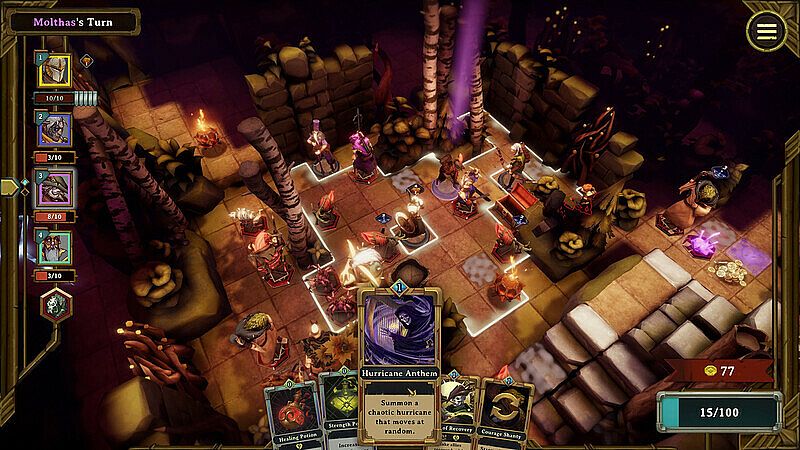
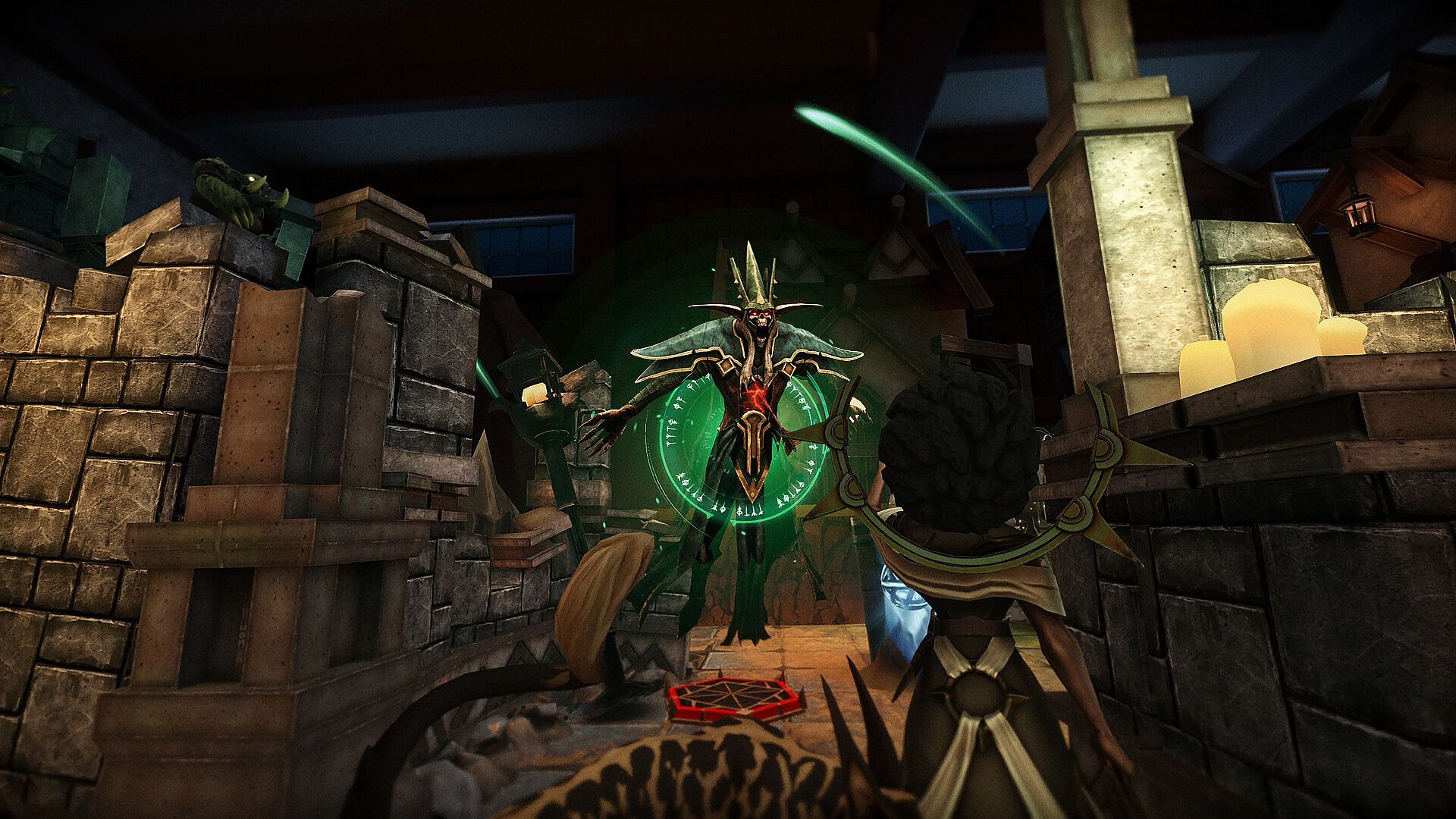
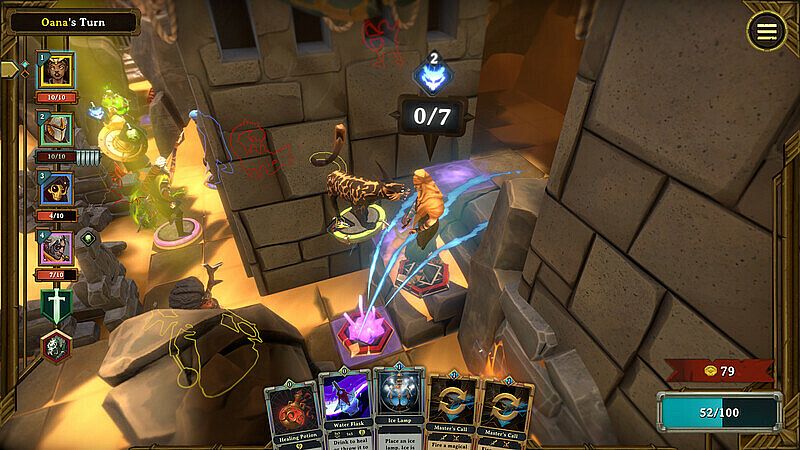
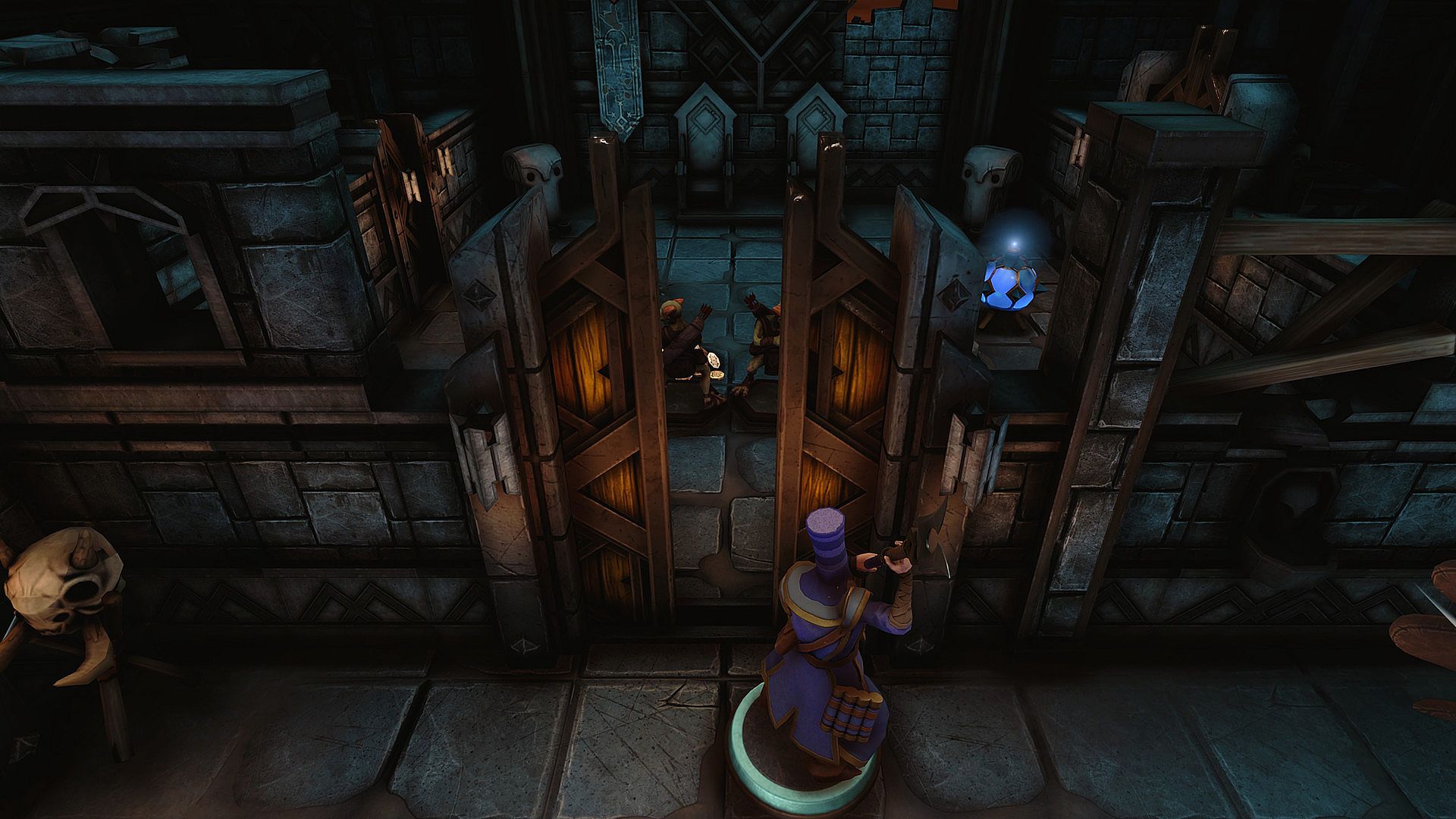
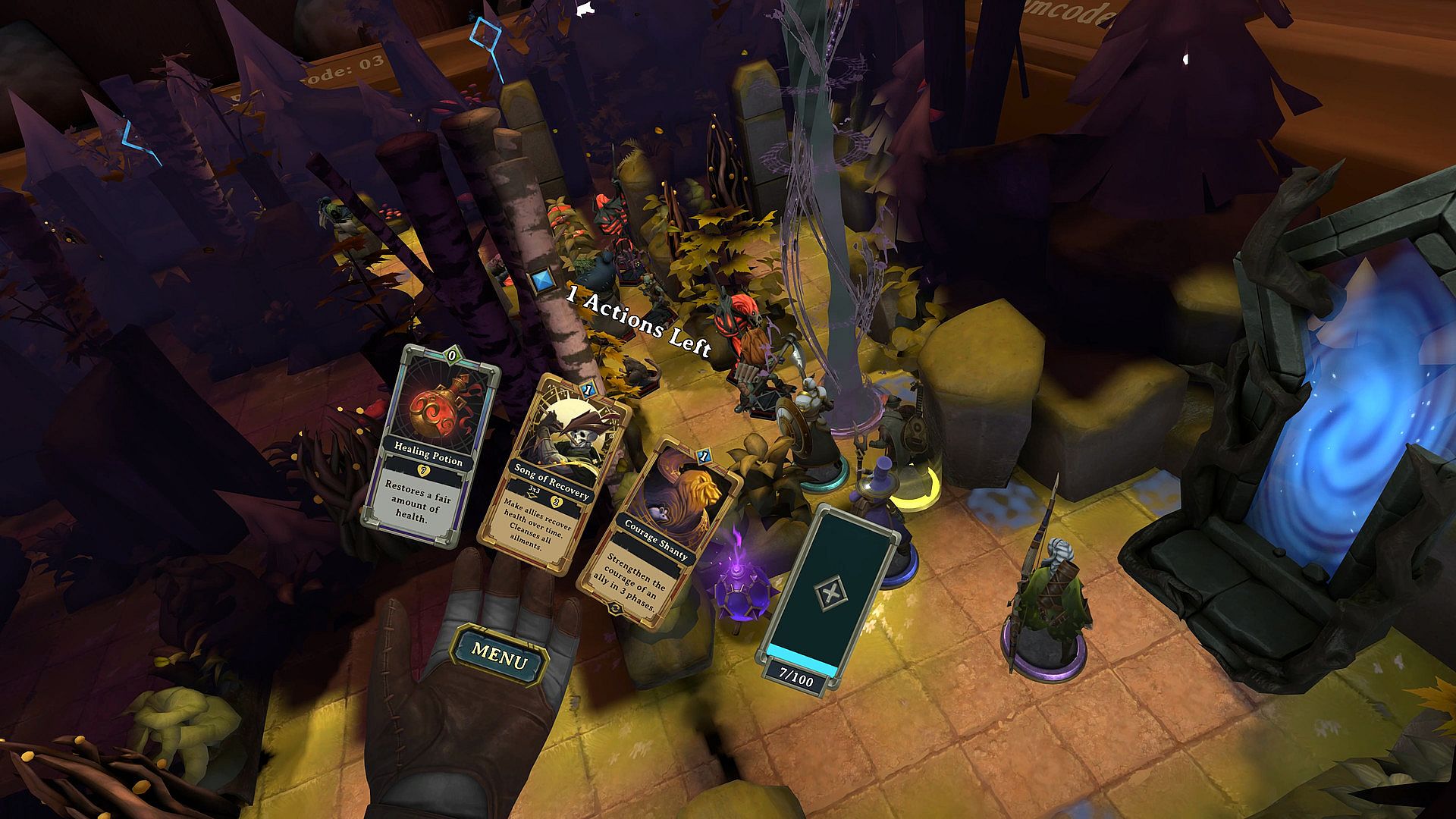
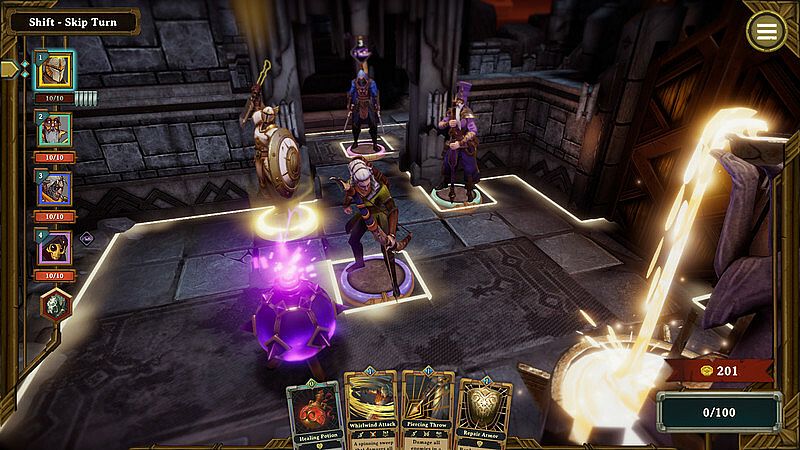
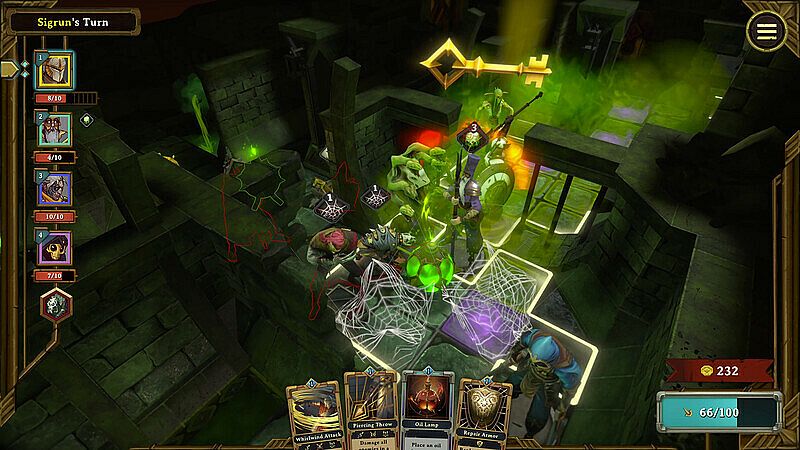
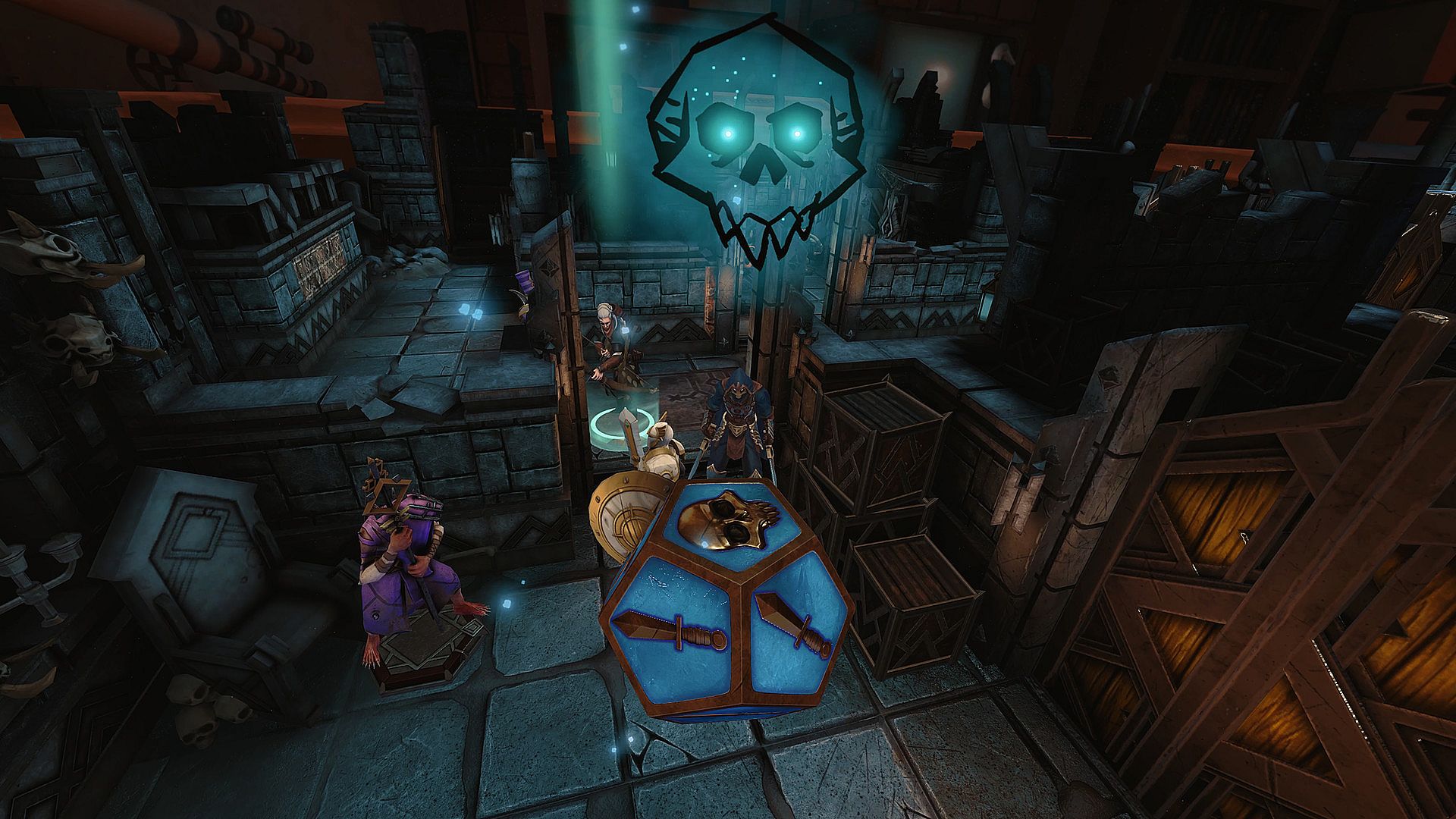
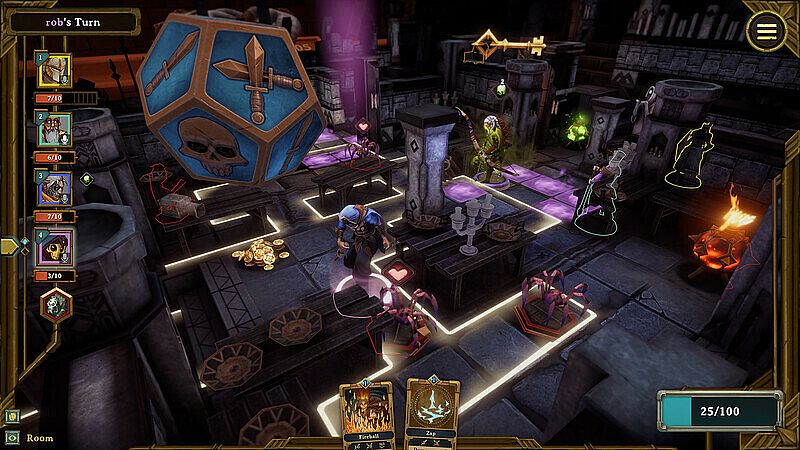
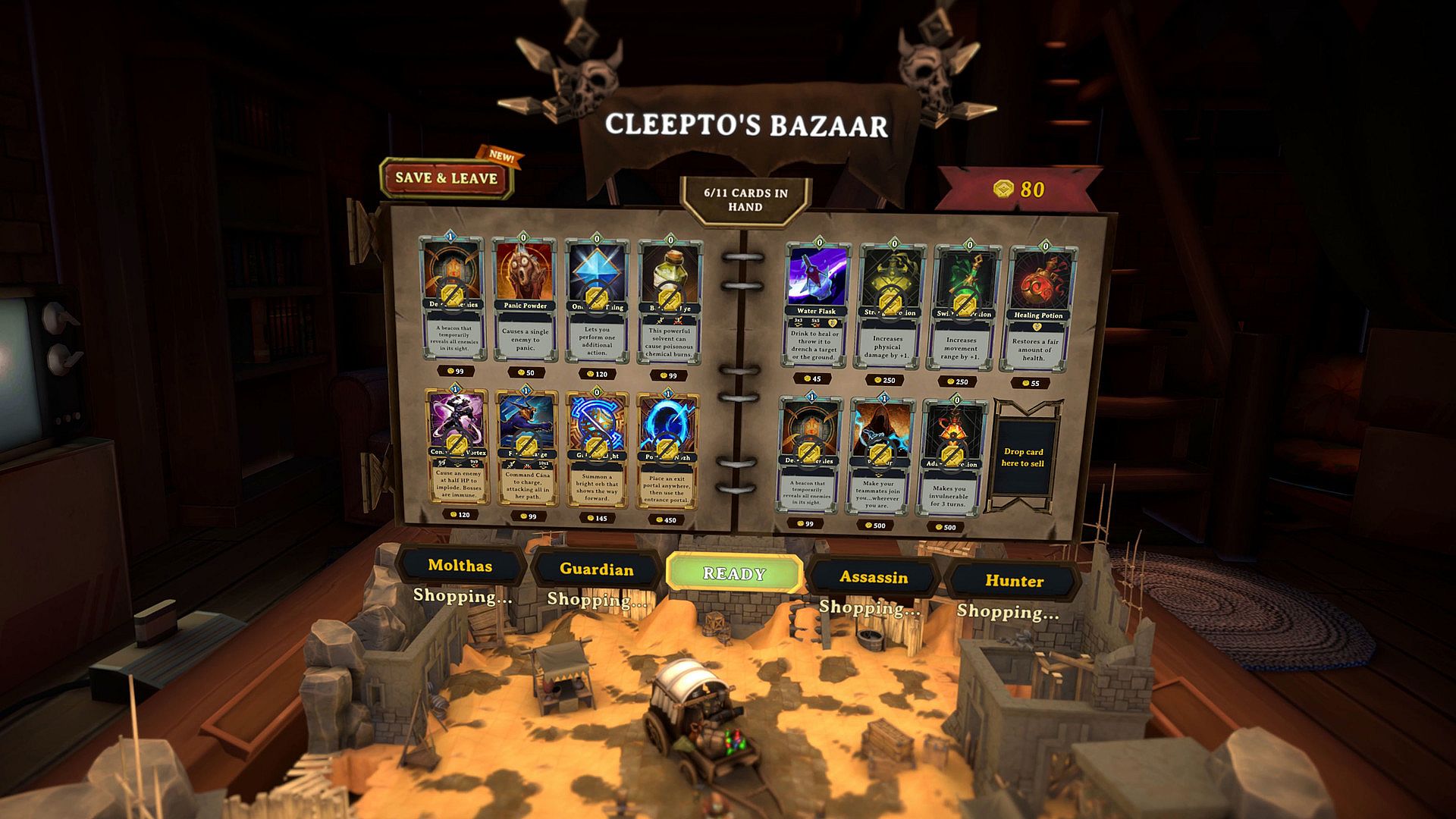
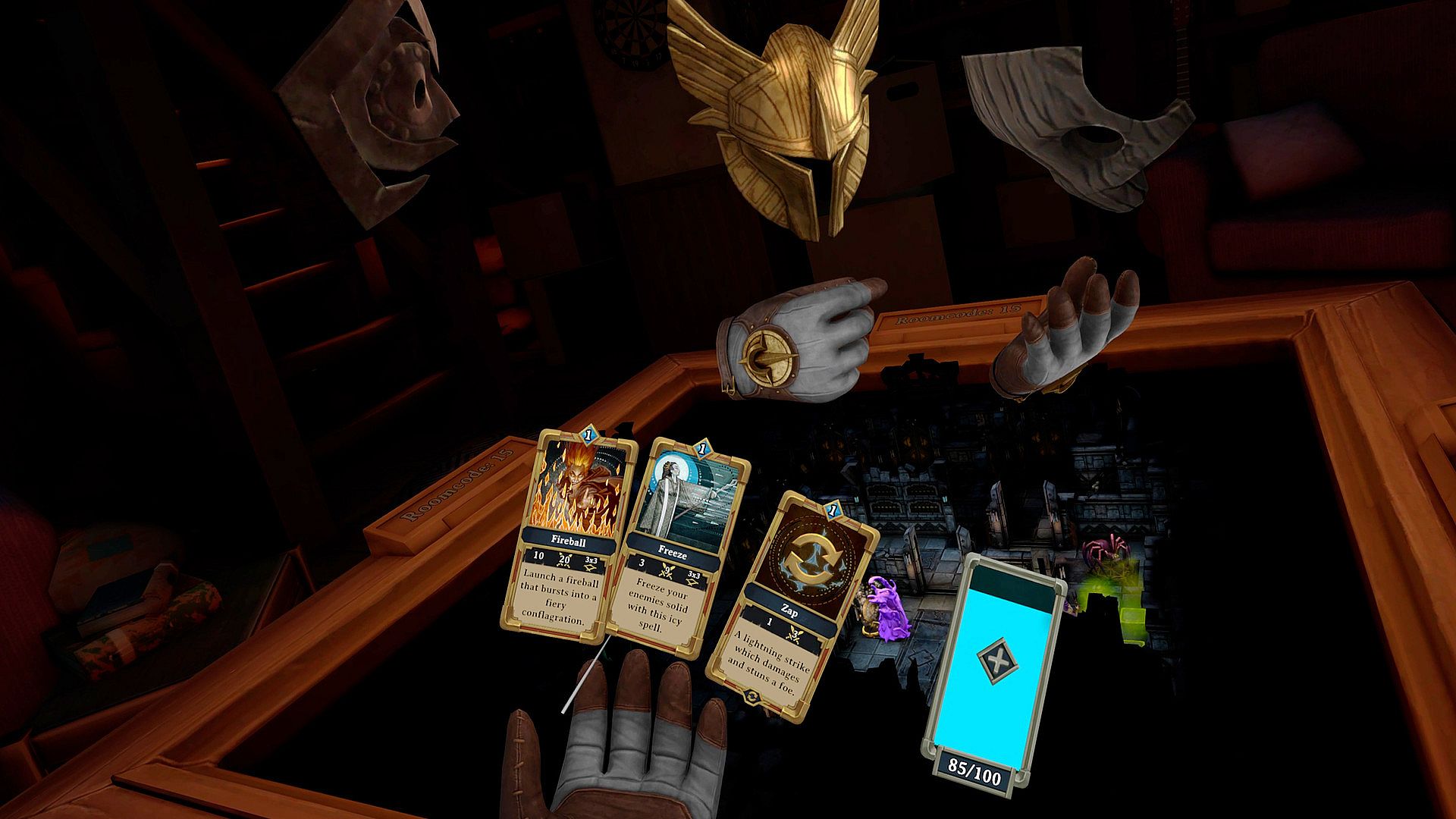
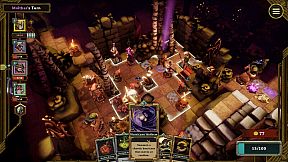
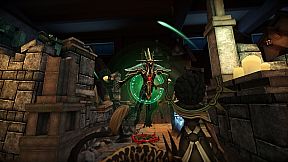
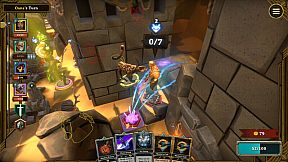
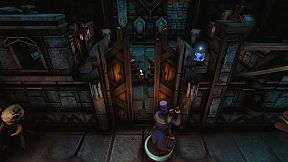
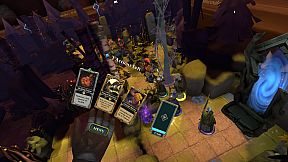
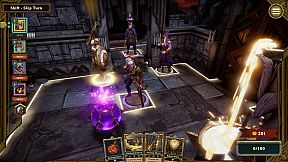
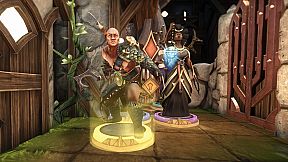
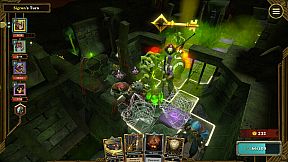
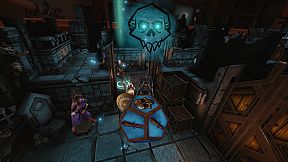
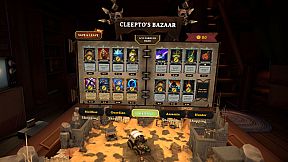
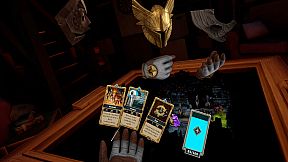
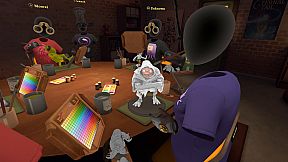
Demeo stands as a cooperative strategy RPG and adventure title built around turn-based dungeon crawling on PC. Players form parties to explore corrupted realms, relying on careful positioning, ability combinations, and shared decision-making to overcome enemies and environmental hazards. The experience emphasizes the social aspects of tabletop sessions translated into digital form, with voice chat integration and visible miniatures on a shared board.
Gameplay
Each session begins with hero selection from a roster that includes the eagle-eyed hunter, mystical sorcerer, deadly assassin, protective guardian, melodic bard, powerful warlock, and boisterous barbarian. These classes bring distinct skill sets focused on ranged attacks, spellcasting, stealth, defense, support, dark magic, and close-quarters combat. Success depends on coordinating these roles across multiple encounters rather than individual heroics.
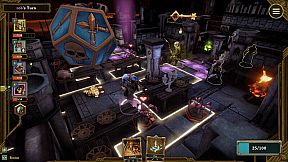
Combat unfolds on a grid-based map where players move miniatures, cast abilities, and manage resources in sequence. Environmental elements such as traps, elevation, and line-of-sight restrictions add layers of tactical depth. The core loop involves scouting ahead, planning group actions, and adapting when plans shift due to enemy behavior or random elements that mimic dice rolls.
Progression carries across adventures through retained loot and experience, encouraging repeated runs with different party compositions. The system rewards experimentation while punishing poor coordination, creating tension that builds toward boss confrontations.
Game Modes
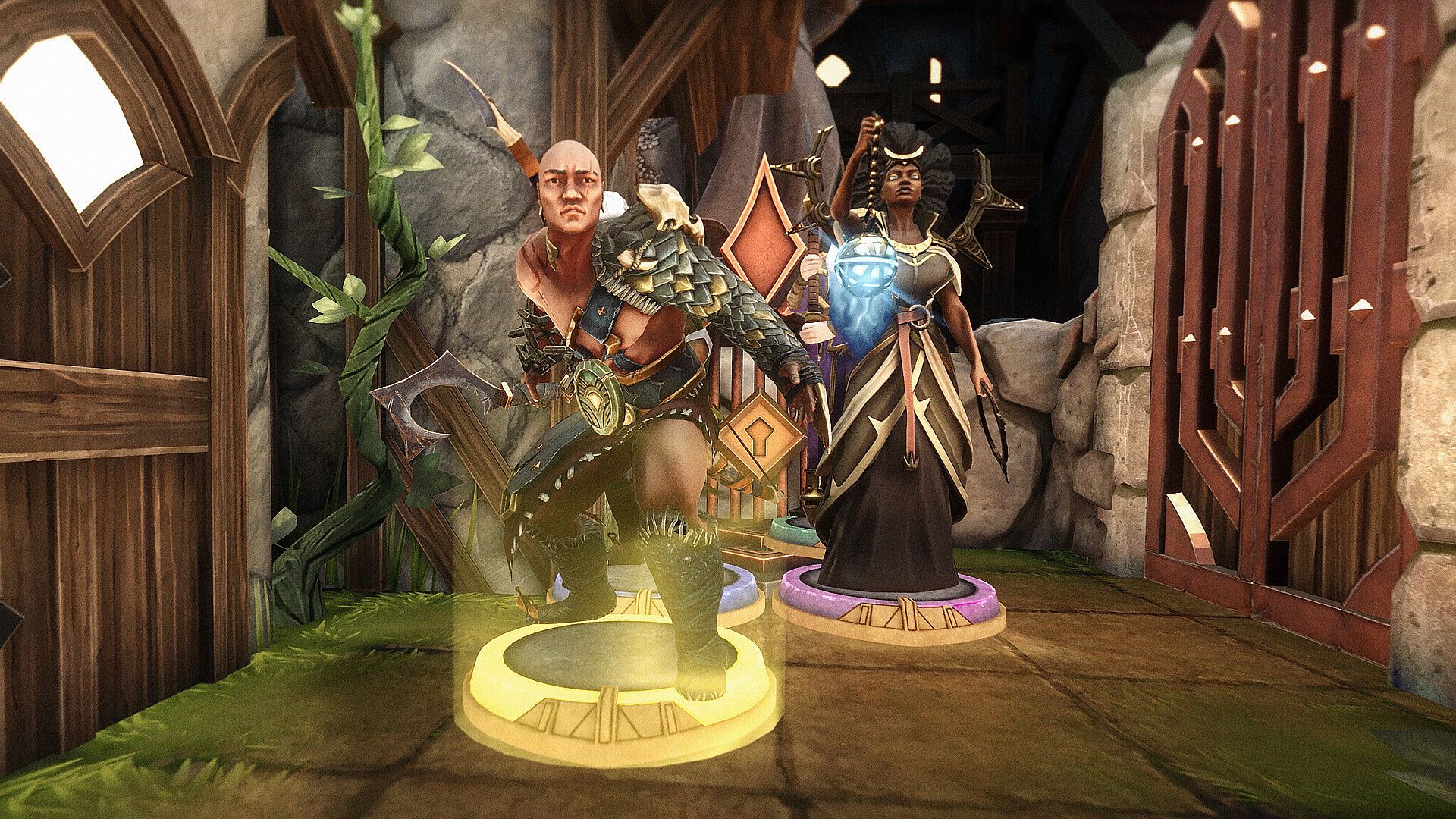
Structured campaigns form the primary play experience. The Black Sarcophagus introduces players to the Elven Necropolis setting. Subsequent chapters expand the scope into the Realm of the Rat King and Roots of Evil, each presenting new tile sets, enemy types, and objectives. Reign of Madness adds the town of Ends as a fresh environment along with the barbarian Uhrak, whose grappling hook expands mobility options during fights.
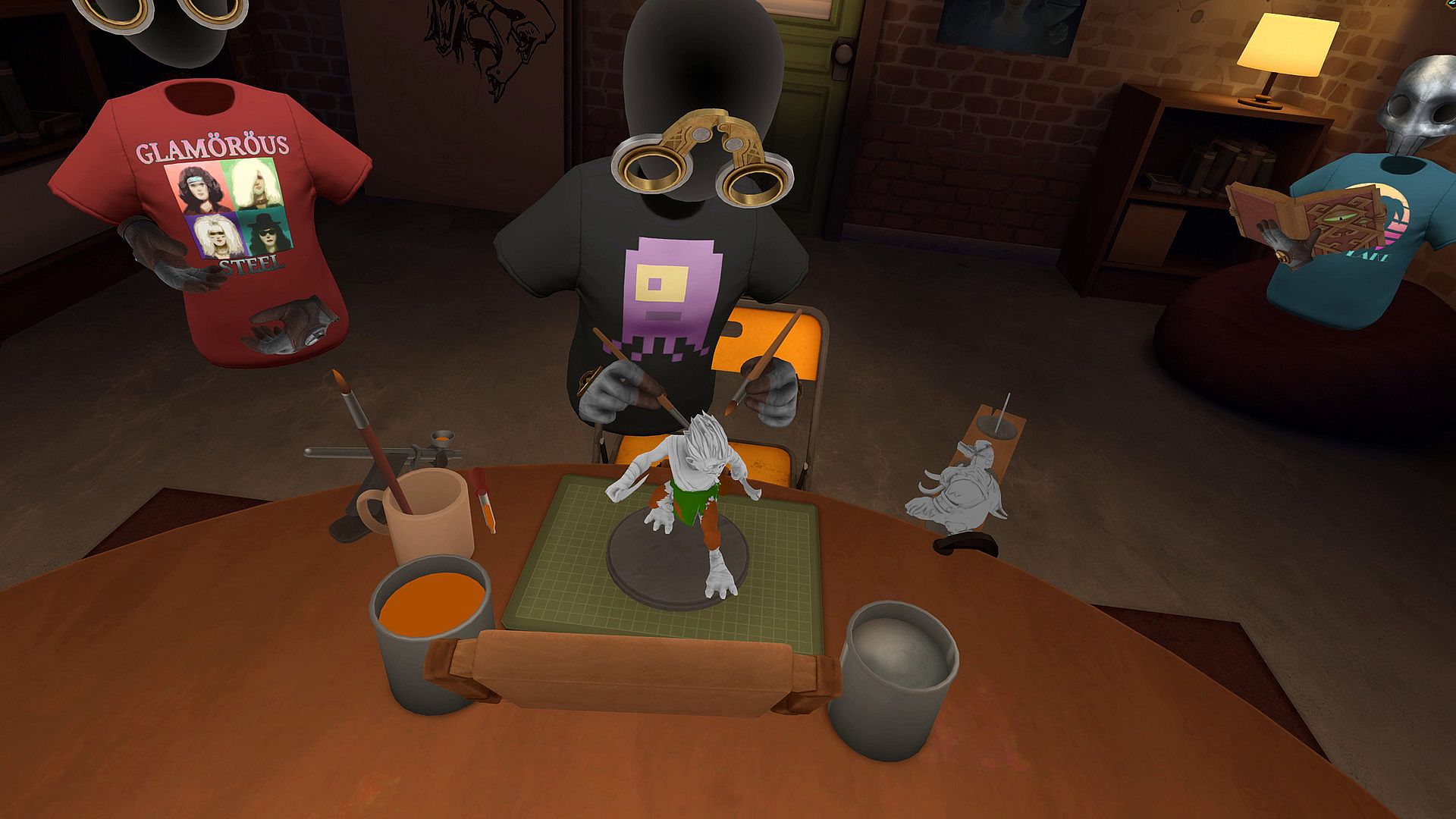
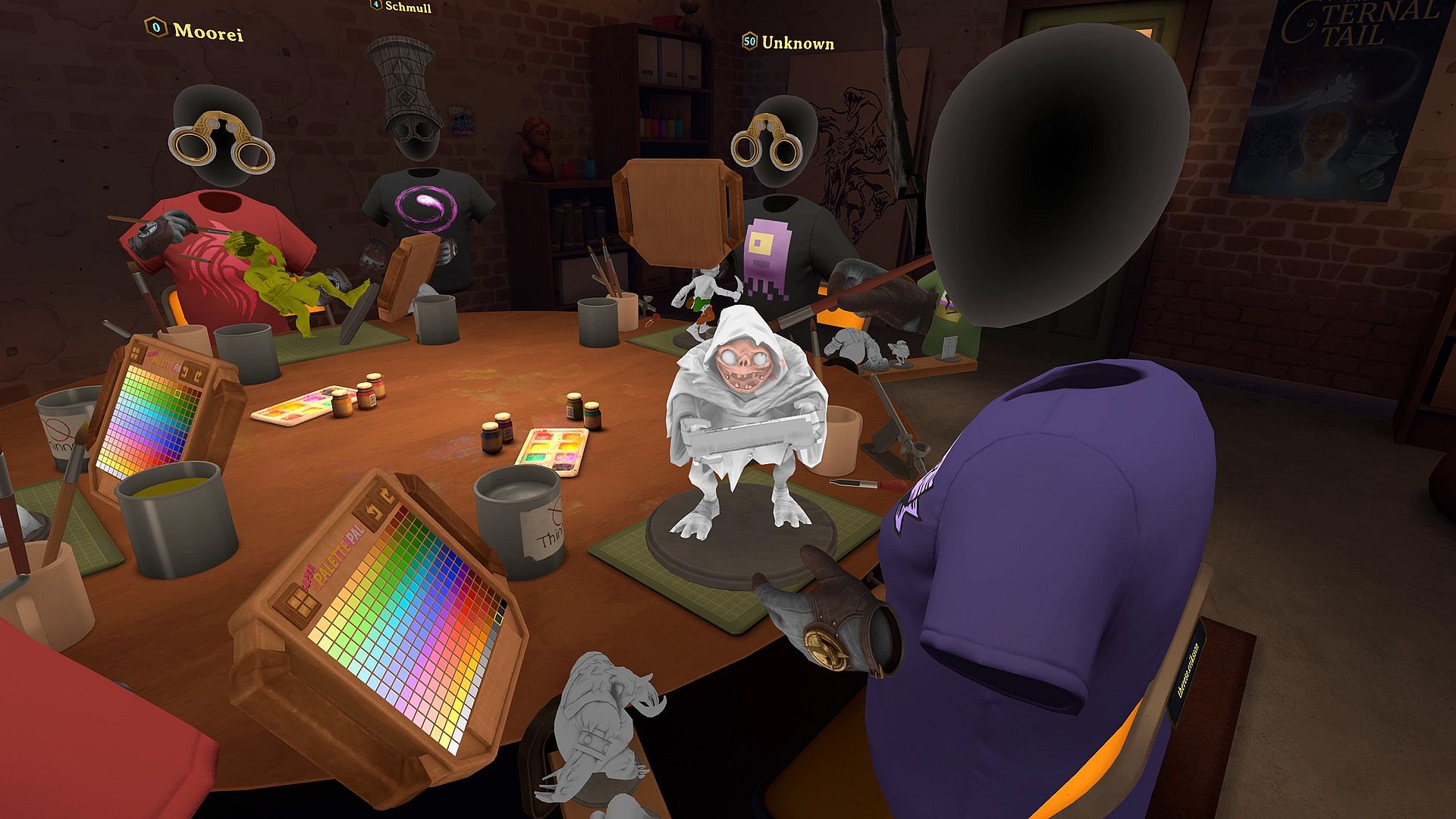
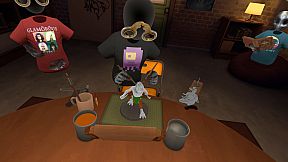
Beyond campaign progression, Heroes' Hangout serves as a dedicated social area available in VR. Participants gather to discuss strategies, customize avatars, play simple mini-games, or prepare for the next quest without entering full combat sessions.
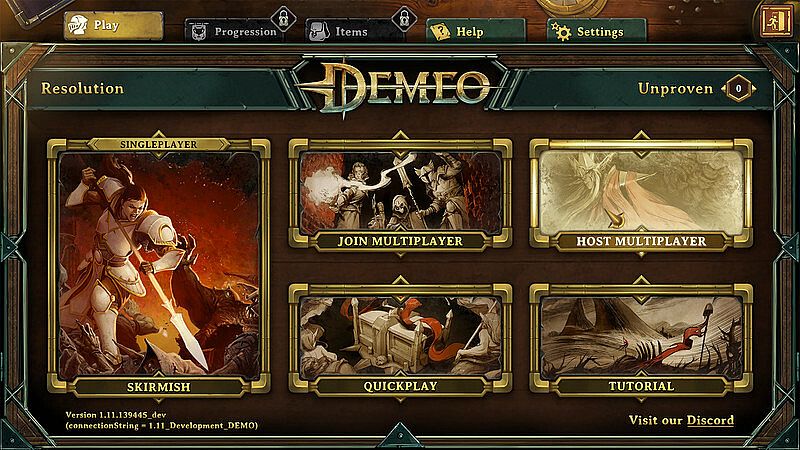
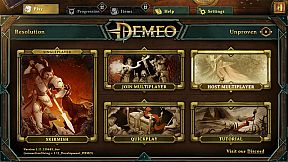
Cross-platform support allows parties to mix participants across different devices, maintaining consistent rules and visuals regardless of hardware. This setup supports both local and remote groups focused on the same cooperative goals.
Characters and Party Building
Seven distinct heroes provide varied approaches to the same challenges. The hunter excels at precision strikes from distance, while the sorcerer manipulates the battlefield with area effects. The assassin prioritizes single-target elimination, the guardian absorbs damage for the group, the bard offers buffs and utility, the warlock channels destructive forces, and the barbarian delivers raw power with tools like the Hook of Varga for repositioning.
Effective parties balance offense, defense, and utility. Players experiment with combinations across multiple runs to discover synergies that handle specific enemy compositions or map layouts more efficiently.
Is It Worth Playing?
Demeo appeals directly to groups that enjoy cooperative strategy and the feel of shared tabletop sessions without physical components. Its emphasis on teamwork and replayability through different hero choices and campaign chapters suits players who value planning over reflexes.
The game maintains active development with new content additions that expand available adventures and characters. Cross-play functionality and controller optimization broaden accessibility for varied play styles and group sizes up to four.
Those seeking solo experiences or fast-paced action may find the deliberate pace less engaging, but dedicated cooperative players often return for the consistent challenge and social elements. The combination of familiar fantasy archetypes with tactical depth makes it a solid choice for fans of the genre looking for repeated group play.