






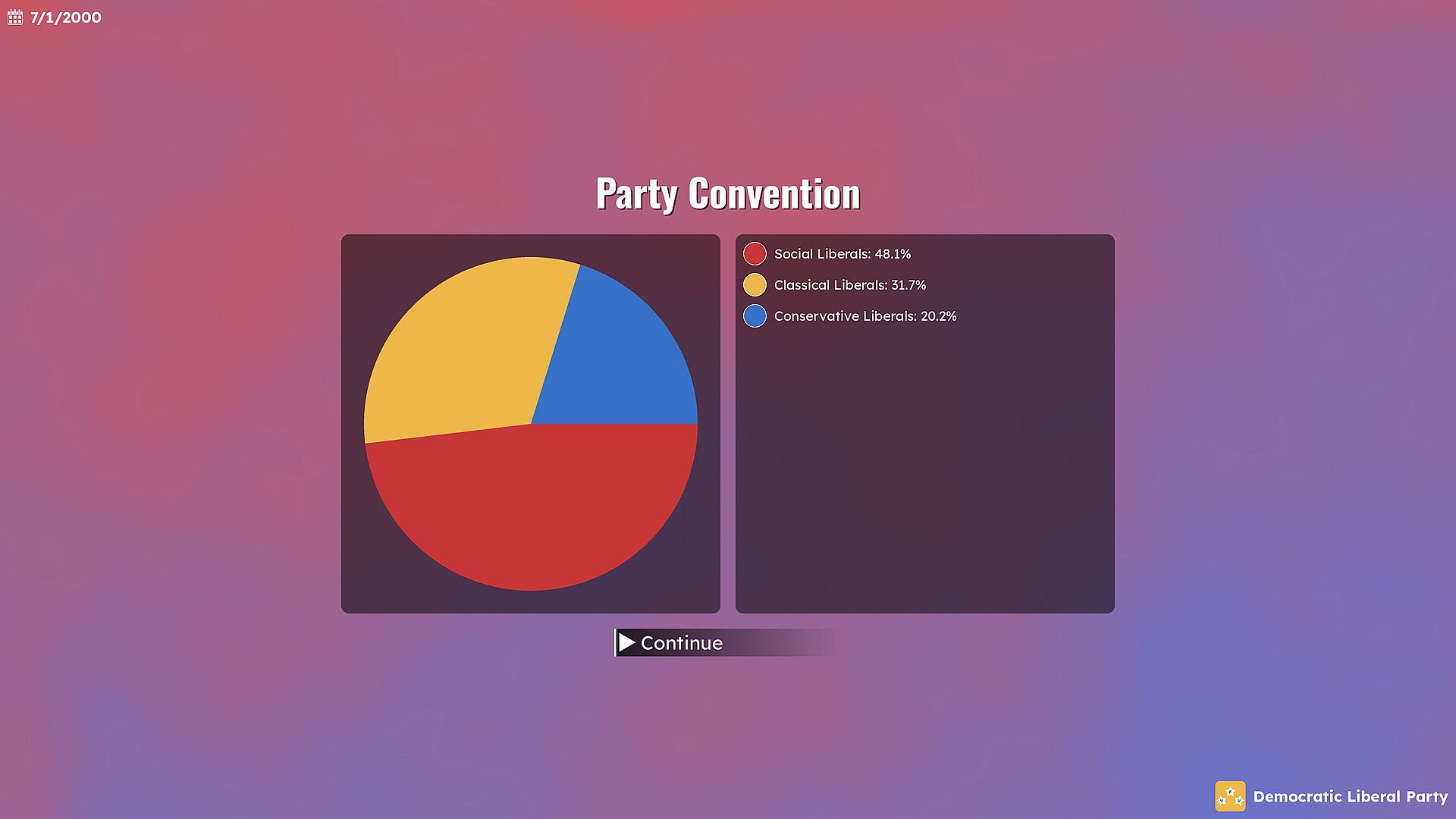
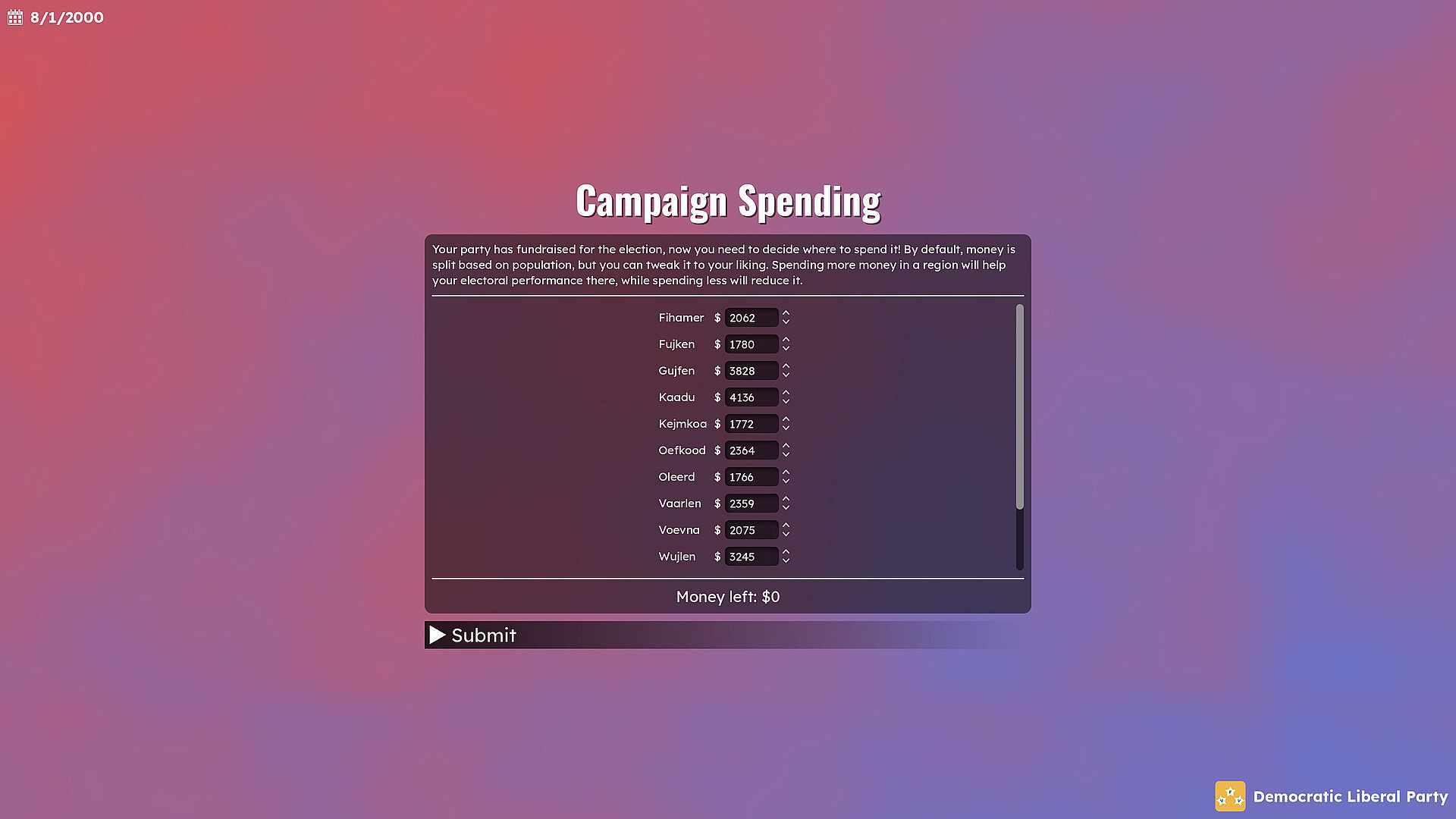
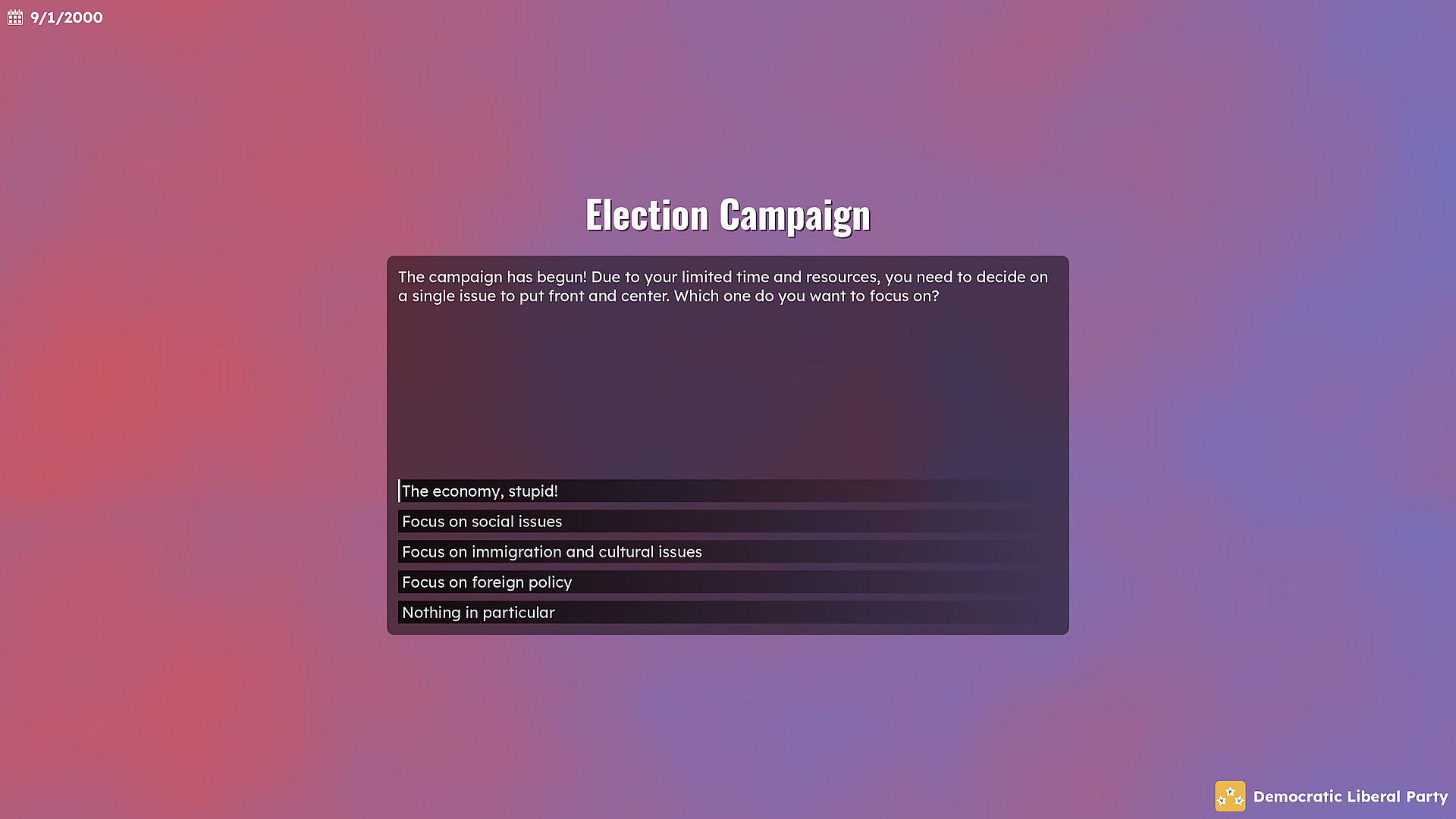
Democracy Simulator is a strategy, indie, and simulation game for PC that places players in the role of a political leader navigating elections, coalitions, and policy decisions in a responsive electoral and economic system.
Gameplay
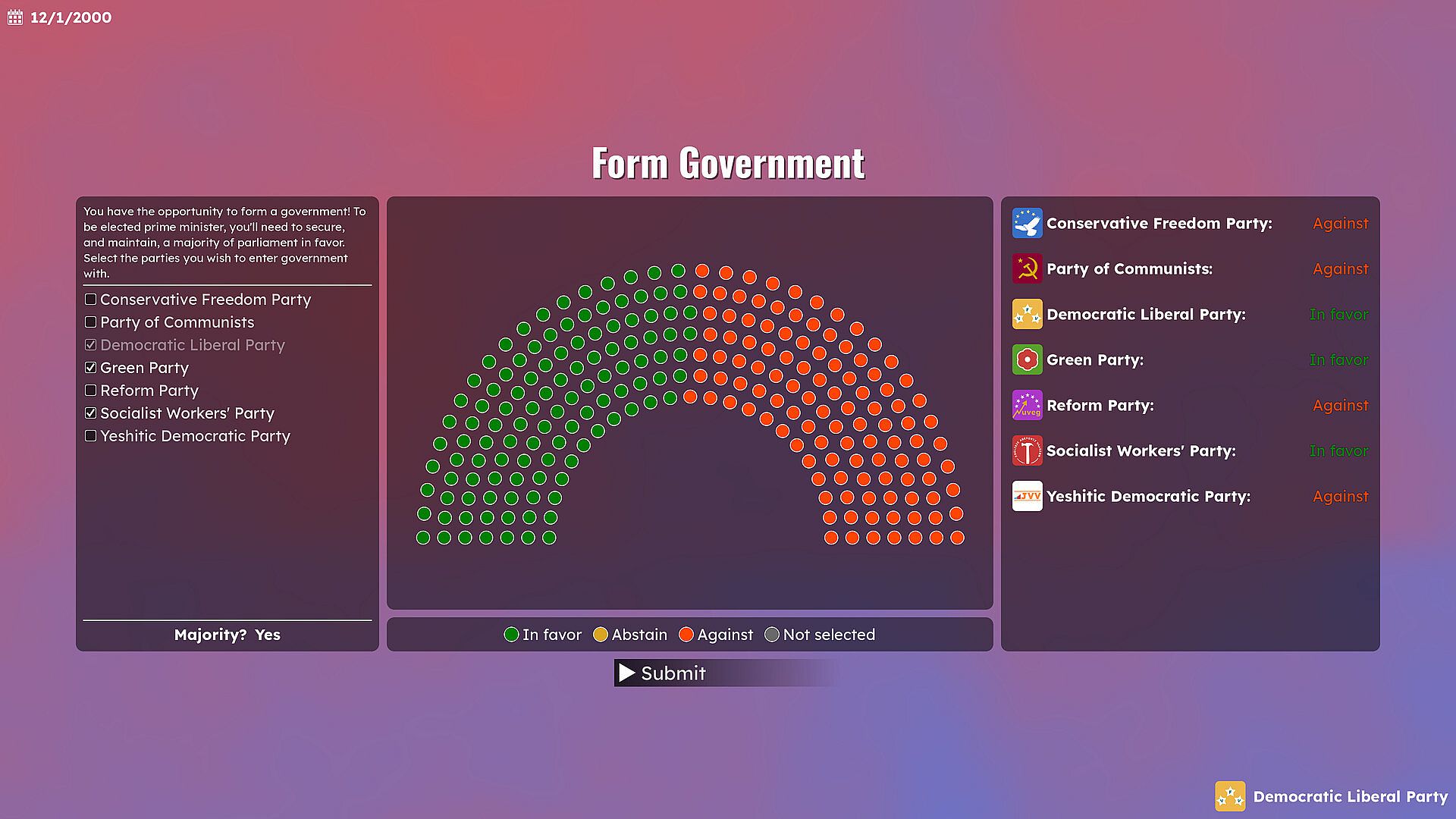
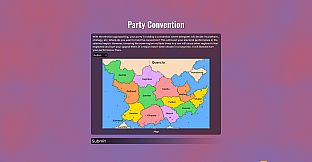
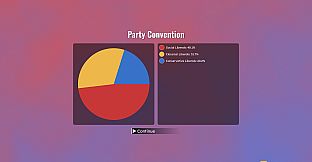
The core loop centers on managing a simulated nation through legislation, budgets, and responses to unfolding events. Players begin by campaigning for the premiership and building a coalition government with other parties. Decisions on laws and economic policies directly influence metrics such as growth rates and voter sentiment, which determine outcomes in future elections. Coalition partners must remain satisfied to avoid votes of no confidence that could remove the player from power.
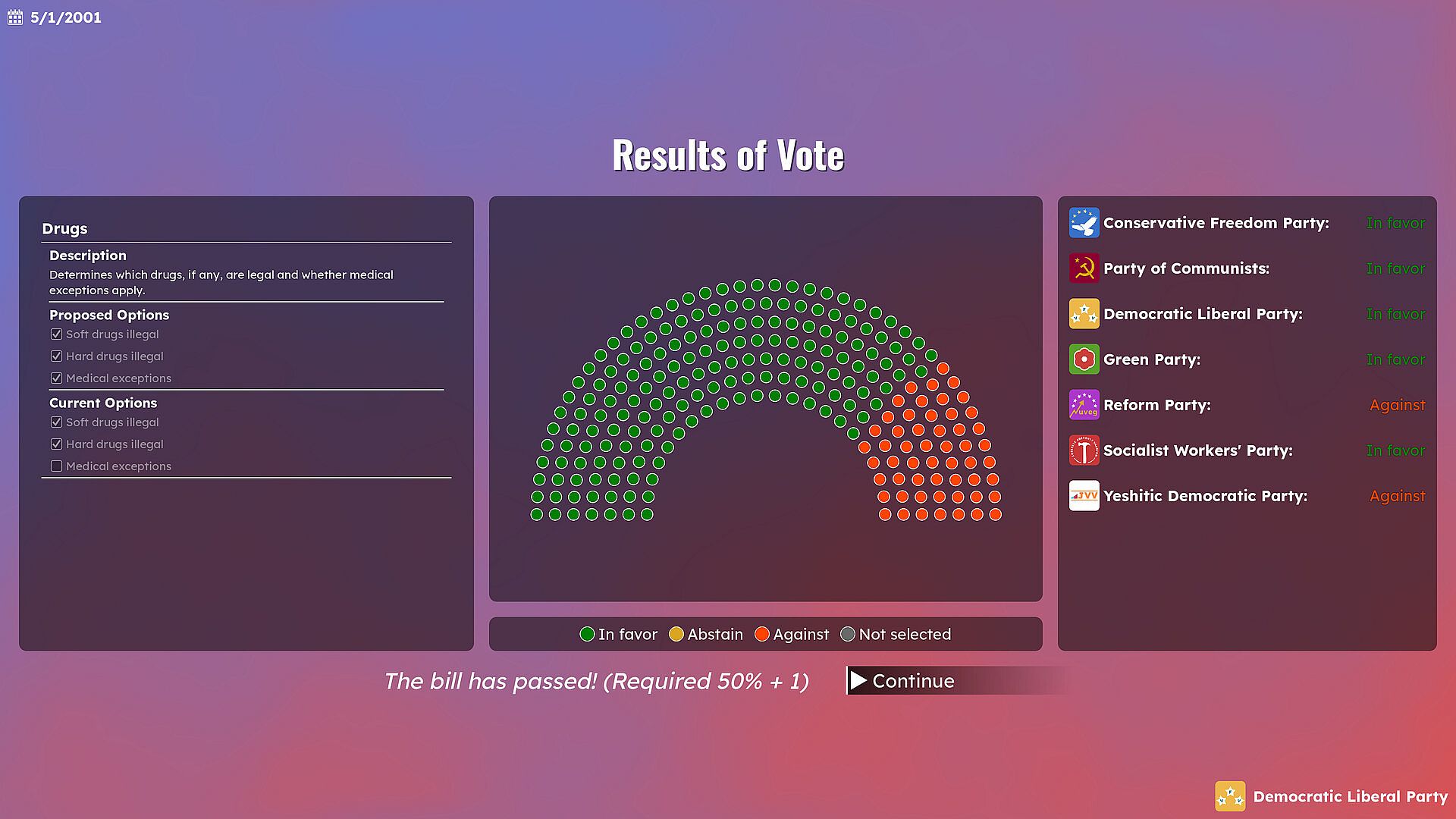
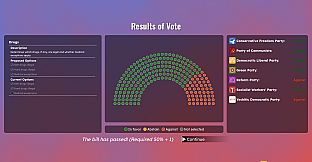
Legislation forms a key mechanic. Any party holding at least one seat can propose bills, with many laws offering customization options. Up to three measures can be bundled into a single bill to secure support through mutual concessions. Passage requires a majority, often necessitating negotiations. Once enacted, laws alter the simulation by shifting electoral support, economic indicators, and other variables, forcing players to weigh trade-offs using available data on growth, public opinion, and stability.
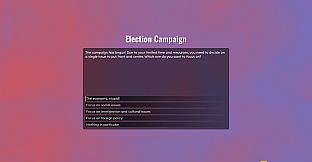
Events occur periodically and require choices from a set of options. The Prime Minister typically directs responses, and selections can trigger lasting effects on the simulation. Pledges made during events are tracked by voters, who remember fulfillment or failure in subsequent elections. The game provides no guidance on optimal choices, leaving players to interpret metrics and conditions independently.
Game Modes
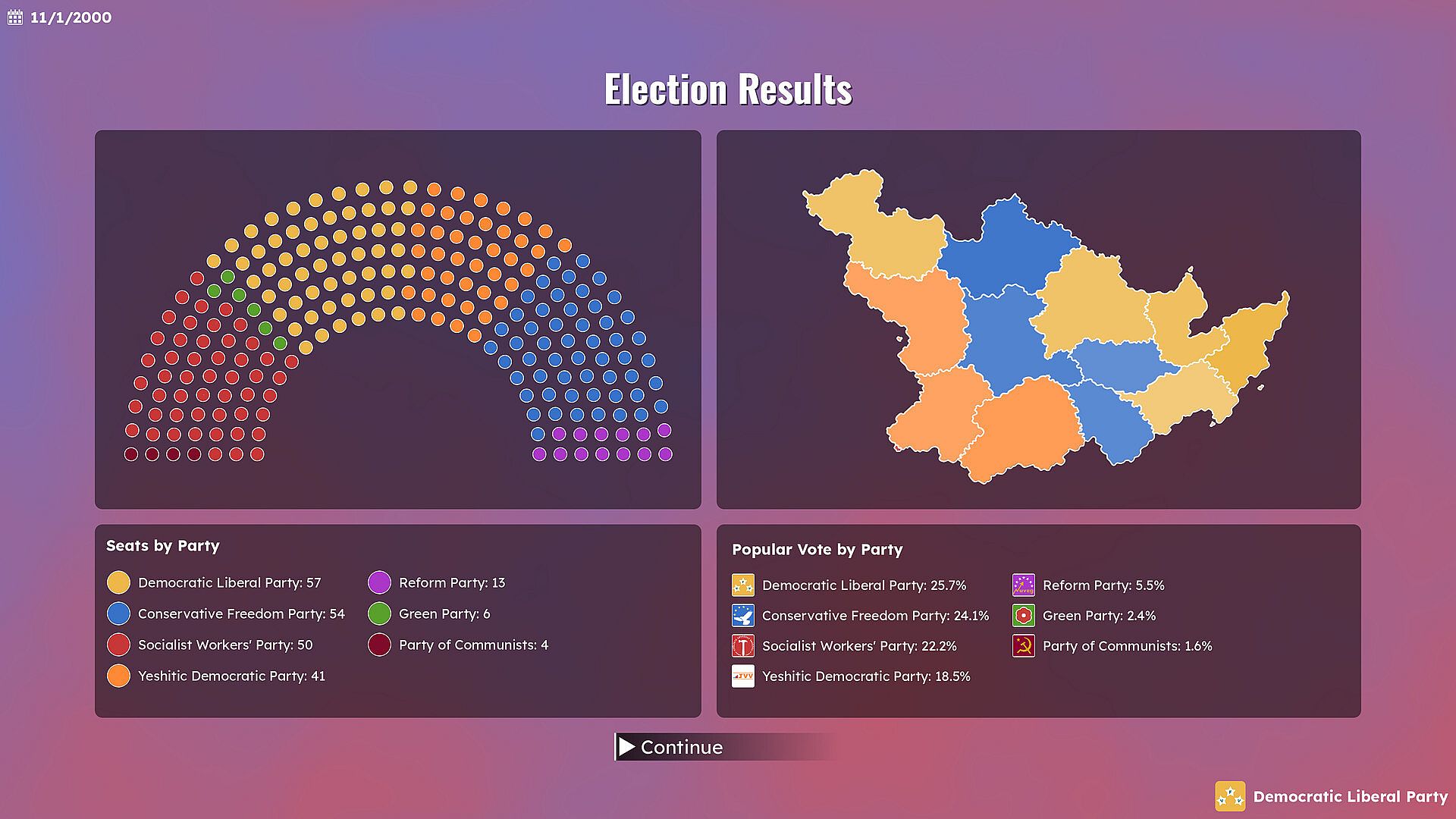
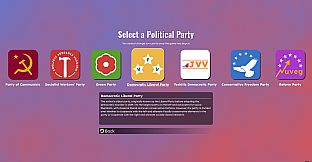
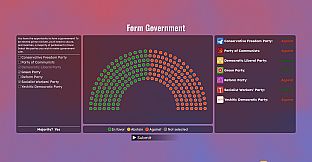
The experience revolves around a single continuous campaign structure spanning multiple election cycles. Players start outside immediate power and must secure the premiership through coalition building. Success leads to governing periods where legislation and event responses shape the nation, followed by defense of the majority in later elections. Defeat does not end involvement, as sufficient seats allow participation in government formation or even kingmaker influence over the next Prime Minister selection. Opposition play offers another path, enabling plotting for future returns to power.
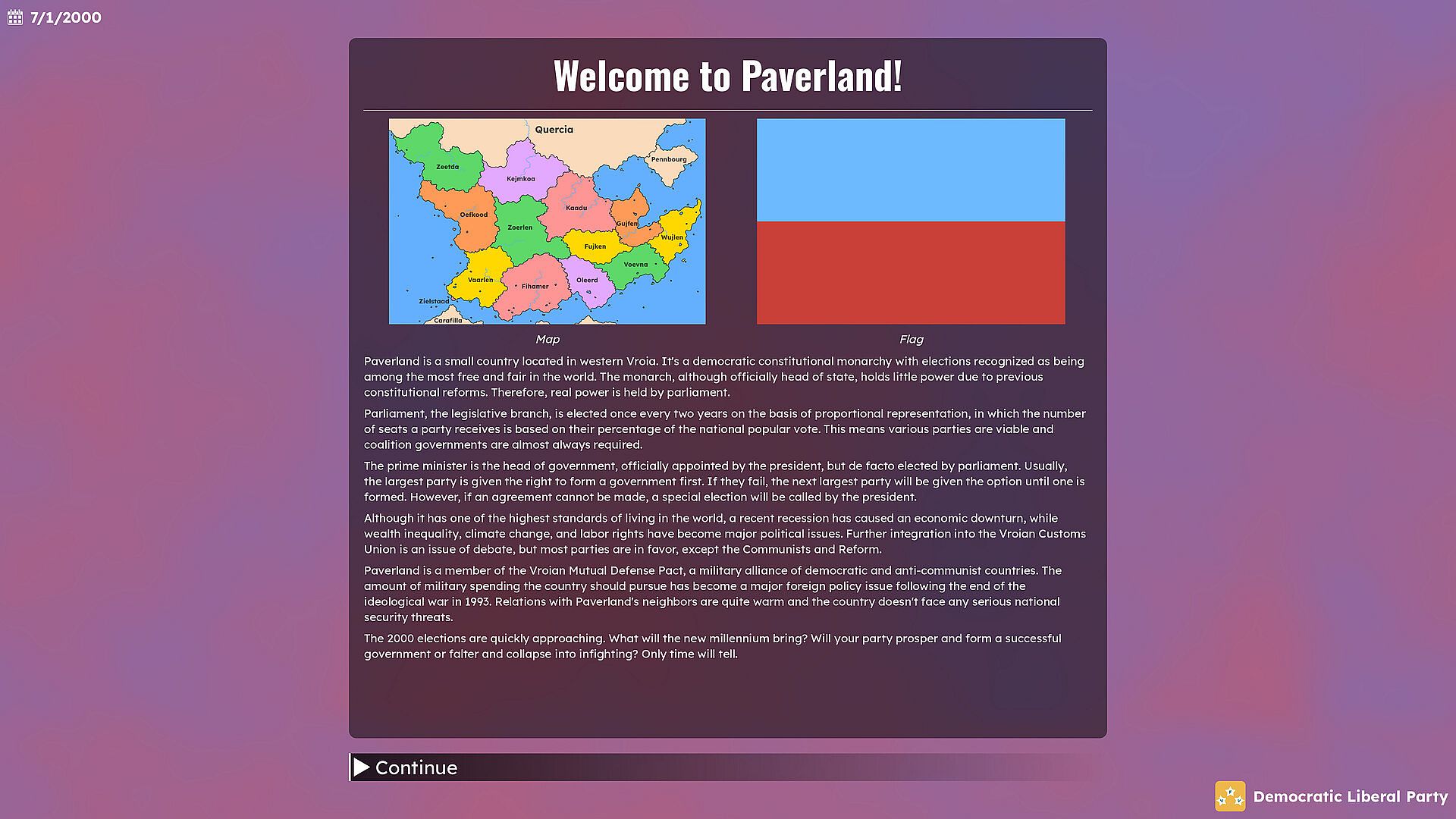
Story progression includes two decades of narrative events that introduce recessions, geopolitical developments, and political shifts. Some events tie to prior conditions like passed laws or economic states, while others appear randomly with probabilities influenced by the current simulation state. Players can occasionally steer certain story branches through their decisions.
Key Mechanics and Systems
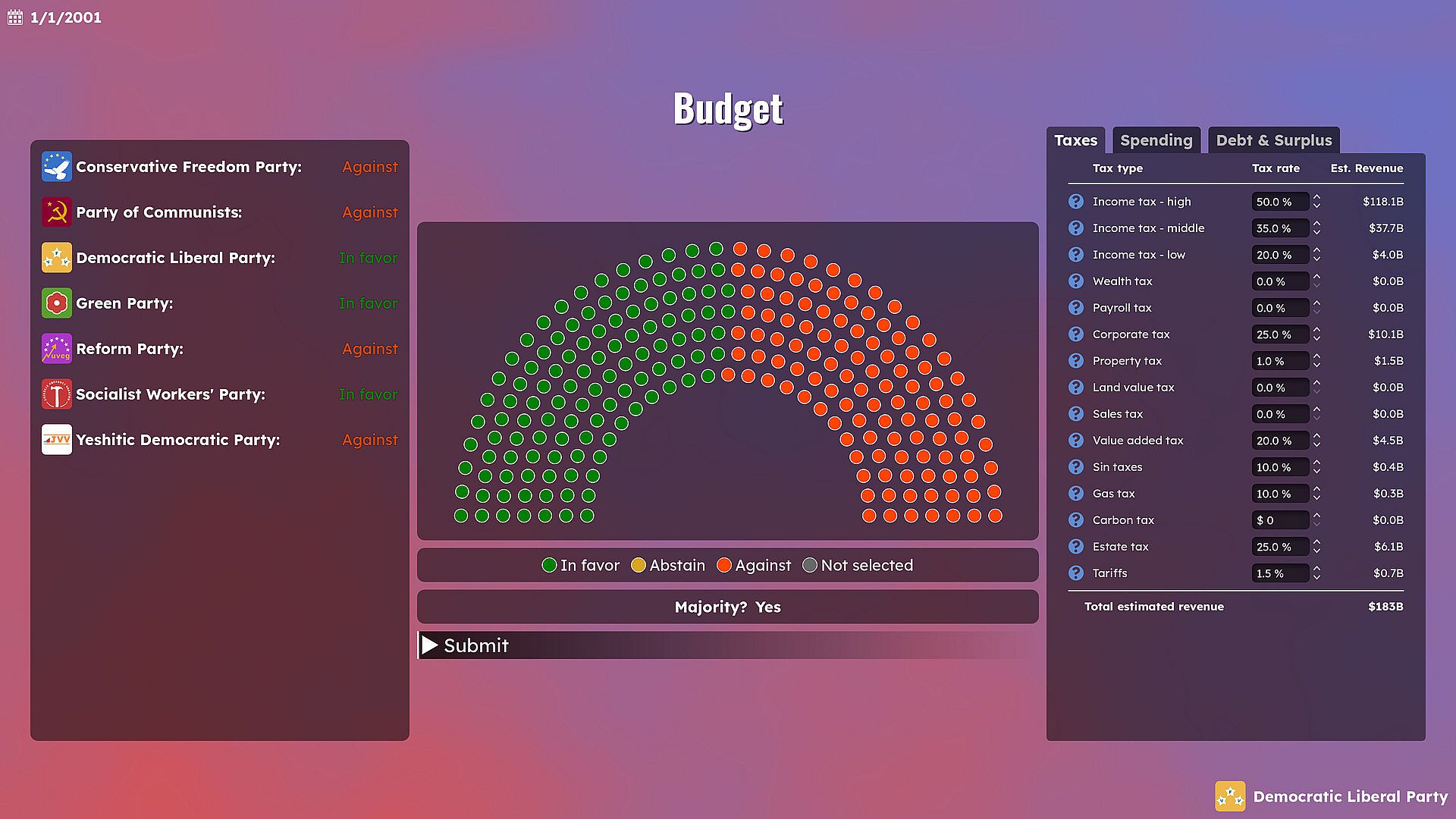
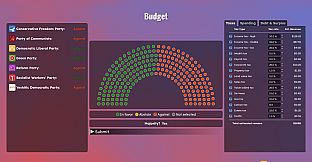
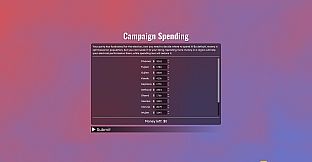
Economic policies feed into broader metrics that affect voter preferences and re-election prospects. Budget submissions and law packages create interconnected consequences across growth, public services, and political stability. The simulation tracks these elements without hand-holding, requiring ongoing observation of indicators to anticipate outcomes.
Coalition management adds a layer of negotiation and risk. Partners can withdraw support, leading to loss of office, while seat counts determine leverage in post-election government formation. This setup encourages strategic packaging of bills and careful promise-keeping during events.
Is It Worth Playing?
Democracy Simulator suits players interested in detailed political strategy and simulation without direct combat or action elements. Its systems-driven approach to elections, legislation, and events delivers a hands-off experience focused on cause-and-effect decision making. The absence of explicit optimal paths encourages experimentation across multiple playthroughs, particularly for those who enjoy managing coalitions and responding to narrative-driven crises over extended timelines.
With its emphasis on realistic trade-offs in a singleplayer format, the game appeals to fans of thoughtful strategy titles who value depth in electoral and economic modeling. Availability on PC supports focused sessions where players can track long-term simulation changes without external pressures.











