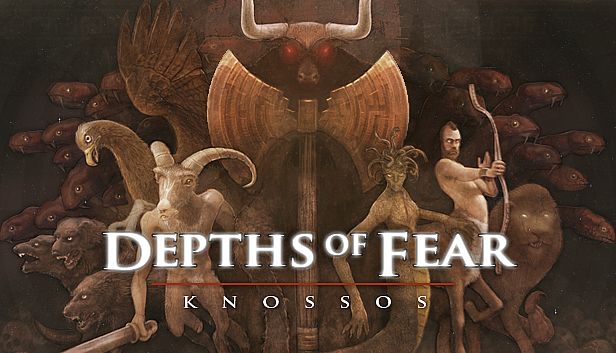














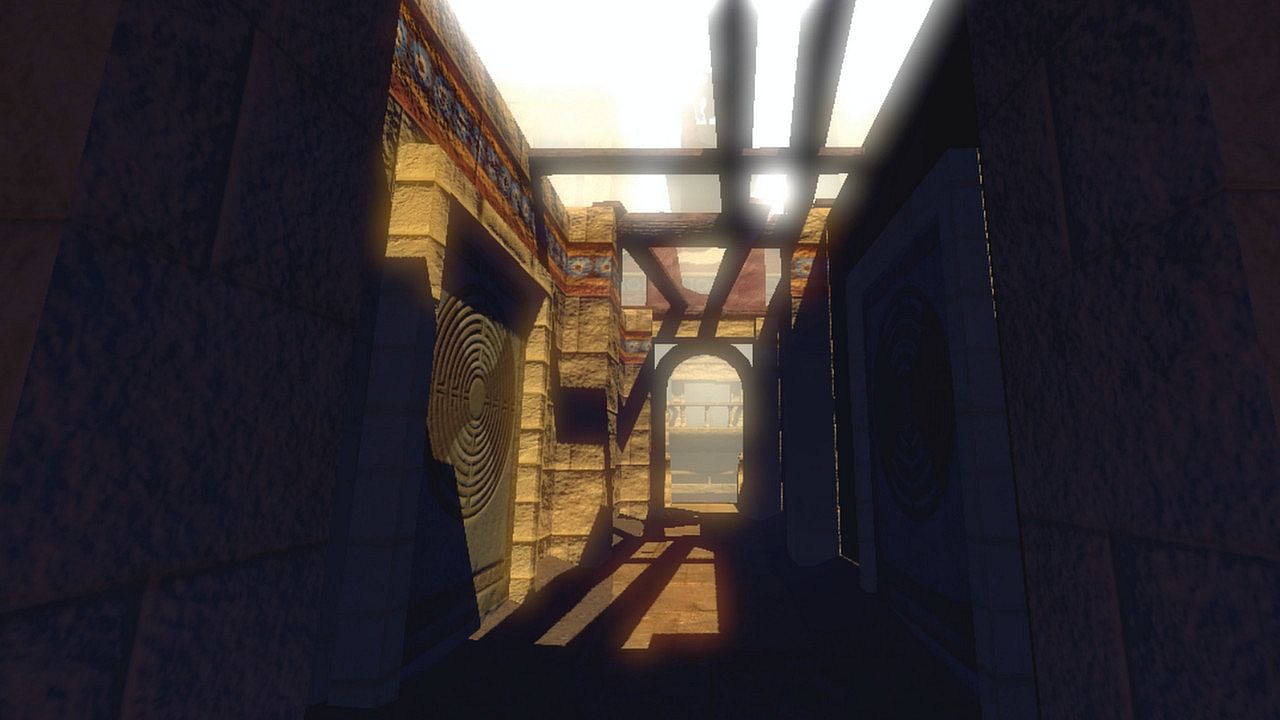

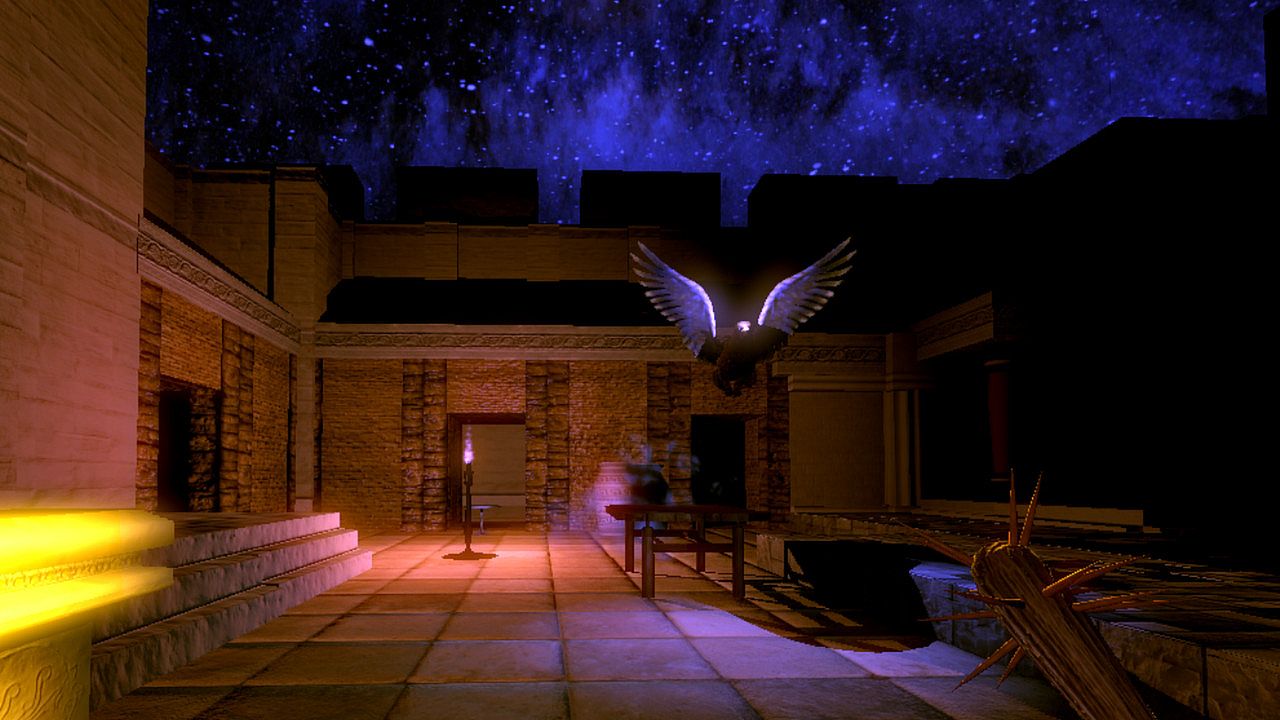
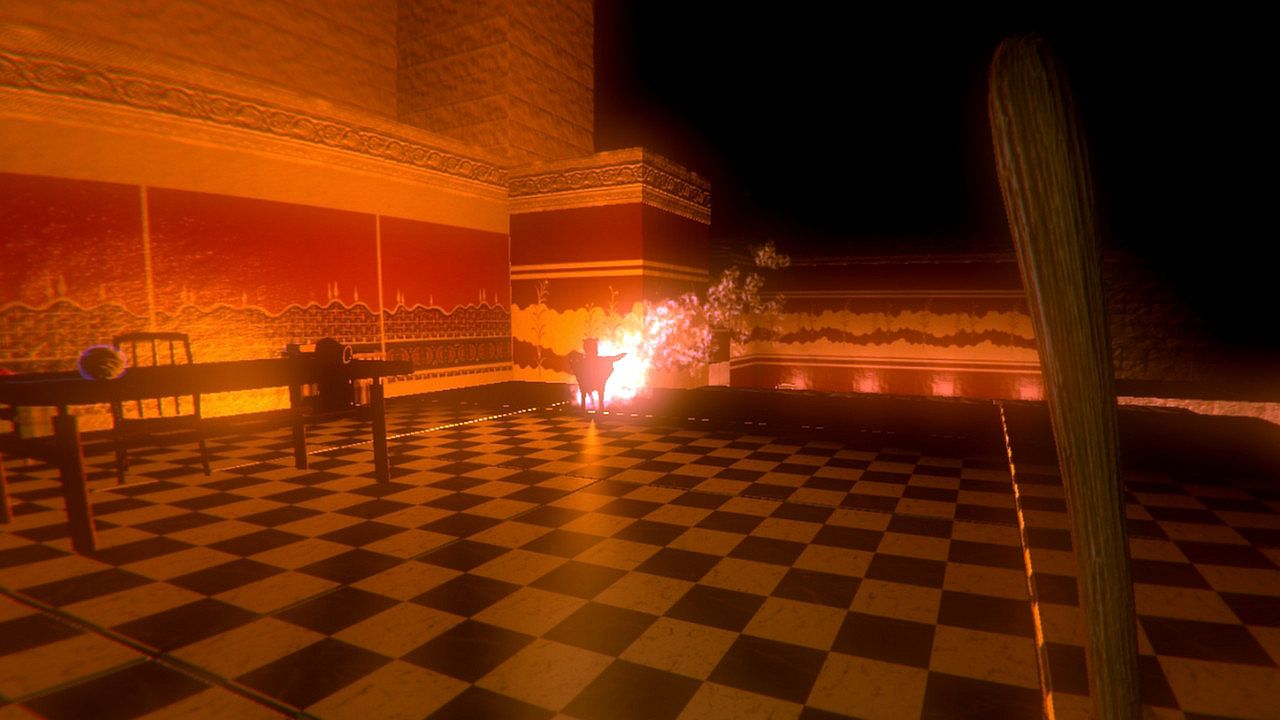
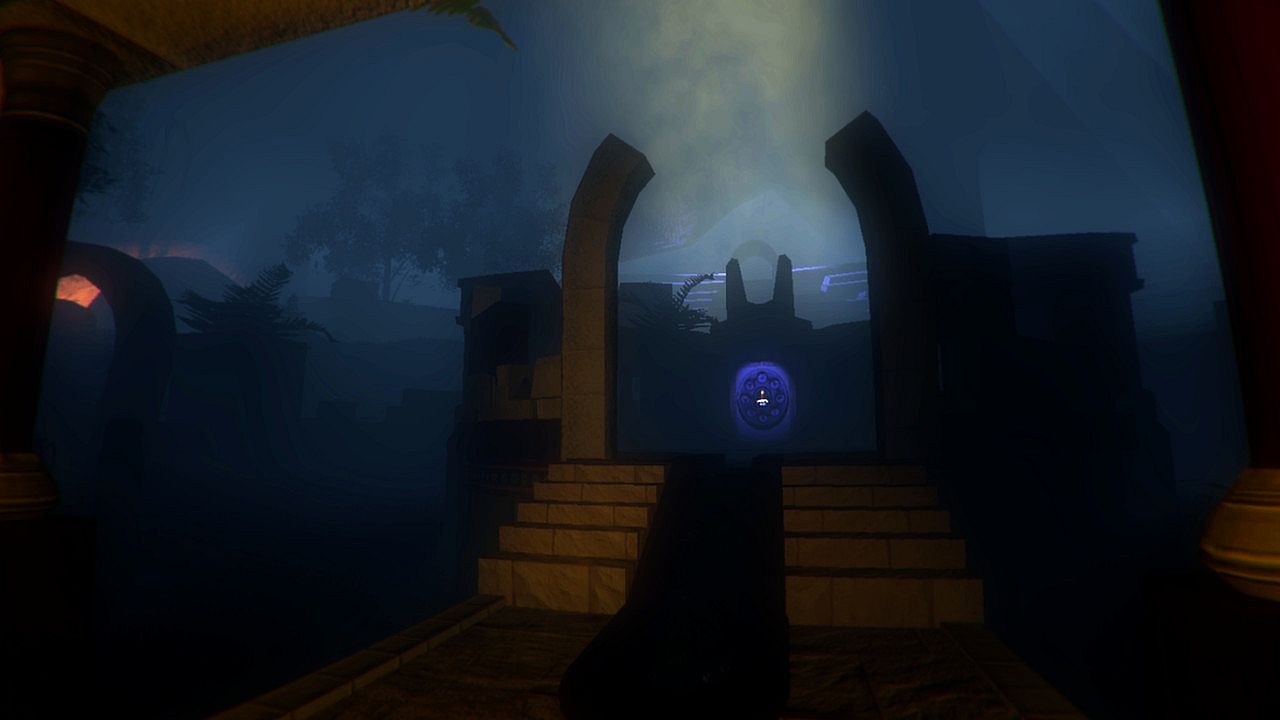
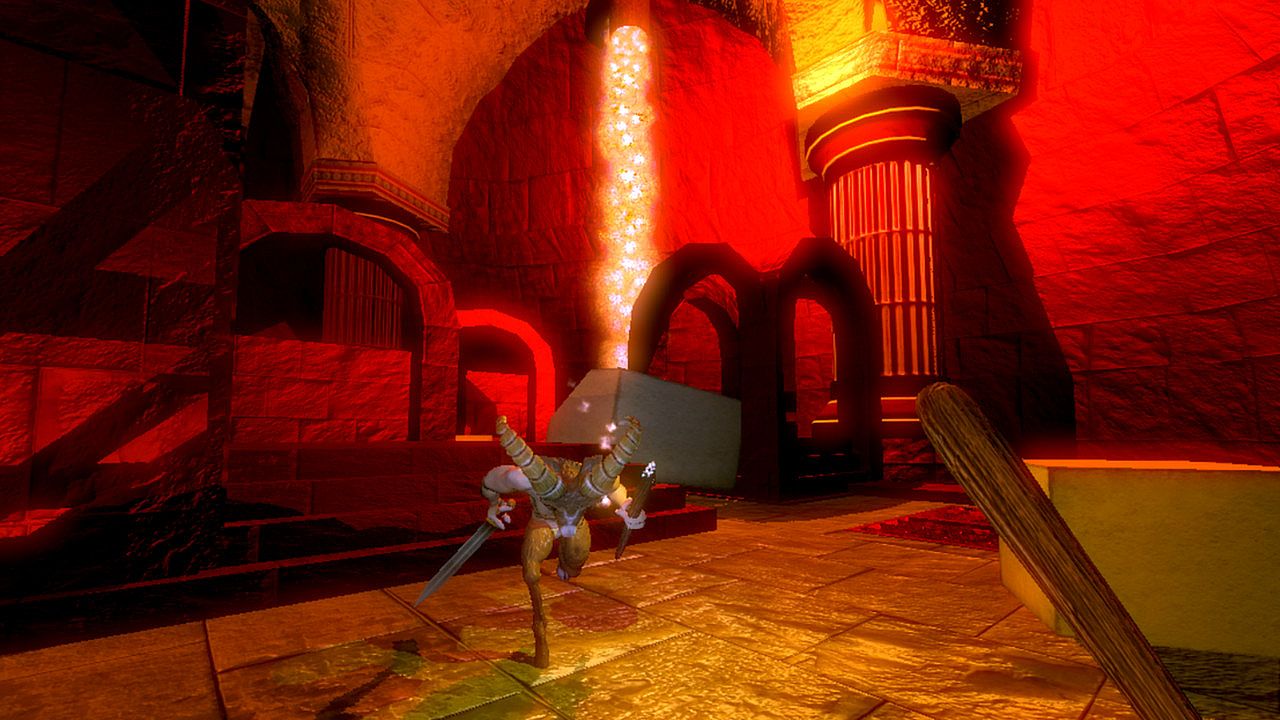
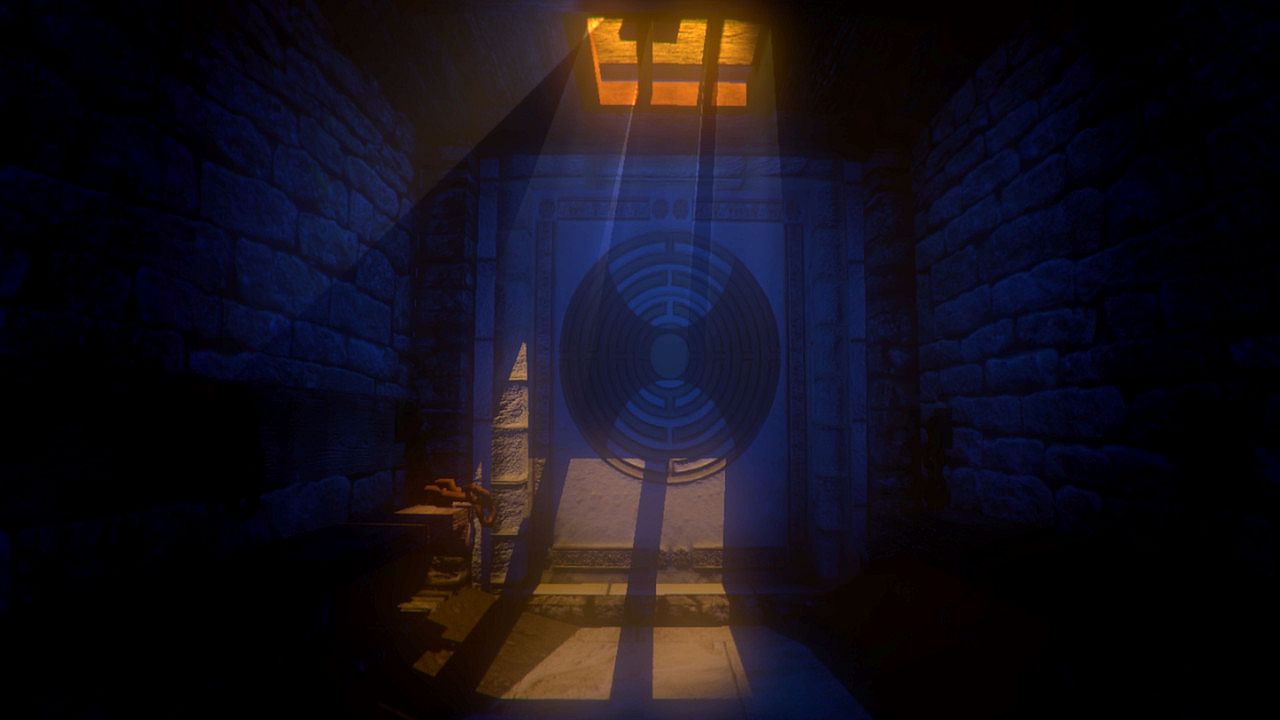
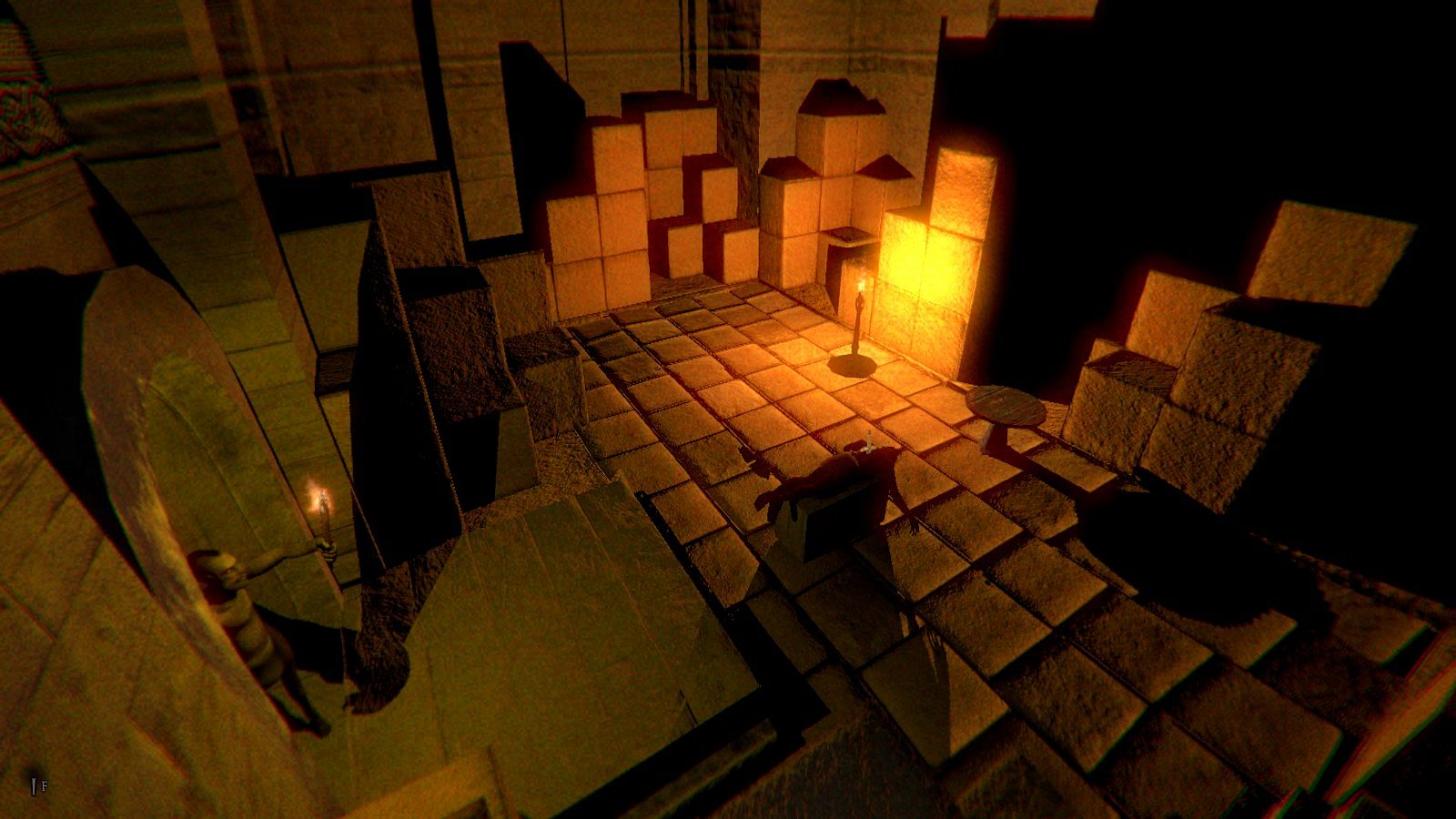
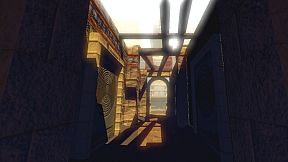
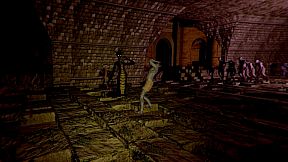

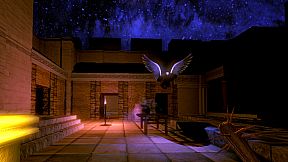
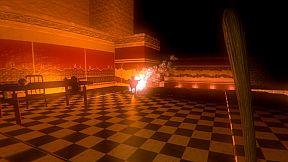
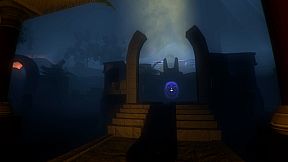
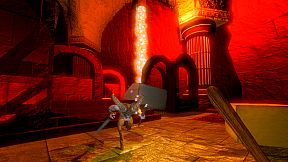
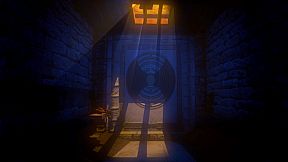
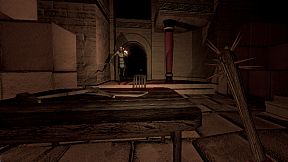
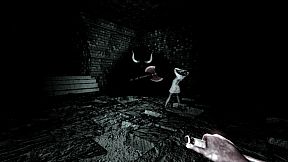
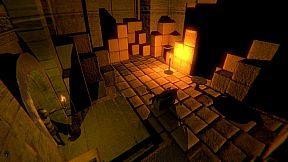
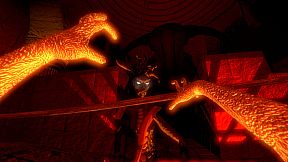
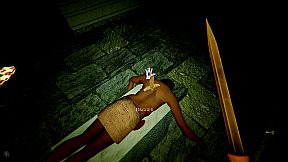
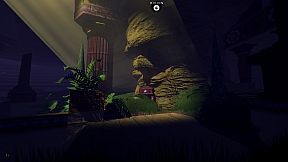
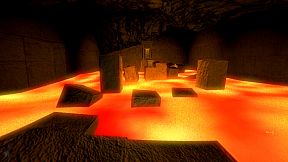
Depths of Fear :: Knossos is a first-person action-adventure game with roguelike elements set in a Greek mythological world. Players take on the role of Theseus and descend into the labyrinth beneath Knossos to confront the Minotaur. The experience combines stealth, combat, and exploration across procedurally generated levels that change with each run. Tension builds through encounters with legendary creatures while gathering resources and divine powers to progress deeper.
Gameplay
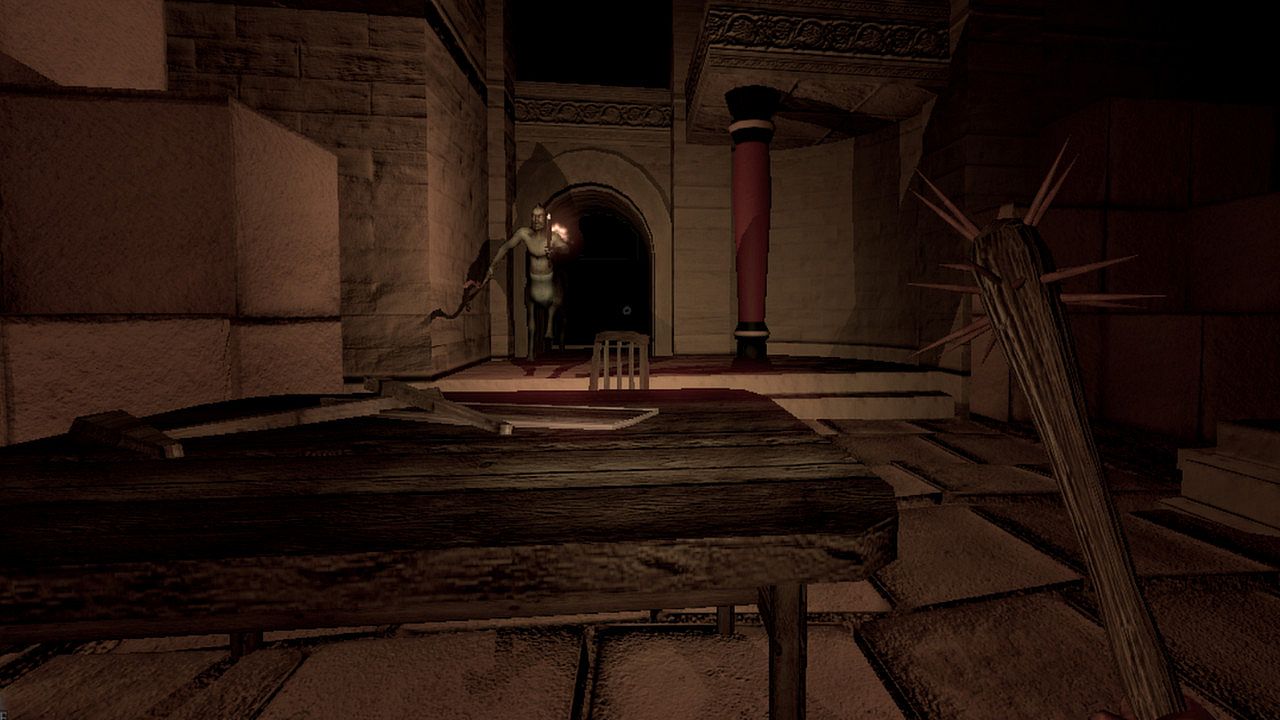
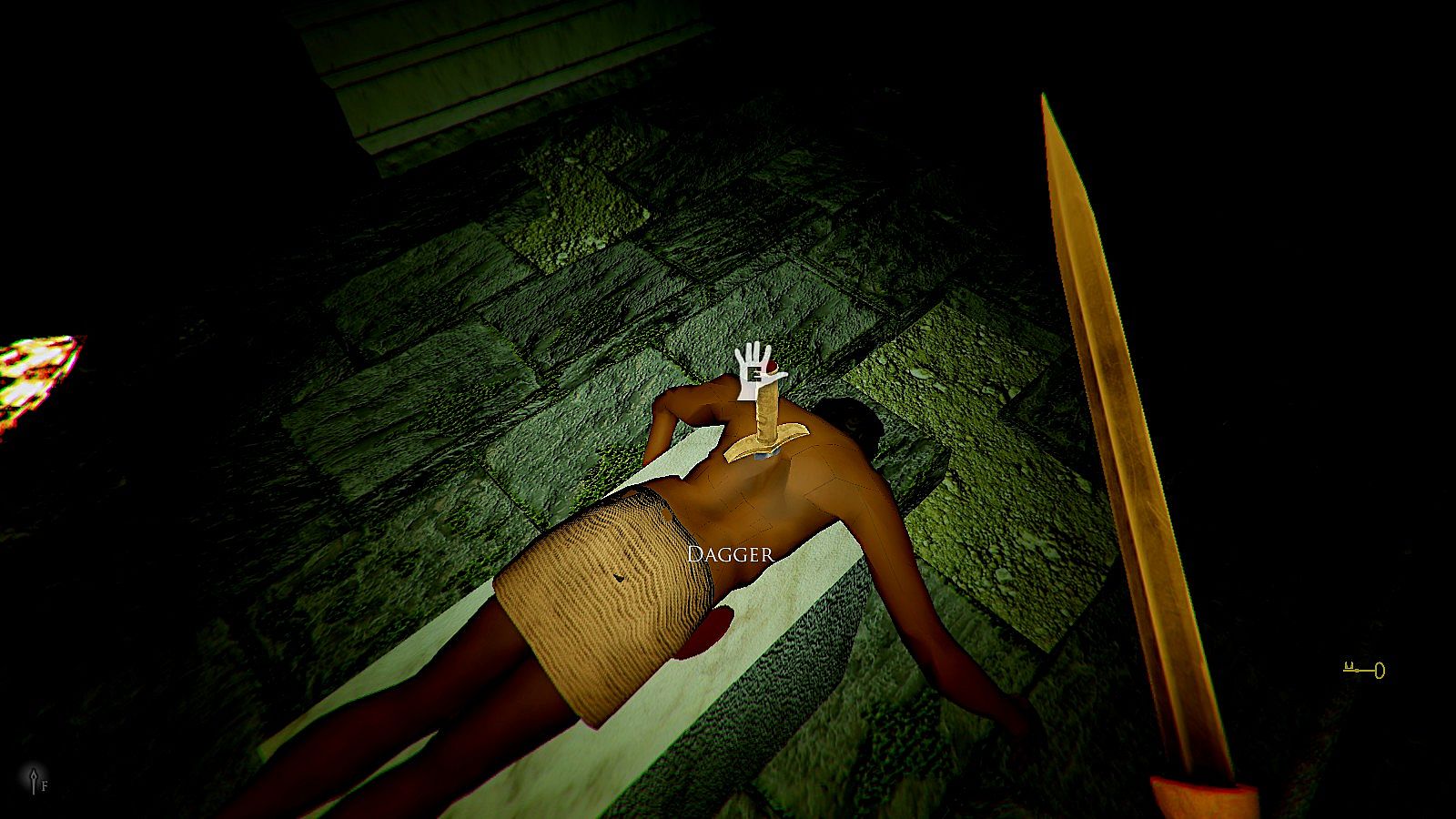
The core loop centers on navigating ever-shifting labyrinths where survival depends on balancing stealth, evasion, and direct confrontation. Each descent presents new layouts filled with traps and hostile entities drawn from ancient myths. Gold collected from the environment funds purchases from Daedalus, expanding access to a selection of eight weapons that include blades, clubs, a trident, and a crossbow. These tools help secure medallions from defeated creatures, which in turn unlock a master sword capable of harming the Minotaur.
Divine favor adds another layer through books scattered in the depths. Finding these grants abilities tied to specific gods, such as lightning strikes from Zeus, increased speed from Hermes, earth-shaking force from Poseidon, or revealing light from Apollo. The adaptive soundtrack, built around 1970s-style synthesizers, shifts in intensity based on proximity to threats and current actions, heightening the sense of unease during exploration and combat.
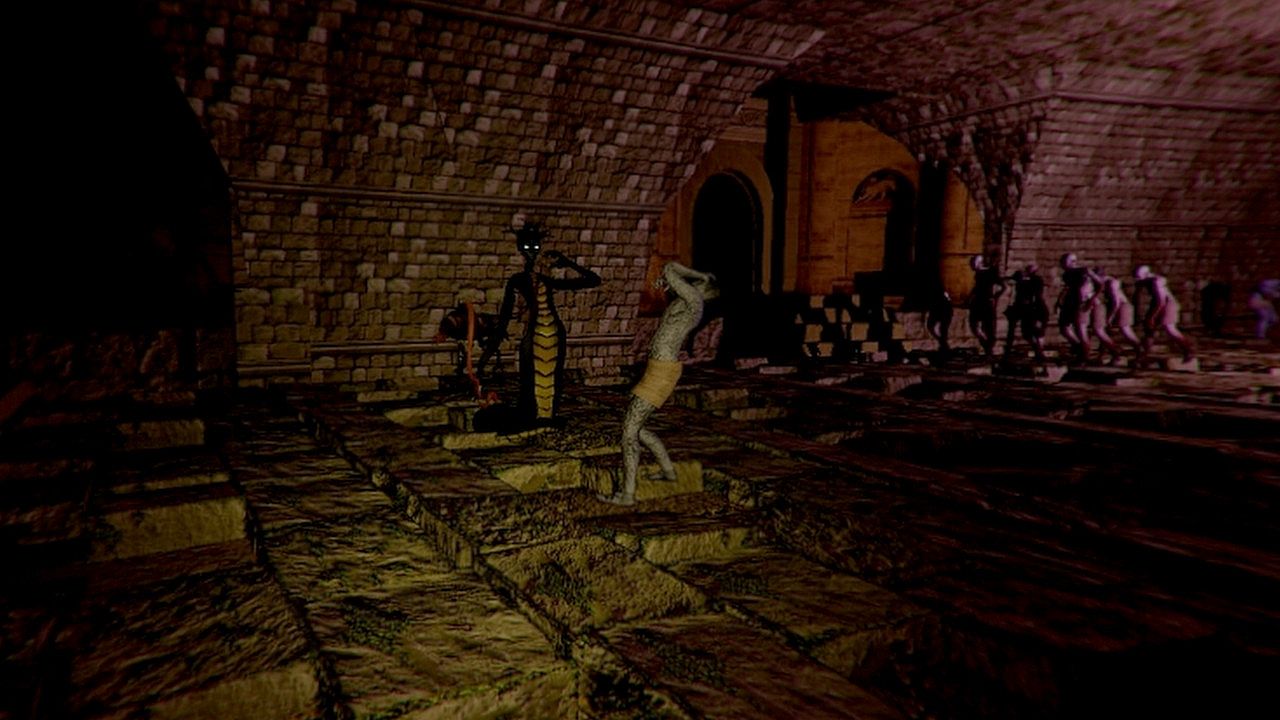
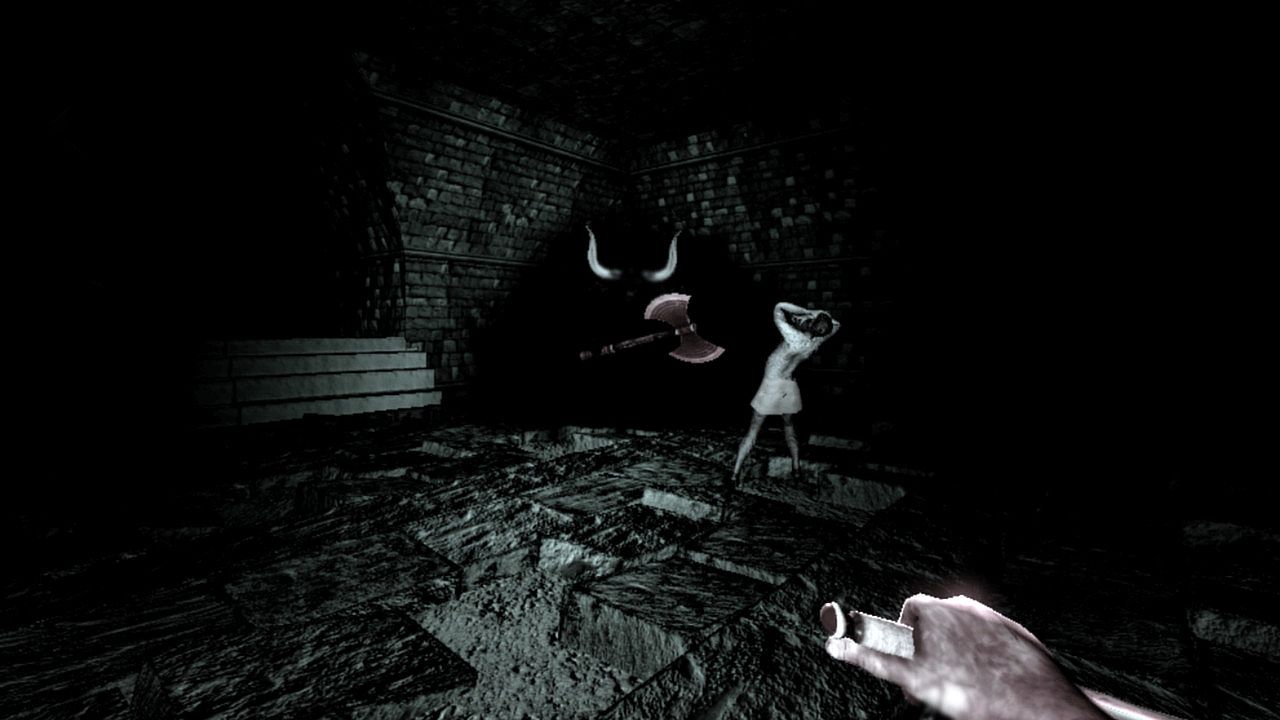
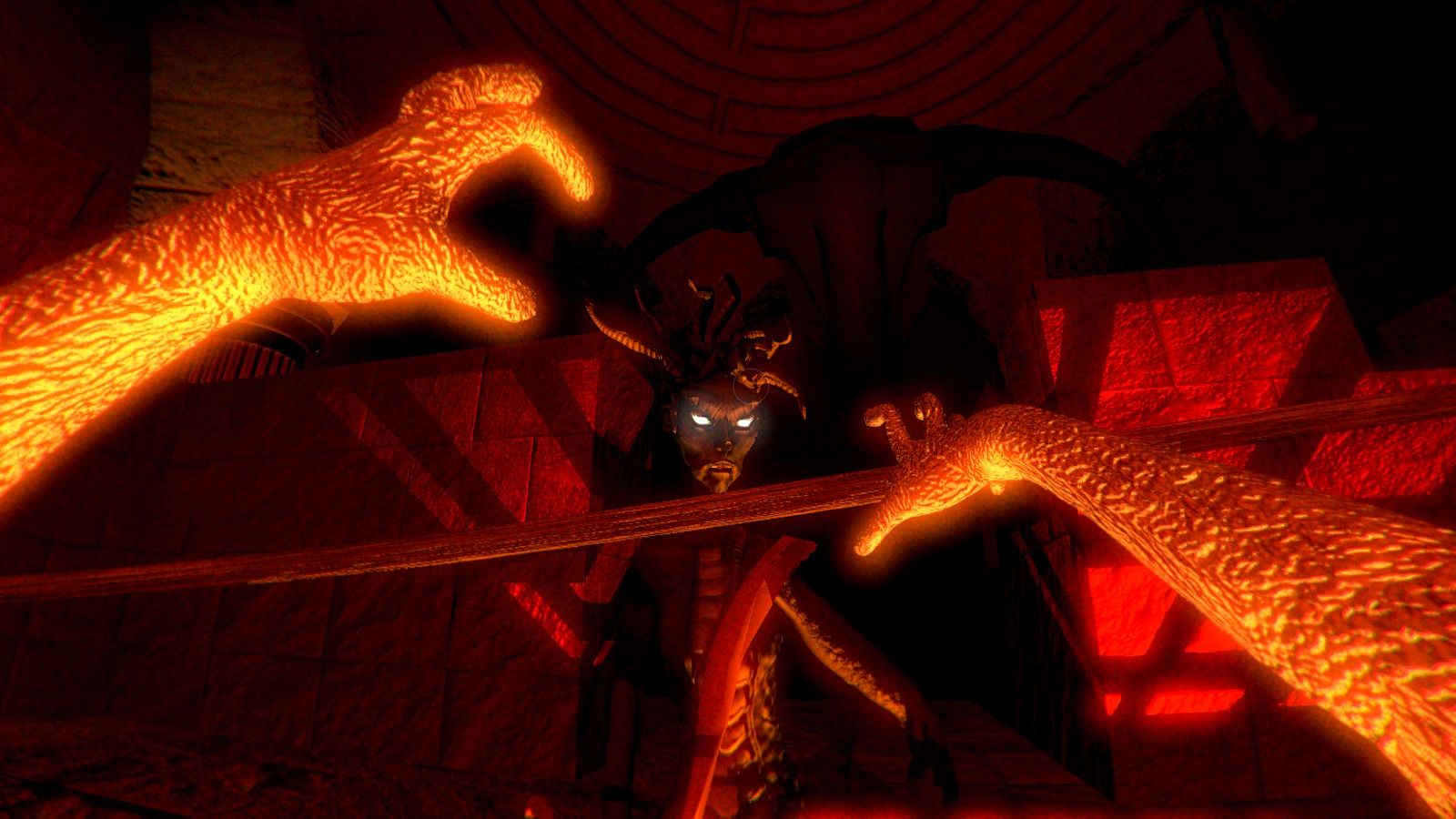
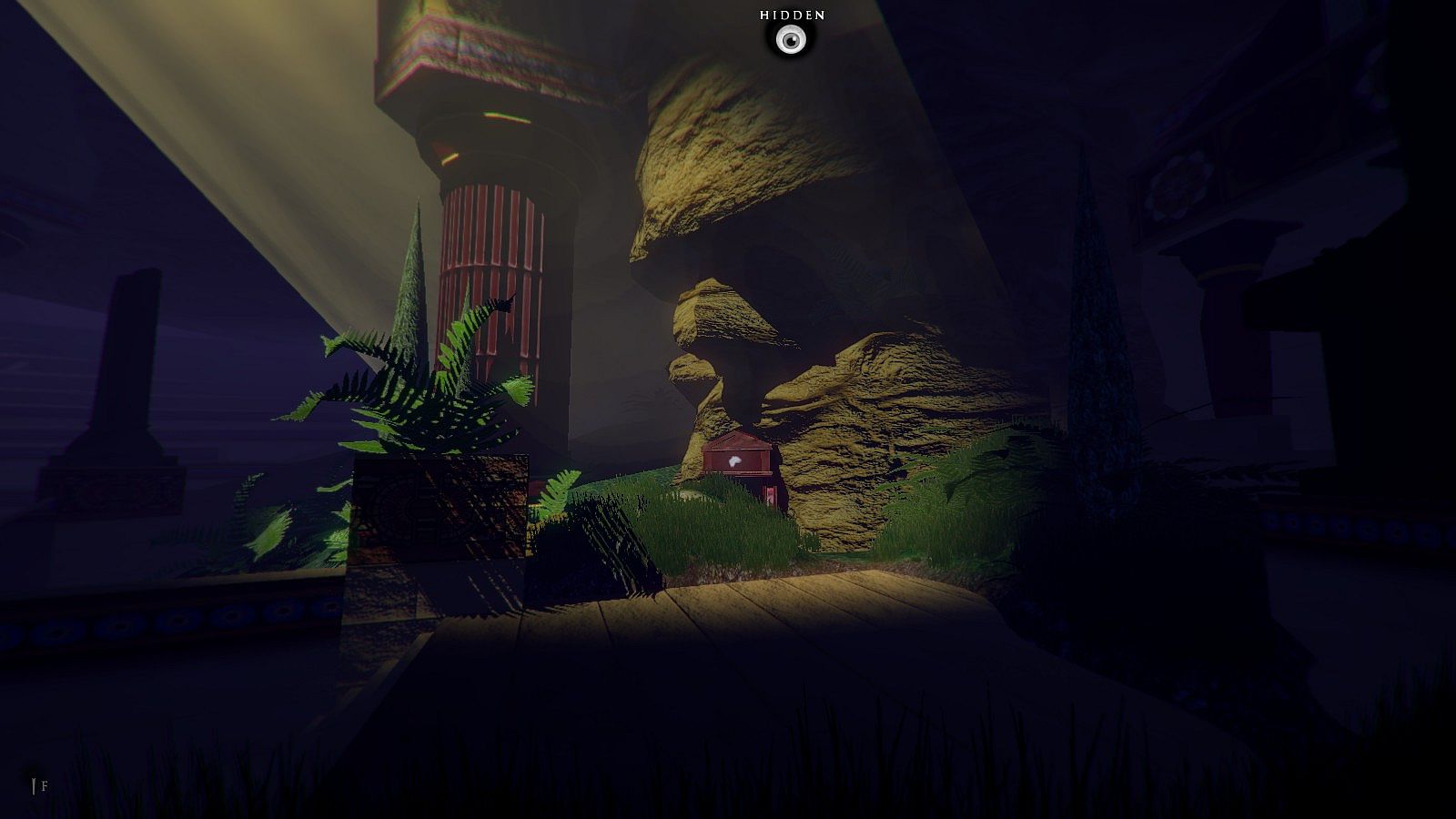
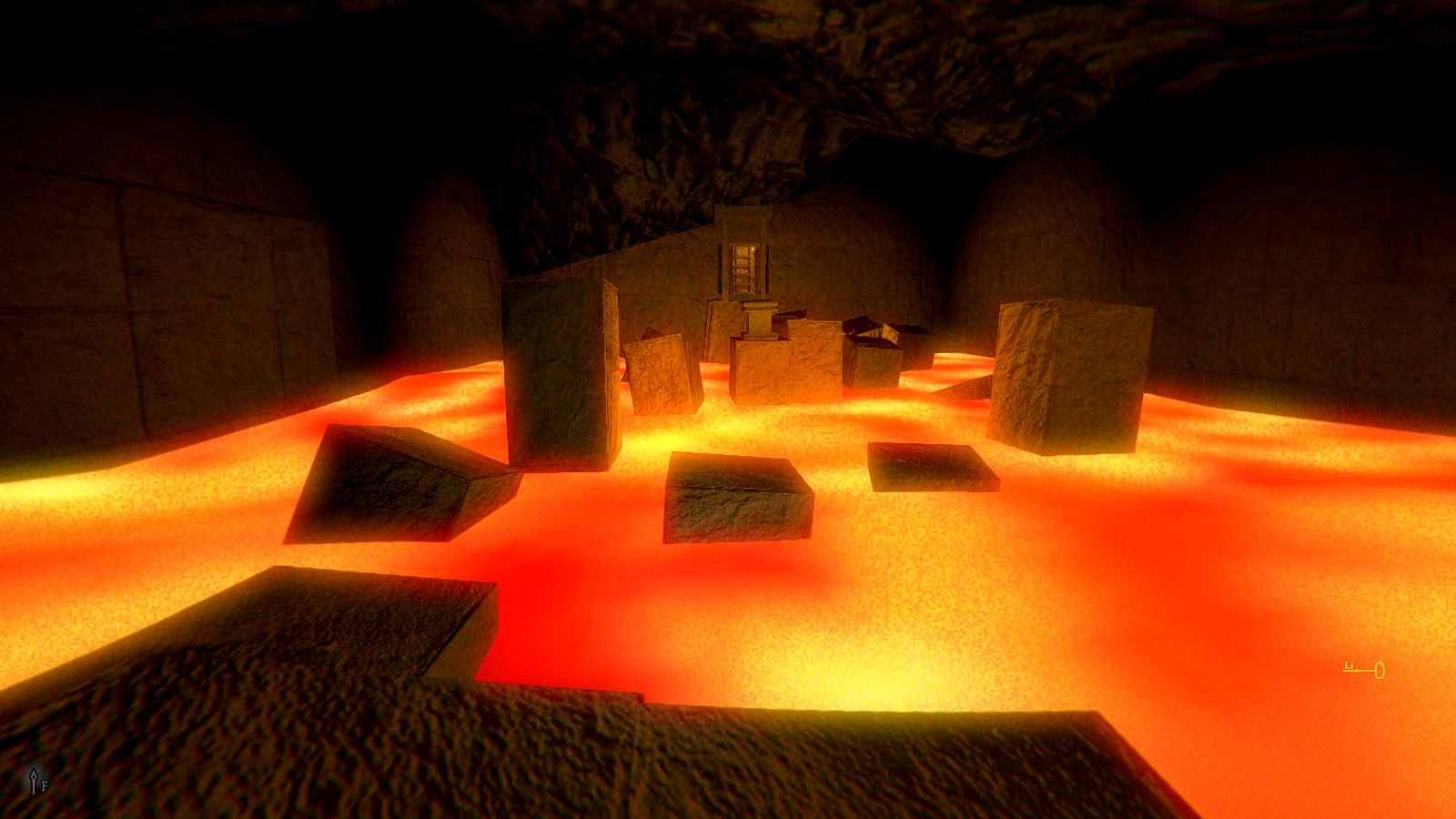
Procedural generation ensures no two runs follow the same path. Levels emphasize careful movement through shadows when possible and decisive action when detection occurs. Eight distinct creatures patrol the areas, each with unique behaviors that force adaptation: Satyr, Cerberus, Centaur, Manticore, Griffin, Medusa, Hydra, and the Minotaur itself.
Game Modes
The primary mode follows the narrative quest of Theseus as tribute to King Minos. Players advance through successive layers of the labyrinth, collecting the necessary items and powers to reach and defeat the final beast. Progress resets upon death in classic roguelike fashion, encouraging repeated attempts with improved knowledge of enemy patterns and resource management.
Once the main quest concludes, an endless challenge mode opens beneath a central hub area known as the entrance of the unknown. This provides ongoing replay value by testing how far a player can descend without the structure of a fixed goal. Both modes rely on the same core systems of procedural generation, creature encounters, and power collection, differing mainly in their endpoint and scoring focus.
The Creatures and Divine Powers
Encounters with the eight immortal beings form the heart of the challenge. Each creature occupies specific themed sections of the labyrinth and employs distinct mechanics that reward observation before engagement. Stealth remains viable against many until circumstances force a fight or flight decision.
God-granted abilities complement the arsenal by offering situational advantages. Lightning, speed bursts, seismic attacks, and illumination help counter the strengths of particular foes or navigate darkened corridors more effectively. Combining these powers with purchased weapons creates varied approaches to the same procedural layouts.
Is It Worth Playing?
Depths of Fear :: Knossos released in 2014 and maintains a mixed reception with 67 percent positive reviews from 329 user submissions on its primary distribution platform. The title appeals most to players who enjoy roguelike structure combined with horror-tinged stealth and action against mythological opponents. Its procedural levels and adaptive audio deliver consistent tension across runs, though dated controls and animations may frustrate those seeking modern polish.
The game suits individuals drawn to single-player experiences focused on repeated short sessions rather than long campaigns or multiplayer features. No major updates or seasonal content have appeared since launch, leaving the experience in its original form. Those tolerant of its rough edges often cite the creature designs and atmosphere as standout elements that justify multiple attempts at deeper progress.