



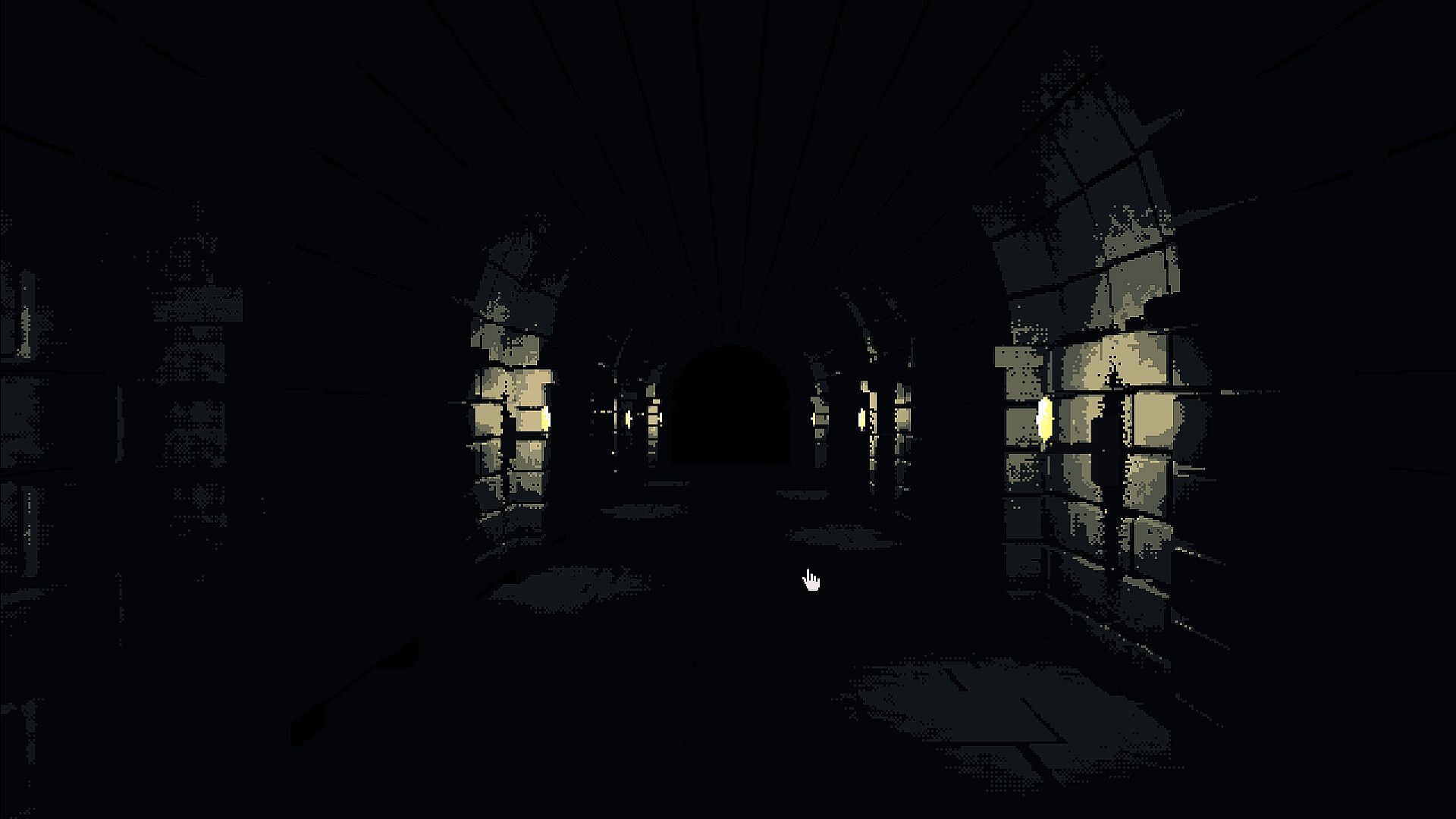



Dice Beneath is a strategy indie game for PC that centers on dice rolling and risk management in a dungeon escape scenario. Players build and manipulate a hoard of dice to generate high scores while navigating increasing challenges in the depths of Beneath.
Gameplay
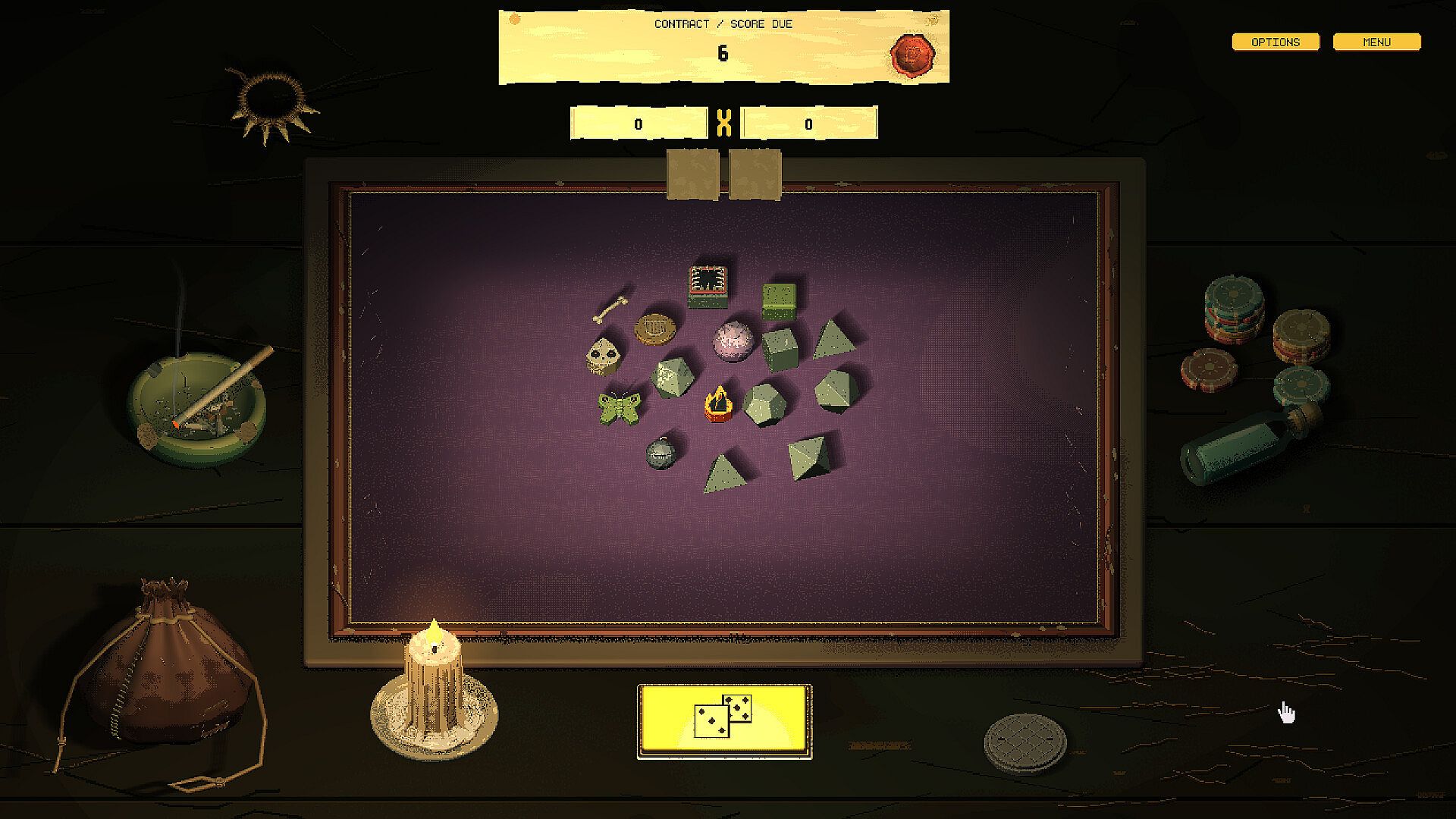
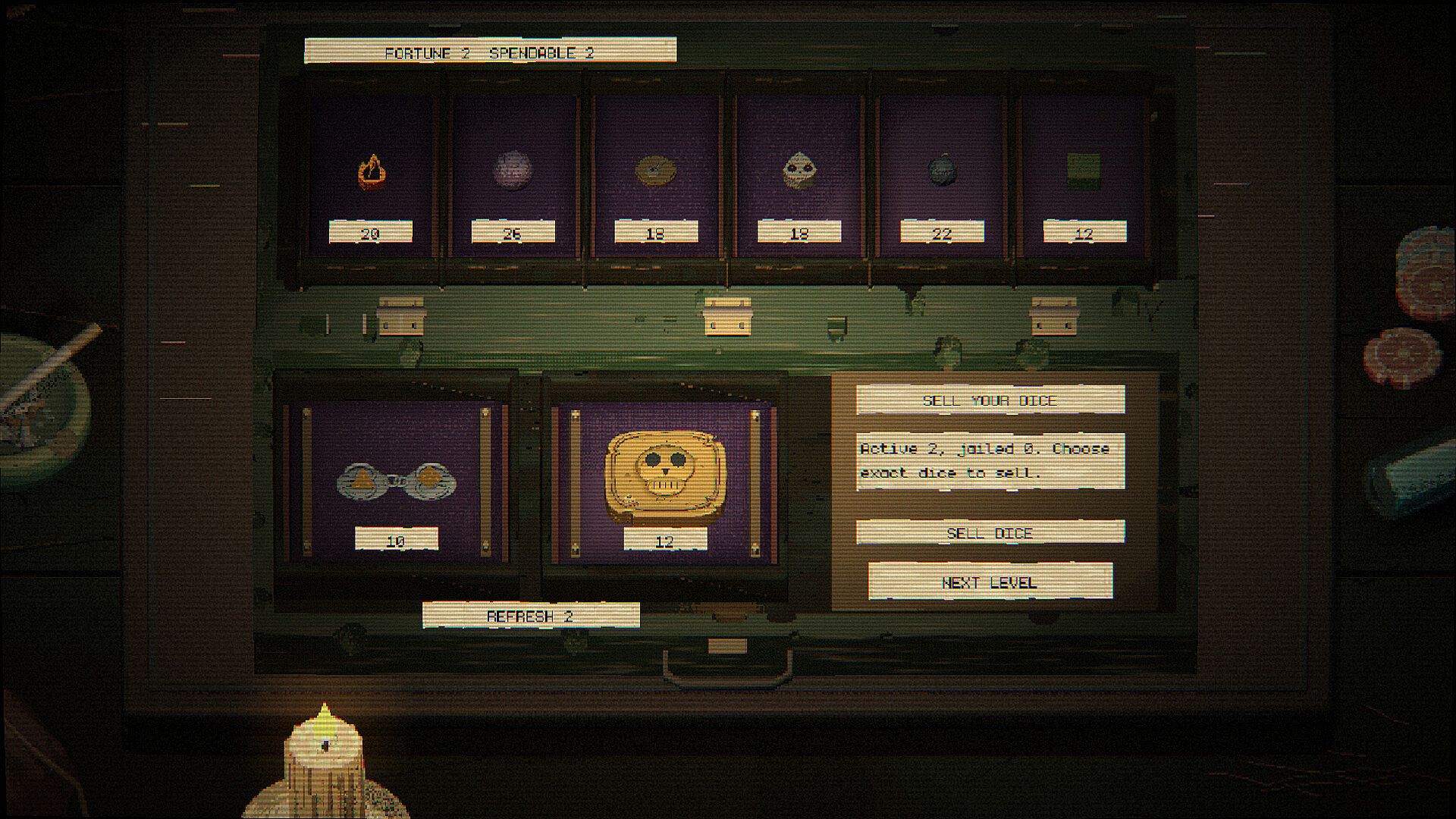
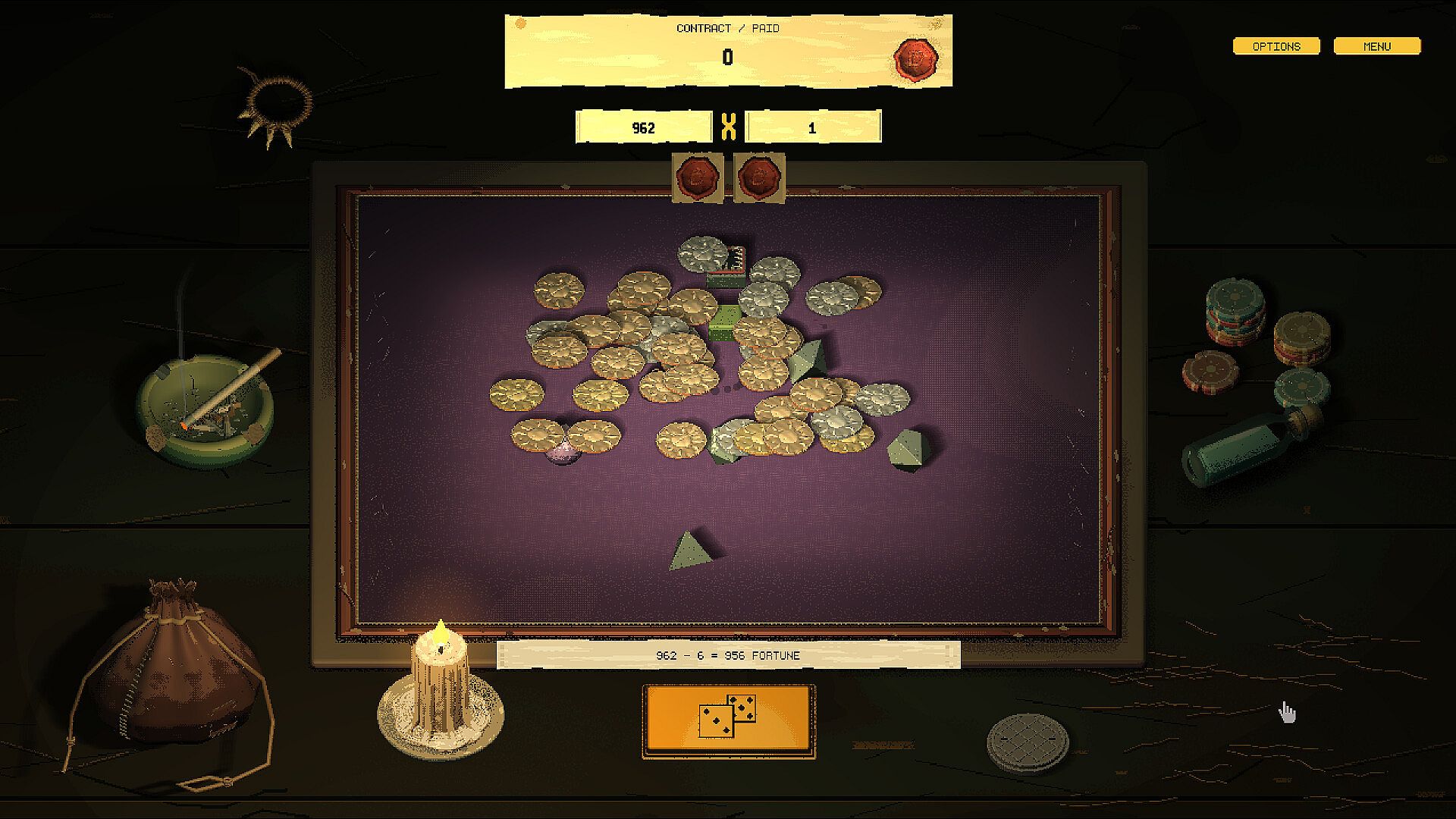
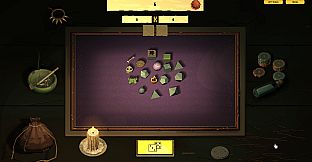
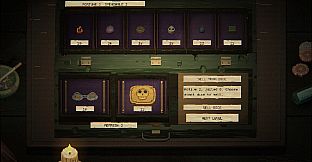
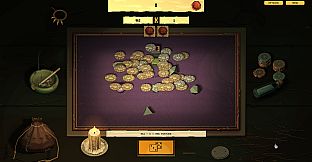
The core loop revolves around pressing roll to send active dice tumbling across the table. Each die settles to reveal its value and contribute to the overall score. As the hoard grows, players gain more scoring potential but face greater crowding and the threat of Hound danger that can disrupt runs. Decisions at every stage determine success: dice can remain active for continued rolls, be jailed to protect them, sold for resources, or committed fully to a high-risk attempt. Fortune earned from successful rolls funds purchases at the merchant, where items directly influence future dice behavior and outcomes.
Relics add layers of strategy by converting basic rolls into sustained engines of fortune. These artifacts enhance combinations and create reliable scoring patterns over multiple turns. The hoard itself evolves through upgrades that improve individual dice, splits that multiply options, and combinations that chain effects into larger point totals. This system rewards careful planning around when to expand the hoard and when to consolidate gains before attempting escape from the dungeon.
Game Modes
The experience focuses on a single-player progression through successive dungeon levels. Each descent builds on the previous hoard management, with escalating demands on scoring efficiency and risk tolerance. Players refine their approach across runs by incorporating new relics and merchant acquisitions to handle deeper challenges. The structure emphasizes repeated attempts to perfect hoard strategies and achieve a successful escape.
Key Mechanics and Progression
Progression ties directly to hoard development. Starting with a modest set of dice, players accumulate Fortune to expand options at the merchant. Relics provide permanent or run-specific advantages that shift how dice interact during rolls. Upgrading, splitting, and combining dice allow for increasingly complex scoring chains that reward foresight in risk assessment. The physical dice simulation adds visual feedback to every decision, making the tension of a crowded table and potential Hound interference immediate.
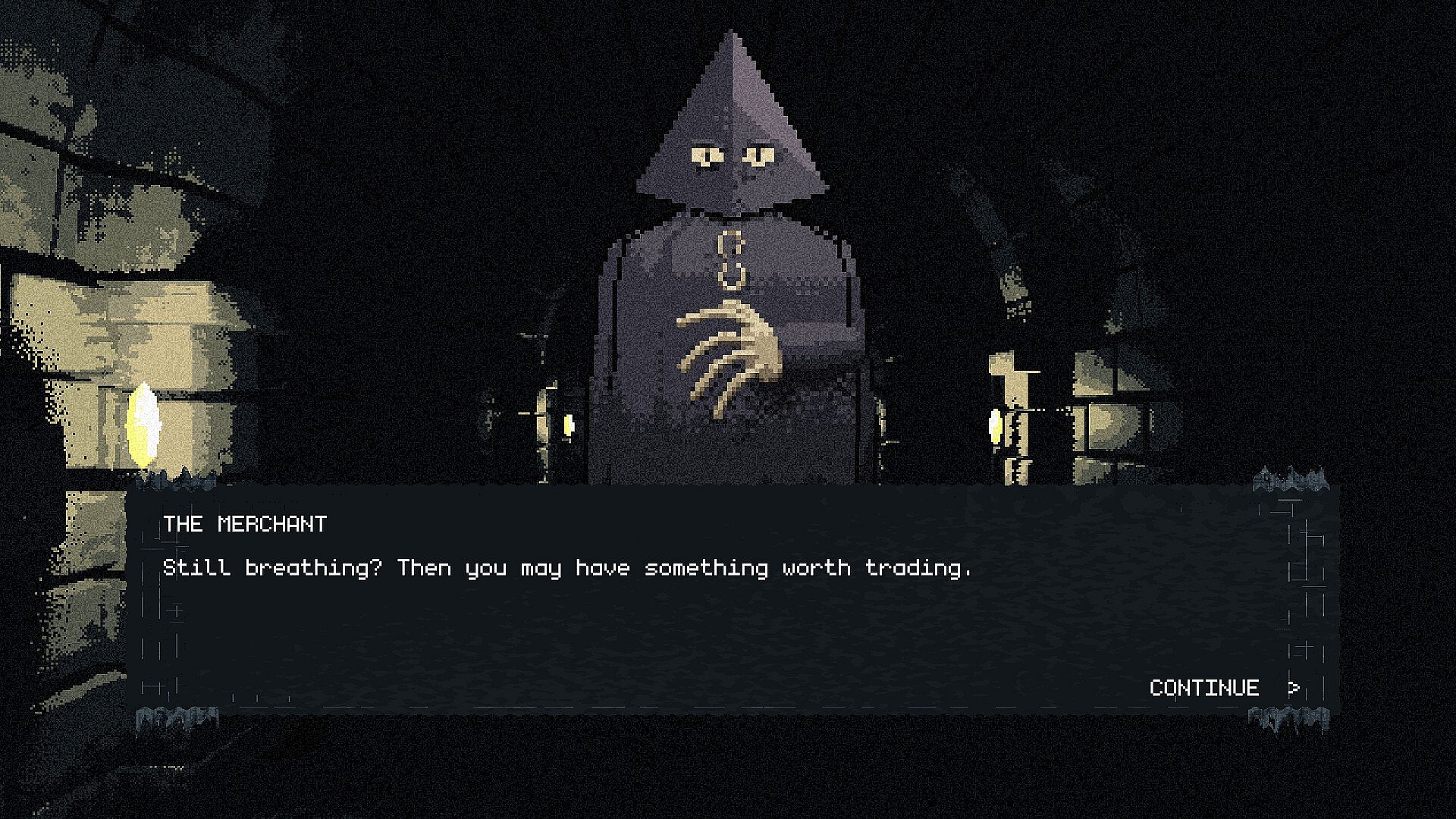
Merchants and relics together form the backbone of long-term strategy. Purchases shape the next roll cycle, while relics turn volatile early rolls into consistent engines. This creates a loop where early caution funds later aggression, and successful escapes unlock further opportunities to experiment with hoard compositions.
Is It Worth Playing?
Dice Beneath suits players who enjoy deliberate strategy around dice mechanics and resource risk in a compact indie package. The emphasis on hoard management and physical roll feedback offers a distinct take on dice-building without reliance on external elements. As an upcoming title with single-player focus, it appeals to those seeking thoughtful sessions centered on optimization and escape planning. Availability on PC makes it accessible for strategy fans interested in this specific blend of risk and reward.