

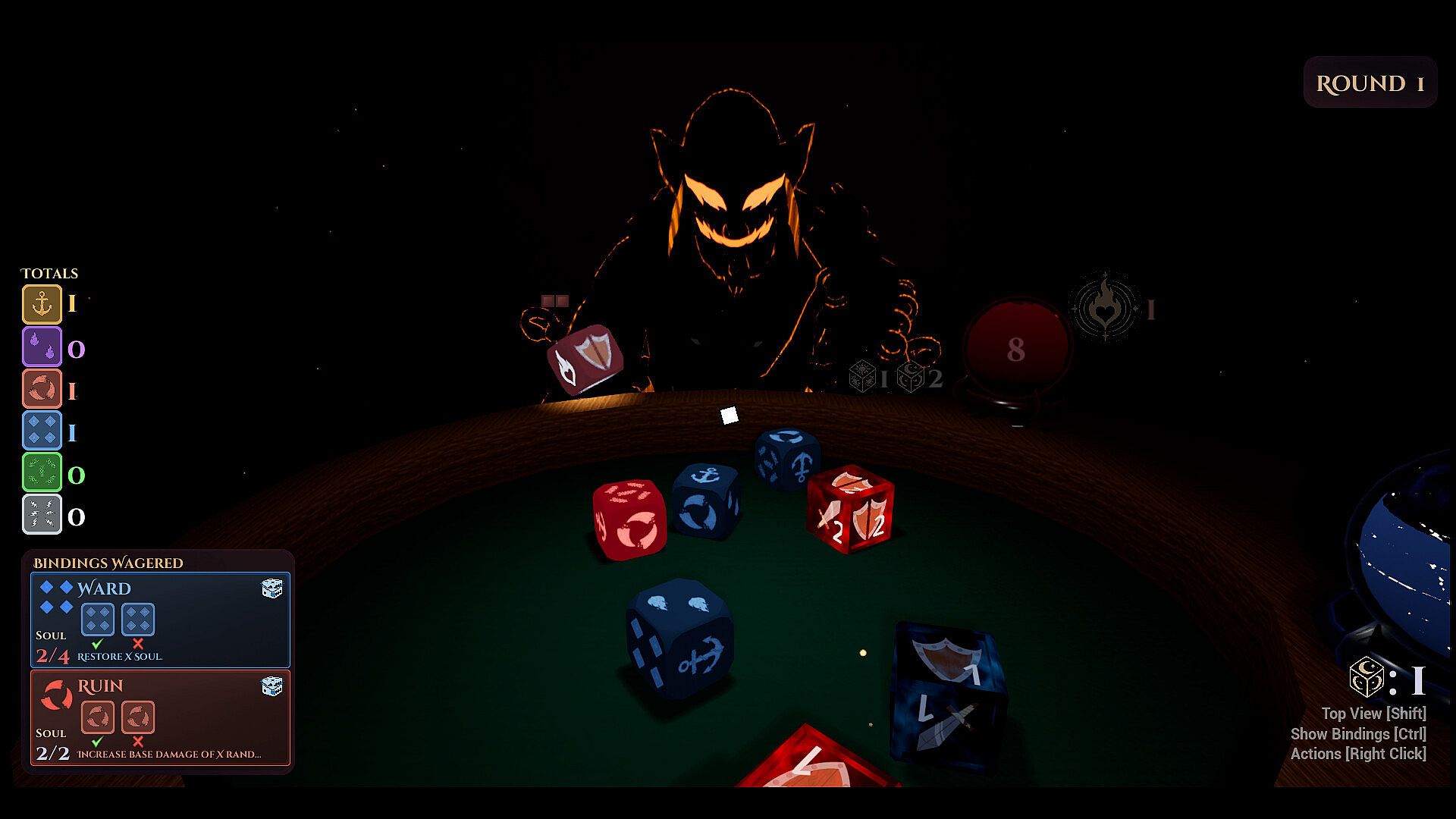
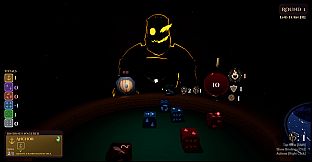
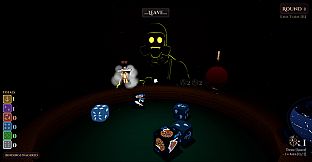
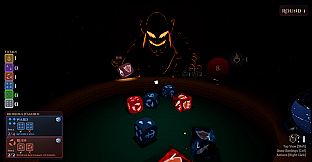
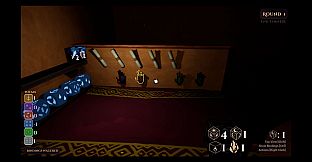
DiceBound is a single-player dark fantasy roguelike deckbuilder developed for PC by Mustard Seed Games. Players roll dice tied to six Aspects and various Abilities, then bind those results into combinations that shape each run. The core loop centers on adapting to random outcomes while managing risk through soul wagers and rule-altering choices.
Gameplay
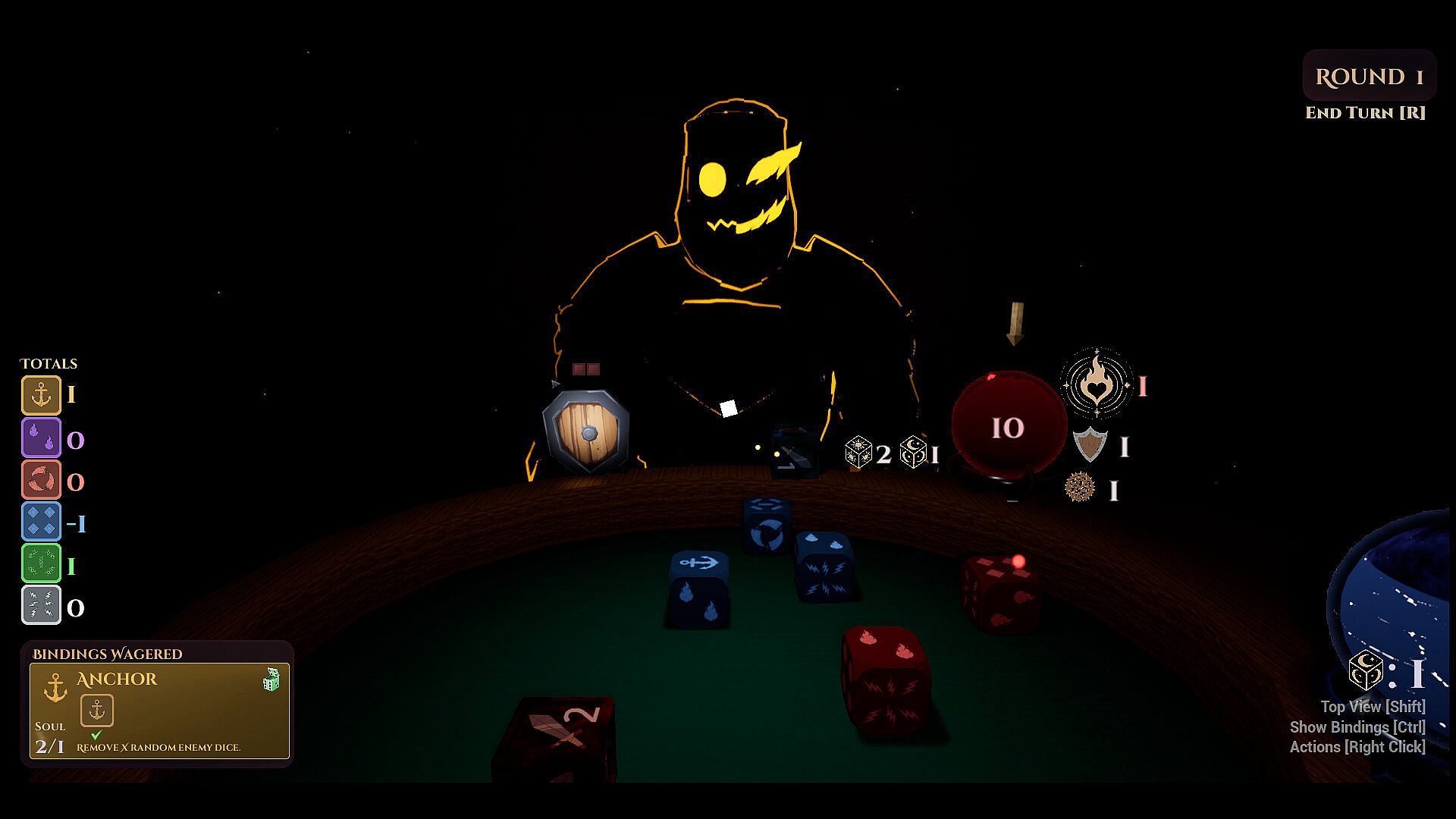
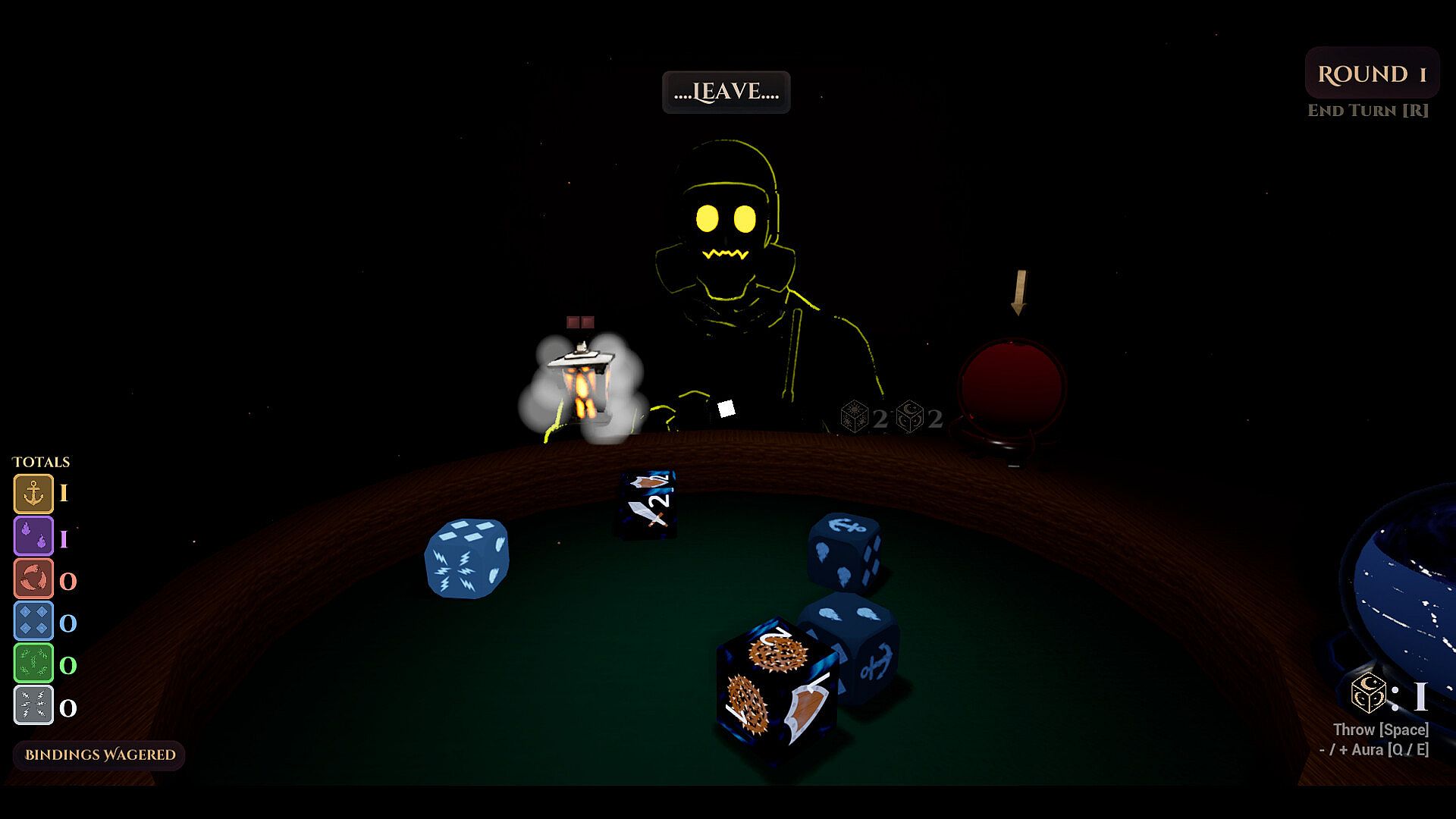
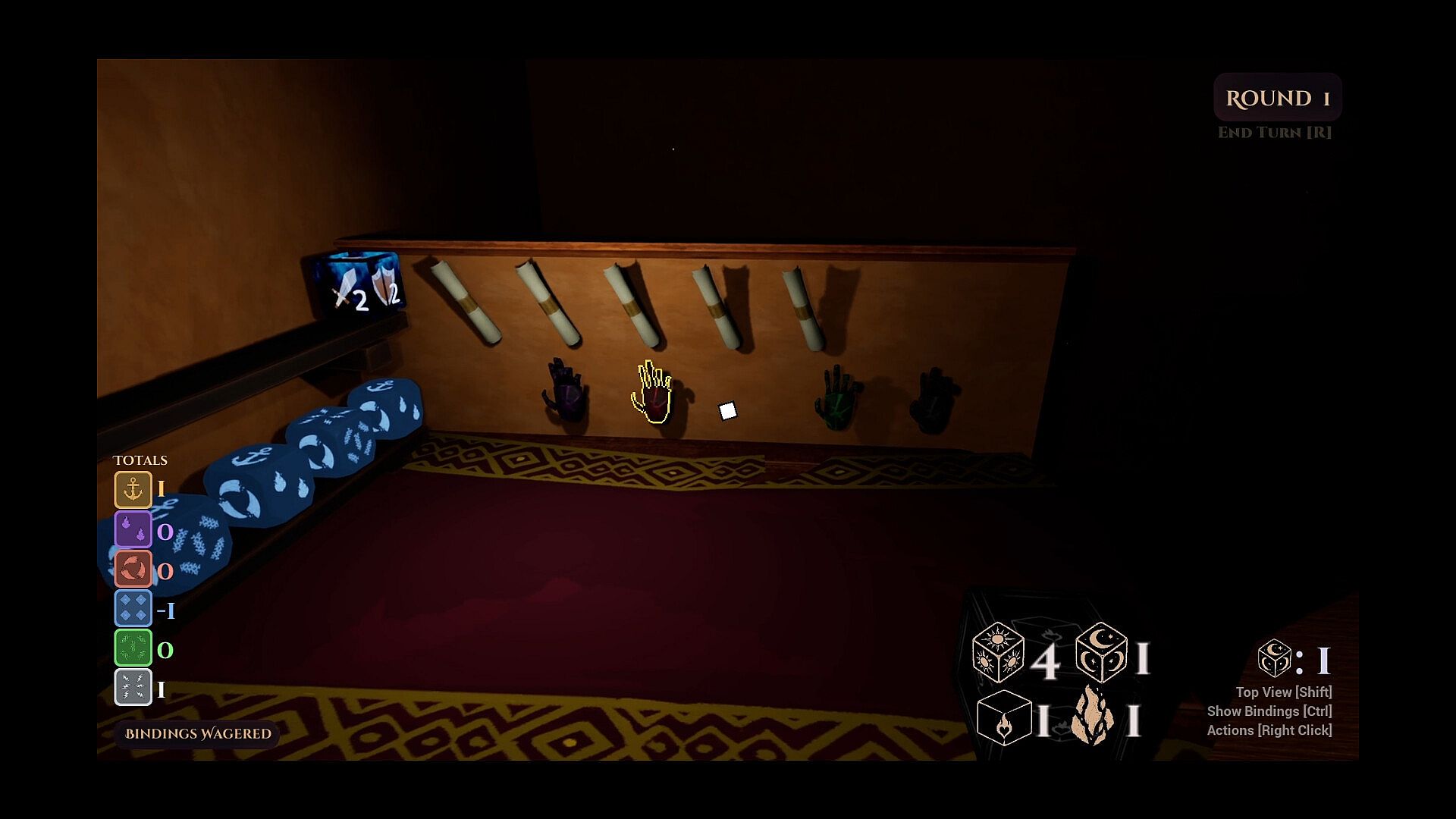
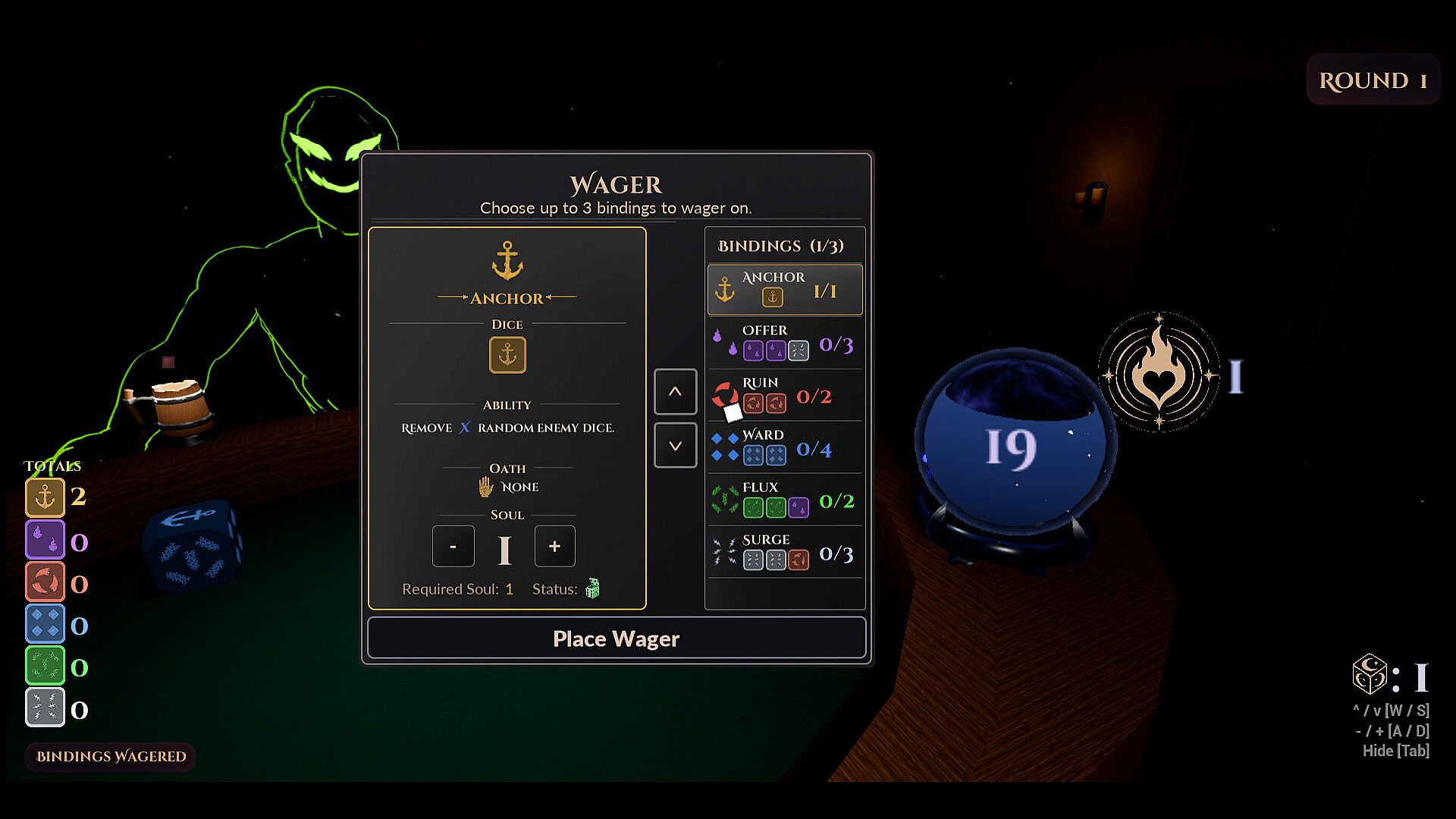
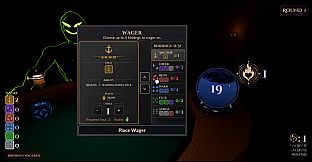
The central systems revolve around Aspect dice and Ability dice. Each roll feeds into bindings that convert uncertain results into specific actions and damage. Players reshape their dice pool across a run, choosing which faces to keep or modify based on the trials ahead. Soul serves as both resource and cost: wagering portions of it on bindings amplifies power but narrows survival margins.
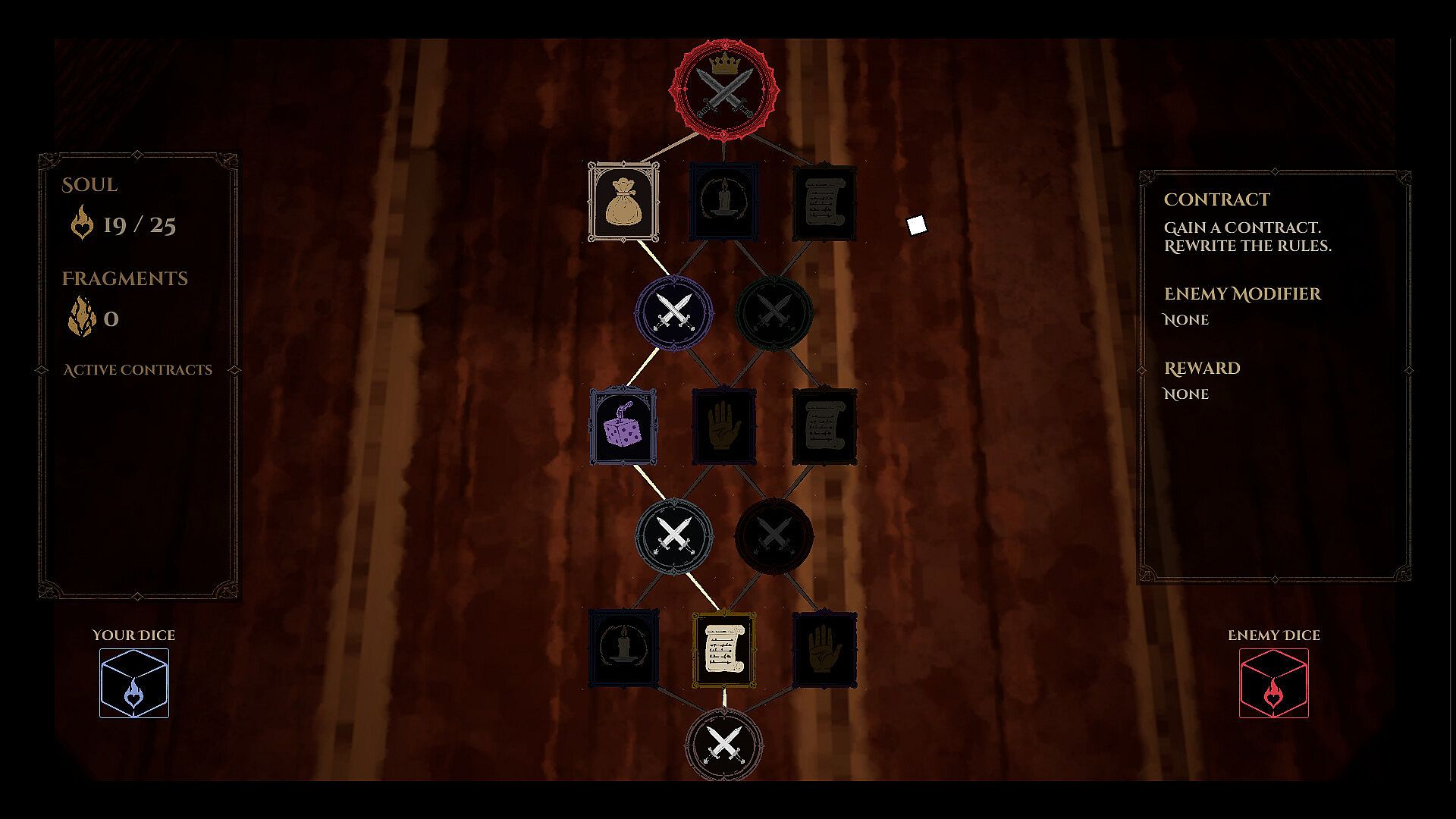
Enemy interactions add another layer. Burden and Threat dice from opponents can lock options or force reactive decisions mid-battle. Contracts and Oaths introduce conditions that rewrite run rules, rewarding focused playstyles while punishing inconsistency. The strongest setups often carry built-in vulnerabilities that demand careful pathing through branching encounters.
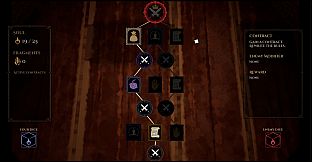
Progression follows a path of Trials that branch into bargains, sanctuaries, and high-risk opportunities. Choices made in one segment directly influence the dice and bindings available for the next. A Grand Trial caps each journey by imposing additional Laws that alter combat conditions.
Game Modes
DiceBound operates as a single-player experience built around repeated runs. Each run generates its own sequence of Trials with varying rewards and hazards. The structure emphasizes roguelike elements where death ends the current attempt but carries forward lessons for the next attempt through dice shaping and binding knowledge.
No separate multiplayer or co-op modes appear in the available information. The focus remains on solo progression through the branching path system and the escalating demands of the Grand Trial.
Core Mechanics and Progression
Aspect Bindings form the heart of combat and strategy. Unlocking and amplifying each of the six Aspects requires consistent soul investment and successful adaptation to enemy interference. Contracts allow players to accept permanent or temporary rule changes that can accelerate power growth or introduce new failure states.
Oaths add commitment layers, granting bonuses for staying true to specific conditions or penalties for deviation. These systems encourage experimentation with different binding priorities while the dice-reshaping mechanic lets players refine their toolkit over successive Trials.
Is It Worth Playing?
The game remains in a pre-release state with a demo available and full launch planned for 2027. No user reviews exist yet, so reception cannot be assessed from player data. Those drawn to dice-driven strategy and roguelike deckbuilding may find value in testing the demo to evaluate the binding and soul-wager systems firsthand.
Interest will likely hinge on tolerance for high-variance outcomes and the need to adapt builds on the fly. Players who enjoy single-player runs that reward careful risk management over safe, consistent strategies stand to gain the most from the current build.