

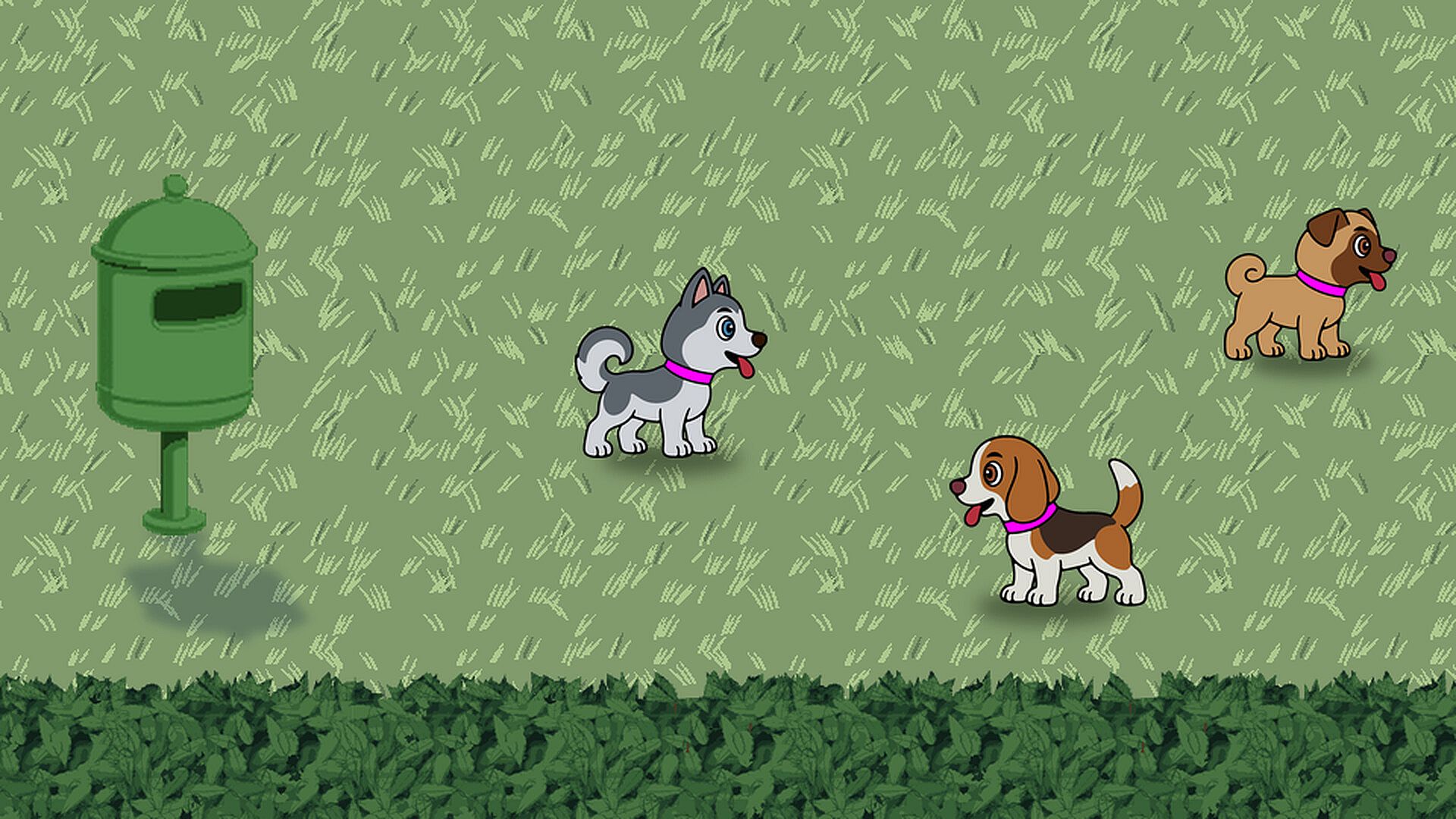
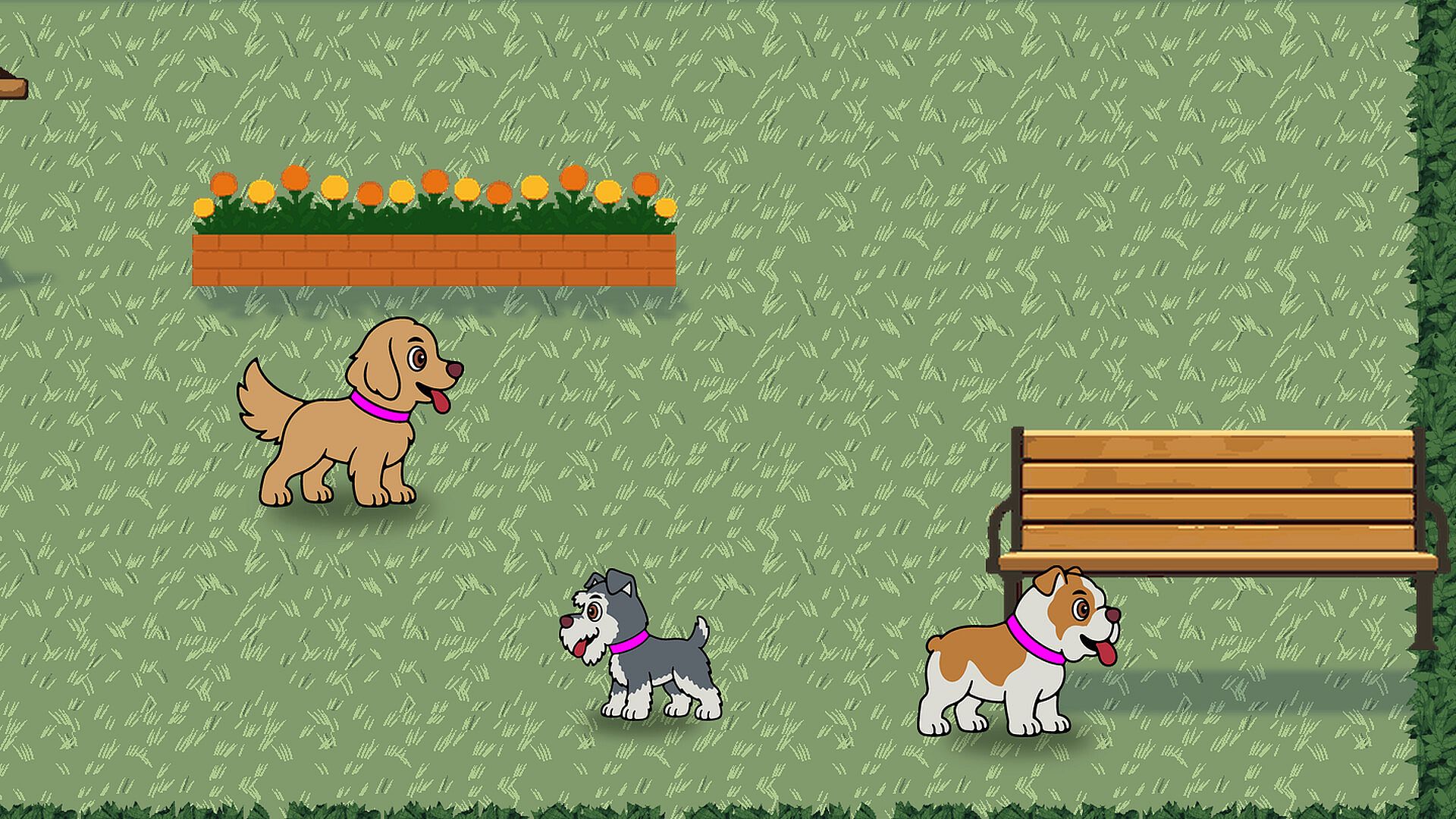
Dirty Dogs stands out as a strategy indie casual game on PC that centers on social deduction and observation in a compact online environment. Players join sessions set in a shared park where the goal involves maintaining control while identifying threats hidden among the group. The experience draws from the core tension of distinguishing loyal participants from those working against the collective effort, all without explicit indicators or proof systems.
Gameplay
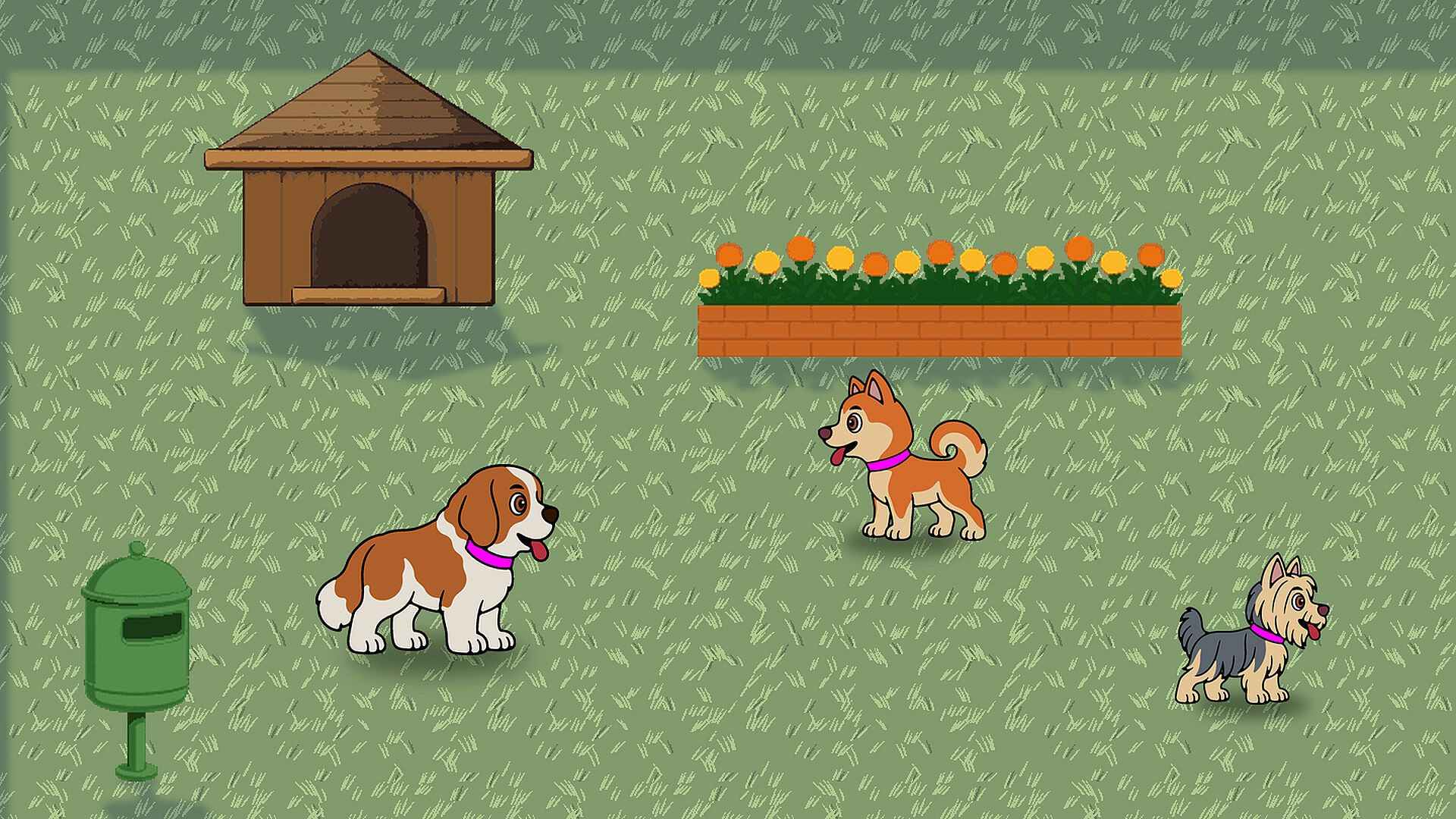
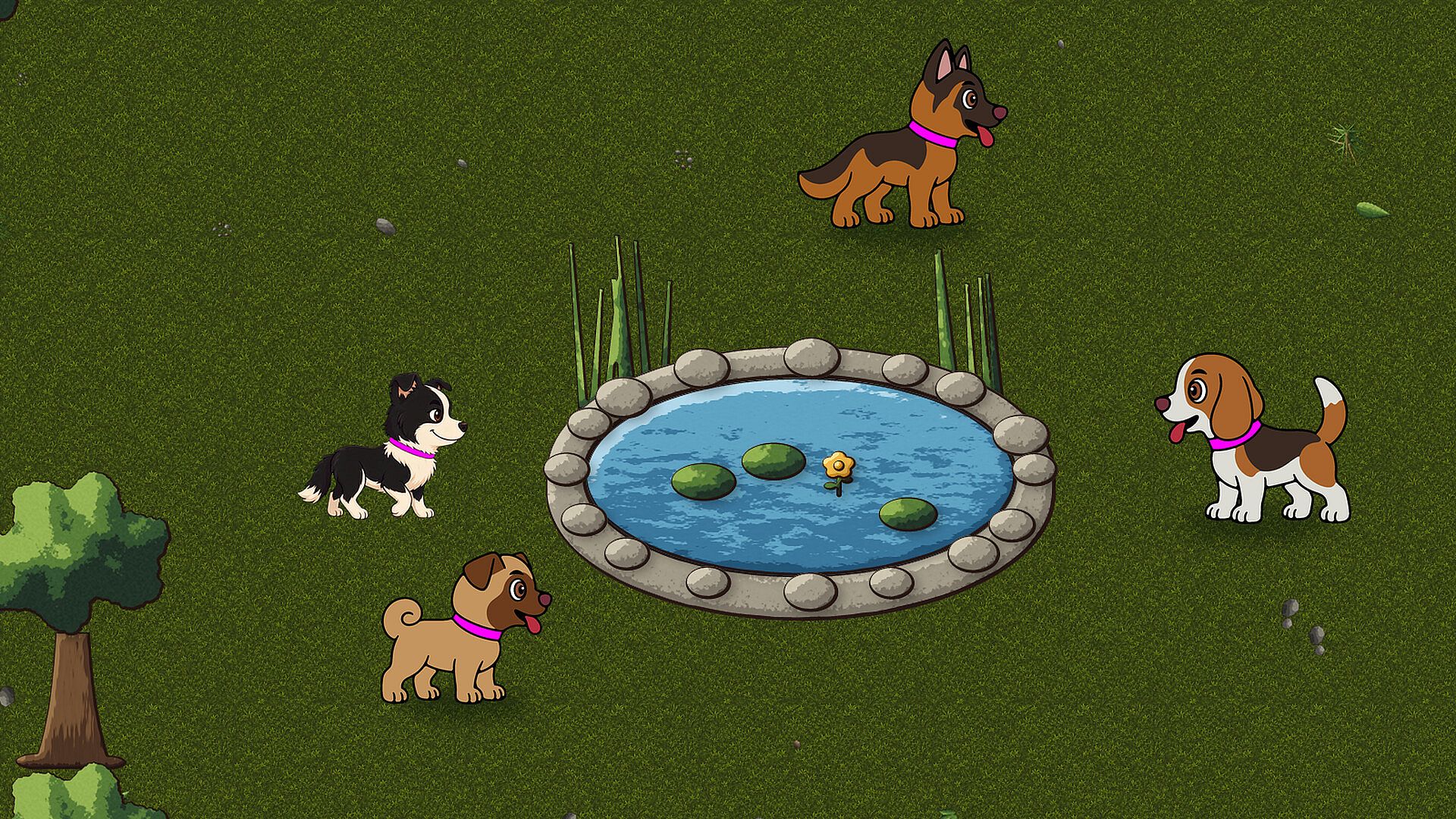
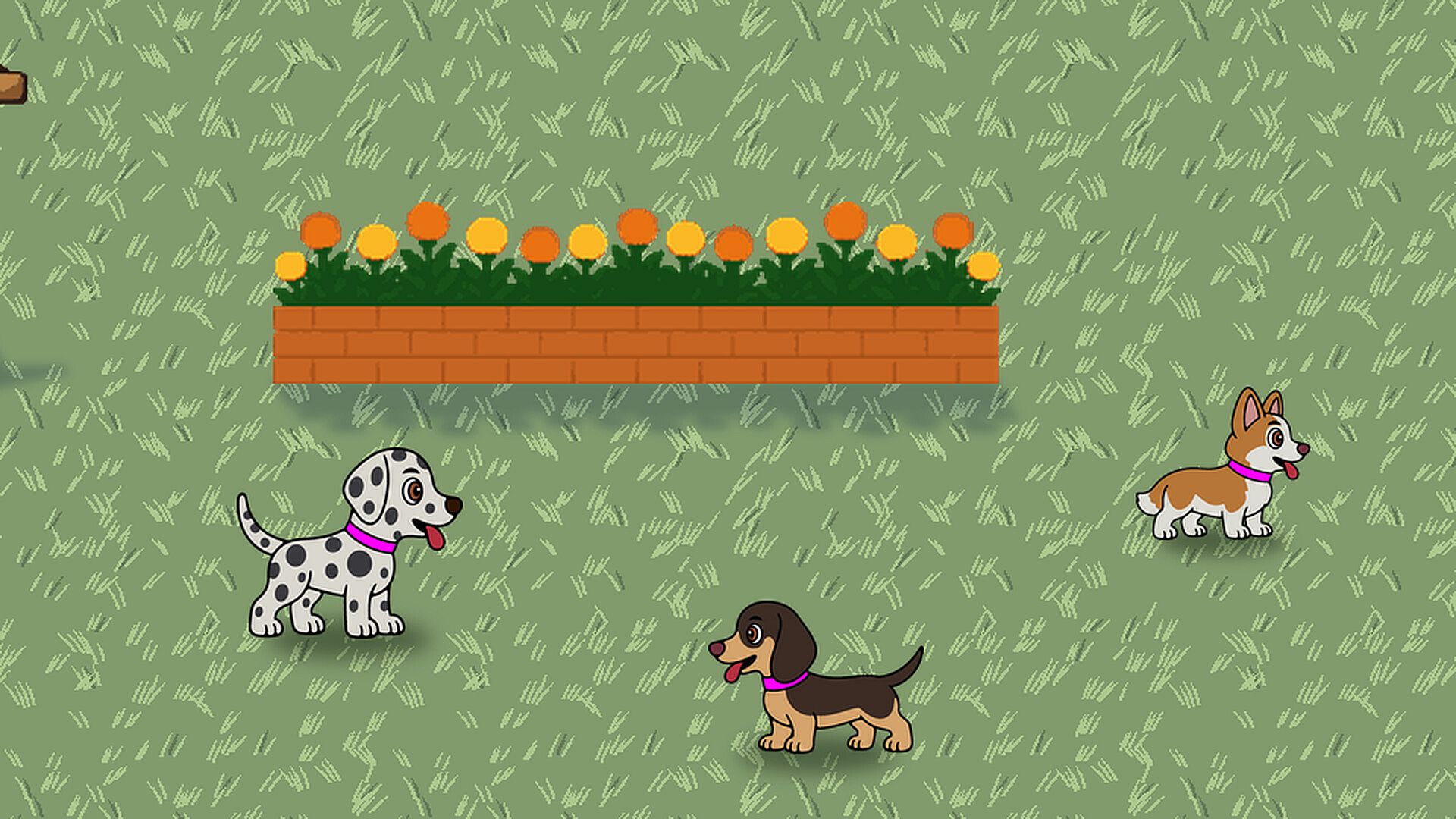
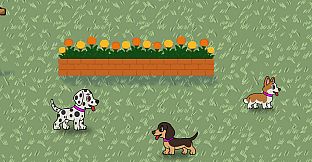
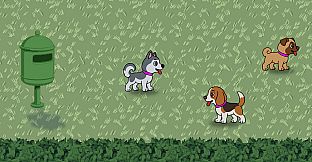
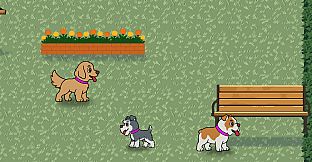
The core loop revolves around careful watching and quick judgment calls. Every participant appears as a dog with one of twenty three distinct breeds, each designed for immediate recognition even on smaller displays. Details like body size, posture, and positioning at key moments provide the only clues available. Movement patterns and reactions to events in the park become critical signals for spotting inconsistencies.
Most roles support the shared objective of building and protecting the space. A smaller number operate as disguised outsiders who undermine progress through subtle interference. Because no player carries visible markers, success depends entirely on pattern recognition and timing. The limited area leaves little room for evasion, forcing decisions based on visible behavior alone before any counteraction occurs.
Observation skills take center stage throughout each round. Players track where individuals stand when problems arise and note how different breeds move under pressure. This creates a constant need to balance personal actions with monitoring others, all while contributing to the park's upkeep. The setup rewards attention to detail over direct confrontation or resource management typical in other strategy titles.
Game Modes
Dirty Dogs focuses on online multiplayer sessions that emphasize role concealment and group dynamics. Participants enter shared park instances where the primary activity involves collective maintenance alongside hidden-role deduction. Rounds progress through observation phases and decision points without additional layers such as separate competitive brackets or solo campaigns.
The structure keeps all activity within the same core park environment, scaling the challenge through the mix of standard dogs and disguised strays. No external progression systems or seasonal changes alter the fundamental loop, keeping emphasis on real-time reading of visible traits and actions. This approach suits short to medium play windows where repeated matches build familiarity with breed behaviors and common disruption patterns.
Visual and Design Approach
Twenty three breeds receive clear, glanceable artwork optimized for quick identification during fast-paced rounds. The small park layout reinforces the intimate scale, removing any possibility of distant hiding spots or complex navigation. Simple animations convey movement and positioning without unnecessary complexity, aligning with the casual genre while supporting the strategy demands of constant vigilance.
One developer created the entire package with minimal resources, resulting in a focused experience free from extraneous features. The design prioritizes readability and immediacy, ensuring breed distinctions and spatial cues remain effective regardless of screen size or play duration. This restraint keeps the attention on deduction mechanics rather than visual spectacle.
Is It Worth Playing?
Dirty Dogs appeals most to players who enjoy social deduction games built around observation and deduction rather than combat or collection systems. The indie production delivers a tight, repeatable loop centered on reading subtle cues in a confined space, which suits those comfortable with uncertainty and group interaction in online settings.
Its casual accessibility pairs with strategic depth through the hidden roles and breed variety, making it suitable for groups seeking lighter strategy sessions without steep learning curves. The single-developer origin contributes to a straightforward presentation that avoids feature bloat, focusing instead on the core tension of identifying outsiders before they disrupt progress. Those drawn to games emphasizing pattern recognition and quick judgment will find consistent engagement here, while players preferring expansive maps or explicit progression may prefer other options in the genre.