












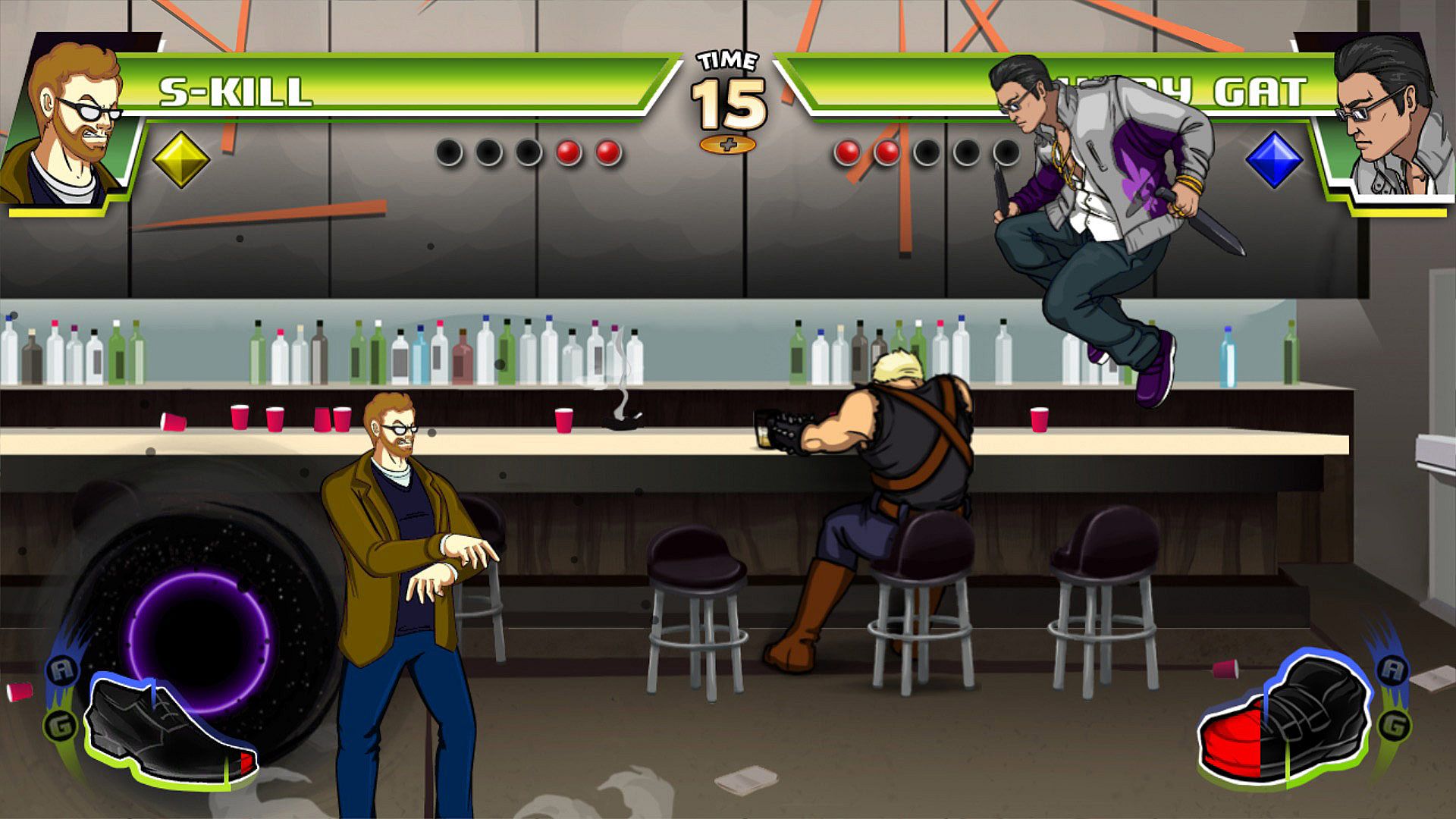
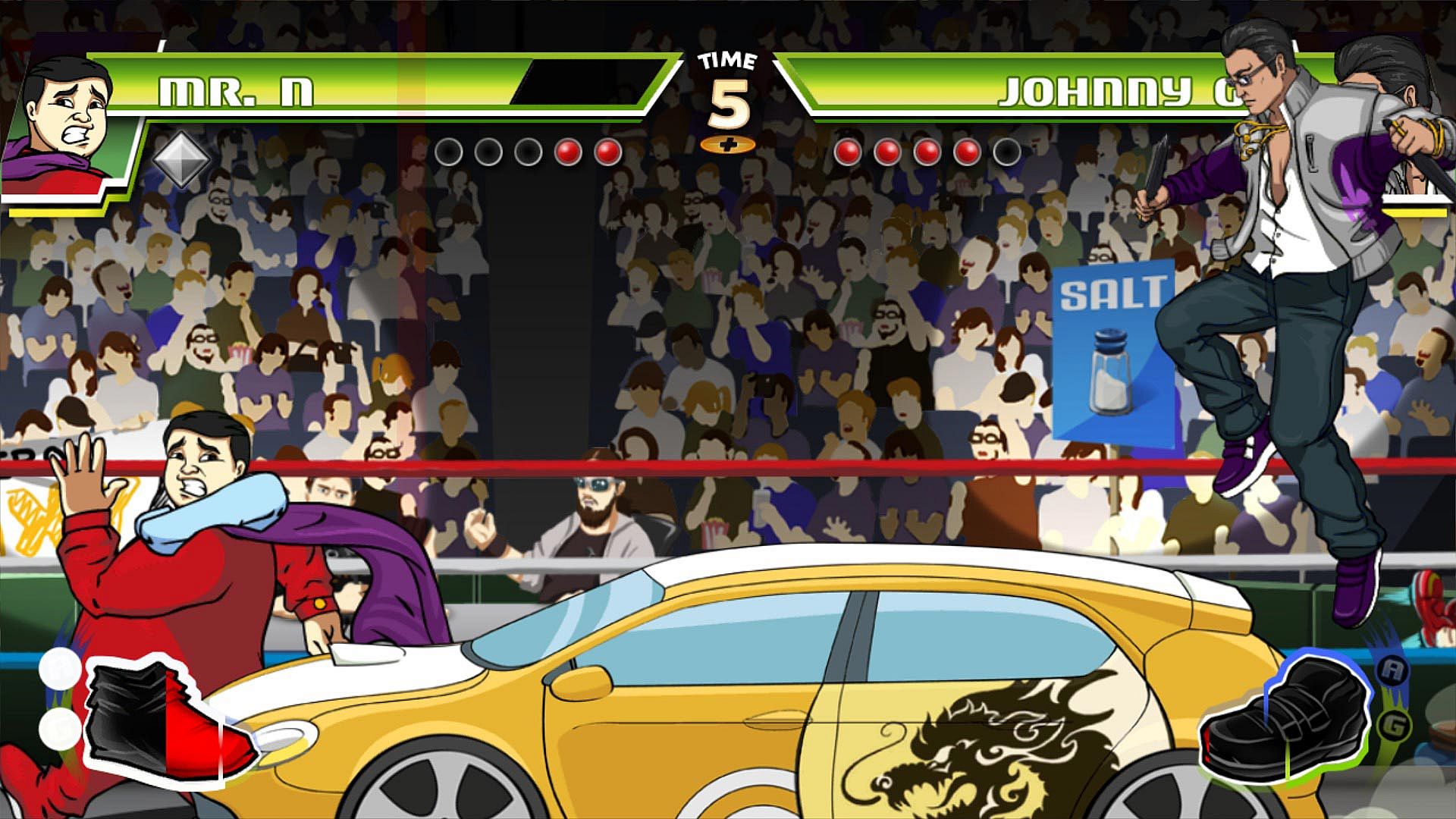
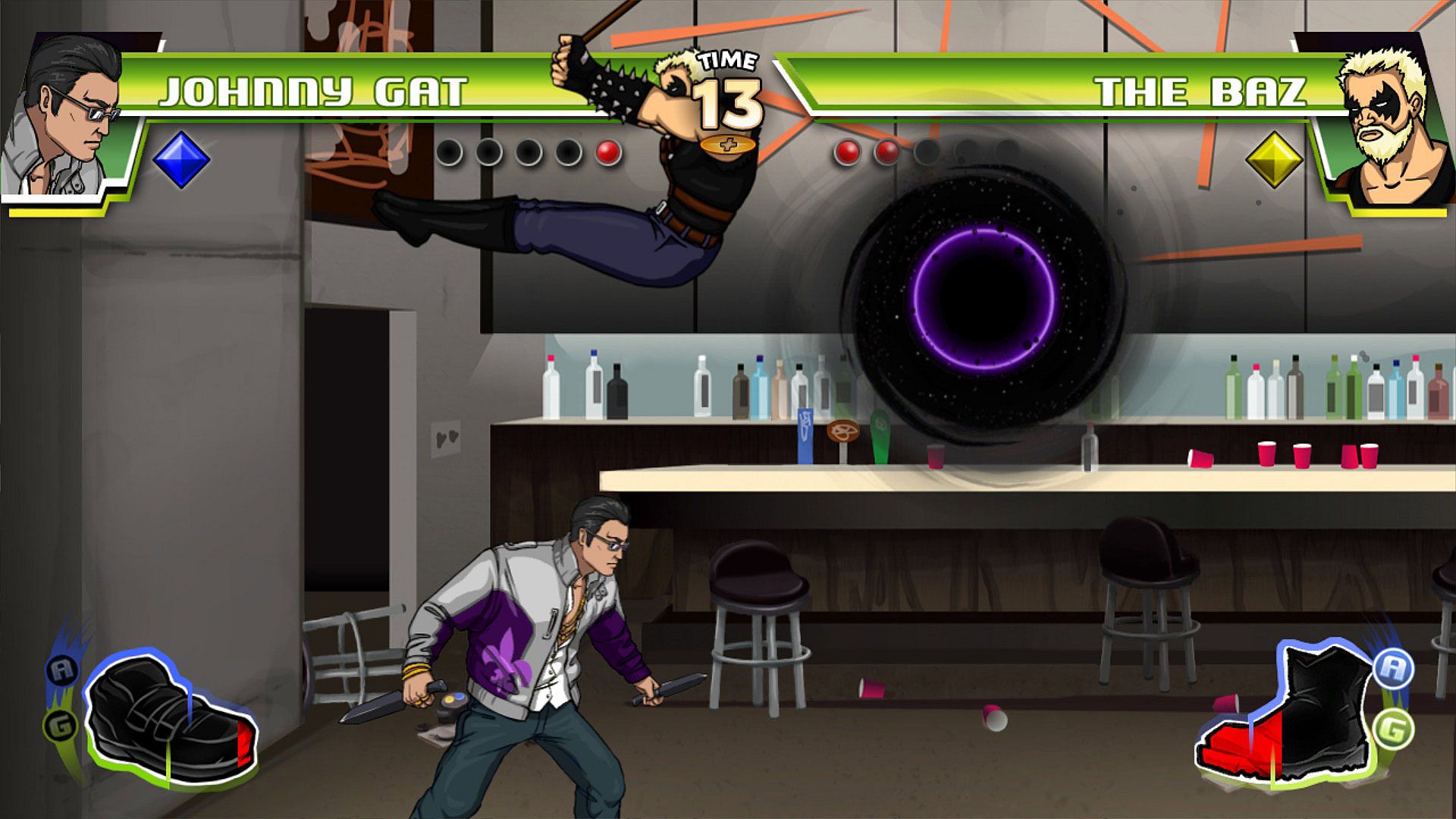
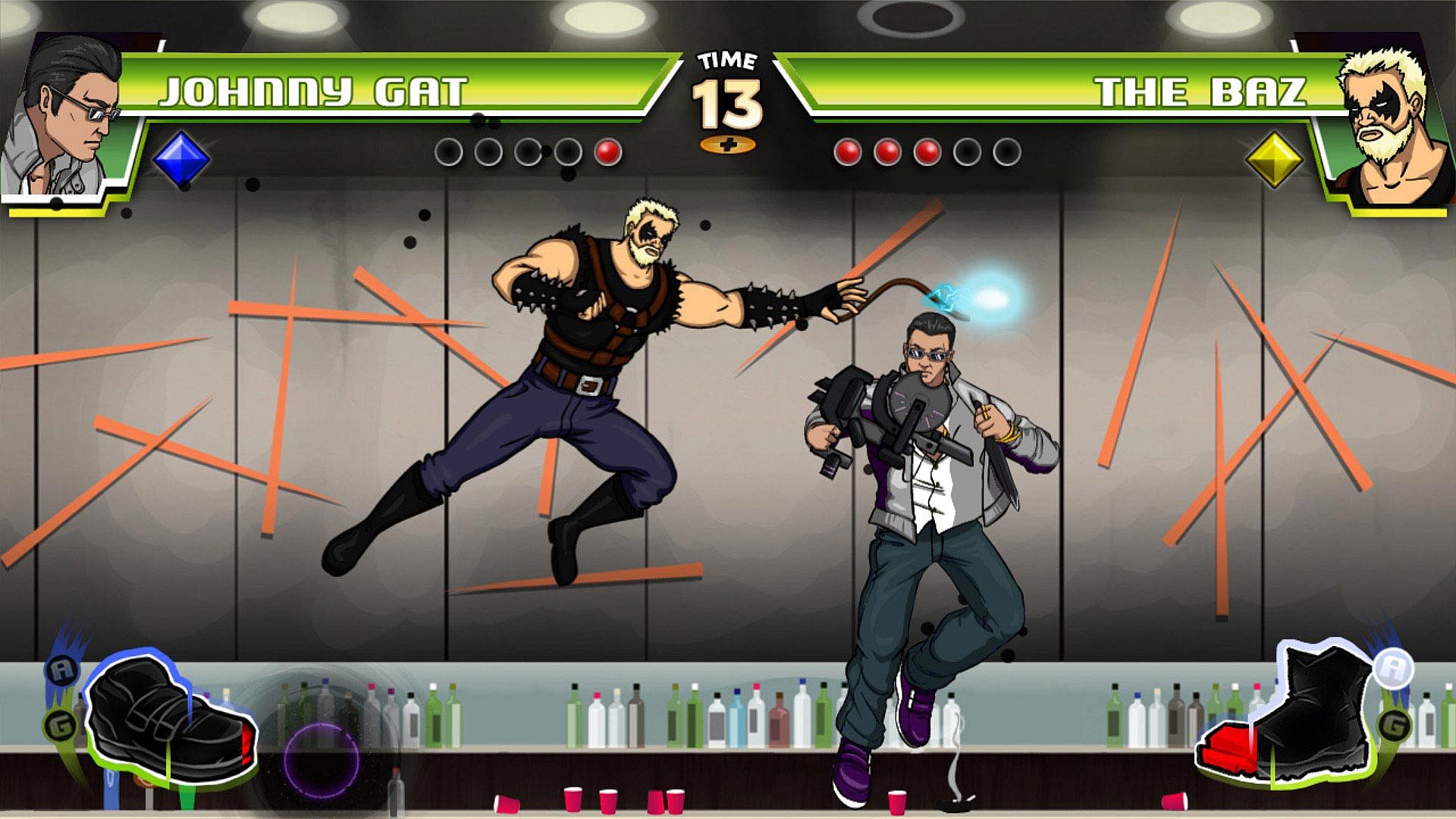
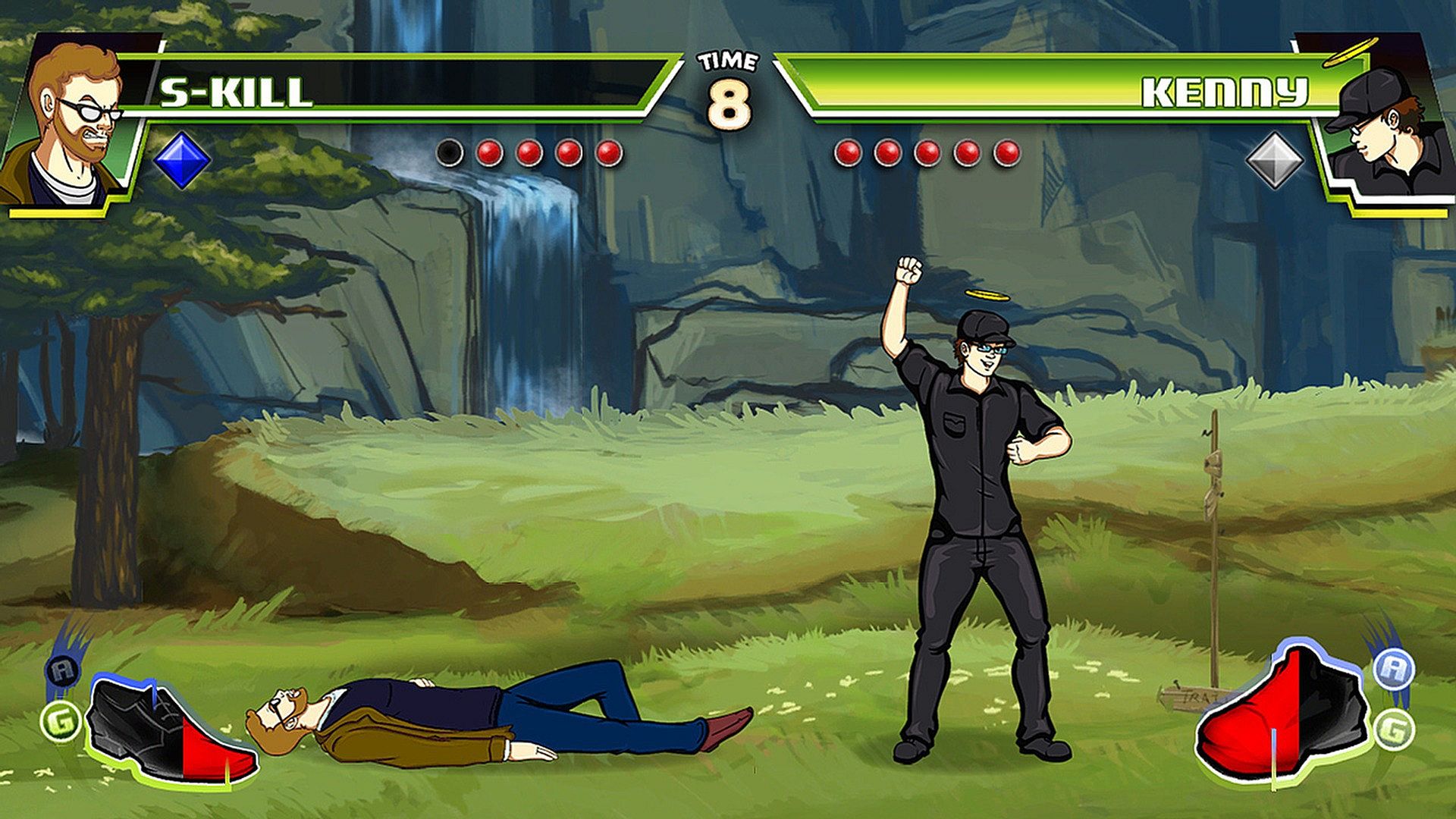
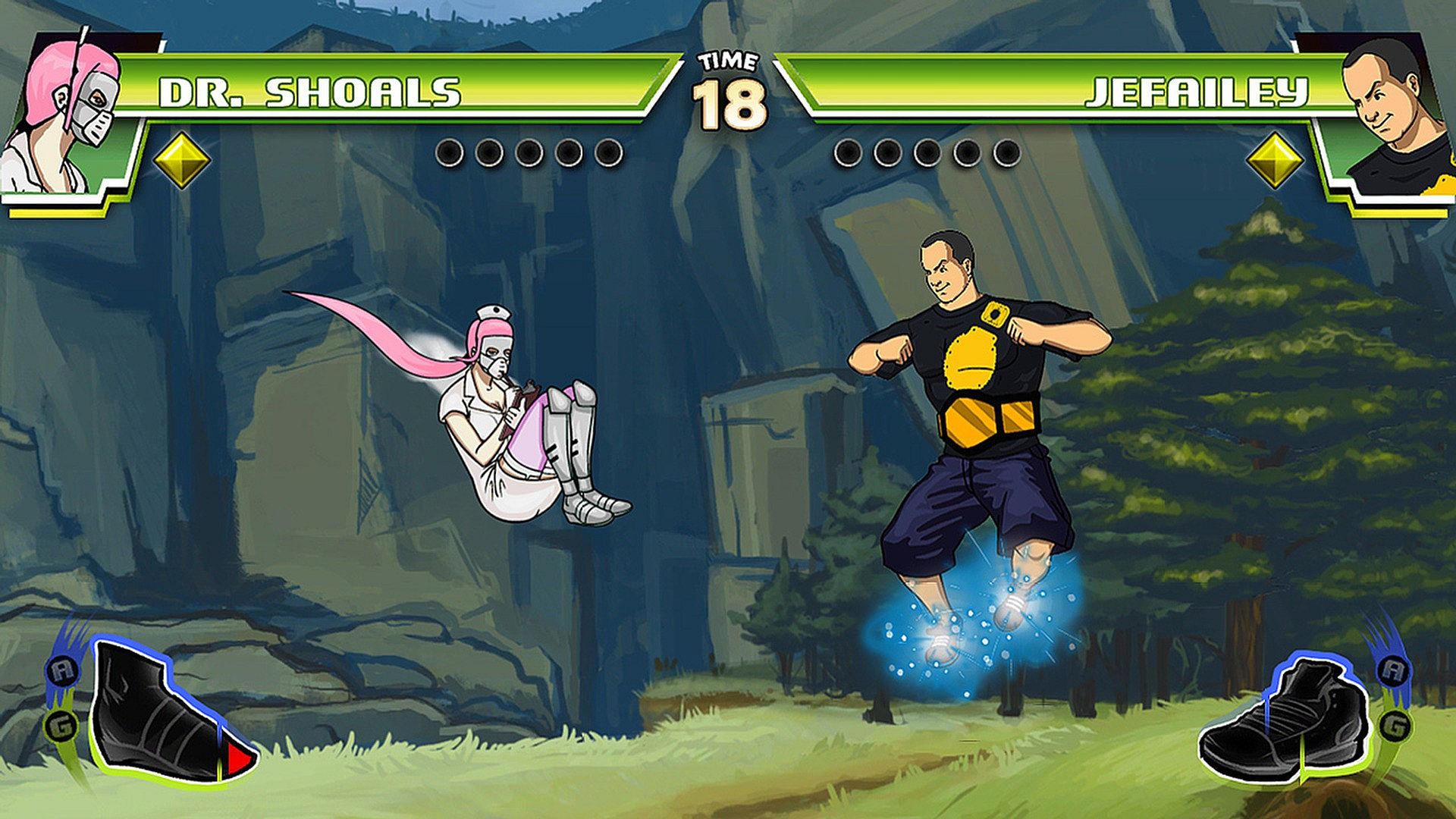
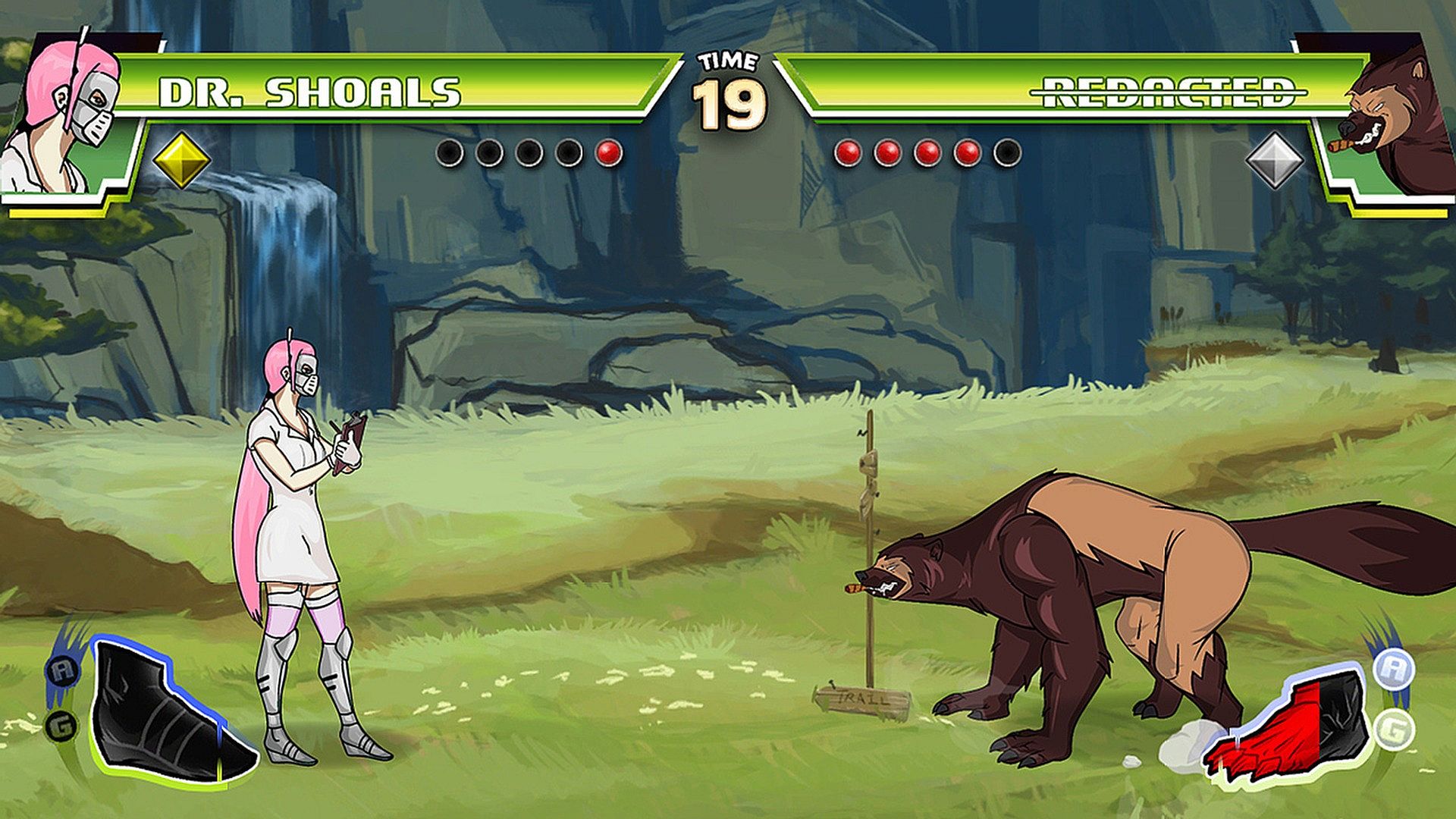
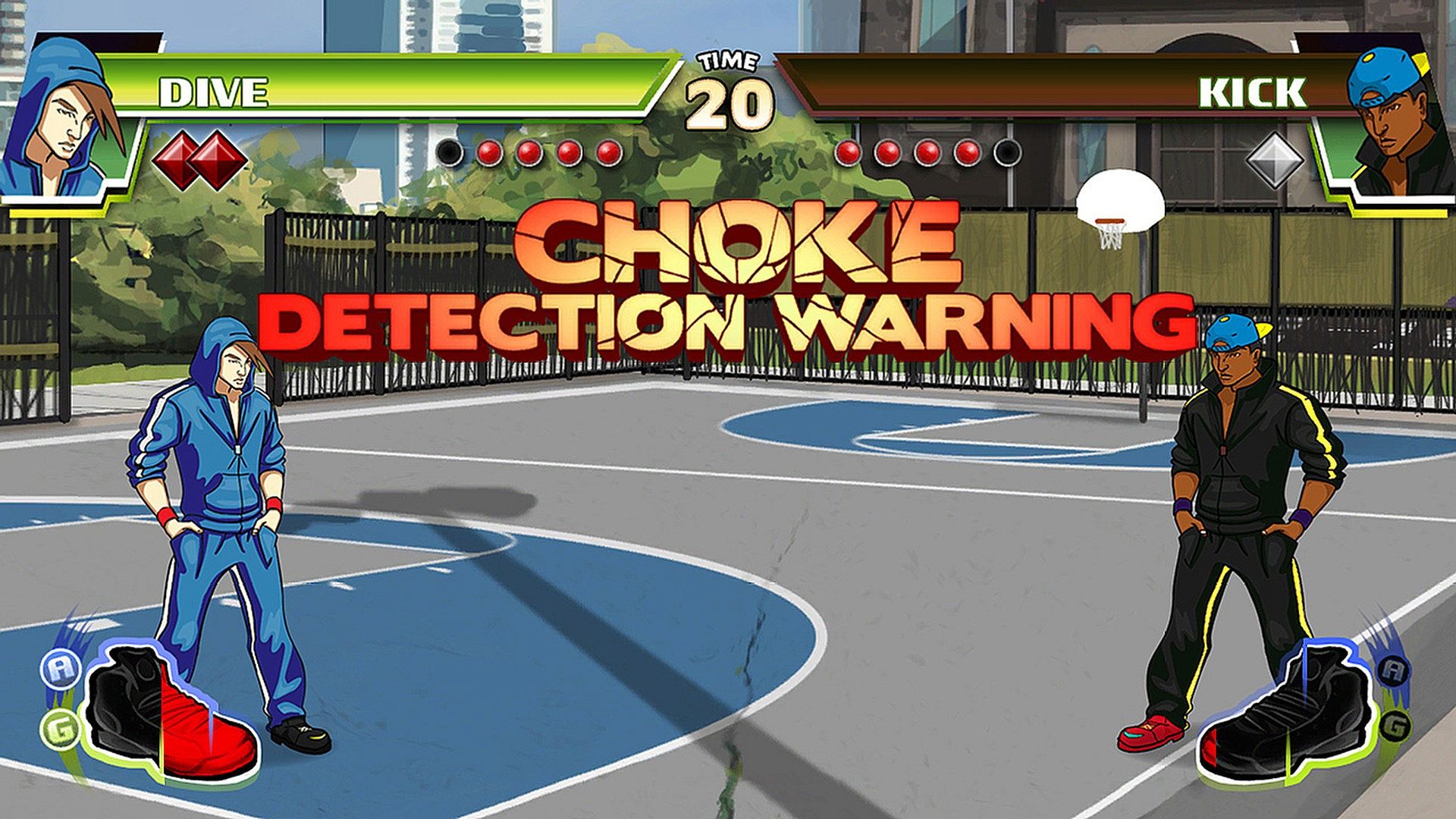
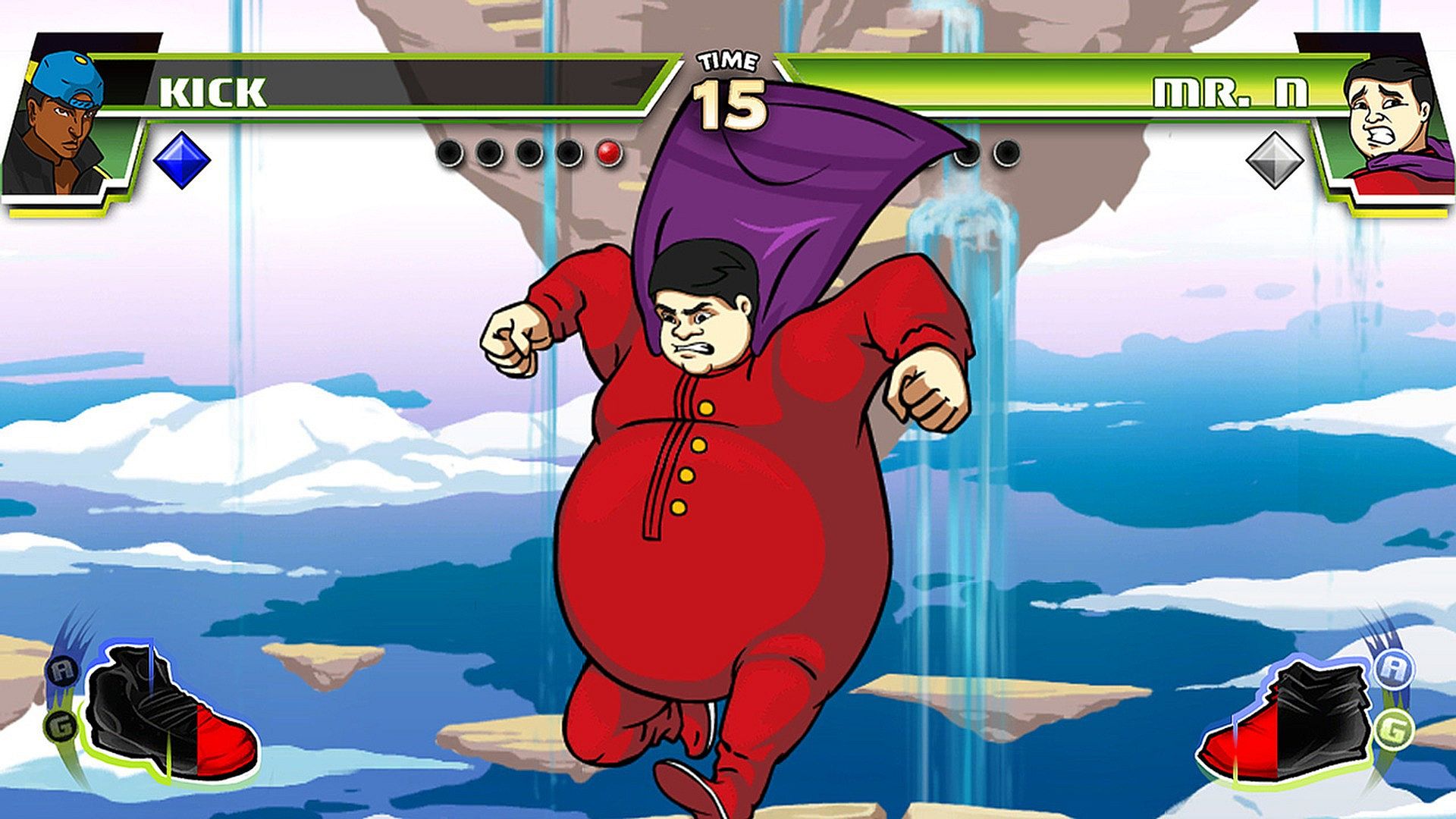
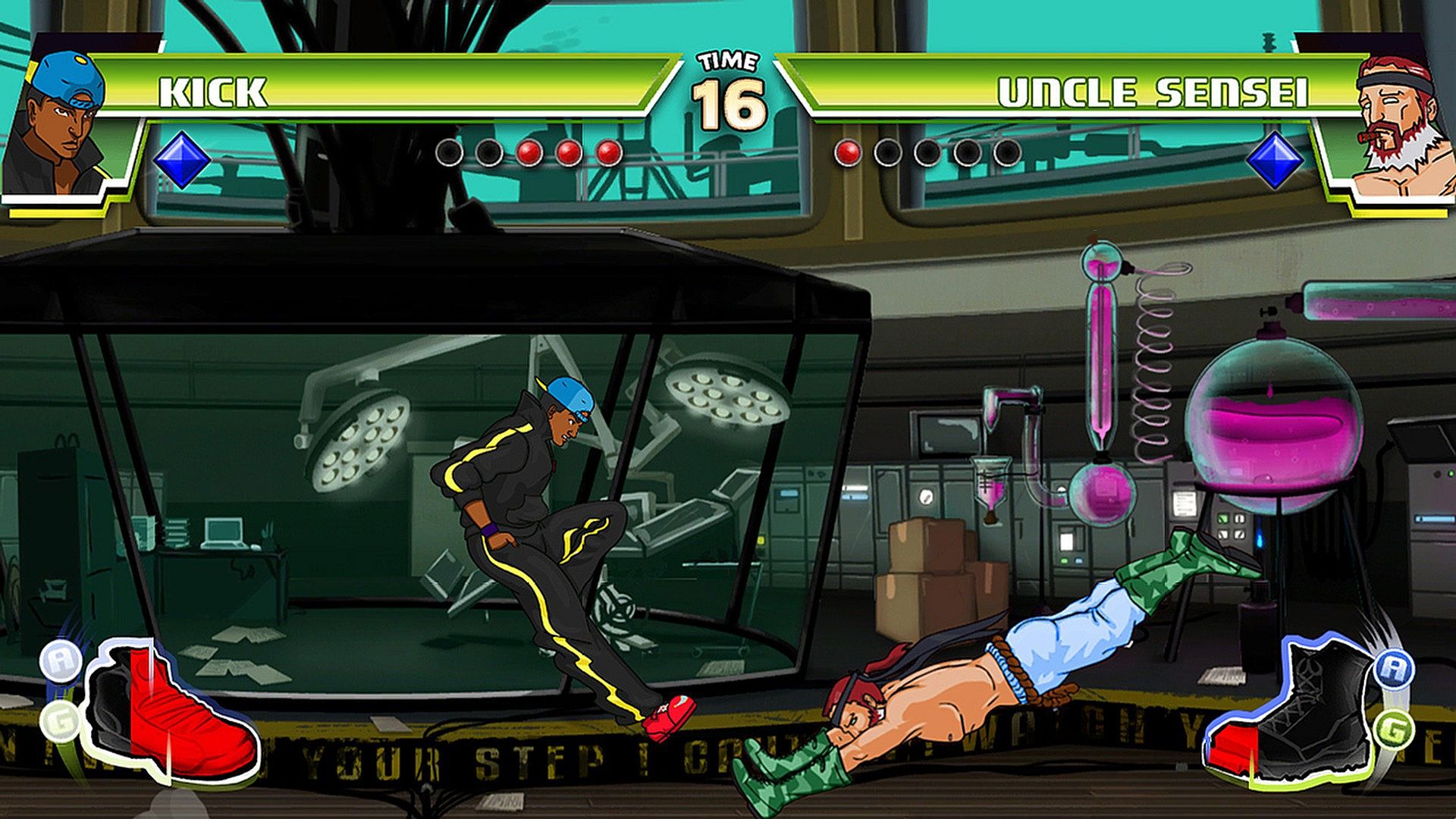
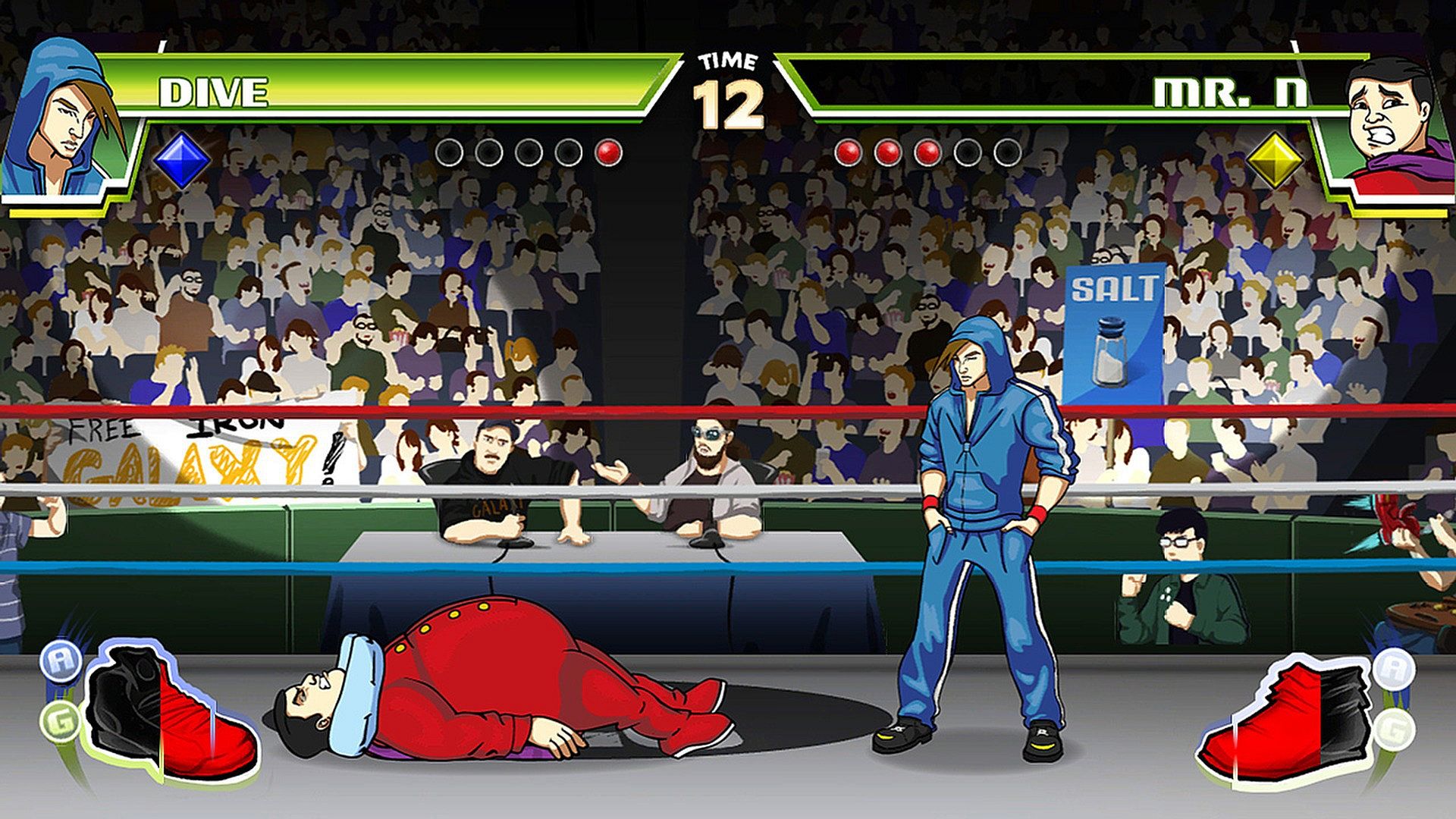
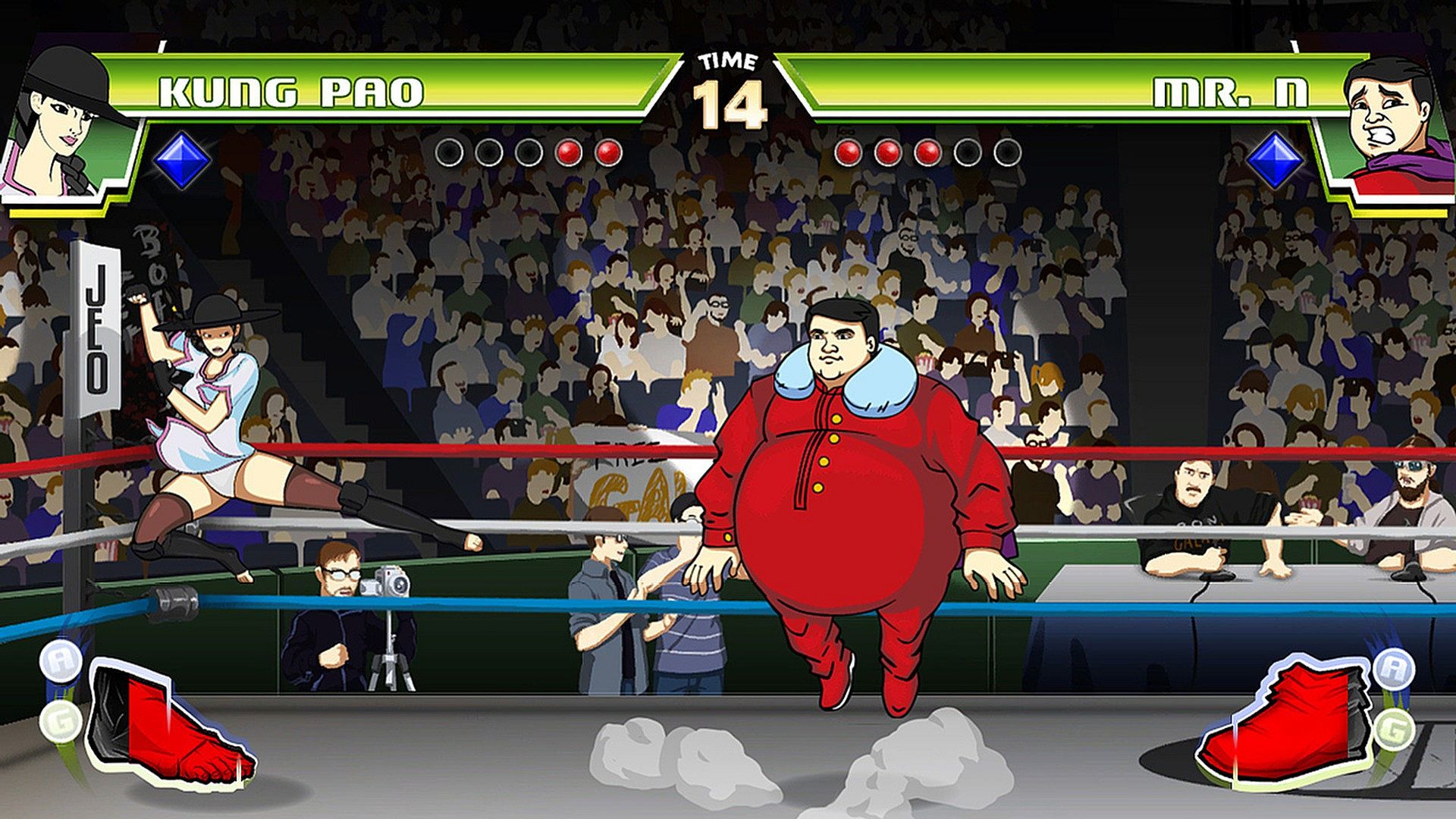
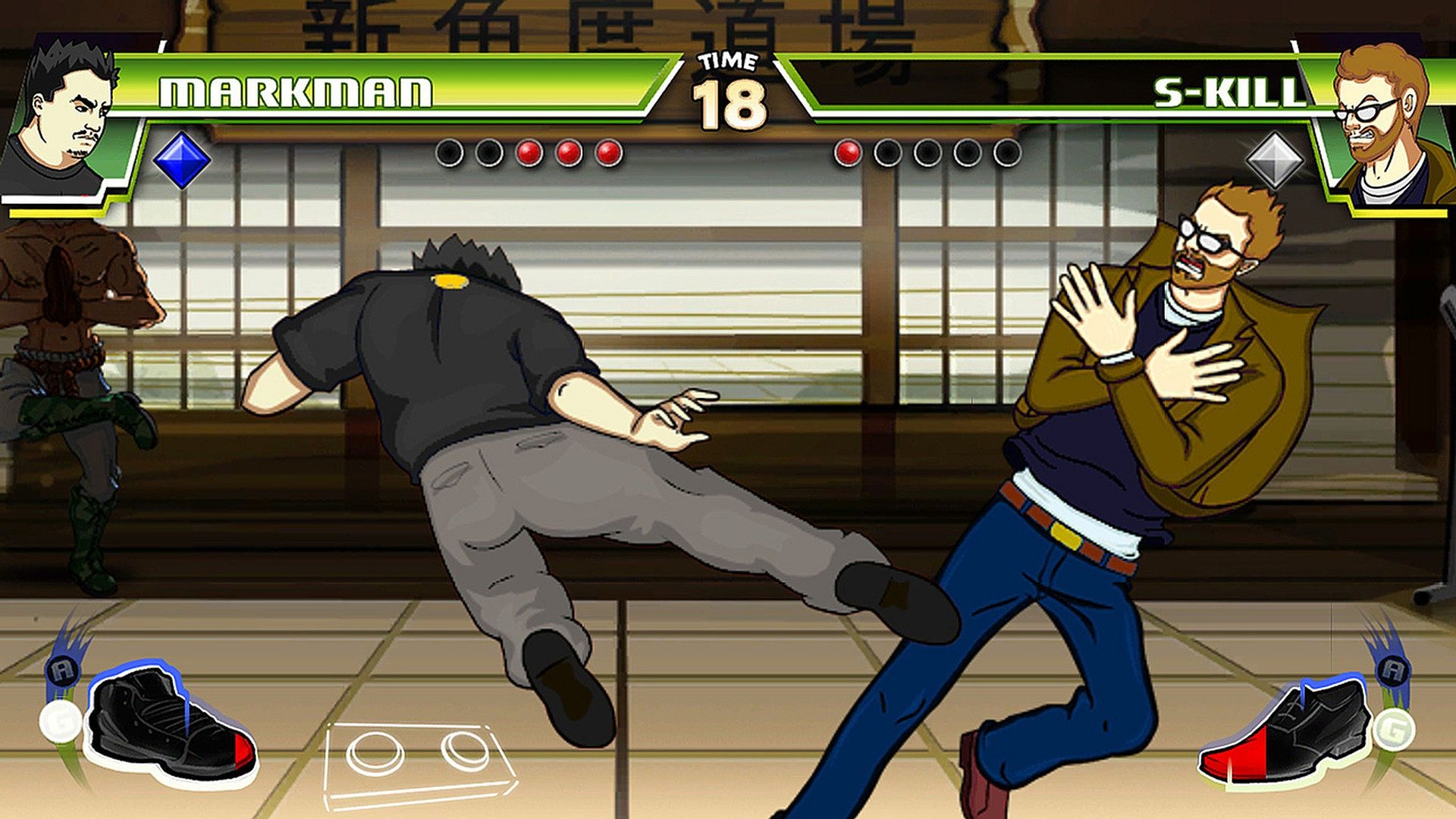
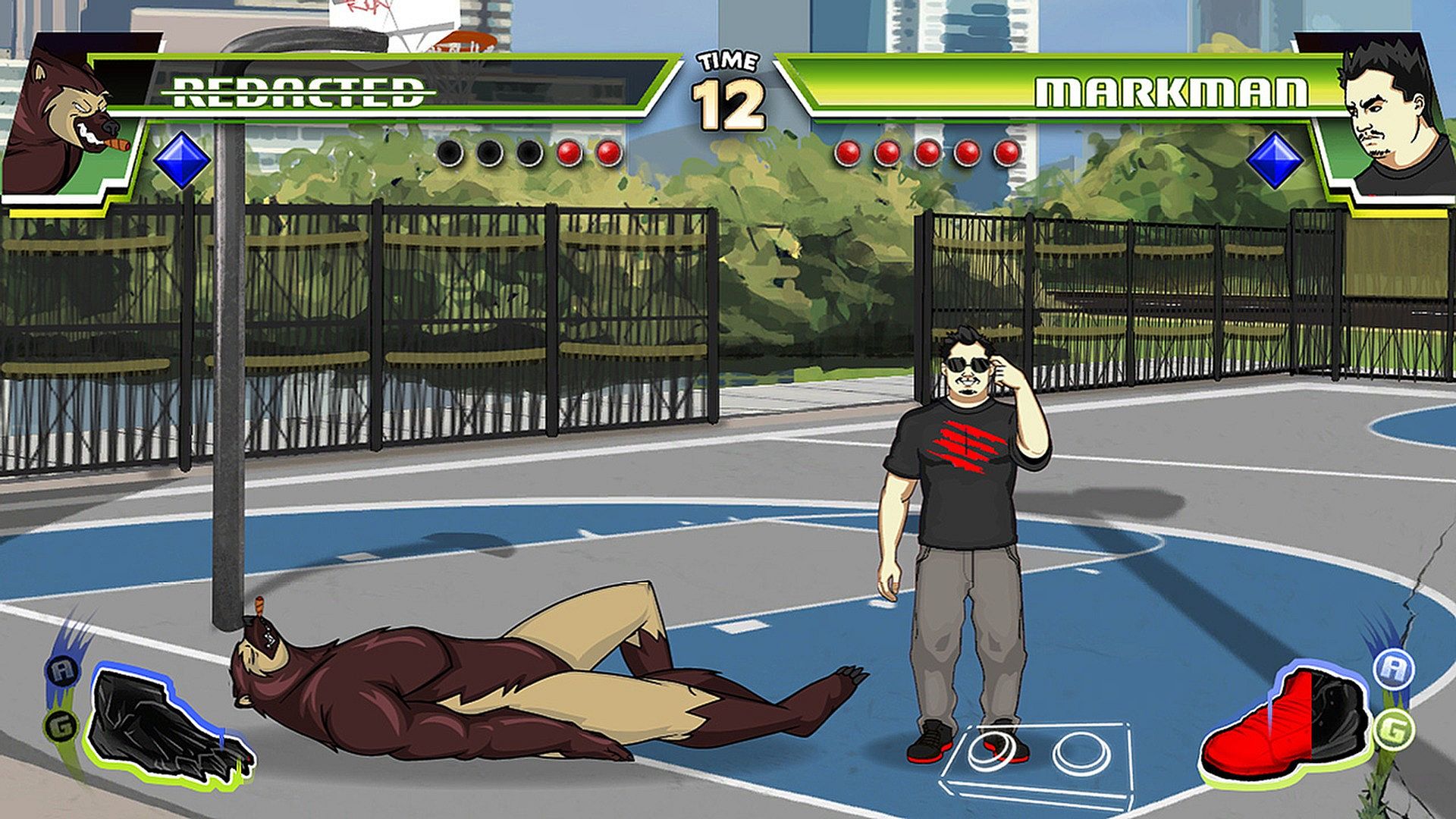
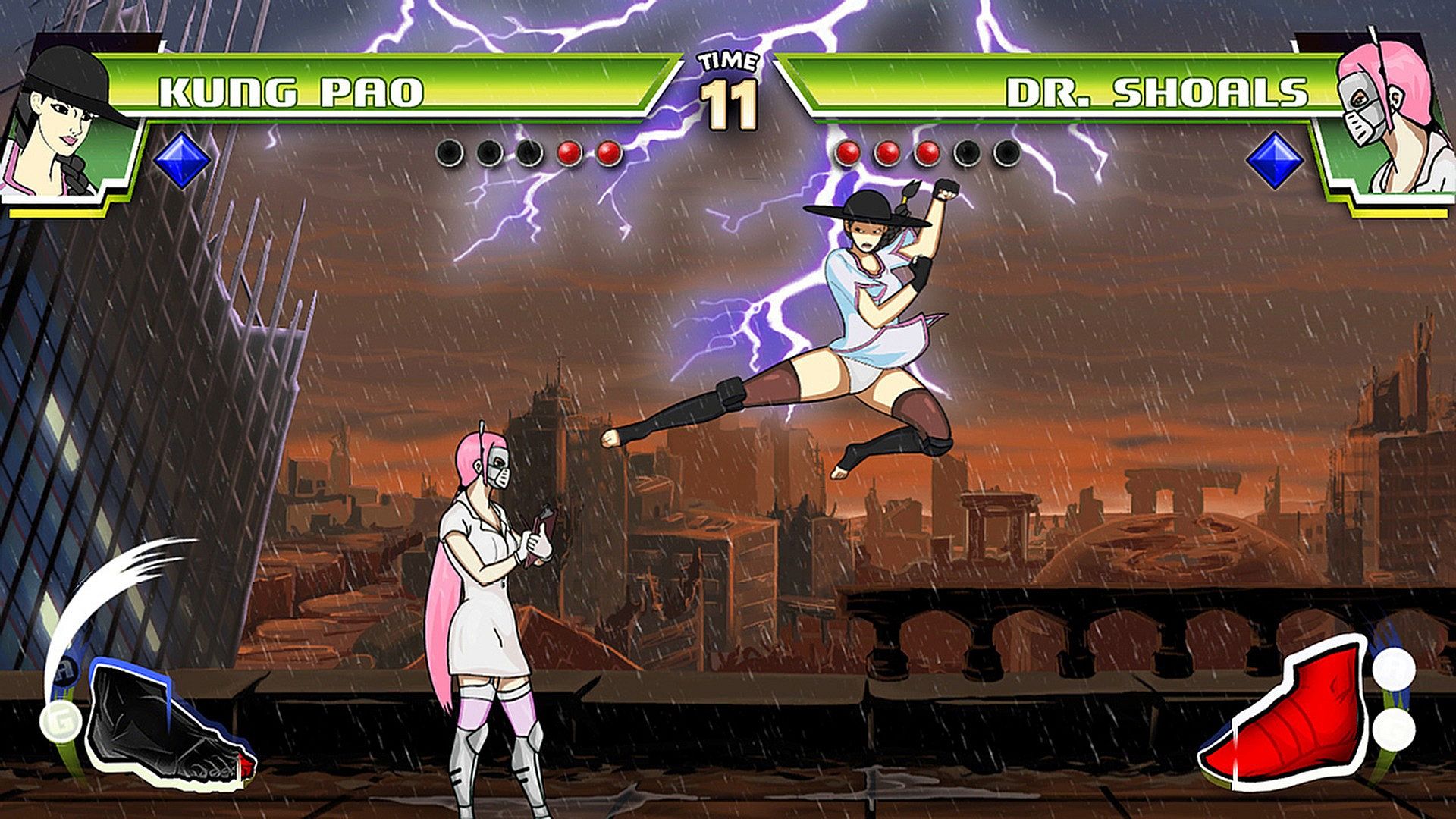
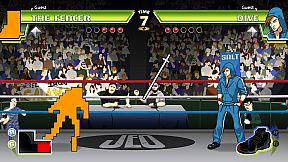
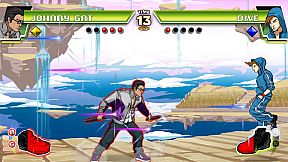
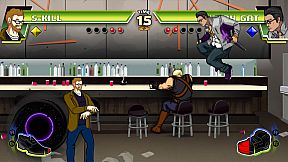
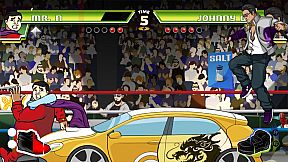
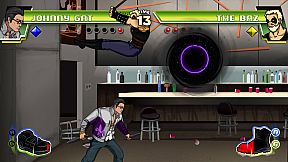
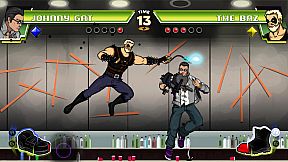
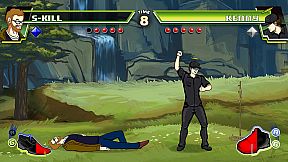
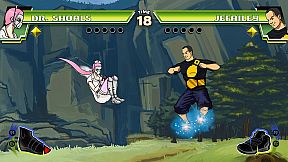

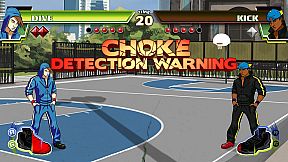
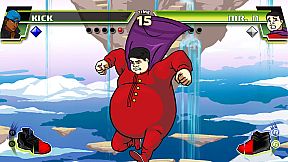
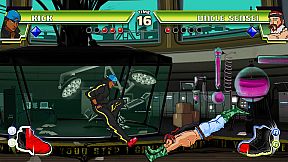
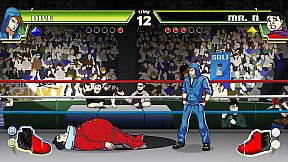
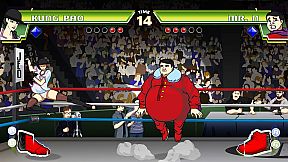
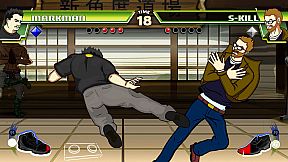
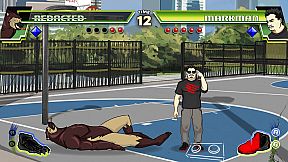
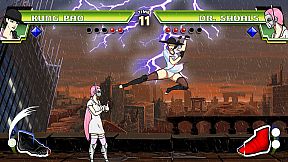
Divekick stands out as a distinctive two-button fighting game that strips the genre down to its core elements of timing, spacing, and psychological play. Released in 2013 for PC among other platforms, it challenges players with a minimalist control scheme that still delivers substantial strategic depth in one-on-one matches.
Gameplay
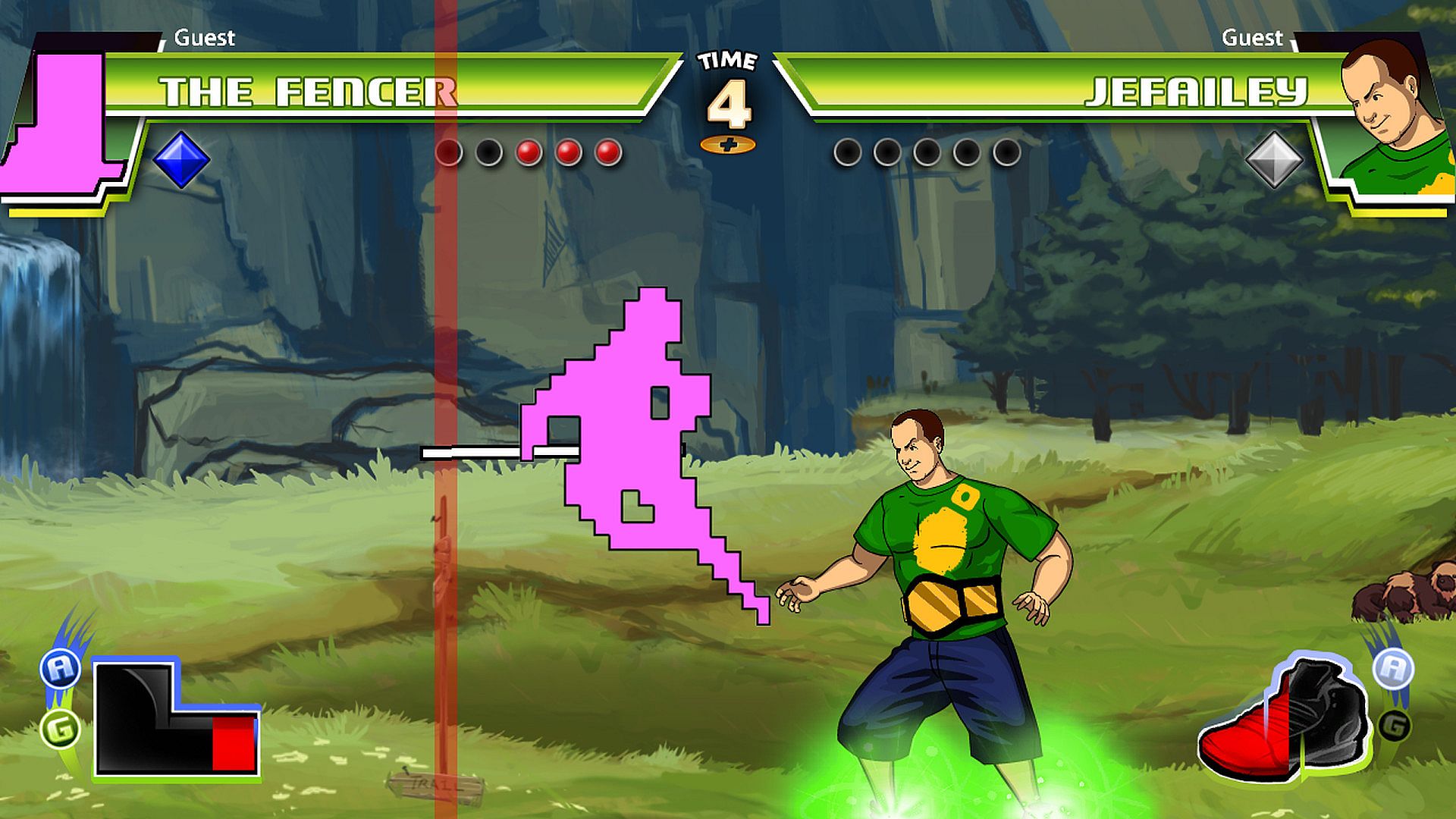
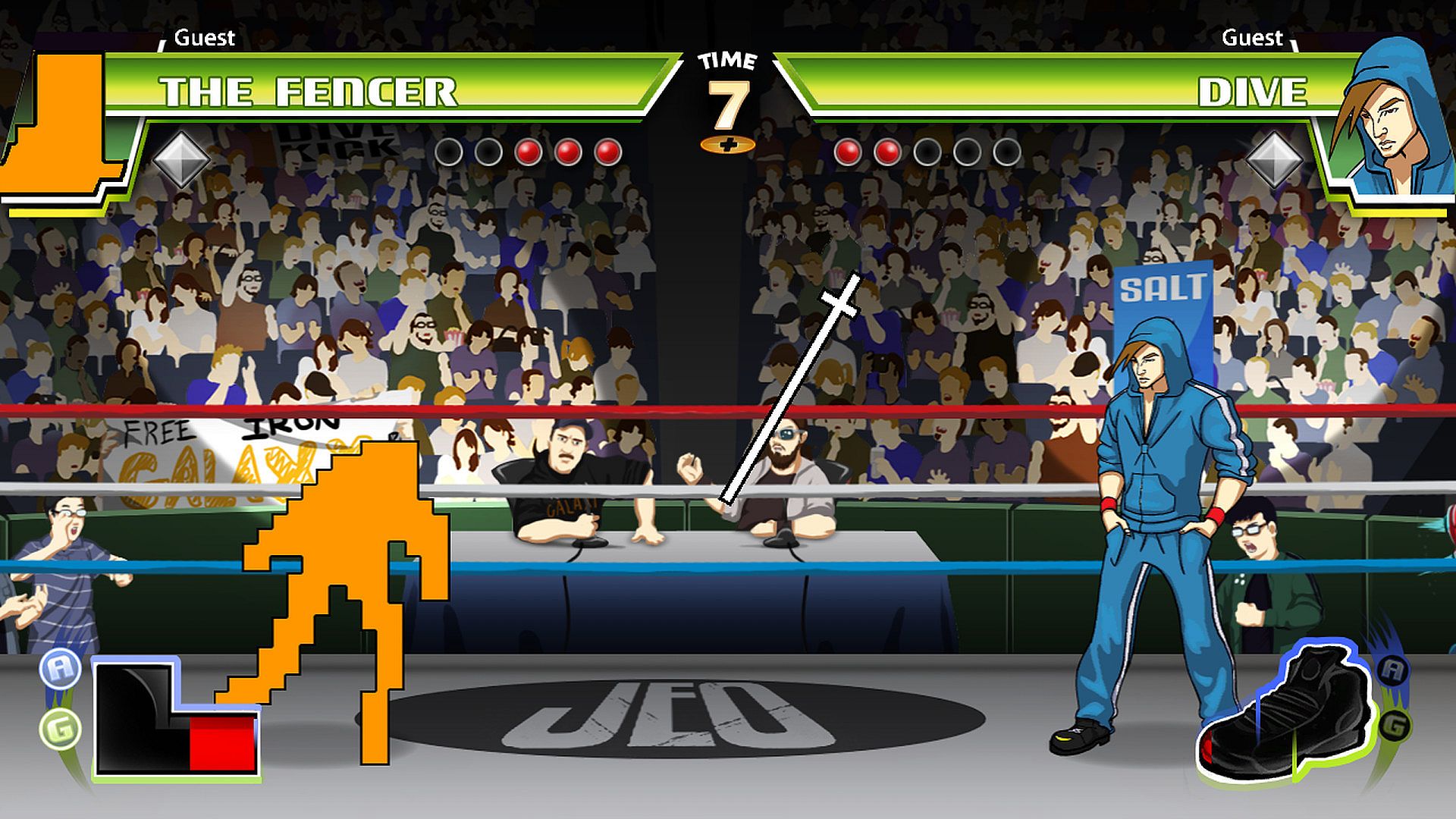
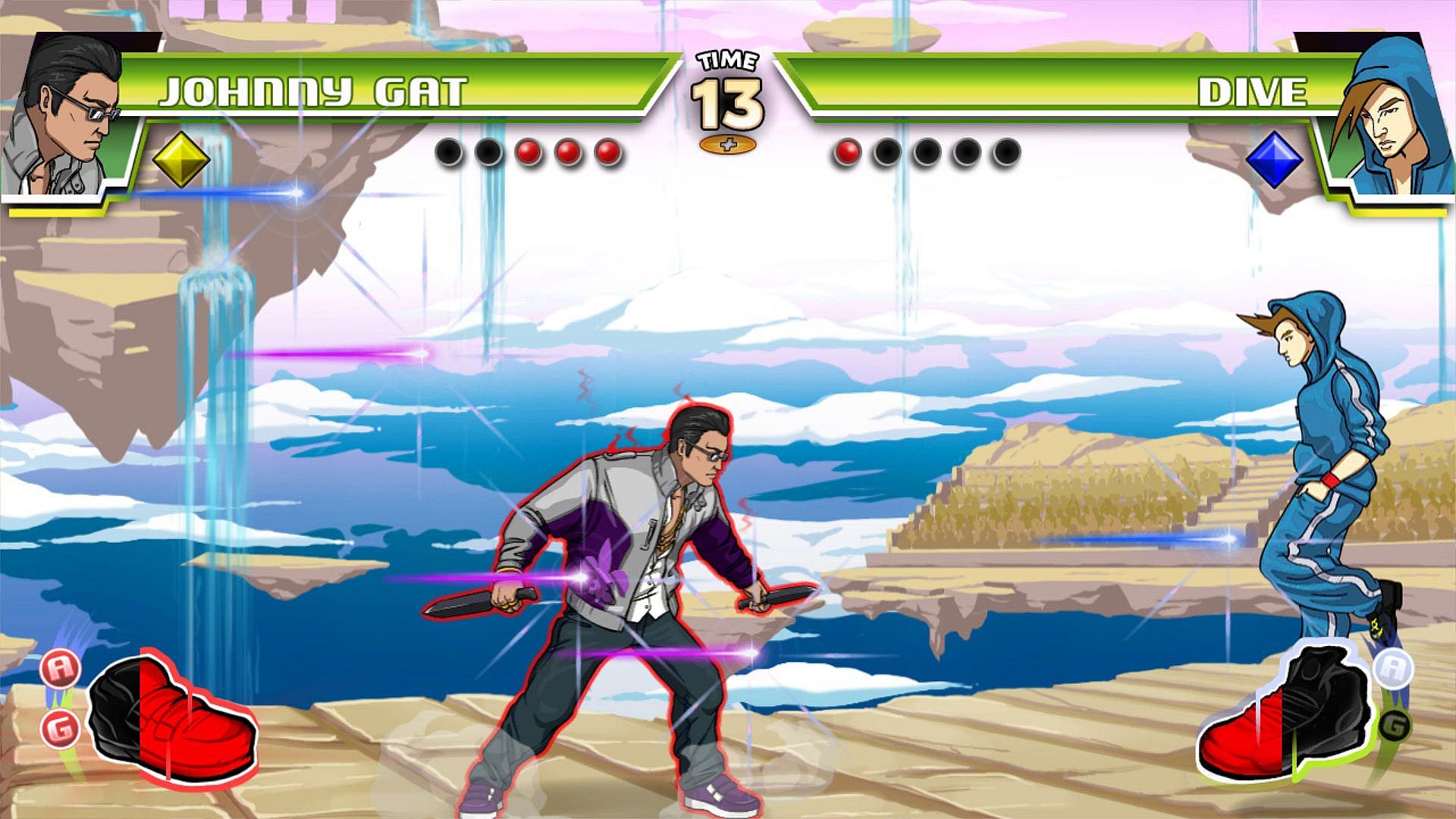
The core loop revolves around two actions only. The dive button sends the character straight upward in a vertical leap, with each fighter possessing unique jump heights and speeds. The kick button launches a downward angled attack once airborne, or serves as a quick escape move when used on the ground. Matches end on the first successful hit per round, and the overall winner is the first to secure five rounds. This structure emphasizes prediction and positioning over memorized combos or complex inputs.
Characters number more than fourteen in total, each built around distinct movement properties and special techniques that alter how the basic dive and kick function. Two guest fighters join the roster as well. Every character receives dedicated story content that includes an opening sequence, a conclusion, and a series of rival encounters. The absence of directional pads forces reliance on pure awareness rather than stick movement, reinforcing fundamentals like reading opponent habits and managing distance.
Game Modes
Single-player options center on the individual character stories, allowing progression through personal narratives and rival battles. Local versus supports two players on the same setup, with simple button remapping available for different controllers or preferences. Online play includes both ranked and unranked matches powered by GGPO netcode, along with separate leaderboards that track performance per character and across the full roster.
These modes keep the focus narrow yet replayable through direct competition and personal progression. No additional layers such as team battles or extended campaigns appear in the verified structure.
Character Variety and Techniques
Each fighter brings tailored attributes that change the feel of jumps and kicks without adding extra buttons. Special techniques provide further differentiation, encouraging experimentation across the roster to find styles that suit individual preferences for aggression or defense. The guest characters integrate seamlessly while preserving the two-button purity.
Story elements add flavor without altering the competitive rules, presenting short arcs that highlight personality through intros, endings, and targeted rival fights. This setup rewards players who enjoy learning matchups and adapting on the fly.
Is It Worth Playing?
Steam user reviews rate the game very positive, with 90 percent approval from more than one thousand submissions. The simplified controls appeal to those new to fighting games while still rewarding experienced players who value mind games and quick reactions over execution barriers. Local and online options support both casual sessions and competitive practice.
The title suits anyone seeking a focused fighter that highlights fundamentals without overwhelming input demands. Its 2013 release means no ongoing seasonal content or major patches in recent years, yet the core experience remains intact for those drawn to its unique approach. Players who appreciate direct, high-stakes rounds and character-specific depth will find consistent value in repeated matches.