





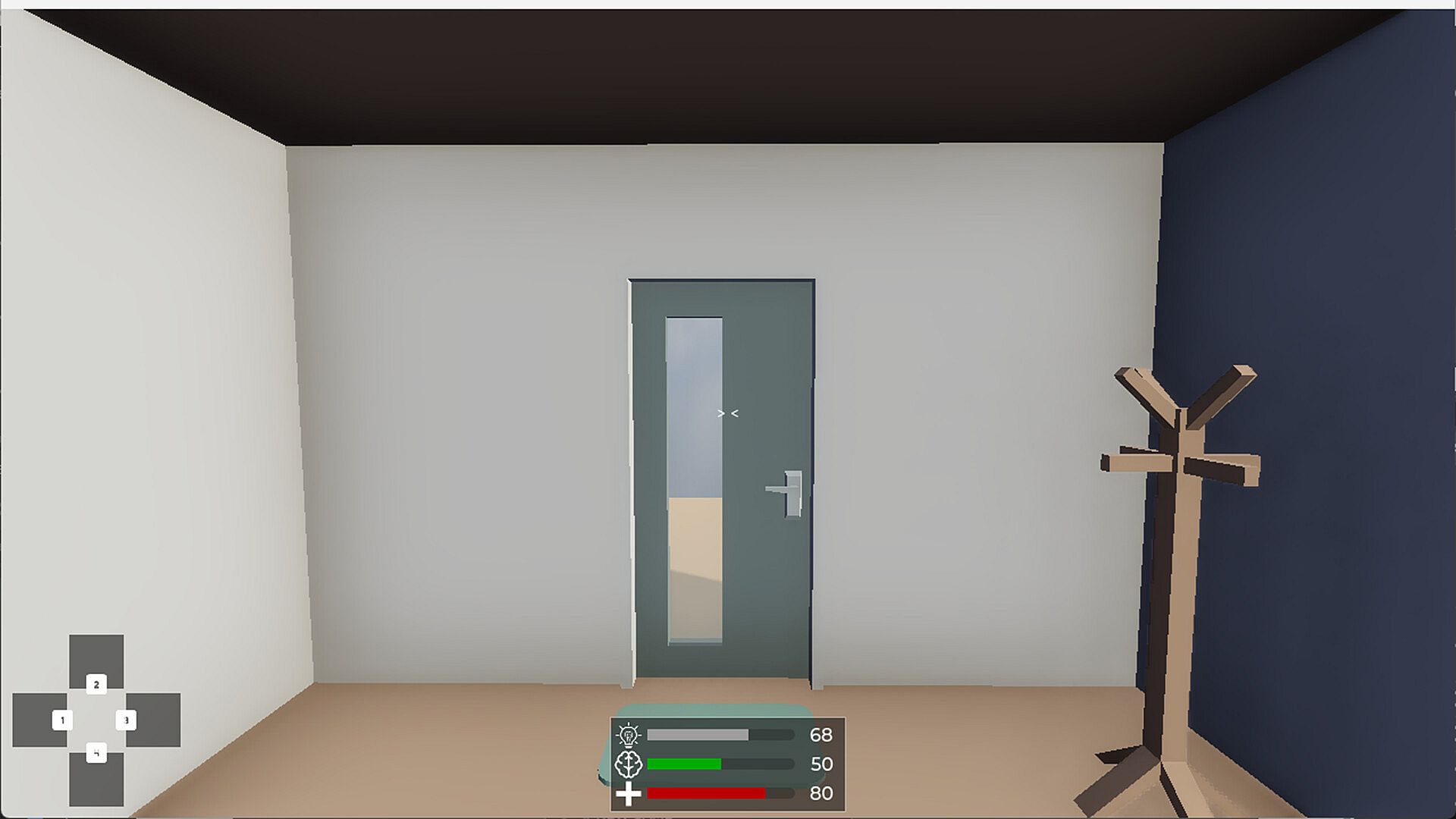
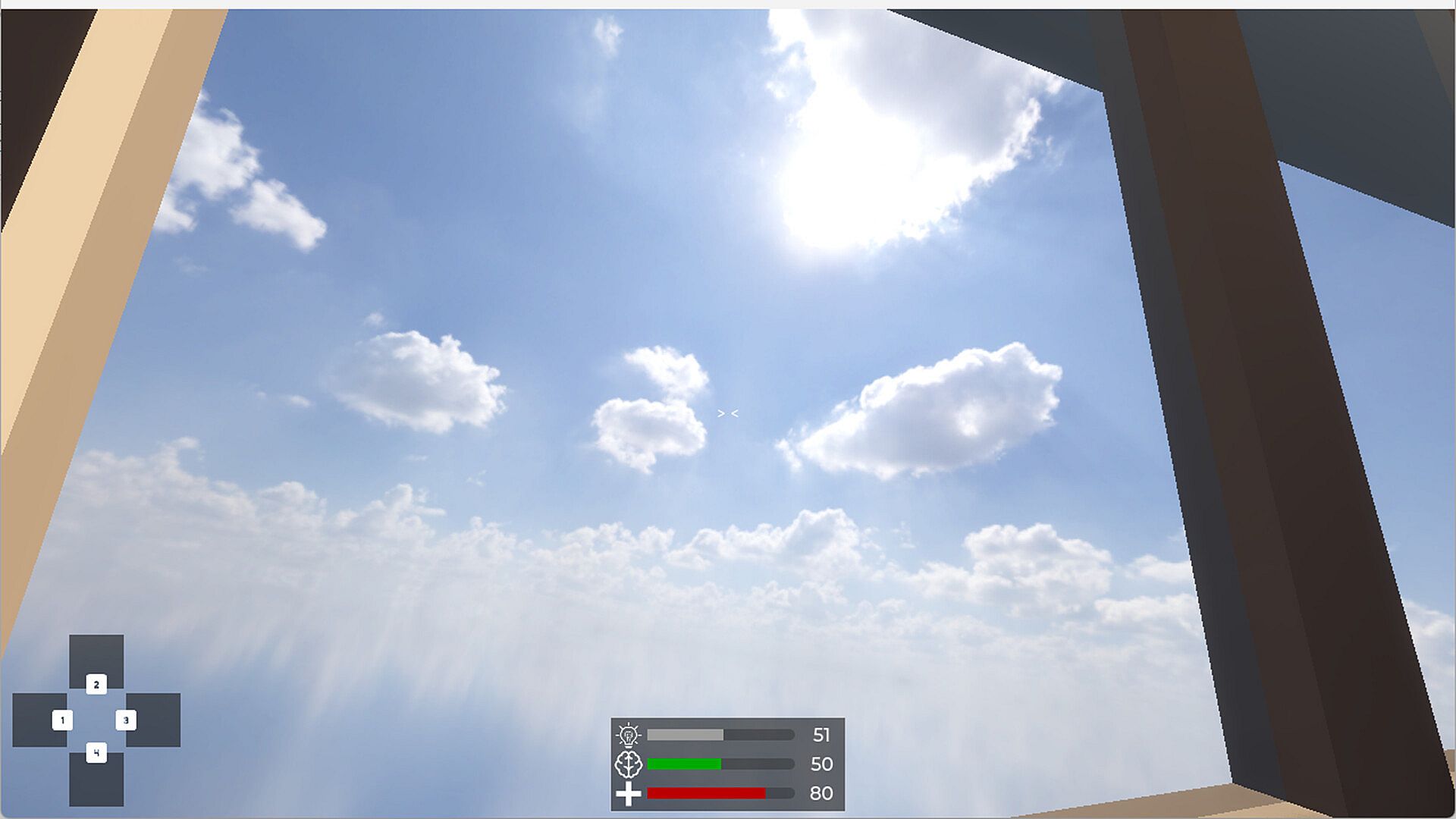
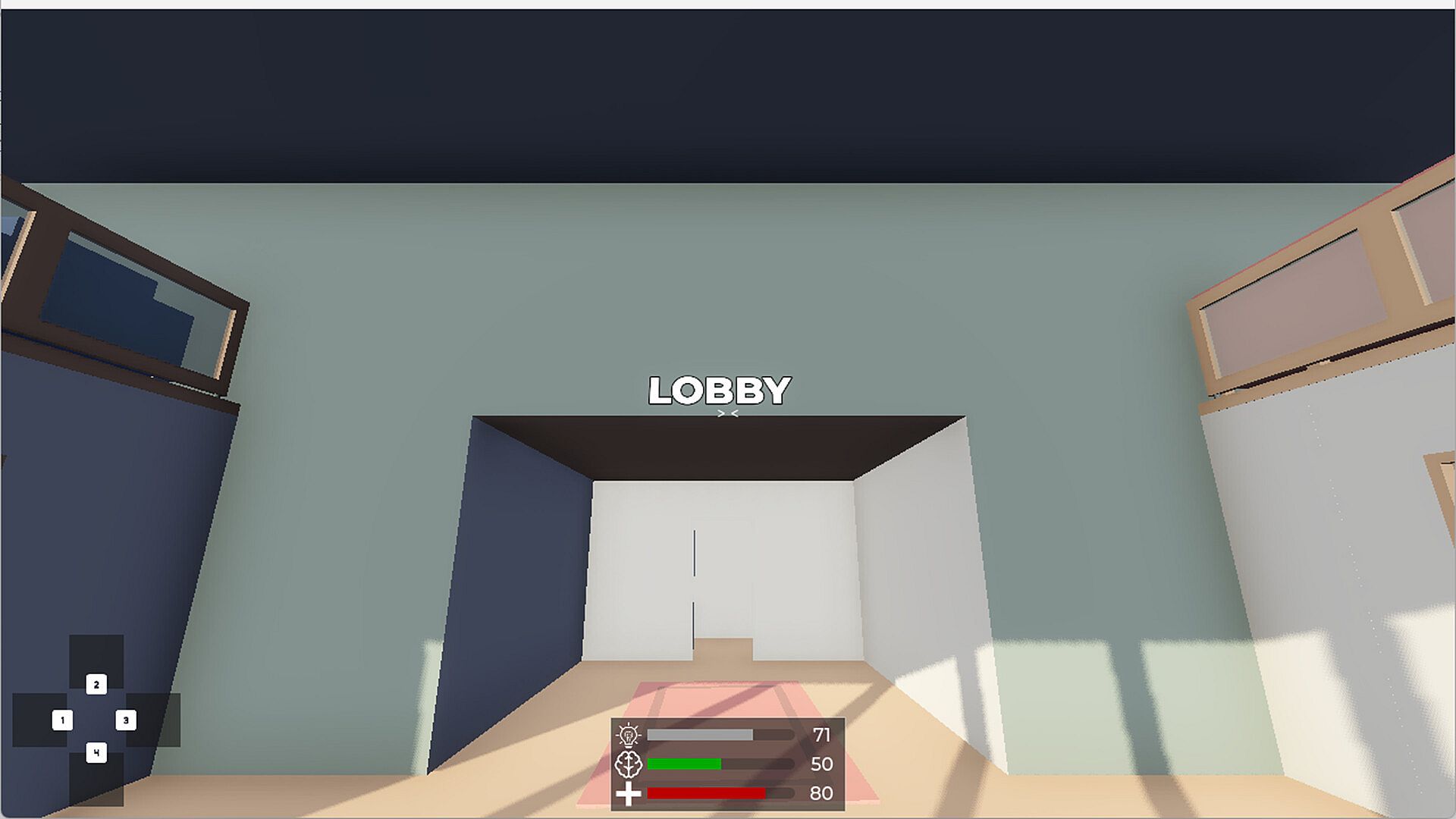
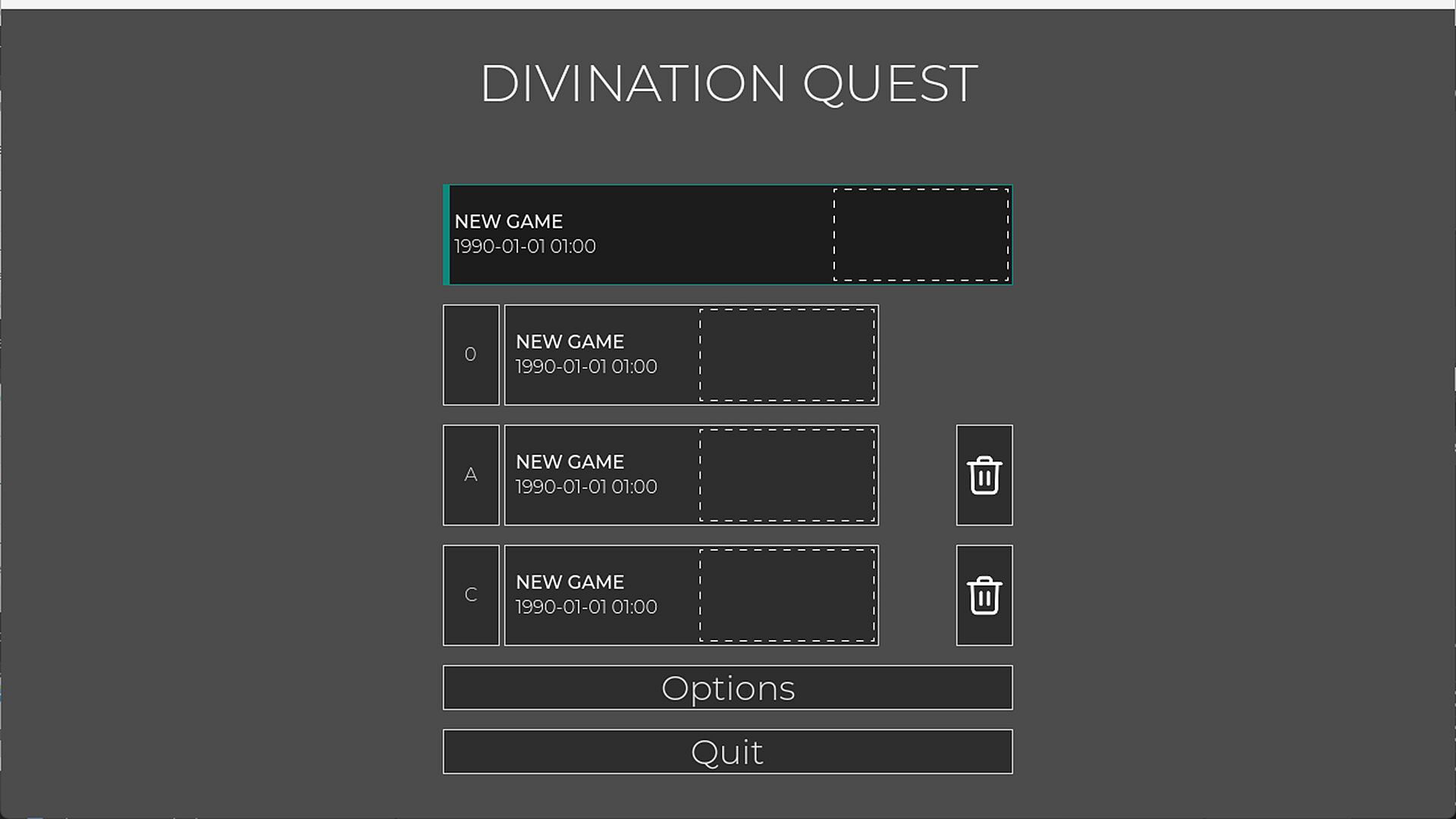
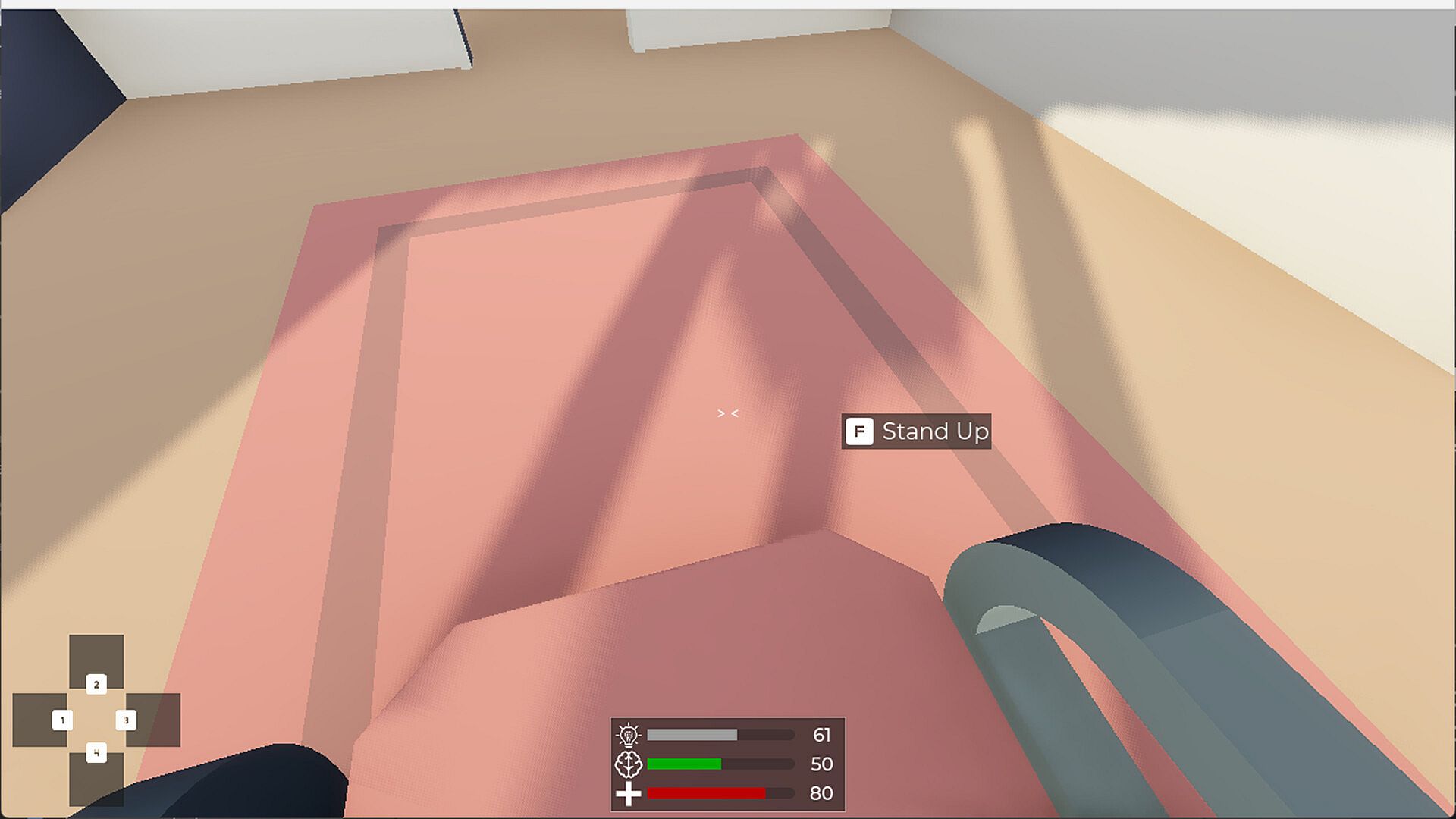
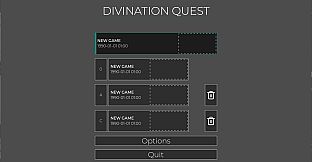
Divination Quest combines action, indie, RPG, and simulation elements into a single player and co-op experience on PC. The title centers on quest progression within extensively interactable environments that respond to player actions through systemic properties.
Gameplay
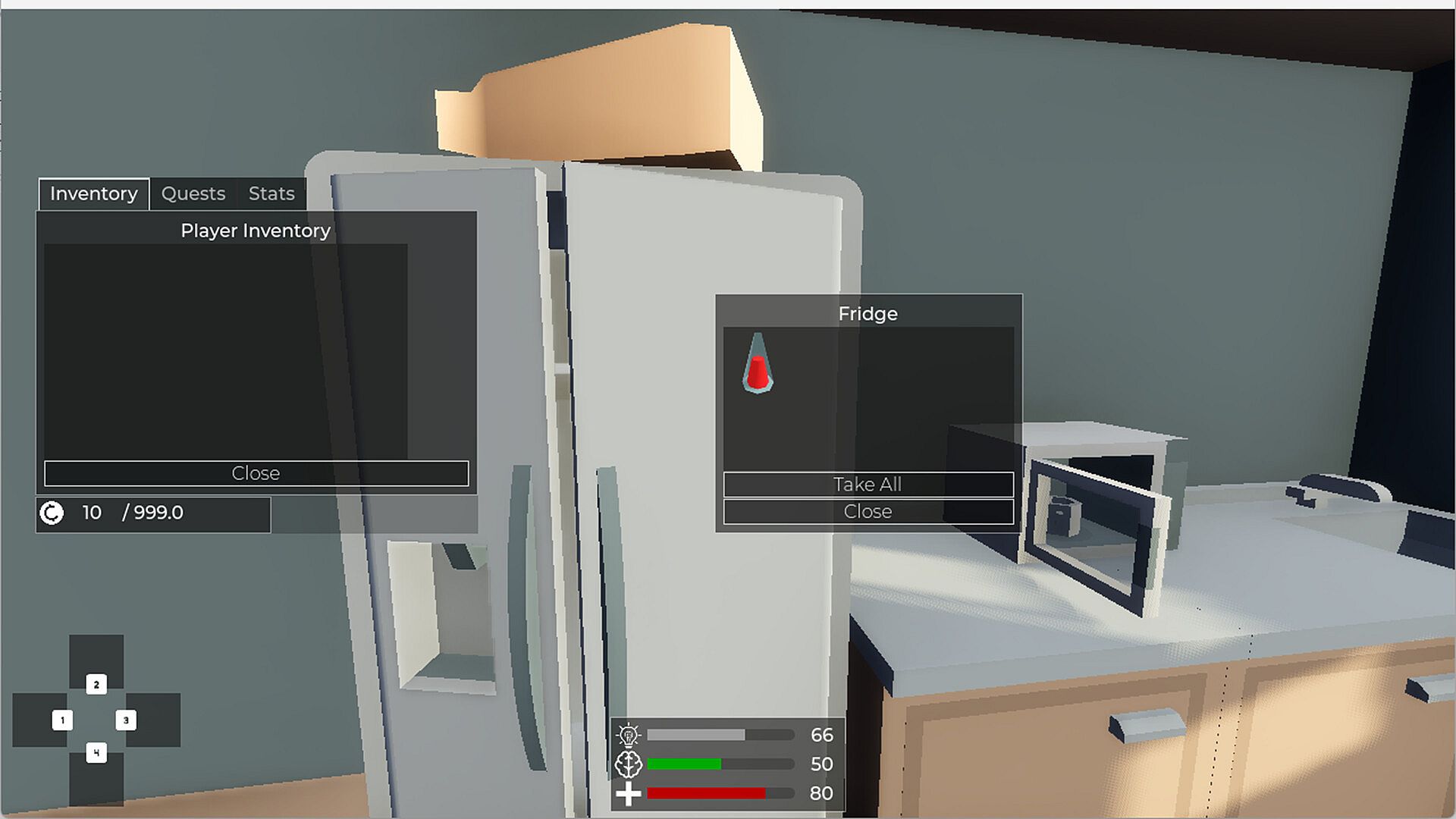
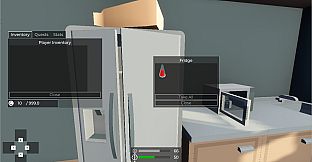
Conventional stats govern character capabilities alongside direct gunplay mechanics. Skill progression allows development across multiple weapons and tools. Inventory management handles standard consumables and currency on a grid based layout. Emergent solutions arise from the interplay of these systems in the environment.
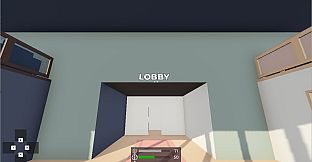
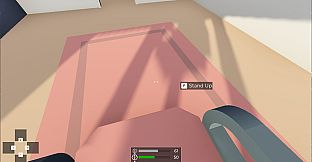
Interaction extends beyond standard combat or dialogue. Objects and spaces carry properties that players exploit for novel approaches to challenges. This setup supports both deliberate planning and spontaneous outcomes during quests.
Progression feels tied to individual choices in equipment, abilities, and resource use. The simulation layer adds depth to how actions ripple through the world without relying on scripted sequences alone.
Game Modes
The core focus rests on a co-op campaign that supports single player play. Two players access the full experience independently, with separate character progression and inventories. Sessions occur in separate locations while allowing joint participation in the shared campaign.
Single player remains fully viable without requiring a partner. The structure accommodates solo runs through the same quest content, preserving individual advancement tracks. Co-op builds on this foundation rather than replacing it.
Quest structure drives both modes forward. Players advance through objectives that integrate combat, exploration, and system interactions in consistent ways across solo and paired sessions.
Core Systems and Progression
Stats and gunplay form the foundation for encounters. Multiple weapons offer variety in approach, while inventory grids encourage careful resource allocation. Consumables and currency tie into ongoing progression loops.
Skill development branches according to play style. Emergent gameplay solutions reward experimentation with the systemic properties of the environment. These elements combine to create varied paths through the same quest content.
The design supports repeated engagement through different combinations of tools and abilities. Grid based management adds a layer of tactical consideration to preparation and in-mission decisions.
Is It Worth Playing?
Divination Quest suits players who enjoy immersive sim mechanics blended with RPG progression and co-op flexibility. The emphasis on interactable environments and emergent solutions provides consistent depth for those who value system driven gameplay over linear narratives.
Single player support ensures accessibility without a partner, while the co-op campaign adds shared progression options. Individual inventories and separate play sessions keep each participant's experience distinct even during joint quests.
Those drawn to action RPGs with simulation layers and grid based inventory will find the mechanics align with familiar expectations. The quest focus delivers structured goals that incorporate gunplay, skill growth, and environmental interaction throughout.










